

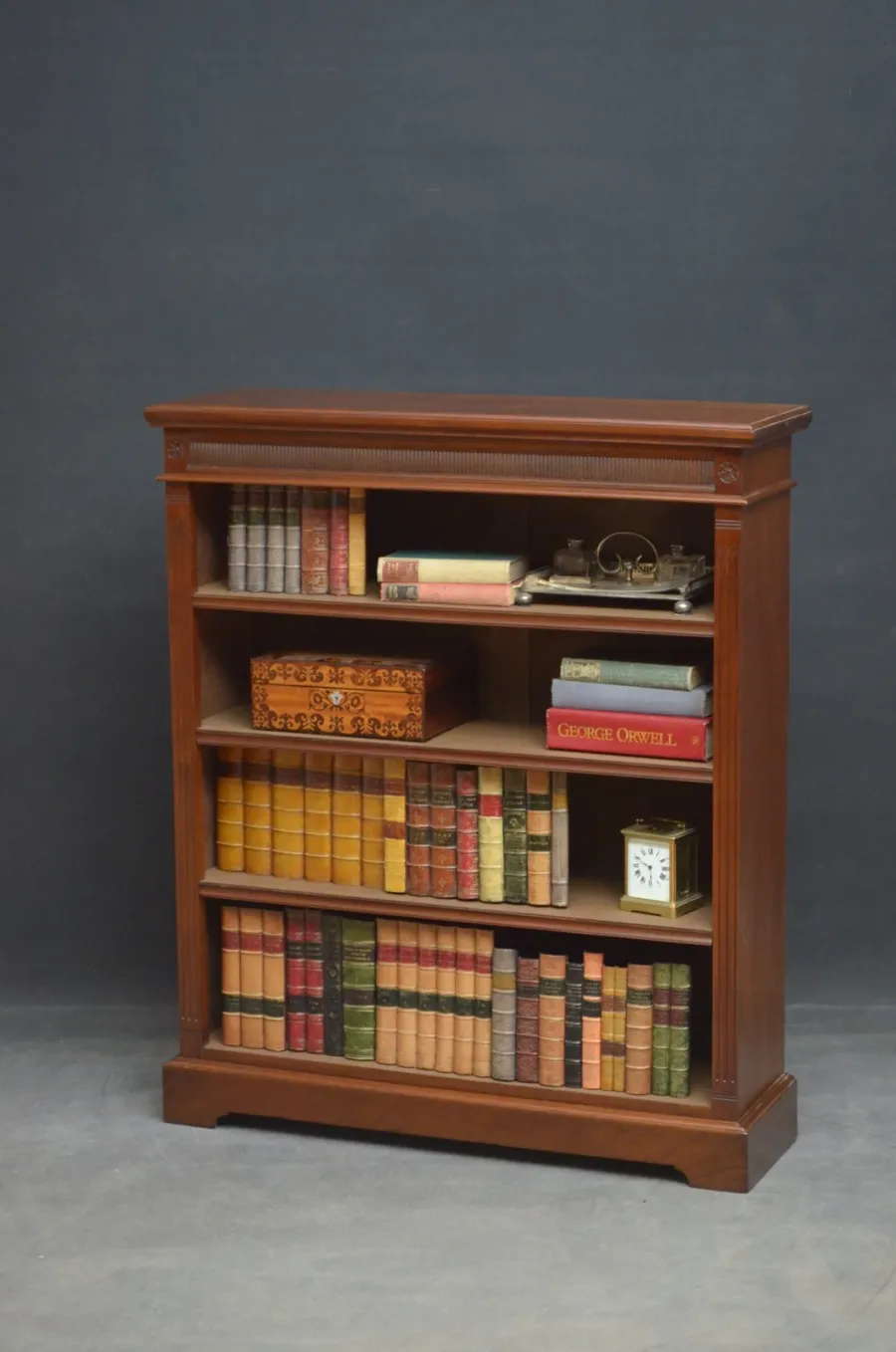


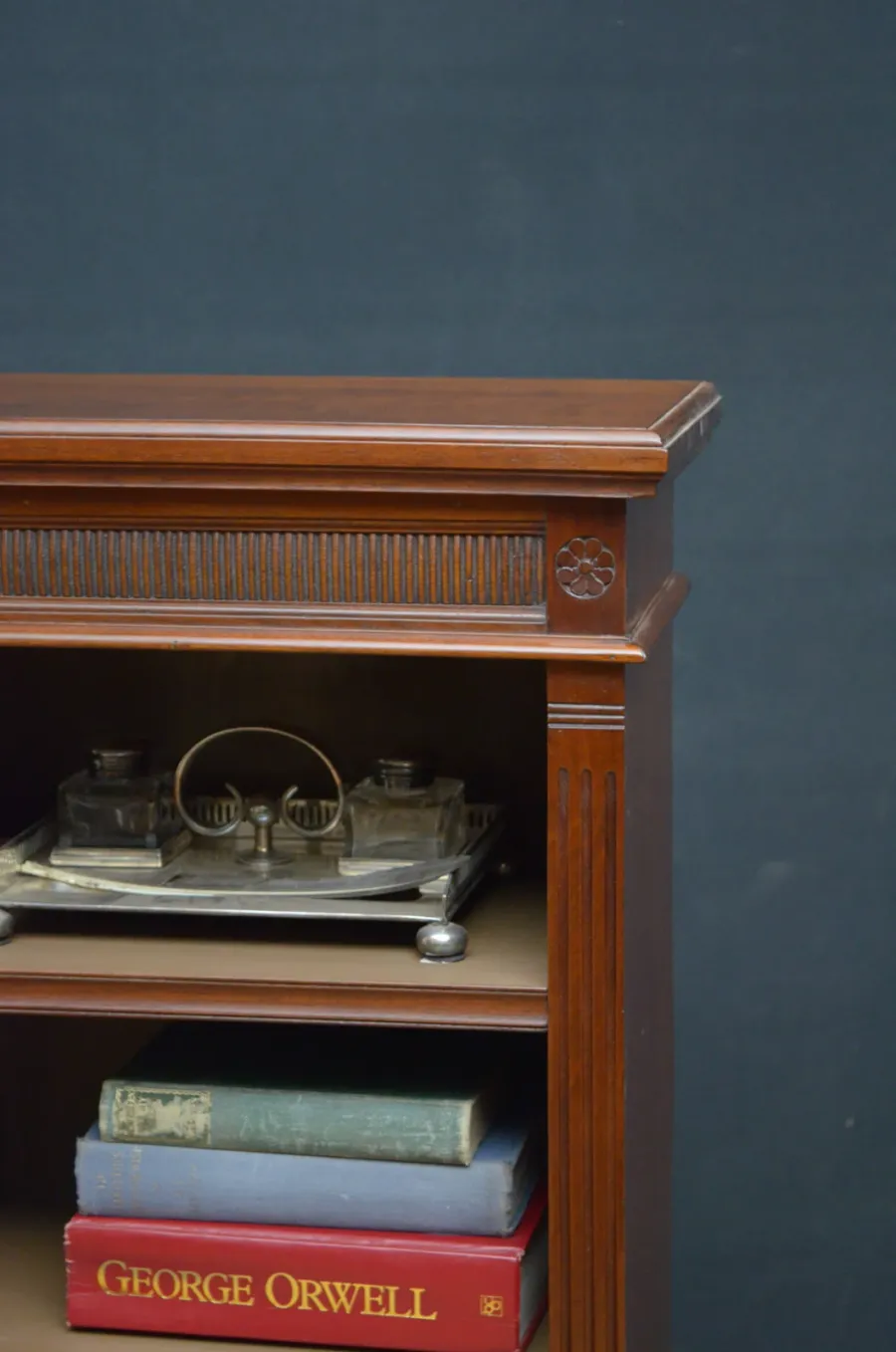

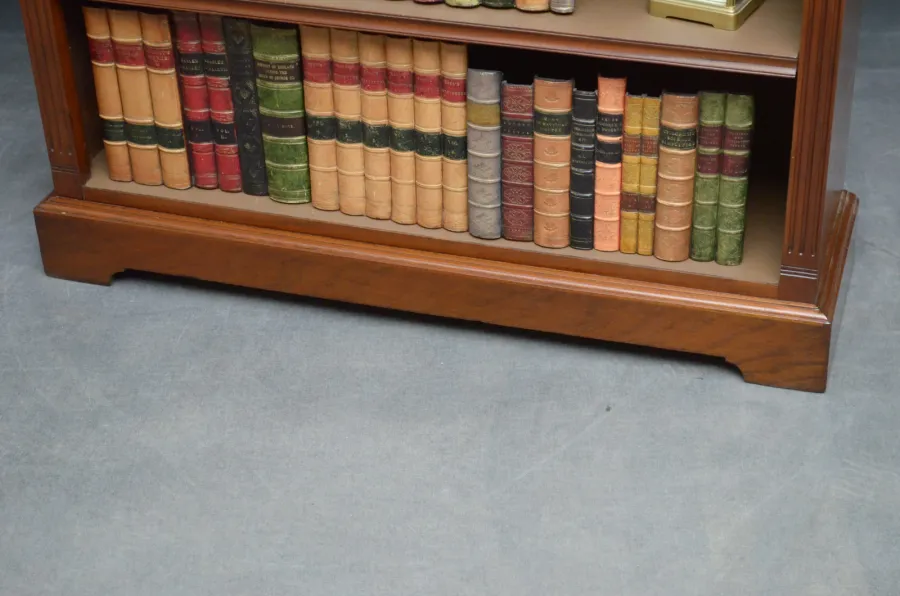
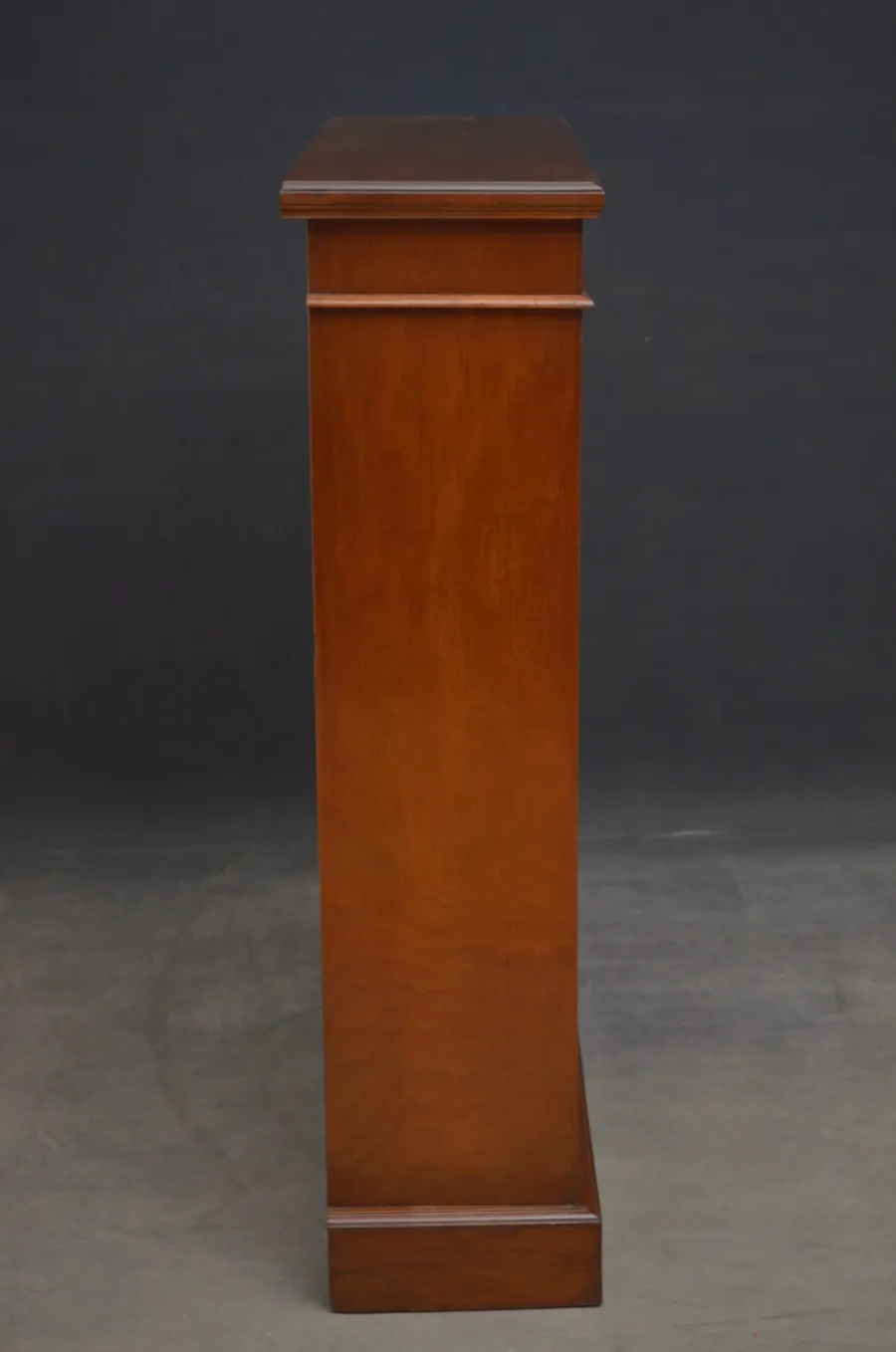
Victorian walnut open bookcase - antique
SKU: NIMQUES-K0425
See other products from category Antiques or from manufacturer Nimbus Antiques
Related products by category
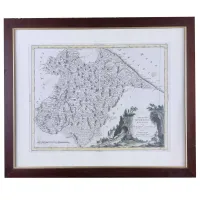
Antonio Zatta Embassy Urbino and the government of Città di Castello Venice 1783 Geographical map taken from the work of publisher Antonio Zatta, Atlante novissimo, illustrated and supplemented with
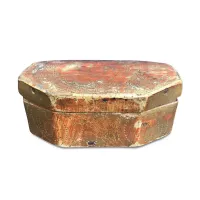
Ancient Golden and Bulinata box made from white walnut with an octagonal shape, gilded along the edges and lid, decorated with engraving that creates a pleasing decorative frame. The box is in good c
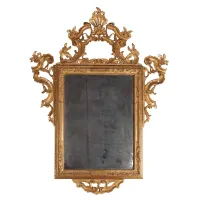
Unique antique furniture and accessories can be an excellent idea for decorating our interiors. Today, there is an increasing number of enthusiasts of high-quality vintage products that possess a dist
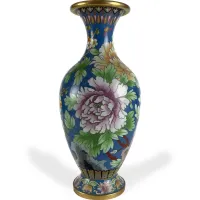
Turquoise Cloisonné vase with a brass base and neck edge, featuring rich floral decoration in shades of pink, white, and green. The edges of the base and neck are also adorned with a band of geometri
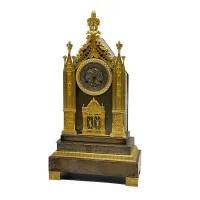
Original antique furniture and accessories can be an excellent idea for decorating our interiors. Today, there is an increasing number of enthusiasts of high-quality vintage products that possess a di
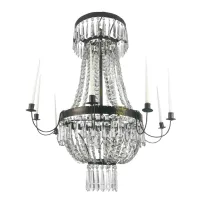
Charming, classic Italian Empire-style chandelier designed for candle lighting, with nine arms ending in candles, without electrical wiring, can be used as candle holders or decorative candlesticks.L
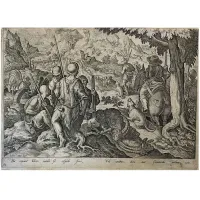
Giovanni Stradano (1523-1605) Chamois hunting published by Philipp Galle (Haarlem 1537 – Antwerp 1612) taken from the work Venationes Ferarum, Avium, Piscium. An original engraving depicting the sub
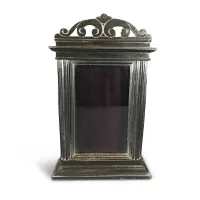
Ebonized Poplar Wood Case from the early 19th century with modern glass accessible from the back panel, hinged and lockable with a latch. The sides are decorated with a diamond-shaped frame. The inte
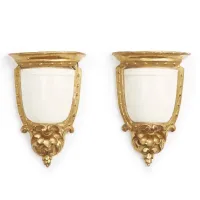
Neoclassical carved and gilded wall brackets from the early 19th century, made of majolica in ivory white color by the Italian manufactory Giustiniani from Naples. This exceptional and elegant pair of
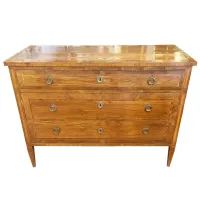
Louis XVI dresser with three drawers and tapered legs in the shape of a truncated pyramid, veneered with various types of wood featuring square embellishments. The combination of walnut, boxwood, and
Description
Victorian open oak bookcase, with a shaped, molded top over a cane wainscot and three adjustable-height shelves, surrounded by cane pilasters and carved pedestals, all standing on a molded plinth. This antique bookcase has been restored and is ready to be placed in your home. Year 1880
Wonderful antique furniture and accessories can be an excellent idea for decorating our interiors. Today, there is an increasing number of enthusiasts of high-quality vintage products that possess a specific character and soul. It’s a nod to history, craftsmanship, and the design of classic and timeless furniture. There are many different styles in antique furniture, each with its distinctive features.
Many styles characterize antique furniture, but we can highlight a few of the most important. Eclectic furniture refers to the 19th century, marked by the prevailing Biedermeier style. Its early 20th-century variants include neo-Gothic, Gothic, Rococo, Louis Philippe style, and finally the English Victorian style.By the end of the century, these styles evolved into pseudo-classicism, Renaissance, and Baroque styles.
Empire-style furniture and accessories date from the late 18th to early 19th century. Everything was influenced by Napoleon’s reign, which imposed a resemblance to Roman and Greek decorative motifs.
Neoclassical furniture is associated with Louis XVI style, which also strongly references ancient architecture. Interesting and noteworthy are antique products in Rococo and Louis XV styles. Next is Baroque, a term derived from the Portuguese 'barocco'—meaning an irregularly developed pearl. These were highly ornate, luxurious pieces designed to shine with splendor and play a significant role in opulence. Materials were selectively chosen to emphasize the grandeur of these items.
Today, we can observe how much the Baroque style influenced modern classical furniture, which is designed with a strong resemblance to the historical period. An important style is also Renaissance, which flourished in the 15th and 16th centuries and left a significant mark on furniture craftsmanship. Renaissance furniture was quite heavy and robust, often using brown stains, moldings, strong bases, and relief decorations. These products were quite distinctive but also introduced new possibilities, such as the construction of credenzas and broadly speaking, chest furniture. Mythology and ancient times also inspired these designs, with supports and legs taking animal forms.
Lion paws, eagle heads—these are common motifs in Renaissance style. Currently, many global brands reproduce such furniture, drawing inspiration from Italian and French creators. This reflects admiration and respect for the history of the most beautiful Renaissance antiques. It’s important to remember that furniture production was perceived differently in each country, so each style had its unique character. This is especially important when searching for a luxurious antique that suits your interior.
The key aspect of elite antique furniture is originality. This is ultimately crucial for buyers, as many fakes circulate on the market. Luxury Products provides documentation confirming the product’s authenticity and compliance with the description and photos. We also have experts in art appraisal, historians, and specialists from around the world at your disposal.
Attributes / Details
| SKU | NIMQUES-K0425 |
| Manufacturer | Nimbus Antiques |
| Model | K0425 |
| Material | nut |
| Size | H108cm W92cm D28cm D22cm-shelves |
| Age | 19th century |
| Year | 1880 |
| Style | Victorian |
| Condition | After renovation |
| Destiny | To living room |
See catalog
Reviews
No reviews for this product.