


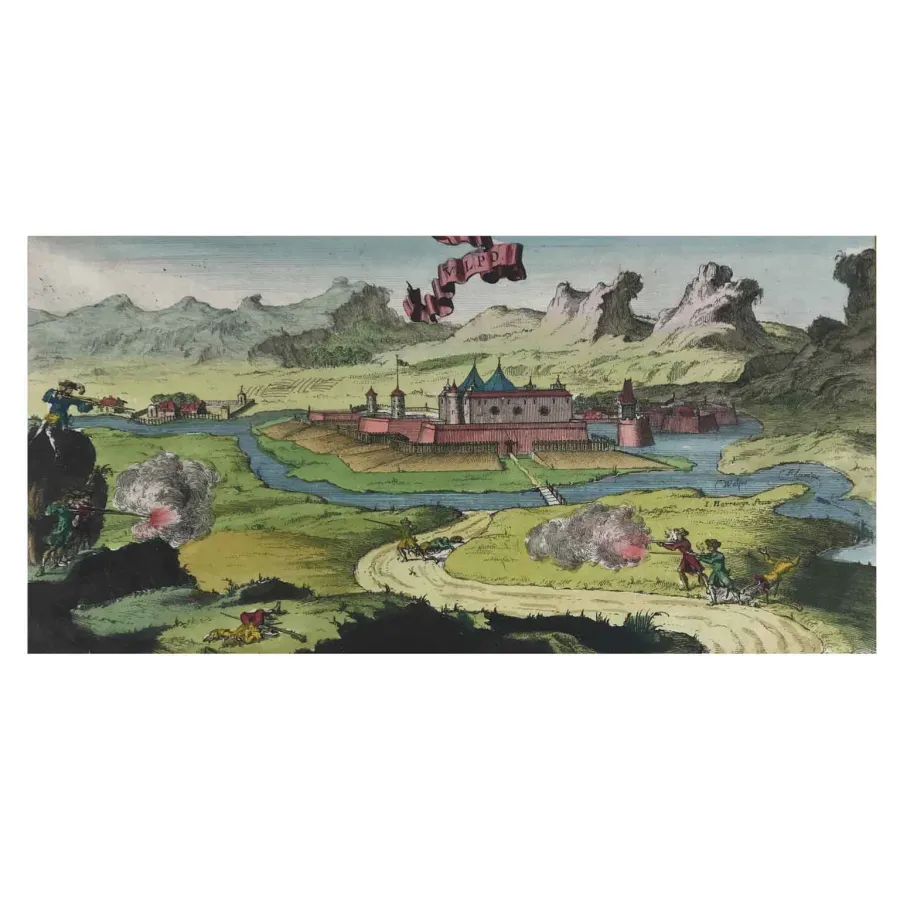
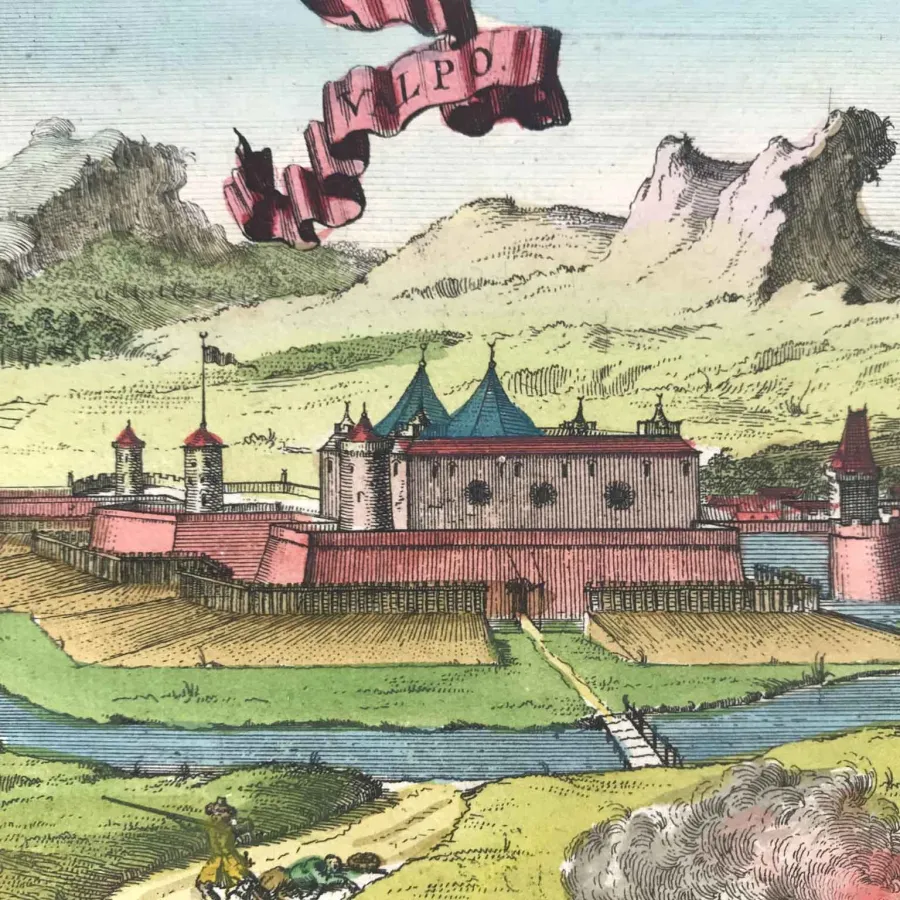
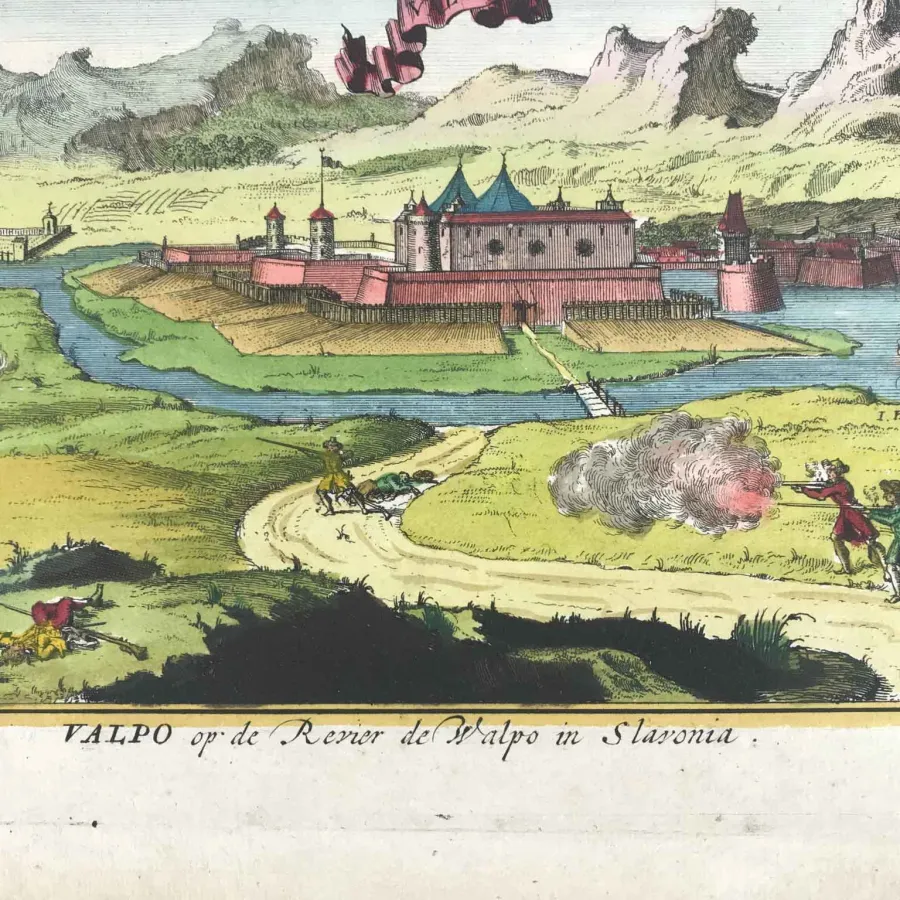
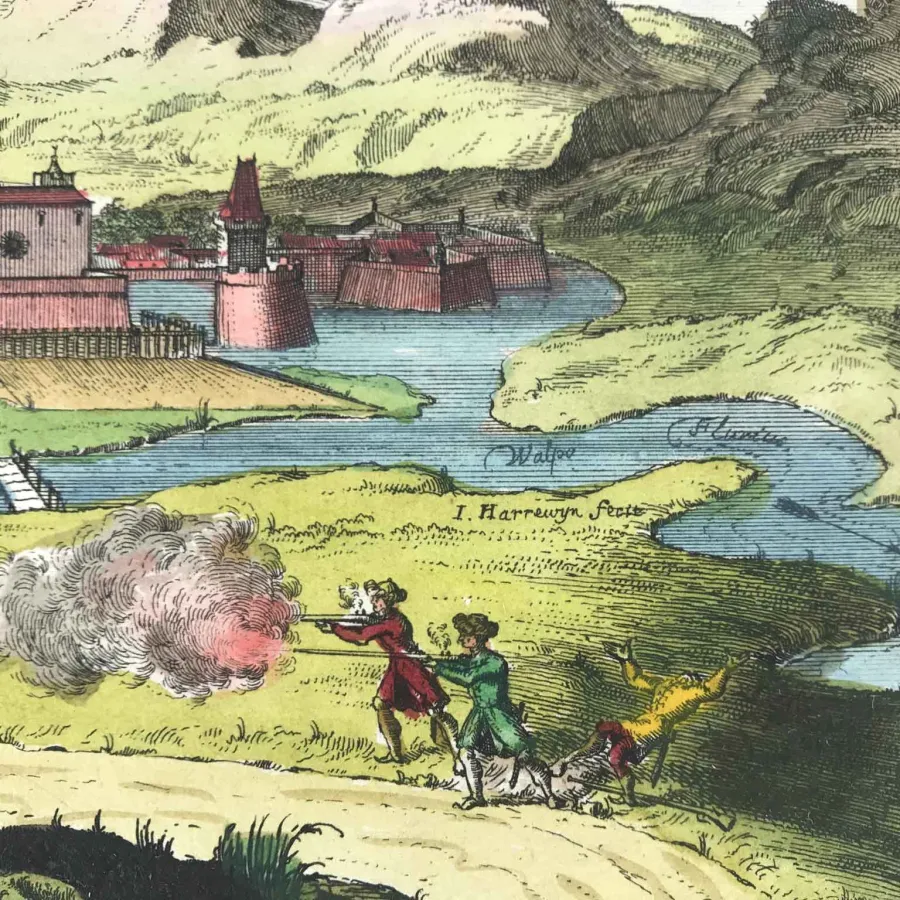
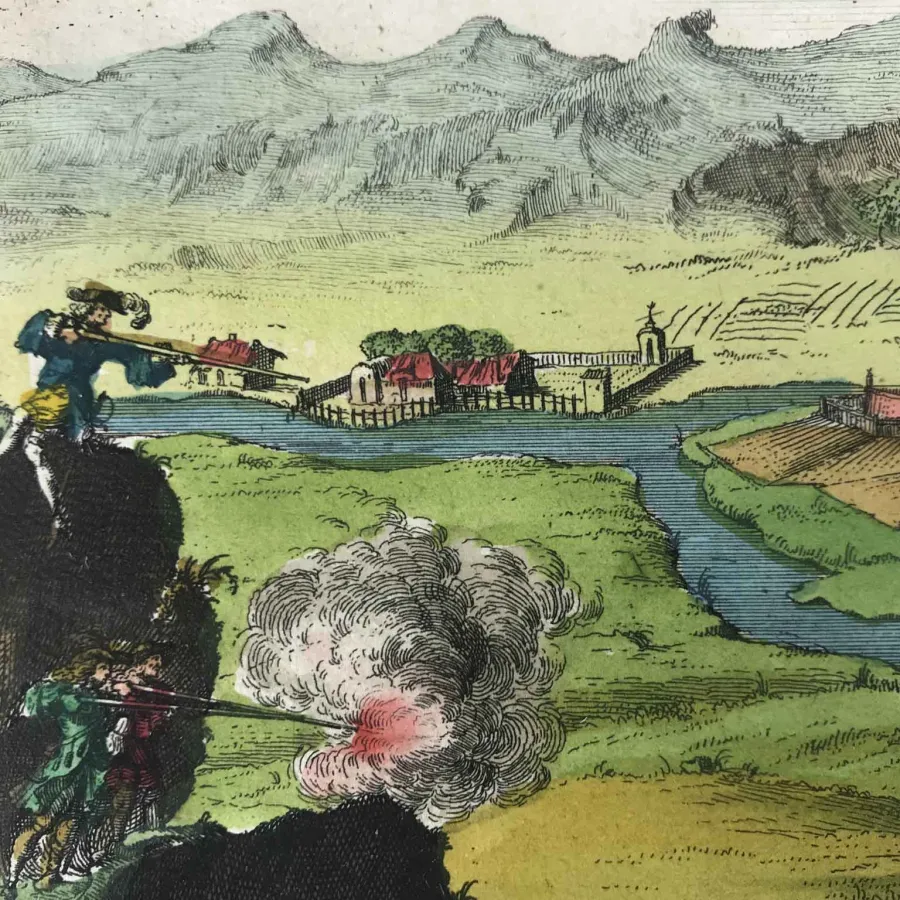
View of Valpo or Walpo in Slavonia from the second half of the 17th century
Stylish antique furniture and accessories
SKU: ANT-A195
See other products from category Antique prints or from manufacturer Antyki with shipping within 24 hours
Related products by category
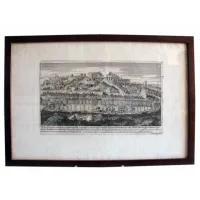
"Remnants of Circus Maximus, which was so named due to its size, as it was larger than other circuses in Rome, and the aforementioned Circus was built solely for celebrating various types of games and
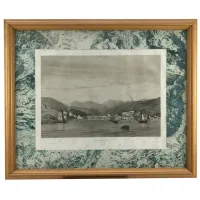
André Durand Rio Marina 1862 Lithograph printed in two colors by Eugène Ciceroni at the request of André Durand, published in Paris by Lemercier and included in the famous work “L’Ile d’Elbe
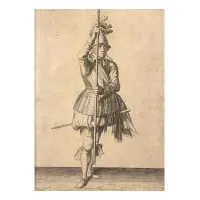
Soldier with a pike and sword, Jacob De Ghein, 1607, a graphic on paper with a watermark, representing an important example of late Mannerist engraving art. De Ghein, one of the most influential engra
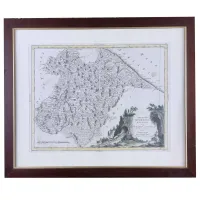
Antonio Zatta Embassy Urbino and the government of Città di Castello Venice 1783 Geographical map taken from the work of publisher Antonio Zatta, Atlante novissimo, illustrated and supplemented with
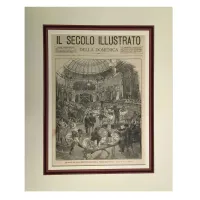
Ancient print of Manzottis' sports ball at Teatro della Scala in 1897. Chromolithograph created by Antonio Bonamore for the weekly Illustrated Secolo della Domenica, published by Sonzogno since 1889.
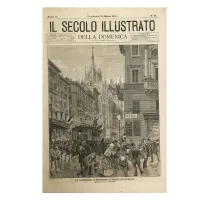
Demonstration of a scene near the cathedral in 1890, woodcut made by A. Bonamore for Secolo Illustrato della Domenica, a weekly magazine published by Sonzogno since 1889. Under the illustrated section

Giuseppe Vasi Palazzo Sacchetti View of Via Giulia, drawn and engraved by Giuseppe Vasi (1710-1782), who was one of the most important view engravers in 18th-century Rome and a teacher of Piranesi. Th
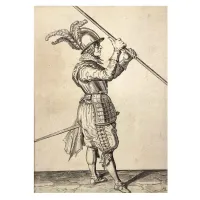
Ancient engraving featuring a soldier. A print by Jacob de Gheyn from 1600 depicting a soldier in military uniform. The 1607 engraving is an important example of late Mannerist printmaking art. De Ghe
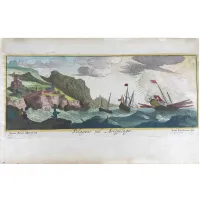
J. Peeters, Pelaguse on the Archipelago, circa 1650 A beautiful etching with wide margins and watercolour in the collection of views drawn by J. Peeters and engraved by Lucas Vorsterman. The engraving
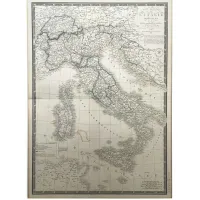
Geographical map of Italy by Adrien Brué from 1842, with a horizontal, central fold and period-appropriate coloring according to the boundary legend. At the top right: General map of modern Italy and
Description
View of Valpo or Walpo in Slavonia. Dated to the second half of the 17th century with large margins and coloration of backwaters waters. It is part of the European townscape views theater, which originated in Antwerp according to designs by Jaan Peeters.
Beautiful antique furniture and accessories can be an excellent idea for decorating our interiors. Currently, there is a growing number of enthusiasts of high-quality vintage products that possess a specific character and soul. This is a nod to history, craftsmanship, and the design of classic and timeless furniture. There are many different styles in antique furniture, each with its distinctive features.
There are many styles characteristic of antique furniture, but we can highlight a few key ones. Eclectic furniture belongs to the 19th century, during which the prevailing Biedermeier style emerged. Its early 20th-century variants include neo-Gothic, Gothic, Rococo, Louis Philippe style, and finally the English Victorian style. By the end of the century, these styles evolved into pseudo styles of classicism, Renaissance, and Baroque.
Empire-style furniture dates from the period between the late 18th and early 19th centuries. Everything stems from Napoleon’s reign. It imposed a significant resemblance and references to Roman and Greek ornamentation.
Neoclassical furniture is associated with Louis XVI style, which also strongly references ancient architecture. Interesting and noteworthy are all antique products in Rococo style and Louis XV. Next is Baroque, whose name derives from the Portuguese 'barocco' – which translates to an irregularly developed pearl. These were highly representative pieces of furniture, literally dripping with glamour and playing a significant role in luxury. Unique materials were selectively used to further emphasize the grandeur of these items.
Today, we can observe how much influence the Baroque style had on modern classic furniture, which is designed with a strong resemblance to the former era. An important style is also Renaissance, which flourished in the 15th and 16th centuries and also left a significant mark on furniture-making art. Renaissance style was quite heavy and bulky. Brown stains, cornices, sturdy bases, and bas-reliefs were used. These products were quite specific, but they opened up many new possibilities, such as the construction of cabinets or broadly speaking, chest furniture. Here, too, there was an interest in mythology and ancient times, so supports or legs often took animal forms.
Lion paws, eagle heads – these are common features in Renaissance style. Currently, many global brands reproduce furniture made in this style, drawing inspiration from Italian or French creators. This reflects admiration and respect for the history of the most beautiful Renaissance antiques. It’s important to remember that furniture production was perceived differently in each country, so each style had its unique character. This is especially important when searching for an elegant antique that suits your interior.
The most important aspect of stylish antique furniture is originality. And this is ultimately crucial from the buyer’s perspective, as many counterfeit products circulate on the market. Luxury Products provides a certificate confirming the product’s compliance with the actual description and photos. We have appraisers, art experts, historians, and specialists from around the world at your disposal.
Attributes / Details
| SKU | ANT-A195 |
| Manufacturer | Antyki |
| Model | A195 |
| Size | Height: 17.5 cm Width: 28.5 cm |
| Age | XVII |
| Year | 1601 |
| Destiny | To living room |
See catalog
Reviews
No reviews for this product.