



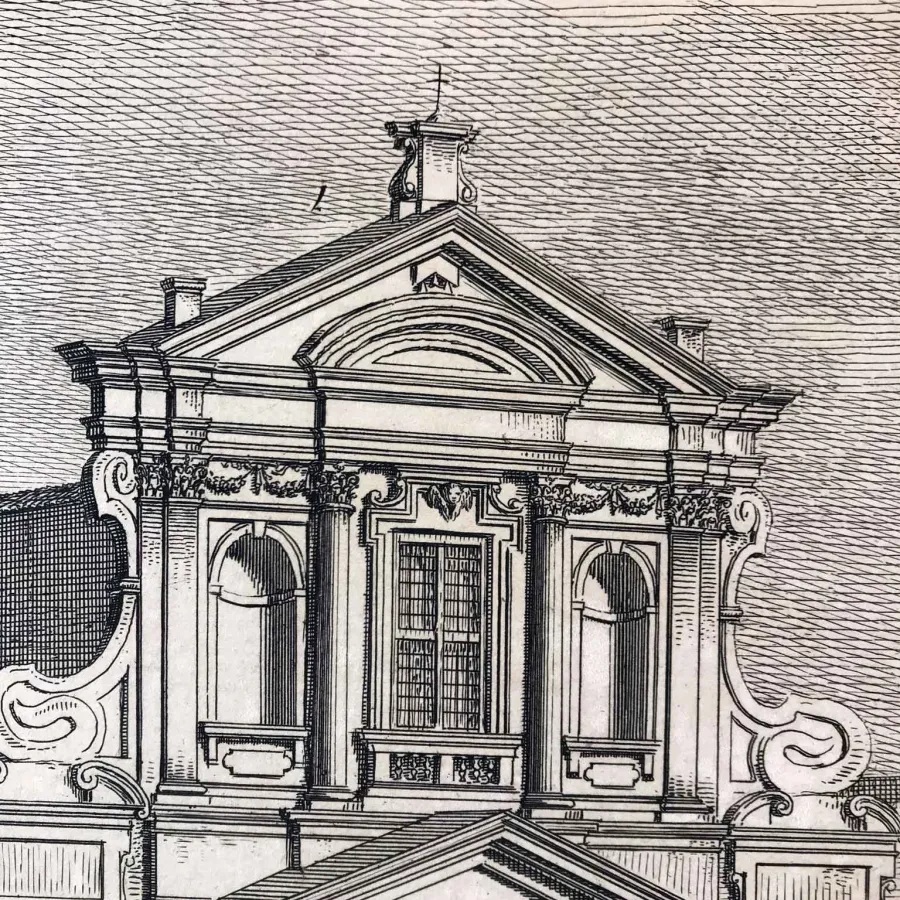
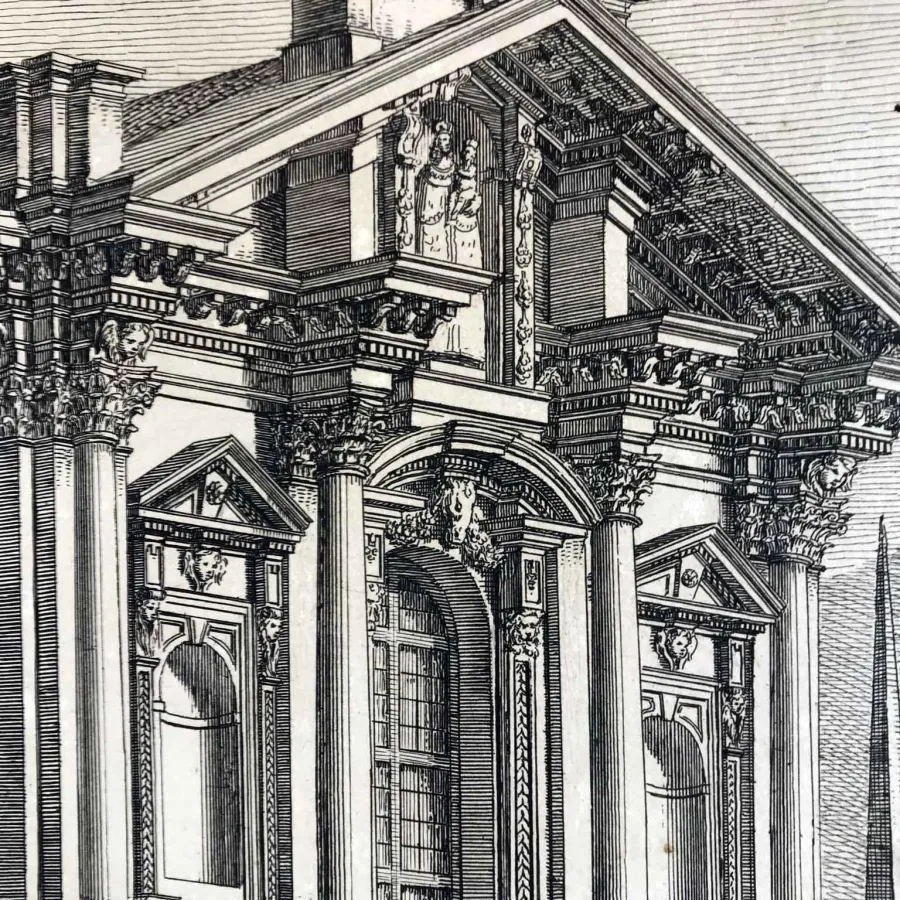
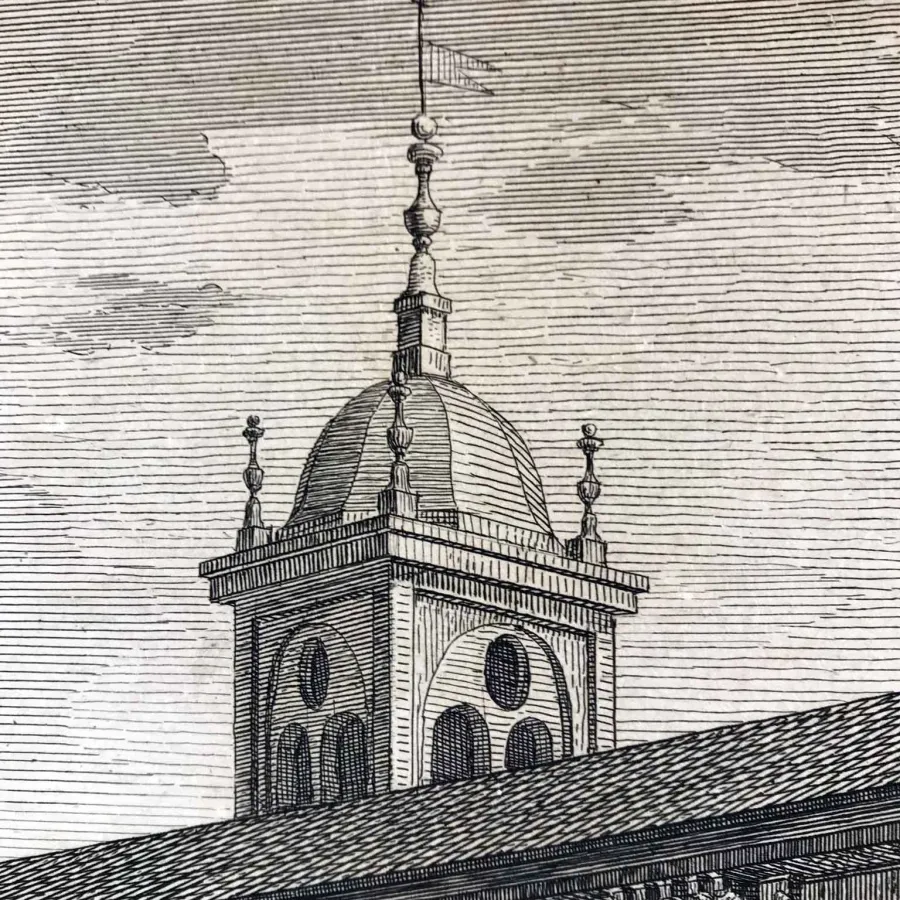


A tasteful view of the Church of San Paolo from the 18th century
Luxury antiques
SKU: ANT-A826
See other products from category Antique prints or from manufacturer Antyki with shipping within 24 hours
Related products by category
"The City of Brussels in the Duchy of Brabant" copperplate engraving – printed in Venice around 1740
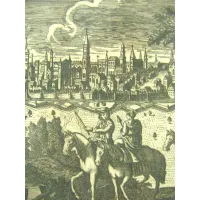
View of Brussels. “The City of Brussels in the Duchy of Brabant” copperplate engraving taken from “The Present State of All Countries and Nations of the World…” T. Salmon printed in Venice a
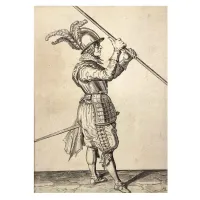
Ancient engraving featuring a soldier. A print by Jacob de Gheyn from 1600 depicting a soldier in military uniform. The 1607 engraving is an important example of late Mannerist printmaking art. De Ghe
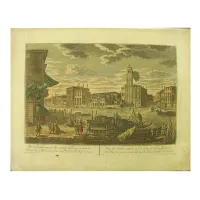
Georg Balthasar Probst, View of the Grand Canal, 1770. An antique etching depicting the view of Venice by 18th-century German engraver Georg Balthasar Probst. The title is in Latin, French, Italian, a
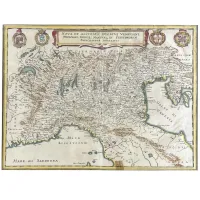
The geographical map of the entire northern Italy with the long title “Nova et esauriente Ducatus Venetiani, Mediolani, Genuæ Mantuæ et finitimorum Principatuum delineatio”, first published in N
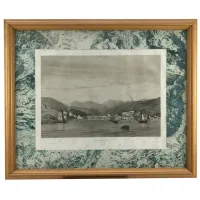
André Durand Rio Marina 1862 Lithograph printed in two colors by Eugène Ciceroni at the request of André Durand, published in Paris by Lemercier and included in the famous work “L’Ile d’Elbe
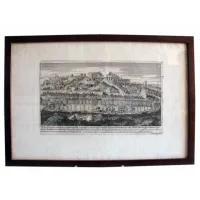
"Remnants of Circus Maximus, which was so named due to its size, as it was larger than other circuses in Rome, and the aforementioned Circus was built solely for celebrating various types of games and
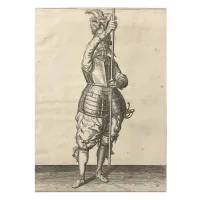
An antique engraving featuring a soldier from 1600, created by Dutch artist Jacob De Gheyn; this is an etching on watermarked paper, representing an important example of late Mannerist printmaking art
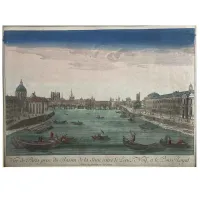
View of the Seine in Paris between Pont Neuf and Pont Royal, late 18th century, animated optical view of boats and people depicting Vue de Paris, prise du Bassin de la Seine, entre le Pont Neuf et le
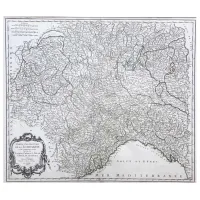
De Vaugondy Gilles Robert Western part of Lombardy, Savoy, Piedmont, Milan, Geneva, Plaisance, etc. 1760. The plate was published in the “Atlas Universel,” released in 1757 by Gilles Robert de Vau
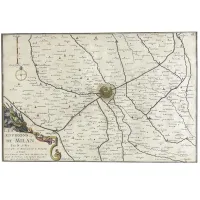
Nicolas De Fer Milan Surrounding 1705 Engraving. A map depicting the vicinity of Milan with city defensive walls, enriched with an ornate cartouche bearing the title. Excellent condition. The map cove
Description
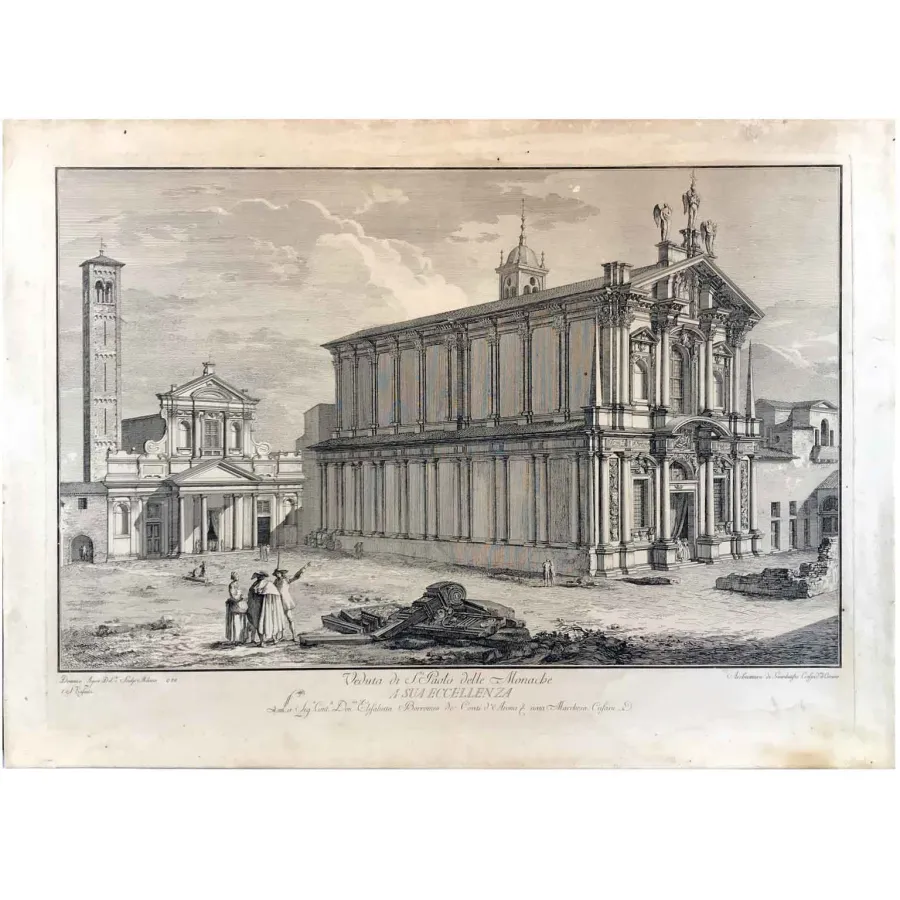
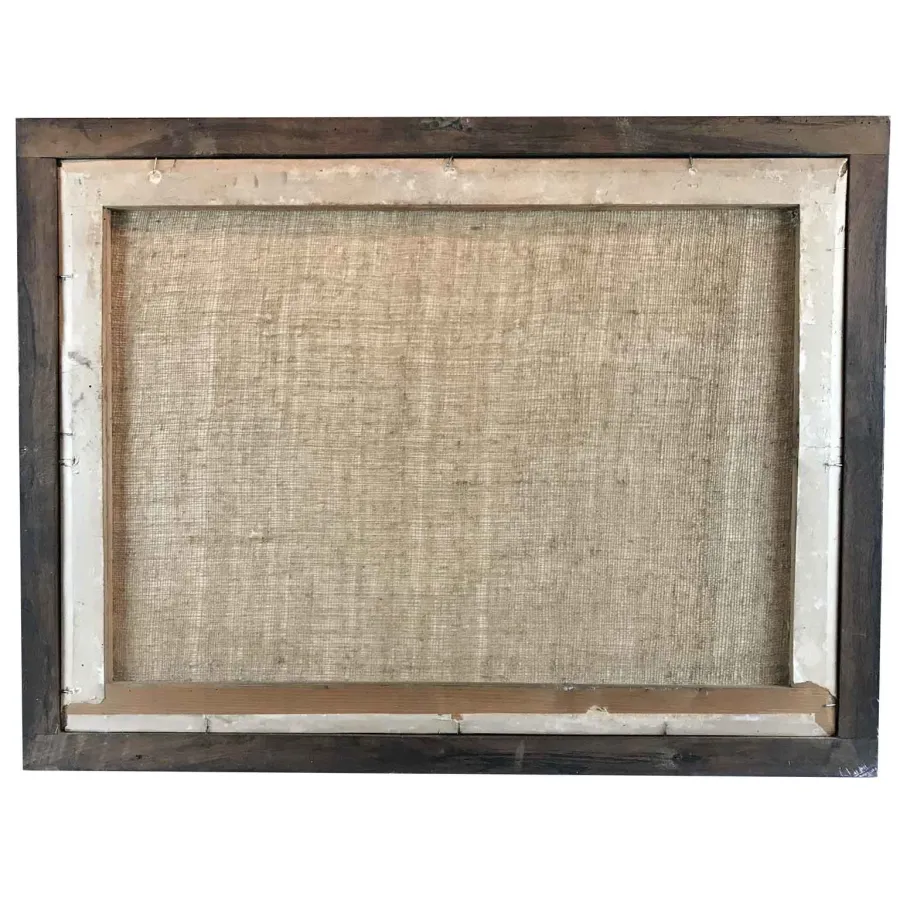
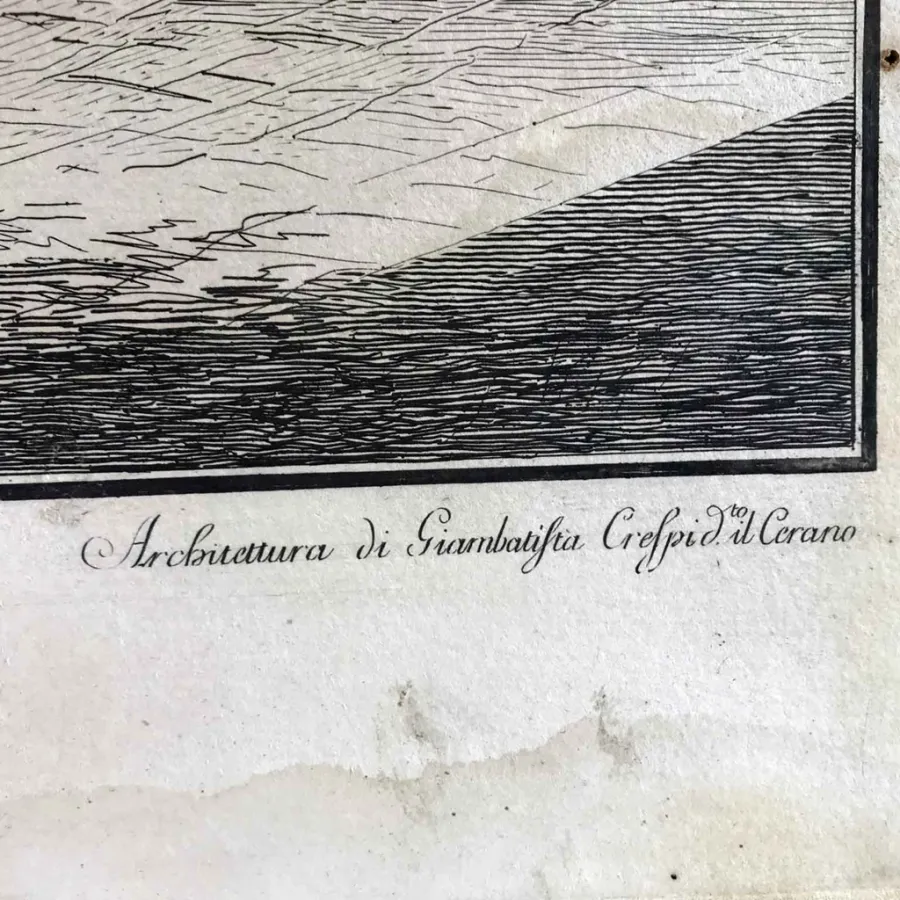
Domenico Aspari San Paolo delle Monache Milan 1788. A beautiful view engraved using etching and drypoint techniques, with an original frame and glass; the frame is made of ebonized walnut. The sheet was transferred onto canvas in 1800. In good condition.
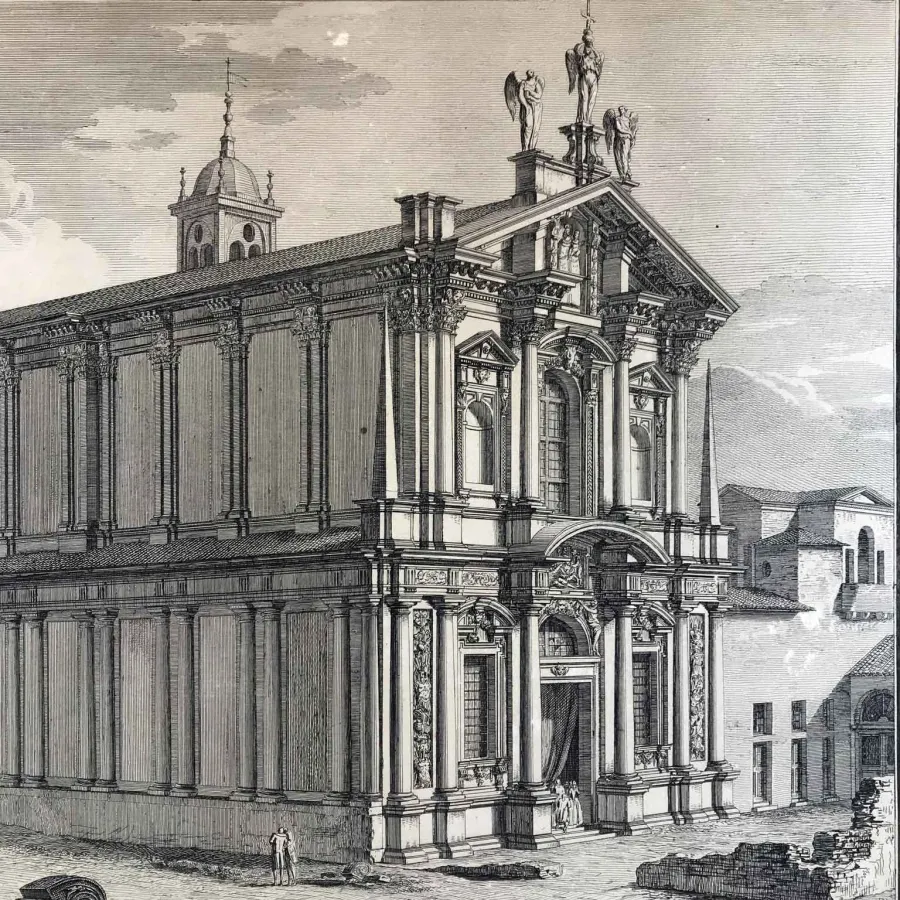
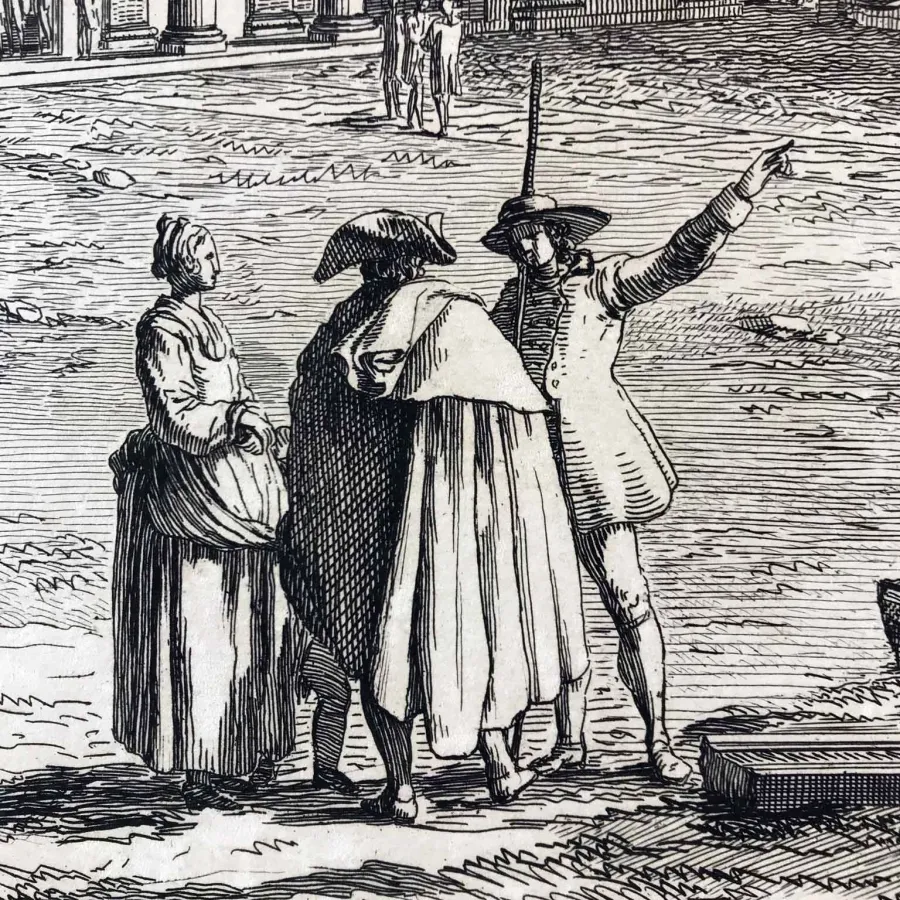
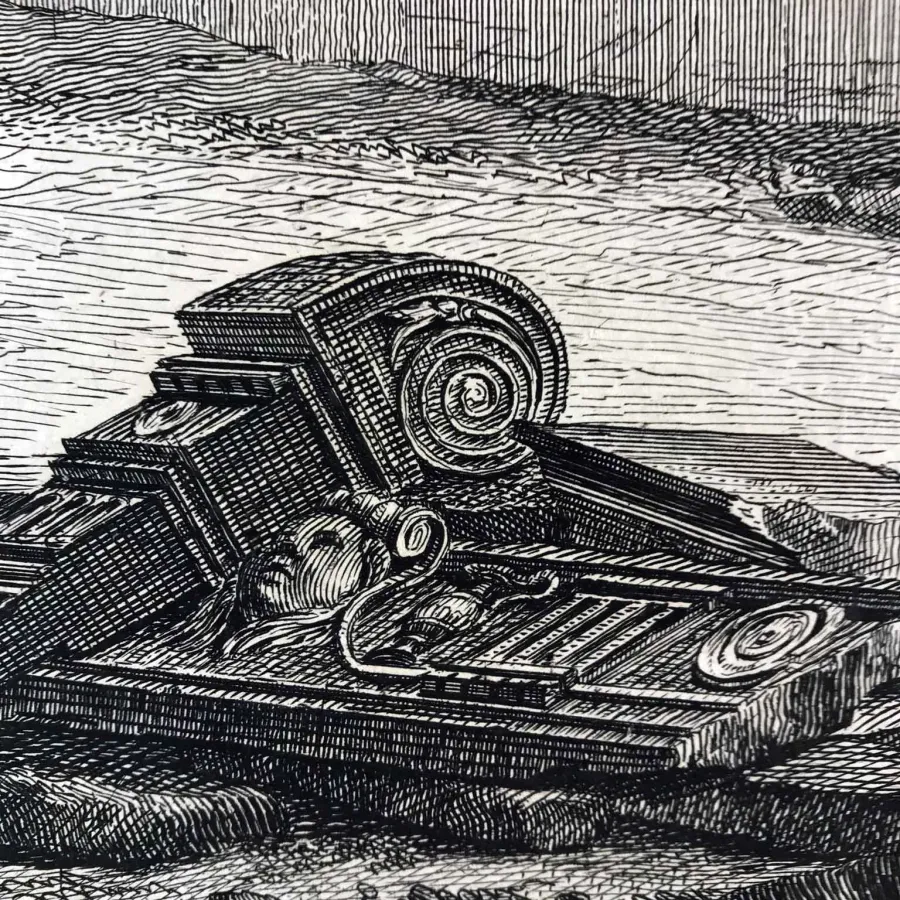
Views of Milan. This plate depicts the San Paolo church in three-quarters view, examining the details of the façade. The foreground space is not too crowded in this case. Excellent prints with bold lines and delicate blacks, belonging to the first edition made at the end of the 18th century. Great attention, through subtle chiaroscuro effects, was given to the architecture playing the leading role. Wide margins beyond the copper edge. The title on the plate bears the inscription: “HER EXCELLENCY / Lady Countess Do. Elisabetta Borromeo de Conti d’Aragona, born as Marquise Cusani”. Below the view on the left side is the signature and date: “Domenico Aspar. Del ed Sculp. Milano 1788”, on the right side is “Architecture by Gianbattista Crespi d. il Cerano”.
Italian painter, engraver, and teacher. Due to his family’s financial situation, he could not attend classes regularly, but thanks to his remarkable talent in attracting patrons, he was able to continue his studies at the Academy in Ferrara under Giuseppe Baldrighi. Here, he became interested in painting and palace decorations. After moving to Milan, he almost completely ceased painting to dedicate himself to engraving. He was inspired by Piranesi’s style. As an engraver and caricaturist, he illustrated La Corneide (1773) by Giovanni De Gamerry, a significant part of the first Italian edition of Winckelmann’s History of Drawing (Milan 1779), The Events of Milan During the War with Frederick I (Milan 1778), and Of the Lombard Antiquities of Milan (Milan 1792–93, 4 volumes) by Angelo Fumagallego. His consecration, however, came with the sixteen Views of Milan, etched and finished with engraving between 1786-1792, reprinted several times (most recently by Vallardi in 1808), which became extremely rare and deservedly sought after, as the only ones worthy of standing alongside great Roman and Venetian examples.
Original antique furniture and accessories can be an excellent idea for decorating our interiors. Today, there is an increasing number of enthusiasts for high-quality vintage products that have a specific character and soul. It’s a nod to history, craftsmanship, and the creation of traditional and timeless furniture. There are many different styles in antique furniture, each with its distinctive features.
Many styles characterize antique furniture, but a few are particularly notable. Eclectic furniture belongs to the 19th century, during which the Biedermeier style was predominant. Its early variations include neo-Gothic, Gothic, Rococo, Louis-Philippe style, and finally the English Victorian style. Toward the end of the century, these styles transitioned into pseudo-classicism, Renaissance, and Baroque styles.
Original Empire-style furniture dates from the late 18th to early 19th century. It originated during Napoleon’s reign, which imposed a strong resemblance and references to Roman and Greek ornamentation.
Neoclassical furniture is associated with Louis XVI style, which also heavily references ancient architecture. Interesting and noteworthy are all antique products in Rococo and Louis XV styles. Next is Baroque, a term derived from the Portuguese ‘barocco’—meaning an irregularly developed pearl. These were highly decorative pieces designed to radiate splendor and play a significant role in luxury. Unique, selectively used materials were employed to further emphasize the grandeur of these items.
Lion paws, eagle heads – these are common features in Renaissance style furniture. Currently, many global brands reproduce furniture made in this style, taking inspiration from Italian or French creators. This is a sign of admiration and respect for the history of the most beautiful Renaissance antiques. It is important to remember that each country perceived furniture production differently, so each style had its own distinct character. This is very important, especially when searching for a luxurious antique that suits your interior.
The most important aspect of vintage antique furniture is originality. And this is ultimately crucial from the customer's perspective, because many counterfeits circulate on the market. Luxury Products provides a certificate confirming the product's compliance with the actual description and photos. We have art experts, historians, and specialists from around the world at your disposal.
Attributes / Details
| SKU | ANT-A826 |
| Manufacturer | Antyki |
| Model | A826 |
| Material | ebony wood, glass, canvas |
| Size | Height: 62.2 cm Width: 81.6 cm Depth: 2.2 cm |
| Age | XVIII |
| Year | 1700 |
| Destiny | To office |
See catalog
Reviews
No reviews for this product.