

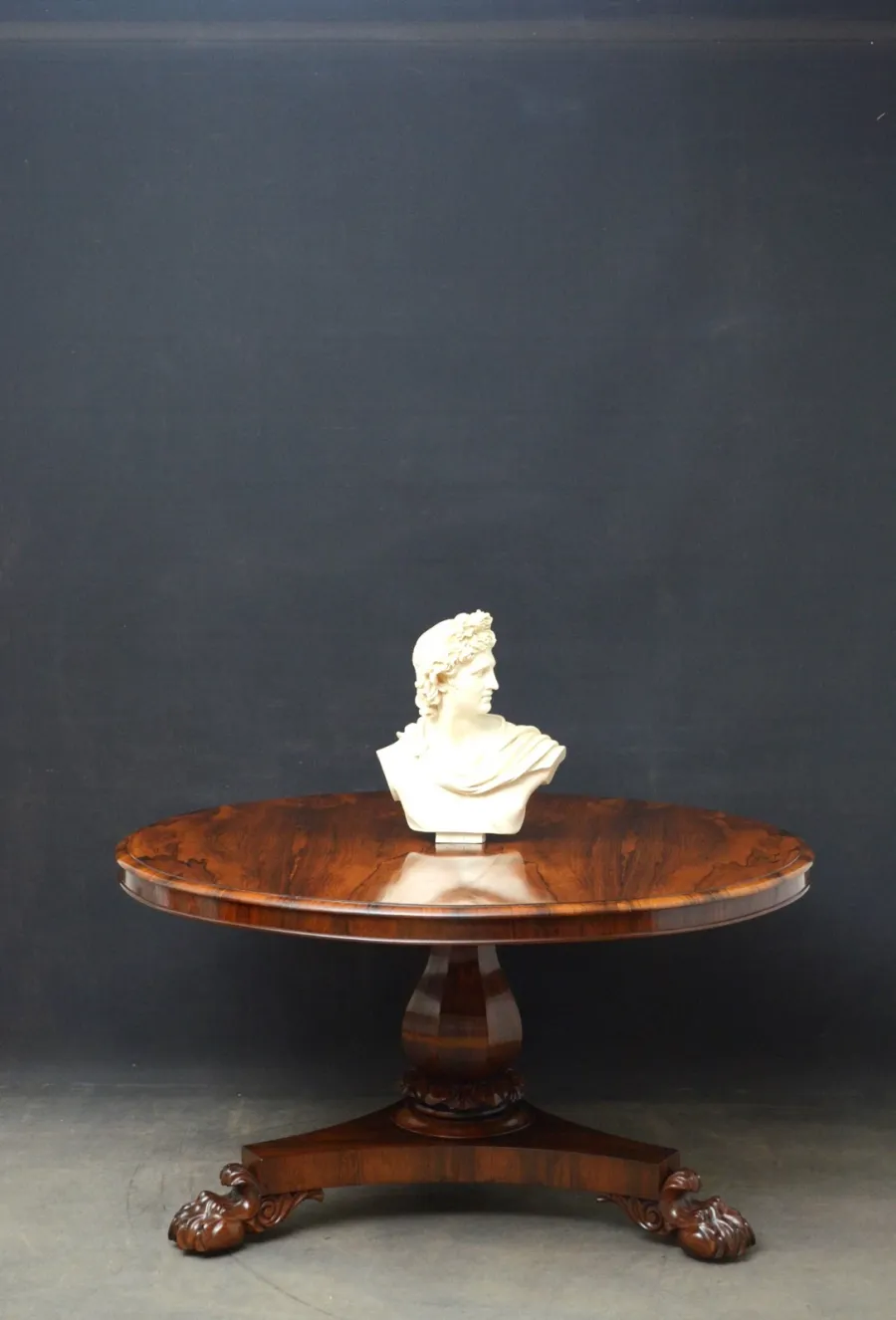
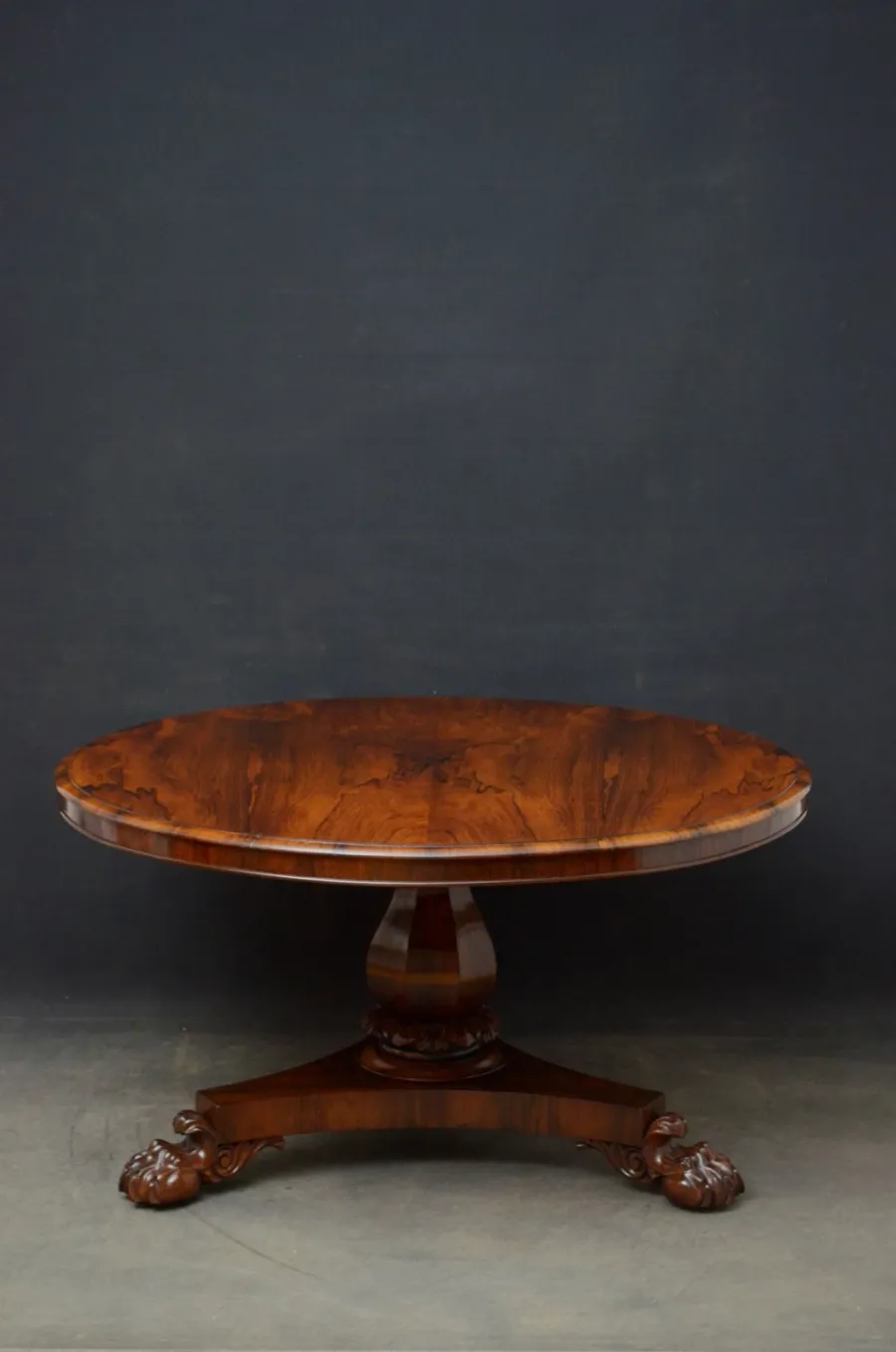
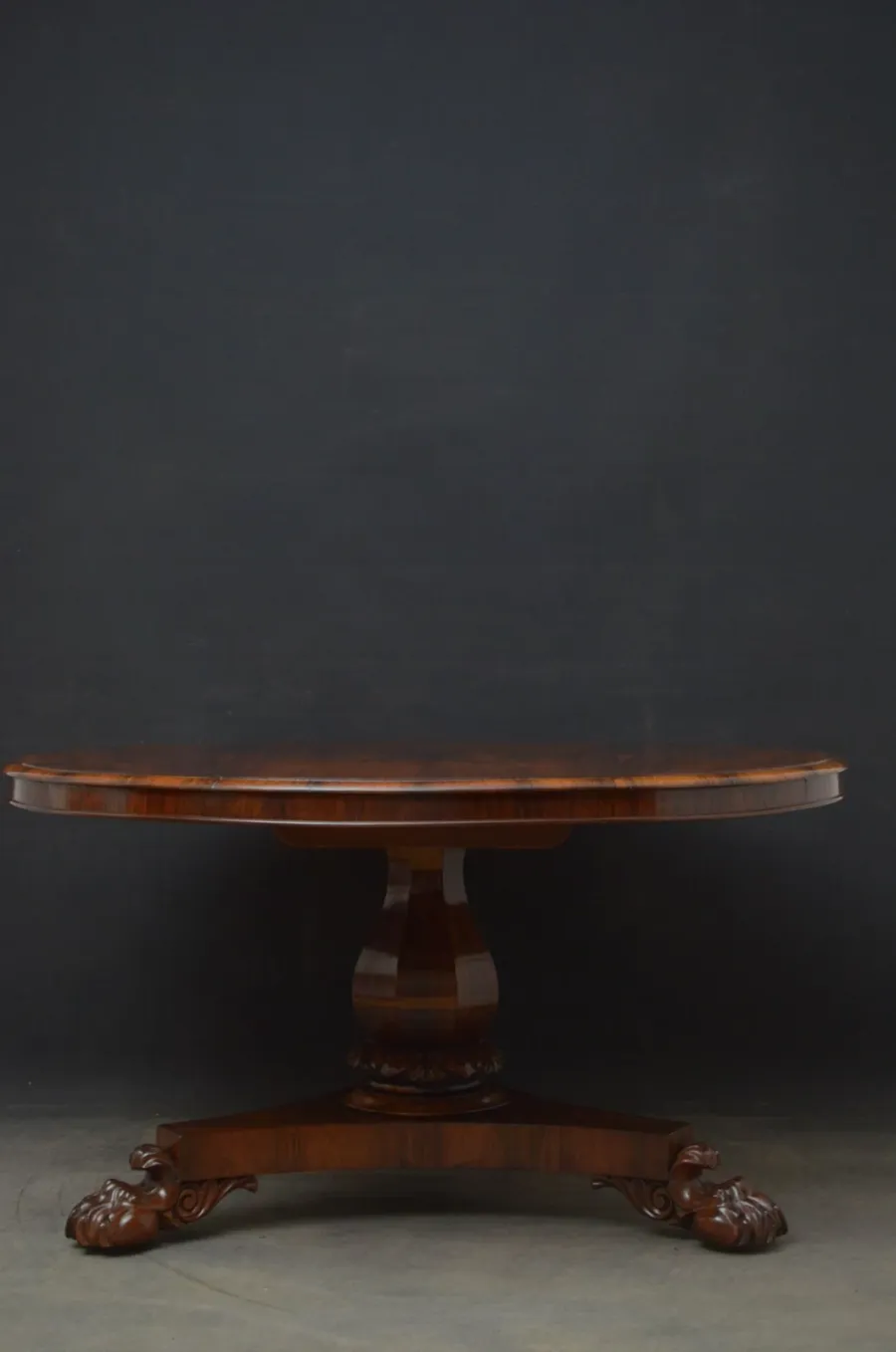
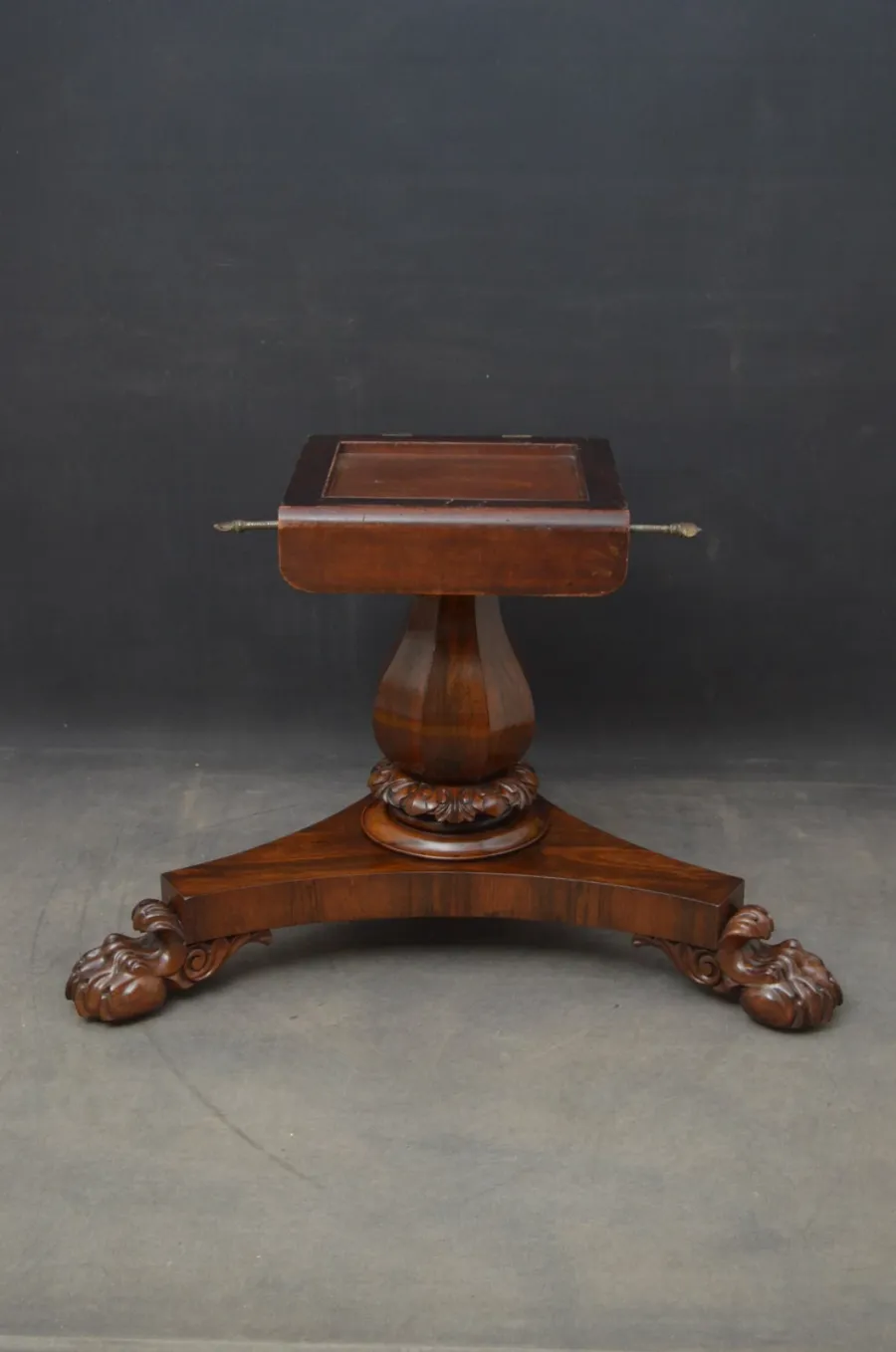
Supebr William IV rosewood dining table/center table - antique
Elegant antique furniture and accessories.
SKU: NIMQUES-Sn4766
See other products from category Antique table or from manufacturer Nimbus Antiques
Related products by category
Louis XVI extendable table made of mahogany, veneered, equipped with a drawer in the apron strip and four truncated pyramidal legs. The table is of Italian origin, dating from the mid-19th century, an
Empire coffee table, early 19th century, round, with a drawer on a square base, featuring a central turned support made of ebony wood, fluted column in the middle section connecting to the round top v
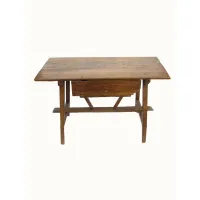
19th-century goat topol coffee table with a drawer (damaged in one corner as shown in the photo). It is a simple rustic-style coffee table with support brackets connected by crossbars, originating fro
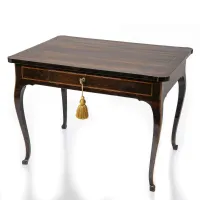
Ancient salon table from 1700 of Tuscan origin, entirely veneered with rosewood, featuring a front drawer, allowing it to also serve as a small desk. The legs of this antique rectangular central table
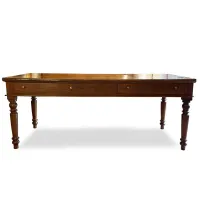
Rectangular walnut dining table with drawers from 1800, perfectly restored, with a shellac and wax finish, featuring a beautiful top made of four solid walnut planks three centimeters thick; the cross
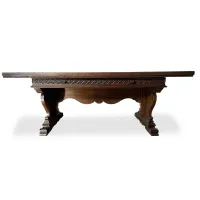
Dining table made of walnut with drawers and a top crafted from a single board. The Renaissance-style table was made from an antique plank by building or recreating the basic structure in the second h
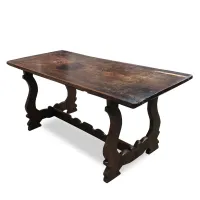
Walnut Fratino table with a magnificent single-plate top (with two small edge trims) from the 18th century, featuring legs in the shape of a lyre made of walnut wood, but likely replaced with original
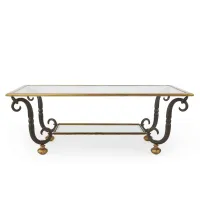
Rectangular glass and iron coffee table for a living room from the 20th century, handcrafted by Florentine artisans from Banci di Firenze, made of iron in 1980. It consists of two glass shelves connec
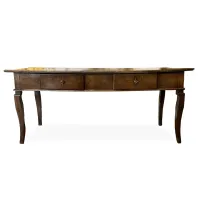
Ancient dining table in chestnut color with two large drawers in the central part; The square-section legs are shaped like spirals, giving the furniture a particular lightness. The rectangular top con
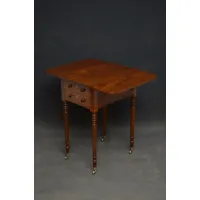
Regency, mahogany, occasion-specific table with falling leaves, featuring a carved mahogany top above 2 inlaid drawers / 2 false drawers on the opposite side, all fitted with turned handles, elevated
Description
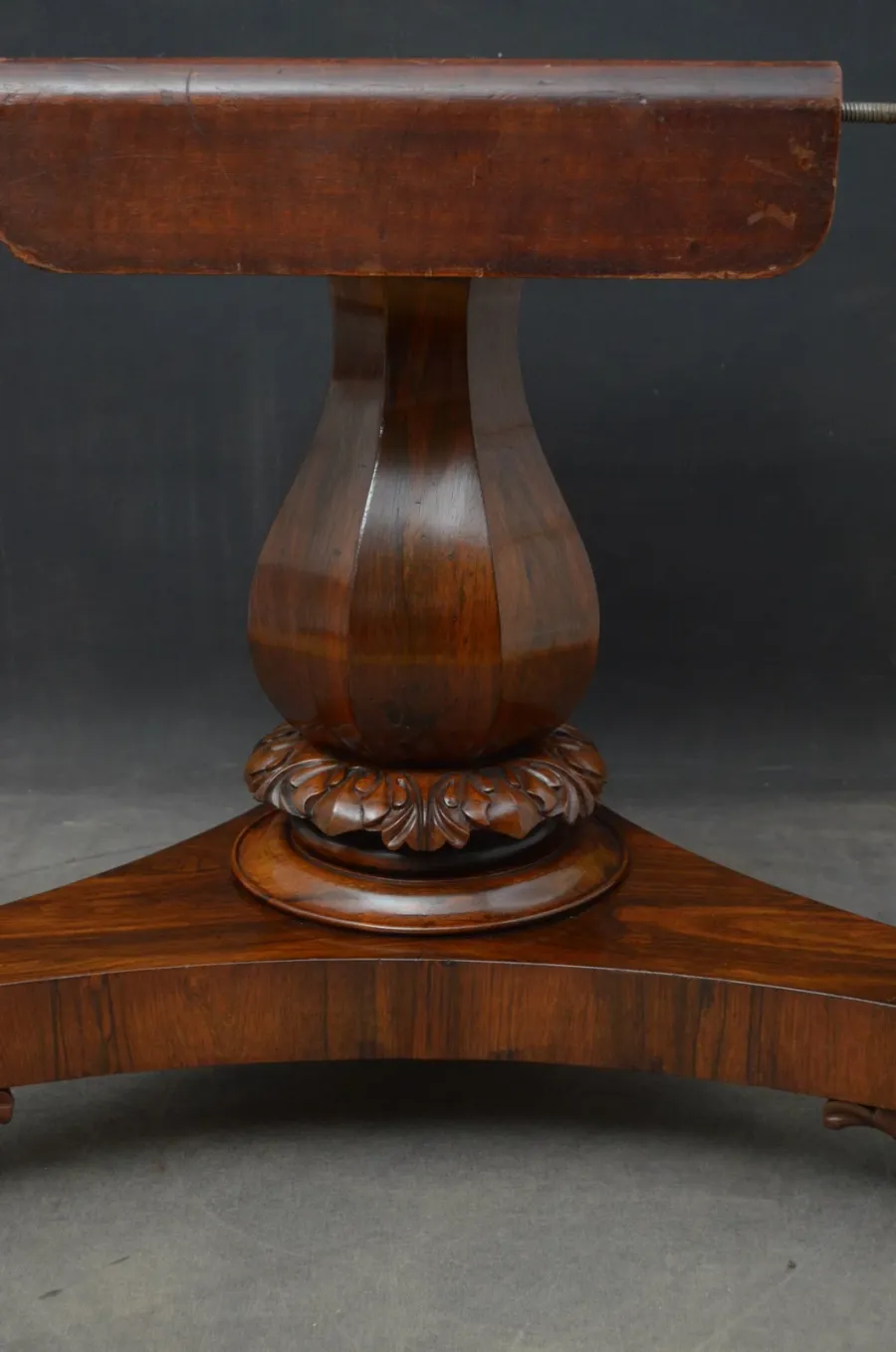
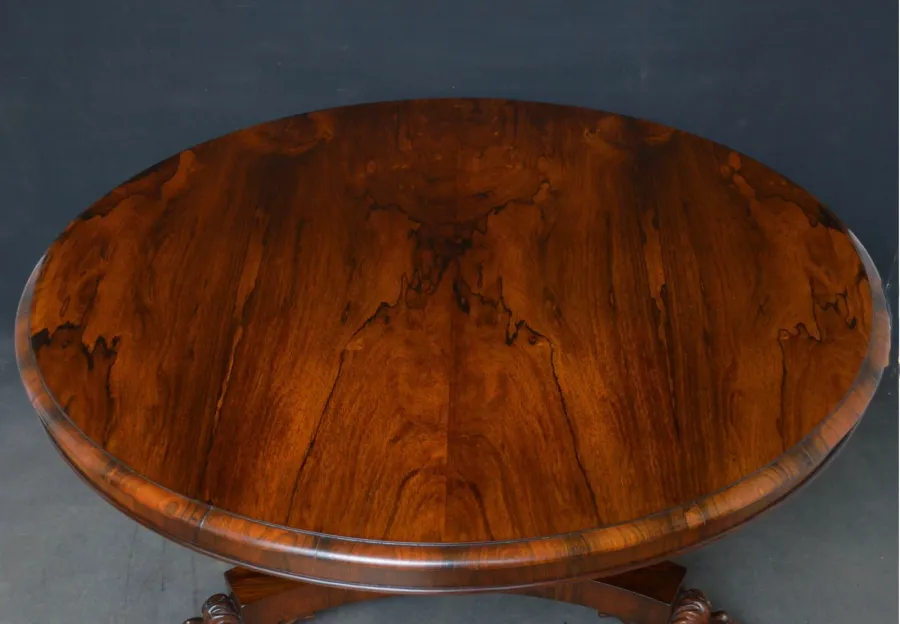
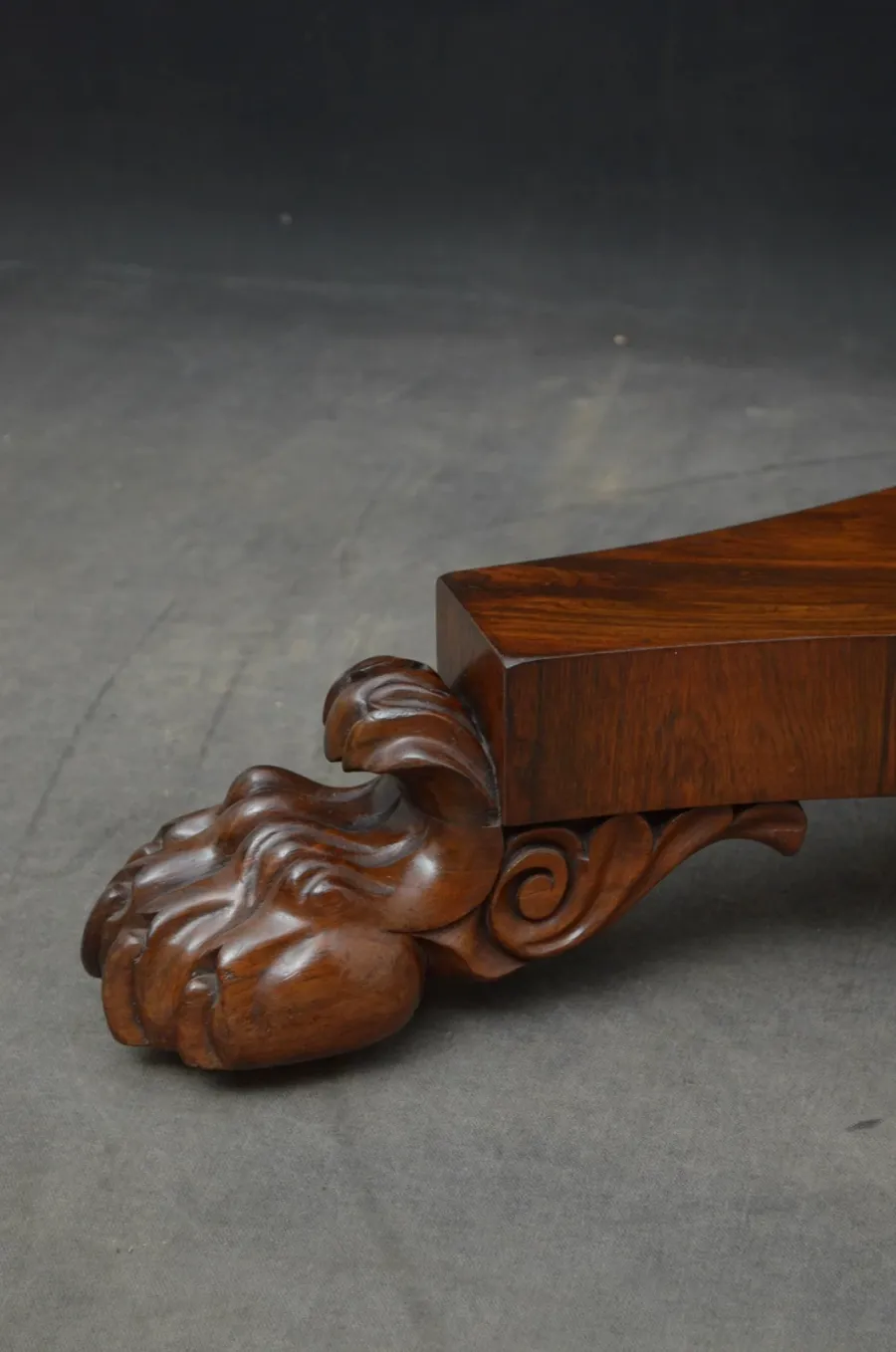
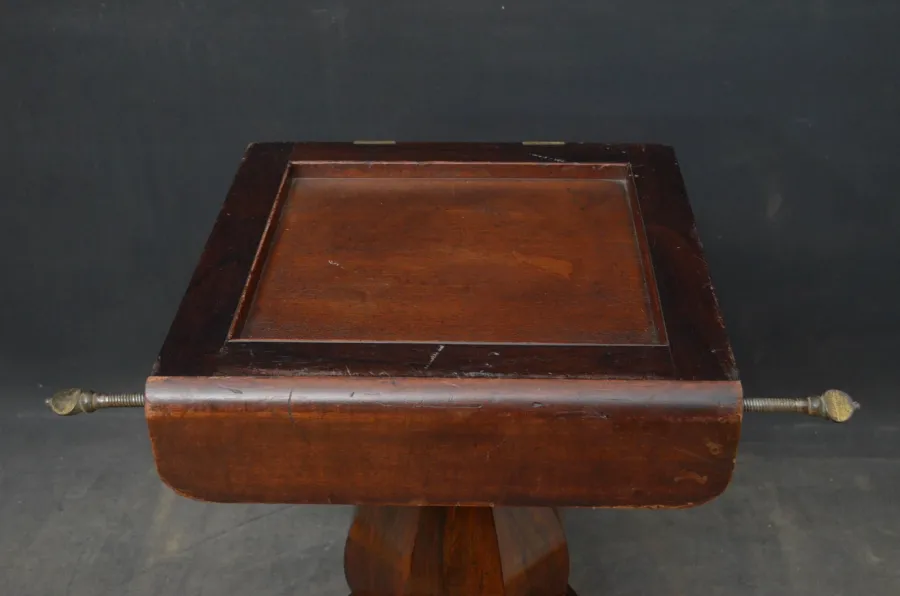
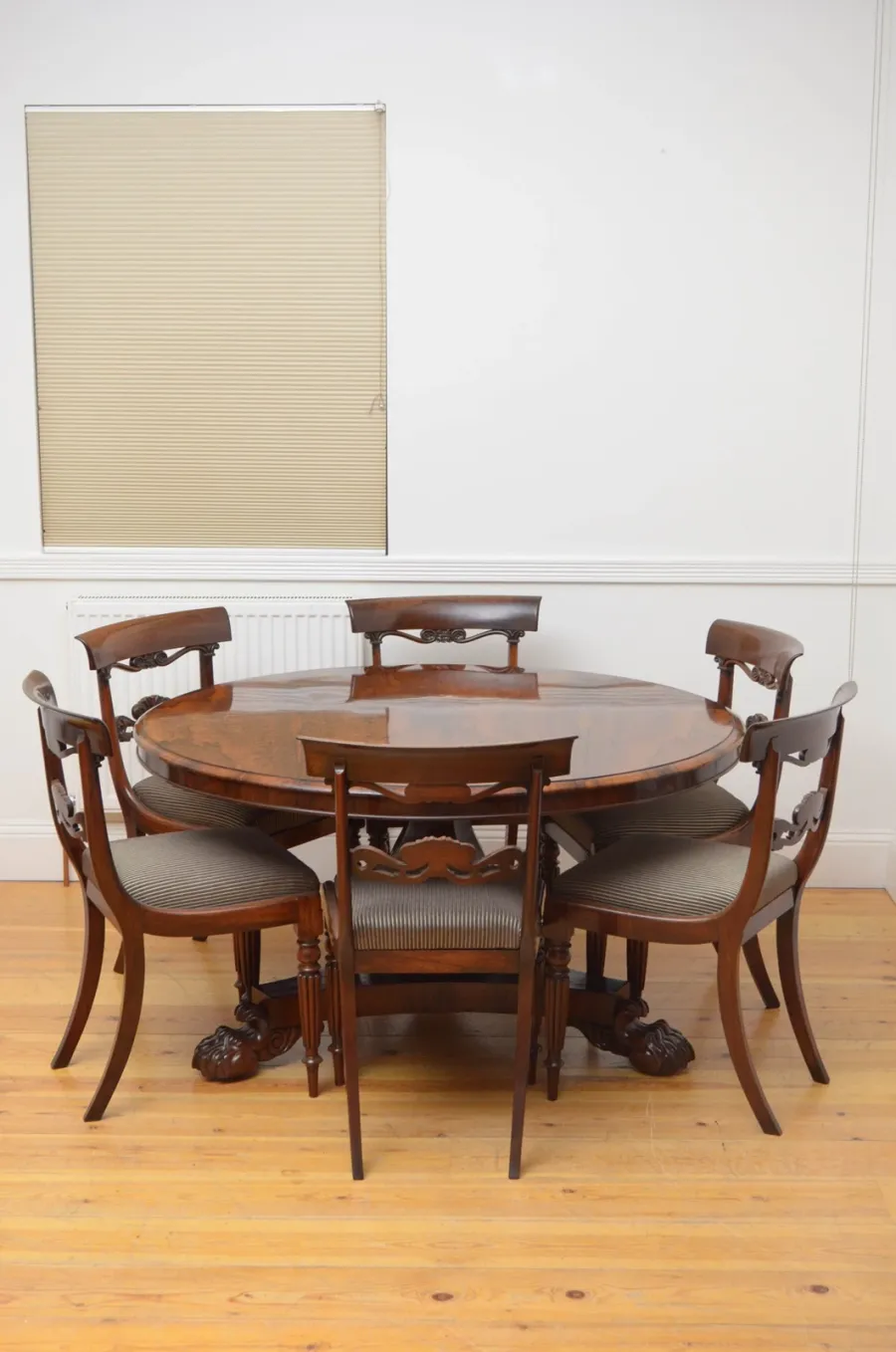
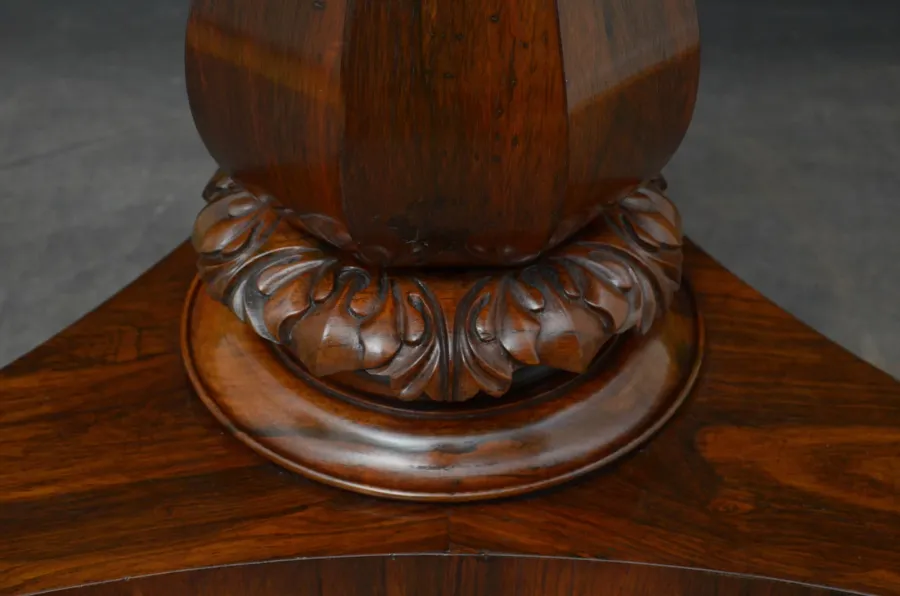
Superb William IV dining table / central table made of rosewood, with a tilting top featuring beautiful grain raised on a column shaped like a vase with a carved lotus leaf collar and a clover-shaped base ending with 3 legs and casters. This antique table has been restored and is ready to be placed in your home.
Exclusive antique furniture and accessories can be an excellent idea for decorating our interiors. Today, there is an increasing number of enthusiasts of high-quality vintage items that possess a distinct character and soul. This is a nod to history, craftsmanship, and the design of classic and timeless furniture. There are many different styles in antique furniture, each with its own distinctive features.
Many styles characterize antique furniture, but we can highlight a few of the most important. Eclectic furniture refers to the 19th century, during which the beloved Biedermeier style prevailed. Its early 20th-century variants include neo-Gothic, Gothic, Rococo, Louis Philippe style, and finally the English Victorian style. By the end of the century, these styles evolved into pseudo-classicism, Renaissance, and Baroque styles.
Empire-style furniture dates from the late 18th to early 19th century. It originated during Napoleon’s reign, characterized by significant similarities and references to Roman and Greek ornamentation.
Neoclassical furniture reflects the Louis XVI style, which also strongly references ancient architecture. Noteworthy are antique products in Rococo and Louis XV styles. Next is Baroque, whose name derives from the Portuguese 'barocco'—meaning an irregularly developed pearl. These were highly decorative pieces designed to radiate splendor and play a significant role in luxury. Unique, selectively used materials were employed to emphasize the grandeur of these items.
Today, we can observe how much influence the Baroque style has had on modern classic furniture, which is designed with a strong resemblance to the historical period. An important style is also Renaissance, which flourished in the 15th and 16th centuries and left a significant mark on furniture-making art. Renaissance furniture was quite heavy and massive, using brown stains, cornices, sturdy bases, and reliefs. These products were quite distinctive but also opened new possibilities, such as the construction of cabinets and broadly defined chest furniture. During this period, mythology and antiquity were also of interest, so supports and legs often took animal forms.
Lion paws, eagle heads—these are common features in Renaissance-style furniture. Currently, many global brands reproduce such furniture inspired by Italian and French craftsmen, demonstrating admiration and respect for the history of the most beautiful Renaissance antiques. It is important to remember that furniture production was perceived differently in each country, so each style had its own character. This is especially important when searching for a luxurious antique that suits your interior.
The most important aspect of elite antique furniture is originality. This is ultimately crucial for buyers, as the market is flooded with many forgeries. Luxury Products provides documentation confirming the product’s authenticity and compliance with the description and photos. We have appraisers, art experts, historians, and specialists from around the world at your disposal.
Attributes / Details
| SKU | NIMQUES-Sn4766 |
| Manufacturer | Nimbus Antiques |
| Model | Sn4766 |
| Material | rosewood |
| Size | H74cm Diameter137cm |
| Age | 19th century |
| Year | 1830 |
| Condition | For renovation |
| Destiny | To living room |
See catalog
Reviews
No reviews for this product.