

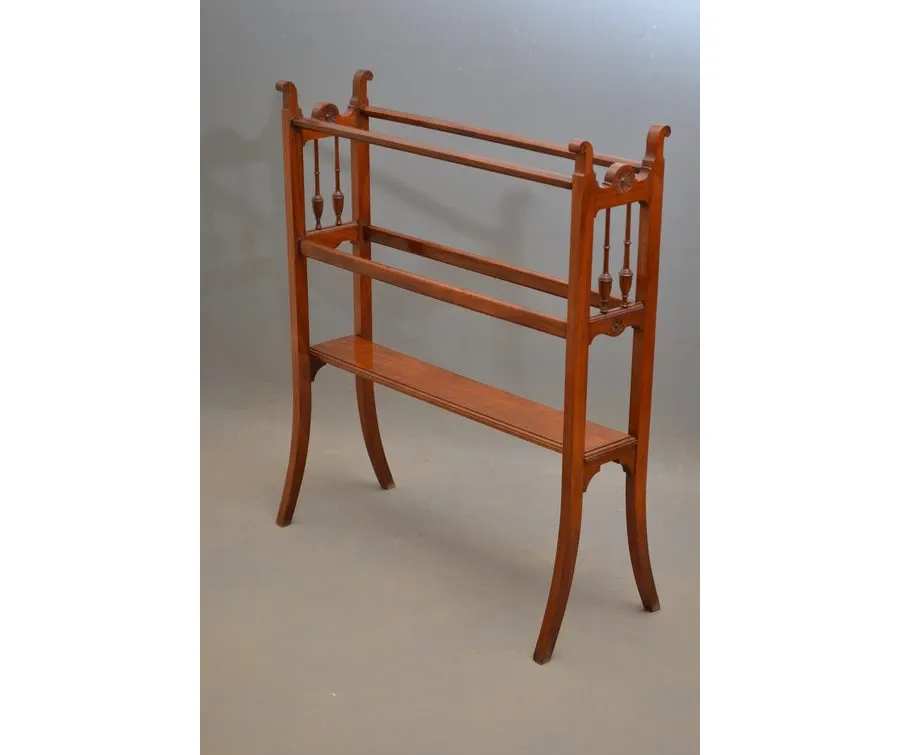
Late Victorian walnut towel rack - antique
Elegant antique furniture and accessories.
SKU: NIMQUES-Sn2743
See other products from category Various antiques or from manufacturer Nimbus Antiques
Related products by category
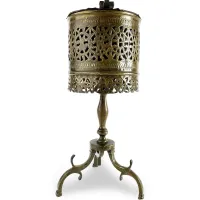
Brass boiler with a tripod base 1800, consisting of a central turned brass shaft, with three legs also made of cast brass mounted at the base; a perforated and stamped tray for the grate, made of shee
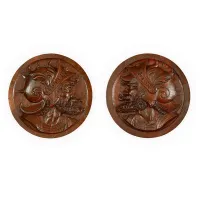
Para rzeźbionych drewnianych medalionów przedstawiających sylwetki rycerzy w hełmach z pióropuszami, szpicami i podniesionym daszkiem. Obie płaskorzeźby z XIX w. mają kształt okrągły i są
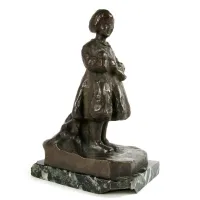
R. Zacchetti Girl with a Doll. Antique bronze sculpture from the Fascist era, circa 1938, depicting a girl holding a doll in her arms. On the front and back, there is a print with the title "Bambole,"
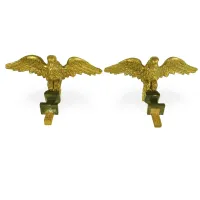
A pair of carved and gilded wooden eagles from the mid-19th century. This pair of carved and gilded wooden predatory birds represents a fascinating example of Italian craftsmanship from the 19th centu
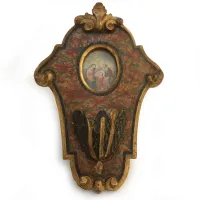
From Italy, from the central Marche region, a polychrome carved baptismal font with holy water from the mid-18th century, featuring a shaped panel with carved and gilded scrolls and leaf details of ac
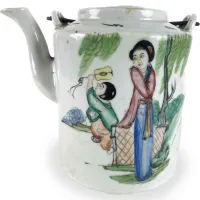
Ancient Chinese teapot with cylindrical figurines and double handle, made of white iron, decorated with the image of a woman and a child playing in the garden. On the back, there are ideograms written

Portrait of a gentleman from the 1800s in a rectangular format painted with watercolor on paper, depicting a nobleman’s portrait positioned in three-quarters view. The miniature has a modern frame a
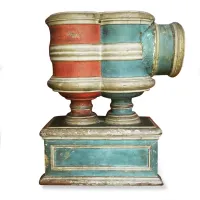
Ancient carved wooden ballot box, lacquered along the edges in shades of powder blue and Sienese yellow. It originates from central Italy and dates back to 1600. This charming antique box with a sing
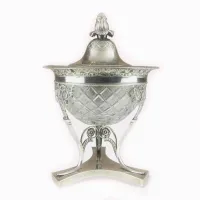
Ancient silver and crystal compote from the first half of the 19th century, with a lid made of melted, embossed, carved, and cut crystal silver, Milan 19th century, Goldsmith Cristoforo Corbella opera

Original antique furniture and accessories can be an excellent idea for decorating our interiors. Today, there is an increasing number of enthusiasts of high-quality vintage products that possess a di
Description
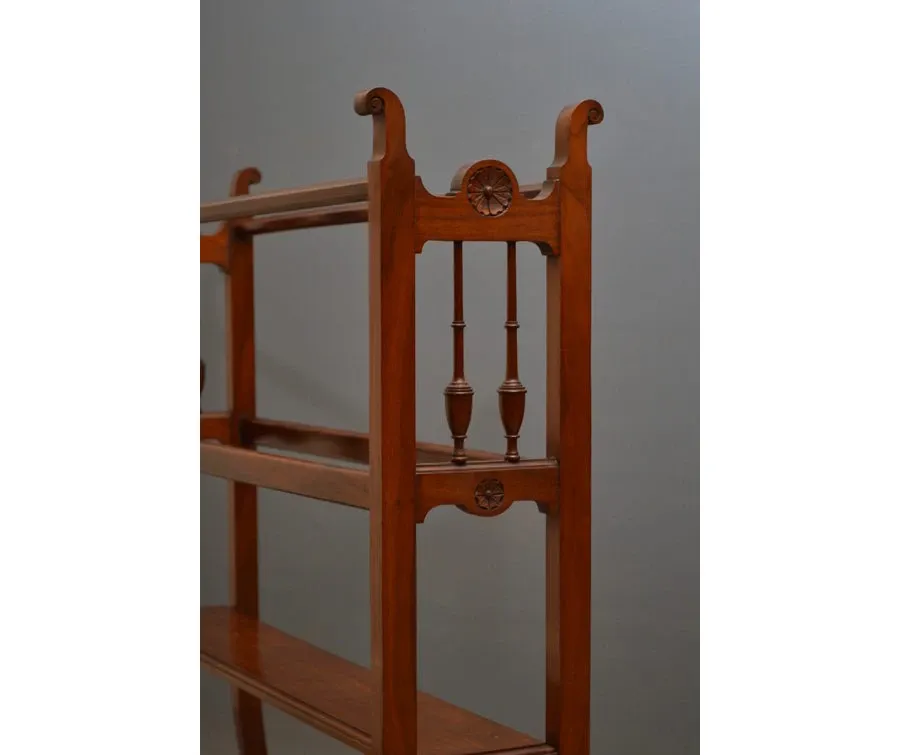
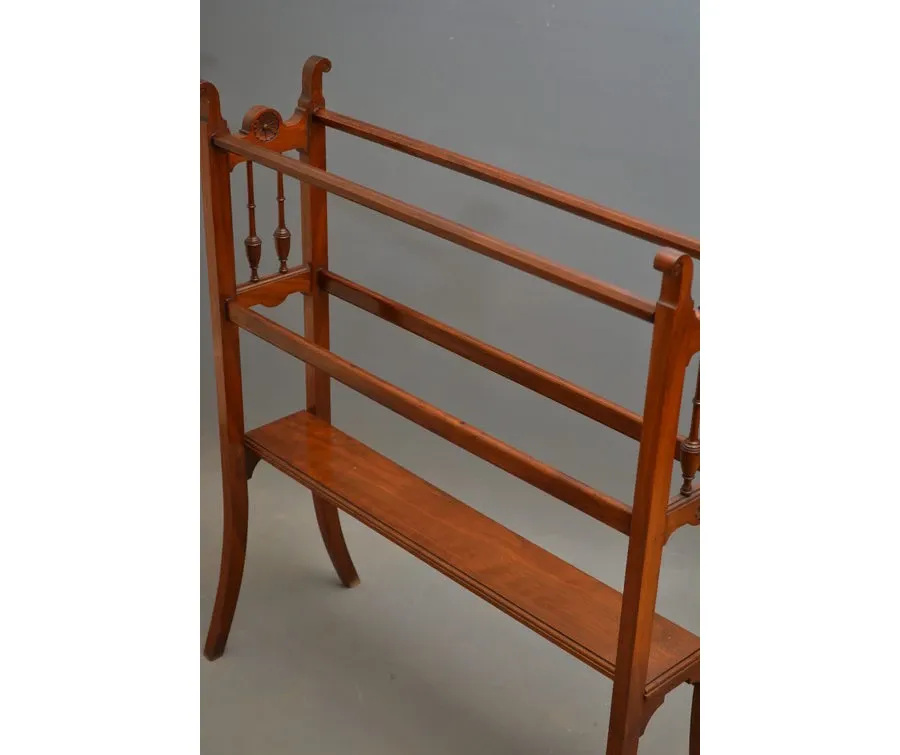
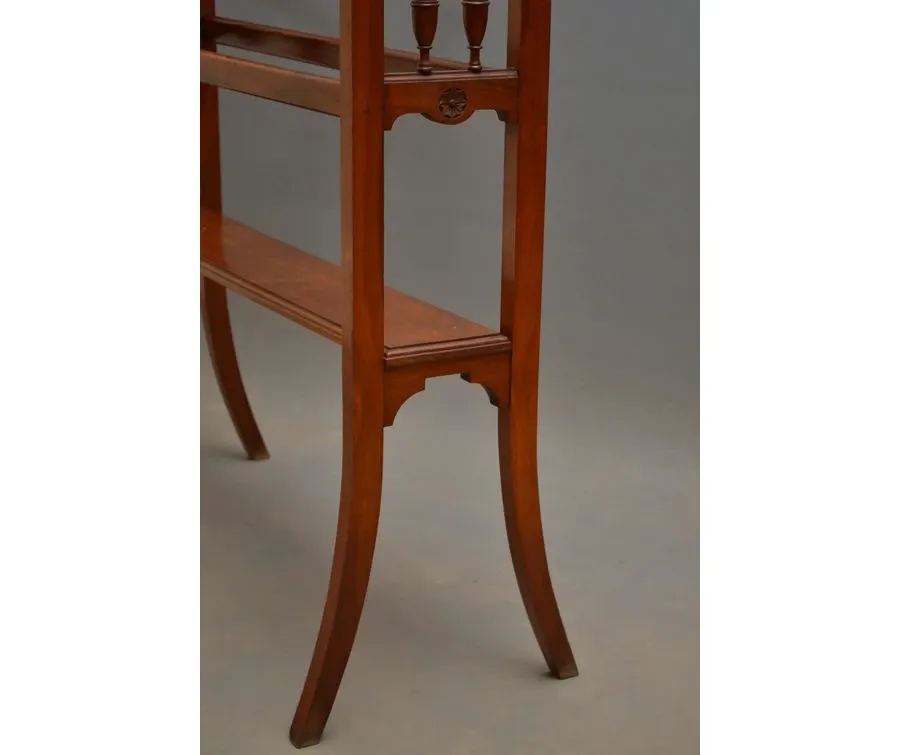
Late Victorian towel rack made of walnut with carvings, turned spindles, and 4 rails, standing on extended legs.
Elegant antique furniture and accessories can be an excellent idea for decorating our interiors. Today, there is an increasing number of enthusiasts of high-quality vintage products that possess a distinct character and soul. It’s a nod to history, craftsmanship, and the design of classic and timeless furniture. There are many different styles in antique furniture, each with its own distinctive features.
There are many styles characterizing antique furniture, but we can highlight a few of the most important. Eclectic furniture refers to the 19th century, during which the beloved Biedermeier style prevailed. Its early 20th-century variants include neo-Gothic, Gothic, Rococo, Louis Philippe style, and finally the English Victorian style. By the end of the century, these styles transitioned into pseudo styles of Classicism, Renaissance, and Baroque.
Empire-style furniture dates from the period between the late 18th and early 19th centuries. It originated during Napoleon’s reign, characterized by significant similarities and references to Roman and Greek ornamentation.
Neoclassical furniture is associated with Louis XVI style, which also strongly references ancient architecture. Interesting and noteworthy are all antique products in Rococo and Louis XV styles. Next is Baroque, a name derived from the Portuguese 'barocco'—meaning an irregularly developed pearl. These were highly decorative pieces designed to radiate splendor and play a significant role in luxury. Unique, selectively used materials were employed to emphasize the grandeur of these items.
Today, we can observe how much influence the Baroque style has had on modern classic furniture, which is designed with a strong resemblance to the historical period. An important style is also Renaissance, which flourished in the 15th and 16th centuries and left a significant mark on furniture-making art. Renaissance furniture was quite heavy and massive, often using brown stains, cornices, sturdy bases, and bas-reliefs. These were quite distinctive products, but they also opened up new possibilities, such as the construction of credenzas and broadly speaking, chest-type furniture. During this period, mythology and ancient times also inspired designs, with supports and legs taking animal forms.
Lion’s paws, eagle heads—these are common motifs in Renaissance style. Currently, many global brands reproduce such furniture, drawing inspiration from Italian and French creators. This reflects admiration and respect for the history of the most beautiful Renaissance antiques. It’s important to remember that furniture production was perceived differently in each country, so each style had its own unique character. This is especially crucial when searching for exclusive antique pieces suitable for your interior.
The key aspect of elite antique furniture is originality. Ultimately, this is vital from the buyer’s perspective, as the market is flooded with many forgeries. Luxury Products provides documentation confirming the product’s authenticity and compliance with the description and photos. We also have appraisers, art experts, historians, and specialists from around the world at your disposal.
Attributes / Details
| SKU | NIMQUES-Sn2743 |
| Manufacturer | Nimbus Antiques |
| Model | Sn2743 |
| Material | walnut |
| Size | H34 "W30" |
| Age | 19th century |
| Year | 1880 |
| Style | Victorian |
| Condition | After renovation |
| Destiny | To bathrooms |
See catalog
Reviews
No reviews for this product.