

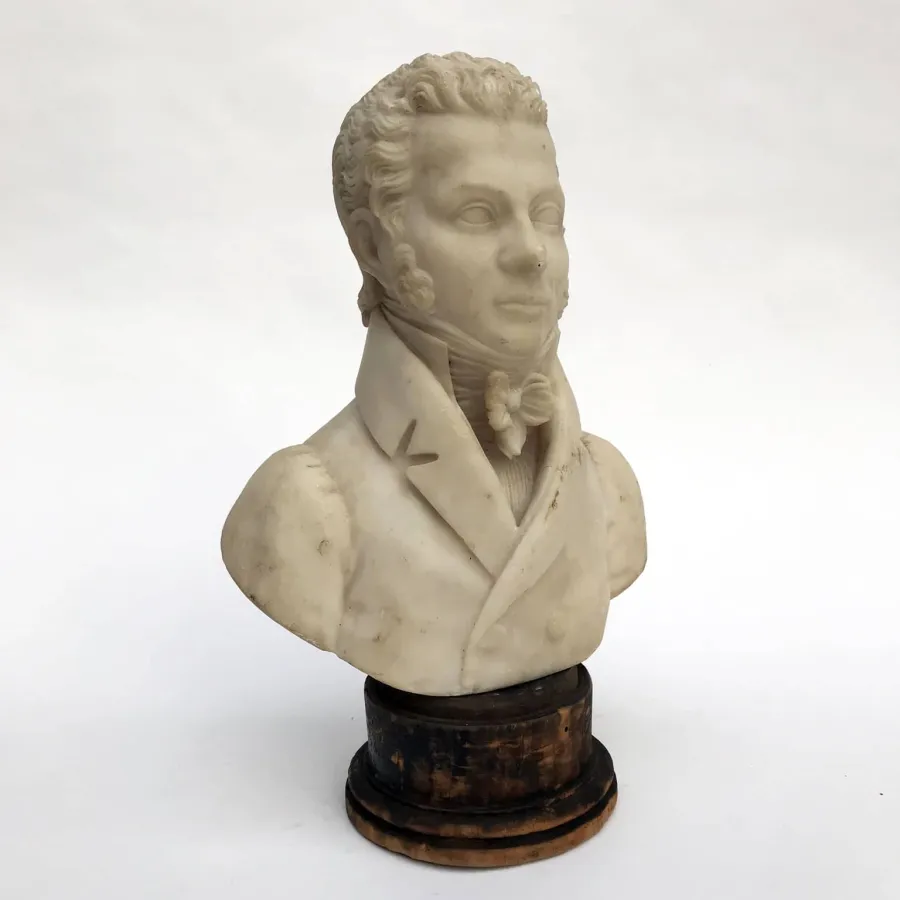
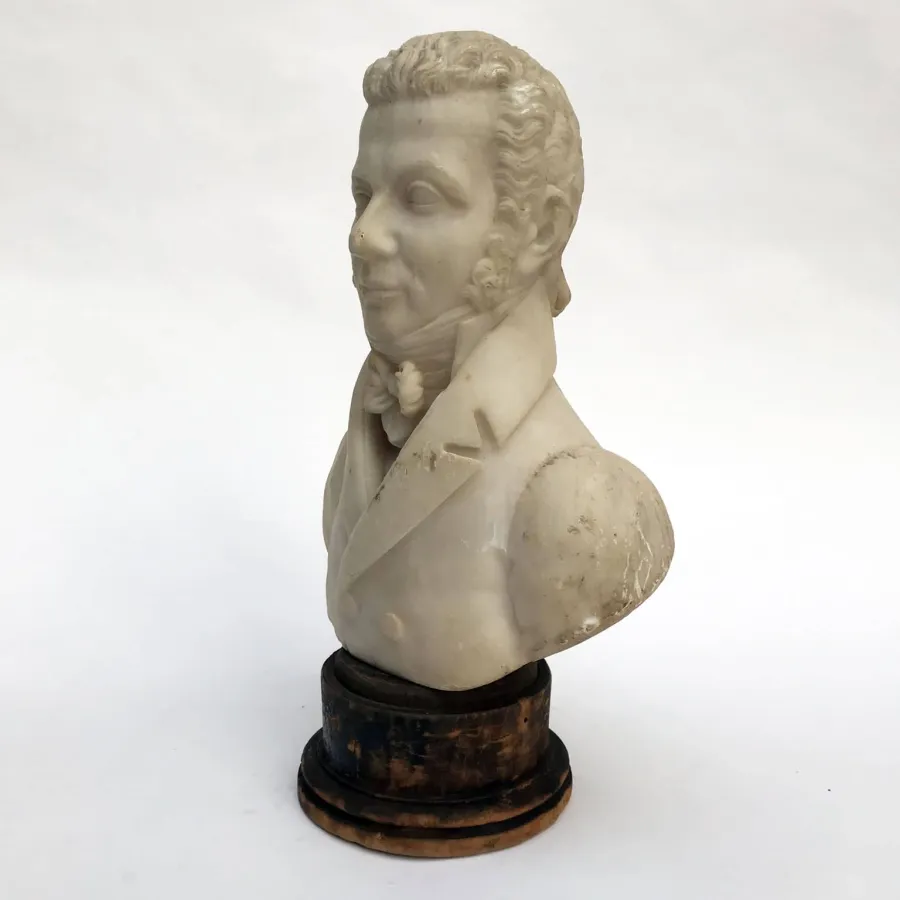
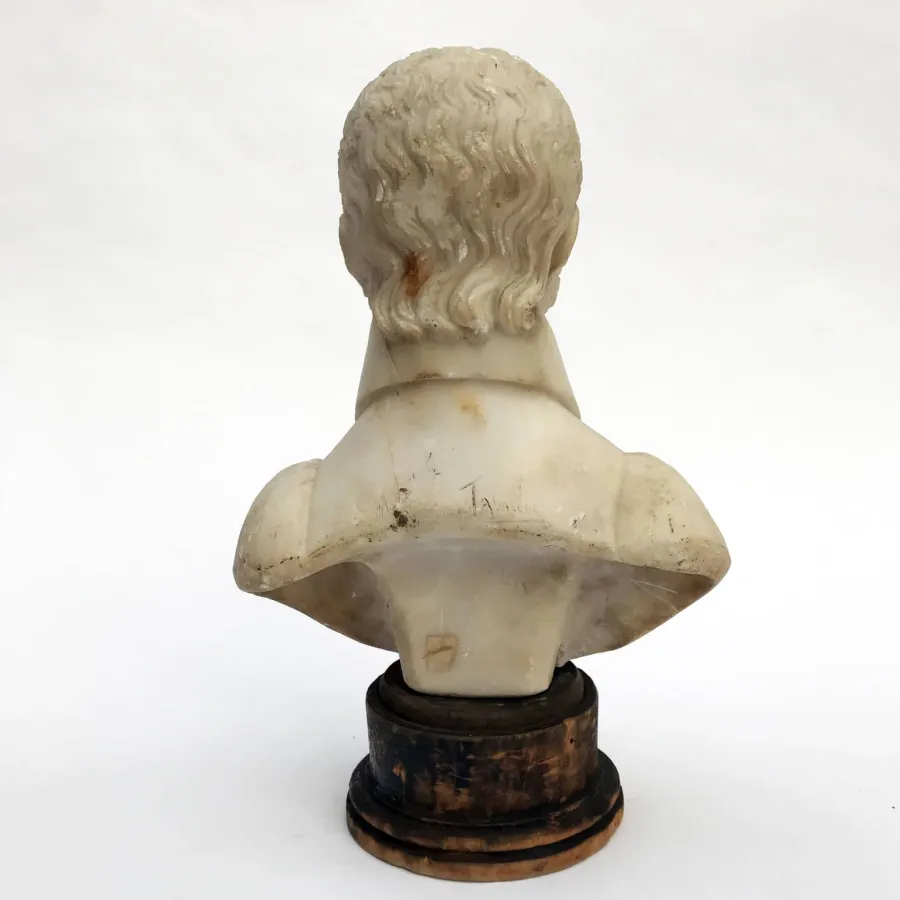
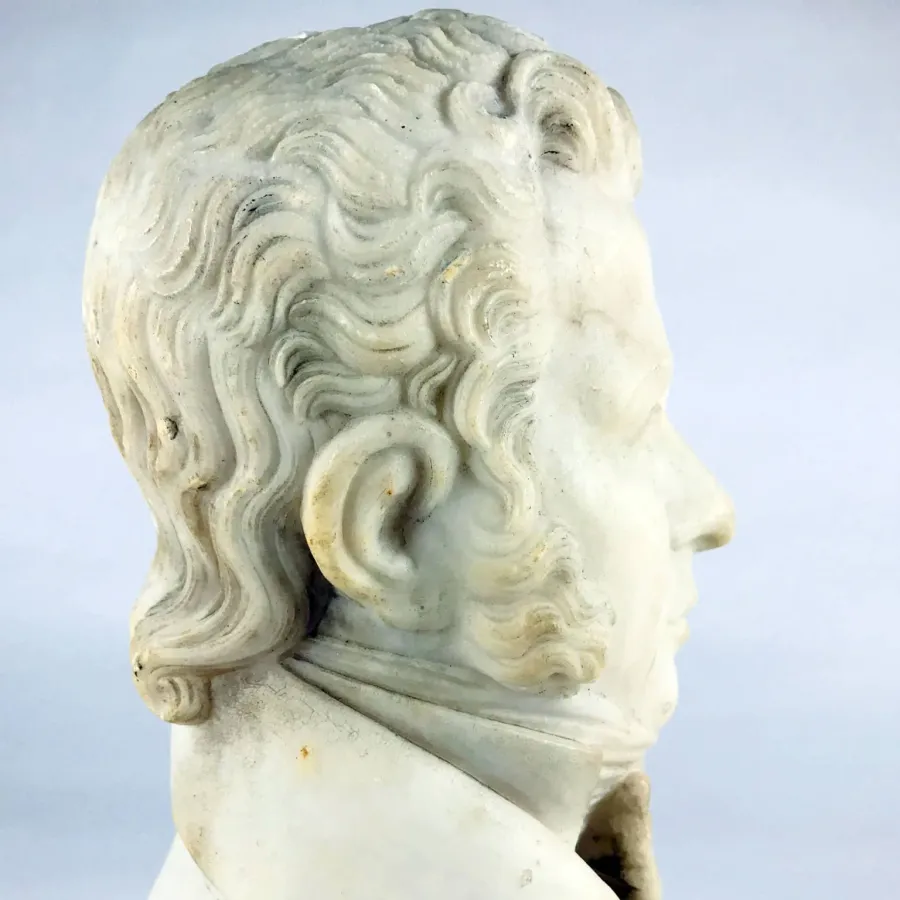
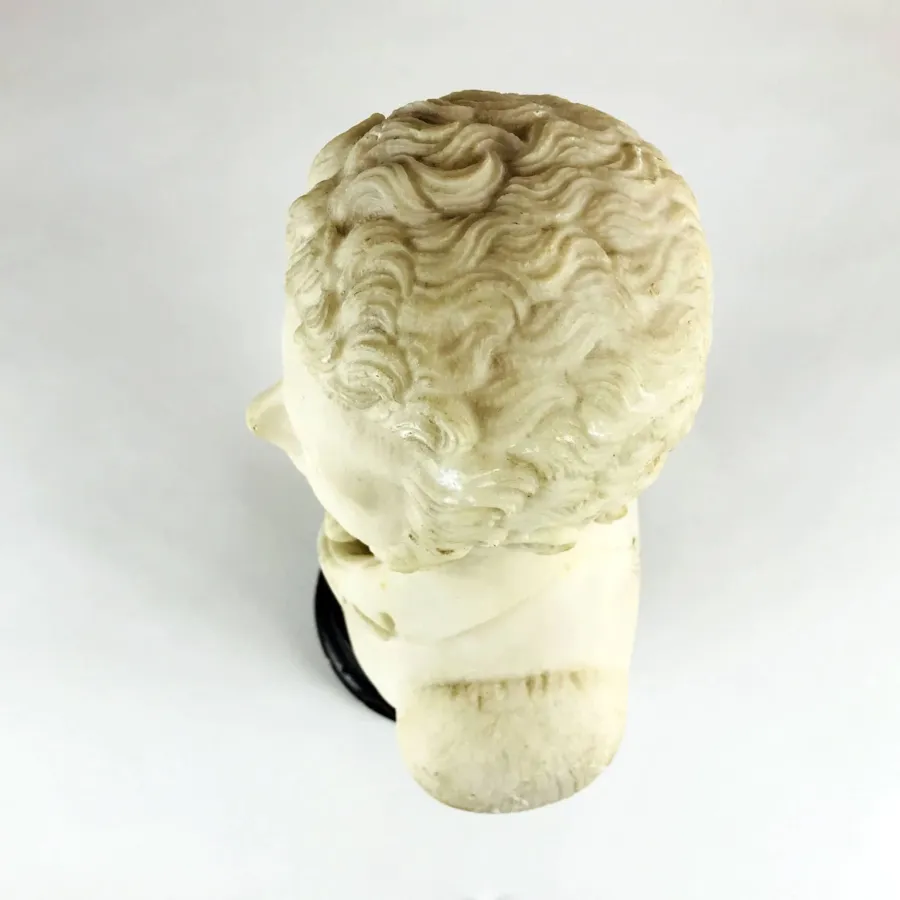
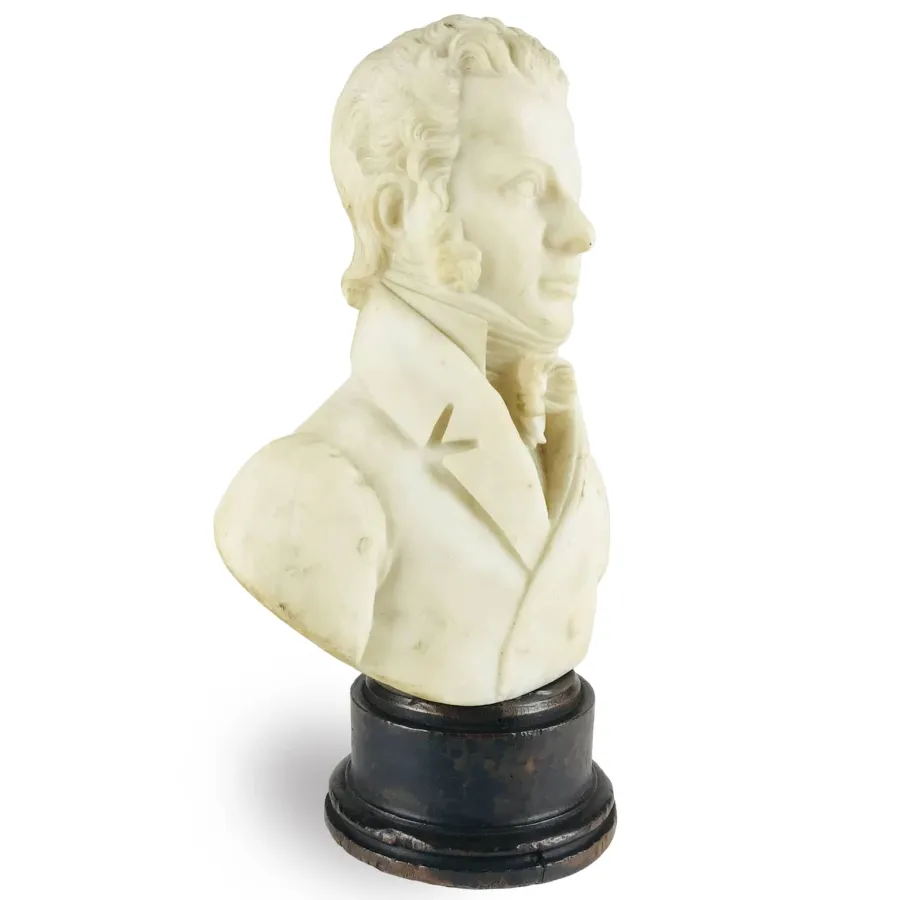
Antique sculpture - bust of a man made of alabaster on a round wooden base
Beautiful antique furniture and accessories
SKU: ANT-A325
See other products from category Sculptures of human figures or from manufacturer Antyki
Related products by category
Gorillas Popart is a unique approach to designing and creating luxury sculptures and functional art pieces. Upon request, the manufacturer will customize the product by selecting the appropriate
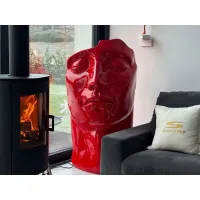
Manufaktura Gorillas Popart offers a unique approach to designing and creating luxury sculptures and functional art pieces. Upon request, the manufacturer will customize the product by selecting
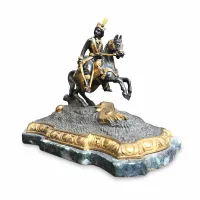
An cast bronze knight with a shaped base made of green marble depicts a mounted figure, probably inspired by the famous painting of King Gioacchino Murat of Naples in one of his uniforms.The knight an
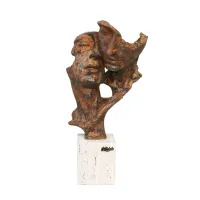
We would like to introduce you to an exclusive brand in the field of sculptural art - Anglada. This manufactory's name derives from its creator - Ángeles Anglada - a tal

Manufaktura Luxury Gifts - More love for youOur customers' satisfaction and that of the recipients of our gifts is our top priority. We make every effort to create unique and high-quality gift art pi
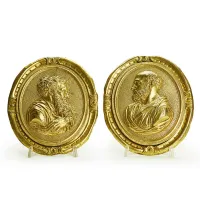
Pair of gilded bronze plaques featuring saint profiles, a pair of 18th-century gilded bas-reliefs with an oval shape, composed of two overlapping elements; cast profile and stamped frame made of sheet
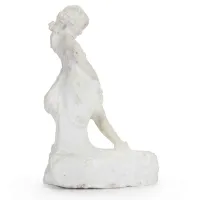
The Prendoniego Attilio sculpture “Girl with Marble” signed near the base depicts a young girl with a shy posture, with her face lowered, hands resting on a light-colored dress, leaning against a
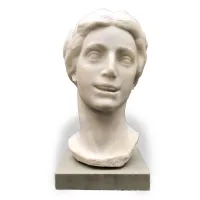
Bust of a woman made of white marble by Aurelio Bossi, signed at the base with a modern stone pedestal. The face is modeled, and the hair is barely outlined. Italy, circa 1930-1940. Aurelio Bo
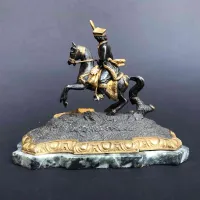
Cast from bronze, this knight with a shaped base made of green marble depicts a mounted figure, probably inspired by the famous painting of King Gioacchino Murat of Naples in one of his uniforms.The
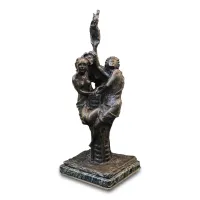
Giuseppe Bianchi Group of three women 1920. Three nude women climbing a pillar resting on a square base, holding a banner or something similar. One of them holds a wheel of a cart. This bronze
Description
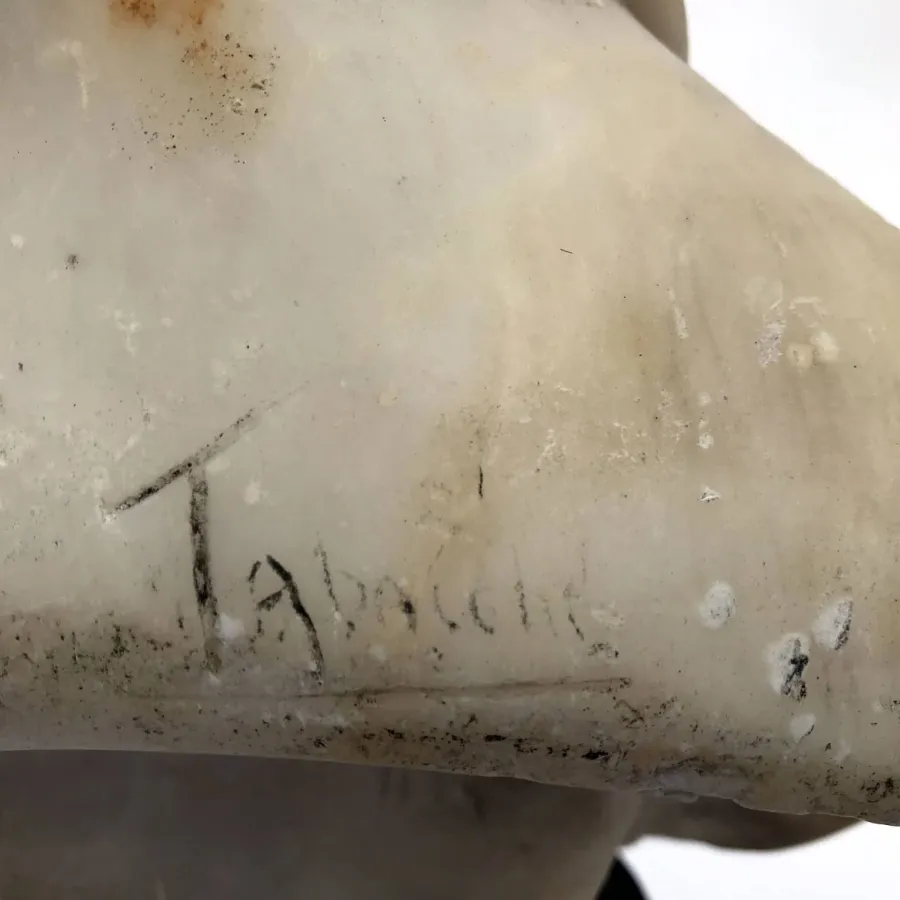
Virile Bust in Alabaster signed by Tabacchi. The figure of a man is depicted at half-length, elegantly dressed in 19th-century attire and bearing the signature Tabacchi on the back of the coat collar. The antique sculpture is made of alabaster and rests on a round base crafted from turned and ebonized wood.
Overall in good condition, it comes from a private Milanese residence.
This figural sculpture dates from the first half of the 19th century and may be an early work by sculptor Odoardo Tabacchi, one of the most important Lombard sculptors of the 19th century, creator of some of the most significant monuments such as Cavour of Milan, Garibaldi and Frejus in Turin, Arnaldo da Brescia in Brescia, Michelangelo in Varese, and numerous tomb sculptures.
Beautiful antique furniture and accessories can be an excellent idea for interior decoration. Currently, there is a growing appreciation for high-quality vintage items that possess distinct character and soul. This is a nod to history, craftsmanship, and the creation of classic and timeless furniture. There are many different styles in antique furniture, each with its own characteristic features.
Many styles distinguish antique furniture, but a few are particularly notable. Eclectic furniture refers to the 19th century, especially the Biedermeier style. Early in the century, this included neo-Gothic, Gothic, Rococo, Louis-Philippe, and Victorian English styles. Toward the end of the century, these styles evolved into pseudo-classicism, Renaissance, and Baroque.
Empire-style furniture dates from the period between the late 18th and early 19th centuries. It originated during Napoleon’s reign, characterized by strong references to Roman and Greek ornamentation.
Neoclassical furniture reflects the Louis XVI style, which also draws heavily from ancient architecture. Noteworthy are antique pieces in Rococo and Louis XV styles. Baroque, whose name derives from the Portuguese 'barocco'—meaning irregularly developed pearl—was highly ornate, designed to exude splendor and luxury. These pieces used exclusive materials to emphasize their grandeur.
Today, we can see how much the Baroque style influenced modern classical furniture, which often closely resembles the historic era. The Renaissance style, flourishing in the 15th and 16th centuries, also left a significant mark on furniture design. Renaissance furniture was quite heavy and robust, often using brown stains, moldings, strong bases, and relief decorations. These products were quite distinctive but also introduced new possibilities, such as the construction of cabinets and other chest-type furniture. Mythology and antiquity inspired many details, with supports and legs often taking animal forms.
Lion paws, eagle heads—these are common motifs in Renaissance-style furniture. Many global brands now reproduce such pieces, inspired by Italian and French artisans, as a tribute to the beauty of Renaissance antiques. It’s important to remember that furniture styles varied by country, each with its own character. This is especially relevant when seeking exclusive antique pieces suited to a specific interior.
The key to high-end antique furniture is originality. Ultimately, this matters most to buyers, as the market is flooded with fakes. Luxury Products provides certificates confirming the authenticity of each item, matching the description and photos. We also have experts—art appraisers, historians, and specialists from around the world—ready to assist you.
Attributes / Details
| SKU | ANT-A325 |
| Manufacturer | Antyki |
| Model | A325 |
| Material | alabaster, wood |
| Size | Height: 40 cm Width: 25 cm Depth: 15.5 cm |
| Age | 19th century |
| Year | 1801 |
| Destiny | To living room |
See catalog
Reviews
No reviews for this product.