

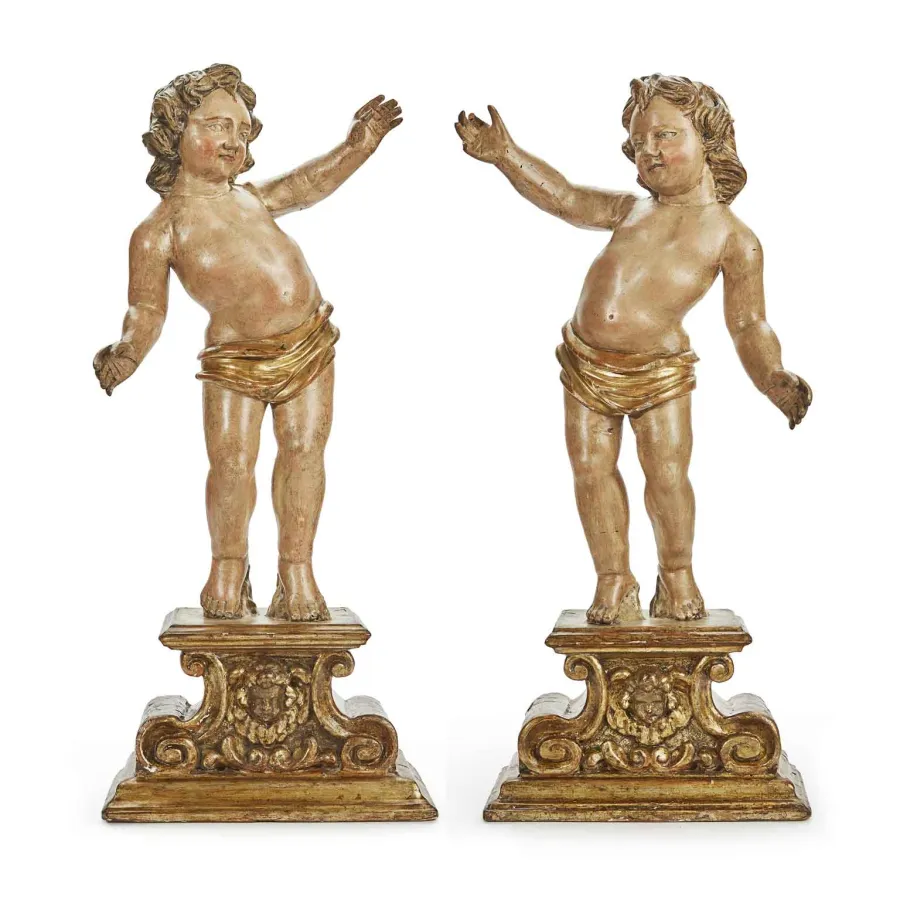
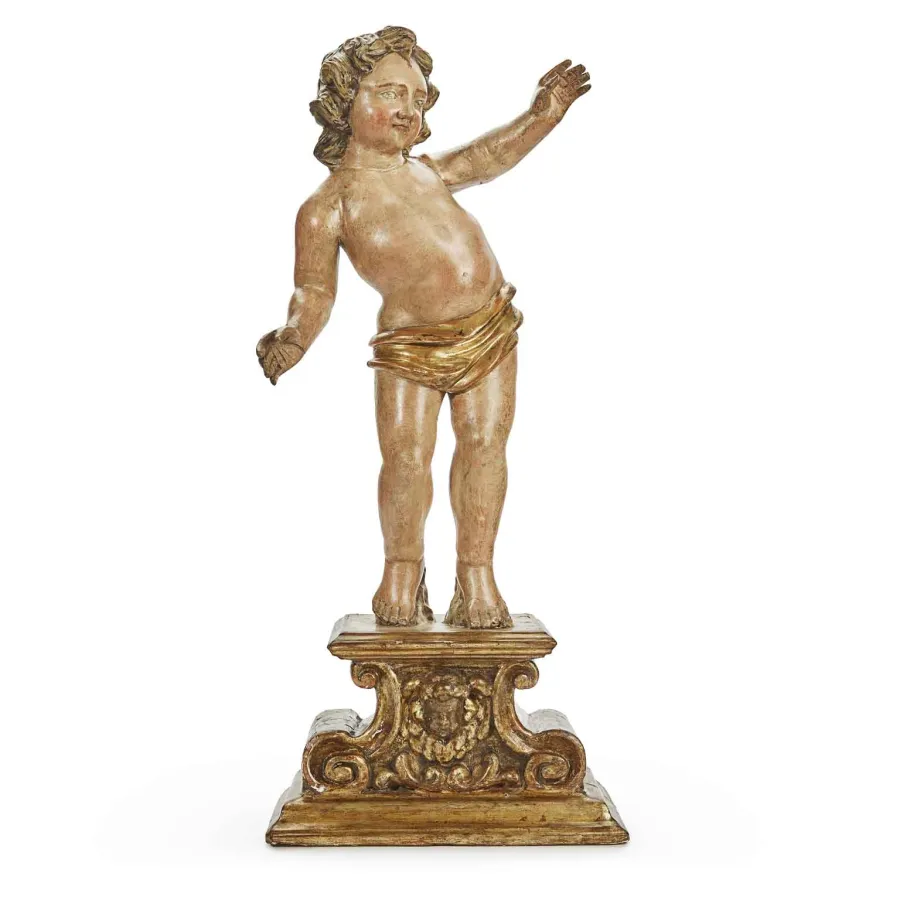
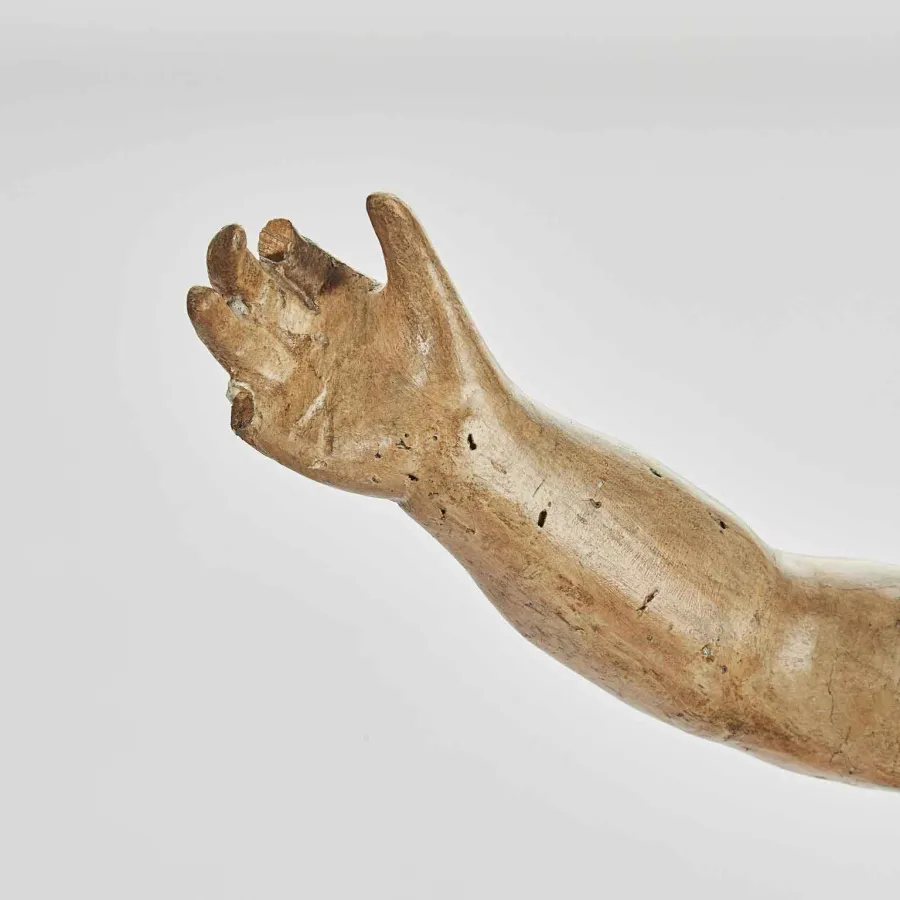
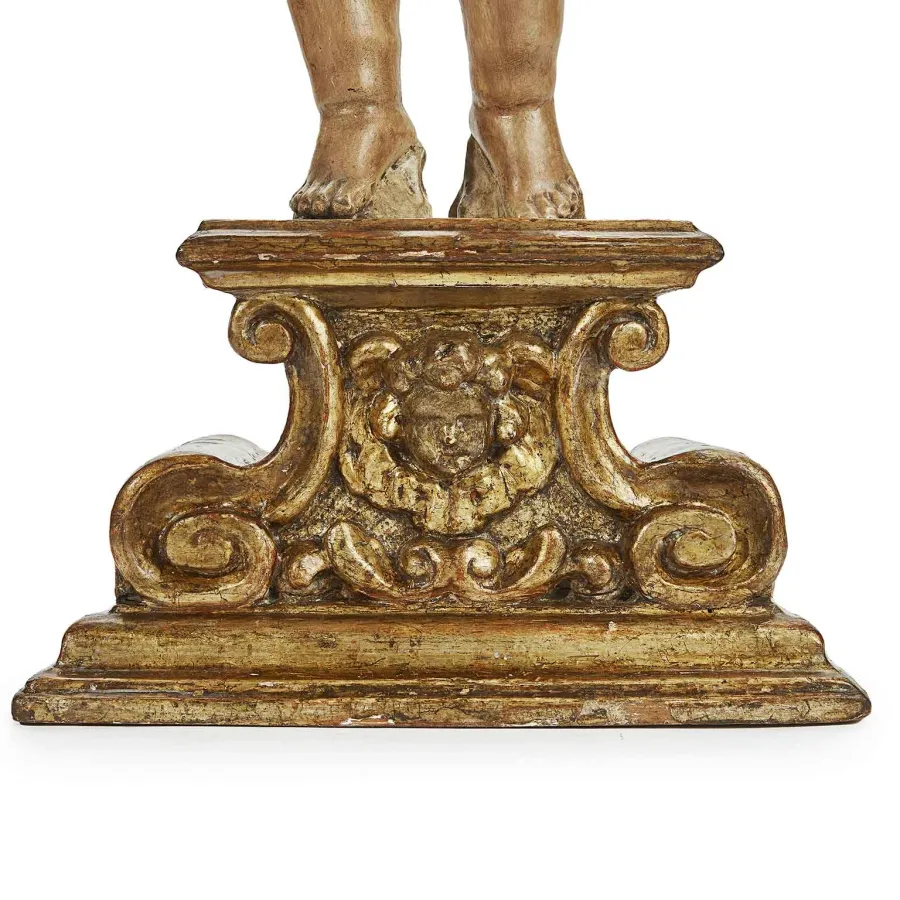
An antique pair of carved figures from the 18th century
Luxury antiques
SKU: ANT-A1165
See other products from category Sculptures of human figures or from manufacturer Antyki with shipping within 24 hours
Related products by category
Gorillas Popart is a unique approach to designing and creating luxury sculptures and functional art pieces. Upon request, the manufacturer will customize the product by selecting the appropriate
Manufaktura Gorillas Popart offers a unique approach to designing and creating luxury sculptures and functional art pieces. Upon request, the manufacturer will customize the product by selecting
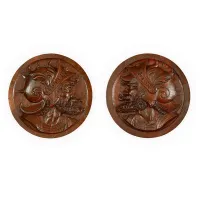
Para rzeźbionych drewnianych medalionów przedstawiających sylwetki rycerzy w hełmach z pióropuszami, szpicami i podniesionym daszkiem. Obie płaskorzeźby z XIX w. mają kształt okrągły i są
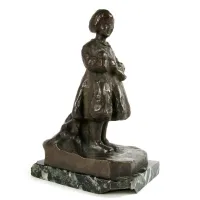
R. Zacchetti Girl with a Doll. Antique bronze sculpture from the Fascist era, circa 1938, depicting a girl holding a doll in her arms. On the front and back, there is a print with the title "Bambole,"
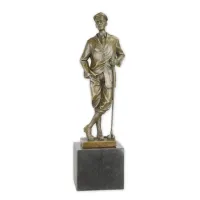
Manufaktura Luxury Gifts - More love for youOur customers' satisfaction and that of the recipients of our gifts is our top priority. We make every effort to create unique and high-quality gift art pi
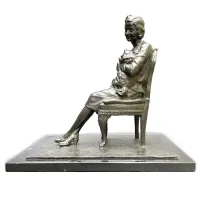
Leonardo Secchi Sitting woman with dog, 1942, cast from dark patina, depicts a woman sitting on a chair on an oriental rug, tenderly hugging and cuddling her dog. The cast is placed on a base made of
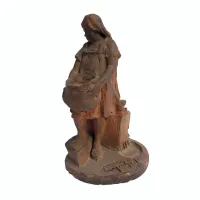
Michieli Guglielmo Terracotta sculpture from the early 20th century depicting a scoop, a modestly dressed girl with a cauldron or container in her hand. The figure is well modeled in terracotta, perfe
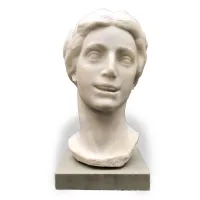
Bust of a woman made of white marble by Aurelio Bossi, signed at the base with a modern stone pedestal. The face is modeled, and the hair is barely outlined. Italy, circa 1930-1940. Aurelio Bo
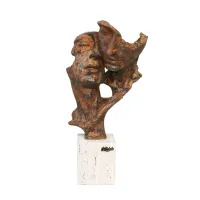
We would like to introduce you to an exclusive brand in the field of sculptural art - Anglada. This manufactory's name derives from its creator - Ángeles Anglada - a tal
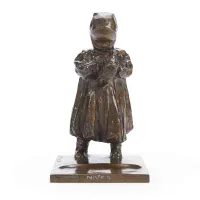
Eugenio Pellini Nives, early 1900s, dark patina, signed by the artist E. Pellini (1864-1934) on the left side of the rectangular base; on the front edge, also printed in letters, there is the inscript
Description
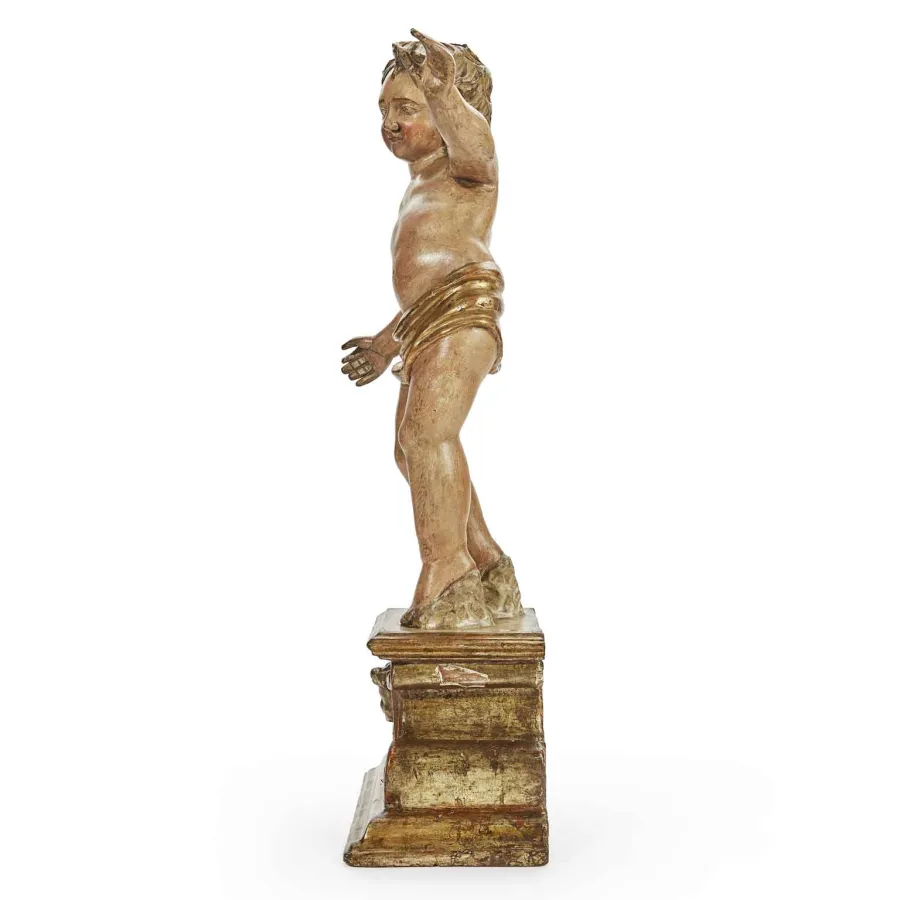
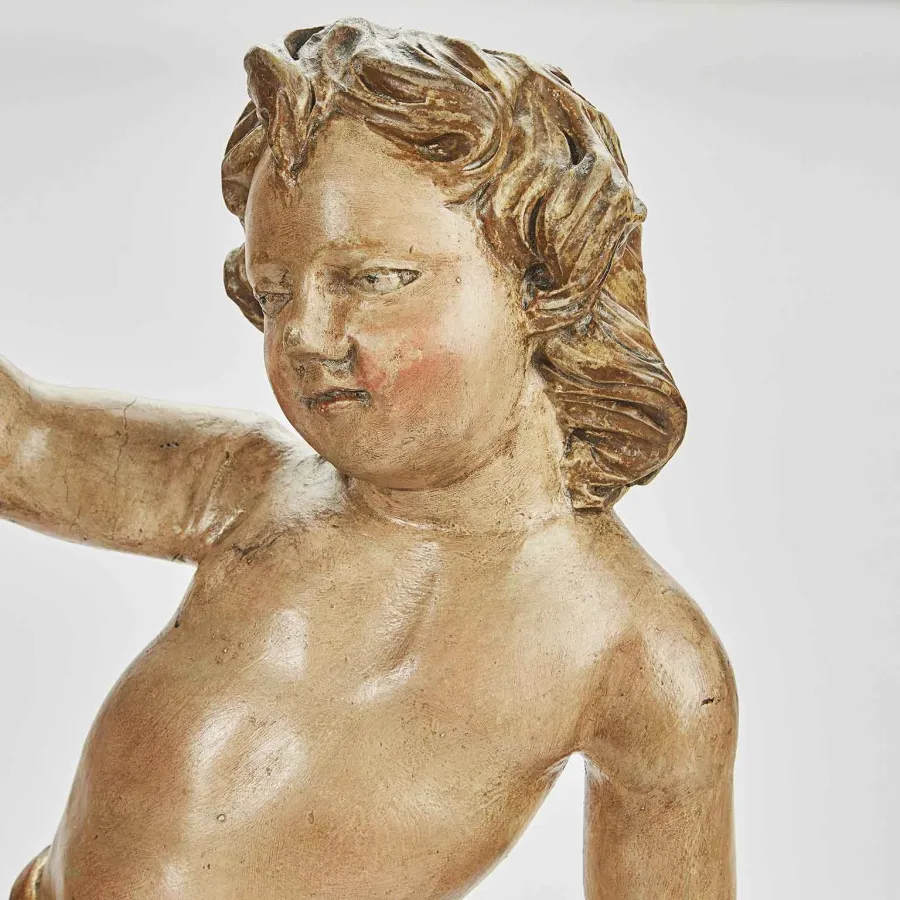
Figurines on a carved base from 1700 depict two naked cherubs covered only by a golden loincloth; they are most likely two angels announcing something, but they lack wings; they stand on tiptoe, adopt a curved posture, and have raised arms, indicating the main theme of the original ornament. They are placed on two beautiful Baroque bases, in the central part of which are two faces of winged angels. The lacquer finish on the bodies has been reapplied, and one of the figures is missing two small phalanges in the right hand.
Exceptional antique furniture and accessories can be an excellent idea for decorating our interiors. Today, there is an increasing number of enthusiasts of high-quality vintage items that possess distinct character and soul. It is a nod to history, craftsmanship, and the design of {traditional|classic} and timeless furniture. There are many different styles in antique furniture, each with its own distinctive features.
Many styles characterize antique furniture, but a few key ones stand out. Eclectic furniture refers to the 19th century, marked by the prevailing Biedermeier style. Its early variations include neo-Gothic, Gothic, Rococo, Louis Philippe style, and finally the English Victorian style. By the end of the century, these styles evolved into pseudo-classicism, Renaissance, and Baroque styles.
Beautiful Empire-style furniture dates from the late 18th to early 19th century. It originated during Napoleon’s reign, which imposed significant similarities and references to Roman and Greek ornamentation.
Neoclassical furniture is associated with Louis XVI style, which also strongly references ancient architecture. Noteworthy are antique products in Rococo and Louis XV styles. The next is Baroque, whose name derives from the Portuguese *barocco*—meaning an irregularly developed pearl. These were highly decorative pieces designed to exude splendor and play a significant role in luxury. Unique, selectively used materials were employed to further emphasize the grandeur of these items.
Today, we can observe how much influence the Baroque style has had on modern classic furniture, which is designed with a strong resemblance to the historical period. An important style is also Renaissance, which flourished in the 15th and 16th centuries and left a significant mark on furniture craftsmanship. Renaissance furniture was quite heavy and massive, using brown stains, cornices, sturdy bases, and reliefs. These products were quite distinctive but also opened new possibilities, such as the construction of credenzas and broadly speaking, chest-type furniture. There was also an interest in mythology and ancient times, so supports and legs often took animal forms.
Lion’s paws, eagle heads—these are common motifs in Renaissance style. Currently, many global brands reproduce furniture inspired by Italian and French artisans. This reflects admiration and respect for the history of the most beautiful Renaissance antiques. It’s important to remember that furniture production was perceived differently in each country, so each style had its own character. This is especially crucial when searching for a luxurious antique suitable for your interior.
The most important aspect of stylish antique furniture is originality. Ultimately, this is vital for buyers, as many forgeries circulate on the market. Luxury Products provides documentation confirming the product’s compliance with its actual description and photos. We also have art appraisers, historians, and experts from around the world at your disposal.
Attributes / Details
| SKU | ANT-A1165 |
| Manufacturer | Antyki |
| Model | A1165 |
| Material | brown |
| Size | Height: 67 cm Width: 32 cm Depth: 19 cm |
| Age | XVIII |
| Year | 1700 |
| Destiny | To home |
See catalog
Reviews
No reviews for this product.