

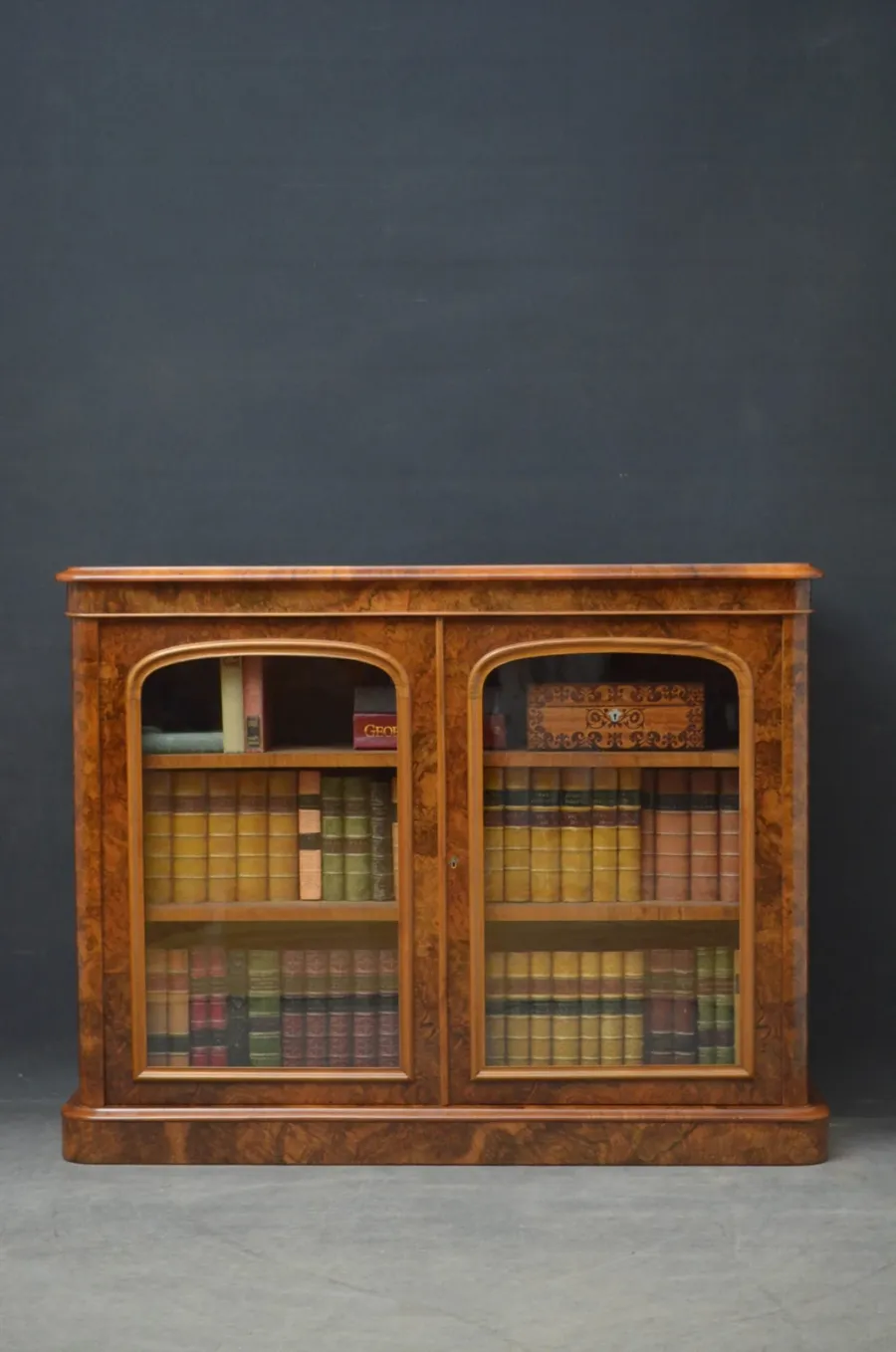
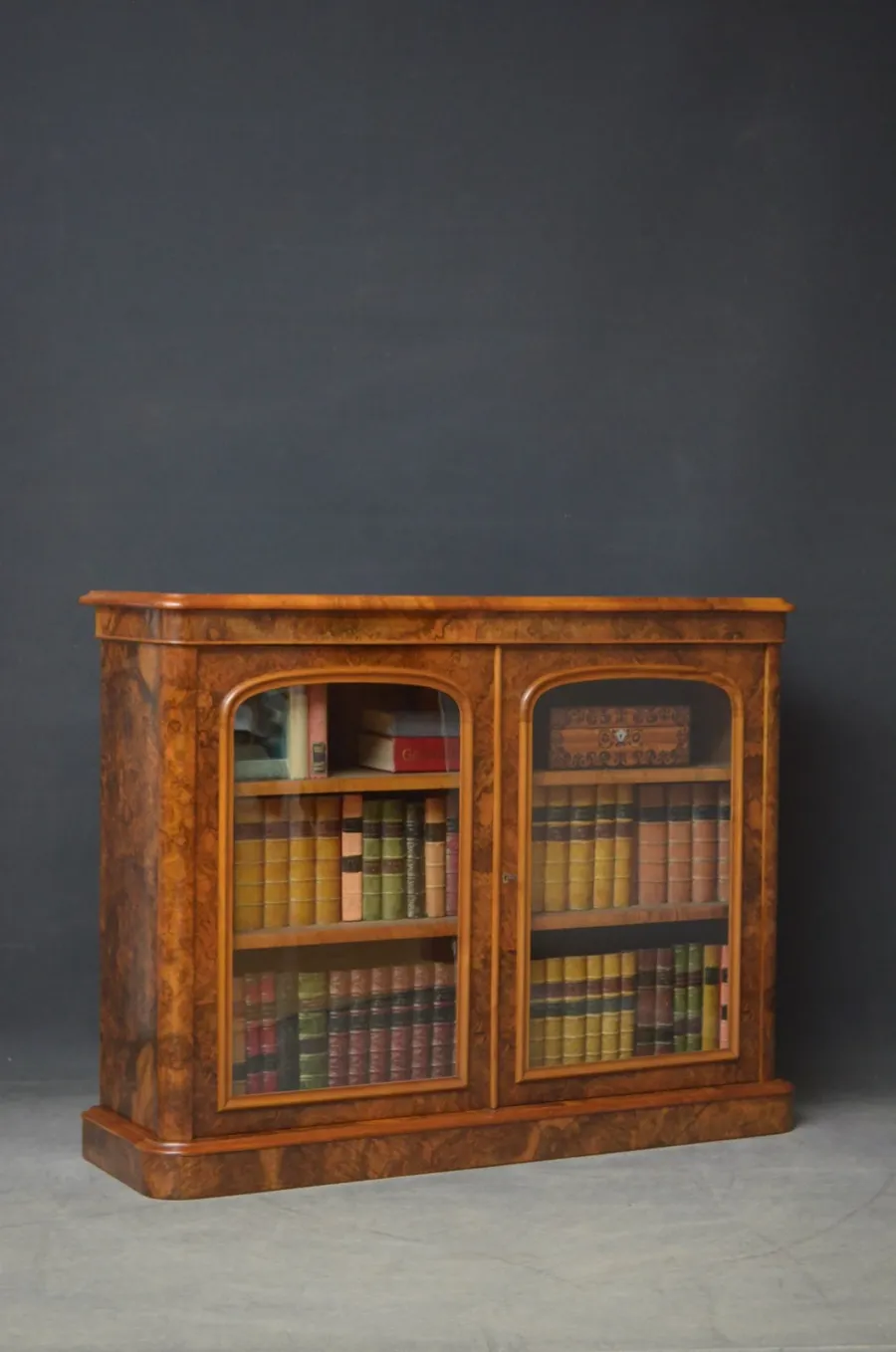
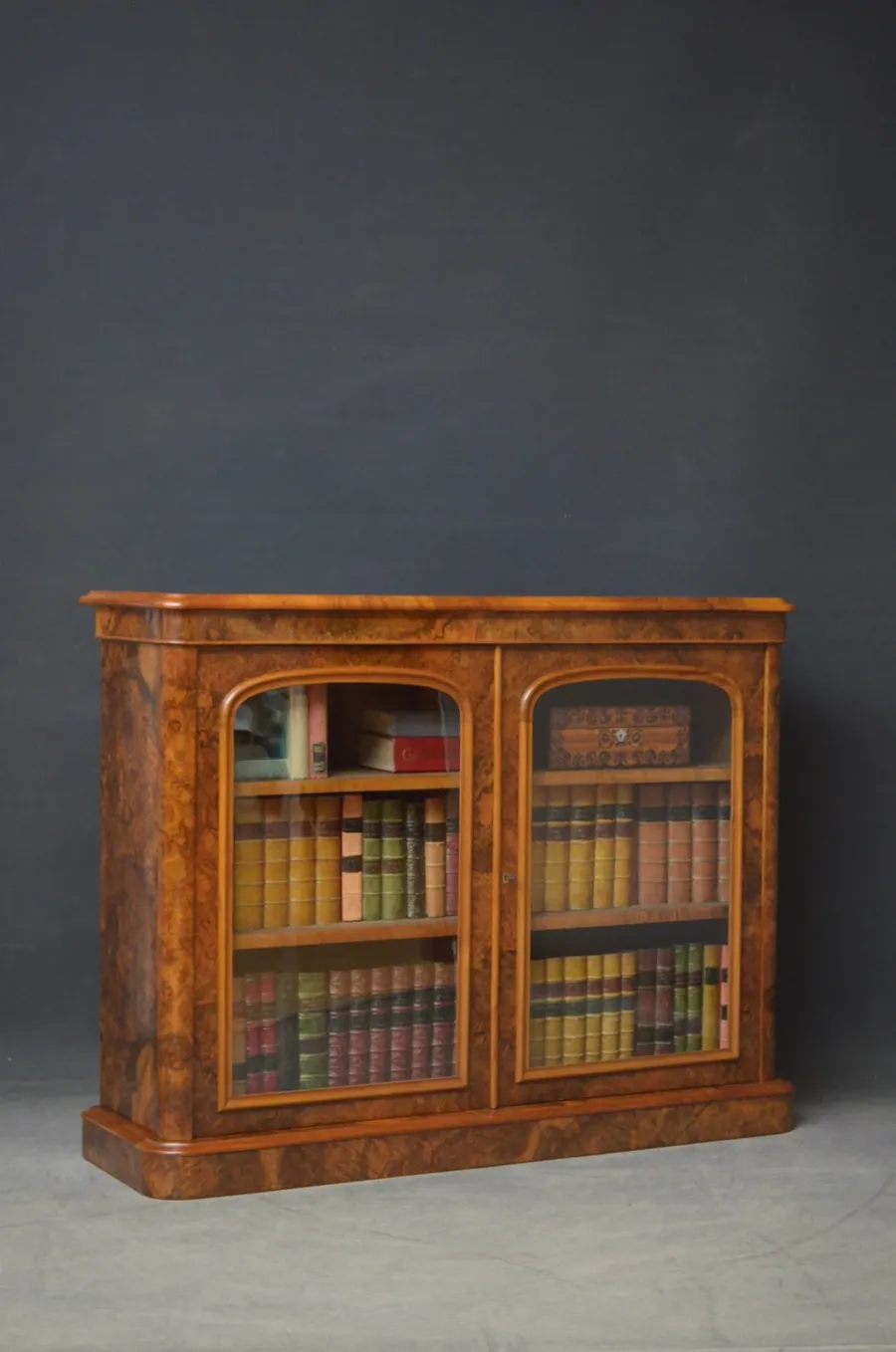
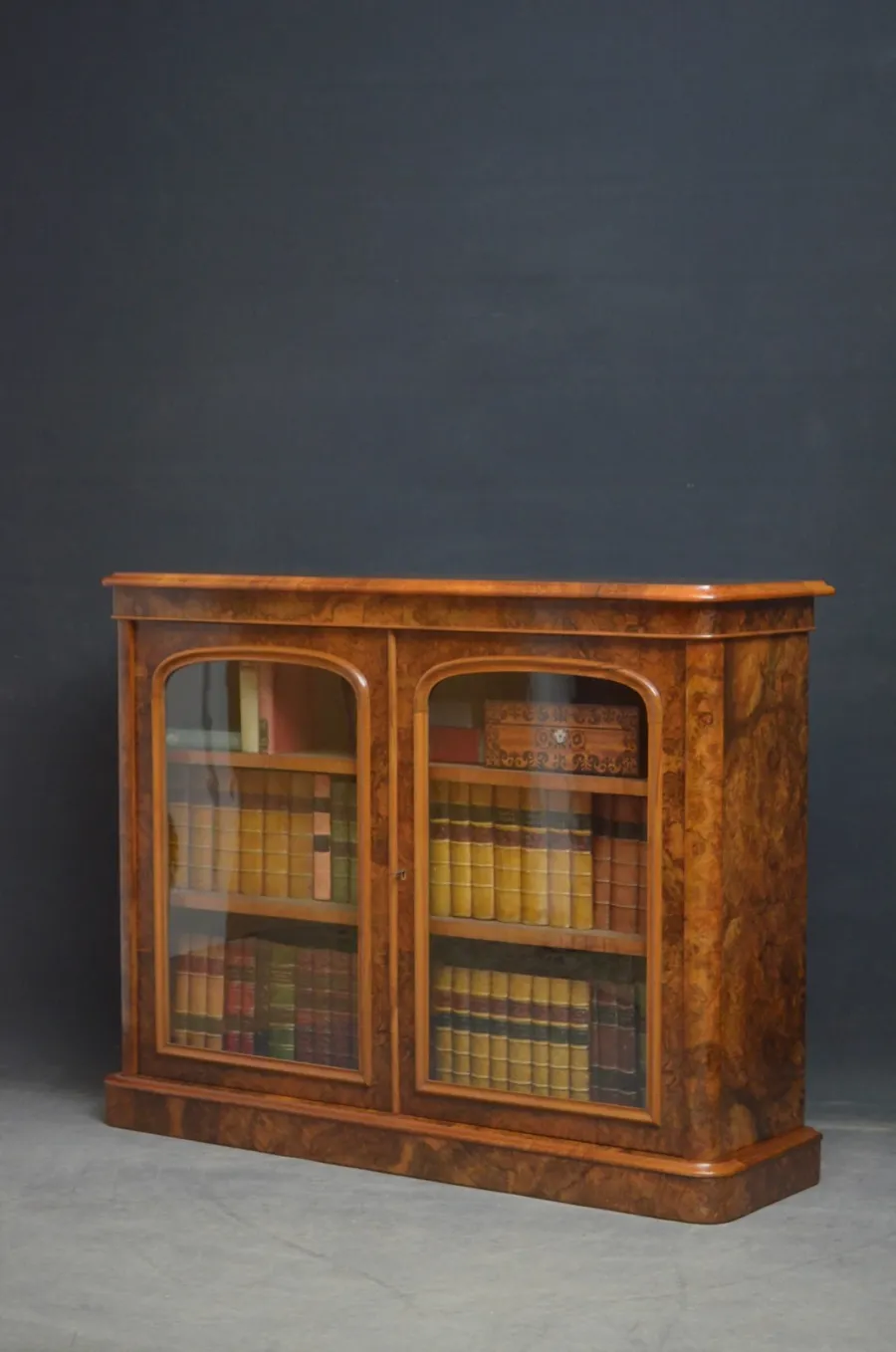
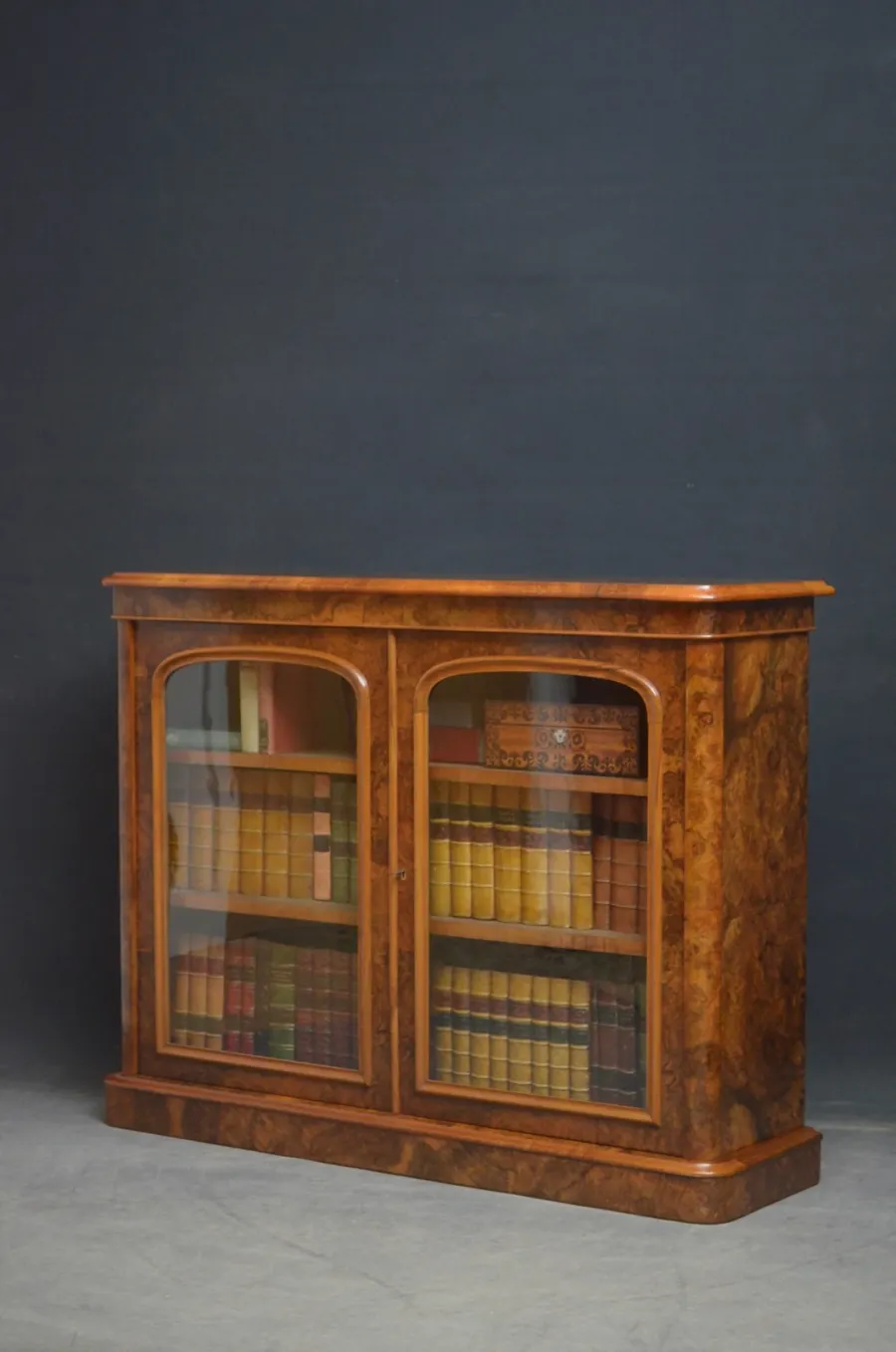
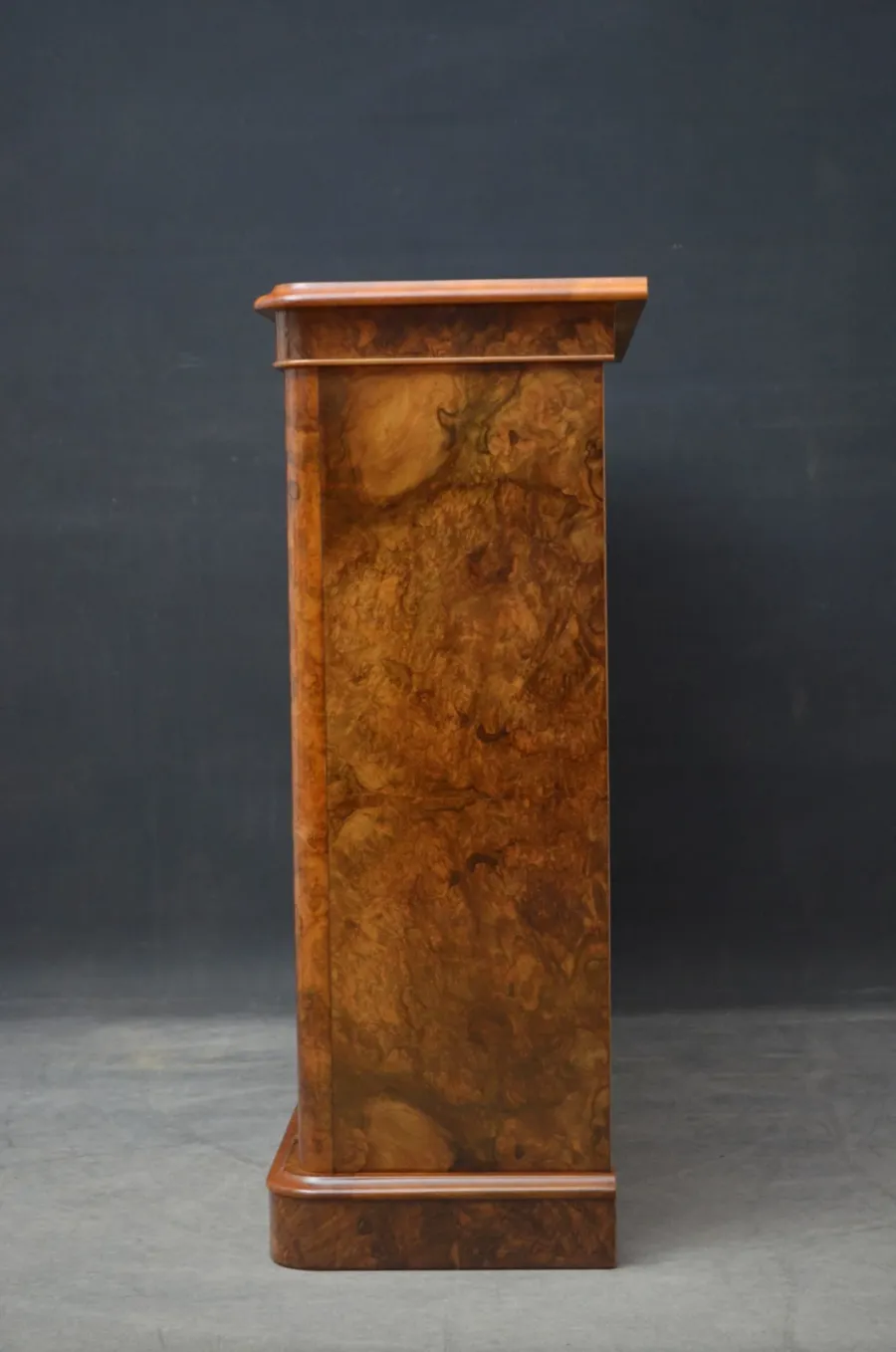
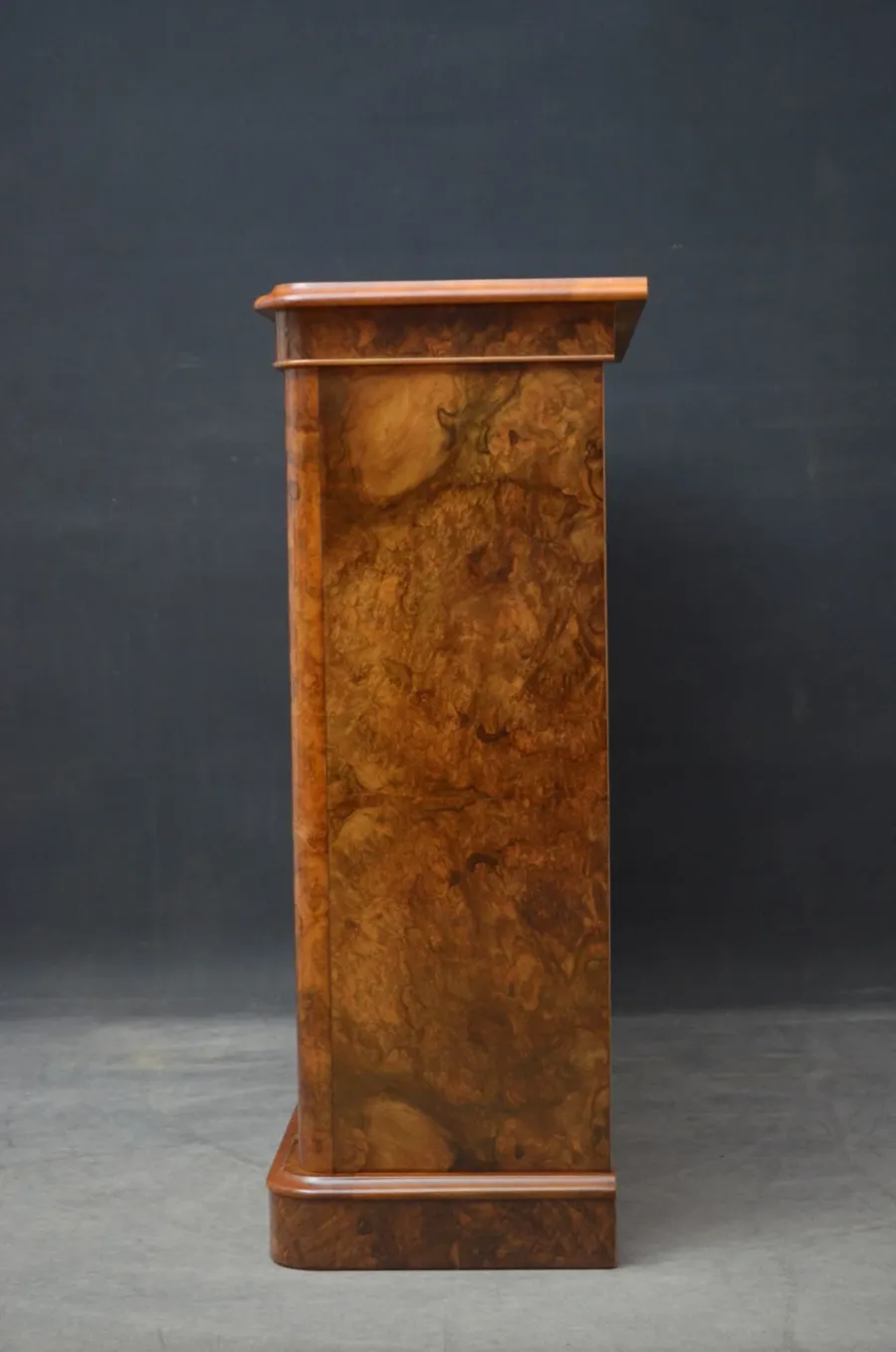
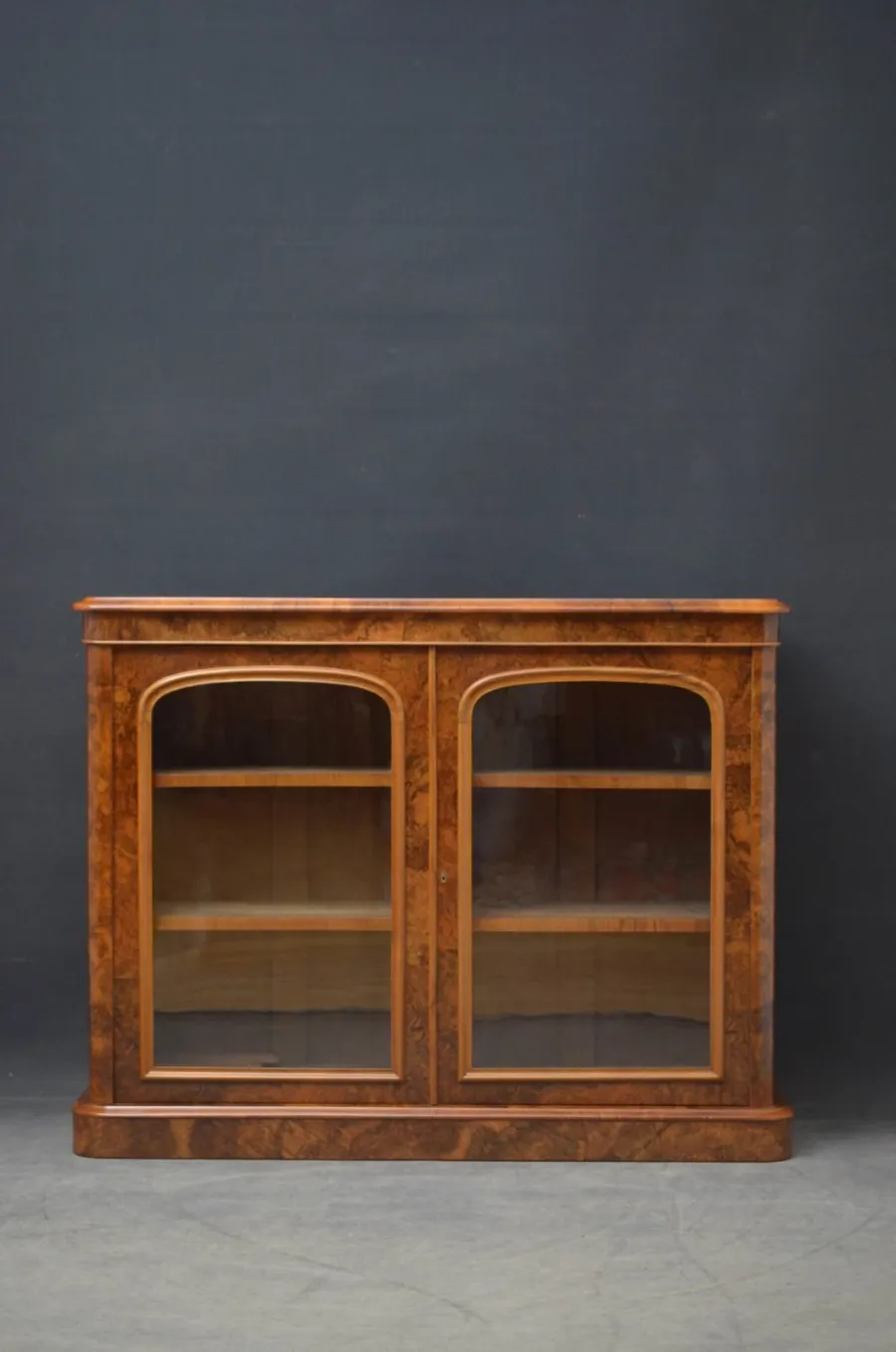
Victorian bookcase after renovation - antique
Exclusive antique furniture and accessories.
SKU: NIMQUES-Sn4765
See other products from category Antiques or from manufacturer Nimbus Antiques
Related products by category
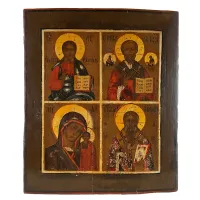
Unique antique furniture and accessories can be an excellent idea for decorating our interiors. Today, there is an increasing number of enthusiasts of high-quality vintage products that possess a dist
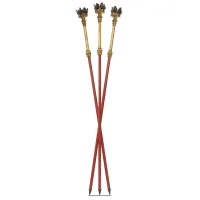
Three 18th-century gilded candelabras on red processional rods with octagonal cross-sections, connected by a central pin, forming a very tall wall lamp consisting of three torches that lean against th
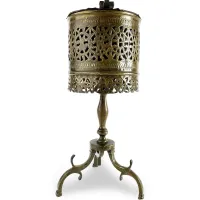
Brass boiler with a tripod base 1800, consisting of a central turned brass shaft, with three legs also made of cast brass mounted at the base; a perforated and stamped tray for the grate, made of shee
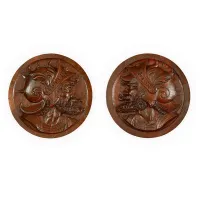
Para rzeźbionych drewnianych medalionów przedstawiających sylwetki rycerzy w hełmach z pióropuszami, szpicami i podniesionym daszkiem. Obie płaskorzeźby z XIX w. mają kształt okrągły i są
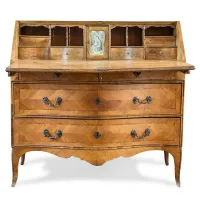
Luigi XV Ligure Half 1700 Cabinet, fully veneered and fluted on a wavy front, with two large drawers and two rounded drawers side by side, designed with reduced dimensions for a calatoia. The extraord
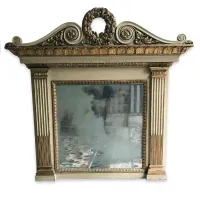
Gilded and gold fireplace mirror with a damaged and partially matte mirror (dimensions 71.5 x 69.5): two fluted Doric pilasters support an important beam topped with a pediment consisting of two volut
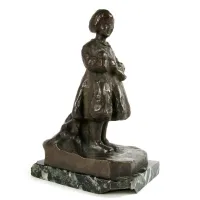
R. Zacchetti Girl with a Doll. Antique bronze sculpture from the Fascist era, circa 1938, depicting a girl holding a doll in her arms. On the front and back, there is a print with the title "Bambole,"
"The City of Brussels in the Duchy of Brabant" copperplate engraving – printed in Venice around 1740
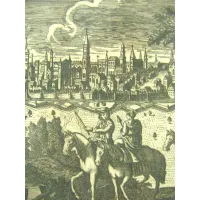
View of Brussels. “The City of Brussels in the Duchy of Brabant” copperplate engraving taken from “The Present State of All Countries and Nations of the World…” T. Salmon printed in Venice a
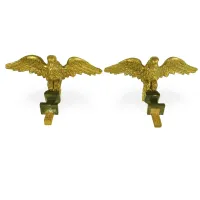
A pair of carved and gilded wooden eagles from the mid-19th century. This pair of carved and gilded wooden predatory birds represents a fascinating example of Italian craftsmanship from the 19th centu
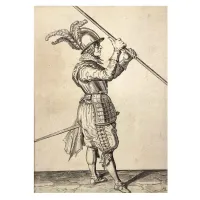
Ancient engraving featuring a soldier. A print by Jacob de Gheyn from 1600 depicting a soldier in military uniform. The 1607 engraving is an important example of late Mannerist printmaking art. De Ghe
Description
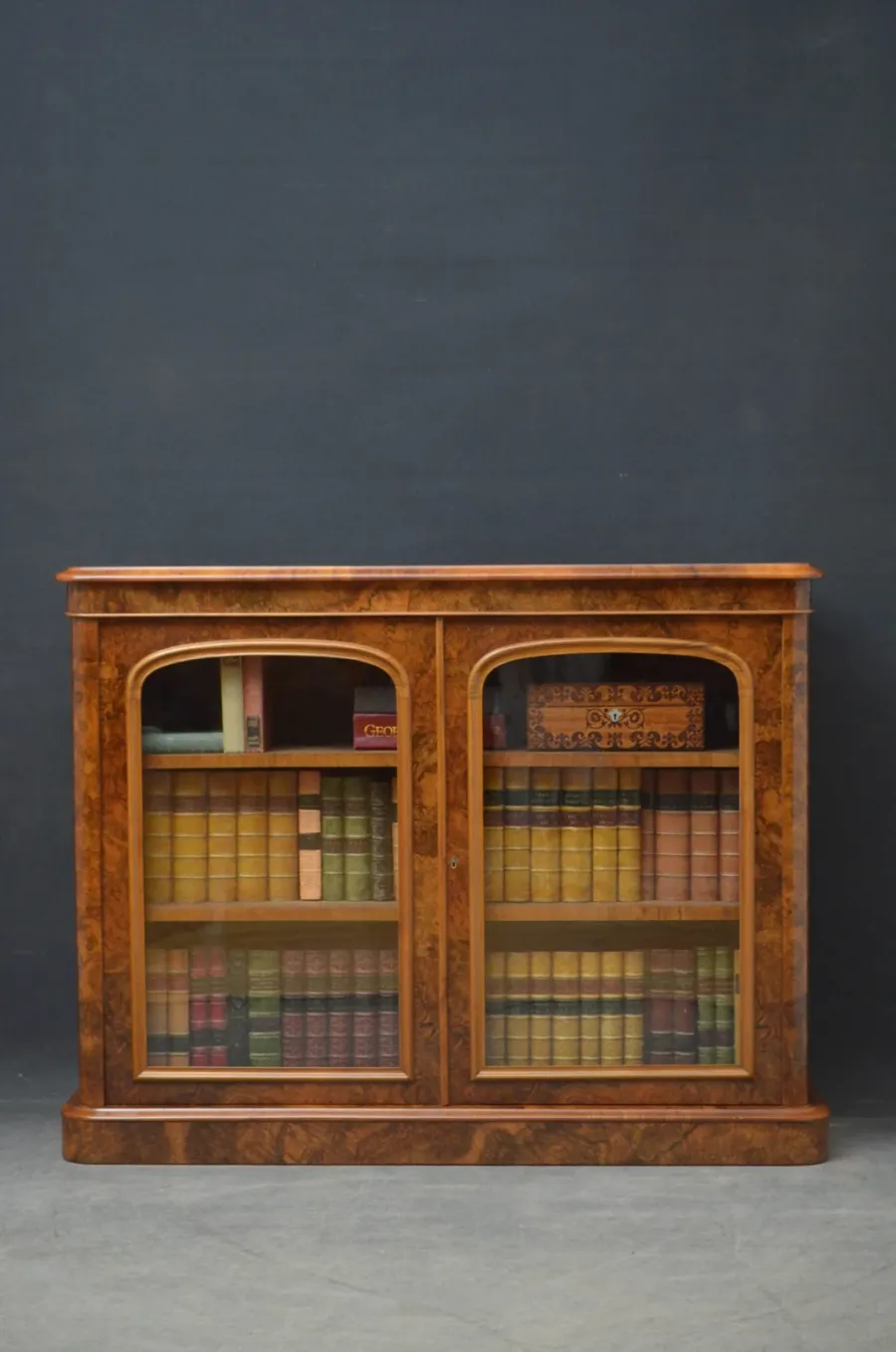
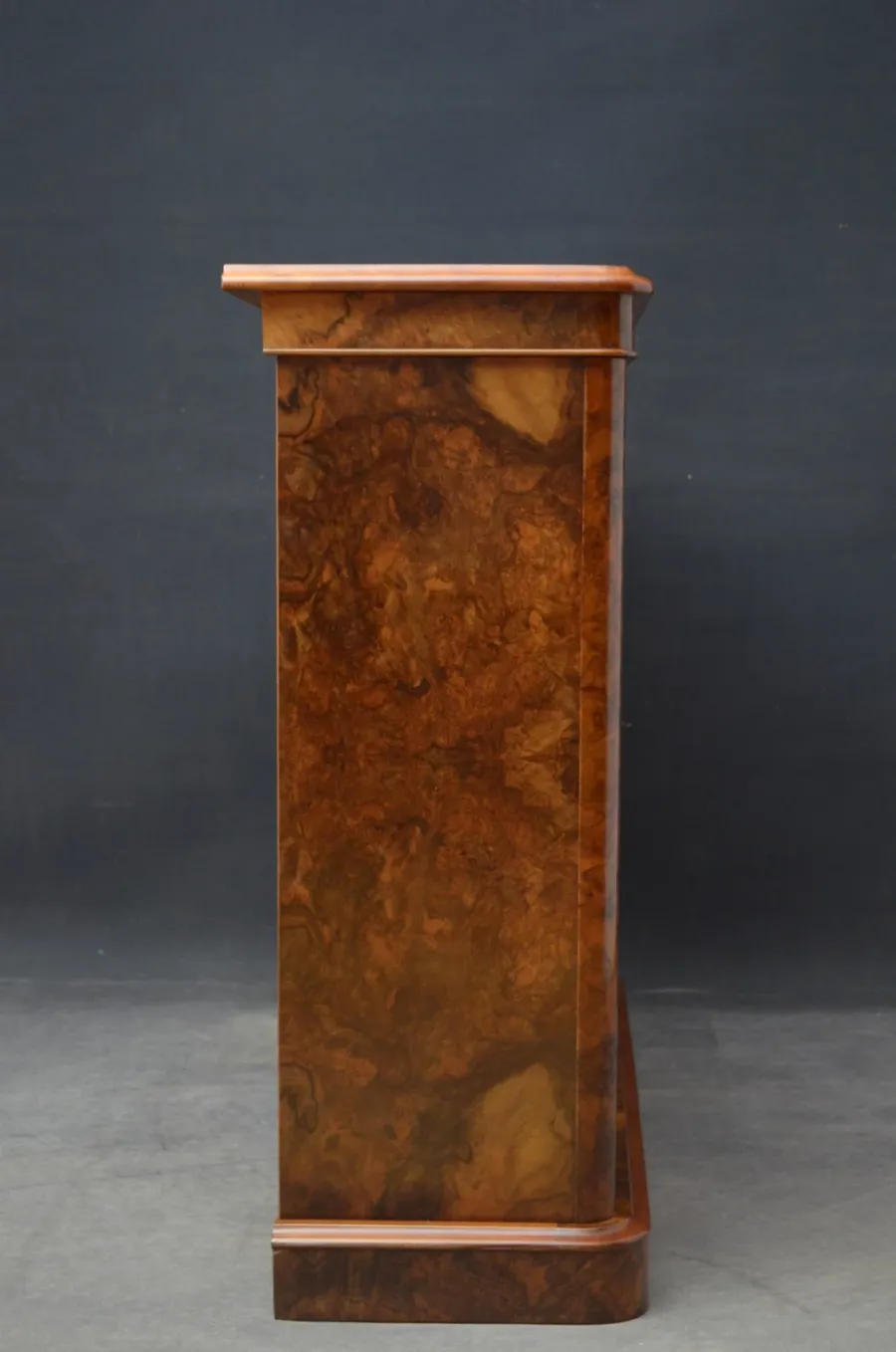
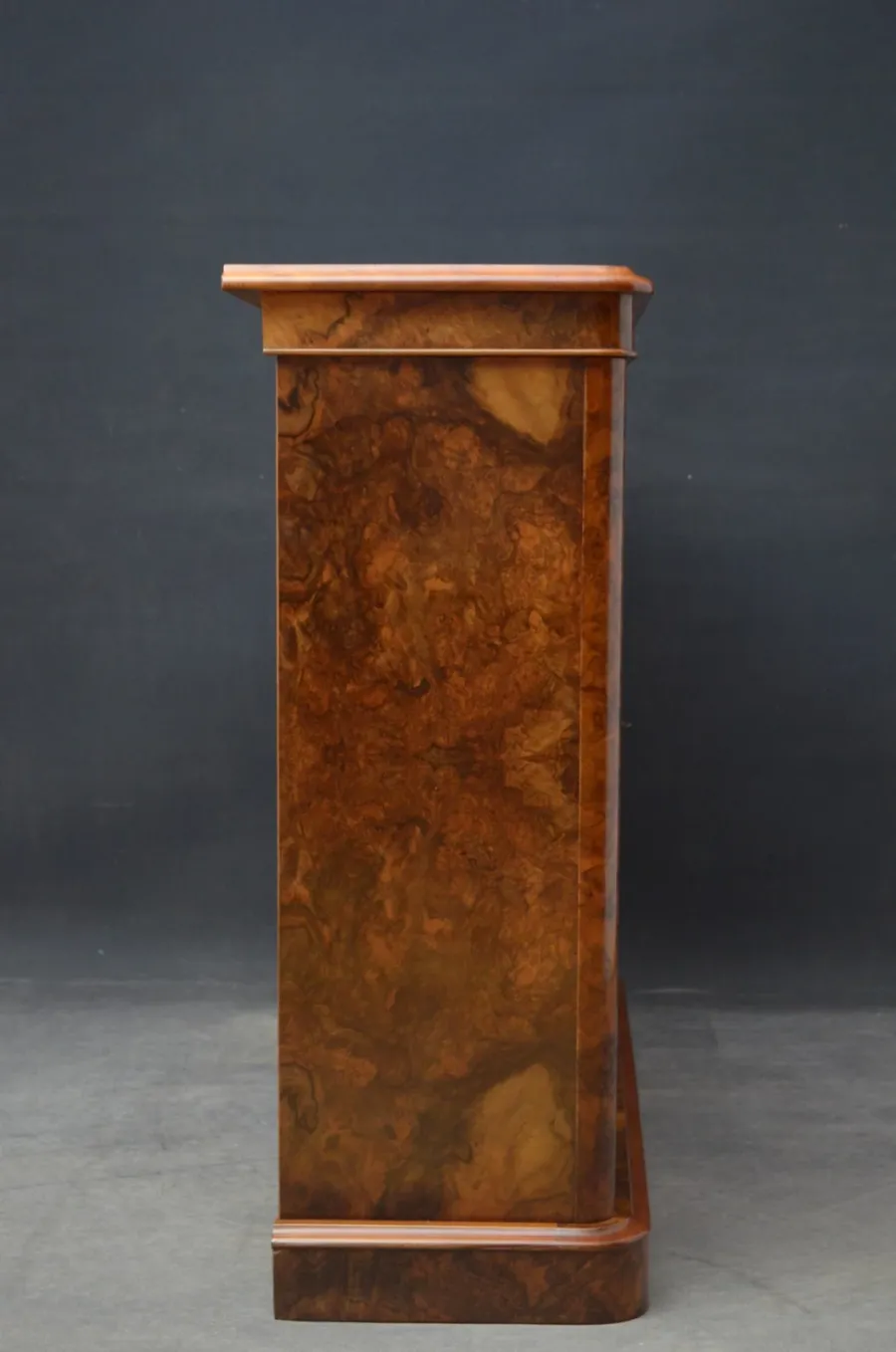
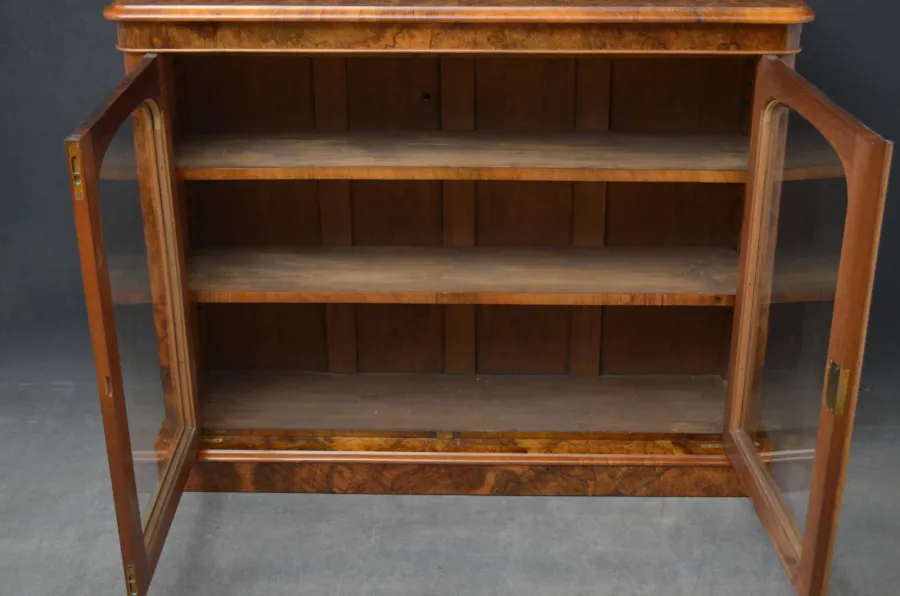
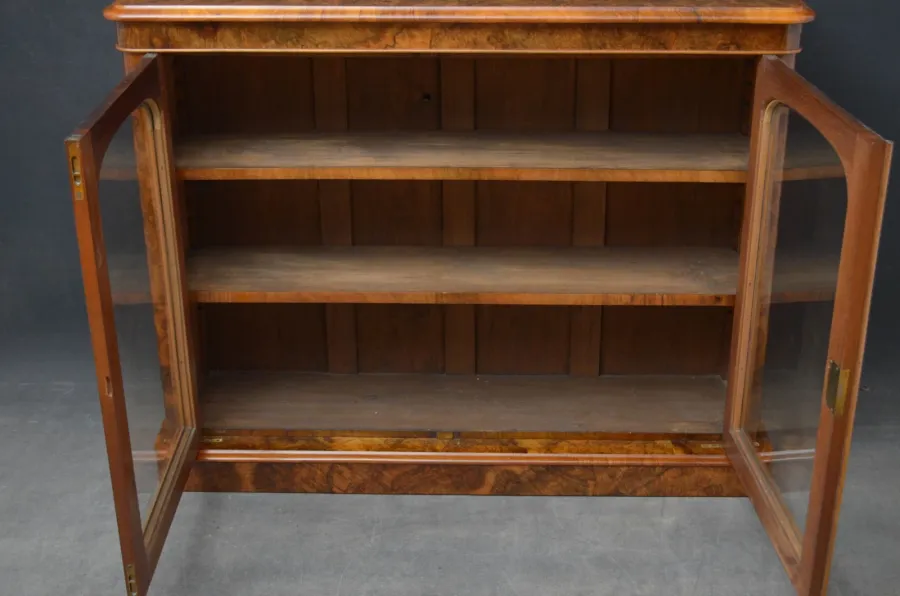
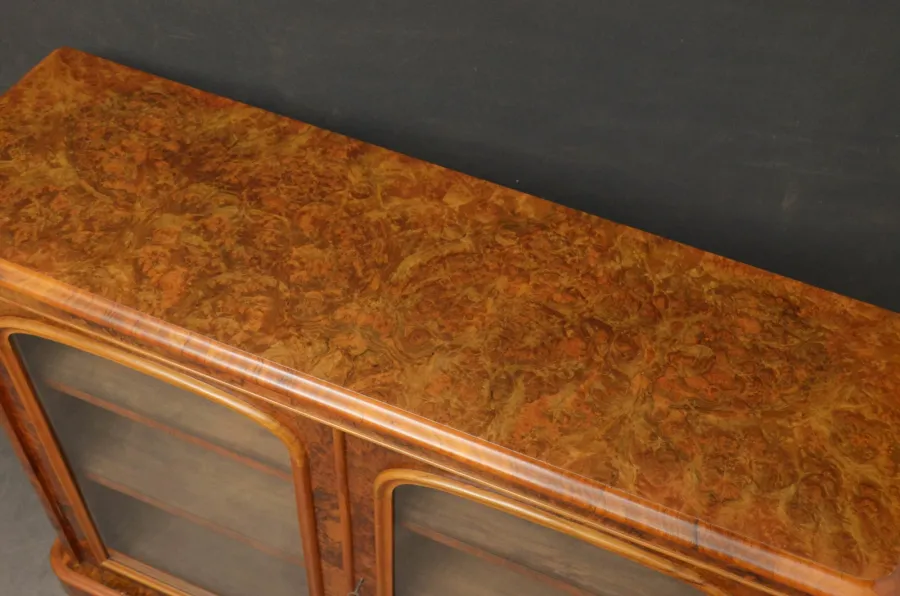
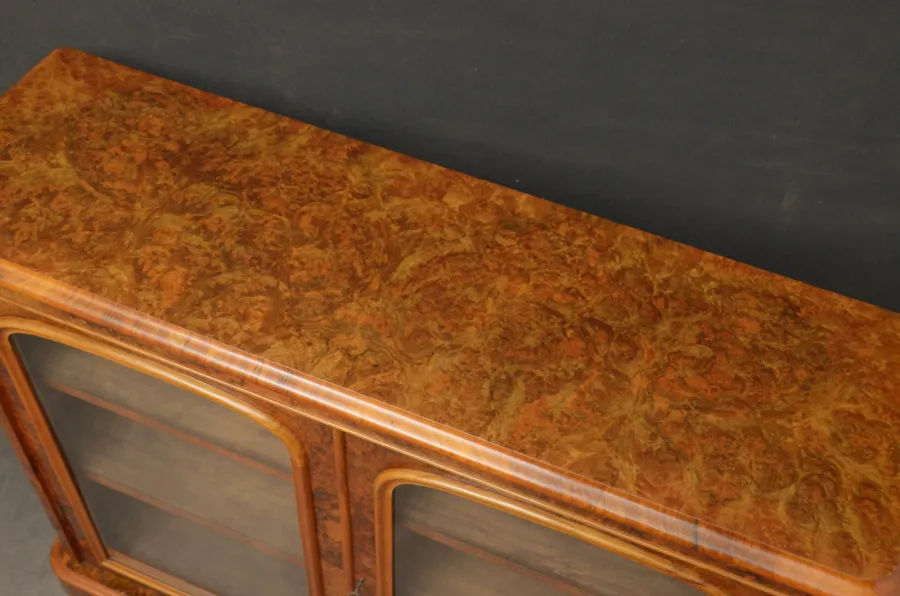
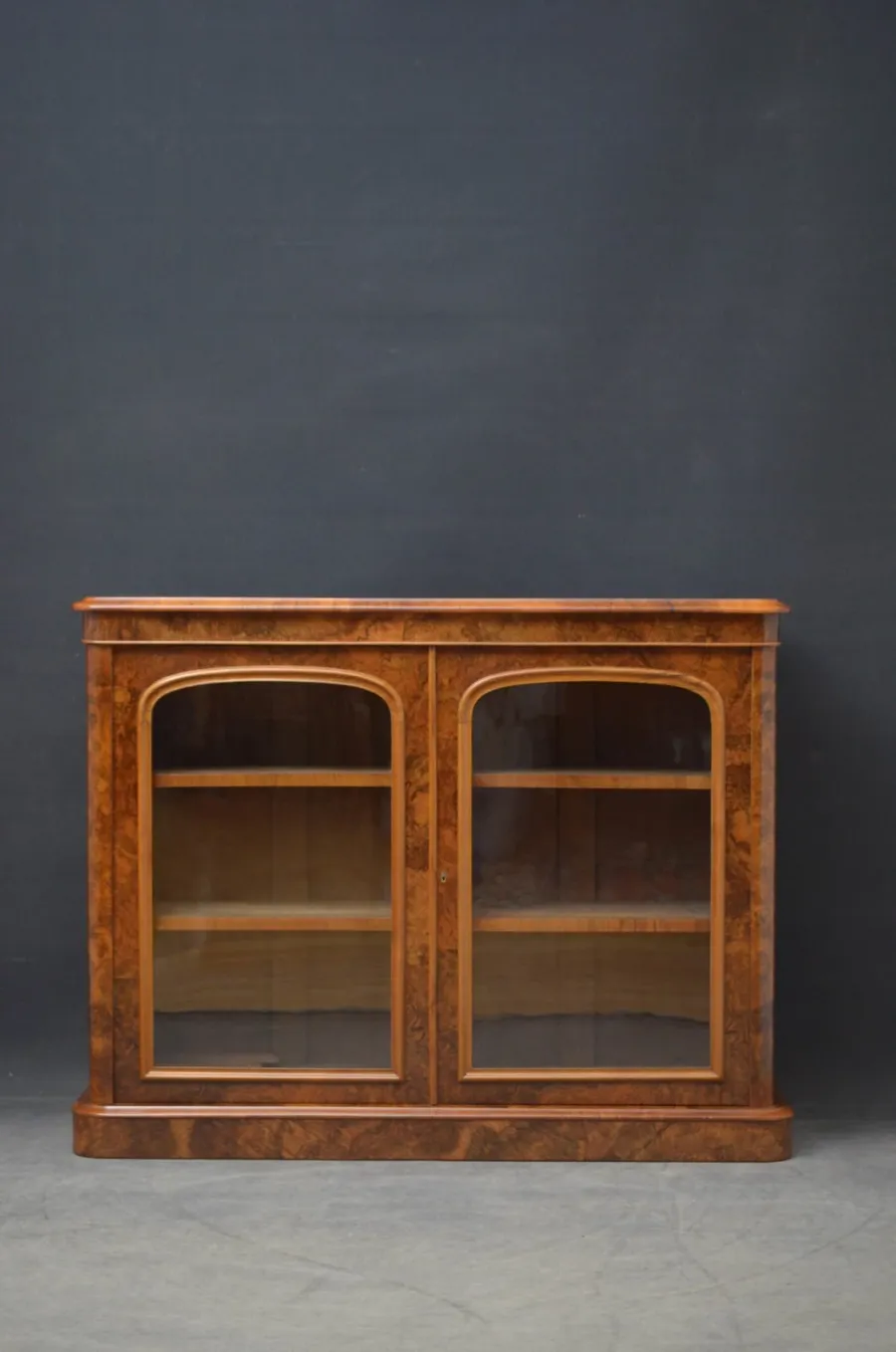
Rare Victorian, glazed walnut display cabinet or showcase with an attractive walnut top above a pair of arched, glazed doors equipped with an original working lock and key, and featuring 2 height-adjustable shelves, all standing on a plinth. This historic cabinet has been restored and is ready to be placed in your home. Year 1870
Stylish antique furniture and accessories can be an excellent idea for decorating our interiors. There is currently a growing number of enthusiasts for high-quality vintage items that possess a specific character and soul. This is a nod to history, craftsmanship, and the design of classic and timeless furniture. There are many different styles in antique furniture, each with its distinctive features.
Many styles characterize antique furniture, but we can highlight a few of the most important. Eclectic furniture is from the 19th century, during the reign of the Biedermeier style. Its early variations include neo-Gothic, Gothic, Rococo, Louis Philippe style, and finally the English Victorian style. By the end of the century, these styles evolved into pseudo-classicism, Renaissance, and Baroque styles.
Empire-style furniture dates from the period between the late 18th and early 19th centuries. It originated during Napoleon's reign, characterized by significant similarities and references to Roman and Greek ornamentation.
Neoclassical furniture reflects the Louis XVI style, which also strongly references ancient architecture. Interesting and noteworthy are all antique products in Rococo style and Louis XV. Next is Baroque, whose name derives from the Portuguese 'barocco'—meaning an irregularly developed pearl. These were highly representative pieces designed to literally exude glamour and play a significant role in luxury. Unique materials were selectively used to emphasize the grandeur of these items.
Today, we can observe how much influence the Baroque style has had on modern classic furniture, which is designed with a strong resemblance to the historical period. An important style is also Renaissance, which flourished in the 15th and 16th centuries and left a significant mark on furniture craftsmanship. Renaissance furniture was quite heavy and robust, using brown stains, moldings, sturdy bases, and reliefs. It can certainly be said that these were quite specific products, but they opened up many new possibilities, such as the construction of sideboards or broadly speaking, chest furniture. Additionally, mythology and ancient times were of interest, so supports and legs often took animal forms.
Lion paws, eagle heads—these are common motifs in Renaissance-style furniture. Currently, many global brands reproduce such furniture, inspired by Italian and French artisans. This reflects admiration and respect for the history of the most beautiful Renaissance antiques. It’s important to remember that furniture production was perceived differently in each country, so each style had its unique character. This is especially important when searching for an exclusive antique that suits your interior.
The key aspect of stylish antique furniture is originality. Ultimately, this is crucial from the buyer’s perspective, as many fakes circulate on the market. Luxury Products provides documentation confirming the product’s authenticity and compliance with the actual description and photos. We also have appraisers, art experts, historians, and specialists from around the world at your disposal.
Attributes / Details
| SKU | NIMQUES-Sn4765 |
| Manufacturer | Nimbus Antiques |
| Model | Sn4765 |
| Material | walnut |
| Size | H91cm W117cm D36cm |
| Age | 19th century |
| Year | 1870 |
| Style | Victorian |
| Condition | After renovation |
| Destiny | To living room |
See catalog
Reviews
No reviews for this product.