

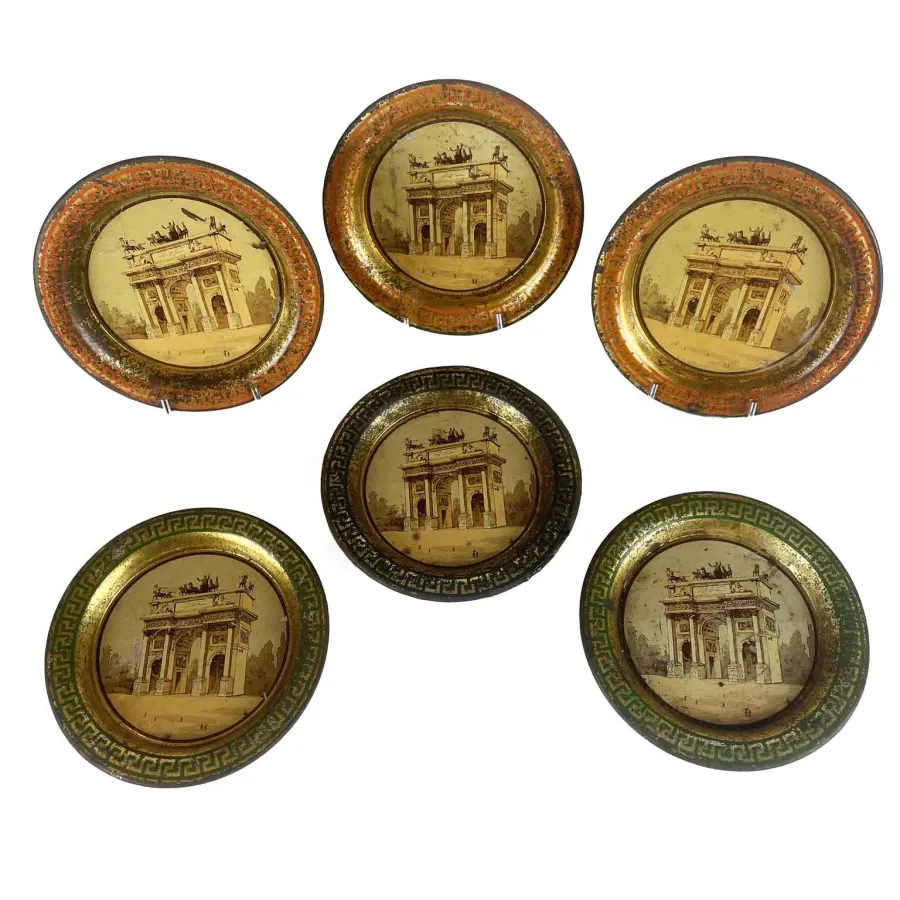
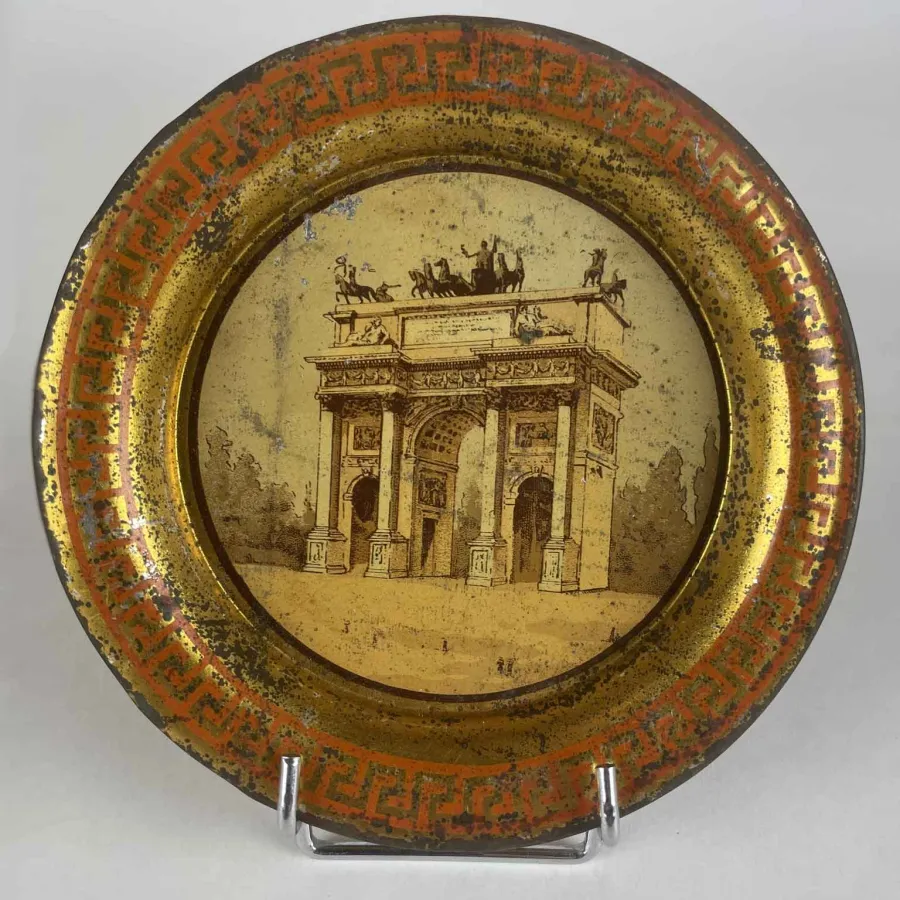
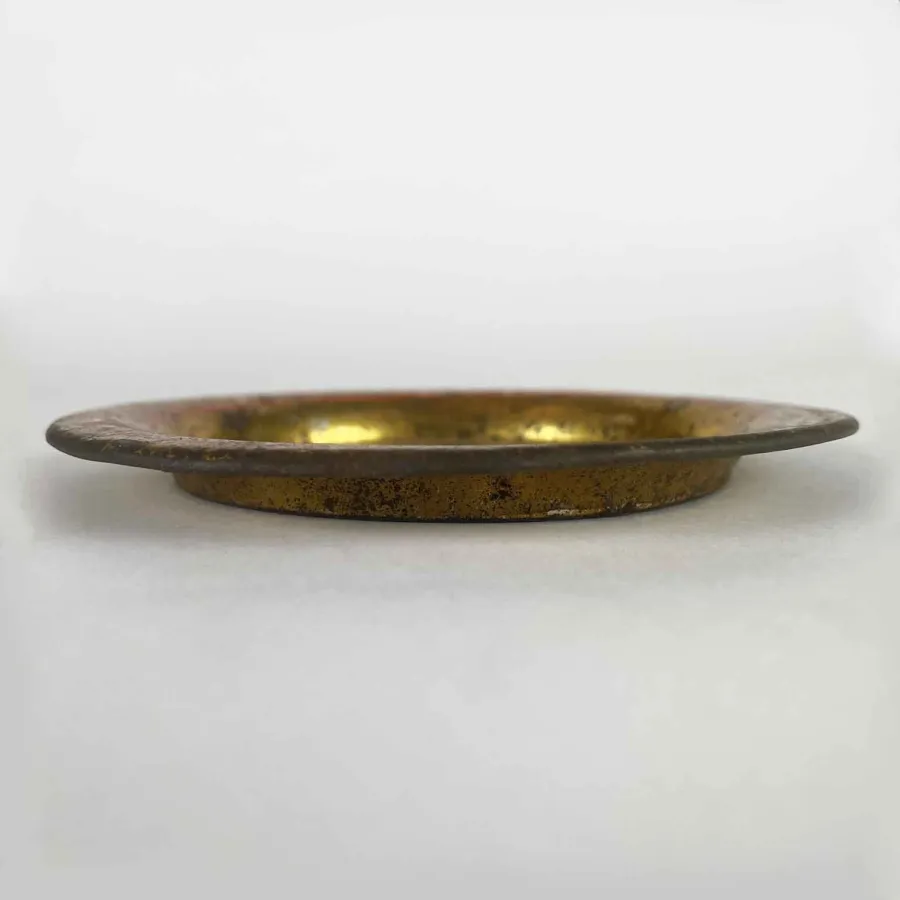
Six 19th century coasters with lithographs of the Arch of Peace
Luxury antiques
SKU: ANT-A1206
See other products from category Glass coasters or from manufacturer Antyki with shipping within 24 hours
Related products by category
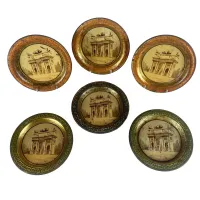
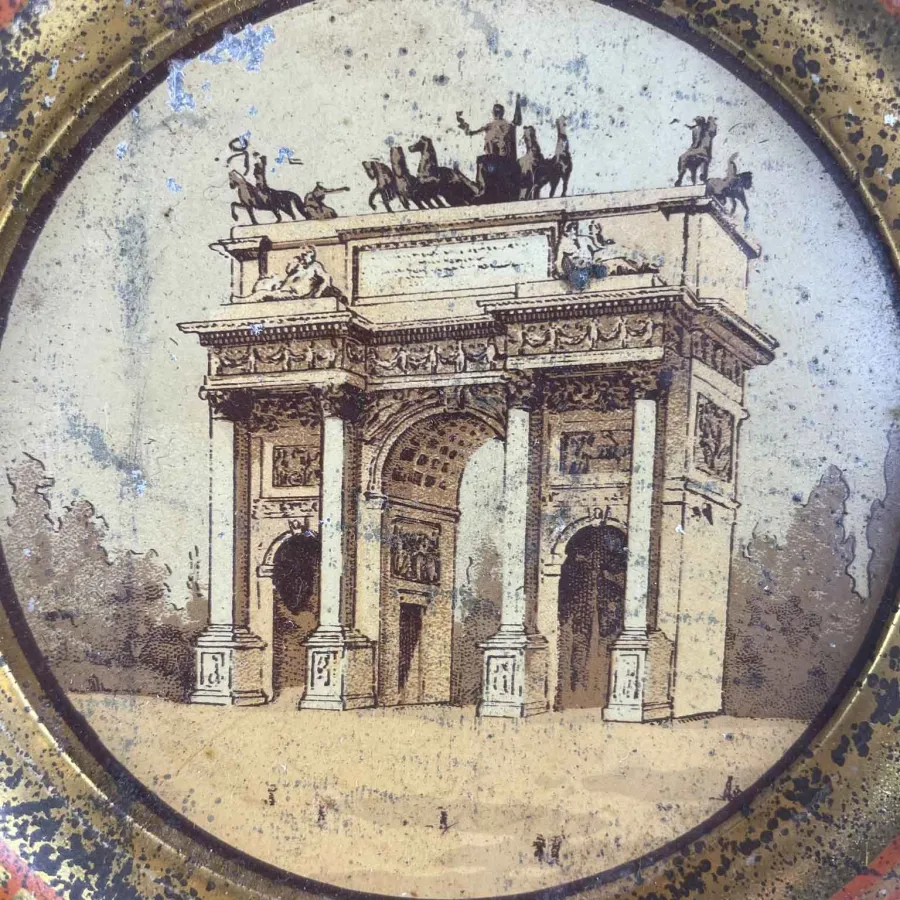
Six XIX-century coasters with lithographs of the Arc of Peace, gilded, round-shaped with red, green, and black Greek motifs on the edge. In the center, a frontal view of Arco della Pace in Milan. In g

The Italian manufacturer Zaramella entrusts all production to its artisans, who create small masterpieces by combining traditional techniques with modern technology in perfect harmony, always respecti
Original design combined with the highest quality materials reflects the image of INOXRIV.Since 1941, this Italian company has been designing and manufacturing innovative and functional cookware, as

Inspired by Mondrian, these coasters are the epitome of art and design on your table. Made from high-quality leather, they showcase the characteristic geometric precision and bold color palette typica
Perfect for adding a shimmering accent to your dining table.Non-slip surface, high scratch resistance, and easy to clean. Alone or combined with other table accessories from our collection, this recta
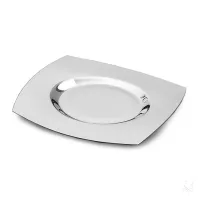
The Italian company Zaramella entrusts all production to its artisans, who create small masterpieces by combining traditional techniques with technology in perfect harmony, always respecting the uniqu
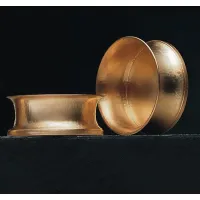
The Pampaloni company has a multi-generational and long-standing tradition of creating exclusive items made from the highest quality materials such as 925 silver and genuine leather. As Gianfranco, Te

Manufactory Zaramella entrusts all production to its artisans, who create small masterpieces by combining traditional techniques with technology, in perfect harmony, always respecting the uniqueness o
Porcel offers more than just a standard product, as it presents an exceptionally elegant concept of design, lifestyle, and inspiration in applied arts, with a capital S. Founded in 1987 in Portugal, i
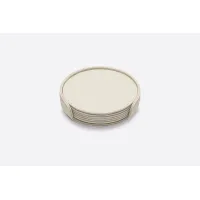
Round, soft coasters are part of the Dalí collection.Made from high-quality leather, they offer luxury and comfort, serving as an expression of style and sophistication on your table. Crafted through
Description
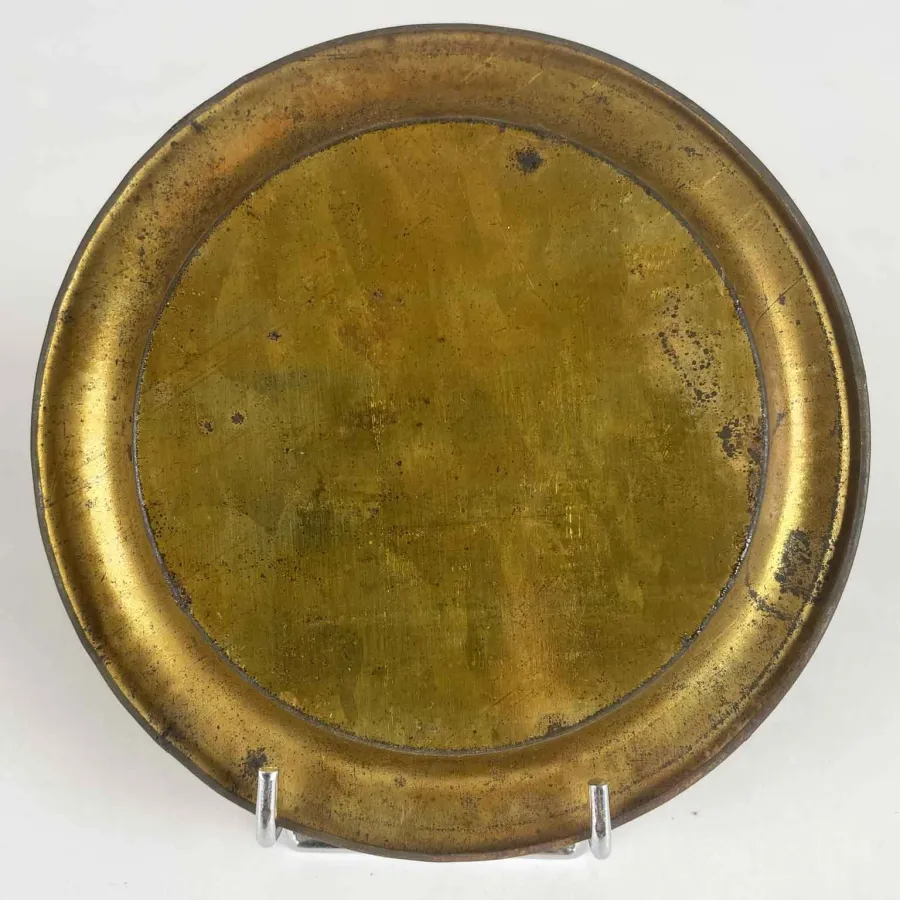
Six XIX-century coasters with lithographs of the Arc of Peace, gilded, round-shaped with red, green, and black Greek motifs on the edge. In the center, a frontal view of Arco della Pace in Milan. In good condition, with minimal signs of oxidation.
Original antique furniture and accessories can be an excellent idea for decorating our interiors. Today, there is an increasing number of enthusiasts of high-quality vintage products that possess a distinct character and soul. This is a nod to history, craftsmanship, and the design of classic and timeless furniture. There are many different styles in antique furniture, each with its characteristic features.
Many styles distinguish antique furniture, but a few are particularly notable. Eclectic furniture refers to the 19th century, during which the Biedermeier style was predominant. Its early variations include neo-Gothic, Gothic, Rococo, Louis Philippe style, and finally the Victorian English style. By the end of the century, these styles evolved into pseudo-classicism, Renaissance, and Baroque styles.
Original Empire-style furniture dates from the late 18th to early 19th century. It originated during Napoleon’s reign, characterized by significant similarities and references to Roman and Greek ornamentation.
Neoclassical furniture, associated with Louis XVI, also draws heavily from ancient architecture. Noteworthy are antique products in Rococo and Louis XV styles. Next is Baroque, a term derived from the Portuguese 'barocco'—meaning an irregularly developed pearl. These were highly decorative pieces meant to radiate splendor and play a significant role in luxury. Materials were selectively chosen to emphasize the grandeur of these items.
Today, we can observe how much the Baroque style influenced modern classical furniture, which is designed with a strong resemblance to the historical period. An important style is also Renaissance, which flourished in the 15th and 16th centuries and left a significant mark on furniture design. Renaissance furniture was quite heavy and massive, often using brown stains, cornices, sturdy bases, and reliefs. These products were quite distinctive but also introduced new possibilities, such as the construction of credenzas and broadly defined chest furniture. Mythology and ancient times were also of interest, with supports and legs often taking animal forms.
Lion paws, eagle heads—these are common features in Renaissance-style furniture. Currently, many global brands recreate such furniture inspired by Italian and French craftsmen. This reflects admiration and respect for the history of the most beautiful Renaissance antiques. It’s important to remember that furniture production was perceived differently across countries, and each style had its unique character. This is especially important when searching for a luxurious antique that suits your interior.
The key to stylish antique furniture is originality. Ultimately, this is crucial from the customer’s perspective, as many counterfeit products circulate on the market. Luxury Products provides documentation confirming the product’s authenticity and compliance with the description and photos. We also have appraisers, art experts, historians, and specialists from around the world at your disposal.
Attributes / Details
| SKU | ANT-A1206 |
| Manufacturer | Antyki |
| Model | A1206 |
| Size | Height: 1 cm Diameter: 12.7 cm |
| Age | XX |
| Year | 1900 |
| Destiny | To dining room |
See catalog
Reviews
No reviews for this product.