

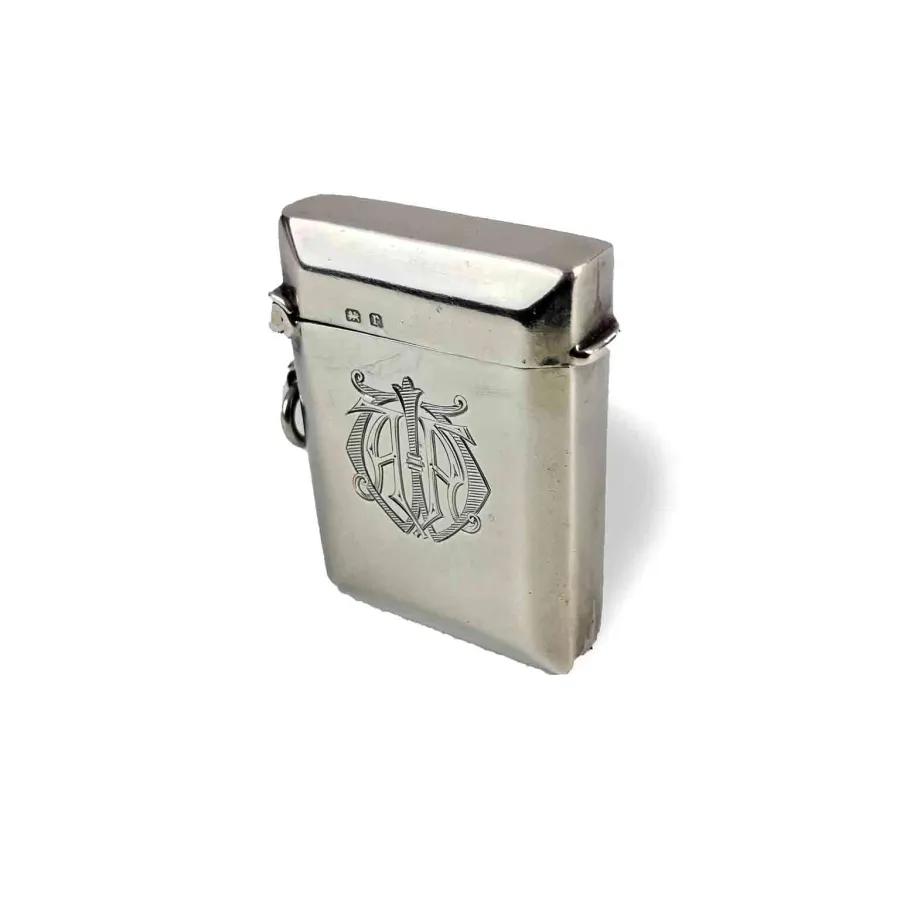
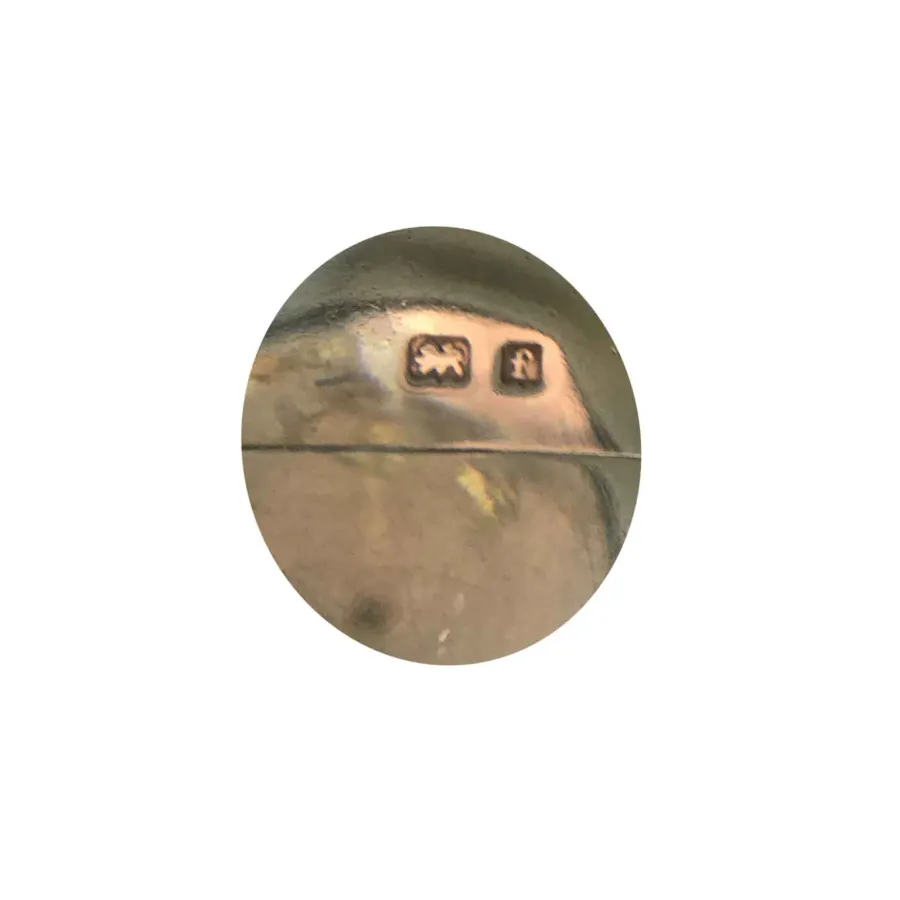
Pocket matchbox made of 925 silver
Beautiful antique furniture and accessories
SKU: ANT-1836
See other products from category Exclusive tobacco accessories or from manufacturer Antyki
Related products by category
Petri Firenze is a collection of unique objects that combine the beauty of nature with the craftsmanship of highlighting every detail, using both new and ancient techniques. These are luxurious collec
Petri Firenze is a collection of unique objects that blend the beauty of nature with the craftsmanship of highlighting every detail, using both new and ancient techniques. These are exclusive collecti
VPR Firenze continues to work in the spirit of Florentine tradition. It was mainly in Florence, during the Renaissance era, that the first leather works of art began to emerge.Creators from Vanni Pra
to91.00
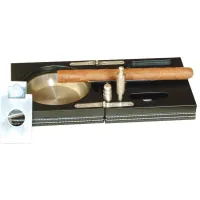
Exceptional Credan SA products have gained worldwide recognition thanks to timeless elegance paired with perfect craftsmanship. The quality of the raw materials used (including 24-karat gold) and soph
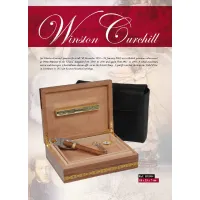
Prestigious cedar wood humidor is an excellent gift for a boss or CEO, but also an original and exclusive gadget.Exceptional products by Credan SA have gained worldwide recognition thanks to their ti
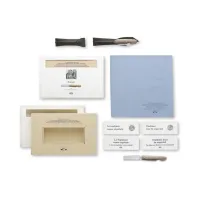
This knife is typical of the Tuscany region. Due to traditional manufacturing methods, it is without a spring.The times we live in are characterized by increased consumption. As a result, the items w
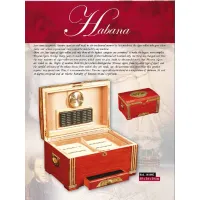
Exceptional Credan SA products have gained worldwide recognition thanks to timeless elegance paired with impeccable craftsmanship. The quality of the raw materials used (including 24-karat gold) and s
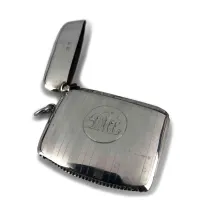
Silver matchbox holder Birmingham 1921-22, weighing 19 grams, and in excellent condition. Decorated with vertical ribs, it features a plaque with the initials “D M C” equipped with a snap-on lid a
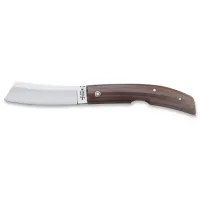
Unusual cigar cutting tool. This knife is equipped with a spring and a handle made from buffalo horn.The times we live in are associated with increased consumption. As a result, the objects we use da
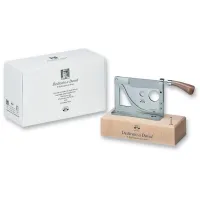
Perfect as a gift for a boss or a friend.The times we live in are characterized by increased consumption. Therefore, items we use daily are deprived of any value other than utility. Over the years, w
Description
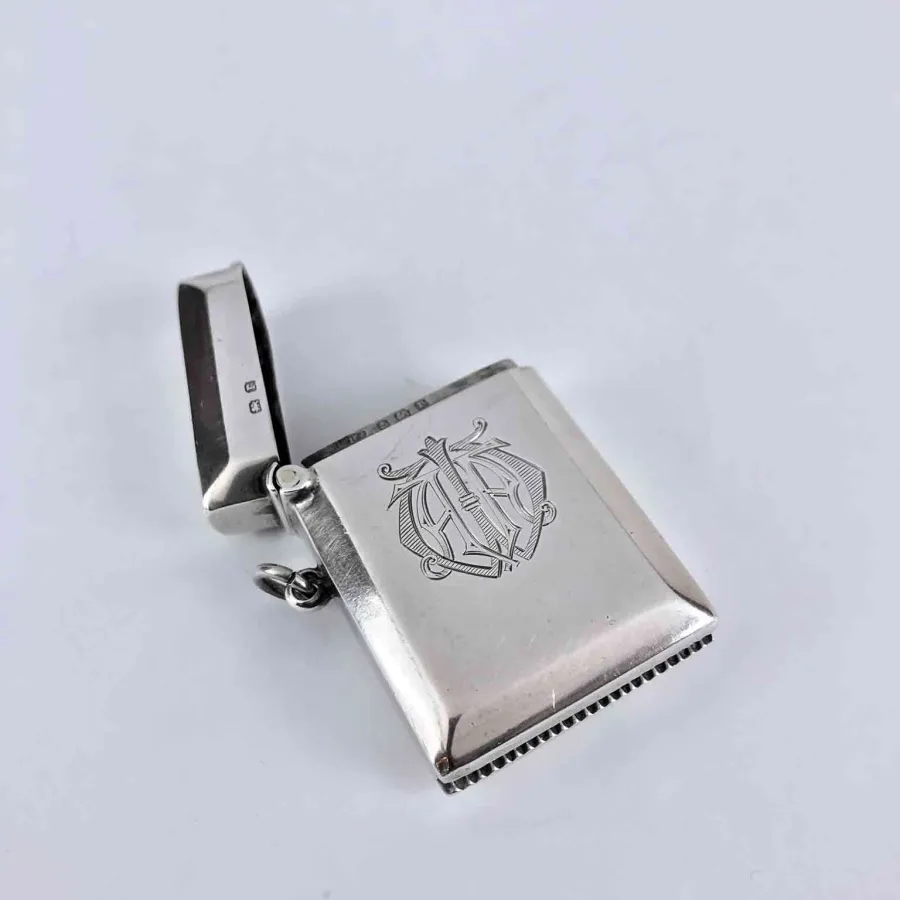
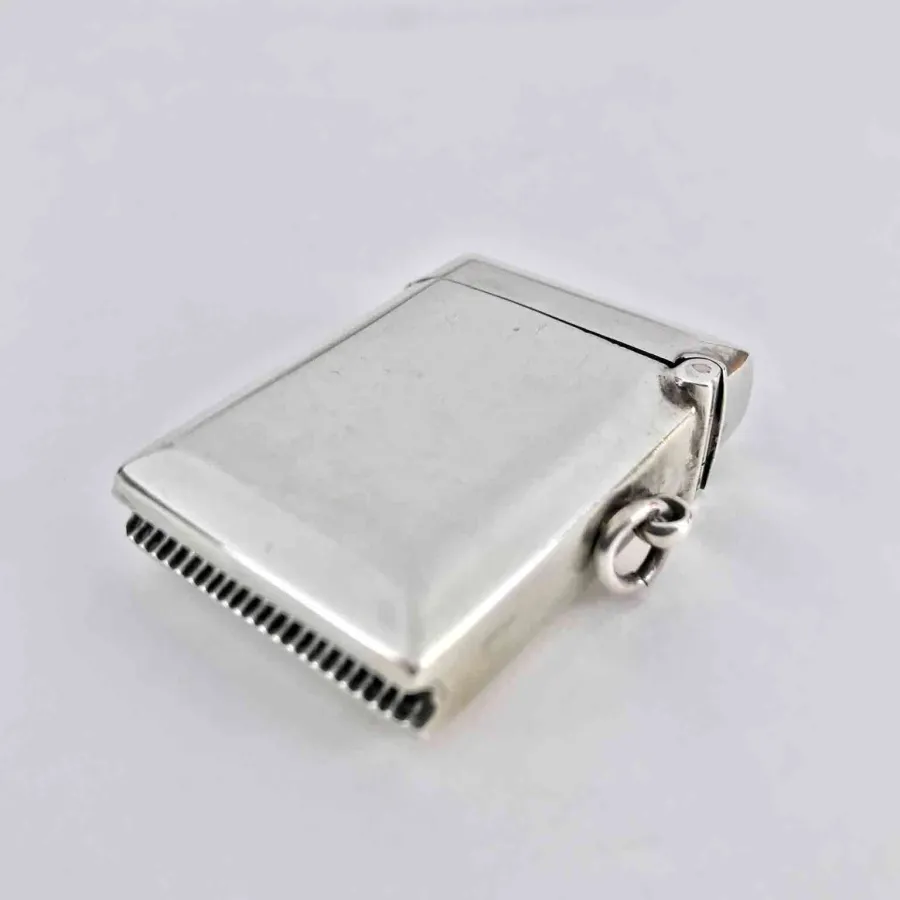
Pocket-sized matchbox in silver color. A pocket matchbox made of 925 sterling silver, rectangular with rounded edges, featuring a crest in the center of the front, inside which the initials A.R. are engraved.
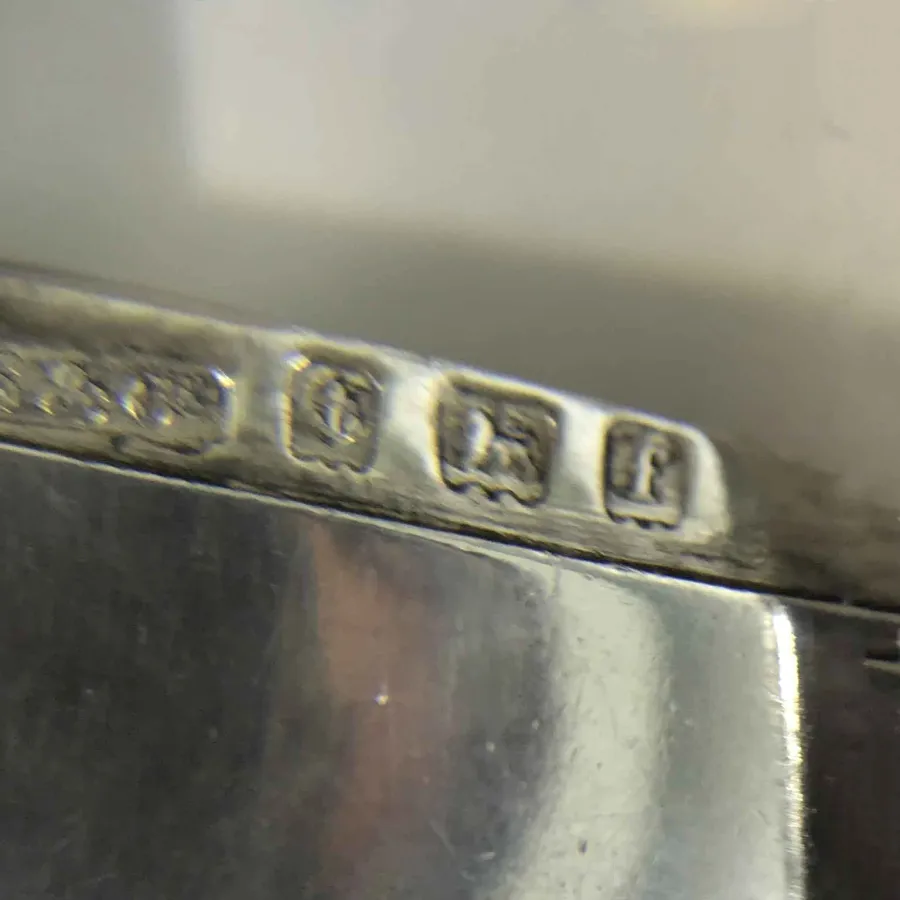
Of English origin, from Birmingham in 1916/17, crafted by a silversmith with the initials R.R., weighing 25.8 grams, and in excellent condition.
The history of matchboxes begins with the “brilliant intuition” of Englishman John Walker, who invented matches in 1840; the idea was immediate—to gather these fires into a case to keep handy for lighting a pipe or cigar in a club. No gentleman left the house without this essential accessory in his waistcoat.
So important that it also influenced fashion; tailors of that era began designing and creating men's suits with a special pocket inside the jacket for the matchbox. An incredible variety of models emerged, rapidly succeeding each other from the second half of the 19th century to the 1920s, when they were replaced by mechanical lighters. They were equipped with a snap-on lid and a striking strip, made from various materials. Those made of gold and silver had a feature that allows us to determine their period of production today. The greatest refinement was engraving your initials.
Back then, matchboxes were considered a very important promotional tool. They immediately gained popularity at World Exhibitions, during the turn of the century frenzy, and also among companies producing alcohol, champagne, and beer, which printed their logos on them.
Beautiful antique furniture and accessories can be an excellent idea for decorating our interiors. Currently, there is a growing number of enthusiasts for high-quality vintage items that have a specific character and soul. It’s a nod to history, the creation, and design of classic and timeless furniture. There are many different styles in antique furniture, each with its distinctive features.
There are many different styles characteristic of antique furniture, but we can distinguish a few key ones. Eclectic furniture refers to the 19th century, dominated by the Biedermeier style. Its early variations include neo-Gothic, Gothic, Rococo, Louis-Philippe style, and finally the English Victorian style. Toward the end of the century, these styles transitioned into pseudo-classicism, Renaissance, and Baroque styles.
Empire-style furniture dates from the period between the late 18th and early 19th centuries. Everything stems from Napoleon’s reign, which imposed a significant resemblance and references to Roman and Greek ornamentation.
Neoclassical furniture is associated with Louis XVI style, which also strongly references ancient architecture. Interesting and noteworthy are all antique products in Rococo style and Louis XV. Next is Baroque, whose name derives from the Portuguese 'barocco'—meaning an irregularly developed pearl. These were highly decorative pieces meant to radiate splendor and play a significant role in luxury. Unique materials were selectively used to emphasize the grandeur of these items.
Today, we can observe how much the Baroque style influenced modern classic furniture, which is designed with a strong resemblance to the former era. An important style is also Renaissance, which flourished in the 15th and 16th centuries and left a significant mark on furniture-making art. Renaissance furniture was quite heavy and massive, using brown stains, moldings, sturdy bases, and reliefs. These were quite distinctive products, but they also opened new possibilities, such as the construction of cupboards and broadly speaking, chest furniture. Here, too, there was an interest in mythology and ancient times, so supports and legs often took animal forms.
Lion paws, eagle heads—these are common motifs in Renaissance style. Currently, many global brands reproduce furniture inspired by Italian and French creators, showcasing admiration and respect for the history of the most beautiful Renaissance antiques. It’s important to remember that furniture production was perceived differently in each country, so each style had its unique character. This is especially important when searching for an elegant antique that suits your interior.
The most important aspect of elite antique furniture is originality. And this is ultimately crucial from the buyer's perspective because many counterfeits circulate on the market. The Luxury Products brand provides a certificate confirming the product's compliance with the actual description and photograph. We have at your disposal art appraisers, historians, and experts from around the world.Attributes / Details
| SKU | ANT-1836 |
| Manufacturer | Antyki |
| Model | 1836 |
| Material | silver |
| Size | Height: 4.4 cm Width: 3.5 cm Depth: 1.2 cm |
| Age | XX |
| Year | 1901 |
See catalog
Reviews
No reviews for this product.