

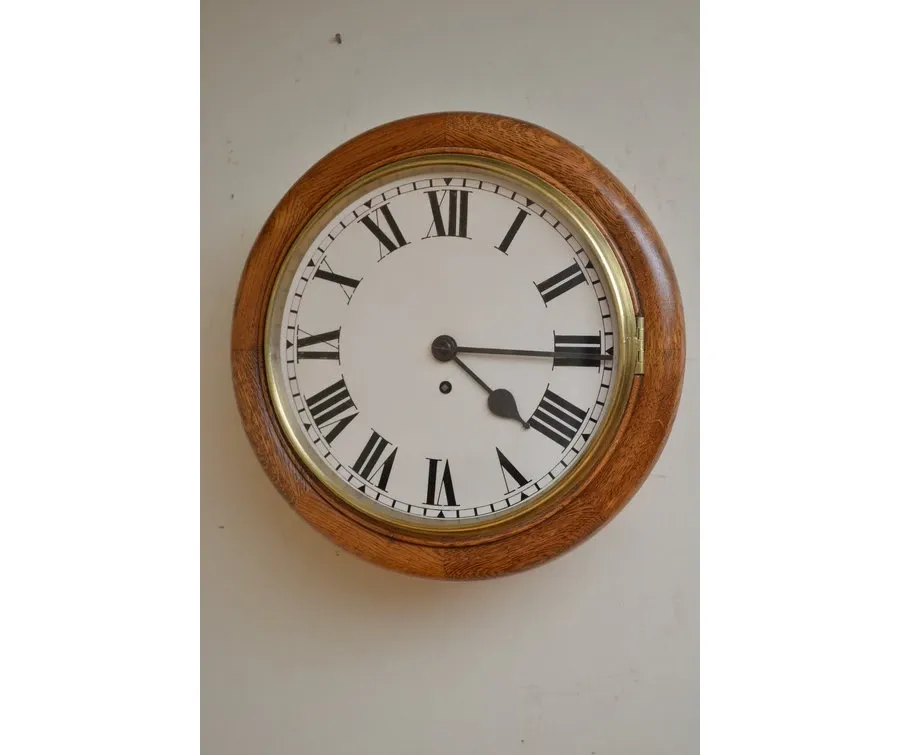
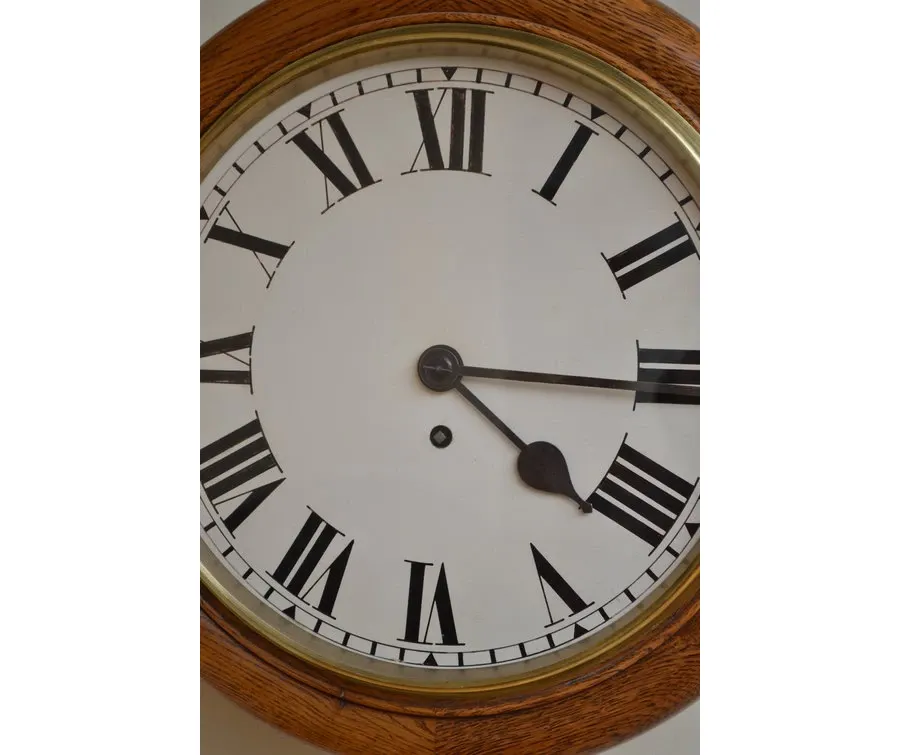
Late Victorian wall clock, with a white enameled dial with Roman numerals - antique
Stylish antique furniture and accessories.
SKU: NIMQUES-Sn3245
See other products from category Decorative clocks for the living room or from manufacturer Nimbus Antiques
Related products by category
Authentic models combined with high-quality materials create interiors with a story behind the brand Authentic Models. It’s an incredible story about beautiful products that fascinate lovers of good
Only high-quality materials combined with stunning design create the synonym of Cu Artigiana's brand quality. This is a nod to true craftsmanship, which was once incredibly important in Europe. This
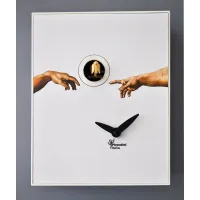
Pirondini Italia has been producing wooden items and interior accessories for over 40 years. Production is entirely carried out in Italy, using both traditional hand tools and the most modern equipmen
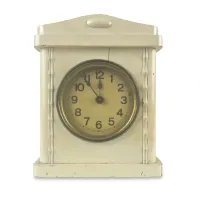
Old Junghans desk clock with a white-painted case; features a round dial with Arabic numerals, surrounded by a brass frame. The case has two carved vertical friezes and a small crack at the front. Its
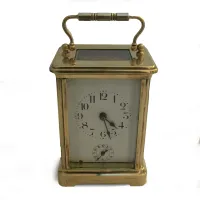
The official travel clock with casing, also known as cappuccino, is a desk alarm clock with a double dial and a bell at the bottom, housed in a brass case with all-around polished glass to admire the
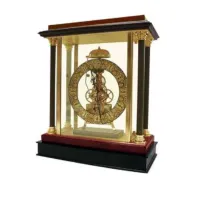
Anframa is a longstanding company operating since 1970, bringing together the finest artisans from the Toledo region.They have a particular fondness for creating damascene-style products, referencing
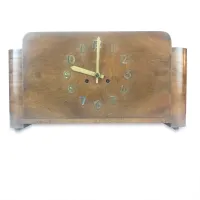
Haller desk clock from the 1940s with a rectangular walnut veneer case, without a dial; The hands and Arabic numerals are made of brass with traces of chrome plating, applied directly onto the case in
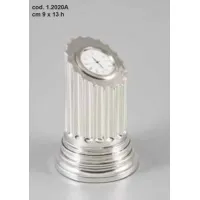
Unique figurine models combined with high-quality materials embody the ArtBe craftsmanship. They are a true tribute to premium decorative products and 100% I
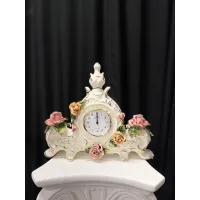
Ceramics for home and interior design - Luxury Products Boutique The Italian manufacturer Sonda Ceramica was founded in 1974 by Domenico Sonda. Since then, it has gained widespread popularity worldwi
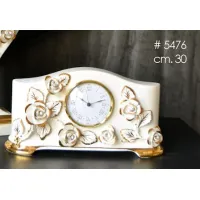
Elegant decorative clock - Luxury Products store.Since 1965, the CAMPAGNARO family has been producing elegant and unique ceramics. From the very beginning of this Italian manufactory, products have a
Description
Late Victorian wall clock with a white enamel dial featuring Roman numerals, original hands, brass frame, and a single fuse movement housed in an oak case. c1890 The movement has been cleaned and serviced by a horologist and comes with a 12-month warranty.
Prestigious antique furniture and accessories can be an excellent idea for decorating our interiors. Currently, there is a growing number of enthusiasts of high-quality vintage products that possess a distinct character and soul. This is a nod to history, craftsmanship, and the design of classic and timeless furniture. There are many different styles in antique furniture, each with its own distinctive features.
Many styles characterize antique furniture, but a few are particularly prominent. Eclectic furniture refers to the 19th century, during which the Biedermeier style was predominant. Its early variations include neo-Gothic, Gothic, Rococo, Louis Philippe style, and finally the English Victorian style. By the end of the century, these styles evolved into pseudo-classicism, Renaissance, and Baroque styles.
Empire-style furniture dates from the late 18th to early 19th century. It originated during Napoleon’s reign, characterized by significant similarities and references to Roman and Greek ornamentation.
Neoclassical furniture reflects the Louis XVI style, which also draws heavily from ancient architecture. Notable and interesting are antique products in Rococo and Louis XV styles. The next is Baroque, a term derived from the Portuguese 'barocco'—meaning an irregularly developed pearl. These were highly decorative pieces designed to exude splendor and play a significant role in luxury. Materials were selectively chosen to emphasize the grandeur of these items.
Today, we can observe how much the Baroque style influenced modern classic furniture, which is designed with a strong resemblance to the historical period. An important style is also Renaissance, which flourished in the 15th and 16th centuries and left a significant mark on furniture craftsmanship. Renaissance furniture was quite heavy and robust, often using brown stains, cornices, sturdy bases, and reliefs. These were quite distinctive products, offering new possibilities such as the construction of cabinets and broadly speaking, chest furniture. Mythology and ancient times also inspired these designs, with supports and legs often taking animal forms.
Lion paws, eagle heads—these are common motifs in Renaissance style. Currently, many global brands reproduce furniture inspired by Italian and French artisans, paying homage to and preserving the history of the most beautiful Renaissance antiques. It is important to remember that furniture production was perceived differently in each country, giving each style a unique character. This is especially important when searching for an elegant antique that suits your interior.
The key to stylish antique furniture is originality. Ultimately, this is crucial from the buyer’s perspective, as many counterfeit products circulate on the market. Luxury Products provides documentation confirming the product’s authenticity and compliance with the description and photos. We also have appraisers, art experts, historians, and specialists from around the world at your disposal.
Attributes / Details
| SKU | NIMQUES-Sn3245 |
| Manufacturer | Nimbus Antiques |
| Model | Sn3245 |
| Material | oak |
| Size | 12″ 16″-overall |
| Age | 19th century |
| Year | 1890 |
| Style | Victorian |
| Condition | After renovation |
| Destiny | To home |
See catalog
Reviews
No reviews for this product.