

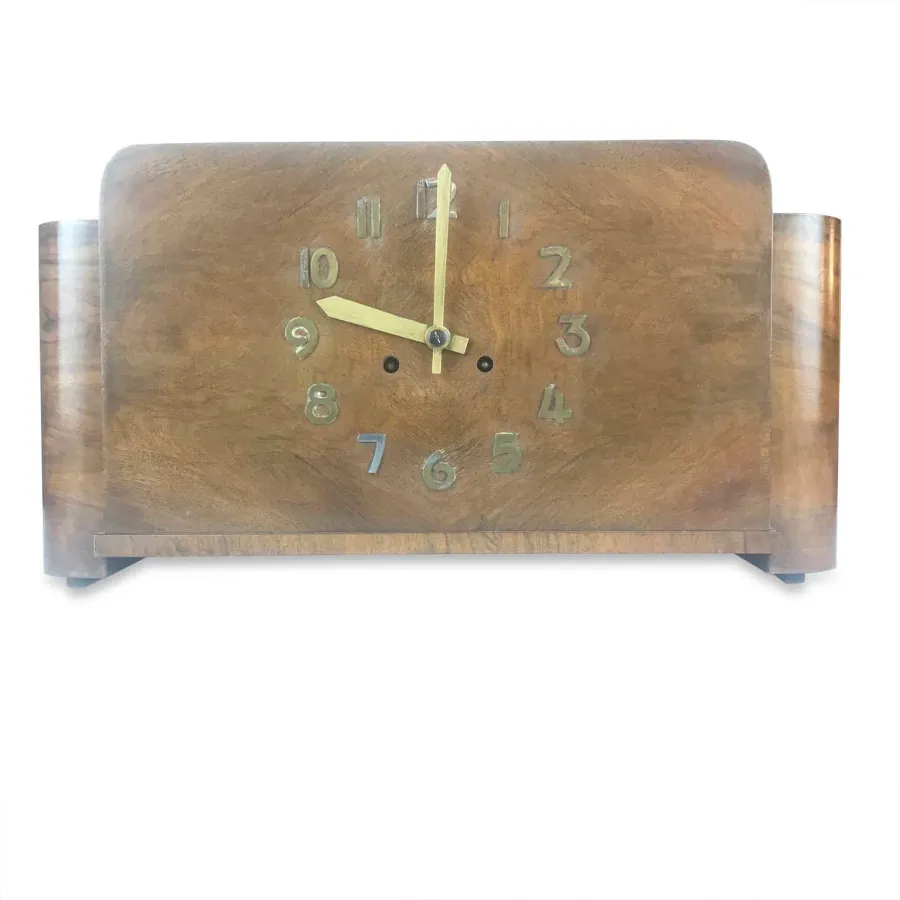
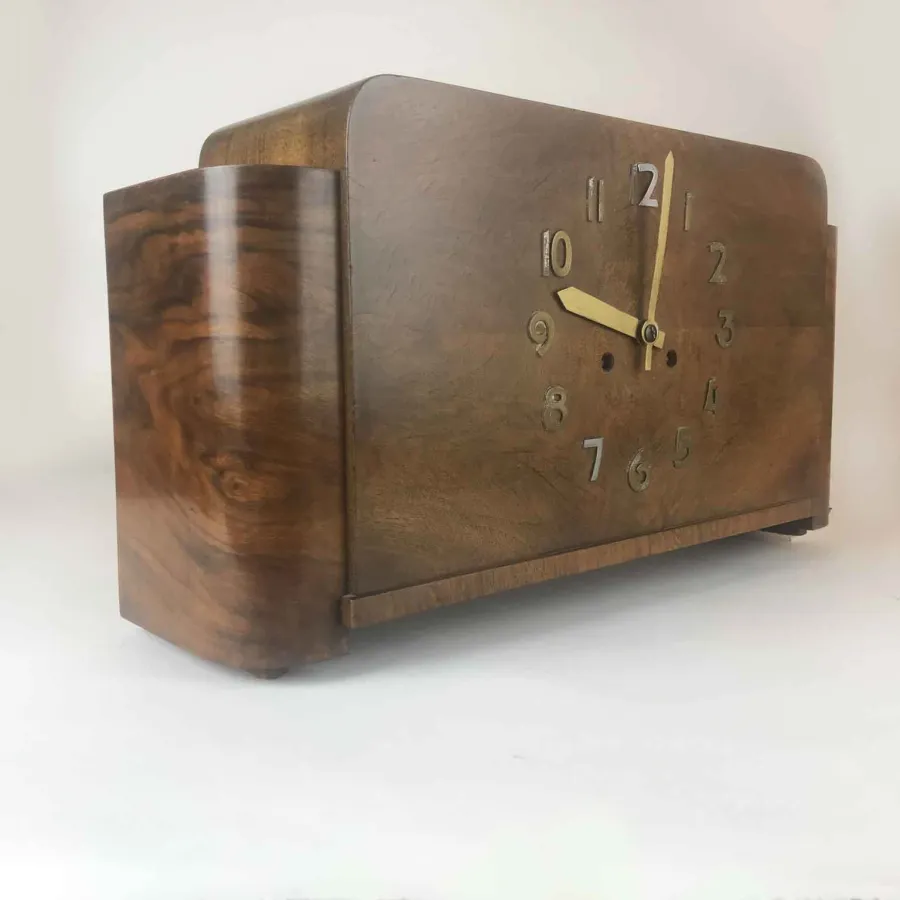
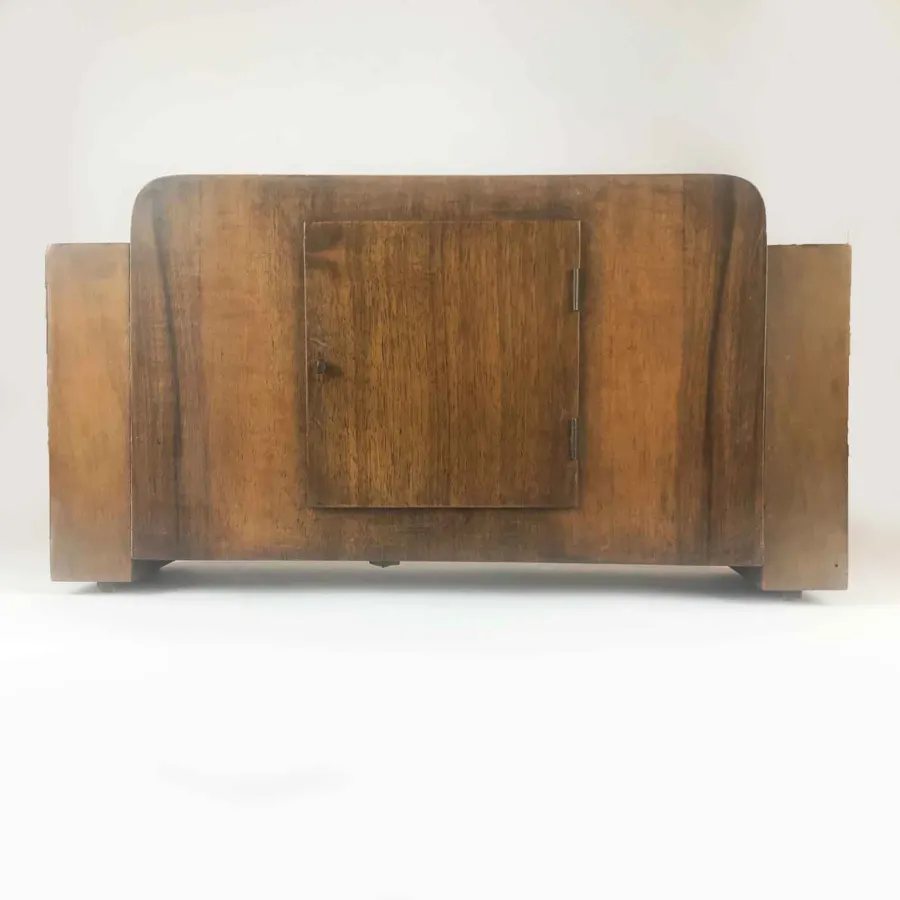

Elegant Haller table clock from the 1930s
Luxury antiques
SKU: ANT-A798
See other products from category Decorative clocks for the living room or from manufacturer Antyki with shipping within 24 hours
Related products by category
Authentic models combined with high-quality materials create interiors with a story behind the brand Authentic Models. It’s an incredible story about beautiful products that fascinate lovers of good
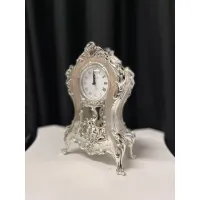
Art in gold has over a thousand years of history. Since humans invented metal, gold has played a leading role — because of its beauty and charm.Timeless Italian clocks, with beautiful and velvety s
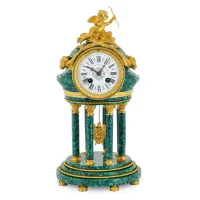
Eric Stepniewski's incredible journey with bronze began in 1973 in his hometown of Paris, where he started working as an antique dealer. After many years managing his Gallery, he took over the renowne
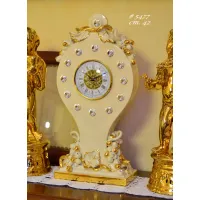
Stylish products straight from Italy Since 1965, the CAMPAGNARO family has been producing elegant and unique ceramics. From the very beginning of this Italian manufactory, products have always been m
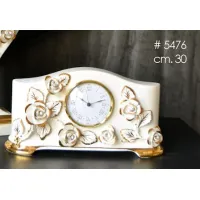
Elegant decorative clock - Luxury Products store.Since 1965, the CAMPAGNARO family has been producing elegant and unique ceramics. From the very beginning of this Italian manufactory, products have a
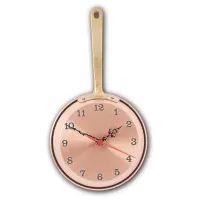
Only high-quality materials combined with an incredible design create the synonymous quality of the Cu Artigiana brand. This is a nod to true craftsmanship, which was once extremely important in Euro
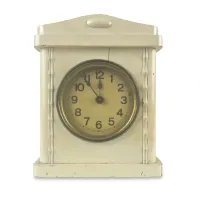
Old Junghans desk clock with a white-painted case; features a round dial with Arabic numerals, surrounded by a brass frame. The case has two carved vertical friezes and a small crack at the front. Its
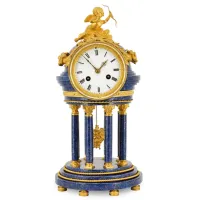
Eric Stepniewski's fascinating journey with bronze began in 1973 in his hometown Paris, where he started working as an antique dealer. After many years managing his Gallery, he took over the renowned
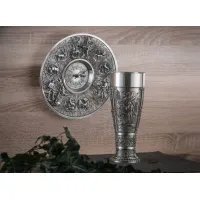
Artina is an Austrian manufacturer that has been producing glass and pewter tableware, products, and interior decoration accessories since 1974. Traditional craftsmanship combined with modern technolo
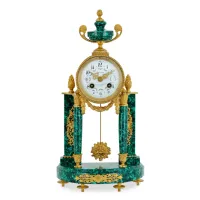
Eric Stepniewski's incredible bronze adventure began in 1973 in his hometown Paris, where he started working as an antique dealer. After many years managing his Gallery, he took over the renowned comp
Description
Haller desk clock from the 1940s with a rectangular walnut veneer case, without a dial; The hands and Arabic numerals are made of brass with subtle chrome finishes, applied directly onto the case, which also features two openings for winding the mechanism.
Access to the mechanism is through the back door, where you can find the Haller A. G. brand mark.
The clock is not working and requires servicing; the winding key is missing.
Beautiful antique furniture and accessories can be an excellent idea for decorating our interiors. Today, there is an increasing number of enthusiasts of high-quality vintage products that possess a distinct character and soul. This is a nod to history, craftsmanship, and the design of classic and timeless furniture. There are many different styles in antique furniture, each with its own distinctive features.
Many styles characterize antique furniture, but a few are particularly prominent. Eclectic furniture refers to the 19th century, marked by the prevailing Biedermeier style. Its early 20th-century variants include neo-Gothic, Gothic, Rococo, Louis Philippe style, and finally the English Victorian style. Toward the end of the century, these styles evolved into pseudo-classicism, Renaissance, and Baroque styles.
Beautiful Empire-style furniture dates from the late 18th to early 19th century. It originated during Napoleon’s reign, characterized by significant similarities and references to Roman and Greek ornamentation.
Neoclassical furniture reflects the Louis XVI style, which also strongly references ancient architecture. Noteworthy are antique products in Rococo and Louis XV styles. The Baroque style, derived from the Portuguese word 'barocco'—meaning an irregularly developed pearl—features highly ornate furniture designed to dazzle with splendor and play a significant role in luxury. Materials were selectively chosen to emphasize the grandeur of these pieces.
Today, we can observe how much the Baroque style influenced modern classical furniture, which is often designed with a strong resemblance to the historical period. The Renaissance style also had a significant impact; flourishing in the 15th and 16th centuries, it left a lasting mark on furniture design. Renaissance furniture was quite heavy and robust, using brown stains, moldings, strong bases, and bas-reliefs. These products were quite distinctive but also opened new possibilities, such as the construction of cabinets and broadly speaking, chest furniture. Mythology and ancient times inspired these designs, with supports and legs often taking animal forms.
Lion paws, eagle heads—these are common motifs in Renaissance style. Currently, many global brands reproduce furniture inspired by Italian and French artisans, reflecting admiration and respect for the history of the most beautiful Renaissance antiques. It’s important to remember that furniture production was perceived differently in each country, giving each style a unique character. This is especially important when searching for a luxurious antique that suits your interior.
The key to stylish antique furniture is originality. Ultimately, this is crucial for buyers, as many counterfeits circulate on the market. Luxury Products provides documentation confirming the product’s authenticity and compliance with the description and photos. We also have experts in art appraisal, history, and specialists from around the world at your disposal.
Attributes / Details
| SKU | ANT-A798 |
| Manufacturer | Antyki |
| Model | A798 |
| Material | walnut wood |
| Size | Height: 27 cm Width: 50 cm Depth: 14 cm |
| Age | XX |
| Year | 1900 |
| Destiny | To living room |
See catalog
Reviews
No reviews for this product.