

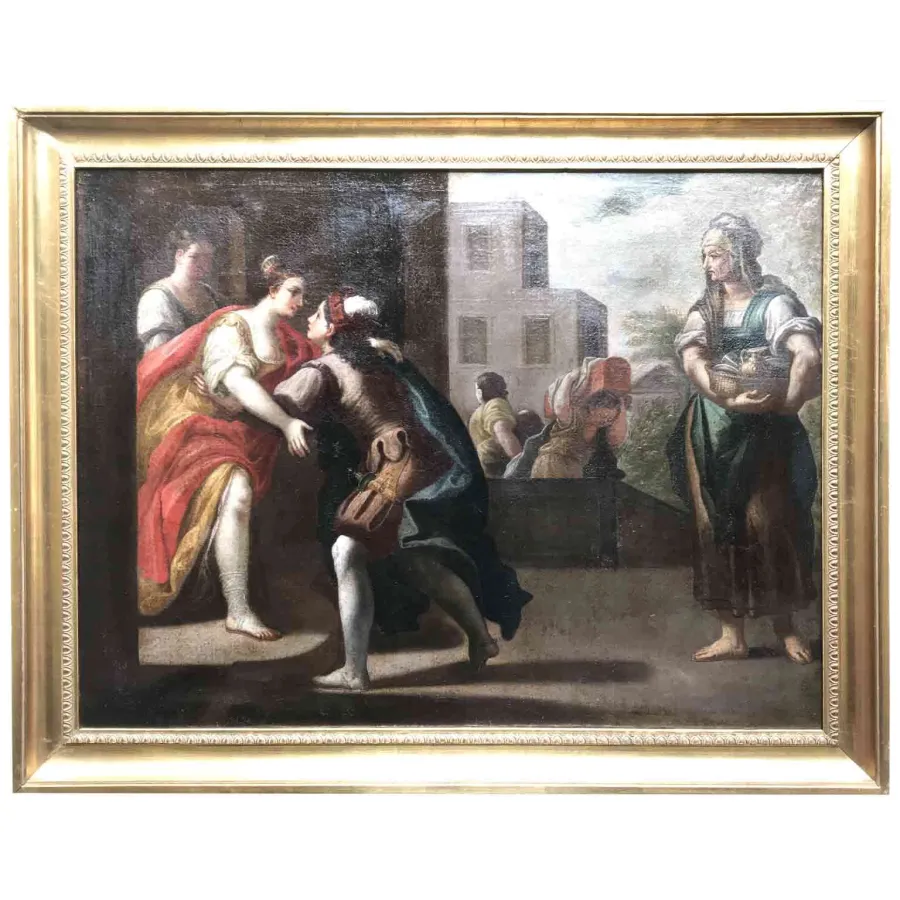
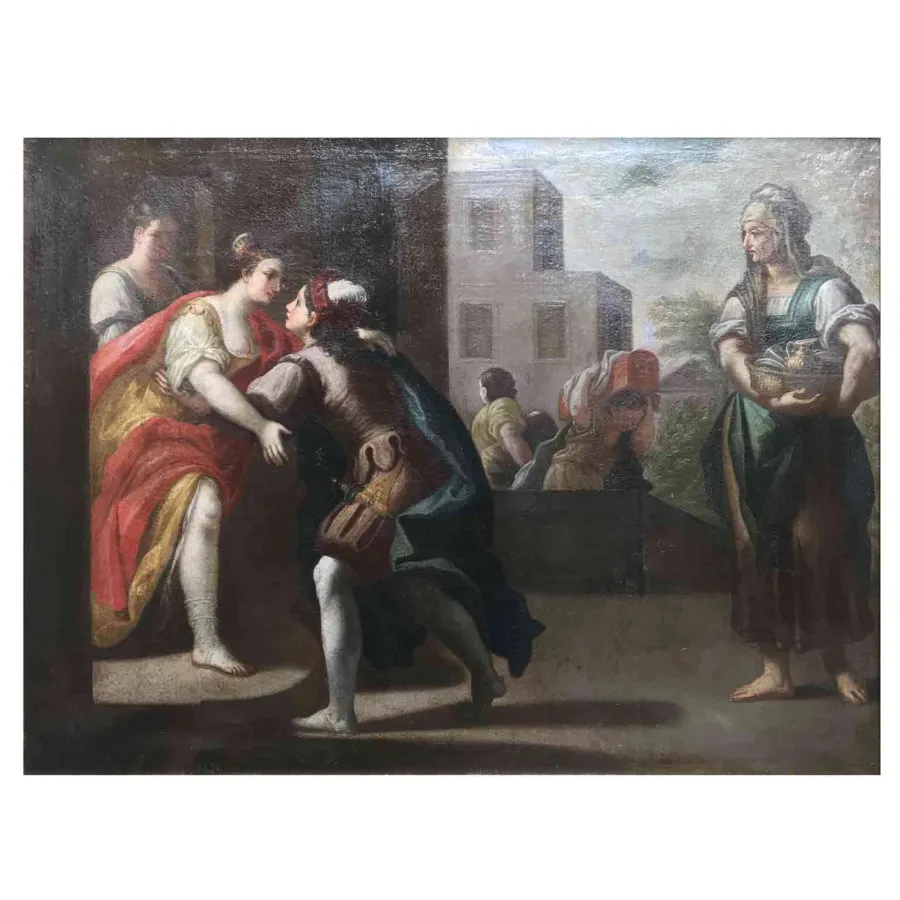
Farewell - antique oil painting, first canvas, in a gilded wooden frame from the 18th century
Stylish antique furniture and accessories
SKU: ANT-A191
See other products from category Antique paintings or from manufacturer Antyki
Related products by category
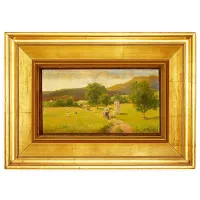
Silvio Poma, Mountain Landscape with a Walk along a Path from the late 19th century, oil painting on birch plywood depicting a pathway traversed by pedestrians in a wooded area at the foot of hills. E

Original antique furniture and accessories can be an excellent idea for decorating our interiors. Today, there is an increasing number of enthusiasts of high-quality vintage products that possess a di
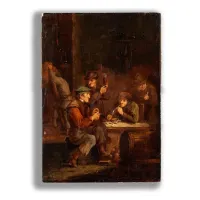
Beautiful antique furniture and accessories can be an excellent idea for decorating our interiors. Today, there is an increasing number of enthusiasts of high-quality vintage products that possess a d

Unique antique furniture and accessories can be an excellent idea for decorating our interiors. Today, there is an increasing number of enthusiasts of high-quality vintage products that possess a dist
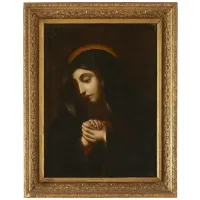
Image of Our Lady of Sorrows on canvas from 1700 in good condition, in a gilded frame with pastiglia from the early 20th century. The painting has been backed and depicts Our Lady of the Seven Sorrows
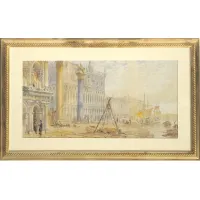
Unique antique furniture and accessories can be an excellent idea for decorating our interiors. Today, there is an increasing number of enthusiasts of high-quality vintage products that possess a dist
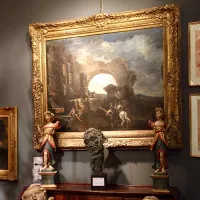
Grand landscape with ruins from 1700. Capriccio with ruins and figures, oil painting on canvas, early 18th century, in good condition. Capriccio is a term coined at the end of the Renaissance and has
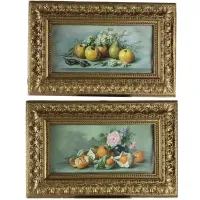
Exclusive antique furniture and accessories can be an excellent idea for decorating our interiors. Today, there is an increasing number of enthusiasts of high-quality vintage items that possess a dist
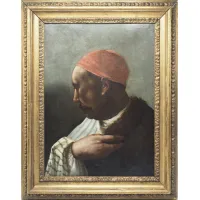
Original antique furniture and accessories can be an excellent idea for decorating our interiors. Today, there is an increasing number of enthusiasts of high-quality vintage products that possess a di
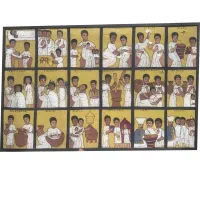
Ancient Ethiopian painting brought to Italy by a diplomat during the Italian occupation of Ethiopia in the late 1930s. This genre scene is divided into eighteen squares surrounded by a black frame and
Description
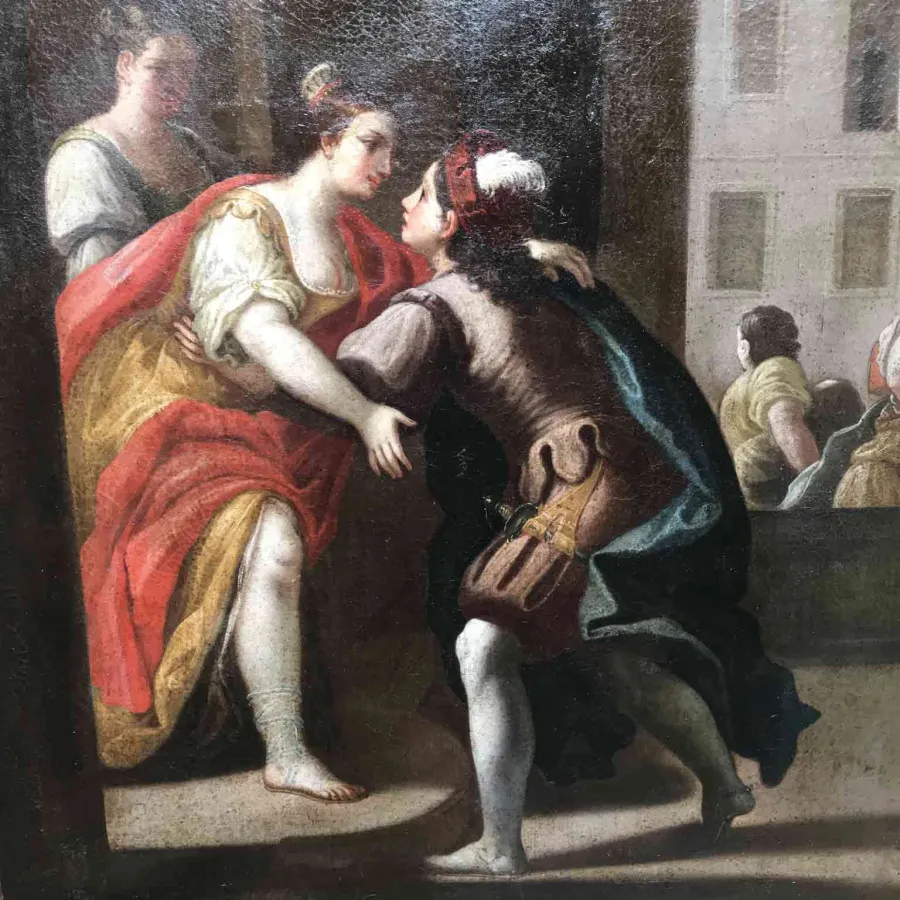
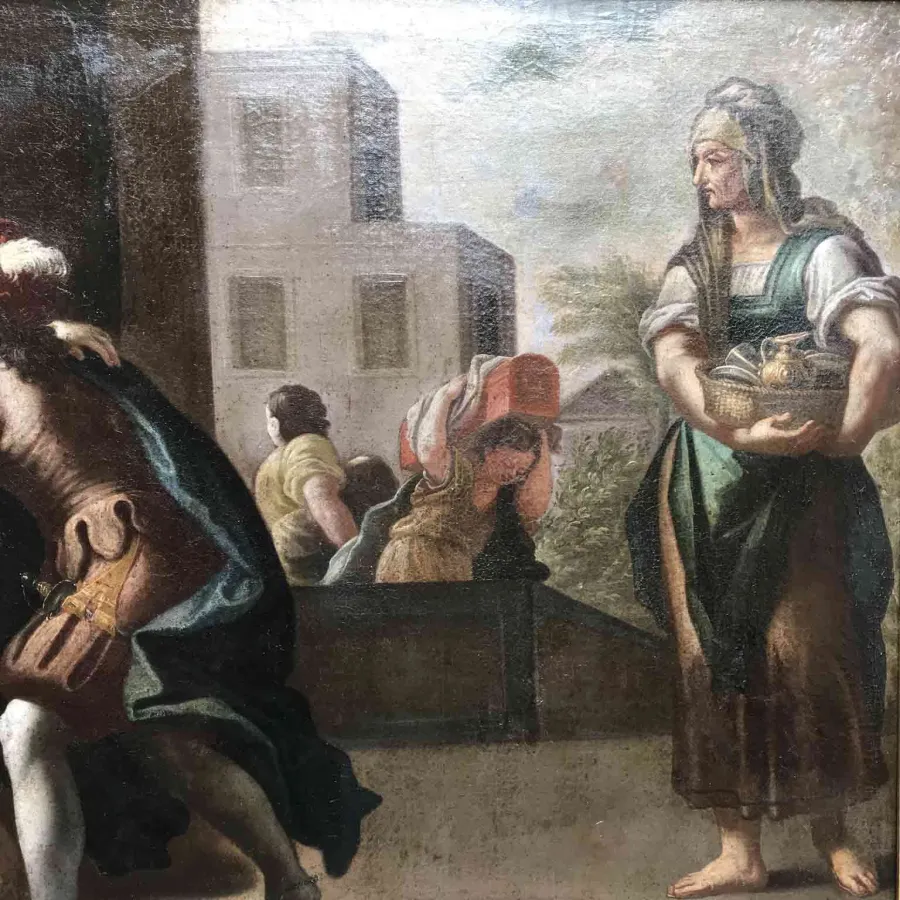
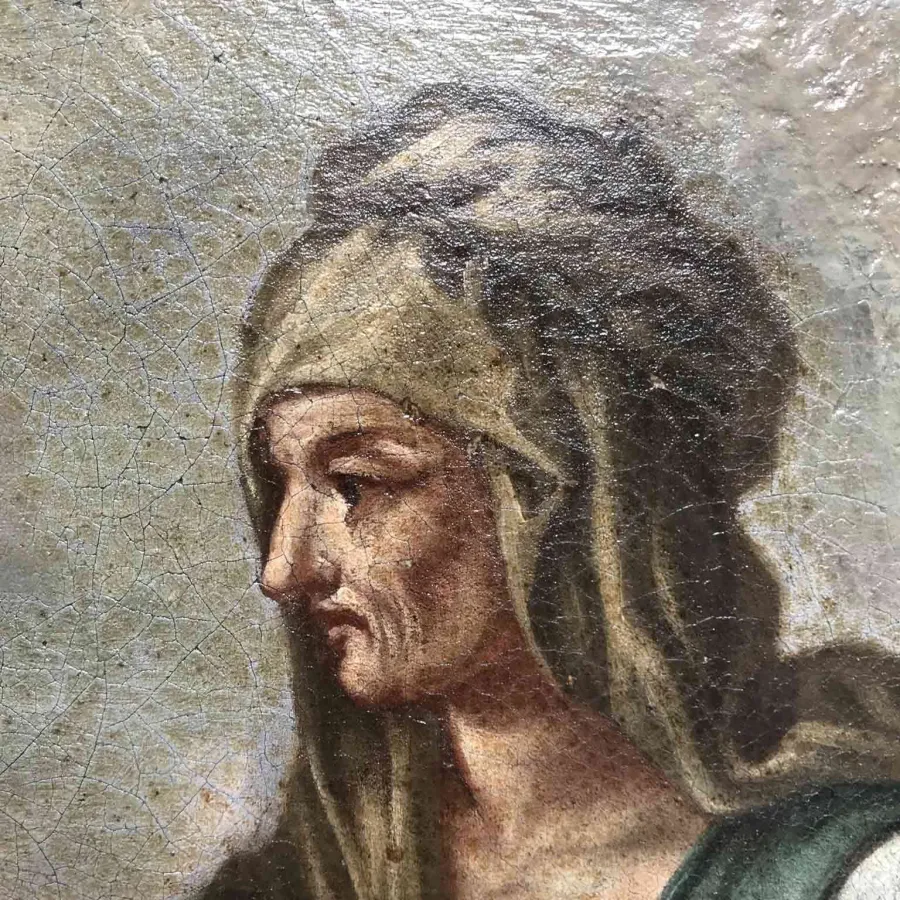
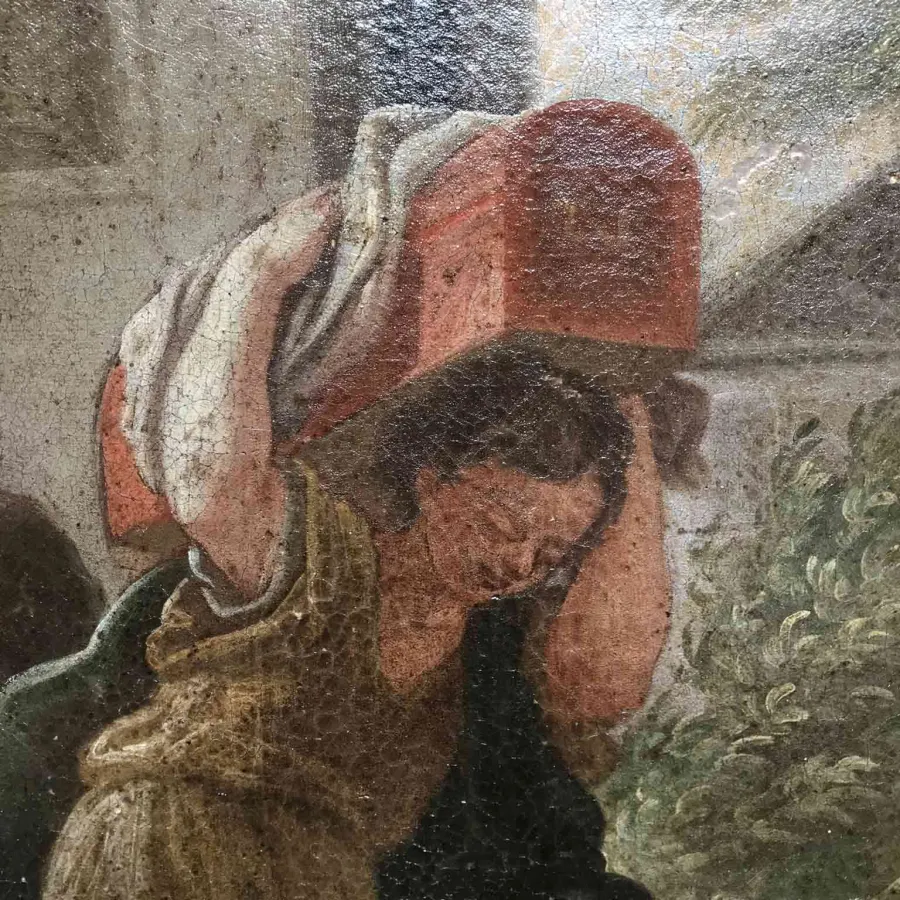
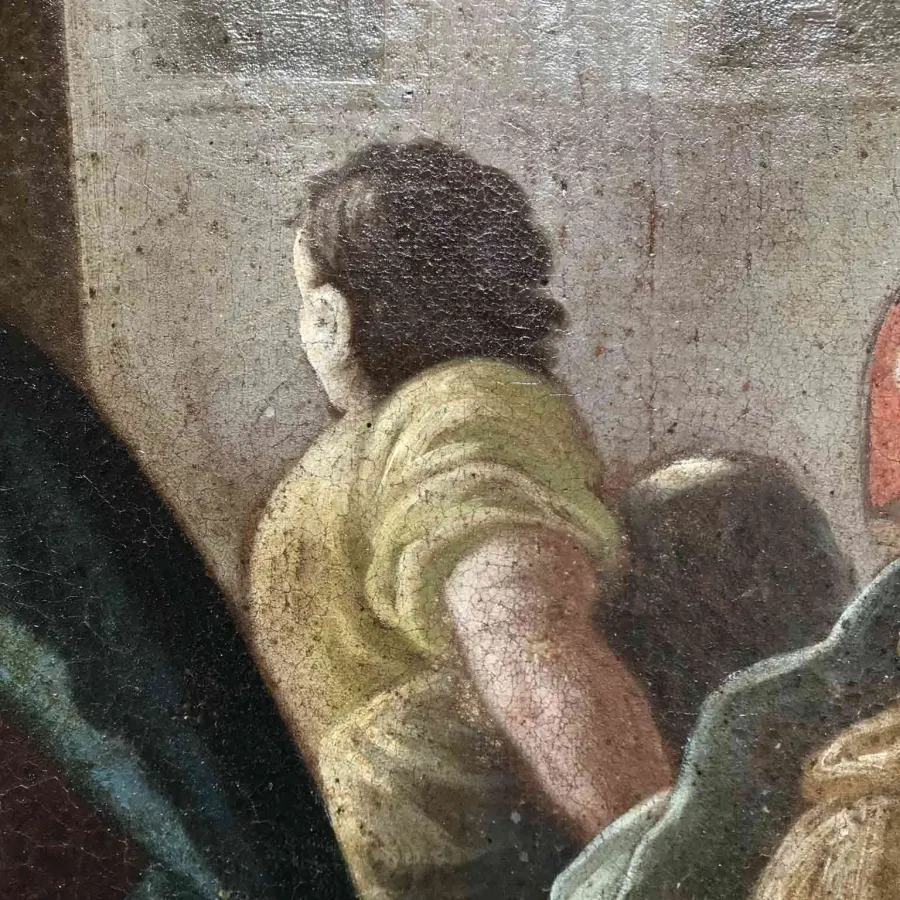
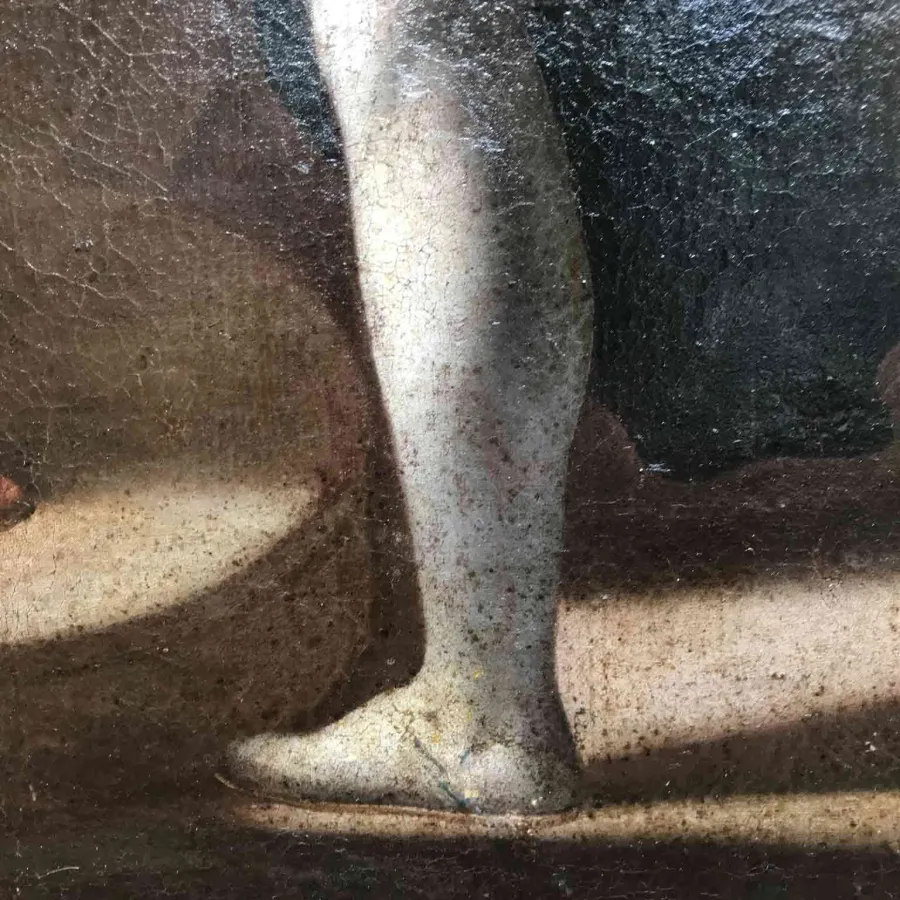
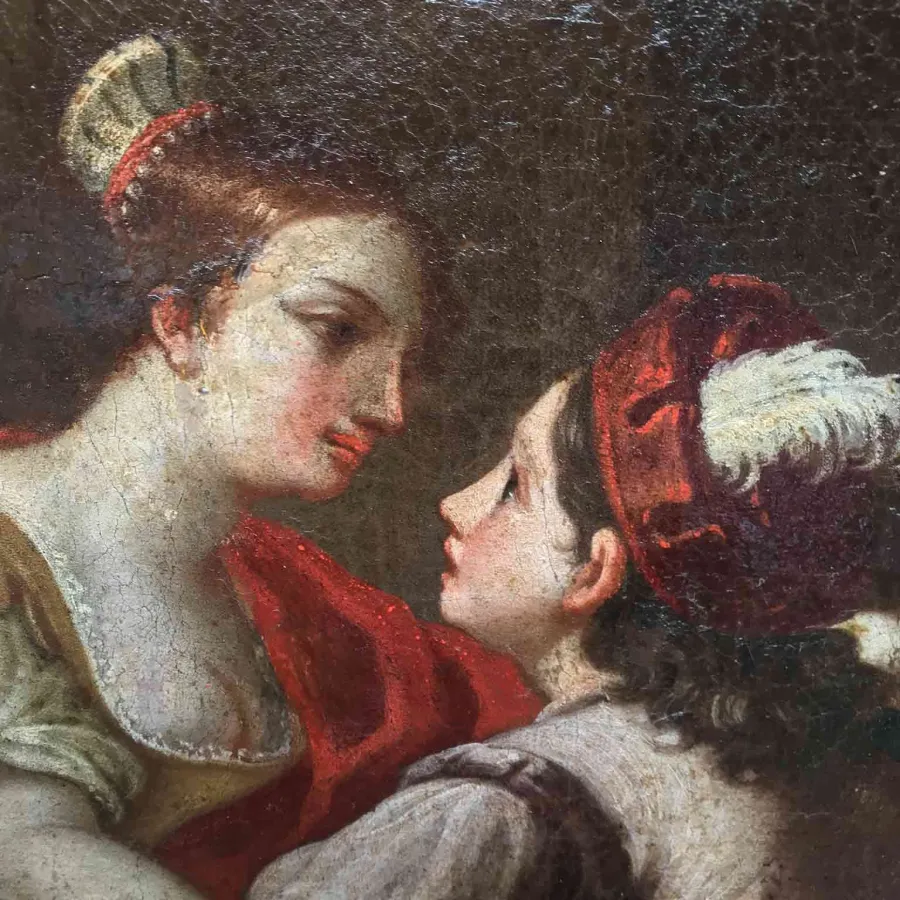
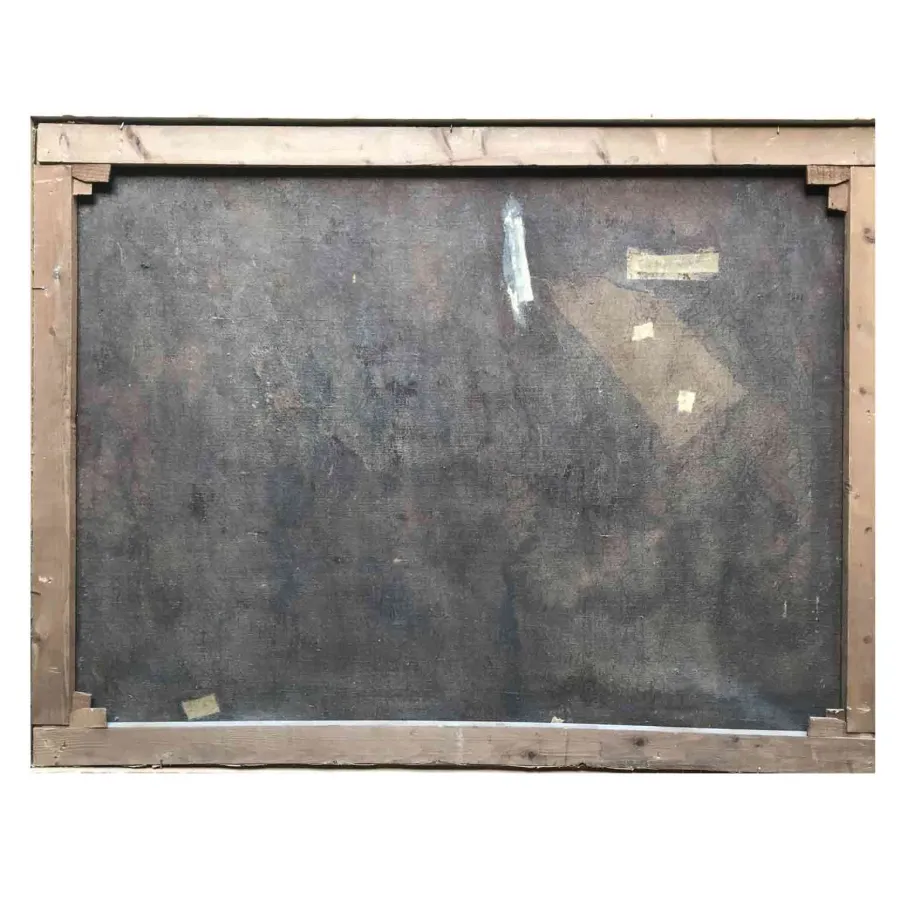
Painted with Figures from 1700. Antique oil painting, first canvas, in a gilded wooden frame.
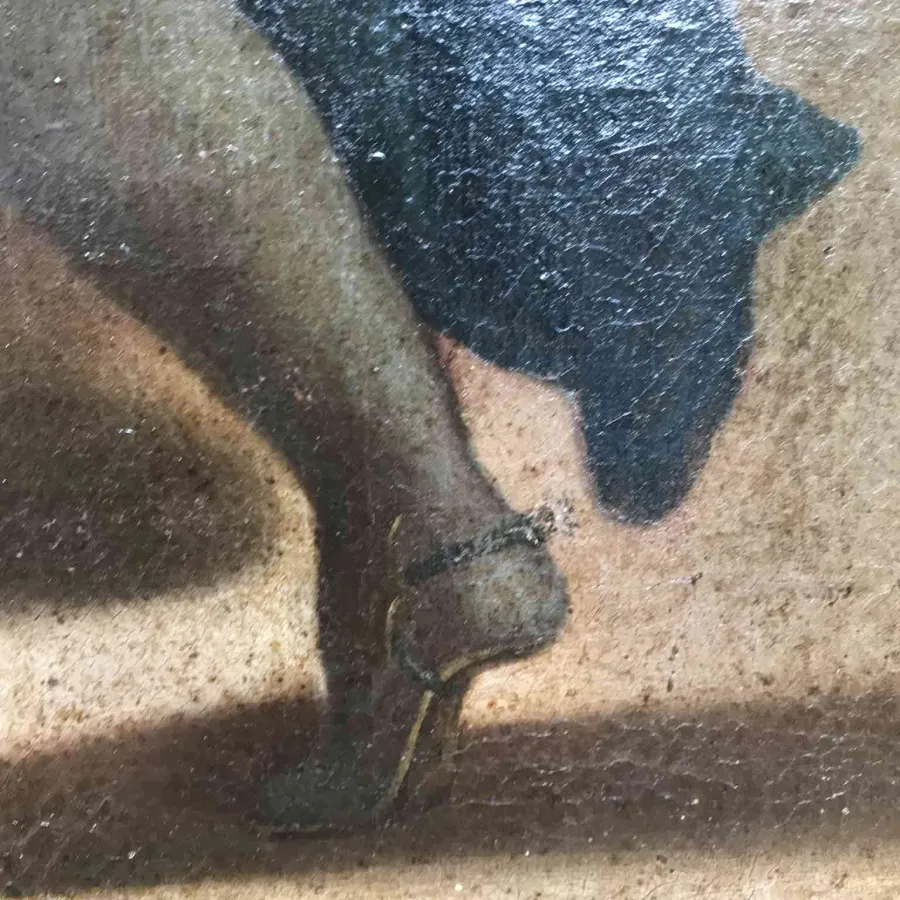
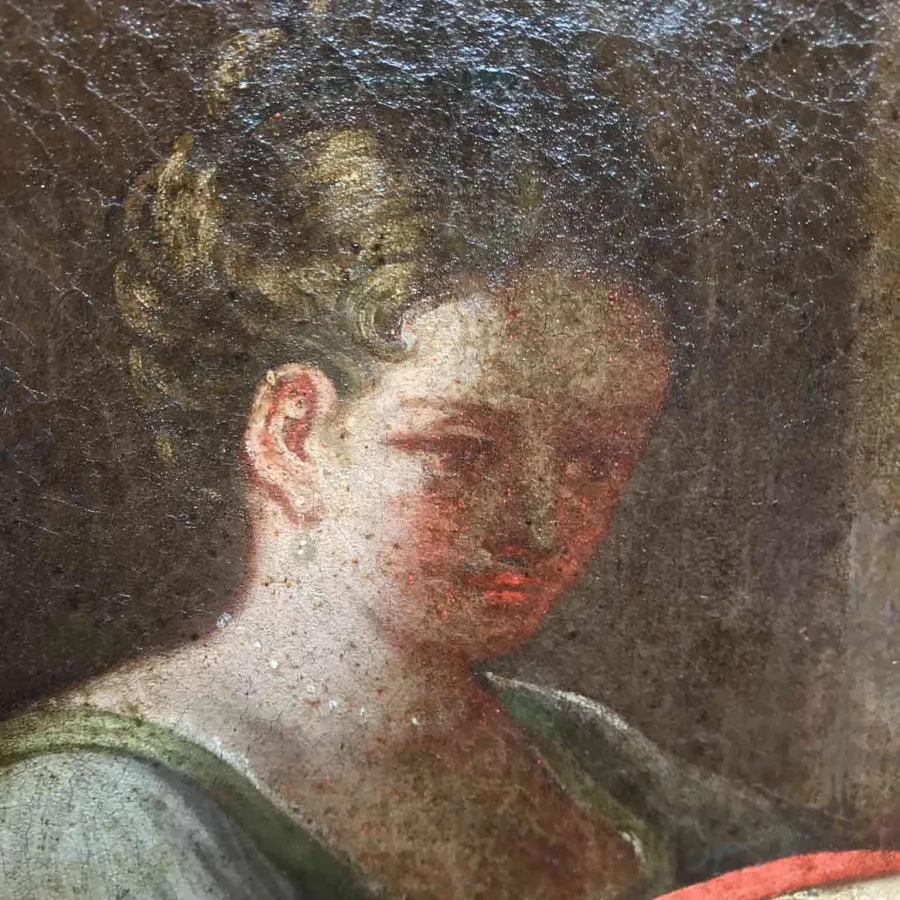
The work depicts a farewell, with figures shown on a courtyard. Two figures on the left in the foreground are embracing; he is armed with a sword, and the female figure on the right is carrying a basket with ceramics and valuable items. Behind the balustrade, other figures are moving boxes, suggesting the death of a young man. In the distance, there is foliage and architecture in the background.
The painting comes from a Milanese villa, is in good condition, and is housed in a modern gilded frame. The canvas has been cleaned, with minimal traces of previous restoration, consistent with dating to the early 18th century.
Exclusive antique furniture and accessories can be an excellent idea for decorating our interiors. Currently, there is a growing number of enthusiasts for high-quality vintage items that possess a distinct character and soul. This is a nod to history, creating and designing classic and timeless furniture. There are many different styles in antique furniture, each with its own distinctive features.
Many styles characterize antique furniture, but a few are particularly prominent. Eclectic furniture originates from the 19th century, during the reign of the Biedermeier style. Its early variations include neo-Gothic, Gothic, Rococo, Louis-Philippe style, and finally the Victorian English style. By the end of the century, these styles evolved into pseudo-classicism, Renaissance, and Baroque styles.
Empire-style furniture and accessories date from the period between the late 18th and early 19th centuries. Everything was influenced by Napoleon’s reign, which imposed a resemblance to Roman and Greek ornamentation.
Neoclassical furniture reflects the Louis XVI style, which also strongly references ancient architecture. Noteworthy are antique products in Rococo and Louis XV styles. Next is Baroque, a term derived from the Portuguese 'barocco'—meaning an irregularly developed pearl. These were highly decorative pieces meant to shine with splendor and play a significant role in luxury. Unique materials were selectively used to emphasize the grandeur of these items.
Today, we can observe how much the Baroque style influenced modern classical furniture, which is designed with a strong resemblance to the historical period. An important style is also Renaissance, which flourished in the 15th and 16th centuries and left a significant mark on furniture design. Renaissance furniture was quite heavy and robust, using brown stains, moldings, strong bases, and reliefs. These products were quite distinctive but also opened new possibilities, such as the construction of cupboards and broadly speaking, chest furniture. They also drew inspiration from mythology and ancient times, with supports and legs often taking animal forms.
Lion’s paws, eagle heads—these are common motifs in Renaissance style. Currently, many global brands reproduce such furniture, inspired by Italian and French creators. This reflects admiration and respect for the history of the most beautiful Renaissance antiques. It’s important to remember that furniture production was perceived differently in each country, so each style had its unique character. This is especially important when searching for elegant antique pieces suited to your interior.
The key aspect of prestigious antique furniture is originality. This is ultimately crucial for buyers, as many forgeries circulate on the market. Luxury Products provides documentation confirming the product’s authenticity and correspondence with the description and photos. We have appraisers, art experts, historians, and specialists from around the world at your disposal.
Attributes / Details
| SKU | ANT-A191 |
| Manufacturer | Antyki |
| Model | A191 |
| Size | Height: 75 Canvas / Frame 89 cm Width: Canvas 99 / Frame 114 cm Depth: 7 cm |
| Age | XVIII |
| Year | 1701 |
| Destiny | To living room |
See catalog
Reviews
No reviews for this product.