

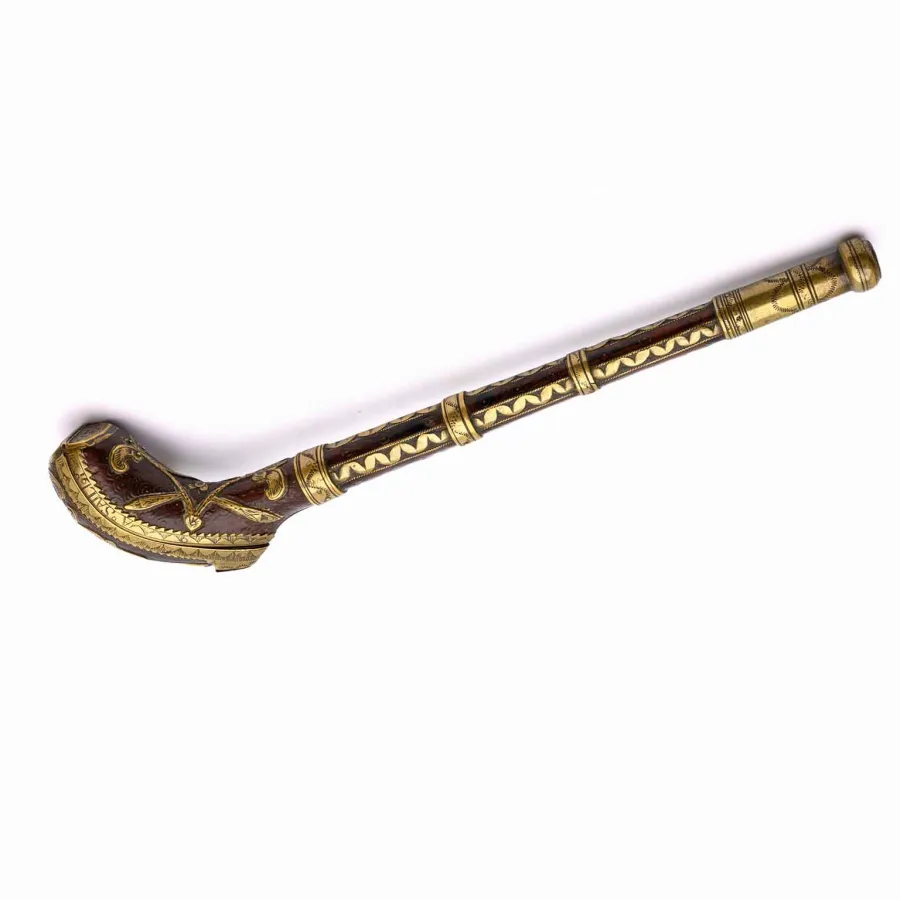
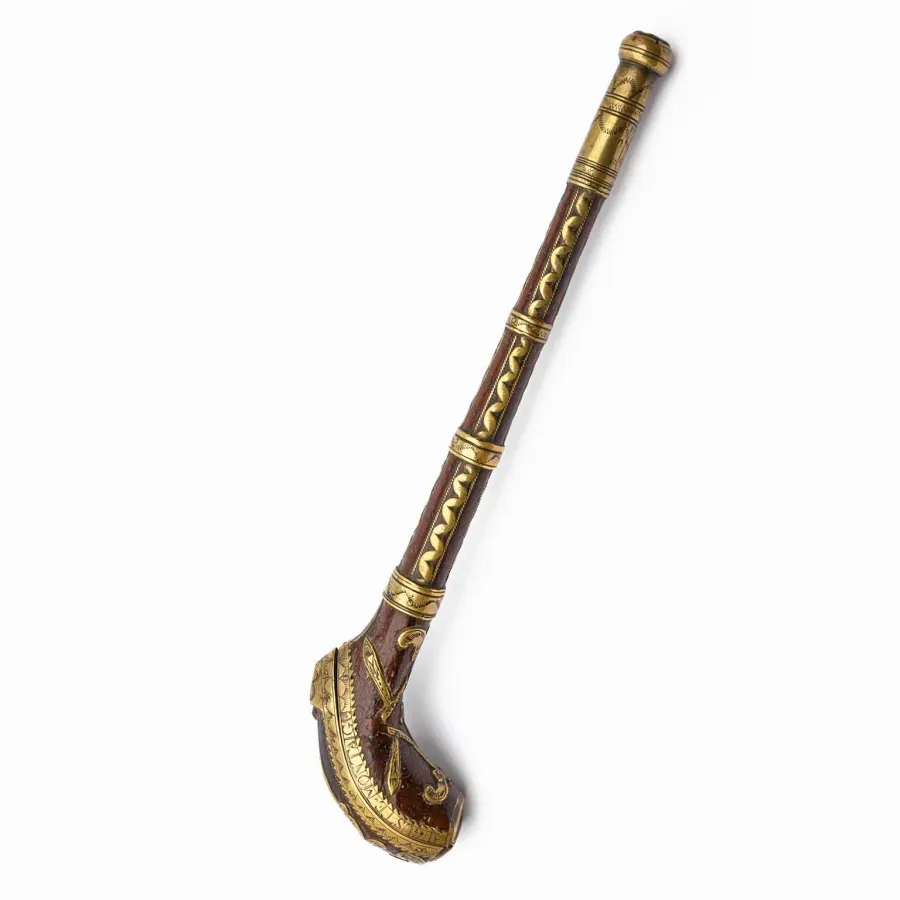
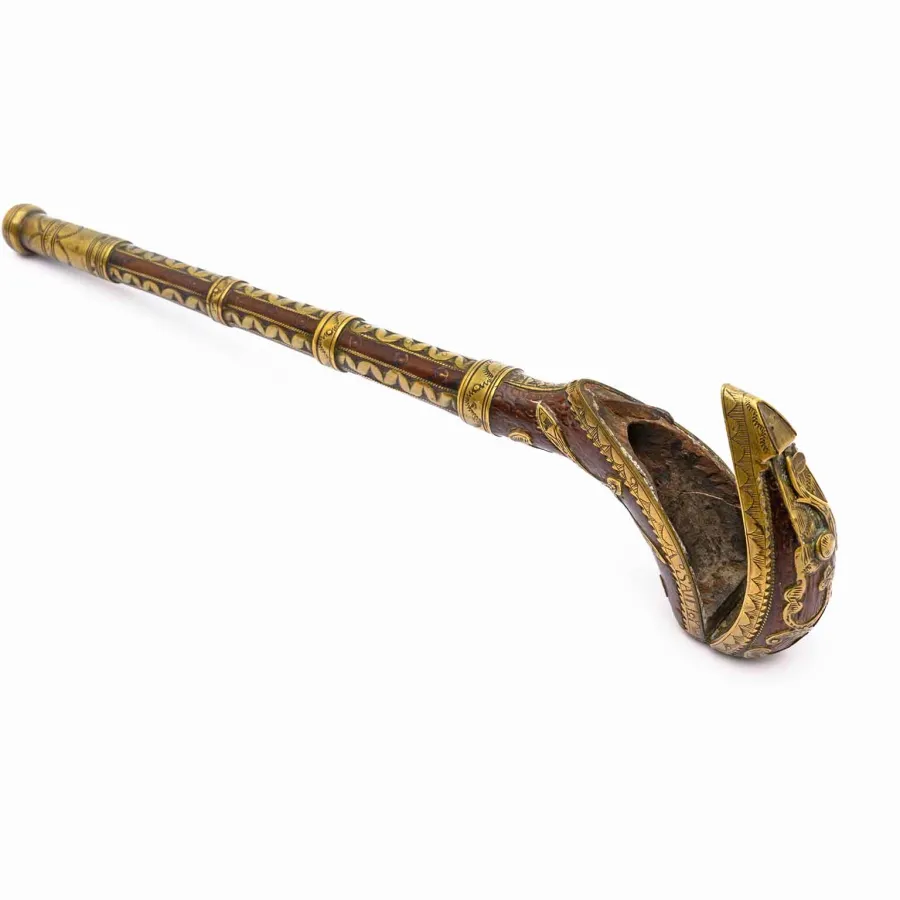
Dutch pipe holder from the end of the 18th century, handmade from precious wood
Prestigious antique furniture and accessories
SKU: ANT-A601
See other products from category Various antiques or from manufacturer Antyki
Related products by category
Prestigious antique furniture and accessories can be an excellent idea for decorating our interiors. Today, there is an increasing number of enthusiasts of high-quality vintage products that possess a
Set of Italian gilded mirrors, 1800 rectangular frames with a simple half-bull's-eye outline, decorated along the edges with fluting. The frame features carved botanical decorations topped with two sh
Cast from bronze, this knight with a shaped base made of green marble depicts a mounted figure, probably inspired by the famous painting of King Gioacchino Murat of Naples in one of his uniforms.The
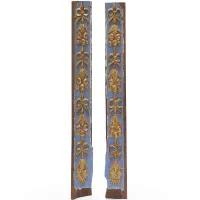
Pair of carved wooden cornices from the 18th century, lacquered in blue and adorned with pure gold, probably part of a liturgical decorative ensemble. Made from lime wood, this pair of ancient decorat
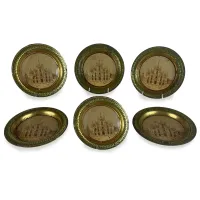
Six XIX-century coasters with gilded lithographs of the cathedral in a circular shape and a green Greek motif on the edge. The center features the facade of the cathedral in Milan with part of the squ
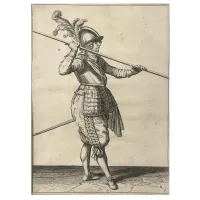
Engraving by Jacob De Gheyn, a military figure from 1600. The engraving by Jacob de Gheyn titled “Armoured with a Pike” dates from 1607 and is an important example of late Mannerist printmaking ar
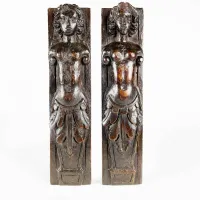
17th-century pair of carved walnut caryatids, an antique pair of baroque, hand-carved female figures with beautiful dark patina. Good condition considering age, both carved panels display original iro
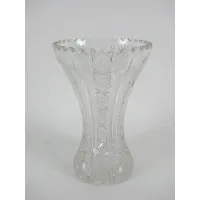
Vase made of finely ground crystal in perfect condition.Luxurious antique furniture and accessories can be an excellent idea for decorating our interiors. Today, there is an increasing number of enthu
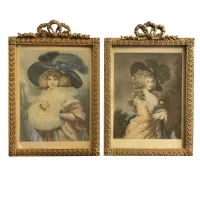
Pair of gilded frames for paintings with pastiglia from the early 20th century, decorated with stylized palmettes, interrupted at the corners by square friezes, and topped with a love knot at the top.
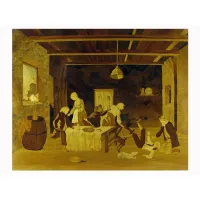
Picture-inlaid panel with an interior scene. An inlaid wooden panel that, thanks to tonal contrasts of various used essences, from walnut to fruitwood, recreates a comic-style domestic scene within in
Description
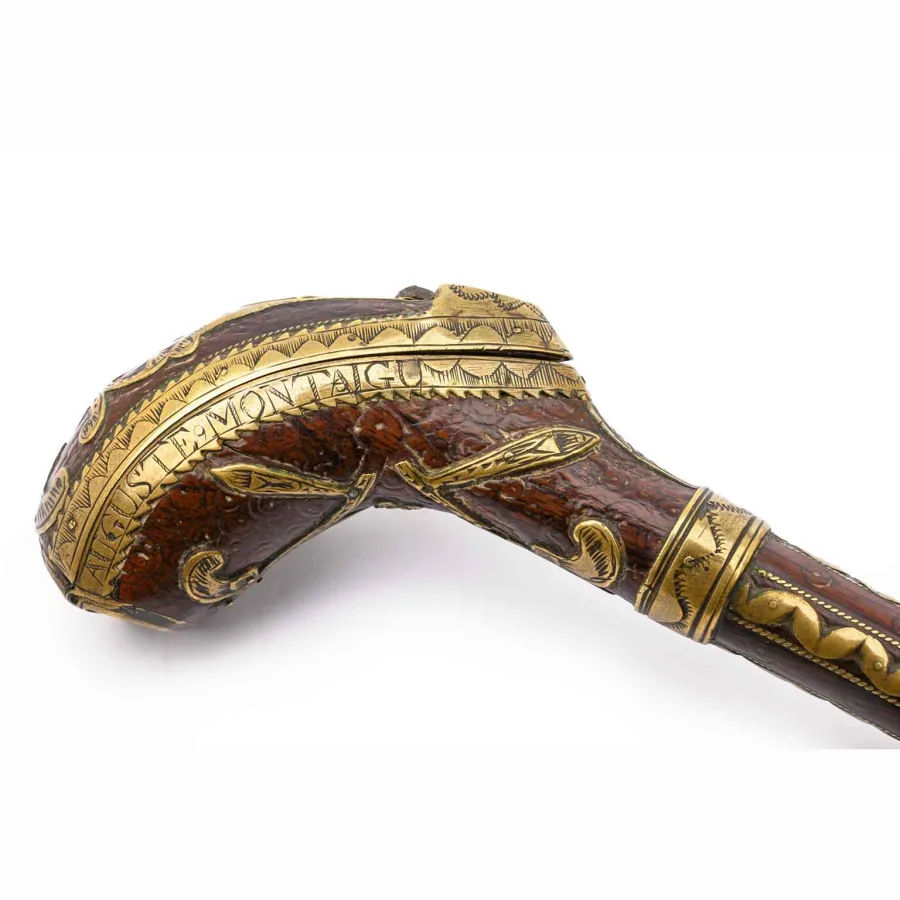
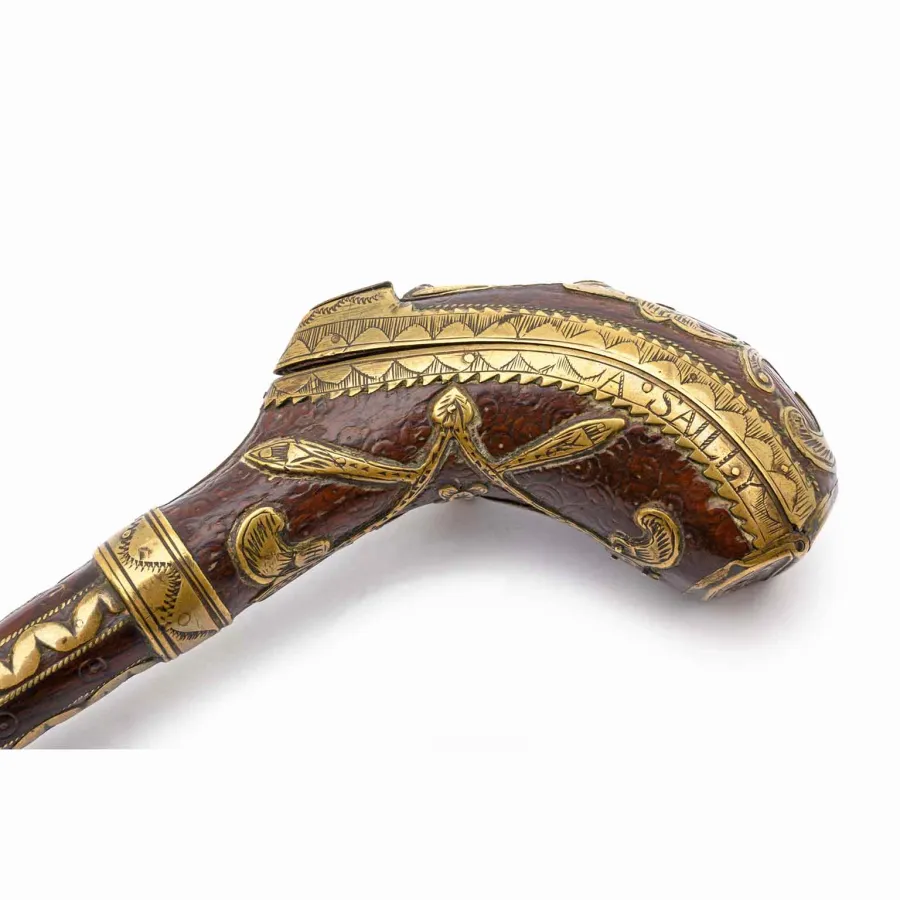
Dutch pipe holder from the late 18th century, handcrafted from valuable jacaranda wood, carved and engraved with geometric motifs, beautifully decorated with inserts made from engraved brass sheets in sequence. The stove casing, somewhat resembling a Dutch clog, is attached on one side with hinges and secured with a brass screw. In fact, judging by the shape of the casing, it is assumed that it originally housed a white clay Gouda pipe.
In 1600, Christians from Great Britain, to avoid persecution by James I, sought refuge in the Netherlands. Pipe craftsmen settled in Gouda, where, thanks to the presence of very fine white clay characteristic of the ceramic mixture, these clay pipes were produced. These pipes, known for their length, called plaster pipes, were mainly smoked by female aristocrats. Due to the fragility of the material, valuable boxes, works of art, and custom-made artifacts were created for these pipes, which became true symbols of status for the noblewomen of that era.
On the strap, the engraving; Auguste Montaigu on one side and A Sailly on the other, refer to the owner Auguste Gabriel de Montaigu (1780-1846). Aside from minor foil flaws consistent with the dating, this antique smoking accessory is in good condition.
Elegant antique furniture and accessories can be an excellent idea for decorating our interiors. Today, there is an increasing number of enthusiasts of high-quality vintage products that possess a specific character and soul. It’s a nod to history, craftsmanship, and the design of classic and timeless furniture. There are many different styles in antique furniture, each with its distinctive features.
Many styles characterize antique furniture, but a few key ones stand out. Eclectic furniture refers to the 19th century, dominated by the Biedermeier style. Its early variations include neo-Gothic, Gothic, Rococo, Louis Philippe style, and finally the English Victorian style. Towards the end of the century, these styles evolved into pseudo-classicism, Renaissance, and Baroque styles.
Empire-style furniture and accessories date from the period between the late 18th and early 19th centuries. Everything stems from Napoleon’s reign, which imposed significant similarities and references to Roman and Greek ornamentation.
Neoclassical furniture reflects the Louis XVI style, which also strongly references ancient architecture. Noteworthy are antique products in Rococo and Louis XV styles. The next is Baroque, whose name derives from the Portuguese 'barocco'—meaning an irregularly developed pearl. These were highly representative pieces designed to radiate splendor and play a significant role in luxury. Materials were chosen selectively to emphasize the grandeur of these items.
Today, we can observe how much influence the Baroque style has had on modern classical furniture, which is often designed with a strong resemblance to the historical period. An important style is also Renaissance, which flourished in the 15th and 16th centuries and left a significant mark on furniture design. Renaissance furniture was quite heavy and robust, using brown stains, moldings, sturdy bases, and reliefs. These products were quite distinctive but also opened new possibilities, such as the construction of cupboards and broadly speaking, chest furniture. They also drew inspiration from mythology and antiquity, with supports and legs often taking animal forms.
Lion’s paws, eagle heads—these are common motifs in Renaissance style. Currently, many global brands reproduce furniture inspired by Italian and French artisans, demonstrating admiration and respect for the history of the most beautiful Renaissance antiques. It’s important to remember that furniture production was perceived differently in each country, and each style had its unique character. This is especially important when searching for the right elegant antique for your interior.
The most important aspect of stylish antique furniture is originality. This is ultimately crucial from the buyer's perspective, as many counterfeit items circulate on the market. Luxury Products provides a certificate confirming that the product matches the actual description and photograph. We have at your disposal art appraisers, historians, and experts from around the world.Attributes / Details
| SKU | ANT-A601 |
| Manufacturer | Antyki |
| Model | A601 |
| Material | wood, brass |
| Size | Height: 25.5 cm Width: 6.5 cm Depth: 3 cm |
| Age | XVIII |
| Year | 1701 |
| Destiny | Universal |
See catalog
Reviews
No reviews for this product.