

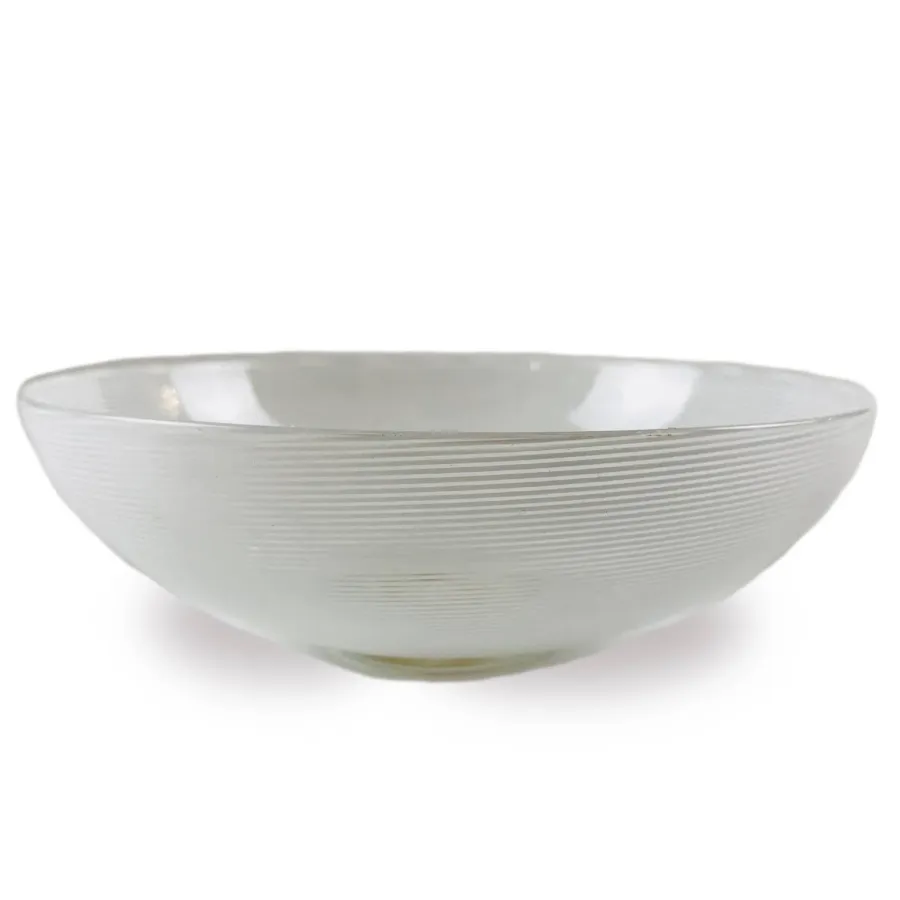
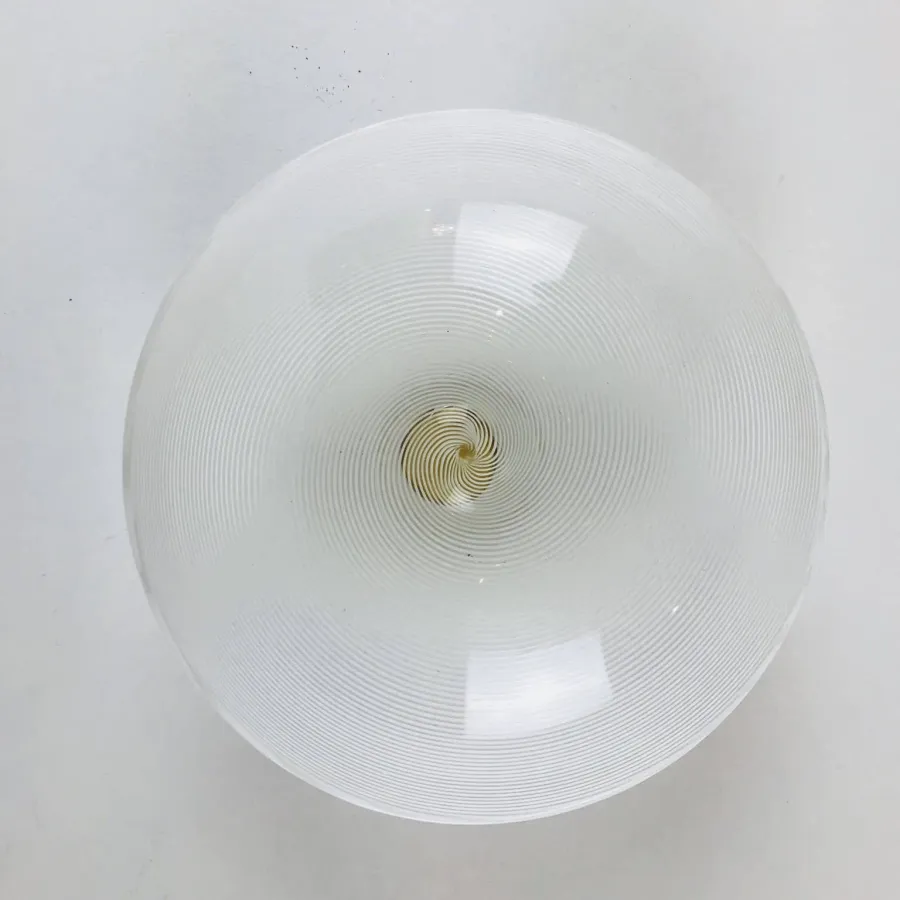
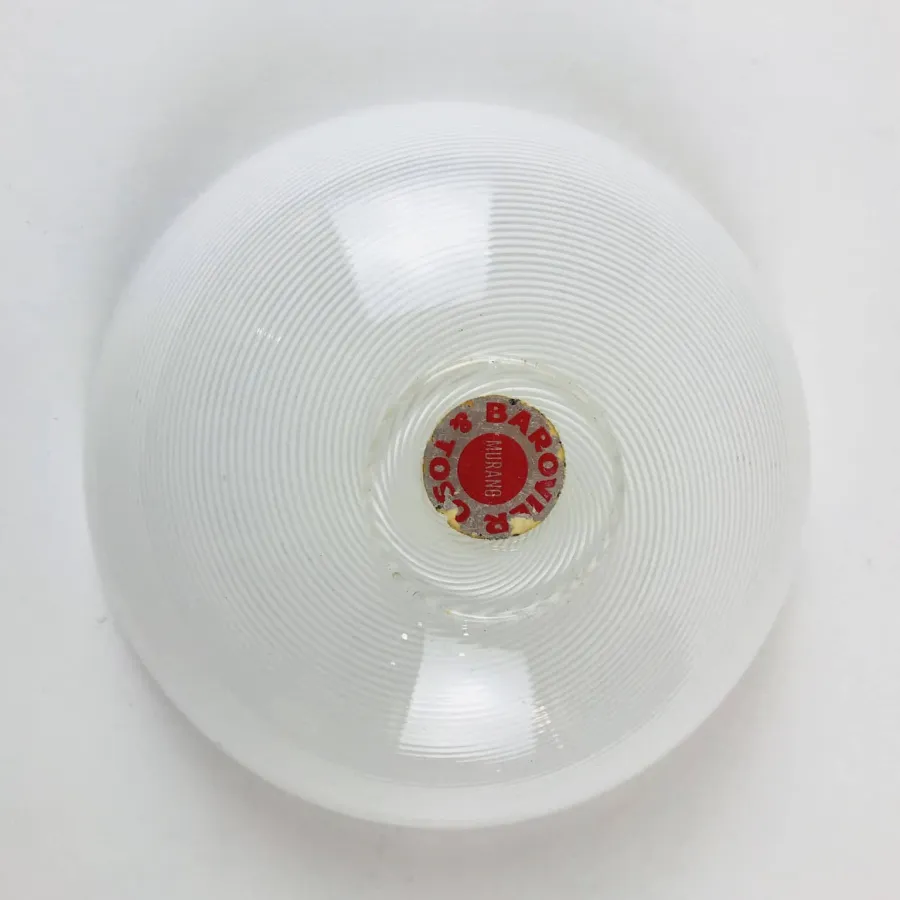
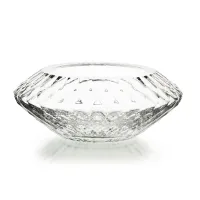
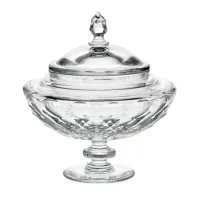
Barovier and Toso bowl with spiral decoration, circa 1950
Elite antique furniture and accessories
SKU: ANT-A314
See other products from category Crystal bowl or from manufacturer Antyki with shipping within 24 hours
Related products by category
Ancient silver and crystal compote from the first half of the 19th century, with a lid made of melted, embossed, carved, and cut crystal silver, Milan 19th century, Goldsmith Cristoforo Corbella opera
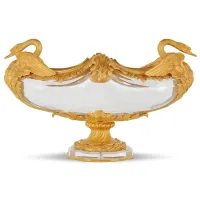
Eric Stepniewski's captivating journey with bronze began in 1973 in his family’s Paris, where he started working as an antique dealer. After many years managing his Gallery, he took over the renowne
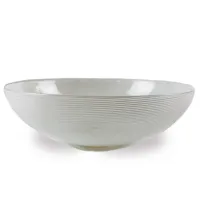
Barovier & Toso bowl with spiral decoration around 1950. At the bottom, a round label of the glass vessel; the bowl is in excellent condition.Beautiful antique furniture and accessories can be an ex
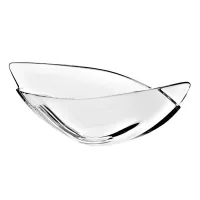
Vista Alegre was the first industrial unit engaged in porcelain production in Portugal. The determination of its founder, José Ferreira Pinto Basto, contributed to the brand's enormous success worldw
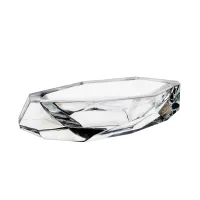
Vista Alegre was the first industrial unit dedicated to porcelain manufacturing in Portugal. The determination of its founder, José Ferreira Pinto Basto, contributed to the brand's enormous success w
The Vista Alegre factory was the first industrial unit engaged in porcelain production in Portugal. The determination of its founder, José Ferreira Pinto Basto, contributed to the enormous success of
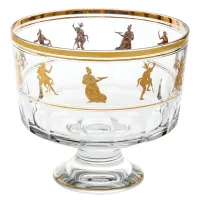
The Vista Alegre factory was the first industrial unit dedicated to porcelain production in Portugal. The determination of its founder, José Ferreira Pinto Basto, contributed to the brand's enormous
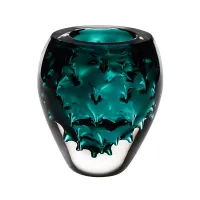
Manufactory Vista Alegre was the first industrial unit engaged in porcelain production in Portugal. The determination of its founder, José Ferreira Pinto Basto, contributed to the brand's enormous su
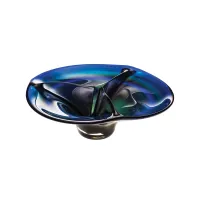
Manufactory Vista Alegre was the first industrial unit engaged in porcelain manufacturing in Portugal. The determination of its founder, José Ferreira Pinto Basto, contributed to the brand's enormous
Manufactory Vista Alegre was the first industrial unit dedicated to porcelain production in Portugal. The determination of its founder, José Ferreira Pinto Basto, contributed to the brand's enormous
Description
Barovier & Toso bowl with spiral decoration around 1950. At the bottom, a round label of the glass vessel; the bowl is in excellent condition.
Beautiful antique furniture and accessories can be an excellent idea for decorating our interiors. Currently, there is a growing number of enthusiasts of high-quality vintage items that possess a distinct character and soul. This is a nod to history, craftsmanship, and the design of classic and timeless furniture. There are many different styles in antique furniture, each with its own distinctive features.
Several key styles characterize antique furniture, but a few stand out. Eclectic furniture refers to the 19th century, marked by the prevailing Biedermeier style. Its early variations include neo-Gothic, Gothic, Rococo, Louis Philippe style, and finally the English Victorian style. Toward the end of the century, these styles evolved into pseudo-classicism, Renaissance, and Baroque styles.
Empire-style furniture and accessories date from the late 18th to early 19th century. Everything was influenced by Napoleon’s reign, which introduced strong similarities and references to Roman and Greek ornamentation.
Neoclassical furniture is associated with Louis XVI style, which also draws heavily from ancient architecture. Interesting and noteworthy are antique products in Rococo style and Louis XV. The next style is Baroque, whose name derives from the Portuguese 'barocco'—meaning an irregularly developed pearl. These were highly decorative pieces designed to shine with splendor and play a significant role in luxury. Unique materials, used selectively, were employed to emphasize the grandeur of these items.
Today, we can observe how much the Baroque style influenced modern classic furniture, which is designed with a strong resemblance to the historical period. An important style is also Renaissance, which flourished in the 15th and 16th centuries and left a significant mark on furniture-making art. Renaissance style was quite heavy and massive, using brown stains, cornices, sturdy bases, and bas-reliefs. These were quite distinctive products, but they also opened up new possibilities, such as the construction of cabinets or broadly defined chest furniture. Mythology and ancient times also inspired these designs, with supports and legs taking animal forms.
Lion paws, eagle heads—these are common features in Renaissance style. Currently, many global brands reproduce furniture inspired by Italian and French artisans, paying homage and preserving the history of the most beautiful Renaissance antiques. It’s important to remember that furniture production was perceived differently in each country, so each style had its unique character. This is especially crucial when searching for an exclusive antique that suits your interior.
The most important aspect of elite antique furniture is originality. Ultimately, this matters to buyers because the market is flooded with counterfeits. Luxury Products provides documentation confirming the product’s authenticity and compliance with the description and photos. We also have appraisers, art experts, historians, and specialists from around the world at your disposal.
Attributes / Details
| SKU | ANT-A314 |
| Manufacturer | Antyki |
| Model | A314 |
| Material | glass |
| Size | Height: 4 cm Diameter: 12 cm |
| Age | XX |
| Year | 1901 |
| Destiny | Universal |
See catalog
Reviews
No reviews for this product.