

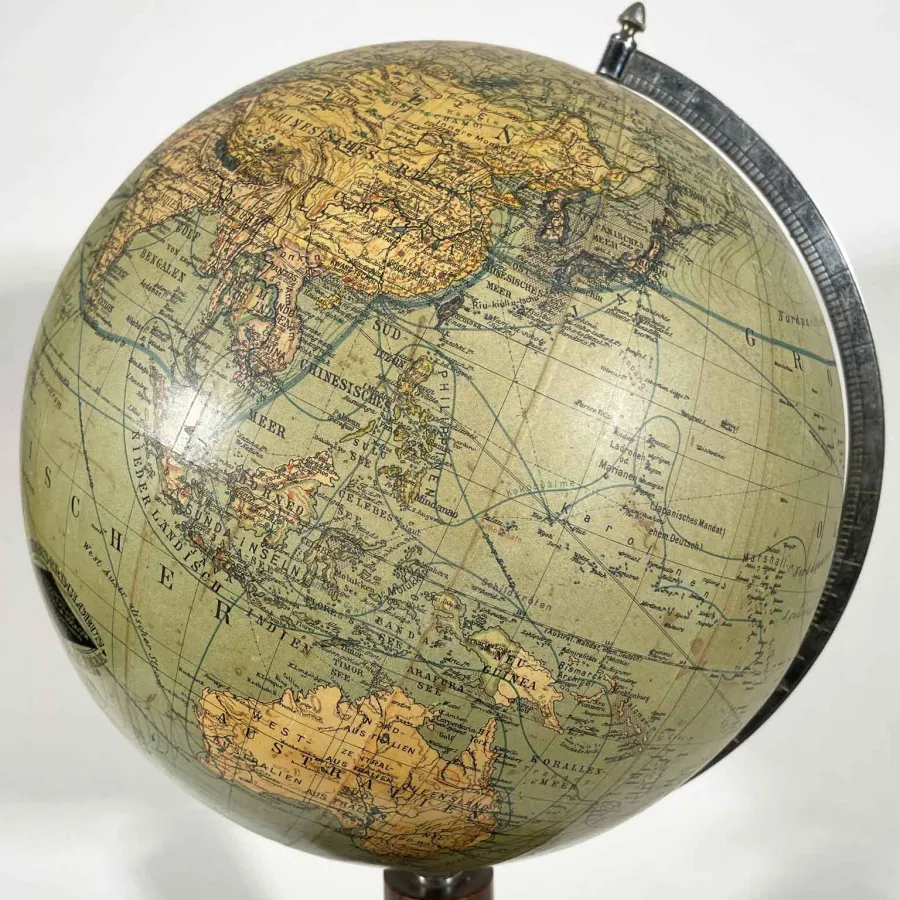
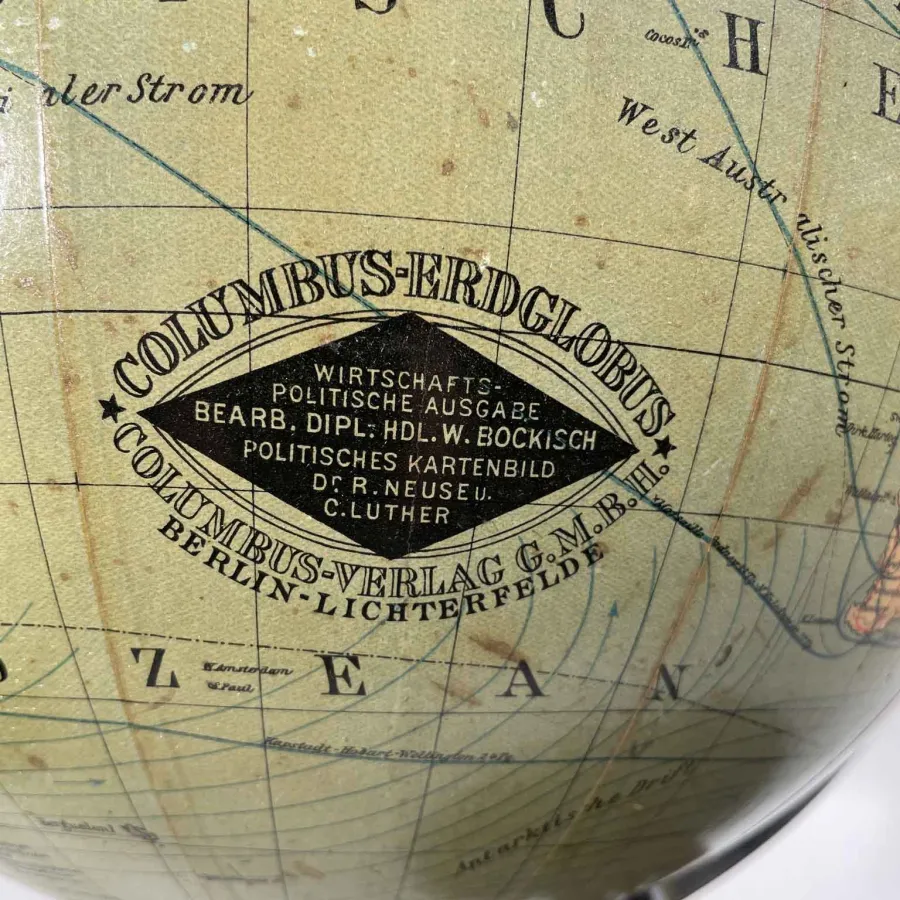
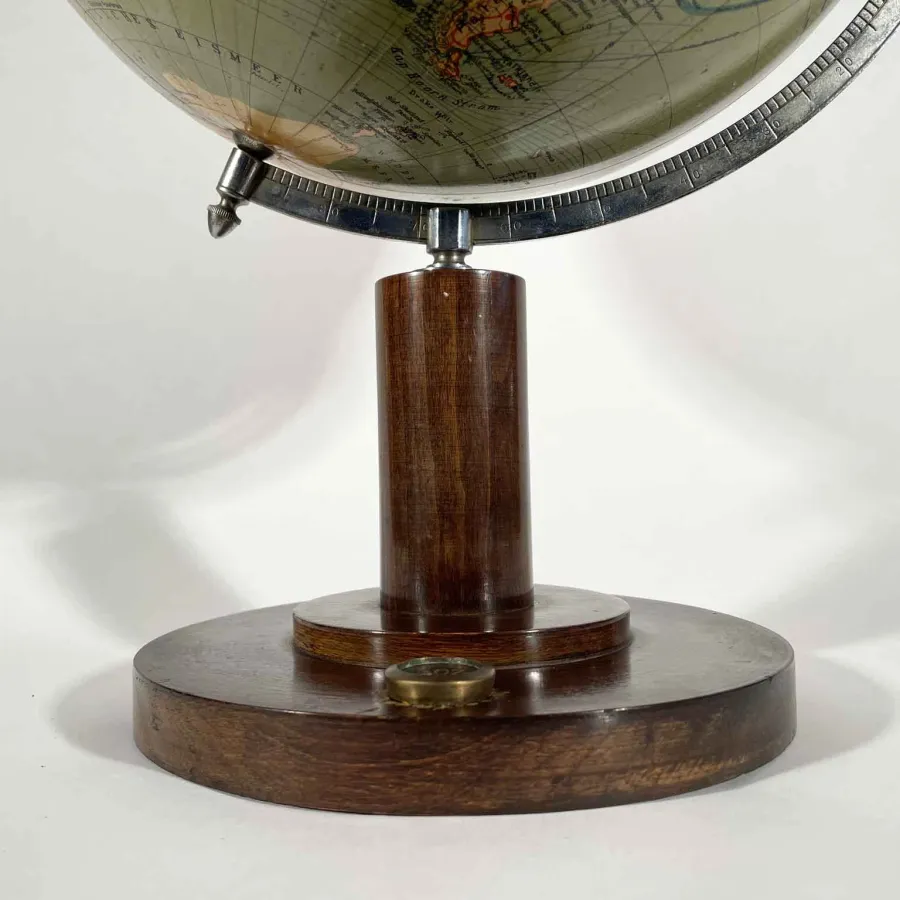
An elegant globe for a 20th century office
Luxury antiques
SKU: ANT-A1300
See other products from category Decorative globe or from manufacturer Antyki with shipping within 24 hours
Related products by category
Authentic classic designs combined with the highest quality materials create interiors with a history behind them by Authentic Models. It’s an extraordinary story about beautiful objects that fascin
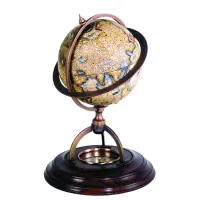
Authentic Models' genuine vintage pieces combined with high-quality materials create interiors with a story behind the brand. It’s an extraordinary story about beautiful products that fascinate love
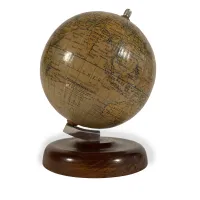
The German globe Räth Arthur Krause, published in Leipzig, GDR 1950, is a small, antique desk globe with a diameter of 12 cm. It features a map printed on twelve segments, mounted on a cardboard sphe
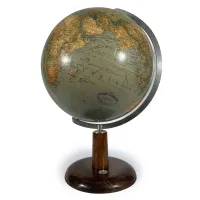
Globus by Paula Oestergaard from around 1950, published by Columbus Verlag, is a geographical globe with a diameter of 33 centimeters, made by the Columbus company based in Berlin and Stuttgart, and u
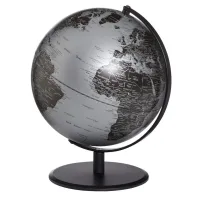
Original design combined with the highest quality materials gives us the synonym of the Emform brand. Which for over 40 years has been developing timeless and modern accessories for desks and homes. I
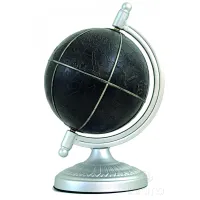
Italfama is one of the world's leading manufacturers specializing in the professional creation of chess boards, pieces, and luxury chess tables. Perfect for players who spend hours at the game as well
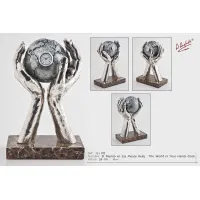
We are pleased to present to you a renowned brand in the art of sculpture. Since 1988, the well-growing Spanish company Anglada specializes in handcrafted production of exceptionally exclusive
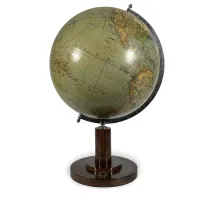
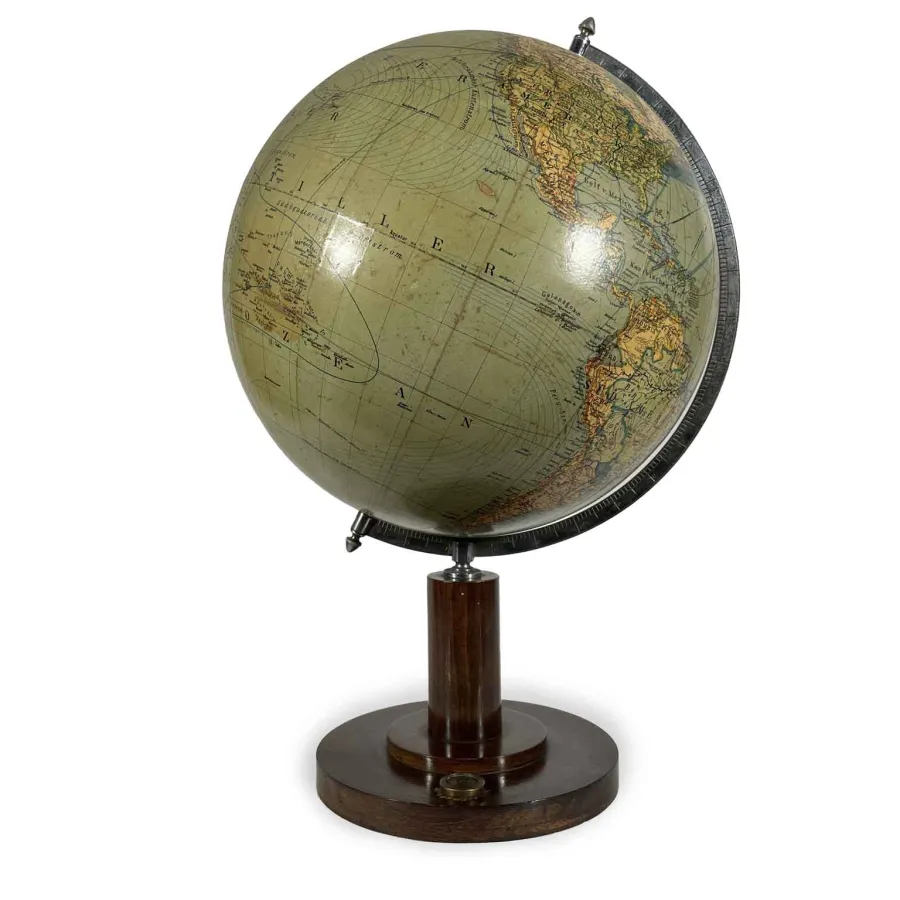
Globus Columbus Terracqueo, circa 1950, mounted on a wooden base consisting of three turned elements; the base element features a recess for a compass, which is missing. The large cardboard globe is d
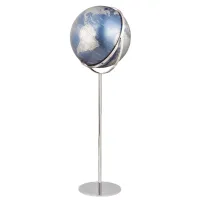
Original design combined with the highest quality materials gives us the synonym of the Troika brand. The German brand has been focusing on the development and sale of globes for about 25 years.Curren
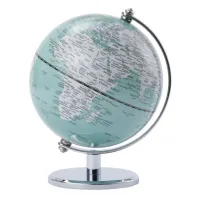
Designer craftsmanship combined with the highest quality materials gives us the synonym of Troika. The German brand has been focusing on the development and sale of globes for about 25 years.Currently
Description
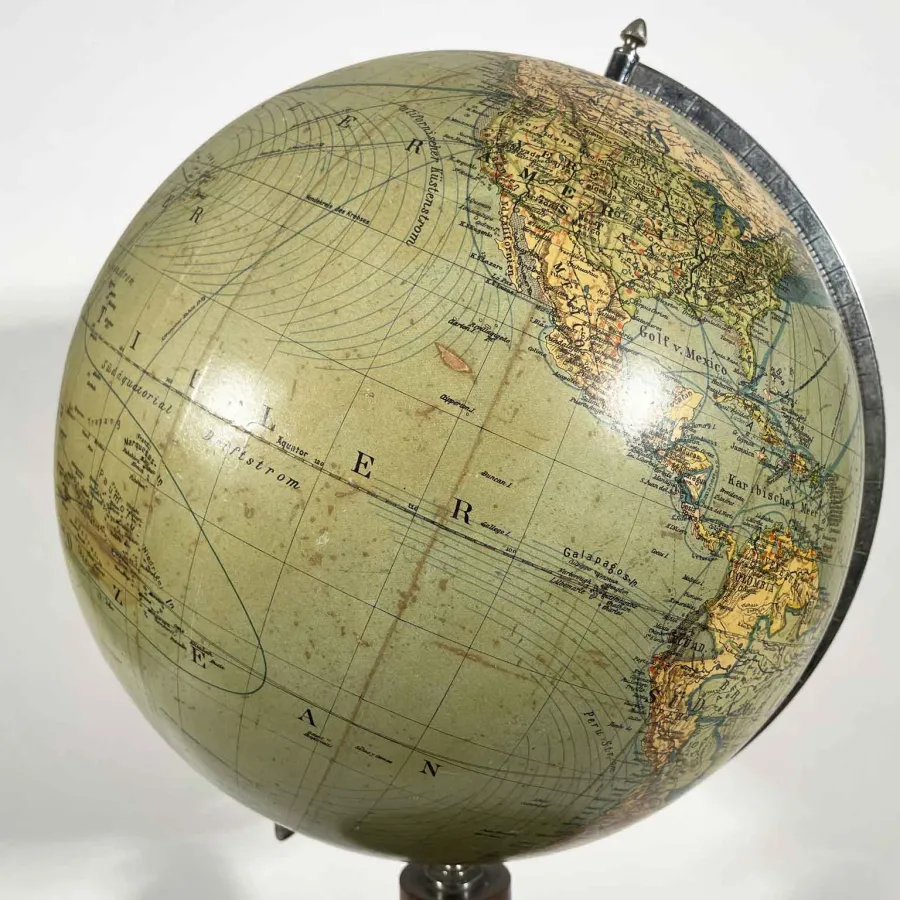
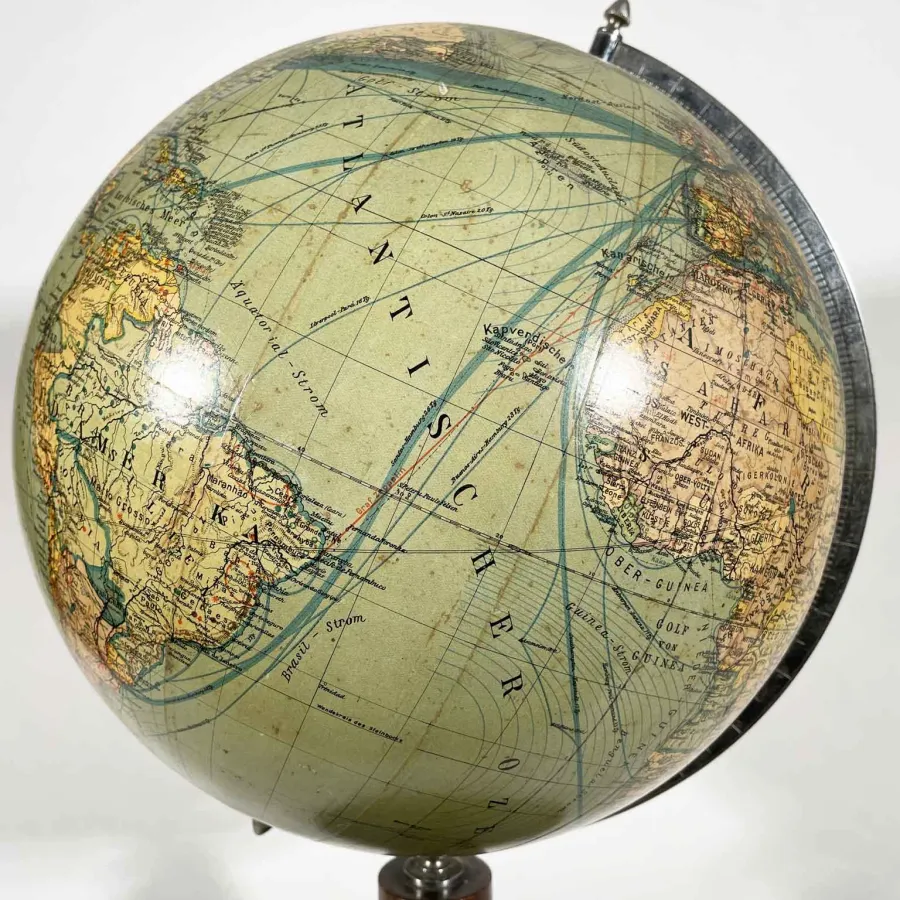
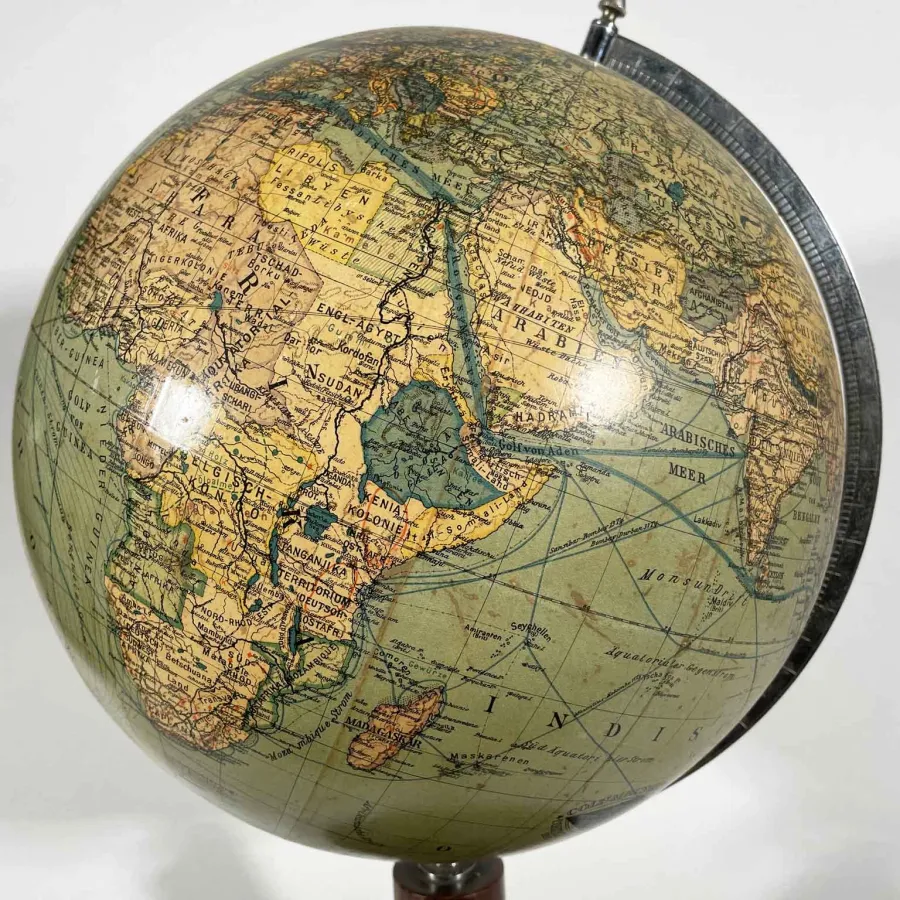
Globus Columbus Terracqueo, circa 1950, mounted on a wooden base consisting of three turned elements; the base element features a recess for a compass, which is missing. The large cardboard globe is divided into 12 segments, depicting the geopolitical division of the world, with particular emphasis on major sea routes.
Original antique furniture and accessories can be an excellent idea for decorating our interiors. Today, there is an increasing number of enthusiasts of high-quality vintage items that possess a specific character and soul. This is a nod to history, craftsmanship, and the design of traditional and timeless furniture. There are many different styles in antique furniture, each with its distinctive features.
Many styles characterize antique furniture, but a few are particularly prominent. Eclectic furniture dates back to the 19th century, during the reign of the Biedermeier style. Its early 20th-century variants include neo-Gothic, Gothic, Rococo, Louis Philippe style, and finally the English Victorian style. By the end of the century, these styles evolved into pseudo-classicism, Renaissance, and Baroque styles.
Original Empire-style furniture originates from the period between the late 18th and early 19th centuries. It was influenced by Napoleon’s reign, which imposed a strong resemblance to Roman and Greek decorative motifs.
Neoclassical furniture reflects the Louis XVI style, which also draws heavily from ancient architecture. Noteworthy and interesting are antique products in Rococo style and Louis XV style. The next style is Baroque, whose name derives from the Portuguese word 'barocco'—meaning an irregularly developed pearl. These were highly representative pieces designed to exude splendor and play a significant role in luxury. Selectively used materials were employed to further emphasize the grandeur of these items.
Today, we can observe how much the Baroque style influenced modern classical furniture, which is designed with a strong resemblance to the historical period. An important style is also Renaissance, which flourished in the 15th and 16th centuries and left a significant mark on furniture craftsmanship. Renaissance furniture was quite heavy and solid, often using brown stains, moldings, sturdy bases, and relief decorations. These products were quite distinctive but also introduced new possibilities, such as the construction of credenzas and broadly speaking, chest-type furniture. During this period, mythology and antiquity were also of interest, so supports and legs often took animal forms.
Lion paws, eagle heads—these are common motifs in Renaissance style. Currently, many global brands recreate furniture inspired by Italian and French artisans. This reflects admiration and respect for the history of the most beautiful Renaissance antiques. It’s important to remember that furniture production was perceived differently in each country, so each style had its unique character. This is especially important when searching for a luxurious antique that suits your interior.
The most important aspect of stylish antique furniture is originality. Ultimately, this is crucial from the customer’s perspective, as many counterfeit items circulate on the market. Luxury Products provides documentation confirming the product’s authenticity and compliance with the description and photos. We also have experts in art appraisal, historians, and specialists from around the world at your disposal.
Attributes / Details
| SKU | ANT-A1300 |
| Manufacturer | Antyki |
| Model | A1300 |
| Material | cardboard, wood |
| Size | Height: 52.5 cm Diameter: 33 cm |
| Age | XX |
| Year | 1900 |
| Destiny | To office |
See catalog
Reviews
No reviews for this product.