

Related products by category

Be.Be - analog collage by Bash Dunin created in Warsaw in 2018. Framing options available. Certificate

2much - analog collage created by Bashe Dunin in Warsaw in 2018. Framing options available. Certificate
Agender - analog collage by Bashi Dunin. Created in Warsaw in 2017. Framing options available. Certified
Invisible - original analog collage by Bashi Dunin. Created in Kraków in 2019. Framing options available, certificate, and signature.
Beautiful antique furniture and accessories can be an excellent idea for decorating our interiors. Today, there is an increasing number of enthusiasts of high-quality vintage products that possess a d
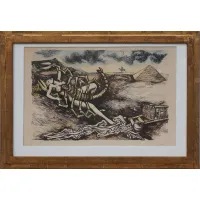
Beautiful antique furniture and accessories can be an excellent idea for decorating our interiors. Today, there is an increasing number of enthusiasts of high-quality vintage products that possess a d
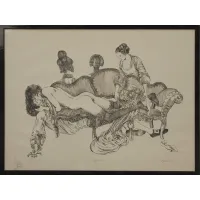
Original antique furniture and accessories can be an excellent idea for decorating our interiors. Today, there is an increasing number of enthusiasts of high-quality vintage products that possess a di
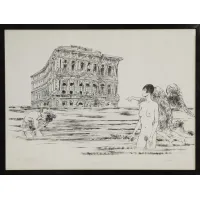
Original antique furniture and accessories can be an excellent idea for decorating our interiors. Today, there is an increasing number of enthusiasts of high-quality vintage products that possess a di
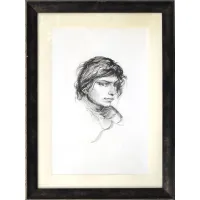
Unique antique furniture and accessories can be an excellent idea for decorating our interiors. Today, there is an increasing number of enthusiasts of high-quality vintage products that possess a dist

Description
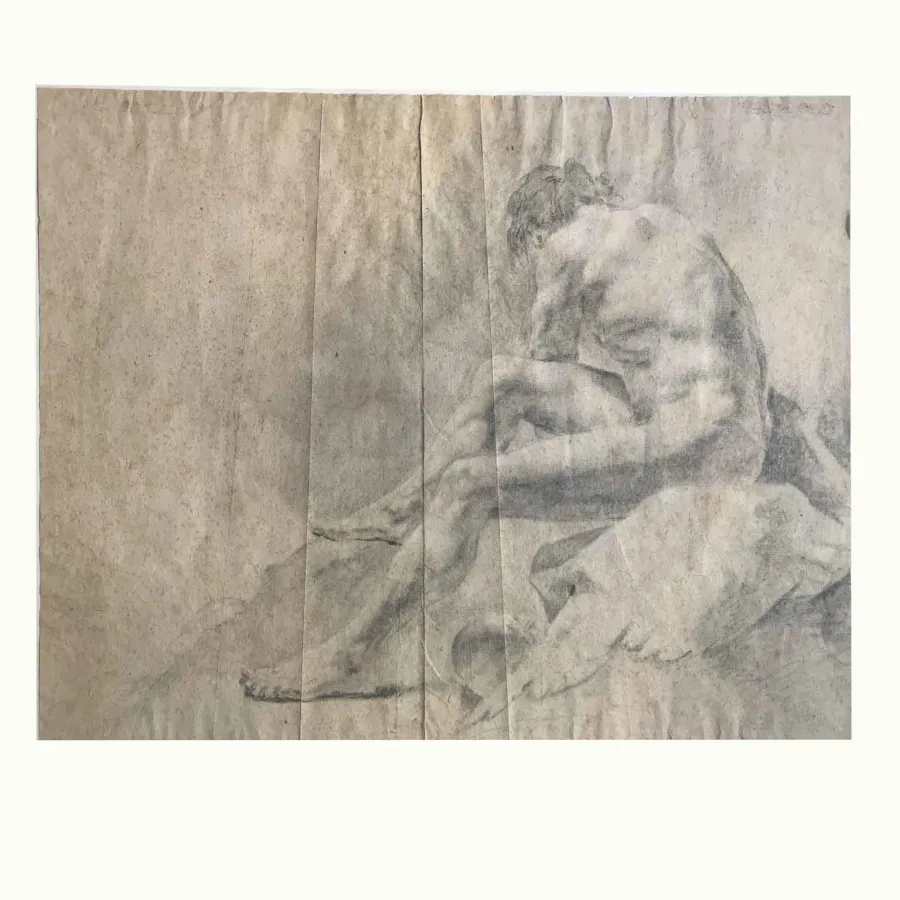
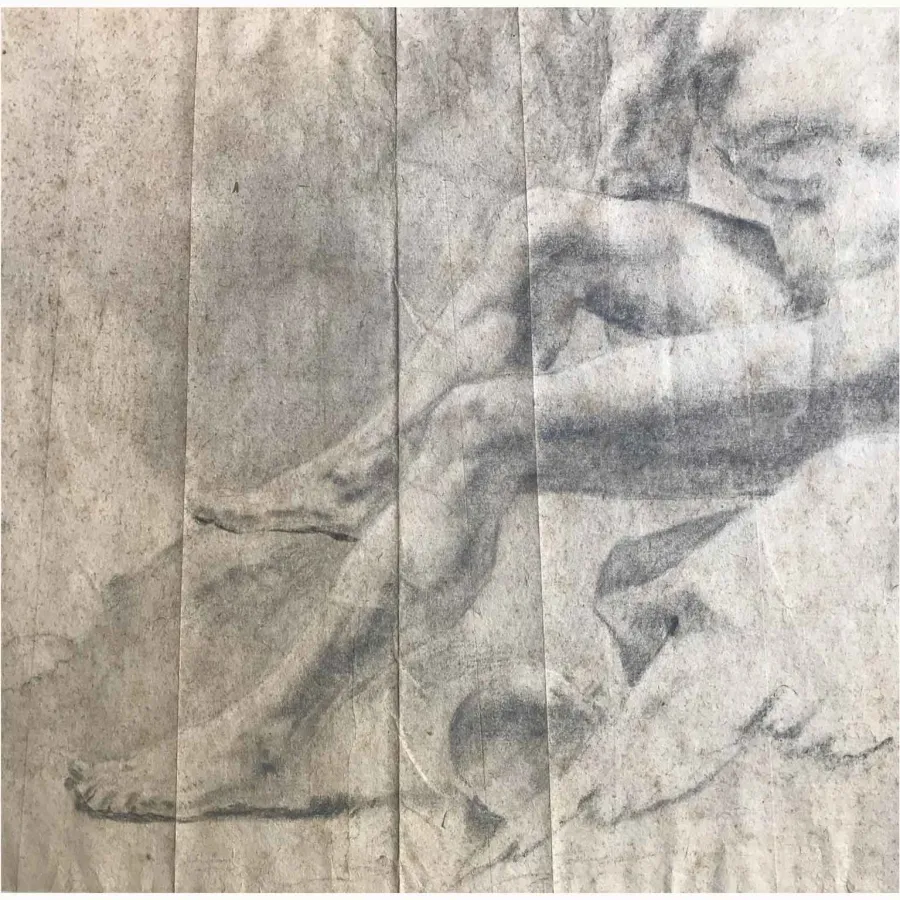
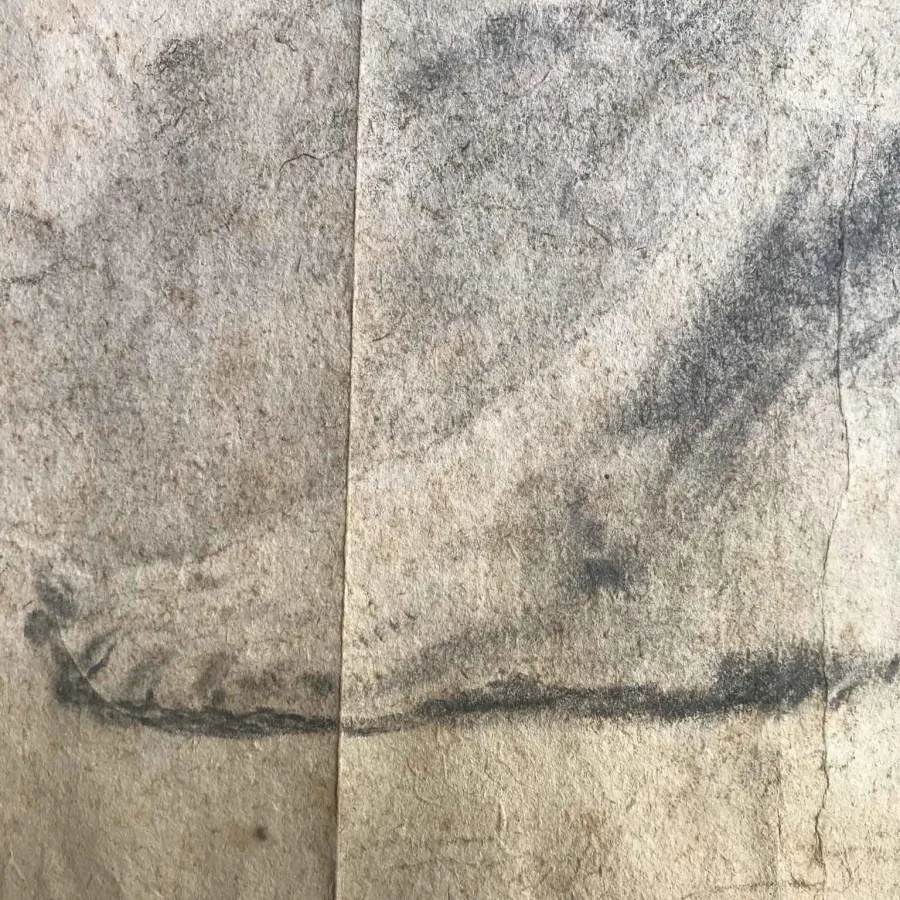
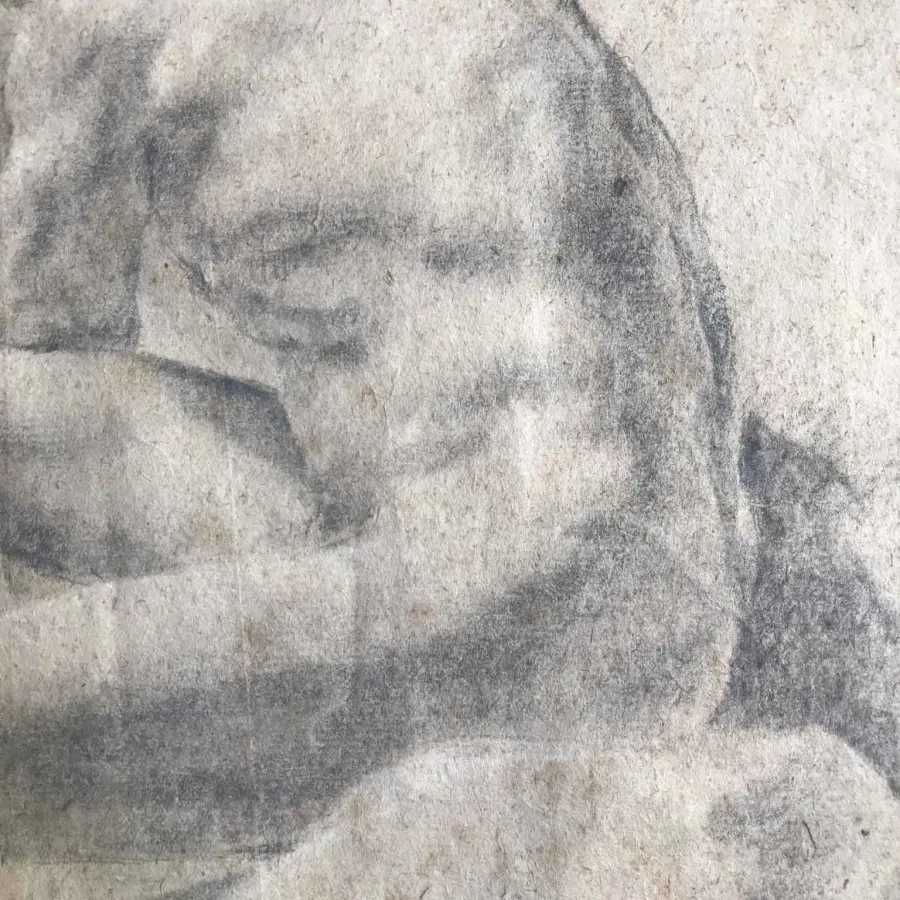
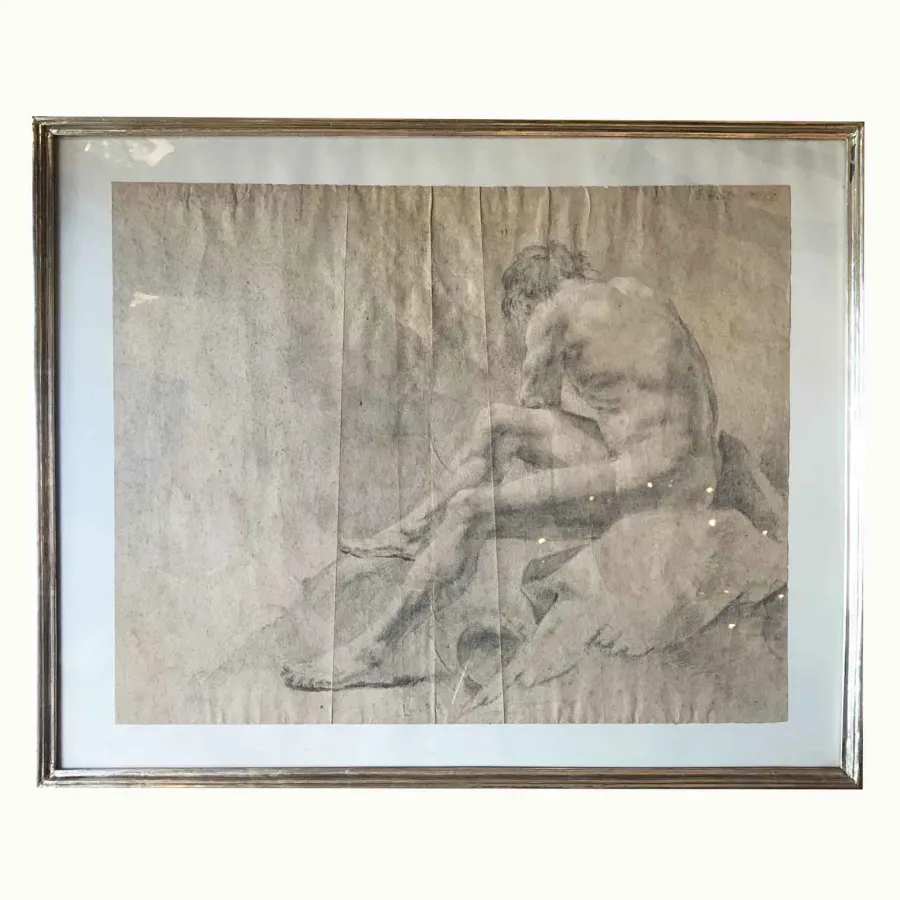
Academic Drawing of Male Nude executed on large sheets with pencil and charcoal in various formats; one is vertical, and the other horizontal. They show signs of moisture, an inverted "V" tear at the back and edges marked with holes from nails (vertical); while the horizontal one features folds. Both are framed in two modern silver frames. On the back of both tags, there is an attribution to the Piazzetta circle (in our opinion, not relevant). These are academic drawings from good hands, dating from the 19th century.
Wonderful antique furniture and accessories can be an excellent idea for decorating our interiors. Today, there is an increasing number of enthusiasts for high-quality vintage items that have a distinct character and soul. It’s a nod to history, craftsmanship, and the design of classic and timeless furniture. There are many different styles in antique furniture, each with its distinctive features.
Many styles characterize antique furniture, but we can highlight a few of the most important. Eclectic furniture refers to the 19th century, during which the prevailing Biedermeier style was popular. Its early variations include neo-Gothic, Gothic, Rococo, Louis-Philippe style, and finally the English Victorian style. By the end of the century, these styles evolved into pseudo styles of Classicism, Renaissance, and Baroque.
Empire-style furniture and accessories date from the period between the late 18th and early 19th centuries. Everything was influenced by Napoleon’s reign, which imposed significant similarities and references to Roman and Greek ornamentation.
Neoclassical furniture is associated with Louis XVI style, which also strongly references ancient architecture. Interesting and noteworthy are antique products in Rococo style and Louis XV. Next is Baroque, a name derived from the Portuguese "barocco" — meaning irregularly developed pearl. These were highly representative pieces designed to exude splendor and play a significant role in luxury. Unique, selectively used materials were employed to further emphasize the grandeur of these items.
Today, we can observe how much the Baroque style influenced modern classic furniture, which is designed with a strong resemblance to the bygone era. An important style is also Renaissance, which flourished in the 15th and 16th centuries and left a significant mark on furniture-making art. Renaissance style was quite heavy and bulky, using brown stains, cornices, sturdy bases, and reliefs. These were quite distinctive products but also opened up new possibilities, such as the construction of credenzas and broadly speaking, chest furniture. Here, too, there was an interest in mythology and ancient times, so supports and legs often took animal forms.
Lion’s paws, eagle heads — these are common features in Renaissance style. Currently, many global brands reproduce such furniture inspired by Italian and French creators. This reflects admiration and respect for the history of the most beautiful Renaissance antiques. It’s important to remember that furniture production was perceived differently in each country, so each style had its unique character. This is especially important when searching for an exclusive antique suitable for your interior.
The most important aspect of prestigious antique furniture is originality. This is ultimately crucial for buyers, as many forgeries circulate on the market. Luxury Products provides documentation confirming the product’s authenticity and compliance with the description and photos. We have appraisers, art experts, historians, and specialists from around the world at your disposal.
Attributes / Details
| SKU | ANT-A421 |
| Manufacturer | Antyki |
| Model | A421 |
| Size | Height: 58.5 and 55.5 cm Width: 44.5 and 43.5 cm |
| Age | 19th century |
| Year | 1801 |
| Destiny | To living room |
See catalog
Reviews
No reviews for this product.