

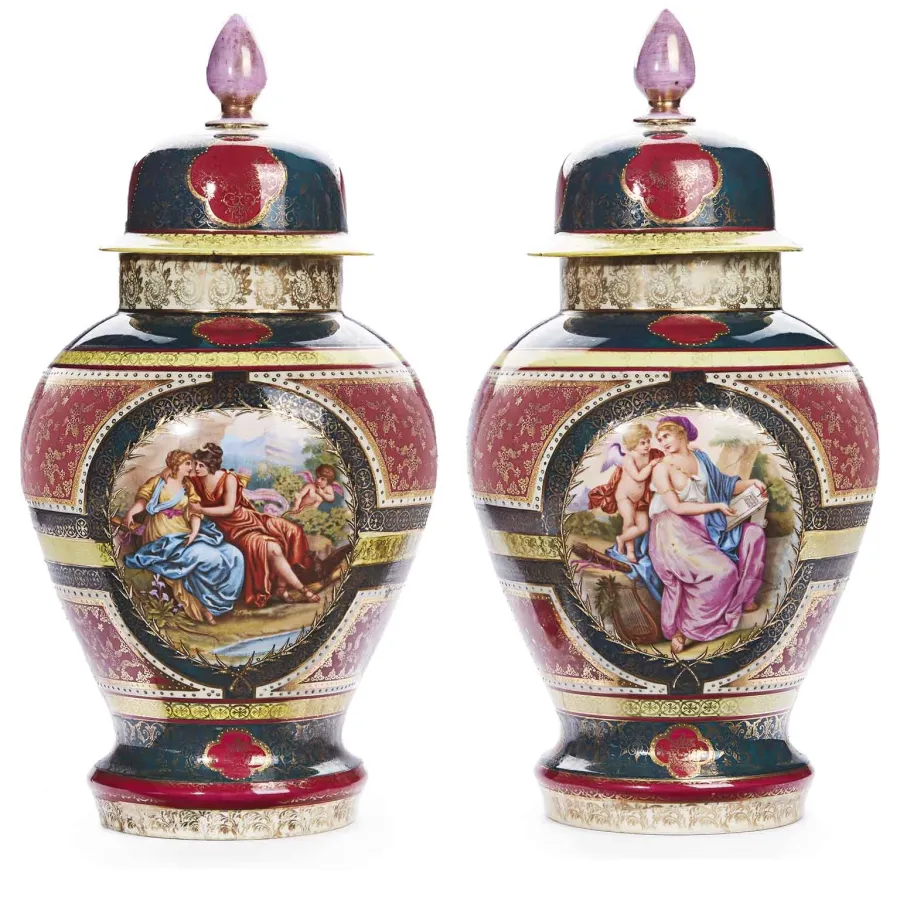
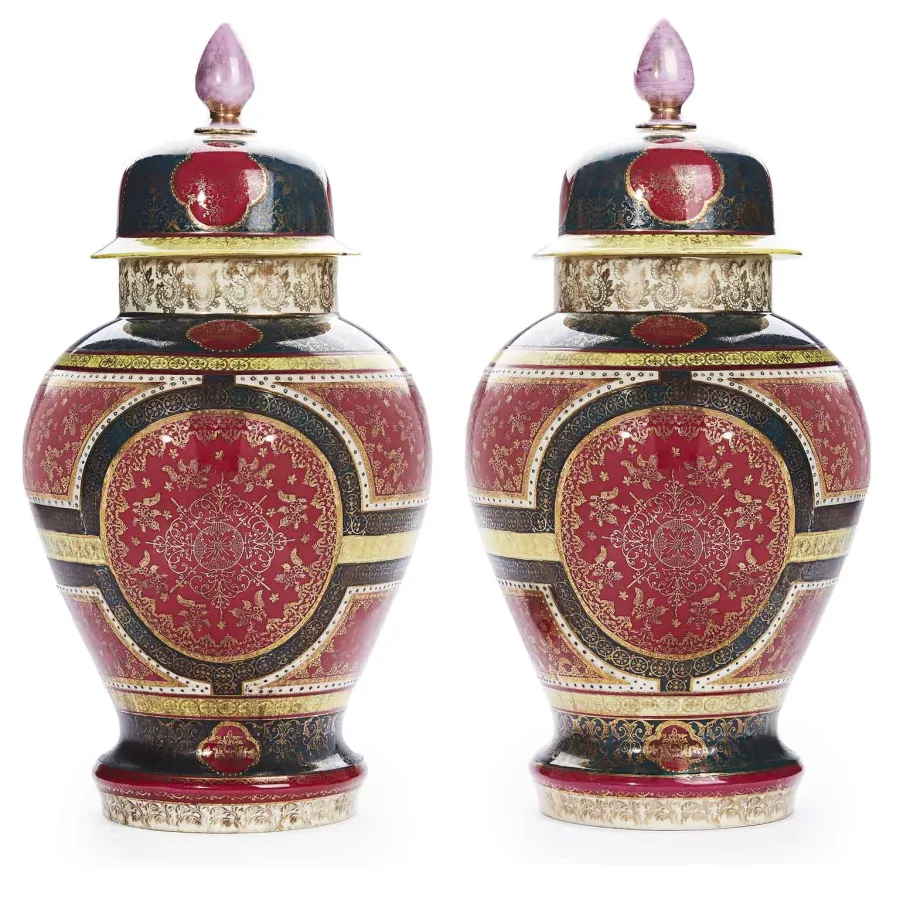
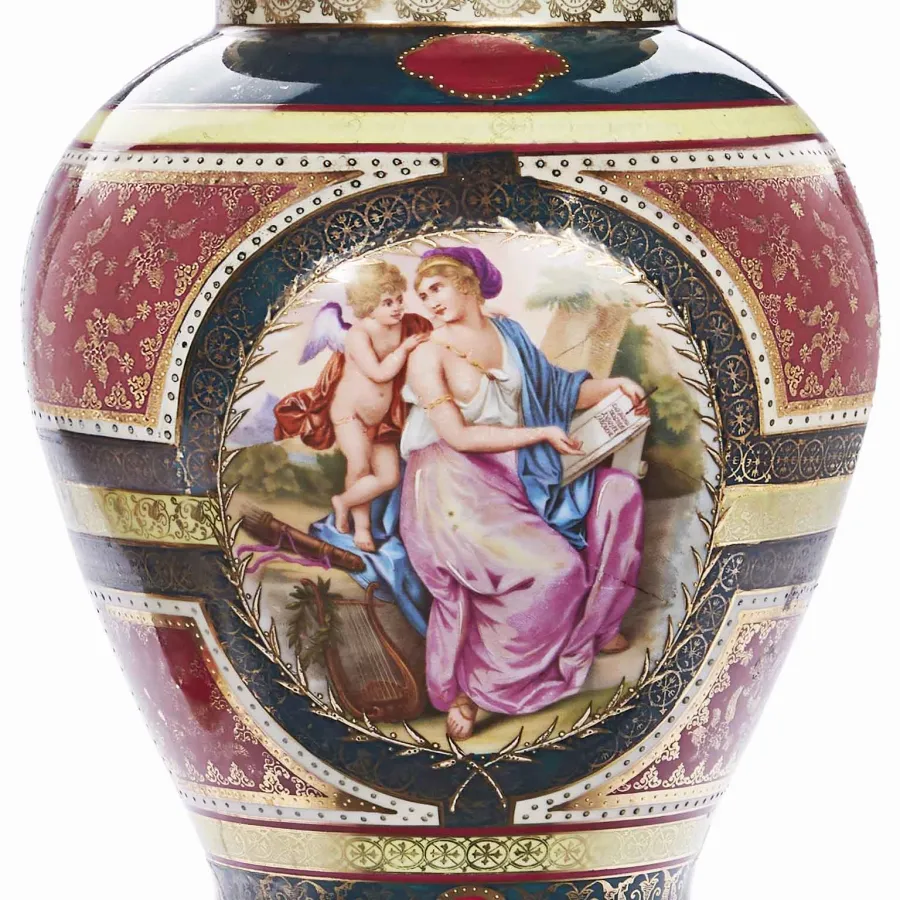
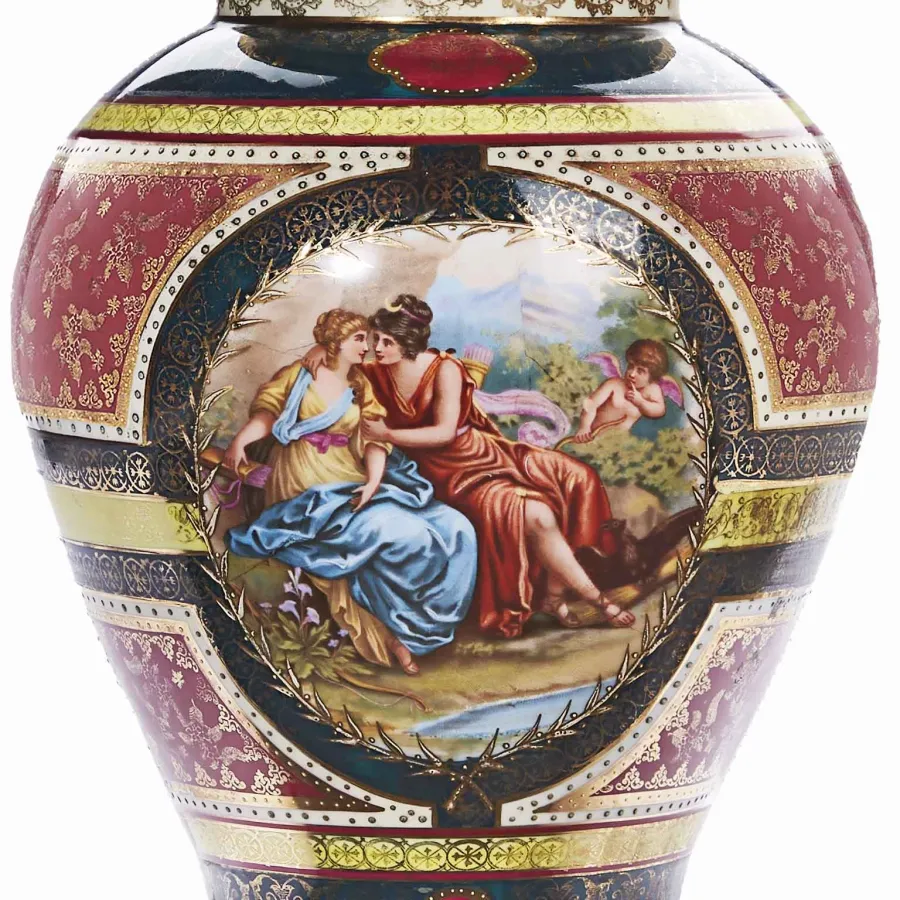
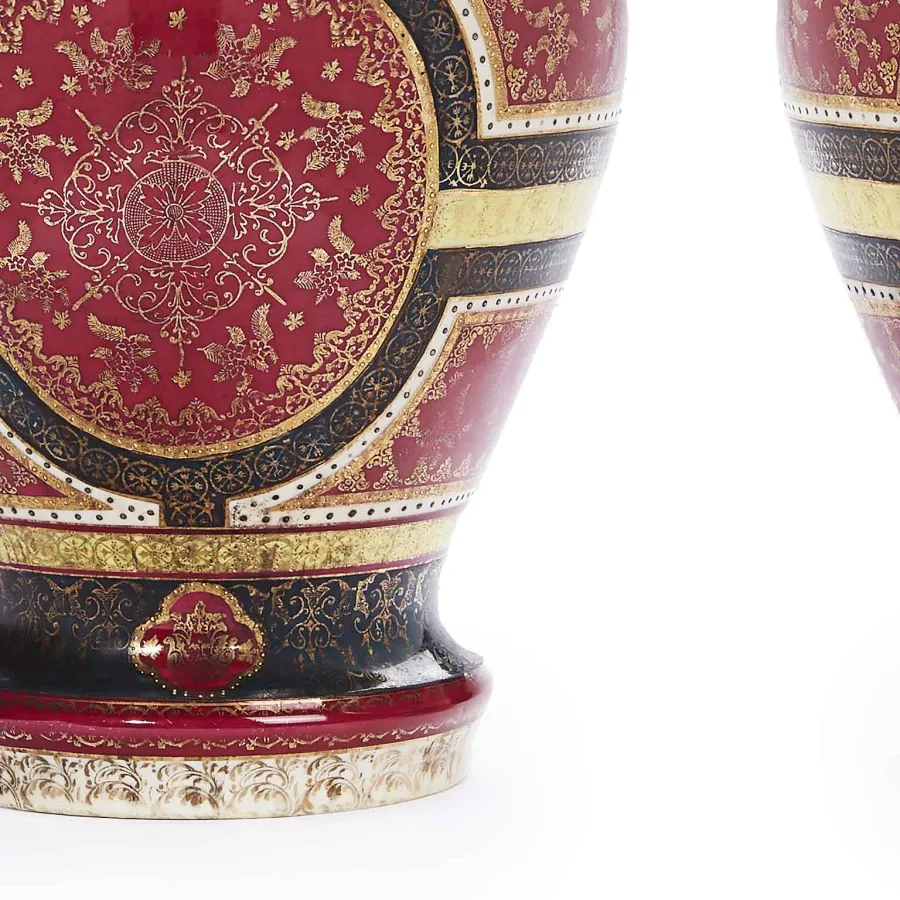
A pair of decorative Viennese porcelain vases, 1800
Unique antique furniture and accessories
SKU: ANT-A1043
See other products from category Ceramic vase or from manufacturer Antyki
Related products by category
Ceramics for sophisticated interior design - Luxury Products store.An Italian manufacturer of elegant ceramic and other material products is a multi-generational and traditional family business.Since
Robbia Gualdo Tadino Vase. A round ceramic flower vase from the mid-20th century with handcrafted niches decorated on a brown background with ivory embellishments; the brand in blue on the bottom from
Base lamp made of ceramic with embossed shells.Elegant antique furniture and accessories can be an excellent idea for decorating our interiors. Currently, there is a growing number of enthusiasts of h
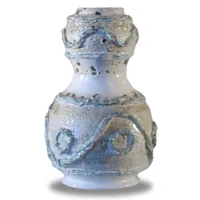
Ceramic lamp base. 1950s ceramic vase with a round base, with a top section pierced to be transformed into a lamp. The spiral decoration is embossed and has a turquoise color. It is in good condition.
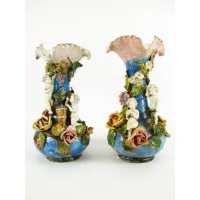
Para of Liberty vases made of polychrome ceramic, bottle-shaped vases with jagged and wavy edges, crafted from polychrome ceramic, Aleksandrian manufactory, with light blue and white-pink backgrounds
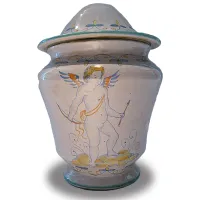
Pair of Deruta vases. One of two ceramic vases from the Deruta factory, jars with polychrome ceramic lids decorated with putti. circa 1970. Excellent condition.Beautiful antique furniture and accesso
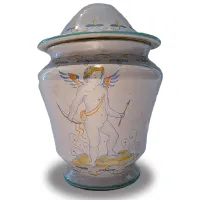
Pair of Deruta vases. One of two ceramic vases from the Deruta manufactory, jars with a polychrome ceramic lid, decorated with putti. Circa 1970. Very good condition.Luxurious antique furniture and a
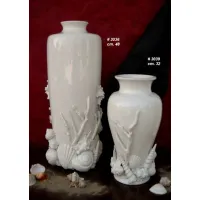
Marine Vase - the perfect gift for sailors.Since 1965, the CAMPAGNARO family has been producing elegant and unique ceramics. From the very beginning of this Italian manufactory, products have always
to874.00
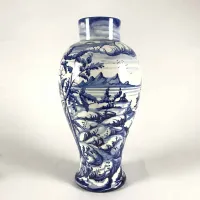
Ceramic Vase White Blue Taccini Family Vinci 1976 with rich landscape decoration depicting a lake with boats rendered in various shades of blue on a white background featuring extensive glaze cracklin
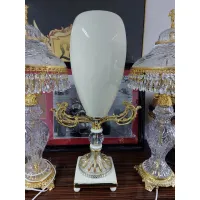
Luxury Vase for Stylish Living RoomsEverything began in 1972 when the Caron family started Ceramiche Stella Snc in Nove. Currently, the company is managed by the two sons, Maurizio and Paolo. They int
Description
Prestigious antique furniture and accessories can be an excellent idea for decorating our interiors. Today, there is an increasing number of enthusiasts of high-quality vintage products that possess a distinct character and soul. This is a nod to history, craftsmanship, and the design of classic and timeless furniture. There are many different styles in antique furniture, each with its own distinctive features.
Many styles characterize antique furniture, but we can highlight a few of the most important. Eclectic furniture refers to the 19th century, during which the beloved Biedermeier style prevailed. Its early 20th-century variants include neo-Gothic, Gothic, Rococo, Louis Philippe style, and finally the English Victorian style. By the end of the century, these styles evolved into pseudo styles of Classicism, Renaissance, and Baroque.
Empire-style furniture dates from the late 18th to early 19th century. It originated during Napoleon’s reign, characterized by significant similarities and references to Roman and Greek ornamentation.
Neoclassical furniture is associated with Louis XVI style, which also strongly references ancient architecture. Interesting and noteworthy are antique products in Rococo style and Louis XV. Next is Baroque, whose name derives from the Portuguese word 'barocco'—meaning an irregularly developed pearl. These were highly decorative pieces designed to radiate splendor and play a significant role in luxury. Materials were selectively chosen to emphasize the grandeur of these items.
Today, we can observe how much the Baroque style influenced modern classic furniture, which is often designed with a strong resemblance to the historical period. An important style is Renaissance, which flourished in the 15th and 16th centuries and left a significant mark on furniture-making art. Renaissance furniture was quite heavy and massive, often using brown stains, cornices, sturdy bases, and reliefs. These products were quite distinctive but also opened new possibilities, such as the construction of cabinets or broadly understood chest furniture. During this period, there was also an interest in mythology and ancient times, so supports and legs often took animal forms.
Lion paws, eagle heads—these are common motifs in Renaissance style. Currently, many global companies reproduce such furniture, inspired by Italian and French craftsmen. This reflects admiration and respect for the history of the most beautiful Renaissance antiques. It’s important to remember that each country perceived furniture production differently, so each style had its own unique character depending on the nation. This is especially important when searching for an exclusive antique that suits your interior.
The most important aspect of original antique furniture is authenticity. This is ultimately crucial for buyers, as many counterfeits circulate on the market. Luxury Products provides documentation confirming the product’s authenticity and compliance with the description and photos. We also have appraisers, art experts, historians, and specialists from around the world at your disposal.
Attributes / Details
| SKU | ANT-A1043 |
| Manufacturer | Antyki |
| Model | A1043 |
| Material | porcelain |
| Size | Diameter: 23 cm. Height 45 cm |
| Year | 1800 |
| Guarantee | 24 months |
| Additional information | A pair of Viennese vases from 1800. A porcelain pot with a lid on a red-violet background with an important decorative system all around, set with alternating tableaux and squares in the colors red, green and yellow. The front is decorated with two oval reserves with allegorical scenes of vestal virgins and cupids in a rural landscape. Each background is enhanced with dense gold decoration, scrolling arabesque motifs and raised beaded motifs. At the bottom, these two ancient vases bear the blue mark of the Imperial Viennese manufacture, used until 1864. Some minor cracks and signs of use, but overall in good condition. They come from a private Italian collection |
See catalog
Reviews
No reviews for this product.