

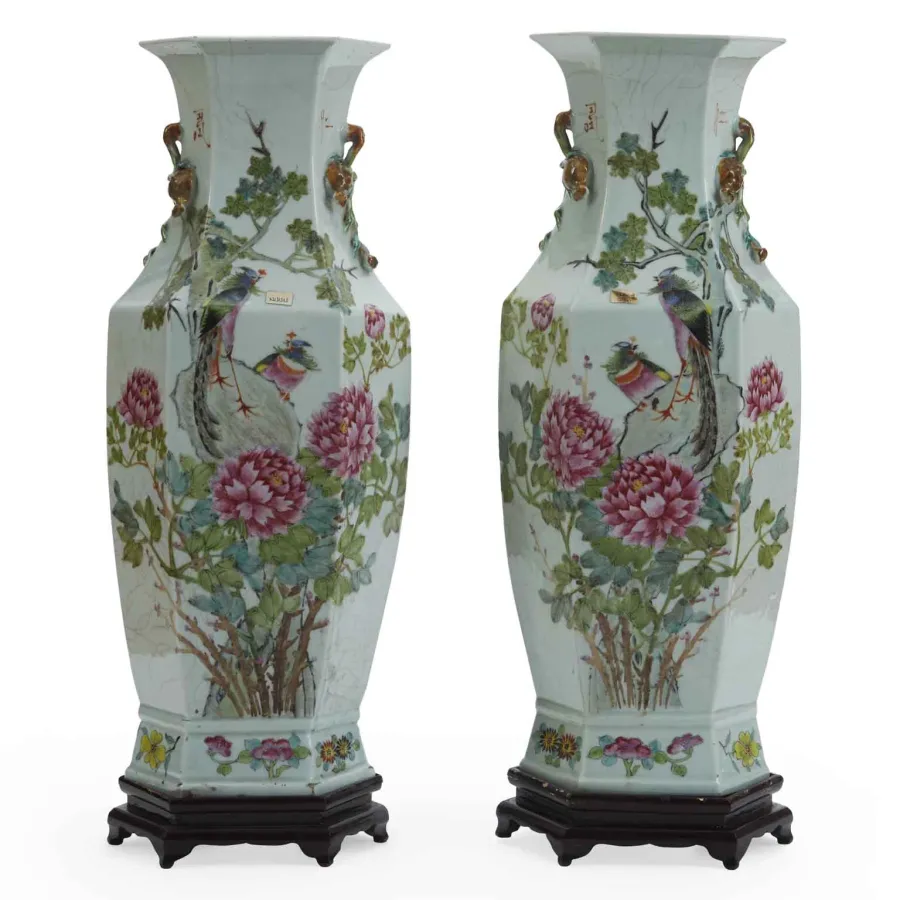
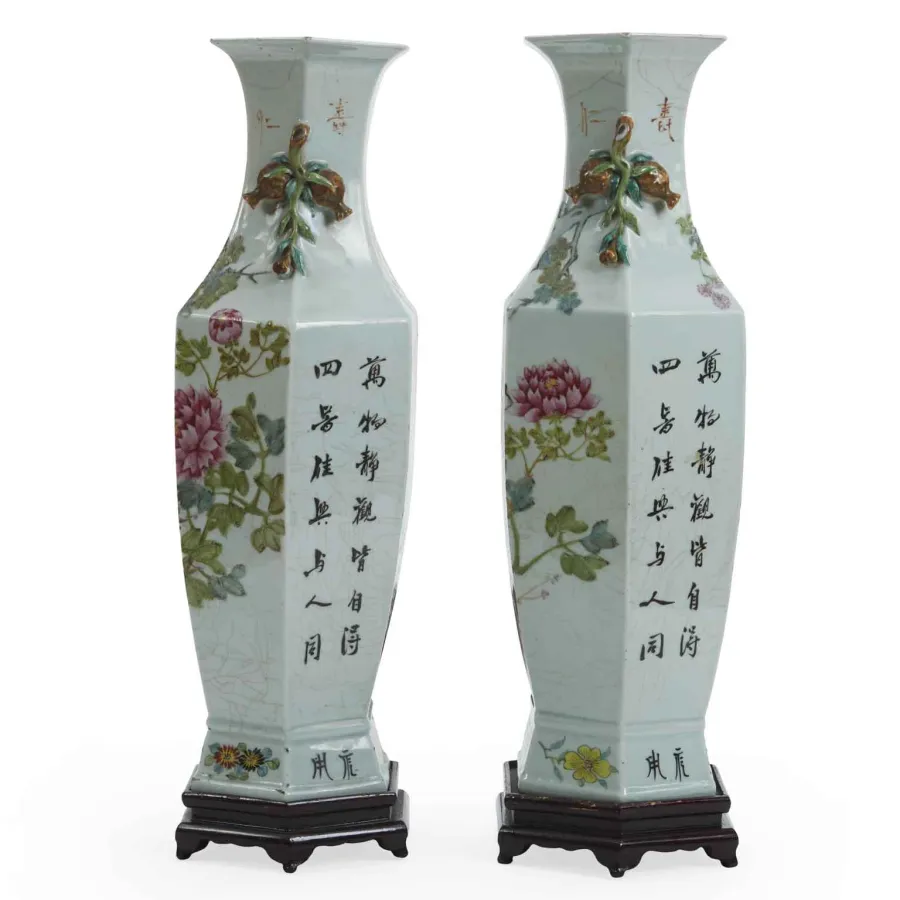
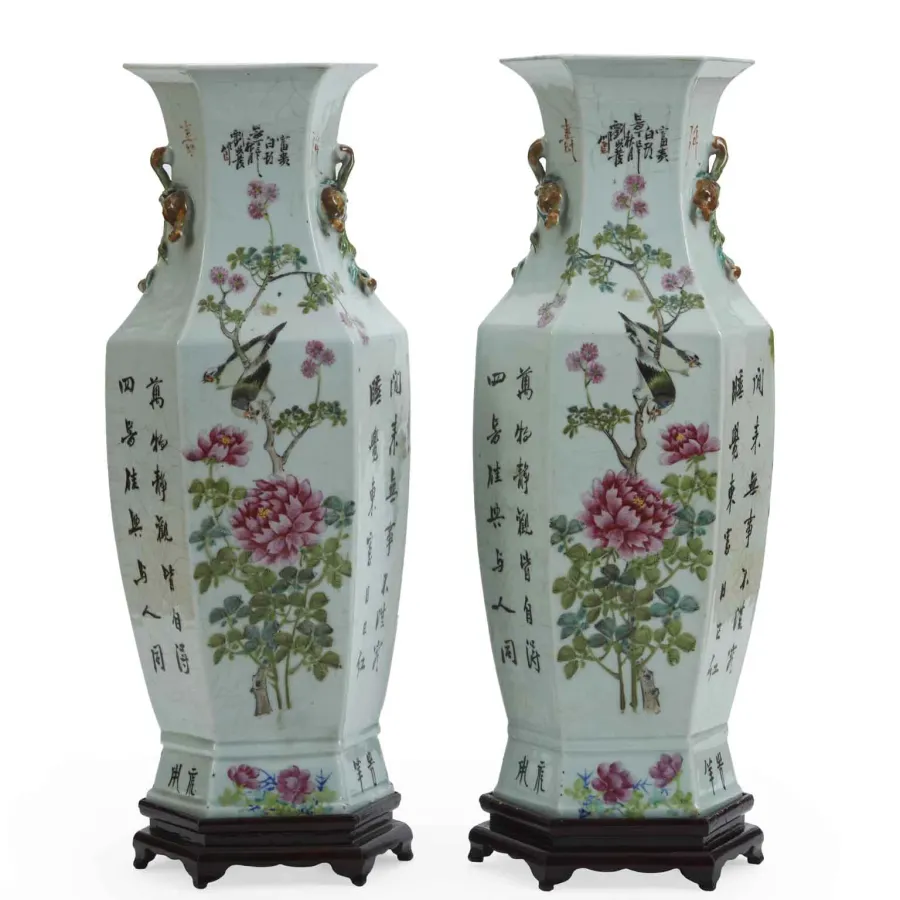
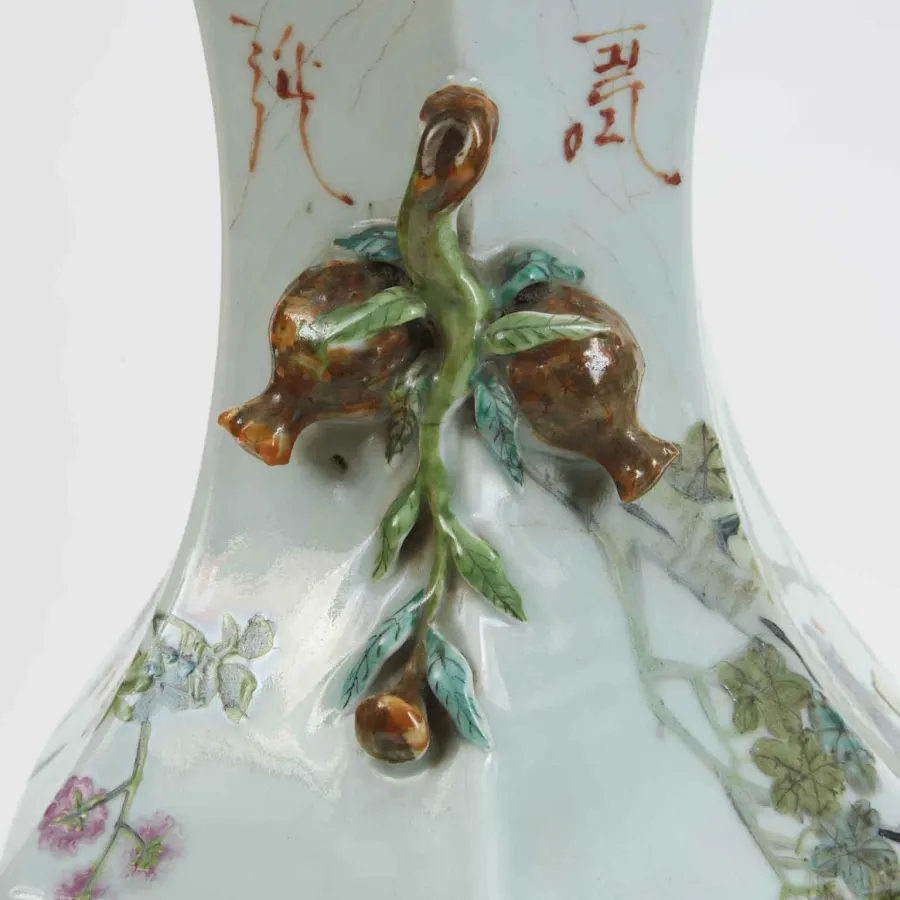
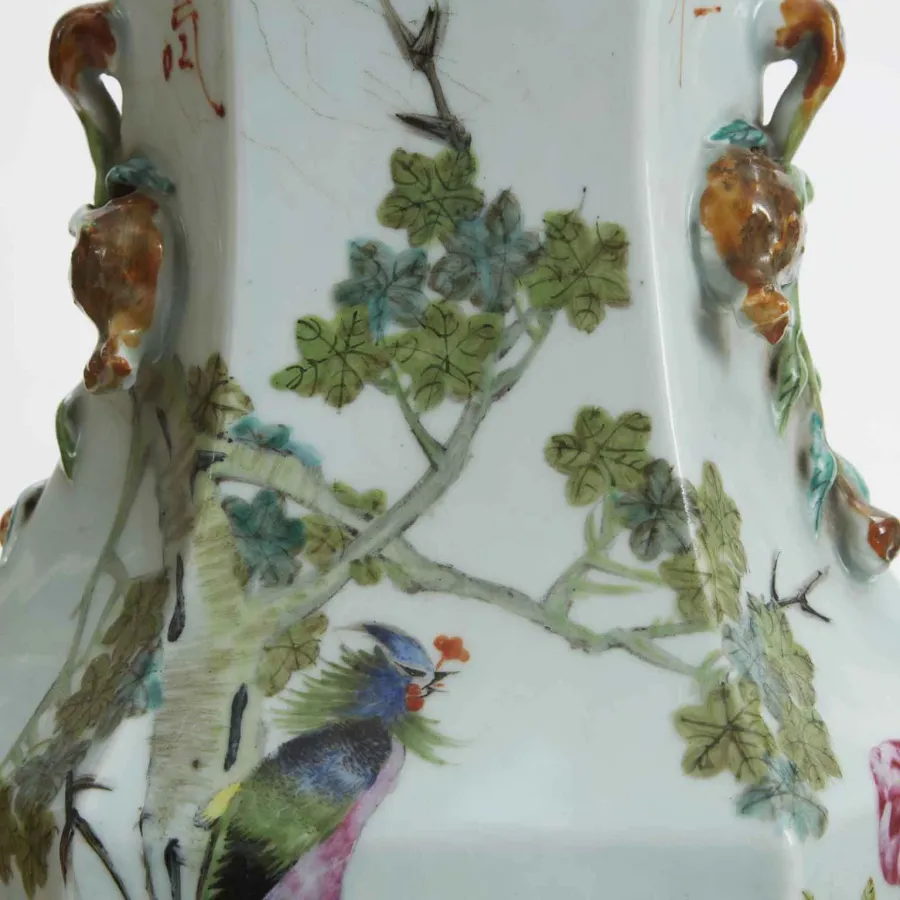
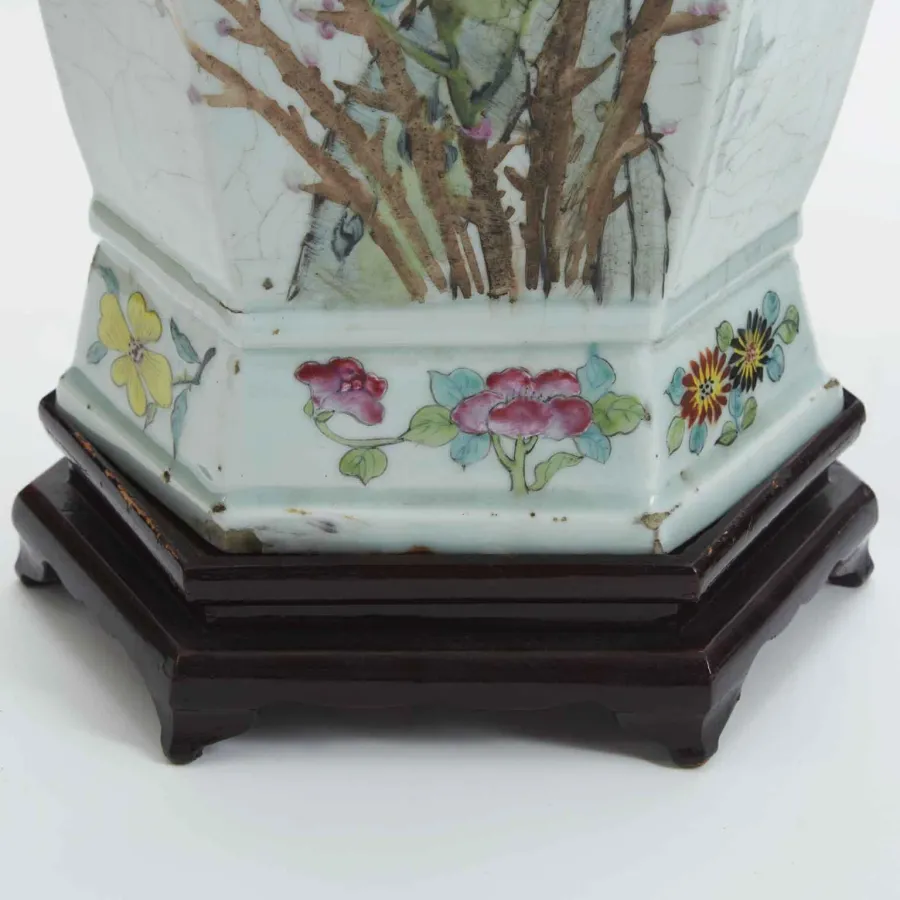
A pair of Chinese hexagonal vases, Quing Dynasty, 19th century
Luxury antiques
SKU: ANT-A1312
See other products from category Exclusive porcelain and ceramics or from manufacturer Antyki with shipping within 24 hours
Related products by category
Exceptional original design combined with the highest quality materials creates the image of Rudolf Kämpf's manufactory. It is a tribute to true porcelain, which has been admired and loved for its be
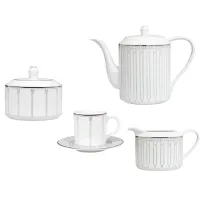
Set includes:In the coffee set, you will find 6 coffee cups, 6 saucers, sugar bowl, coffee pot,milk jug.Porcel brand offers more than just an ordinary product, as it provides an exceptionally luxuriou
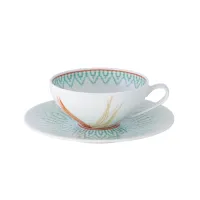
The Vista Alegre factory was the first industrial unit engaged in porcelain manufacturing in Portugal. The determination of its founder, José Ferreira Pinto Basto, contributed to the tremendous succe
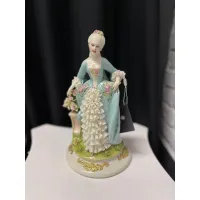
Porcelain handcrafted figures for the tableLuxury Products presents an original Italian brand, Principe, which over 200 years ago brought the world the taste and ingenuity of Italian porcelain.The Pri
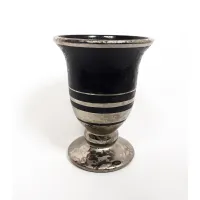
Ceramics for sophisticated interior design - Luxury Products store.An Italian manufacturer of elegant ceramic and other material products is a multi-generational and traditional family business.Since
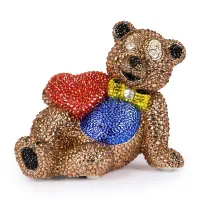
We are delighted to present to you a unique teddy bear figurine adorned with original Preciosa crystals. These are beautifully shimmering crystals used in the decoration of many products.The teddy bea
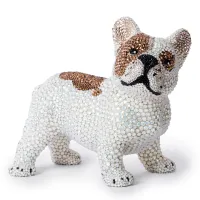
We are pleased to present to you the exceptional French Bulldog figurine, adorned with original Preciosa crystals. These are beautifully shimmering crystals used in the decoration of many products.The
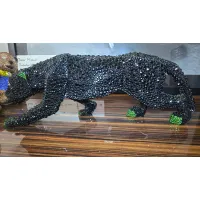
We would like to introduce to you an exceptional figurine of a black panther, adorned with original Preciosa crystals. These are incredibly beautifully shimmering crystals used in the decoration of ma
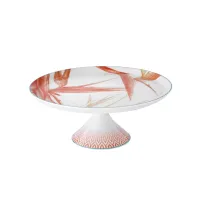
Manufactory Vista Alegre was the first industrial unit dedicated to porcelain production in Portugal. The determination of its founder, José Ferreira Pinto Basto, contributed to the brand's enormous
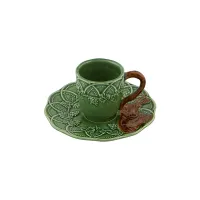
The Bordallo Pinheiro Manufactory, originally known as the Caldas Faience Factory, was established on June 30, 1884. Raphael Bordallo Pinheiro was responsible for
Description
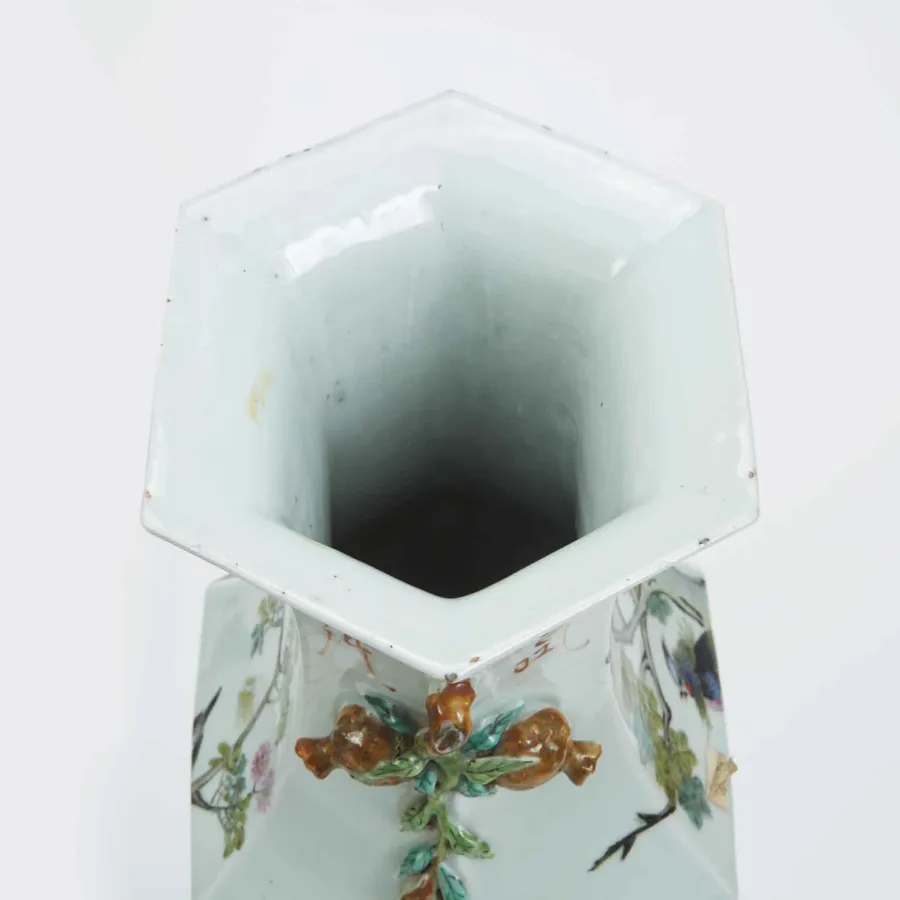
Para of six Chinese hexagonal vases, Qing dynasty, 19th century, decorated with polychrome depicting peonies and birds, with two handles made from fruits and grapes. On the sides of the Qing dynasty vases, vertically, are ideograms. These are ancient Chinese table vases, decorated on the back with the same phytomorphic and zoomorphic motifs. The vases are in good condition, have not been restored, with a small crack on the inside of the neck and minor extensive chips, consistent with their age. They are mounted on two ebony wooden bases, which have been glued to the vases. China, second half of the 19th century.
Original antique furniture and accessories can be an excellent idea for interior decoration. Today, there is a growing number of enthusiasts of high-quality vintage items that possess a distinct character and soul. It’s a nod to history, craftsmanship, and the design of traditional and timeless furniture. There are many different styles in antique furniture, each with its own distinctive features.
Many styles characterize antique furniture, but a few are particularly notable. Eclectic furniture from the 19th century includes the beloved Biedermeier style. Its early variations include neo-Gothic, Gothic, Rococo, Louis Philippe style, and finally the English Victorian style. By the end of the century, these styles evolved into pseudo-classicism, Renaissance, and Baroque styles.
Original Empire-style furniture dates from the late 18th to early 19th century. It originated during Napoleon’s reign, characterized by significant similarities and references to Roman and Greek ornamentation.
Neoclassical furniture reflects the Louis XVI style, which also draws heavily from ancient architecture. Noteworthy are antique products in Rococo and Louis XV styles. The next is Baroque, derived from the Portuguese word 'barocco'—meaning an irregularly developed pearl. These were highly decorative pieces meant to radiate splendor and play a significant role in luxury. Rarely used materials were selectively chosen to emphasize the grandeur of these items.
Today, we can observe how much the Baroque style influenced modern classic furniture, which is designed with a strong resemblance to the historical period. An important style is also Renaissance, which flourished in the 15th and 16th centuries and left a significant mark on furniture design. Renaissance furniture was quite heavy and massive, often using brown stains, cornices, sturdy bases, and reliefs. These products were quite distinctive but also introduced new possibilities, such as the construction of credenzas and broadly conceived chest furniture. Mythology and ancient times also inspired this style, with supports and legs often taking animal forms.
Lion paws, eagle heads—these are common motifs in Renaissance style. Currently, many global brands reproduce such furniture, inspired by Italian and French craftsmen. This reflects admiration and respect for the history of the most beautiful Renaissance antiques. It’s important to remember that each country perceived furniture production differently, so each style had its unique character. This is especially crucial when searching for a luxurious antique that suits your interior.
The most important aspect of stylish antique furniture is originality. Ultimately, this is vital from the customer’s perspective, as many fakes circulate on the market. Luxury Products provides documentation confirming the product’s authenticity and compliance with the description and photos. We also have appraisers, art experts, historians, and specialists from around the world at your disposal.
Attributes / Details
| SKU | ANT-A1312 |
| Manufacturer | Antyki |
| Model | A1312 |
| Material | porcelain |
| Size | Height: 64 cm Width: 24.5 cm Depth: 19 cm |
| Age | 19th century |
| Year | 1800 |
| Destiny | To living room |
See catalog
Reviews
No reviews for this product.