

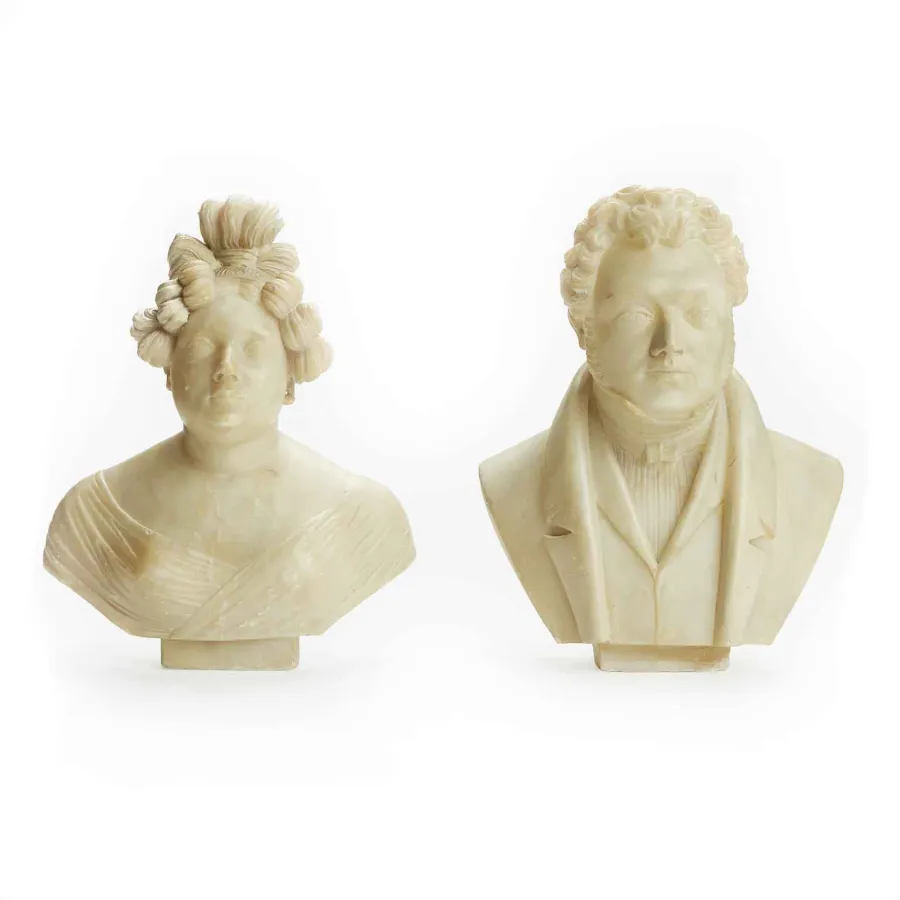
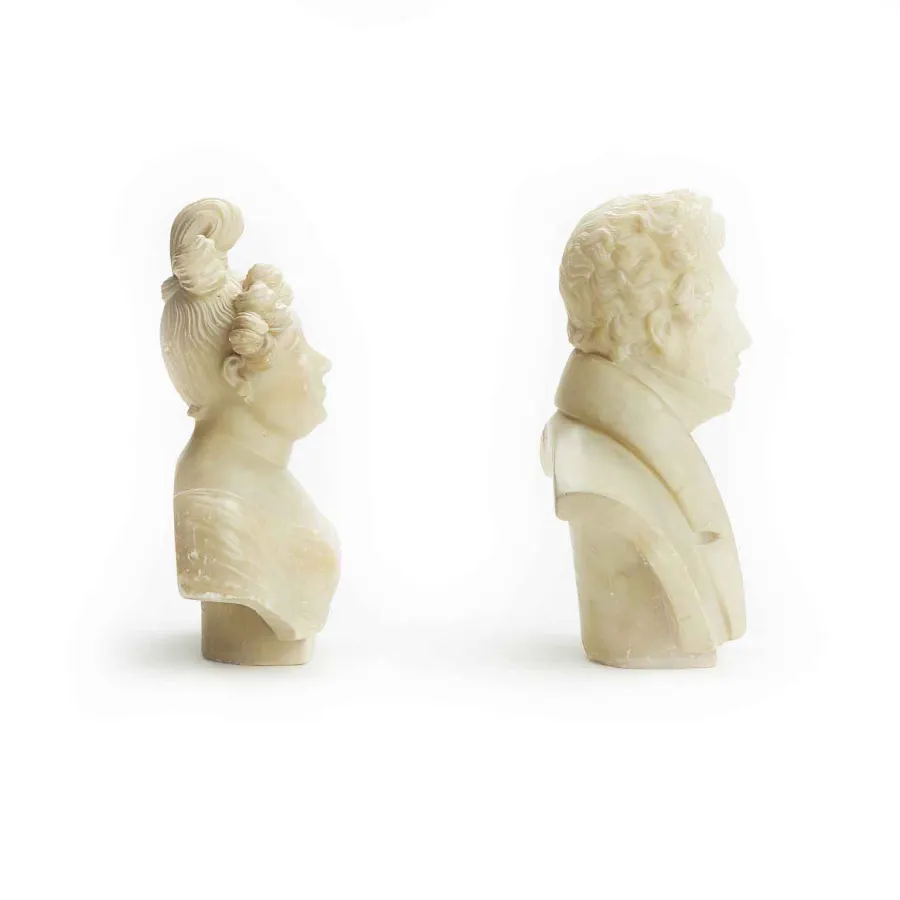
A carved pair of busts from the 19th century
Luxury antiques
SKU: ANT-A1124
See other products from category Various antiques or from manufacturer Antyki with shipping within 24 hours
Related products by category
An cast bronze knight with a shaped base made of green marble depicts a mounted figure, probably inspired by the famous painting of King Gioacchino Murat of Naples in one of his uniforms.The knight an
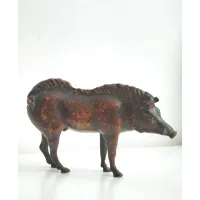
Original antique furniture and accessories can be an excellent idea for decorating our interiors. Today, there is an increasing number of enthusiasts of high-quality vintage products that possess a di
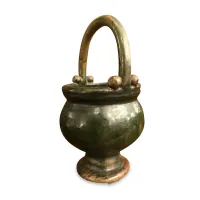
Small terracotta heater with a handle decorated with two small balls attached to a vase, in a glossy green terracotta color, in excellent condition. Monte San Savino, or at least the province of Arezz
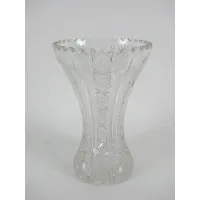
Vase made of finely ground crystal in perfect condition.Luxurious antique furniture and accessories can be an excellent idea for decorating our interiors. Today, there is an increasing number of enthu
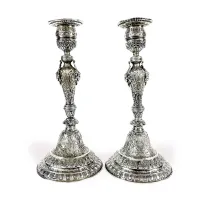
From Switzerland, a stunning pair of 20th-century round silver candelabras, finely decorated with two dazzlingly overlaid heads of Native American Indians and richly carved with floral, botanical, and
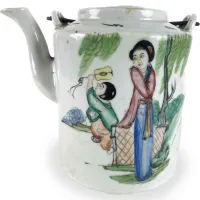
Ancient Chinese teapot with cylindrical figurines and double handle, made of white iron, decorated with the image of a woman and a child playing in the garden. On the back, there are ideograms written
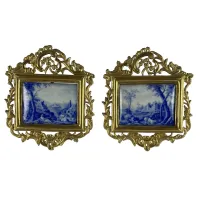
Para of enameled plaques featuring figures in gilded frames, of Nordic origin and probably French, made on an enameled metal plate and painted in miniature, depicting idyllic landscapes in shades of b
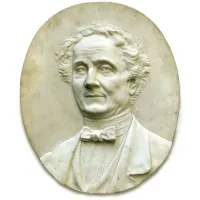
Oval bas-relief carved from Italian Carrara marble, 19th century, handcrafted marble male portrait depicting lawyer Francesco Rossignoli, President of the Court of Cassation in Casale, married to Pans
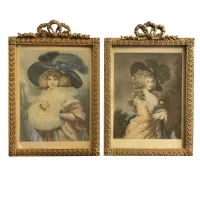
Pair of gilded frames for paintings with pastiglia from the early 20th century, decorated with stylized palmettes, interrupted at the corners by square friezes, and topped with a love knot at the top.
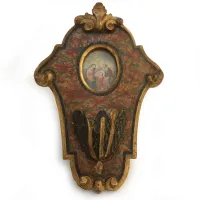
From Italy, from the central Marche region, a polychrome carved baptismal font with holy water from the mid-18th century, featuring a shaped panel with carved and gilded scrolls and leaf details of ac
Description
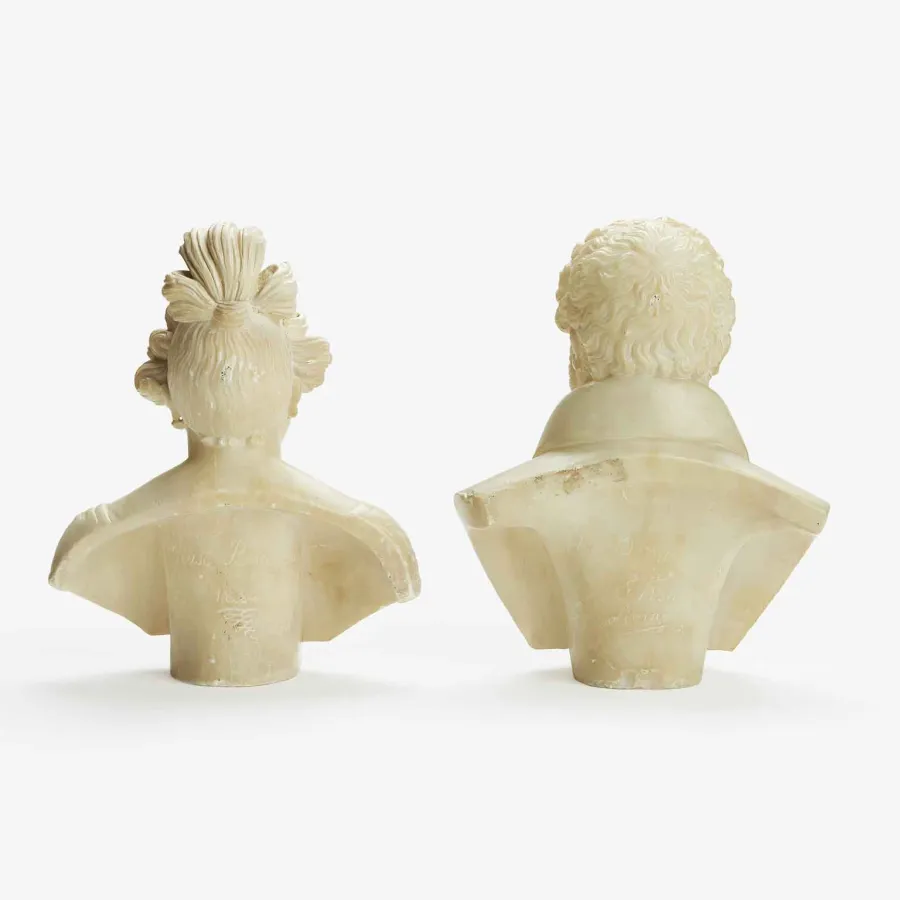
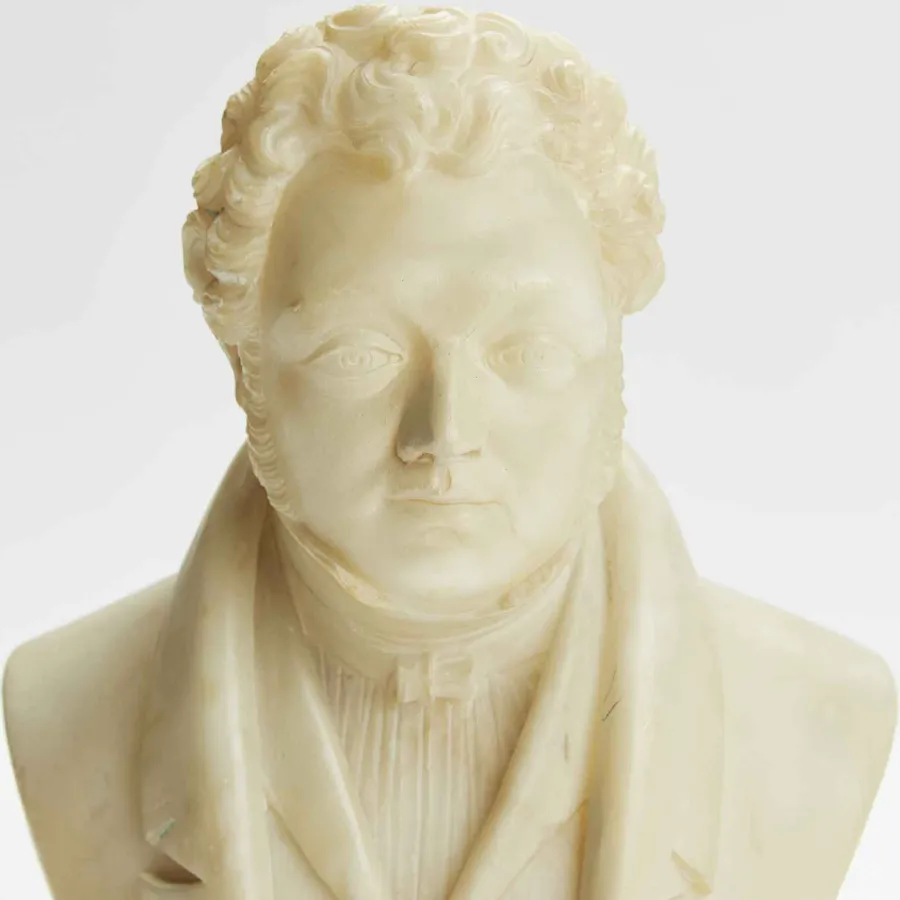
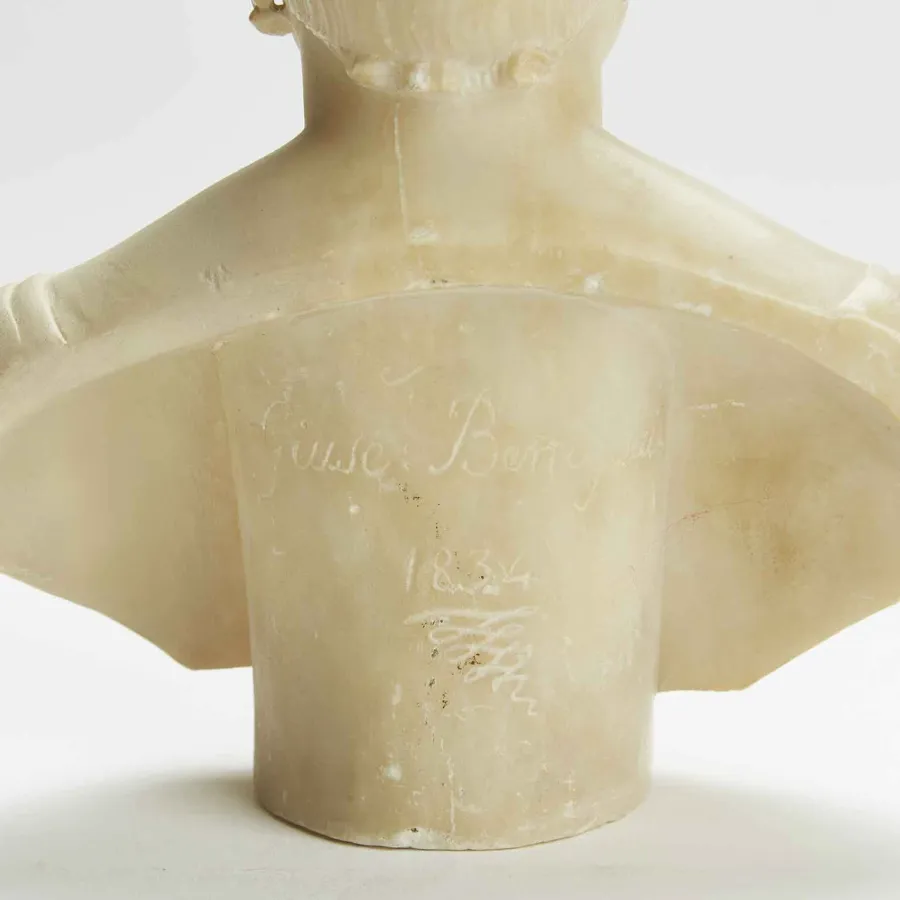
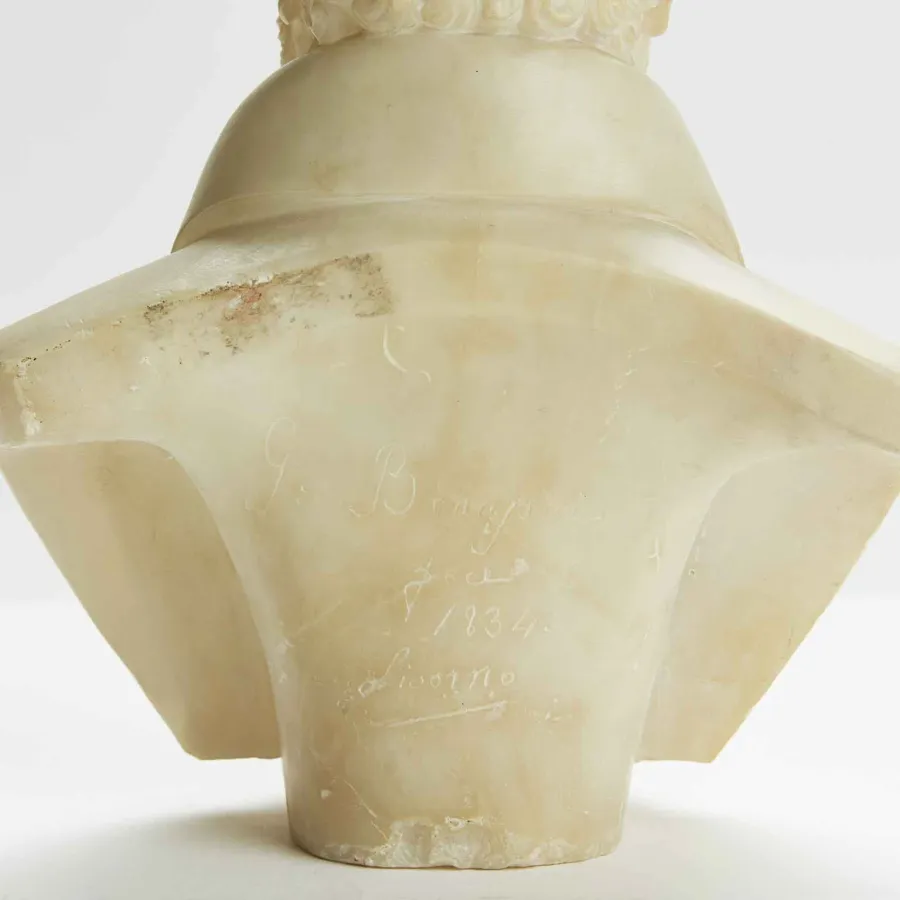
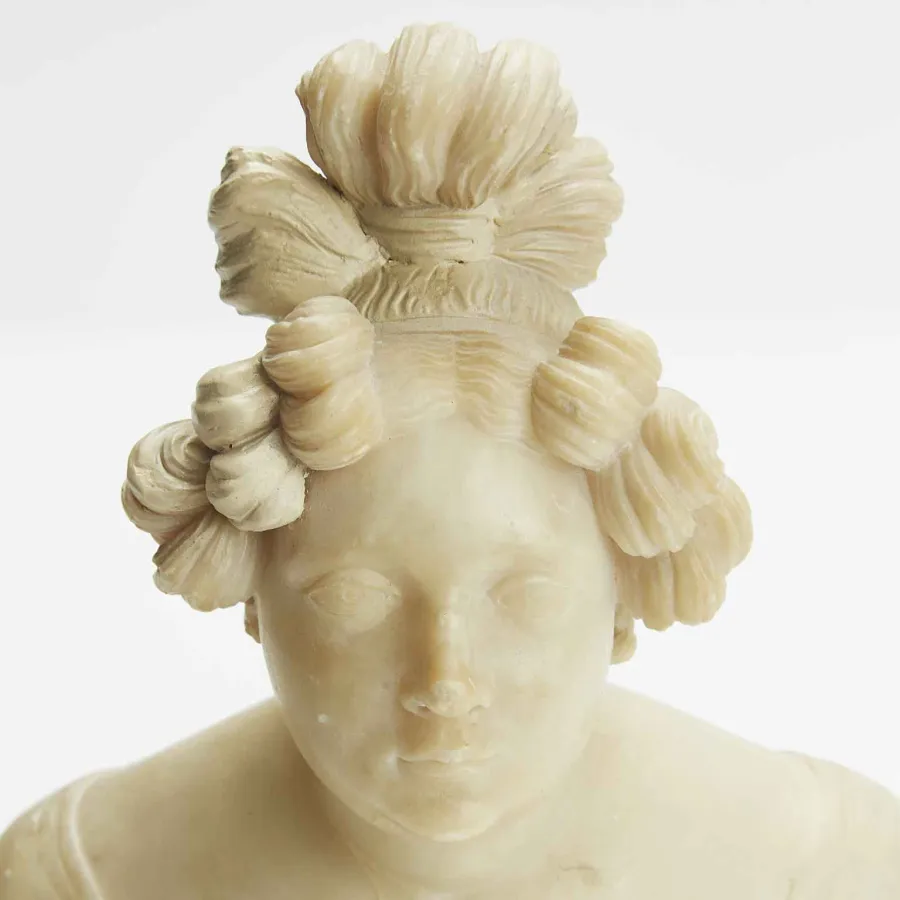
Elegant pair of Italian figural sculptures carved from alabaster from 1834, featuring Tuscan busts depicting two figures in neoclassical style: middle-aged noblemen dressed in 19th-century attire, a female figure in an evening gown with a deep neckline and intricate curled hairstyle, and a well-dressed male figure with a bow tie, of Tuscan origin, specifically from Livorno. Both figures are beautifully carved: the man with curly hair and prominent cheeks, dressed in a jacket and coat, with small details on the right nostril and lower part of the coat, as well as a missing part of the bow tie. The lady wears a dress with a generous neckline and an elaborate hairstyle; she also has a small chip near her right earring and some additions at the front right corner of the base and on some curls of her hairstyle.
Backside dated and signed, with an engraving by Giuse (G.) Benajsai, made in 1834 in Livorno.
Exceptional antique furniture and accessories can be an excellent idea for interior decoration. Today, there is an increasing number of enthusiasts for high-quality vintage items that possess a specific character and soul. It is a nod to history, craftsmanship, and the creation of {traditional|classic} and timeless furniture. There are many different styles in antique furniture, each with its distinctive features.
Many styles characterize antique furniture, but a few key ones can be distinguished. Eclectic furniture refers to the 19th century, marked by the prevailing Biedermeier style. Its early variations include neo-Gothic, Gothic, Rococo, Louis Philippe style, and finally the Victorian style. By the end of the century, these styles evolved into pseudo styles of classicism, Renaissance, and Baroque.
Original Empire-style furniture dates from the late 18th to early 19th century, originating from Napoleon’s reign. This style is characterized by significant similarities and references to Roman and Greek ornamentation.
Neoclassical furniture reflects the Louis XVI style, which also strongly references ancient architecture. Noteworthy are antique products in Rococo and Louis XV styles. The Baroque style, derived from the Portuguese word 'barocco'—meaning irregularly developed pearl—features highly decorative furniture designed to radiate splendor and play a significant role in luxury. Unique materials were selectively used to emphasize the grandeur of these pieces.
Today, we can observe how much influence the Baroque style has had on modern classic furniture, which is designed with a strong resemblance to the historical period. An important style is also Renaissance, which flourished in the 15th and 16th centuries and left a significant mark on furniture design. Renaissance furniture was quite heavy and massive, often using brown stains, cornices, sturdy bases, and reliefs. These products were quite distinctive but also introduced new possibilities, such as the construction of cupboards and broadly speaking, chest furniture. During this period, mythology and ancient times were also popular themes, with supports and legs often taking animal forms.
Lion paws, eagle heads—these are common motifs in Renaissance-style furniture. Currently, many global brands reproduce such furniture, inspired by Italian and French creators. This reflects admiration and respect for the history of the most beautiful Renaissance antiques. It is important to remember that furniture production was perceived differently in each country, so each style had its unique character. This is especially important when searching for a luxurious antique that suits your interior.
The most important aspect of stylish antique furniture is originality. Ultimately, this is crucial for buyers, as many fakes circulate on the market. Luxury Products provides a certificate confirming the product’s authenticity and compliance with the description and photos. We also have experts in art appraisal, historians, and specialists from around the world at your disposal.
Attributes / Details
| SKU | ANT-A1124 |
| Manufacturer | Antyki |
| Model | A1124 |
| Material | alabaster |
| Size | Height: 20 cm Width: 16 cm Depth: 8 cm |
| Age | 19th century |
| Year | 1800 |
| Destiny | To home |
See catalog
Reviews
No reviews for this product.