

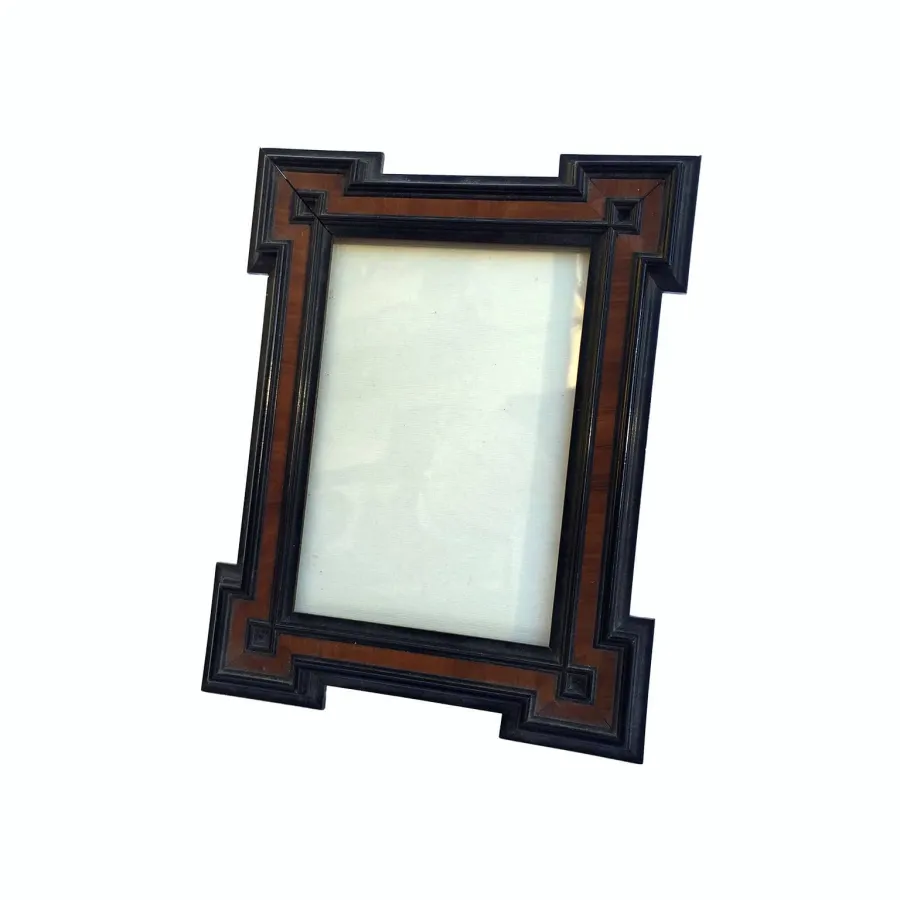
Wooden photo frame, Italy, circa 1870
Prestigious antique furniture and accessories
SKU: ANT-A114
See other products from category Exclusive photo frames or from manufacturer Antyki
Related products by category
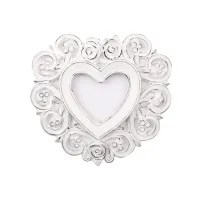
Colorful pigments, fire in the factory, earth, passion, and incredibly talented hands of ancient craftsmanship – this is how Virginia Casa manufactory was born. The Italian factory produces beautifu
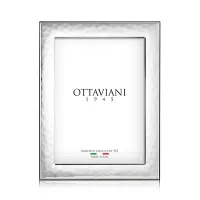
Shared values such as inspiration, mastery, and passion have allowed Ottaviani, over decades of the company's history, to become a Made in Italy hero worldwide.Today, the brand's creative activity and
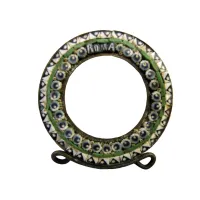
Round millefiori portrait frame with micro-mosaic decorations also called millefiori and with the inscription “Roma” at the top. This is a typical souvenir from a trip to the capital, small in siz
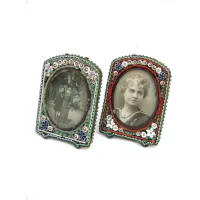
Set of photo frames in micro-mosaic. Photo frames of the same shape but with different decorations, also known as millefiori. These are mainly travel souvenirs made primarily in Rome. Both frames orig
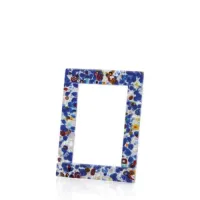
Exceptional design combined with ancient decorative arts and the highest quality Murano glass embody the essence of the Italian brand CC Zecchin. This is a tribute to multi-generational Venetian craft
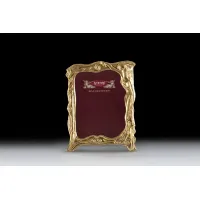
Stop copper with tin - or bronze - possesses incredible properties, including: resistance to abrasion, corrosion, steam, and water.Bronze picture frames, which we present to you, are crafted with the
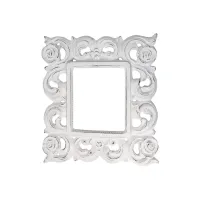
Incredible pigments, fire in the factory, earth, passion, and extraordinarily talented hands of ancient craftsmanship – this is how Virginia Casa manufactory was born. The Italian factory produces b
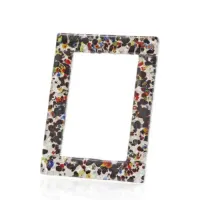
Exceptional design combined with ancient decorative arts and the highest quality Murano glass embody the essence of the Italian brand CC Zecchin. This is a tribute to multi-generational Venetian craft
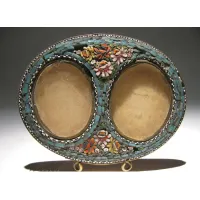
Antica Portafoto Frame, oval photo frame for two photographs, micro-mosaic with polychromed floral motifs. Originating from the early 20th century and has minimal damages. Luxurious antique furnitur
Shared values such as inspiration, mastery, and passion have allowed Ottaviani, over decades of the company's history, to become a Made in Italy hero worldwide.Today, the brand's creative activities a
Description
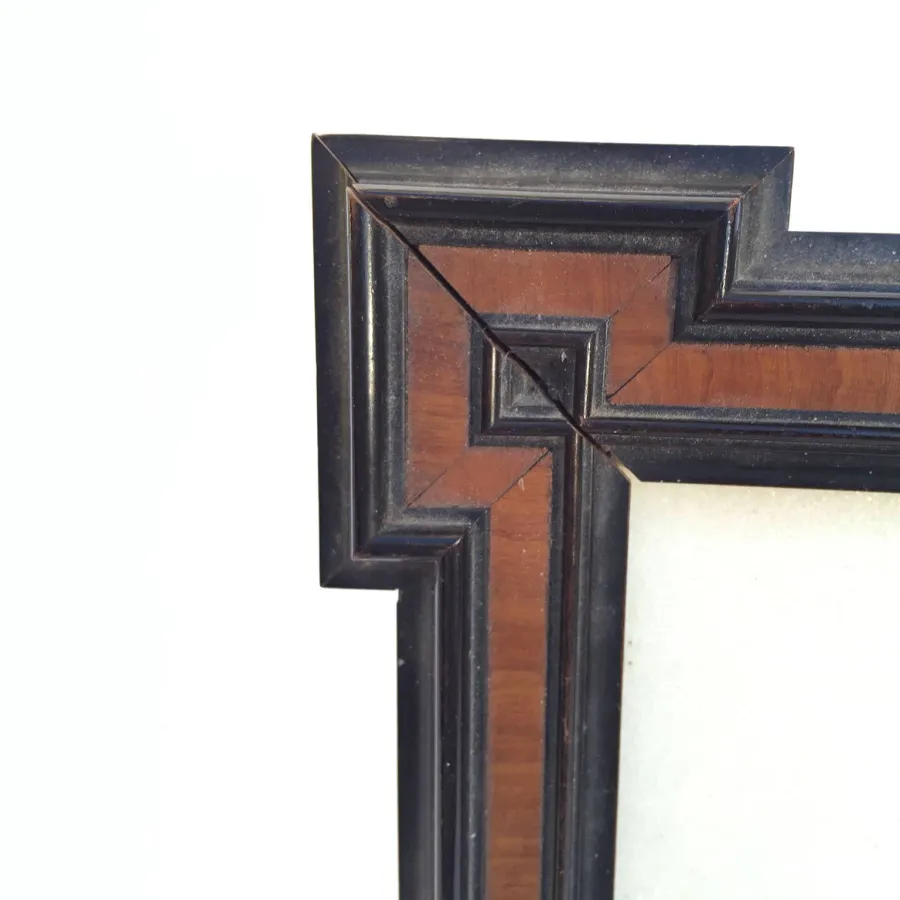
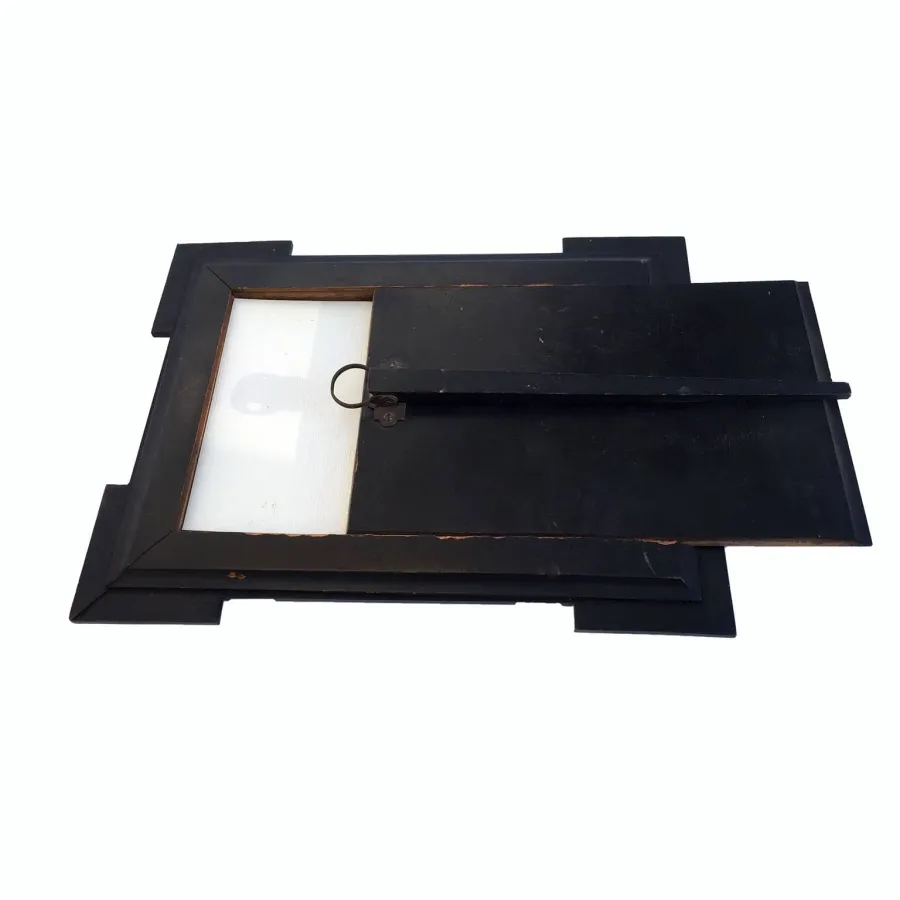
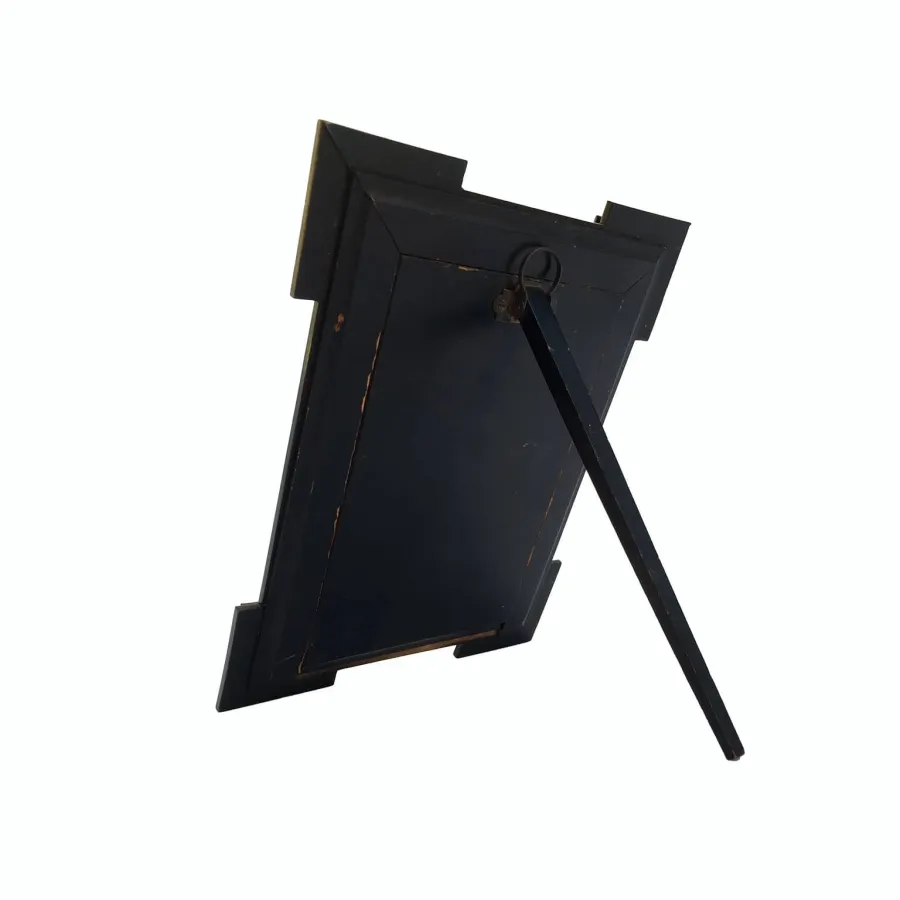
Wooden frame composed of ebonized wooden profiles that encompass walnut panels; original glass. Can be hung or supported. The support slides down thanks to a “puller” on the edges. Italy, around 1870. In good condition.
Beautiful antique furniture and accessories can be an excellent idea for decorating our interiors. Today, there is an increasing number of enthusiasts of high-quality vintage items that possess a distinct character and soul. This is a nod to history, craftsmanship, and the design of classic and timeless furniture. There are many different styles in antique furniture, each with its own distinctive features.
Many styles characterize antique furniture, but a few key ones stand out. Eclectic furniture refers to the 19th century, during which the Biedermeier style was dominant. Its early 20th-century variants include neo-Gothic, Gothic, Rococo, Louis-Philippe style, and finally the English Victorian style. By the end of the century, these styles evolved into pseudo-classicism, Renaissance, and Baroque styles.
Empire-style furniture dates from the late 18th to early 19th century. It originated during Napoleon’s reign, characterized by strong influences from Roman and Greek decorative motifs.
Neoclassical furniture reflects the Louis XVI style, which also draws heavily from ancient architecture. Noteworthy are antique products in Rococo and Louis XV styles. Next is Baroque, a term derived from the Portuguese “barocco,” meaning an irregularly developed pearl. These were highly ornate pieces designed to radiate splendor and play a significant role in luxury. Materials were selectively chosen to emphasize the grandeur of these items.
Today, we can observe how much the Baroque style influenced modern classic furniture, which is often designed with a strong resemblance to the historical period. The Renaissance style also had a significant impact, flourishing in the 15th and 16th centuries and leaving a lasting mark on furniture design. Renaissance furniture was quite heavy and robust, using brown stains, moldings, sturdy bases, and bas-reliefs. These products were quite distinctive but also opened new possibilities, such as the construction of credenzas and broadly defined chest furniture. Mythology and ancient themes were also popular, with supports and legs often taking animal forms.
Lion paws, eagle heads—these are common features in Renaissance-style furniture. Currently, many global brands reproduce such furniture inspired by Italian and French creators, reflecting admiration and respect for the history of the most beautiful Renaissance antiques. It’s important to remember that furniture production was perceived differently in each country, giving each style a unique character. This is especially important when searching for a luxurious antique that suits your interior.
The most important aspect of stylish antique furniture is originality. This is ultimately crucial for buyers, as many forgeries circulate on the market. Luxury Products provides documentation confirming the product’s authenticity and compliance with the description and photos. We have experts including art appraisers, historians, and specialists from around the world at your disposal.
Attributes / Details
| SKU | ANT-A114 |
| Manufacturer | Antyki |
| Model | A114 |
| Material | wood |
| Size | Height: 15.5 cm Width: 12.5 cm |
| Age | 19th century |
| Year | 1870 |
| Destiny | To living room |
See catalog
Reviews
No reviews for this product.