

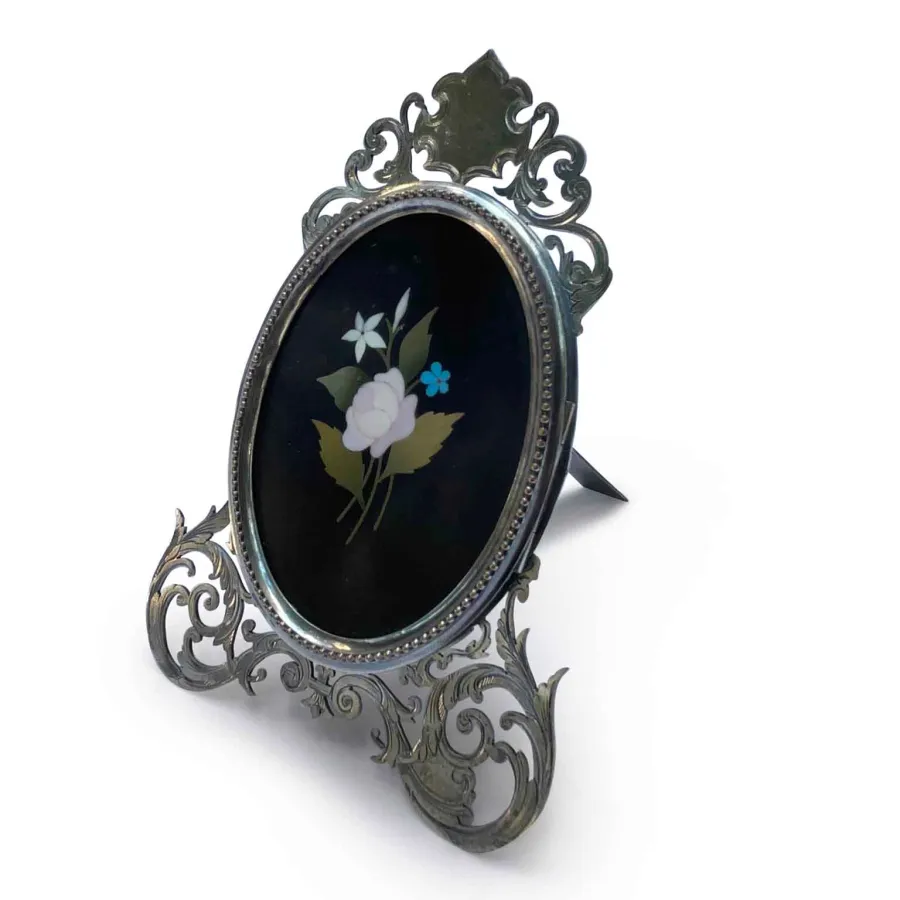
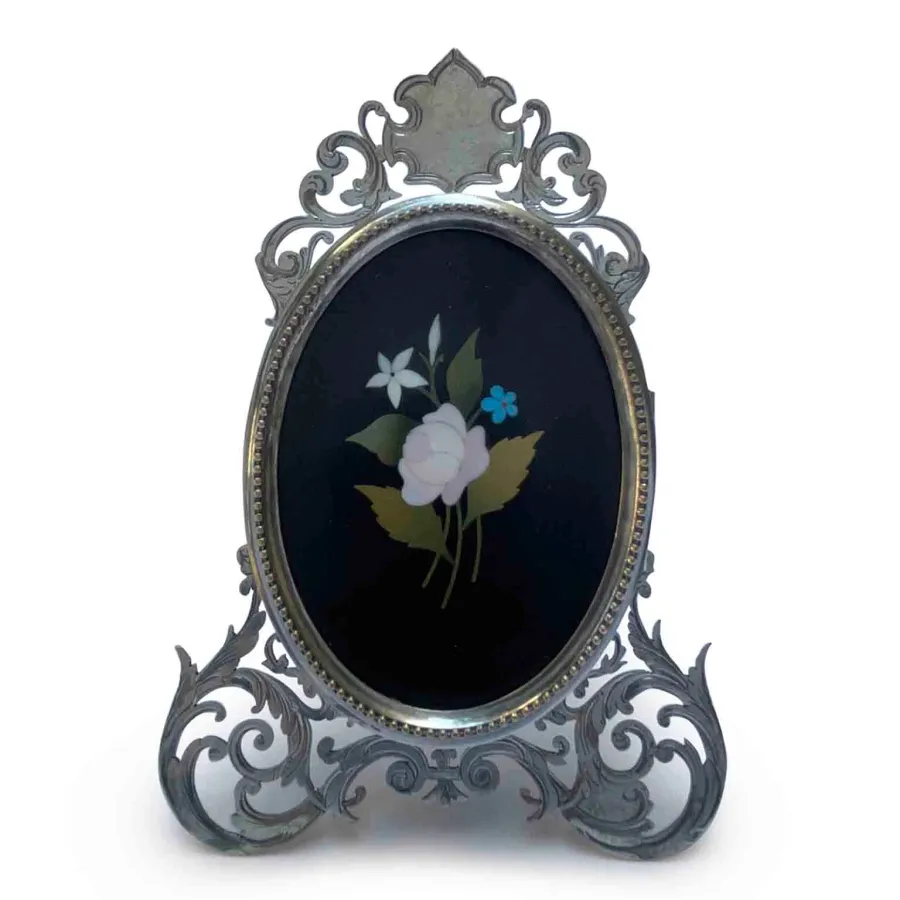
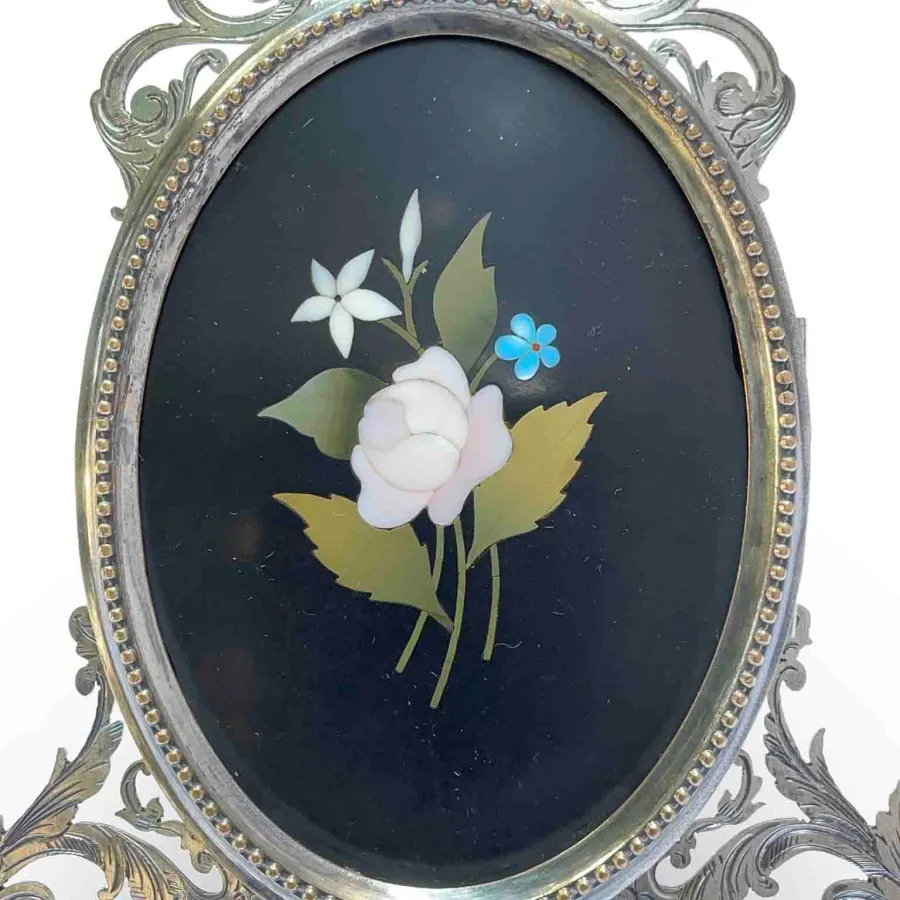
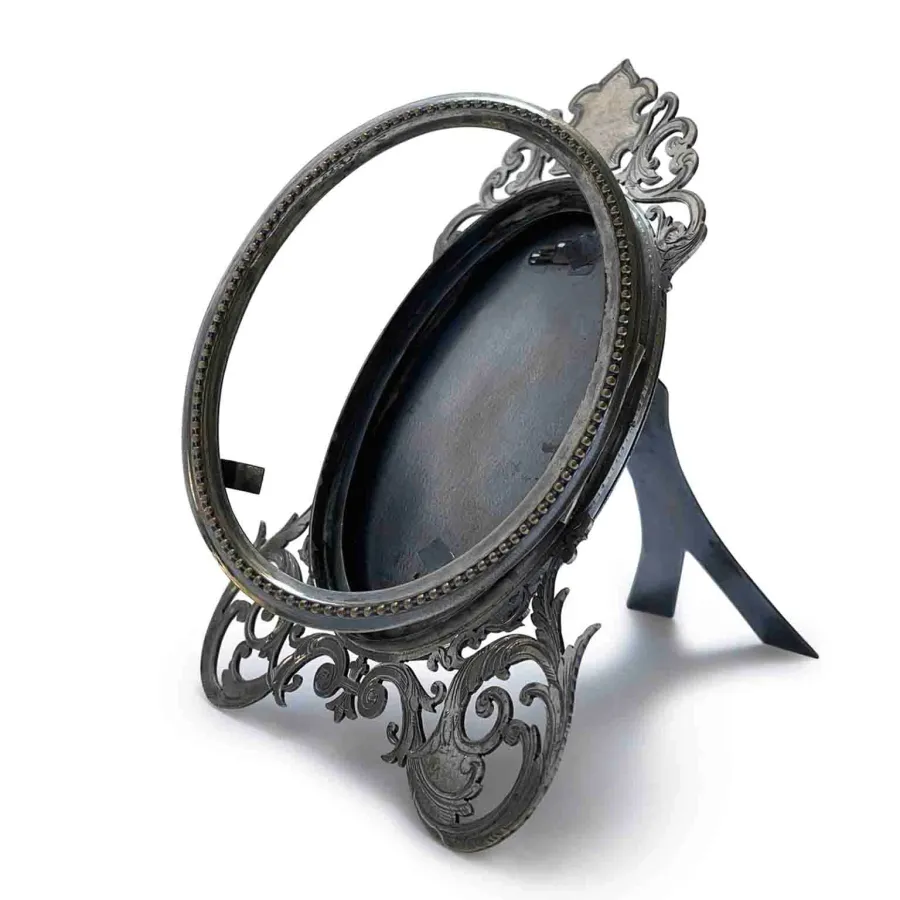
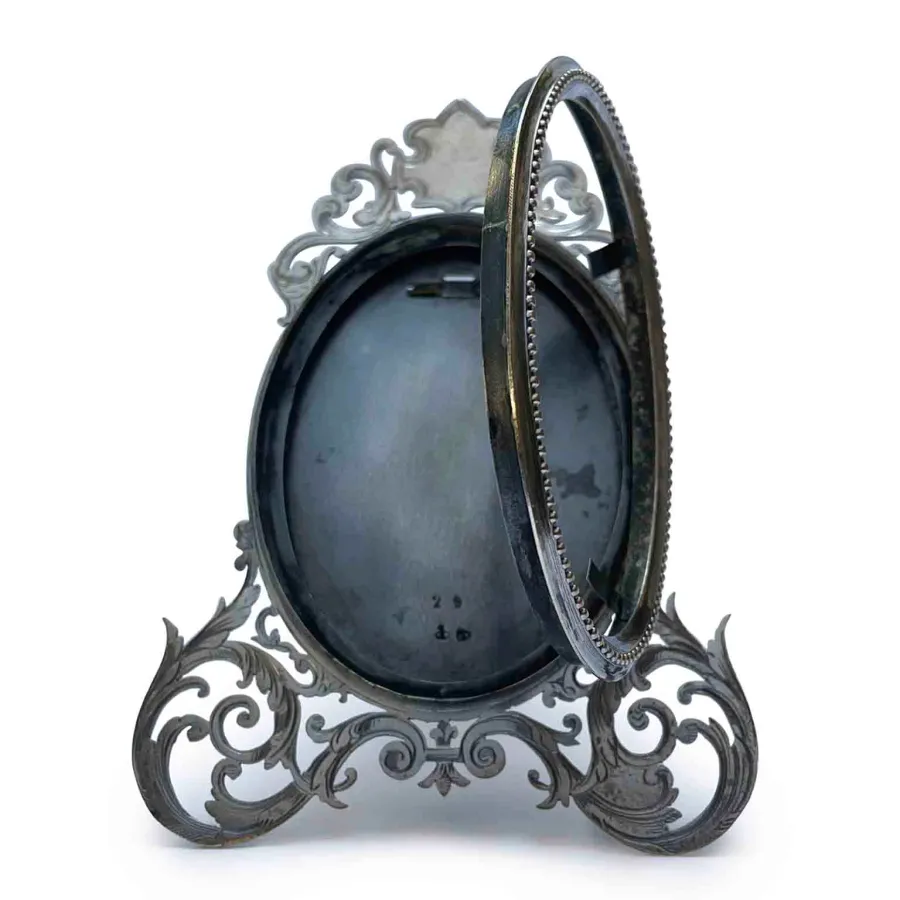
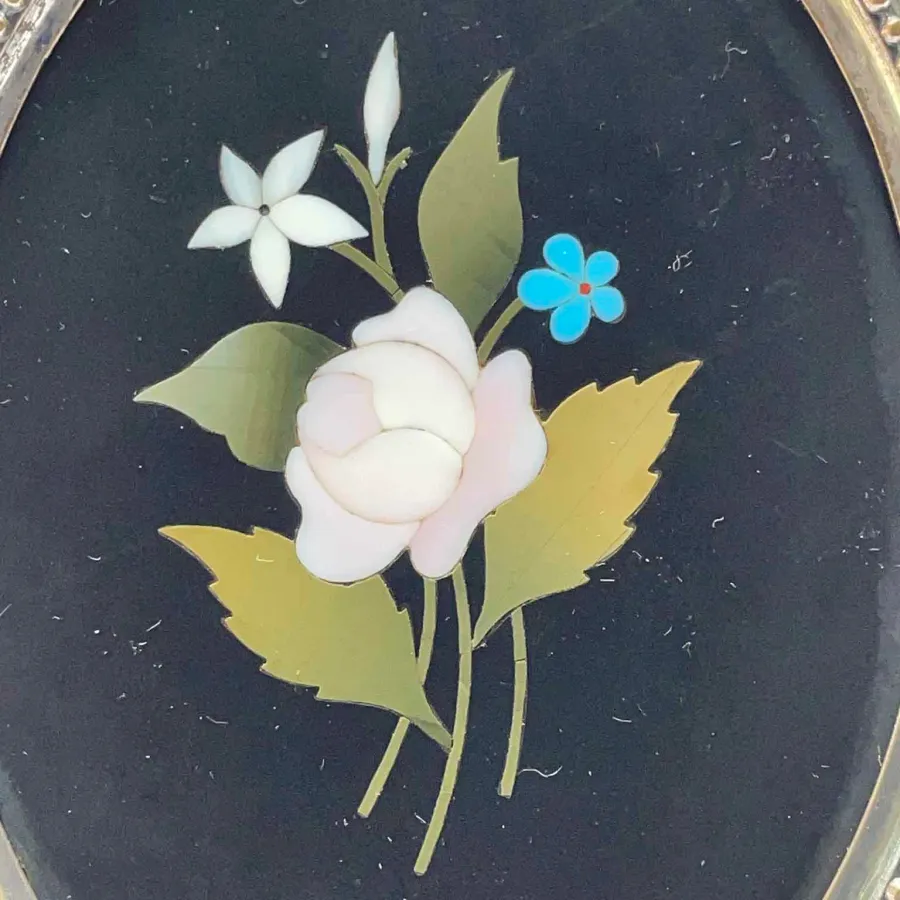
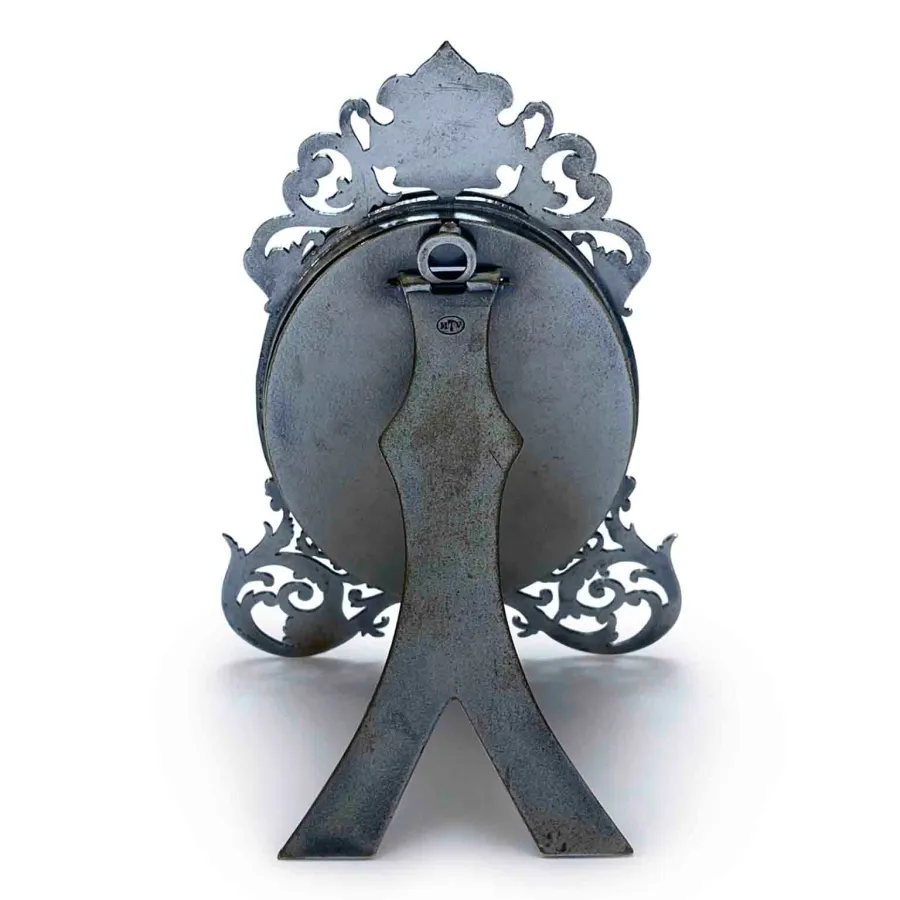
Table frame with a flower arrangement, early 1900s.
Luxury antiques
SKU: ANT-A900
See other products from category Living room decorations or from manufacturer Antyki with shipping within 24 hours
Related products by category
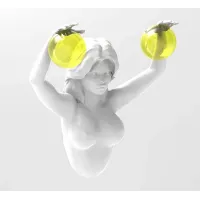
All Luxfera brand projects are a perfect blend of technology and art. The manufacturer uses innovative technological solutions, recycled materials, and the highest quality plastics.It is top-quality h
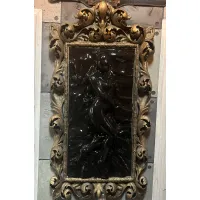
All Luxfera brand projects are the perfect combination of technology and art. The manufacturer uses innovative technological solutions, recycled materials, and the highest quality plastics.This is top
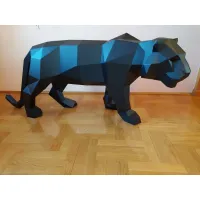
We would like to present to you a handcrafted sculpture of a Doberman dog. The primary material used for production is 1.5mm steel sheet. All joints are perfectly finished during grinding (TIG welding
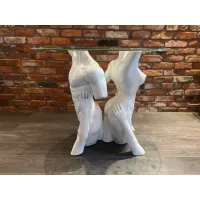
Exceptional fantasies, extraordinary interiors, unique people – all of these go hand in hand. And it is precisely for them that Luxfera Sensual handcrafted carved furniture is created.Woman and man.
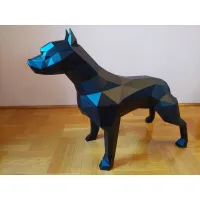
We are pleased to present a handcrafted sculpture of a Doberman dog. The primary material used for production is 1.5mm steel sheet. All joints are perfectly finished during grinding (TIG welding). Fin
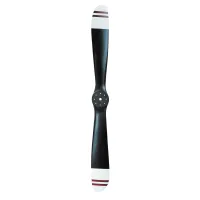
Authentic models' genuine classics combined with the highest quality materials create interiors with a brand story. It’s an incredible tale of beautiful objects that fascinate lovers of good design
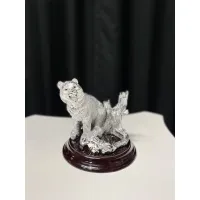
The Italian company Chinelli, with its famous "puppy" logo, offers a wide selection of gifts for loved ones, weddings, and businesses. Many of these products are elegant home accessories—useful, bea
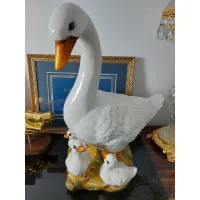
Creativity and poetry – this is a brief way to describe the Ceramiche Boxer brand, which has been producing original animal figures since 1985.Through the clever use of water, fire, and earth, the c
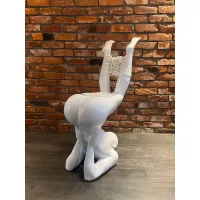
All Luxfera brand projects are the perfect combination of technology and art. The manufacturer uses innovative technological solutions, recycled materials, and the highest quality plastics.This is top
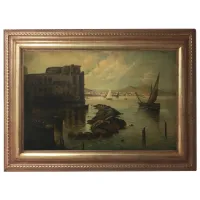
Painter E. Ferrante, inspired by the famous Posillipo School, depicts a small port and a beautiful seaside scenery of one of the most captivating corners of the Posillipo Bay. On the calm waters of th
Description
Table frame with a floral composition from the early 20th century, oval in shape, with a beaded profile and hinges on the right side, allowing it to be opened. The frame has two legs and a richly decorated top with intricately engraved scrolls along the edges. The frame is made of thick, silvered brass sheet metal, with a hallmark featuring the initials MV in an oval field with a hammer drawing in the center. The intarsia is crafted on a slate or tablet surface, with an inlay depicting a rose and several wildflowers. Noteworthy are the green leaves, for which stones with natural shades of chiaroscuro were chosen, giving the composition beautiful depth.
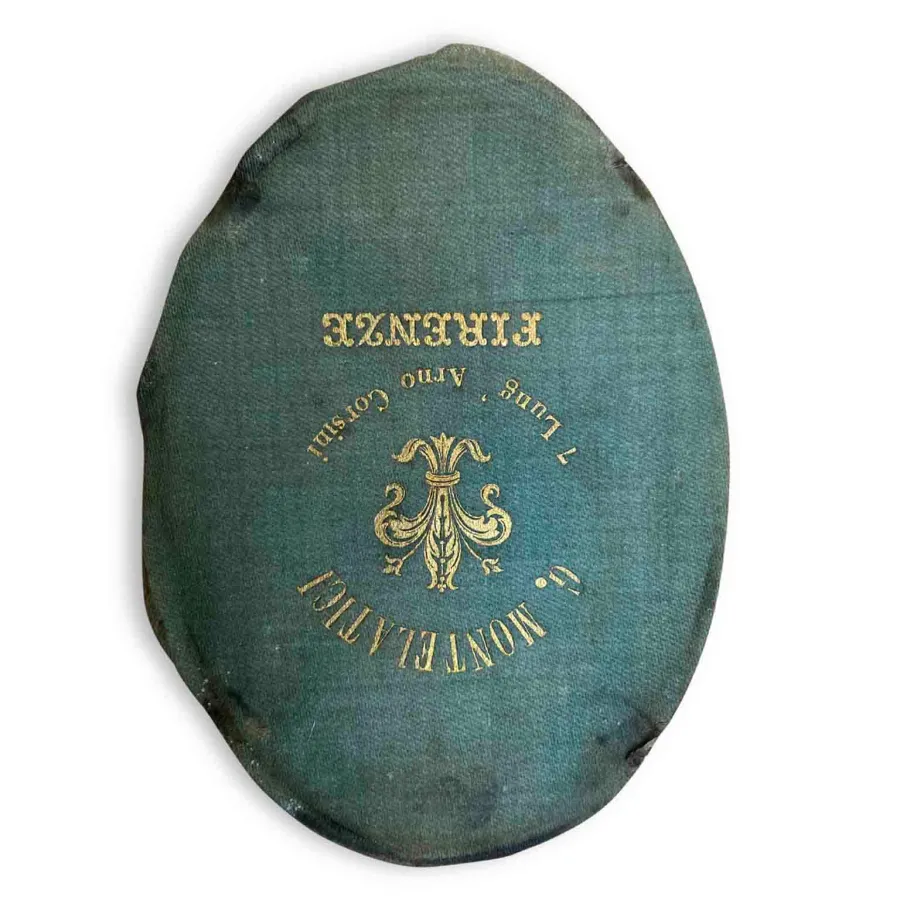
Inside the oval doors, there is a green lining with a gold-printed inscription: G. Montelatici 7 Lung’Arno Corsini Firenze and a Florentine lily in the center. Giovanni Montelatici (Settignano 1864 – Florence 1930) was one of the greatest masters of Florentine mosaic at the beginning of the century.
Original antique furniture and accessories can be an excellent idea for decorating our interiors. Today, there is a growing number of enthusiasts for high-quality vintage items that possess a specific character and soul. It is a nod to history, craftsmanship, and the creation of traditional and timeless furniture. There are many different styles in antique furniture, each with its distinctive features.
Many styles characterize antique furniture, but a few are particularly prominent. Eclectic furniture refers to the 19th century, dominated by the Biedermeier style. Its early variations include neo-Gothic, Gothic, Rococo, Louis Philippe style, and finally the English Victorian style. By the end of the century, these styles evolved into pseudo-classicism, Renaissance, and Baroque styles.
Original Empire-style furniture dates from the late 18th to early 19th century, originating from the reign of Napoleon. It features significant similarities and references to Roman and Greek ornamentation.
Neoclassical furniture, associated with Louis XVI, also strongly references ancient architecture. Notable and interesting are antique products in Rococo style and Louis XV. The next style is Baroque, derived from the Portuguese word 'barocco'—meaning an irregularly developed pearl. These were highly decorative pieces designed to radiate splendor and play a significant role in luxury. Selectively used materials were employed to emphasize the grandeur of these items.
Today, we can observe how much influence the Baroque style has had on modern classical furniture, which is designed with a strong resemblance to the historical period. An important style is also Renaissance, which flourished in the 15th and 16th centuries and left a significant mark on furniture-making. Renaissance furniture was quite heavy and massive, often using brown stains, with cornices, sturdy bases, and reliefs. These products were quite distinctive but also opened new possibilities, such as the construction of credenzas and broadly speaking, chest-type furniture. During this period, mythology and antiquity were also of interest, so supports and legs often took animal forms.
Lion paws, eagle heads—these are common motifs in Renaissance style. Currently, many global brands reproduce such furniture, drawing inspiration from Italian and French creators. This reflects admiration and respect for the history of the most beautiful Renaissance antiques. It is important to remember that furniture production was perceived differently in each country, so each style had its unique character. This is especially important when searching for a luxurious antique that suits your interior.
The most important aspect of stylish antique furniture is originality. And this is ultimately crucial from the customer’s perspective, as many counterfeits circulate on the market. Luxury Products provides documentation confirming the product’s compliance with its description and photos. We also have appraisers, art experts, historians, and specialists from around the world at your disposal.
Attributes / Details
| SKU | ANT-A900 |
| Manufacturer | Antyki |
| Model | A900 |
| Material | brass sheet, slate plate |
| Size | Height: 15 cm Width: 10.2 cm Depth: 1.6 cm |
| Age | XX |
| Year | 1900 |
| Destiny | To living room |
See catalog
Reviews
No reviews for this product.