

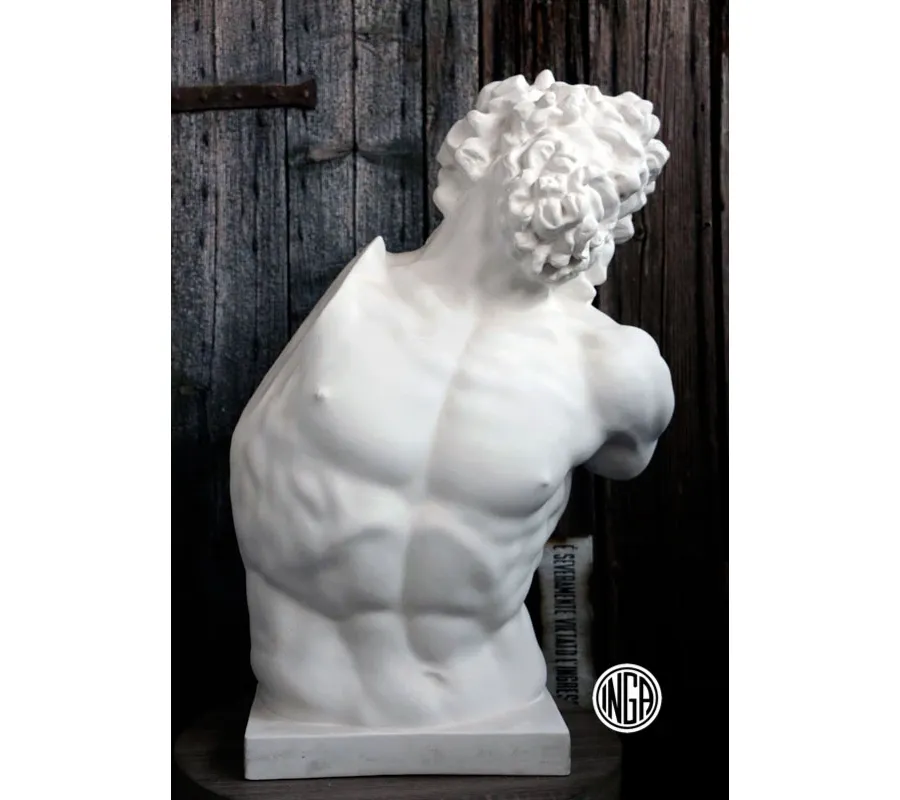
Stylish Torso Lacoonte sculpture
Unique plaster decorations
SKU: INGA-1183
See other products from category Statuettes and figures on the desk or from manufacturer Inga
Related products by category
We present to you a prestigious brand in the art of sculpture! The Spanish company Anglada, operating for over 25 years, specializes in handcrafted production of unique and luxurious sculptures an

Unique trophy with a modern design. Exceptional to honor the achievements of a talented cyclist.Astra Argenti, after extensive engineering design research, creates extraordinary models that meet the
to269.00

Luxury ceramic products.The Italian brand Sonda Ceramica was founded in 1974 by Domenico Sonda. Since then, it has gained widespread popularity worldwide by creating exclusive and extraordinary cerami
Eric Stepniewski's incredible bronze journey began in 1973 in his family’s hometown of Paris, where he started working as an antique dealer. After many years managing his gallery, he took over the r

The new brand we are introducing to the Polish market is Mukul Goyal. German quality of materials and craftsmanship, combined with beautiful architectural lines, style, and bold ideas.Extremely durab
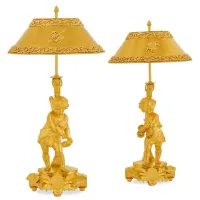
Eric Stepniewski's fantastic journey with bronze began in 1973 in his family’s hometown of Paris, where he started working as an antique dealer. After many years managing his Gallery, he took over t
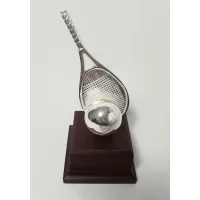
Luxury Products online store is pleased to present the Italian brand Astra Argenti, which has been on the market since 1980. Its unique production initially focused mainly on sports awards, but over t
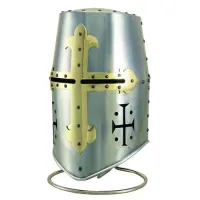
Gladius – manufacturer of battlefield artifacts with a historical heritageGladius manufactory is a Spanish producer that has been specializing in designing and creating prestigious battlefield items
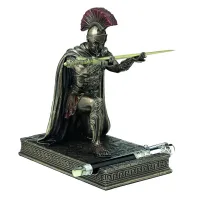
Fantastic gifts for every occasion - Luxury Products shopAncient times, the Middle Ages, the 19th century, or other important eras are all reflected in these incredibly interesting and original figuri
Description
Manufactory INGA is an abbreviation of “Industria Nazionale Gessi e Affini” and was founded in the early 1950s by the Sgambaro family.
It was one of four Italian companies producing chalk for school blackboards, an essential aid in education and entertainment for thousands of children and teenagers at the time. Besides chalk for blackboards, INGA produced “affini,” which are other chalk products such as stuccoes, packaged and sold in powder or paste form. In the 1960s and 1970s, INGA also added decorative interior elements to its chalk production. This way, INGA became one of the main manufacturers of elegant decorative stuccoes, such as rosettes, frames, and wall and ceiling cornices. These were very fashionable at the time, ordered and installed in all homes as decorative elements.
Over the years, INGA gradually moved away from mass production to focus solely on creating artistic objects that reflect a passion for beauty, culture, and elegance. INGA transformed into a true art laboratory, where unique, refined, and personalized plaster pieces are created for clients worldwide.
Attributes / Details
| SKU | INGA-1183 |
| Manufacturer | Inga |
| Material | gypsum |
| Style of interior design | Classic style |
| Destiny | To home |
| Size | 53 X 82H cm |
| Guarantee | 24 months |
| Additional information | Roman art. The original work is made of marble and depicts an episode described in the Aeneid. The creators are Agesandro, Polidoro and Athenodorus, sculptors of Rhodes who created it between the 1st century BC. and 1st century AD. This face represents the suffering and effort of Laocoön, the priest of Apollo, as he writhes trying to free himself and his children from the snakes, Poseidon's punishment for trying to stop the famous horse from entering the forest of Troy. Michelangelo was so impressed with this sculpture that he called it a "miracle of art." The original of the work is in the Vatican Museums in Rome. |
See catalog
Reviews
No reviews for this product.