

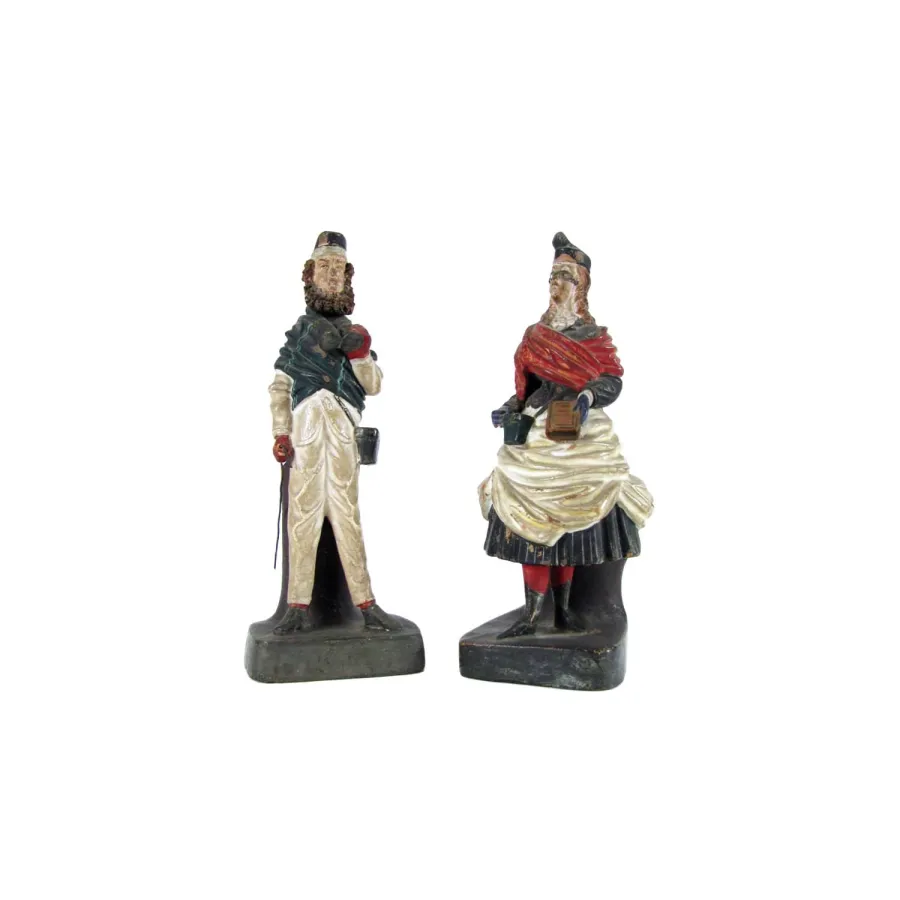
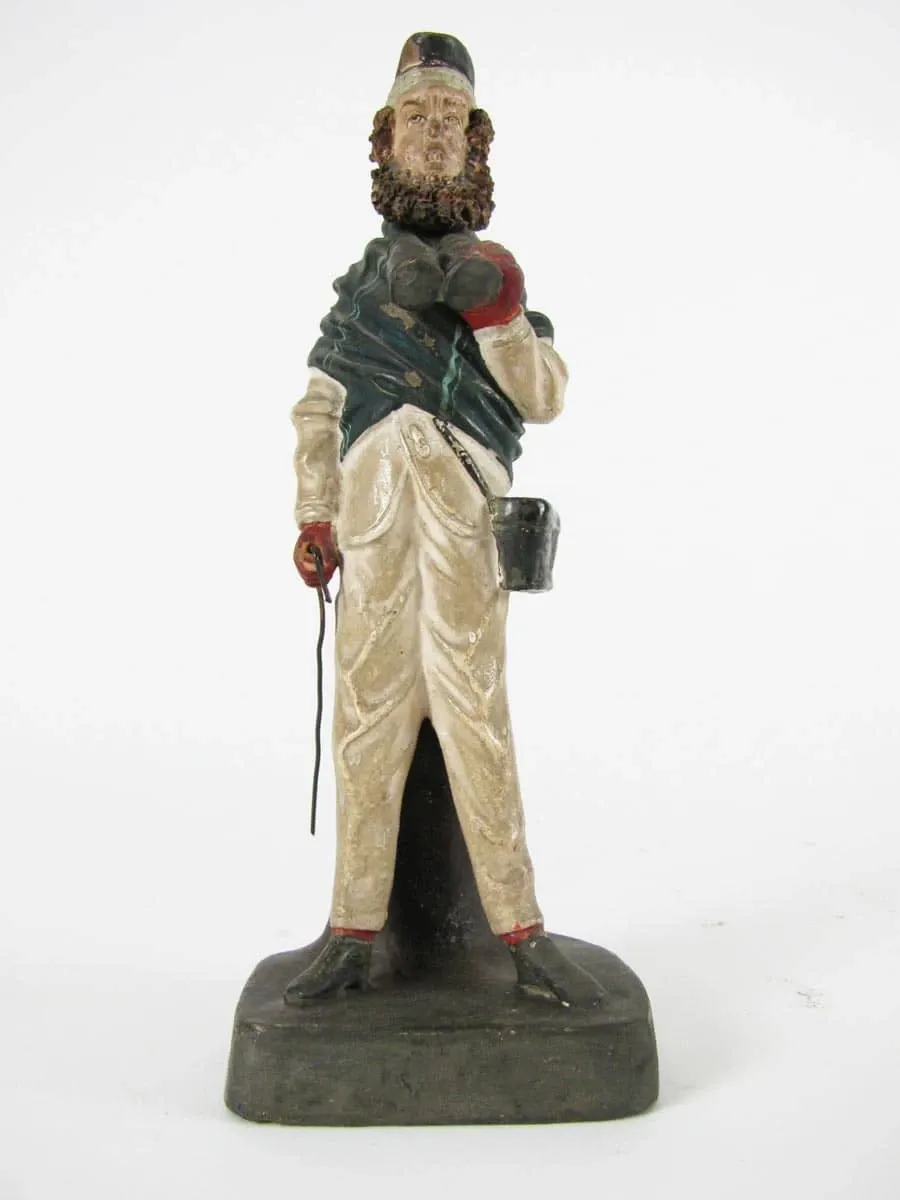
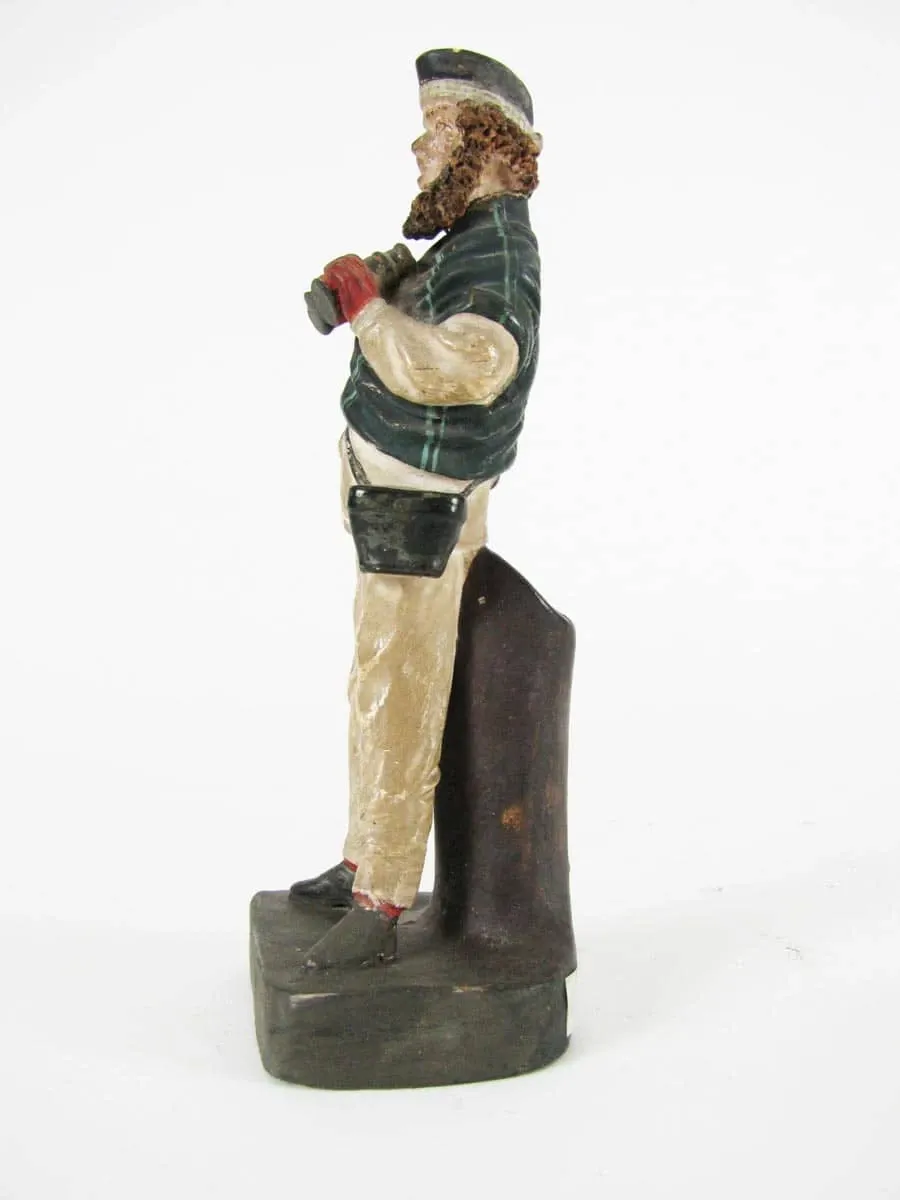
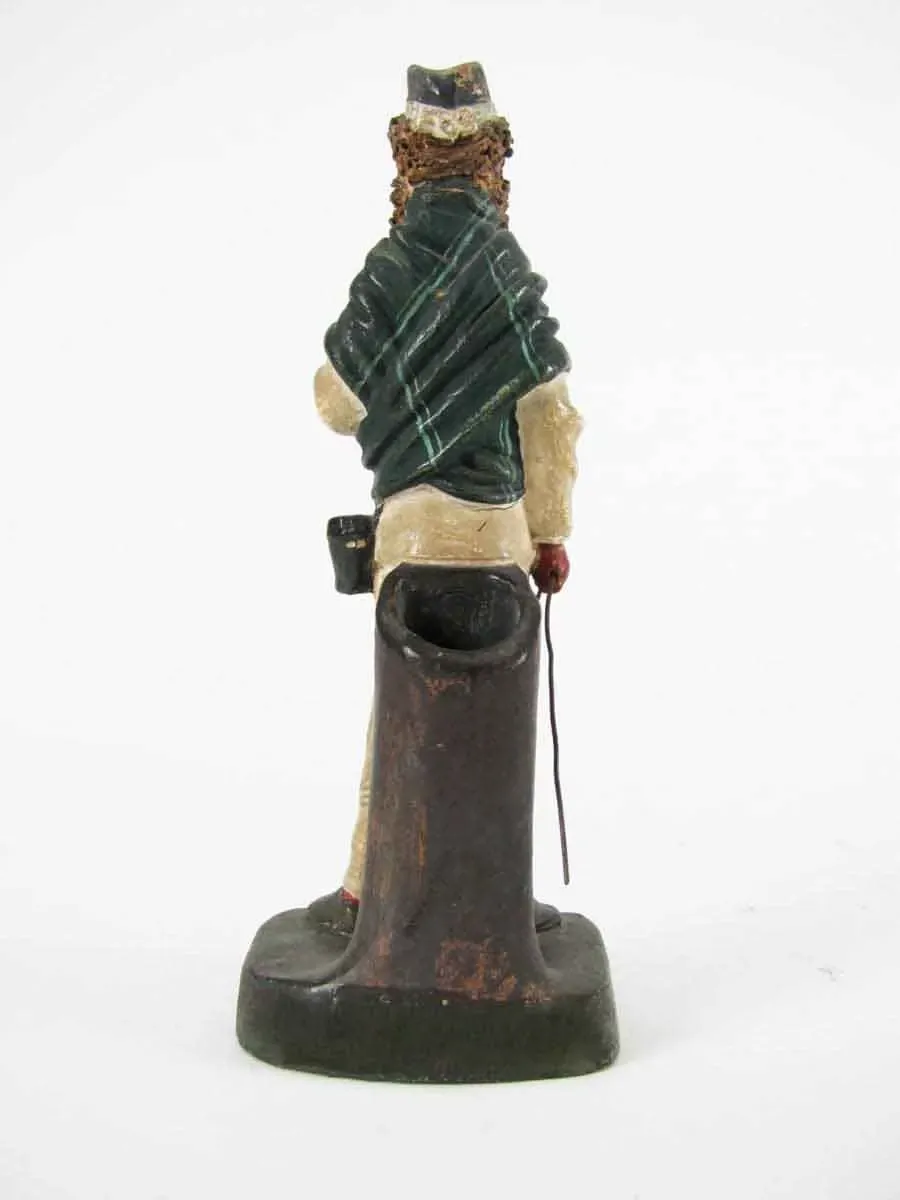
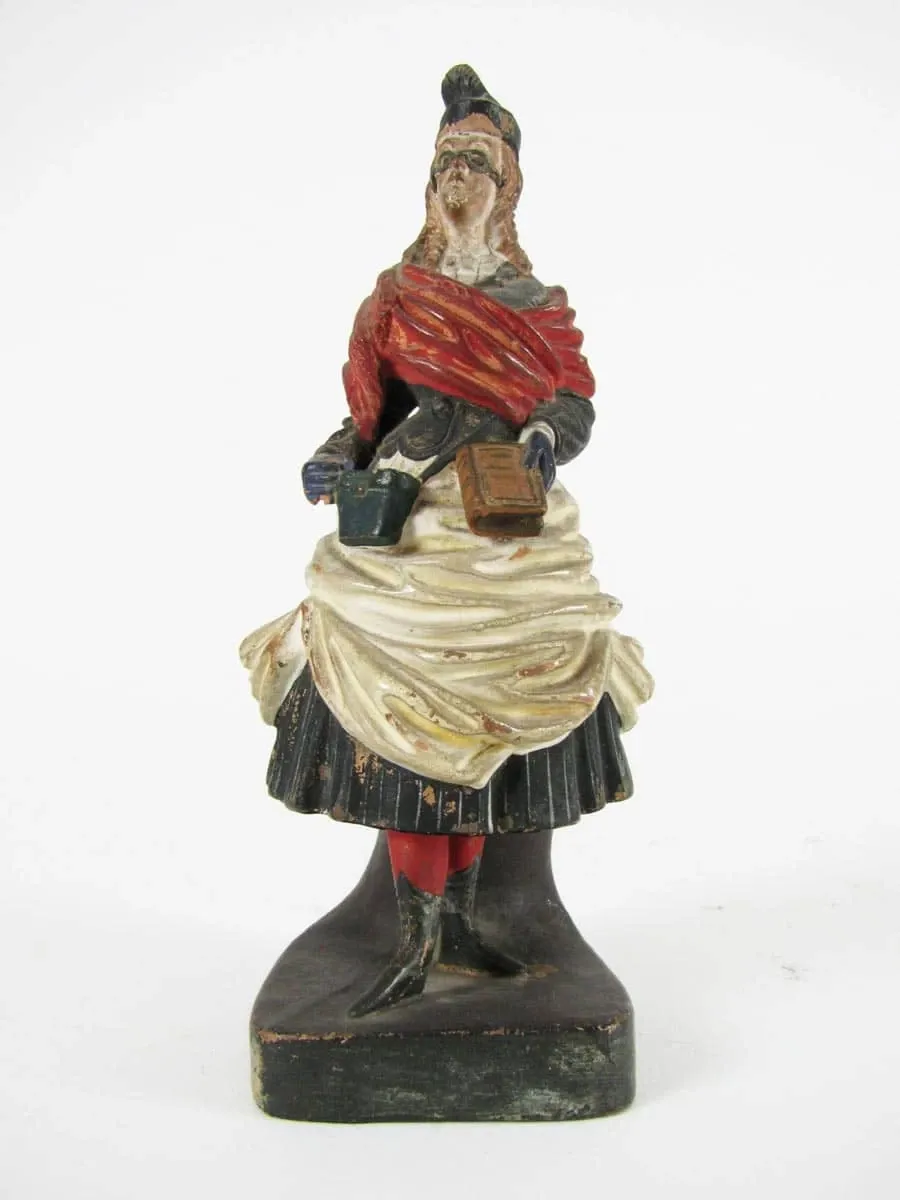
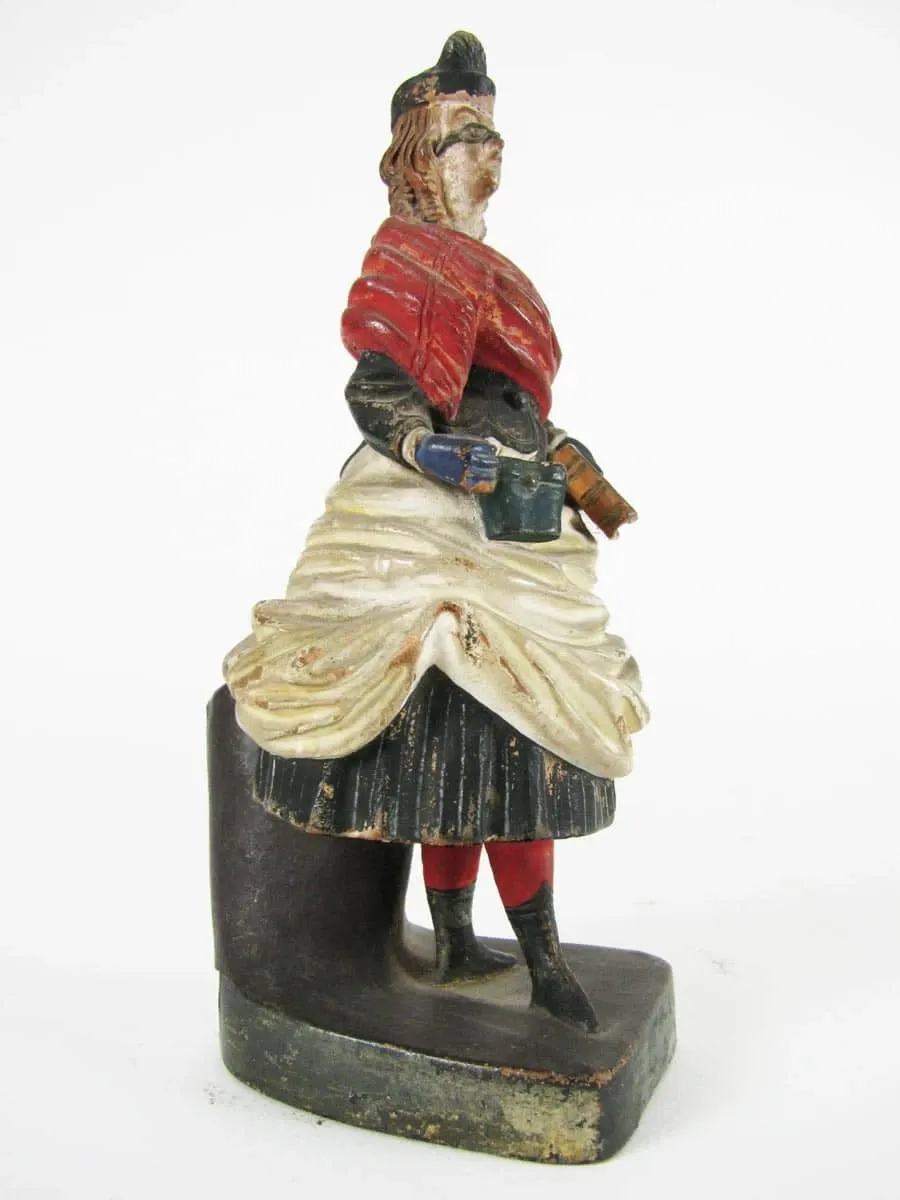
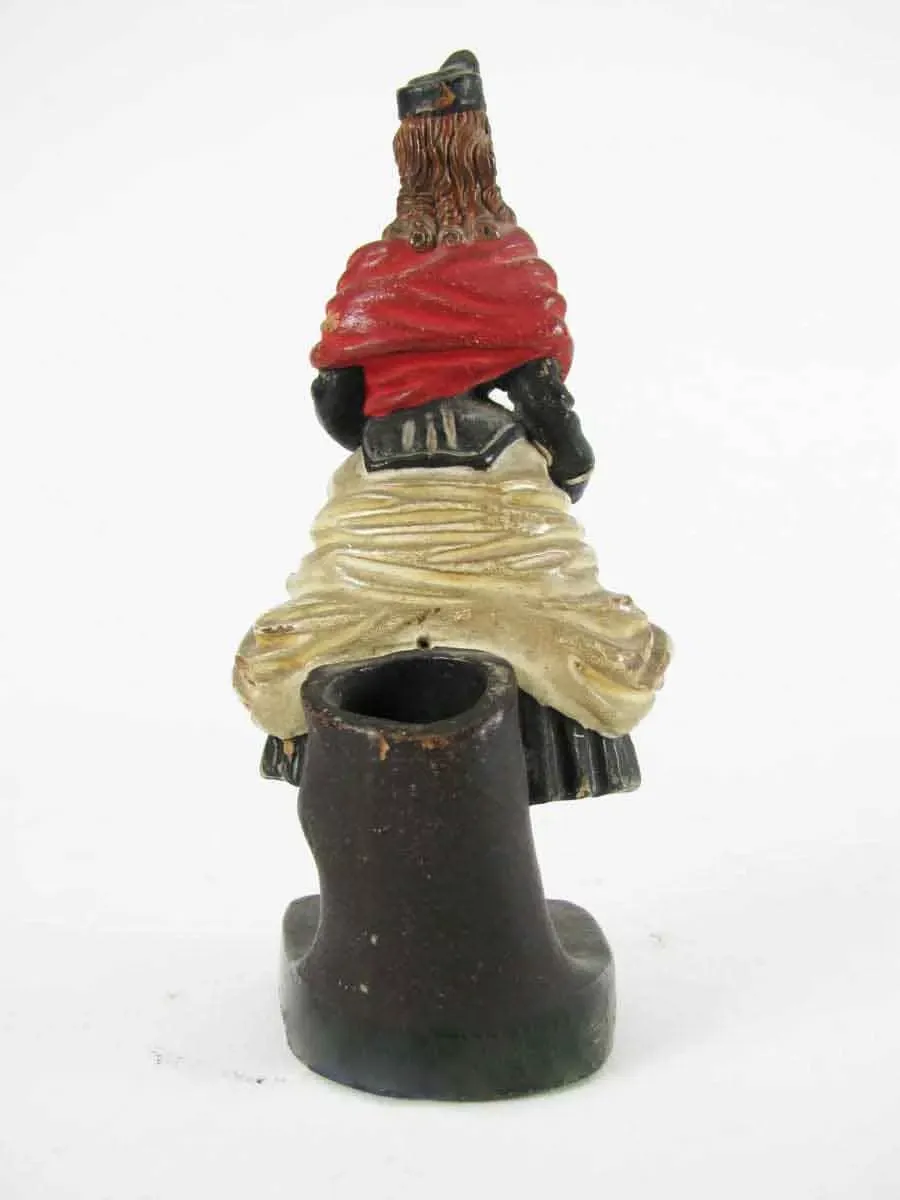
Pen holders with caricatures of Scottish tourists
Beautiful antique furniture and accessories
SKU: ANT- 133
See other products from category Applied art or from manufacturer Antyki
Related products by category
The Italian brand Zaramella entrusts all production to its artisans, who create small masterpieces by combining traditional techniques with technology in perfect harmony, always respecting the uniquen
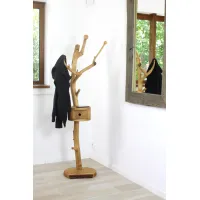
Unique coat rack made from natural oak branch. It is an exceptional combination of a hanger and a console.You can hang a coat, hat, and other clothing items on it, and store keys and various small ite
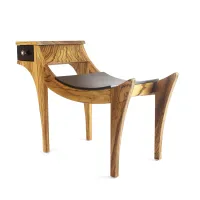
The presented furniture piece is as fantastical as the mythical griffin. It is an original combination of a bench and a console. You can comfortably sit on it or place a vase, and store keys and other
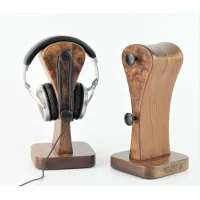
Exclusive headphone stand handcrafted from American walnut wood with cedar elements. The wood is protected with the highest quality hard oil. Each stand is unique and varies in grain pattern. This is
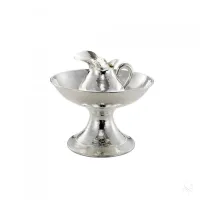
Manufactory Zaramella entrusts all production to its artisans, who create small masterpieces by combining traditional techniques with technology, in perfect harmony, always respecting the uniqueness o
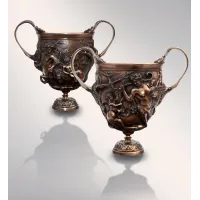
Luxurious sculptures and high-quality materials are the synergy that defines Fonderia Artistica Ruocco. Since 1970, the artistic foundry of Ruocco has been creating seemingly inanimate objects. From r
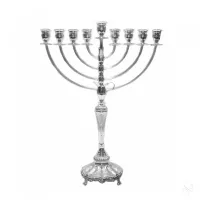
The Zaramella brand entrusts all production to its artisans, who create small masterpieces by combining traditional techniques with technology, in perfect harmony, always respecting the uniqueness of
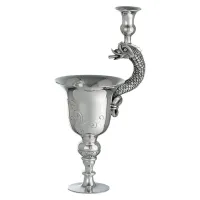
The Pampaloni company has a multi-generational and long-standing tradition of producing exclusive items made from the highest quality materials such as 925 silver and natural leather. As Gianfranco, T
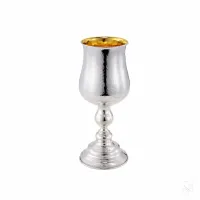
The Zaramella brand entrusts all production to its artisans, who create small masterpieces by combining traditional techniques with technology in perfect harmony, always respecting the uniqueness of e
The Zaramella brand entrusts all production to its artisans, who create small masterpieces by combining traditional techniques with modern technology in perfect harmony, always respecting the uniquene
Description
Pen holders with caricatures of Scottish tourists. Hand-modeled and painted ancient terracotta figures depicting several Scottish tourists in traditional costumes. There is a compartment at the back for a pen. These are souvenirs made especially for foreign travelers during the Grand Tour and originate from the early 20th century from Naples.
Unique antique furniture and accessories can be an excellent idea for decorating our interiors. Currently, there is a growing number of enthusiasts of high-quality vintage items that possess a distinct character and soul. This is a nod to history, craftsmanship, and the design of classic and timeless furniture. There are many different styles in antique furniture, each with its characteristic features.
Many styles distinguish antique furniture, but a few are particularly notable. Eclectic furniture dates back to the 19th century, during the reign of the Biedermeier style. Its early 20th-century variants include neo-Gothic, Gothic, Rococo, Louis Philippe style, and finally the Victorian English style. By the end of the century, these styles evolved into pseudo-classicism, Renaissance, and Baroque styles.
Empire-style furniture corresponds to the period between the late 18th and early 19th centuries. It originated during Napoleon’s reign, characterized by significant similarities and references to Roman and Greek ornamentation.
Neoclassical furniture reflects the Louis XVI style, which also strongly references ancient architecture. Interesting and noteworthy are antique products in Rococo and Louis XV styles. Next is Baroque, a term derived from the Portuguese 'barocco'—meaning an irregularly developed pearl. These were highly representative pieces designed to exude glamour and play a significant role in luxury. Selectively used materials were employed to emphasize the grandeur of these items.
Today, we can observe how much influence the Baroque style has had on modern classic furniture, which is designed with a strong resemblance to the historical period. An important style is also Renaissance, which flourished in the 15th and 16th centuries and left a significant mark on furniture craftsmanship. Renaissance furniture was quite heavy and solid, often using brown stains, moldings, sturdy bases, and bas-reliefs. These were quite distinctive products, but they also introduced new possibilities, such as the construction of credenzas and broadly speaking, chest-type furniture. Mythology and ancient times also inspired this style, with supports and legs often taking animal forms.
Lion paws, eagle heads—these are common features in Renaissance-style furniture. Currently, many global brands reproduce such furniture, drawing inspiration from Italian and French artisans. This reflects admiration and respect for the history of the most beautiful Renaissance antiques. It’s important to remember that furniture production was perceived differently in each country, so each style had its unique character. This is especially important when searching for elegant antique pieces suitable for your interior.
The most important aspect of stylish antique furniture is originality. This is ultimately crucial from the buyer’s perspective, as many counterfeits circulate on the market. Luxury Products provides documentation confirming the authenticity of the product in accordance with its description and photographs. We have appraisers, art experts, historians, and specialists from around the world at your disposal.
Attributes / Details
| SKU | ANT- 133 |
| Manufacturer | Antyki |
| Model | 133 |
| Material | terracotta |
| Size | Height: 15.5 cm Width: 7 cm Depth: 6 cm |
| Age | XX |
| Year | 1901 |
| Condition | Good condition |
| Destiny | To living room |
See catalog
Reviews
No reviews for this product.