

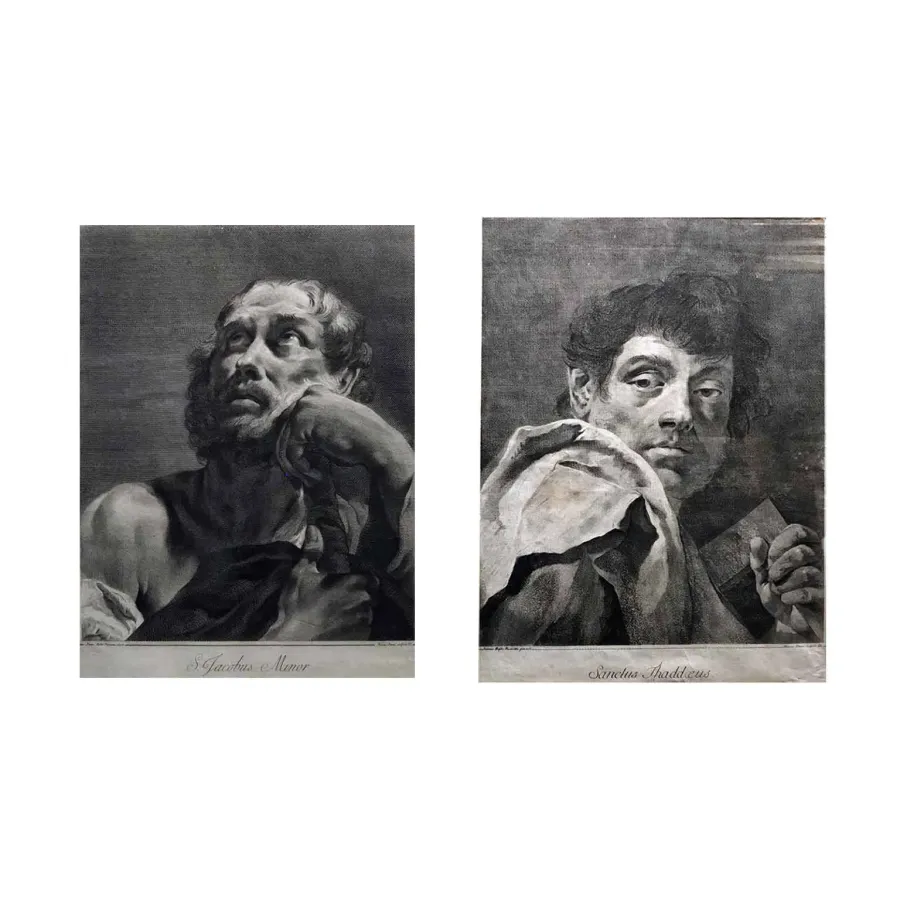
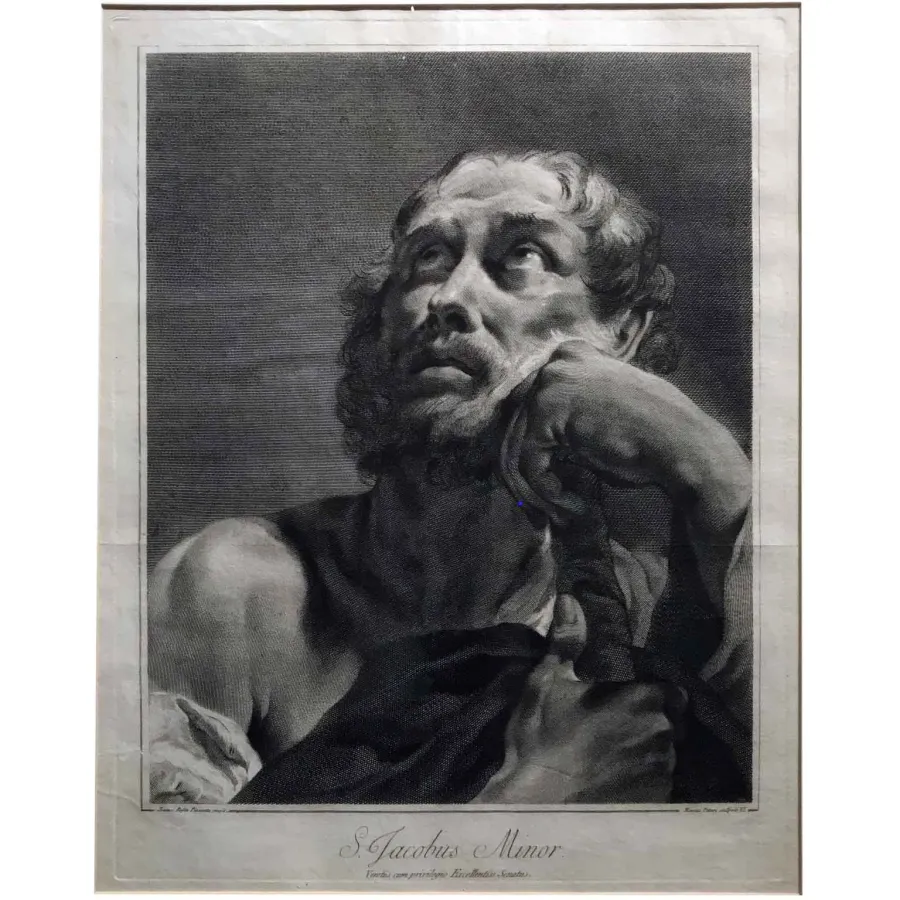
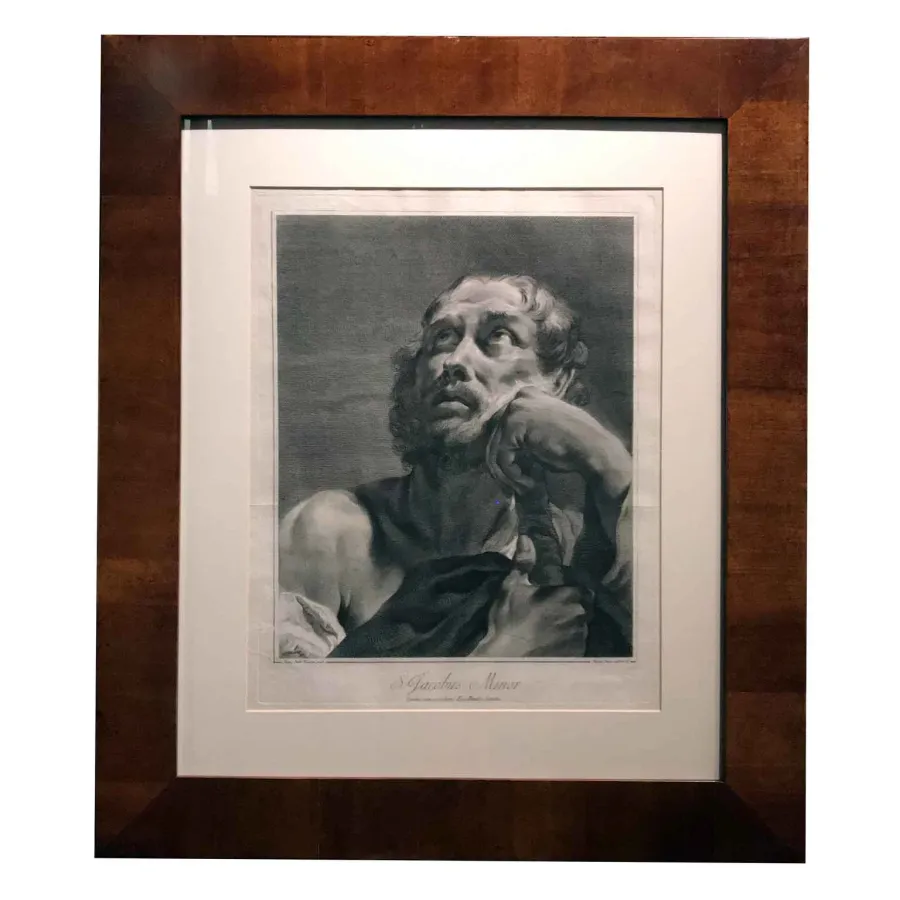
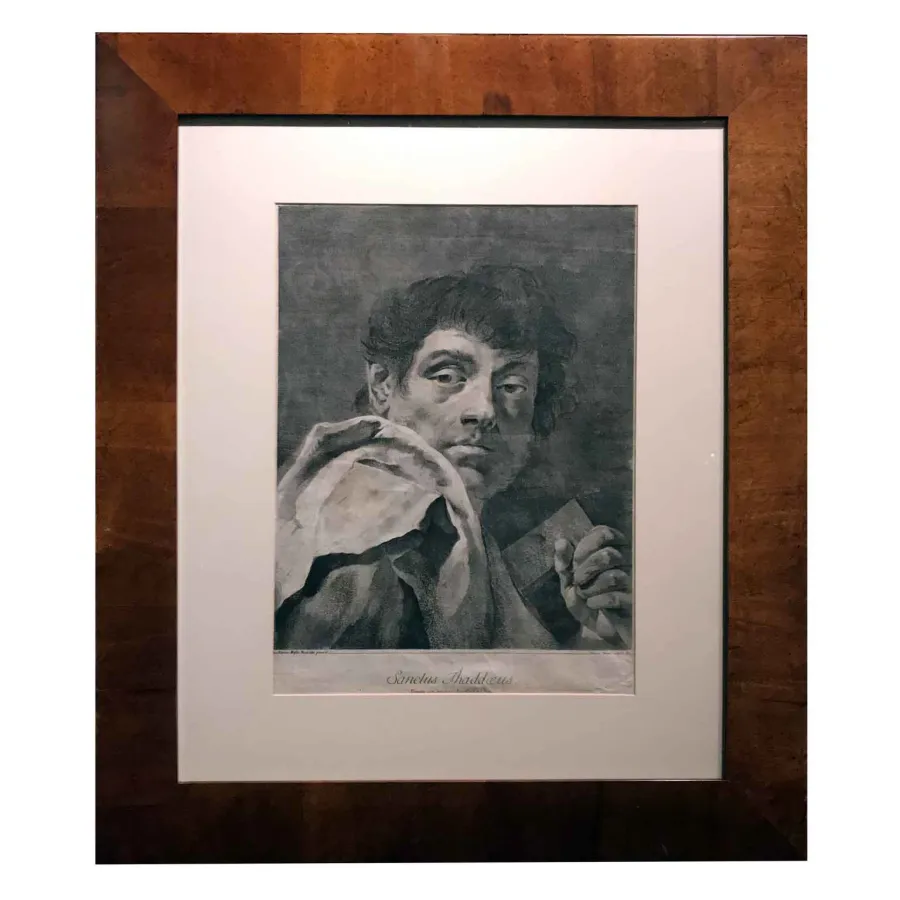
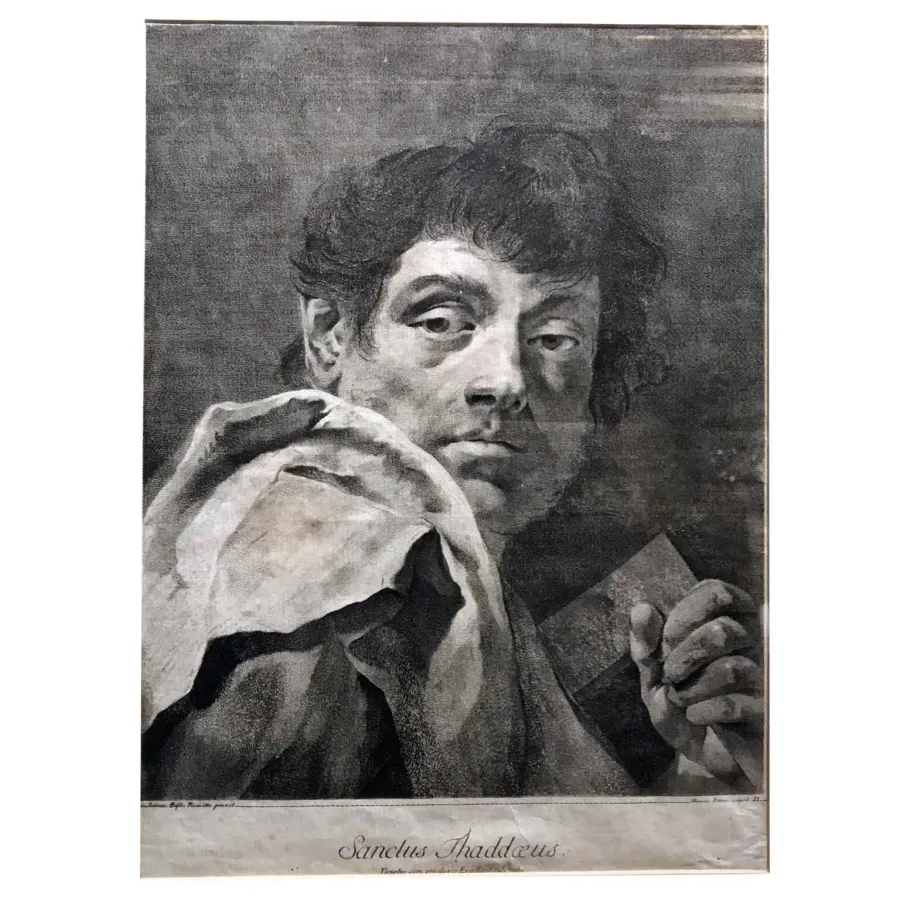
Marco Alvise Pitteri Figure Heads from 1760 in modern walnut wood frames
Elegant antique furniture and accessories
SKU: ANT-A697
See other products from category Various antiques or from manufacturer Antyki
Related products by category
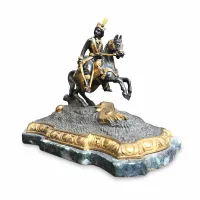
An cast bronze knight with a shaped base made of green marble depicts a mounted figure, probably inspired by the famous painting of King Gioacchino Murat of Naples in one of his uniforms.The knight an

Original antique furniture and accessories can be an excellent idea for decorating our interiors. Today, there is an increasing number of enthusiasts of high-quality vintage products that possess a di
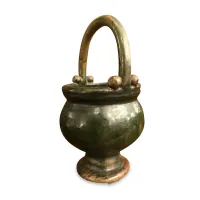
Small terracotta heater with a handle decorated with two small balls attached to a vase, in a glossy green terracotta color, in excellent condition. Monte San Savino, or at least the province of Arezz
Vase made of finely ground crystal in perfect condition.Luxurious antique furniture and accessories can be an excellent idea for decorating our interiors. Today, there is an increasing number of enthu
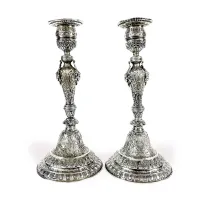
From Switzerland, a stunning pair of 20th-century round silver candelabras, finely decorated with two dazzlingly overlaid heads of Native American Indians and richly carved with floral, botanical, and
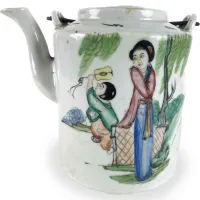
Ancient Chinese teapot with cylindrical figurines and double handle, made of white iron, decorated with the image of a woman and a child playing in the garden. On the back, there are ideograms written
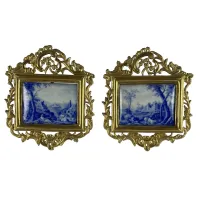
Para of enameled plaques featuring figures in gilded frames, of Nordic origin and probably French, made on an enameled metal plate and painted in miniature, depicting idyllic landscapes in shades of b
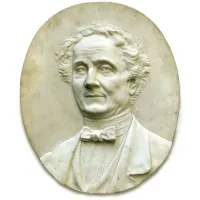
Oval bas-relief carved from Italian Carrara marble, 19th century, handcrafted marble male portrait depicting lawyer Francesco Rossignoli, President of the Court of Cassation in Casale, married to Pans
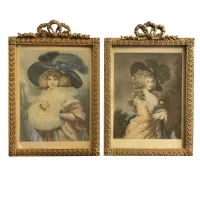
Pair of gilded frames for paintings with pastiglia from the early 20th century, decorated with stylized palmettes, interrupted at the corners by square friezes, and topped with a love knot at the top.
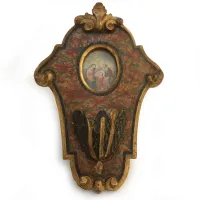
From Italy, from the central Marche region, a polychrome carved baptismal font with holy water from the mid-18th century, featuring a shaped panel with carved and gilded scrolls and leaf details of ac
Description
Marco Alvise Pitteri Heads of Character c. 1760 in modern walnut wood frames. Representing saints Taddeo and Jacopo published in Venice cum privilegio Excellentiss. Senatus. Below on the left, joannes Bapta Piazzetta Pinxit, and on the right, Marcus Pitteri Sculpsit. Pitteri (Marco Alvise Pitteri - Venice 1702-1760) is a leading figure in the history of Venetian and Italian engraving, not only due to his virtuosity, which surprises with his chiaroscuro interpretations, certainly placed at the top of reproductive engravings, but also for the quality of the artistic result. A student of Piazzetta and engraver Giuseppe Baronieri, he independently developed Claude Mellan's burin technique in parallel cuts, successfully tested already by his rival Antonio Faldoni. He was the most personal interpreter of Piazzetta’s works; he reproduced about 140 of them, including extraordinary heads of figures, among which are the discussed prints.
Stylish antique furniture and accessories can be an excellent idea for decorating our interiors. Currently, there is a growing number of enthusiasts for high-quality vintage items that possess a specific character and soul. It’s a nod to history, creation, and the design of classic and timeless furniture. There are many different styles in antique furniture, each with its distinctive features.
Many styles characterize antique furniture, but a few key ones can be distinguished. Eclectic furniture refers to the 19th century, marked by the prevailing Biedermeier style. Its early 20th-century variants include neo-Gothic, Gothic, Rococo, Louis Philippe style, and finally the English Victorian style. By the end of the century, these styles transition into pseudo styles of Classicism, Renaissance, and Baroque.
Empire-style furniture and accessories date from the period between the late 18th and early 19th centuries. Everything originated from Napoleon’s reign, which imposed a significant resemblance and references to Roman and Greek ornamentation.
Neoclassical furniture is associated with Louis XVI style, which also strongly references ancient architecture. Interesting and noteworthy are all antique products in Rococo and Louis XV styles. The next is Baroque, whose name derives from the Portuguese 'barocco' – meaning an irregularly developed pearl. These were highly representative pieces designed to literally shine with splendor and play a significant role in luxury. Unique materials were selectively used to further emphasize the grandeur of these items.
Today, we can observe how much influence the Baroque style has had on modern classic furniture, which is designed with a strong resemblance to the historical period. An important style is also Renaissance, which flourished in the 15th and 16th centuries and left a significant mark on furniture-making art. Renaissance style was quite heavy and bulky. Brown stains, cornices, sturdy bases, and bas-reliefs were used. These products were quite distinctive but also opened new possibilities, such as the construction of cupboards or broadly understood chest furniture. Here, too, there was an interest in mythology and ancient times, so supports and legs often took animal forms.
Lion paws, eagle heads – these are common motifs in Renaissance style. Currently, many global brands reproduce furniture inspired by Italian and French creators. This reflects admiration and respect for the history of the most beautiful Renaissance antiques. It’s important to remember that furniture production was perceived differently in each country, so each style had its unique character. This is especially important when searching for exclusive antiques suitable for your interior.
The most important aspect of stylish antique furniture is originality. And this is ultimately crucial from the buyer’s perspective, as many fakes circulate on the market. Luxury Products provides a certificate confirming the product’s authenticity and compliance with the description and photos. We have art experts, historians, and specialists from around the world at your disposal.
Attributes / Details
| SKU | ANT-A697 |
| Manufacturer | Antyki |
| Model | A697 |
| Size | Height: 44.7 (72) cm Width: 35.1 (62) cm |
| Age | XVIII |
| Year | 1760 |
| Destiny | To living room |
See catalog
Reviews
No reviews for this product.