

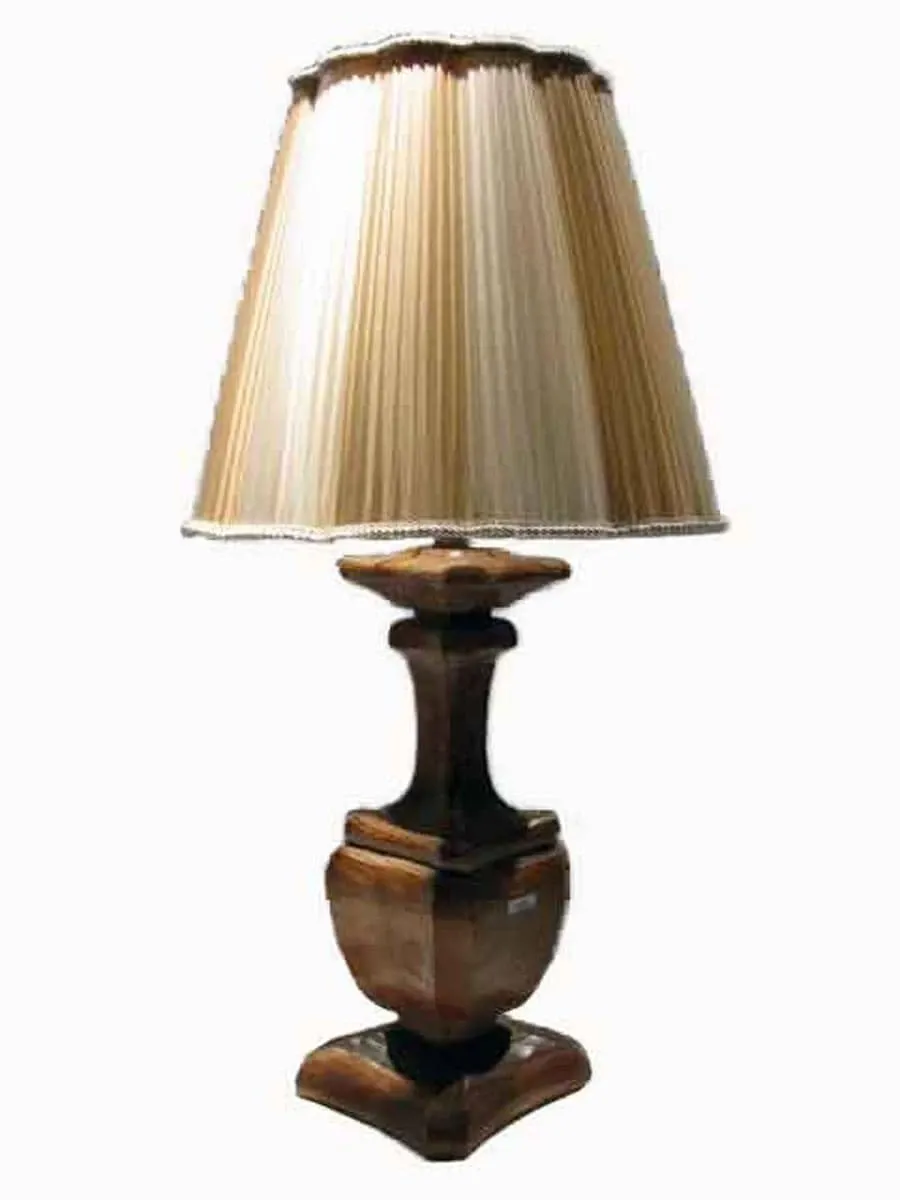
Lamp made of carved wood in the shape of a balustrade element
Prestigious antique furniture and accessories
SKU: ANT-540
See other products from category Vintage desk lamps or from manufacturer Antyki
Related products by category
Porcelain table lamp with white gold and brass base. The floral decoration was handcrafted from precious gold by a craft company around 1980. It is actually adorned with round golden lily of the valle
Mangani table lamp from around 1980, featuring a large green-pink fruit with blue leaves. Mangani manufactory, Florence. For electrification and without lampshade.Exclusive antique furniture and acces
Para porcelain lamps by G. Pellati, depicting him and her, signed on a gold base, G. Pellati. Circa the 1950s. Slight imperfections. Working condition. The shade in a fan shape is hand-sewn and lined
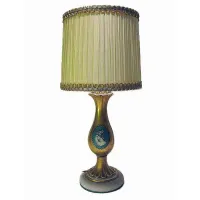
Golden porcelain lamp with a round shape, featuring two green medallions with female figures in the center, with a front and back. The lampshade is cylindrical, made of pleated fabric in a straw color
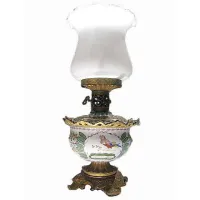
Round table lamp, handcrafted porcelain oil lamp with a white background, decorated all around with original fantasy and geometric motifs in polychrome. It is a piece from the Mangani manufactory in F
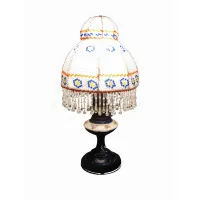
Night lamp with beads. Ceramic oil lamp on a blue background with a white insert decorated with painted flowers; The actual metal lamp features a special lampshade made entirely by hand from glass bea
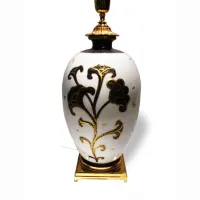
Decorated porcelain table lamp against a white background with blue and gold floral decorations. Set on a square bronze base. Mangani from the 1970s. Ready for electrification.Luxurious antique furnit
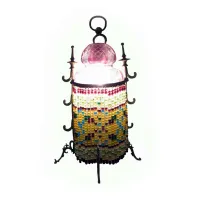
Night lamp made of bronze and glass. A special lamp consisting of a brass structure resembling pagodas, with a shaped glass dome and a cascade of colorful crystal beads. The glass is pink with white
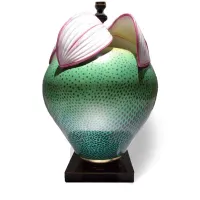
Porcelain table lamp decorated with greenery in white and pink leaves. Mangani manufactory, Florence. For electrification, replacement, or repair of the black base.Stylish antique furniture and access
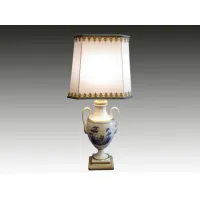
Porcelain table lamp, white double-sided vase from the Richard Ginori manufactory decorated all around with two medallions depicting rural scenes with figures, painted in shades of light blue.
Description
A carved wood lamp in the shape of a balustrade element, finished in light walnut color with wax and plaster traces. Tuscany. A pleated silk lampshade in beige and ivory, with alternating segments.
Wonderful antique furniture and accessories can be an excellent idea for decorating our interiors. Currently, there is a growing number of enthusiasts of high-quality vintage items that possess a specific character and soul. This is a nod to history, craftsmanship, and the design of classic and timeless furniture. There are many different styles in antique furniture, each with its distinctive features.
Many styles characterize antique furniture, but a few are particularly prominent. Eclectic furniture dates back to the 19th century, during the reign of the Biedermeier style. Its early 20th-century variants include neo-Gothic, Gothic, Rococo, Louis Philippe style, and finally the English Victorian style. By the end of the century, these styles evolved into pseudo-classicism, Renaissance, and Baroque styles.
Empire-style furniture and accessories date from the late 18th to early 19th century. Everything was influenced by Napoleon’s reign, which imposed a strong resemblance and references to Roman and Greek ornamentation.
Neoclassical furniture reflects the Louis XVI style, which also draws heavily from ancient architecture. Interesting and noteworthy are antique products in Rococo and Louis XV styles. Next is Baroque, whose name derives from the Portuguese "barocco" — meaning an irregularly developed pearl. These were highly ornate pieces designed to radiate splendor and play a significant role in luxury. Materials were selectively chosen to emphasize the grandeur of these items.
Today, we can observe how much the Baroque style influenced modern classical furniture, which is designed with a strong resemblance to the historical period. An important style is also Renaissance, which flourished in the 15th and 16th centuries and left a significant mark on furniture-making art. Renaissance furniture was quite heavy and massive, often using brown stains, cornices, sturdy bases, and reliefs. These products were quite distinctive but also opened new possibilities, such as the construction of credenzas and broadly speaking, chest furniture. Mythology and ancient times also inspired these designs, with supports and legs often taking animal forms.
Lion paws, eagle heads — these are common motifs in Renaissance style. Currently, many global brands reproduce furniture inspired by Italian and French artisans, reflecting admiration and respect for the history of the most beautiful Renaissance antiques. It’s important to remember that furniture production was perceived differently in each country, giving each style a unique character. This is especially important when searching for a luxurious antique that suits your interior.
The most important aspect of stylish antique furniture is originality. Ultimately, this is crucial for buyers, as many counterfeit items circulate on the market. Luxury Products provides a certificate confirming the product’s authenticity and compliance with the description and photos. We also have access to art appraisers, historians, and experts from around the world.
Attributes / Details
| SKU | ANT-540 |
| Manufacturer | Antyki |
| Model | 540 |
| Material | wood |
| Size | Height: height 60 cm |
| Age | XX |
| Year | 1901 |
| Destiny | To living room |
See catalog
Reviews
No reviews for this product.