

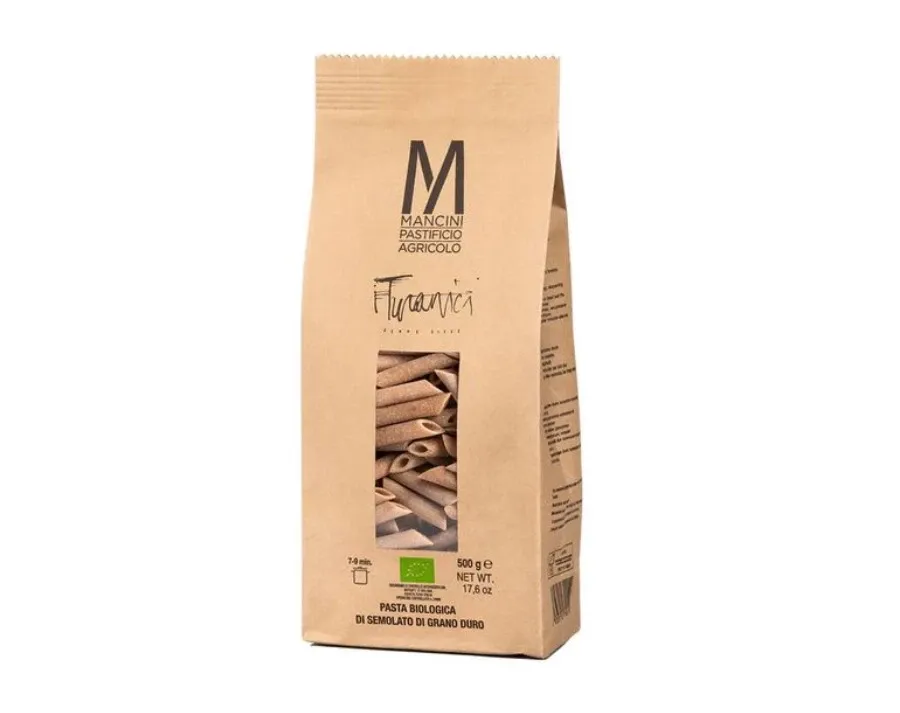
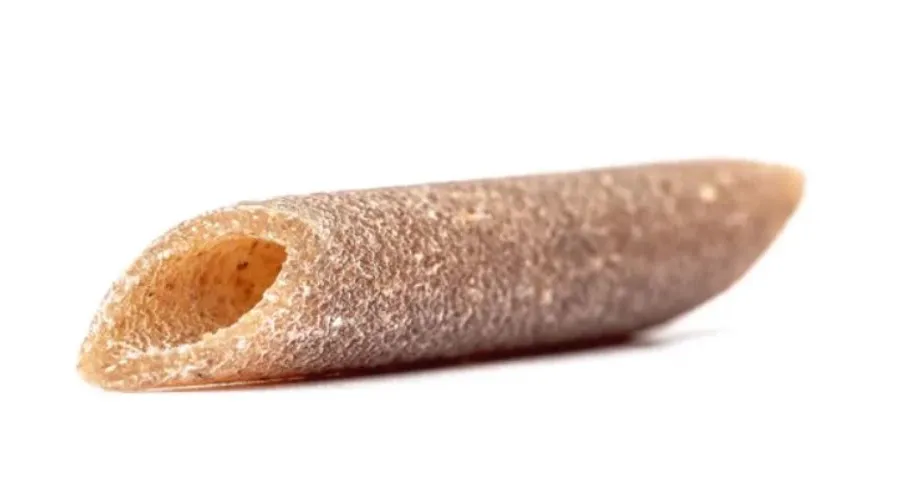

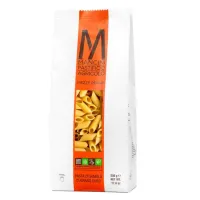
Italian Penne Lisce pasta made from durum wheat turanik
Italian pastas from Mancini Pastificio Agricolo
SKU: M-PLT5
See other products from category Italian pasta or from manufacturer Mancini Pastificio Agricolo
Related products by category
History of PastamanicniMariano Mancini founded Azienda Agricola Mancini in 1938, later his son Giuseppe expanded it from 5 hectares to 70 hectares, combining farming with development in the footwear s
History of the Pastamanicni BrandMariano Mancini founded Azienda Agricola Mancini in 1938, later his son Giuseppe expanded it from 5 hectares to 70 hectares, combining farming with the development of
History of Pastamanicni ManufacturingMariano Mancini founded Azienda Agricola Mancini in 1938, which was later expanded by his son Giuseppe from 5 hectares to 70 hectares, combining farming with the
History of PastamanicniMariano Mancini founded Azienda Agricola Mancini in 1938, later his son Giuseppe expanded it from 5 hectares to 70 hectares, combining farming with the development of the footw
History of PastamanicniMariano Mancini founded Azienda Agricola Mancini in 1938, later his son Giuseppe expanded it from 5 hectares to 70 hectares, combining farming with the development of the footw
History of Pastamanicni ManufacturingMariano Mancini founded Azienda Agricola Mancini in 1938, later expanding it from 5 hectares to 70 hectares with his son Giuseppe, combining farming with the deve
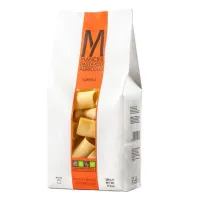
History of the Pastamanicni BrandMariano Mancini founded Azienda Agricola Mancini in 1938, which was later expanded by his son Giuseppe from 5 hectares to 70 hectares, combining farming with the devel
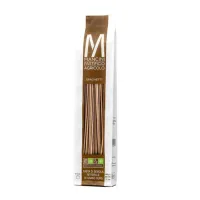
History of the Pastamanicni BrandMariano Mancini founded Azienda Agricola Mancini in 1938, later his son Giuseppe expanded it from 5 hectares to 70 hectares, combining farming with the development of
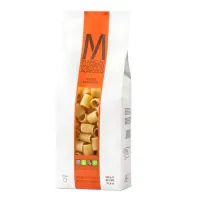
History of Pastamanicni ManufacturingMariano Mancini founded Azienda Agricola Mancini in 1938, later expanding it from 5 hectares to 70 hectares with his son Giuseppe, combining farming with the deve
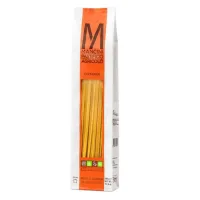
History of the Pastamanicni BrandMariano Mancini founded Azienda Agricola Mancini in 1938, later his son Giuseppe expanded it from 5 hectares to 70 hectares, combining farming with the development of
Description
History of Pastamanicni
Mariano Mancini founded Azienda Agricola Mancini in 1938, then his son Giuseppe expanded it from 5 hectares to 70 hectares, combining farming with the development of the footwear sector. He also passed on to his son Massimo the values of reliability and a grounded approach, which allowed him to pursue his own dreams. Thus, Massimo Mancini completed agricultural studies in Bologna under Giorgio Stupazzoni, an economist specializing in pasta production chains. This is how the dream of a pasta-making company was born.
In 2010, Massimo Mancini established Mancini Pastificio Agricolo, where pasta is produced exclusively from wheat grown on the company's own fields, surrounding the facility on all sides. Some refer to it as a company in the middle of wheat fields spanning 300 hectares.
Mission of Mancini Pastificio Agricolo
Good Agricultural Practice is a set of features that Mancini Pastificio Agricolo applies to ensure environmentally friendly and sustainable management of agricultural activities, aiming to produce raw materials of the highest quality and healthiness with minimal environmental impact and zero chemical residues.
The objectives of Good Agricultural Practice are:
- to respect natural resources (air, water, soil) through optimization of agronomic interventions and rationalization of external inputs;
- to produce high-quality raw materials that are most suitable for our transformation process;
- to ensure the health safety of the final product.
This is achieved through continuous crop monitoring and the implementation of self-control measures during the production process, such as frequent soil, plant, and pathogen analyses. Crop rotation is practiced to maintain and improve soil fertility, alternating with durum wheat cultivation and improving crops (alfalfa, clover, vetch, peas, chickpeas) or renewing crops (sunflower).
The packaging material used for the pasta is the result of ongoing research with industry experts to ensure optimal preservation of the pasta combined with maximum recyclability of the packaging. Made solely from cellulose derived from wood from forests managed according to strict environmental, social, and economic standards (FSC® trademark), the bag can be fully disposed of with paper. The ATICELCA® 501 UNI 11743 method certifies its recyclability.
Advantages of Italian Pastamancini pasta over other similar products
Wheat is harvested annually in summer only when it naturally reaches full maturity and the appropriate moisture level, ensuring better preservation. The use of state-of-the-art threshers allows real-time analysis of grain quality parameters.
Threshed wheat is cleaned and stored using cold techniques, bringing it to a temperature of 18°C, ideal for halting insect and mold activity without chemical treatments. Different varieties of grains are mixed into a single blend that characterizes each pasta batch.
Wheat grains are milled into semolina with granulation suitable for Mancini’s pasta production method. Milling is carried out continuously throughout the year, allowing the company to produce pasta always from fresh semolina, which is key to achieving a product with a distinctive wheat aroma and flavor.
Perfection at Pasta Mancini begins in the fields but becomes a reality in the pasta factory: the roughness of spaghetti and short pasta results from using bronze dies rather than Teflon, as in the food industry. The dough is pushed towards a round perforated disc, as was done decades ago, rather than a rectangular one used in nearly every modern pasta factory. This ensures even pressure, resulting in greater uniformity, especially in long formats.
Each Mancini pasta package displays the harvest year as a testament to the mission of the artisanal pasta factory: to produce pasta only from wheat that grows directly in the surrounding fields. Since January 2021, packaging features a QR code printed on the bottom, which, when scanned, allows instant access to quantitative and temporal data from the four main production phases, verifiable through Blockchain technology.
Attributes / Details
| SKU | M-PLT5 |
| Manufacturer | Mancini Pastificio Agricolo |
| Ingredients | organic semolina from durum wheat turanik, ground on stones, water |
| Nutritional value | in 100g: 1540 kJ 363 Kcal, fat 1.7g (saturated fatty acids 0.3g), carbohydrates 73g (sugars 2.6g), fiber 6.2g, protein 11g, salt 0.010g |
| Country of origin | Italy |
| Additional information | Turanic wheat is an ancient subspecies of durum wheat, selected by humans over 4,000 years ago in the Khorasan region (northeast of Iran). The exact classification is Triticum turgidum subspecie turanicum, commonly known as T. turanicum. The cultivation of this variety became widespread in the Mediterranean basin and also in Italy, but was abandoned in modern times due to low yields. Turanic Penne Lisce are 45 mm long and 8.5 mm in diameter. Cooking time is 7-9 minutes |
See catalog
Video
Reviews
No reviews for this product.