

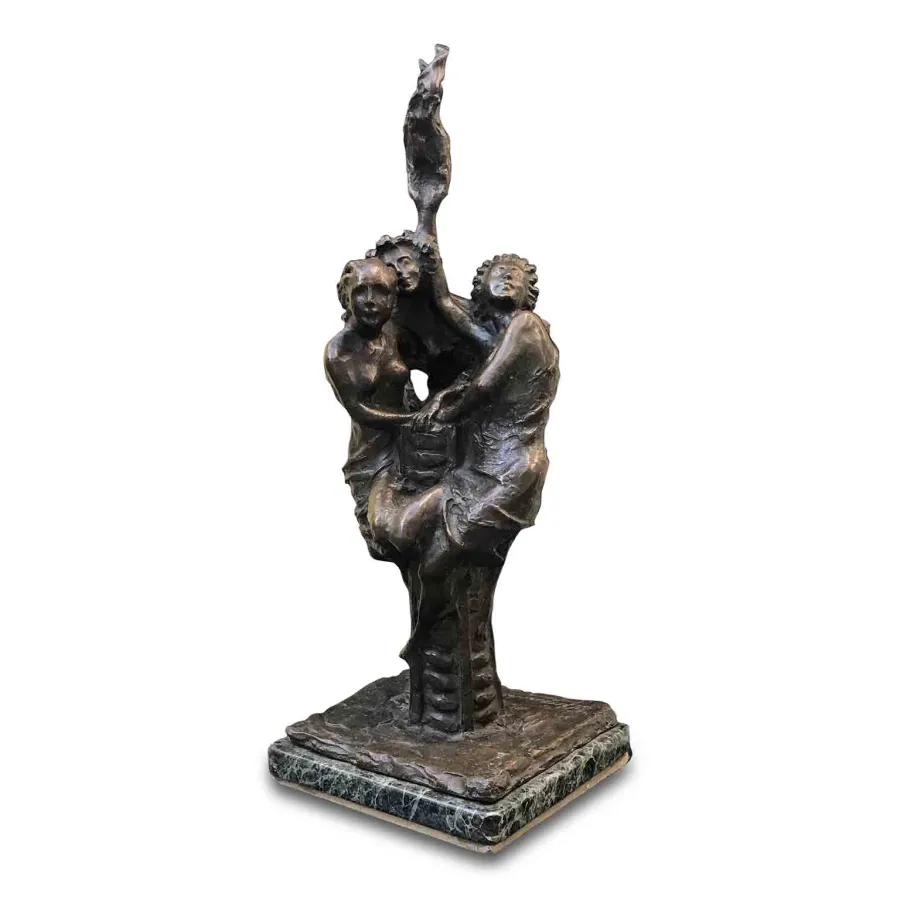
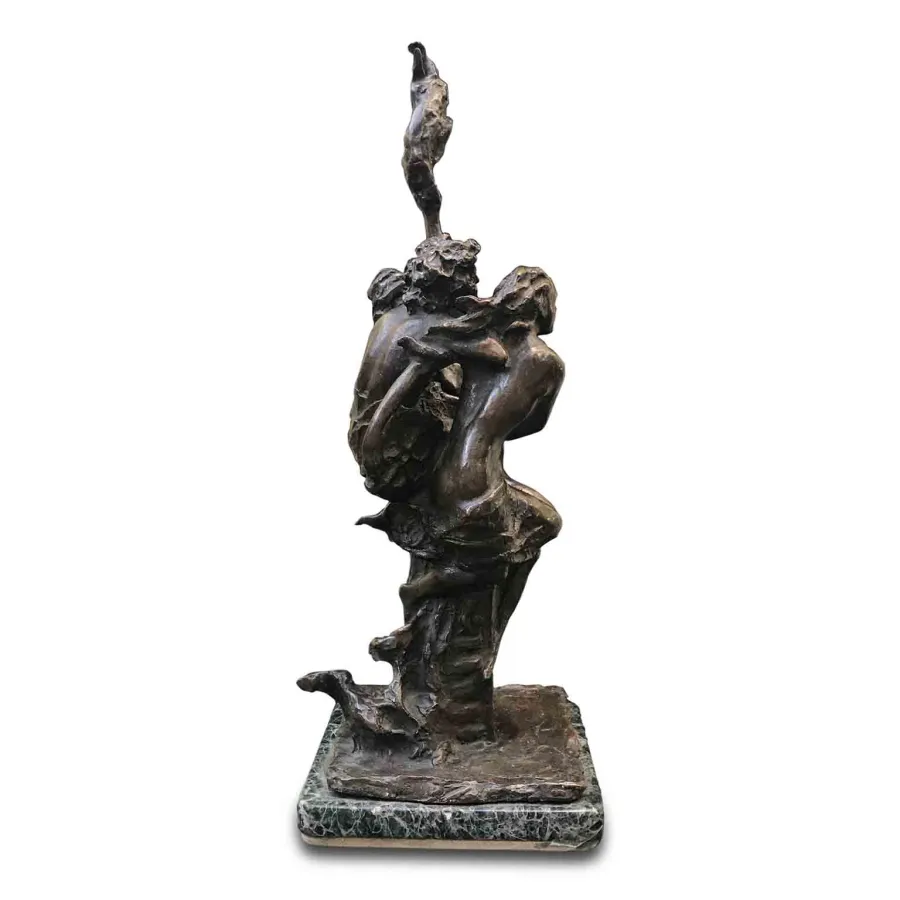
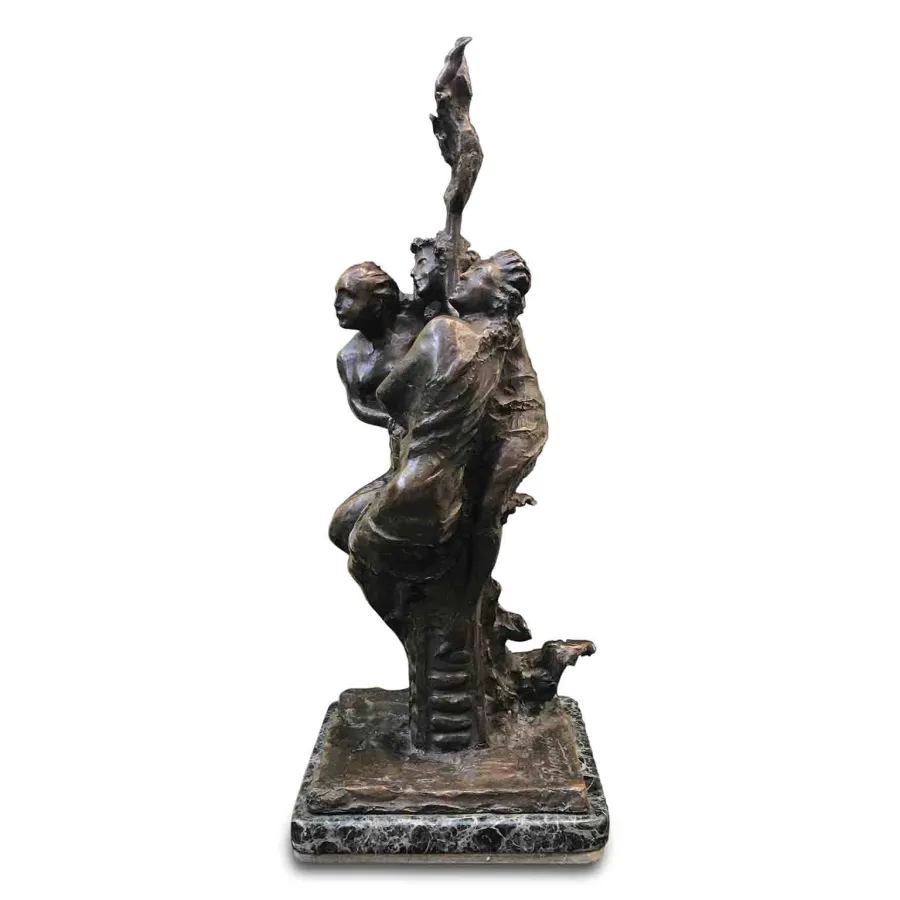
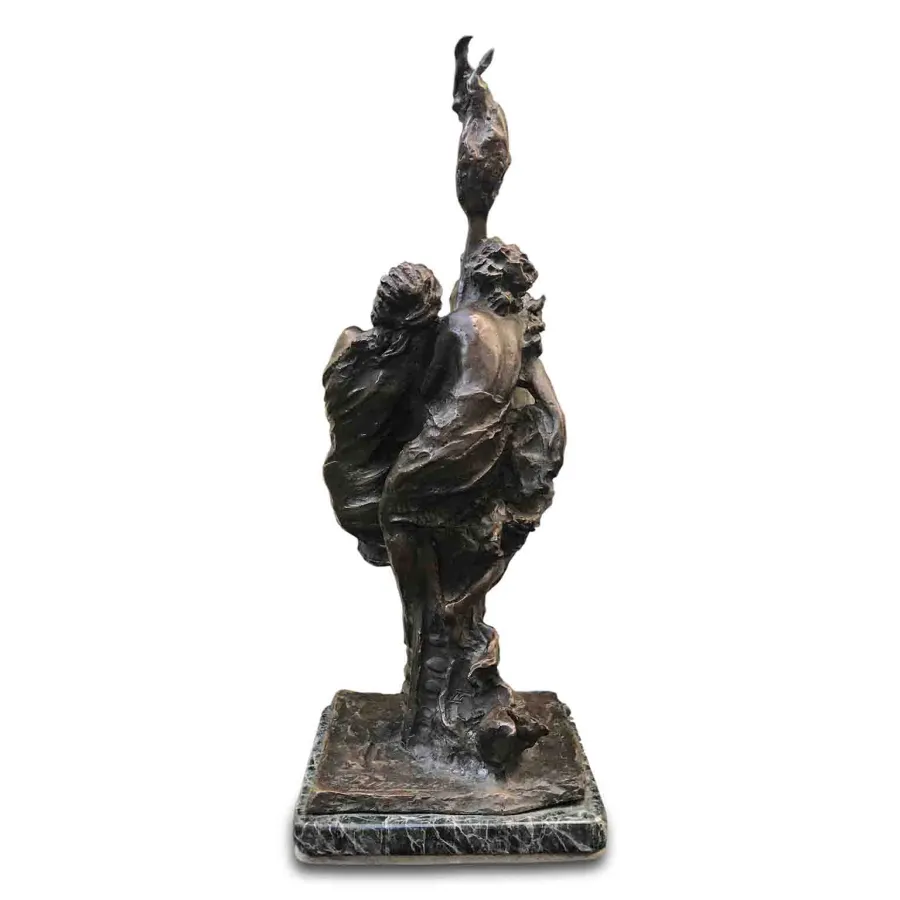
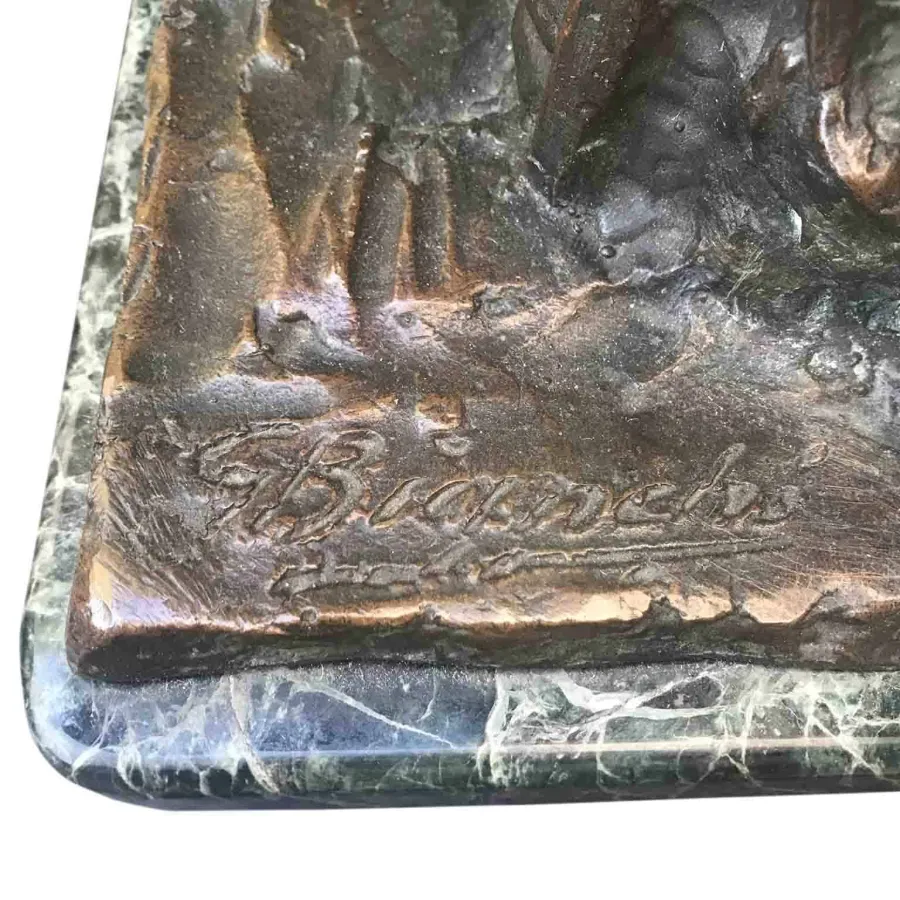
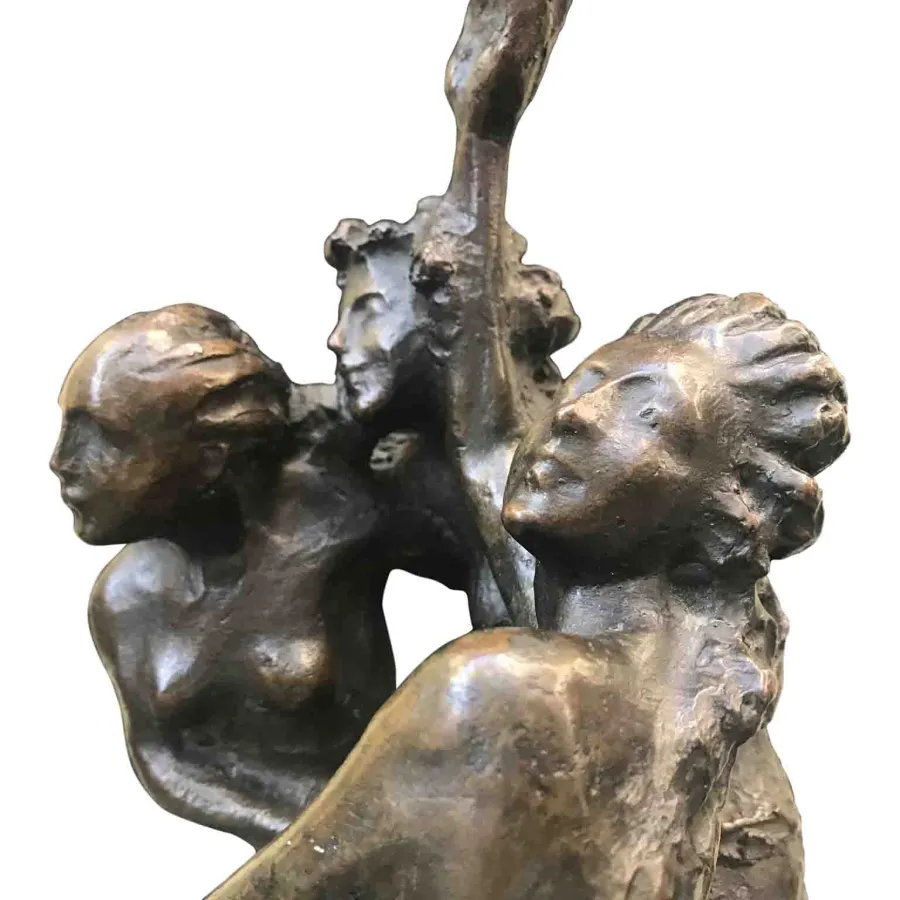
Giuseppe Bianchi Group of three women on a pillar, 1920
Stylish antique furniture and accessories
SKU: ANT-A417
See other products from category Sculptures of human figures or from manufacturer Antyki with shipping within 24 hours
Related products by category

Gorillas Popart is a unique approach to designing and creating luxury sculptures and functional art pieces. Upon request, the manufacturer will customize the product by selecting the appropriate
Manufaktura Gorillas Popart offers a unique approach to designing and creating luxury sculptures and functional art pieces. Upon request, the manufacturer will customize the product by selecting
The sculpture “Winged Cherub” from 1700. The angel's face carved in wood from liturgical furnishings, to which it was attached with two nails; the holes left by them are visible in the lower part
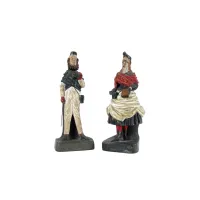
Set of pen holders featuring caricatures of Scottish tourists. Ancient, handcrafted and painted terracotta figures depicting a pair of Scottish tourists in traditional costumes. There is a compartment
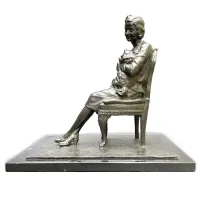
Leonardo Secchi Sitting woman with dog, 1942, cast from dark patina, depicts a woman sitting on a chair on an oriental rug, tenderly hugging and cuddling her dog. The cast is placed on a base made of

Original antique furniture and accessories can be an excellent idea for decorating our interiors. Today, there is an increasing number of enthusiasts of high-quality vintage products that possess a di
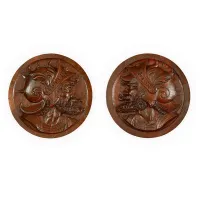
Para rzeźbionych drewnianych medalionów przedstawiających sylwetki rycerzy w hełmach z pióropuszami, szpicami i podniesionym daszkiem. Obie płaskorzeźby z XIX w. mają kształt okrągły i są
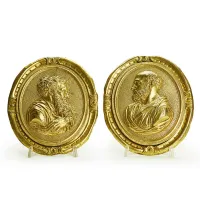
Pair of gilded bronze plaques featuring saint profiles, a pair of 18th-century gilded bas-reliefs with an oval shape, composed of two overlapping elements; cast profile and stamped frame made of sheet
We would like to introduce you to an exclusive brand in the field of sculptural art - Anglada. This manufactory's name derives from its creator - Ángeles Anglada - a tal

Manufaktura Luxury Gifts - More love for youOur customers' satisfaction and that of the recipients of our gifts is our top priority. We make every effort to create unique and high-quality gift art pi
Description
Giuseppe Bianchi Group of three women 1920. Three nude women climbing a pillar resting on a square base, holding a banner or something similar. One of them holds a wheel of a cart.
This bronze cast is signed on the base G. Bianchi and rests on a square marble base, featuring a beautiful dark patina, in good condition.
The fluid modeling of this composition, the deforming line of the three female figures almost detached from anatomical reality, but with a strong emotional and spiritual impact, are features that lead us to place the sculpture in the second decade of the 20th century, in the symbolic currents of the era.
Giuseppe Bianchi (Como 1864 - 1944) participated in the National Exhibition in Brera in 1922 with a marble sculpture “Dear Remembrances”. Some of his works are also known, recently appeared on the public market, and are part of the Art Collection of the Maggiore Hospital in Milan.
Stylish antique furniture and accessories can be an excellent idea for decorating our interiors. Today, there is a growing number of enthusiasts of high-quality vintage items that have a distinct character and soul. It’s a nod to history, craftsmanship, and the creation of classic and timeless furniture. There are many different styles in antique furniture, each with its own distinctive features.
Many styles characterize antique furniture, but a few key ones stand out. Eclectic furniture belongs to the 19th century, during which the Biedermeier style was predominant. Its early 20th-century variants include neo-Gothic, Gothic, Rococo, Louis-Philippe style, and finally the English Victorian style. By the end of the century, these styles evolved into pseudo-classicism, Renaissance, and Baroque styles.
Empire-style furniture dates from the period between the late 18th and early 19th centuries. It originated from the reign of Napoleon, featuring significant similarities and references to Roman and Greek ornamentation.
Neoclassical furniture is associated with Louis XVI style, which also strongly references ancient architecture. Noteworthy are antique products in Rococo and Louis XV styles. Next is Baroque, a term derived from the Portuguese “barocco” – meaning an irregularly developed pearl. These were highly decorative pieces meant to radiate splendor and play a significant role in luxury. Unique, selectively used materials were employed to emphasize the grandeur of these items.
Today, we can observe how much the Baroque style influenced modern classic furniture, which is designed with a strong resemblance to the historical period. An important style as well is Renaissance, which flourished in the 15th and 16th centuries and also left a significant mark on furniture design. Renaissance furniture was quite heavy and massive, using brown stains, moldings, sturdy bases, and reliefs. These were quite distinctive products but also opened new possibilities, such as the construction of cabinets or broadly defined chest furniture. Mythology and ancient times also inspired these designs, with supports and legs taking animal forms.
Lion’s paws, eagle heads – these are common motifs in Renaissance style. Currently, many global brands reproduce such furniture, drawing inspiration from Italian and French creators. This reflects admiration and respect for the history of the most beautiful Renaissance antiques. It’s important to remember that furniture production was perceived differently in each country, so each style had its own character. This is especially important when searching for elegant antiques suitable for your interior.
The most important aspect of prestigious antique furniture is originality. This is ultimately crucial for buyers, as many forgeries circulate on the market. Luxury Products provides documentation confirming the product’s authenticity and compliance with the description and photos. We also have experts, art appraisers, and historians from around the world at your disposal.
Attributes / Details
| SKU | ANT-A417 |
| Manufacturer | Antyki |
| Model | A417 |
| Material | brown, marble |
| Size | Height: 50 cm Width: 19 cm Depth: 19 cm |
| Age | XX |
| Year | 1920 |
| Destiny | To living room |
See catalog
Reviews
No reviews for this product.