

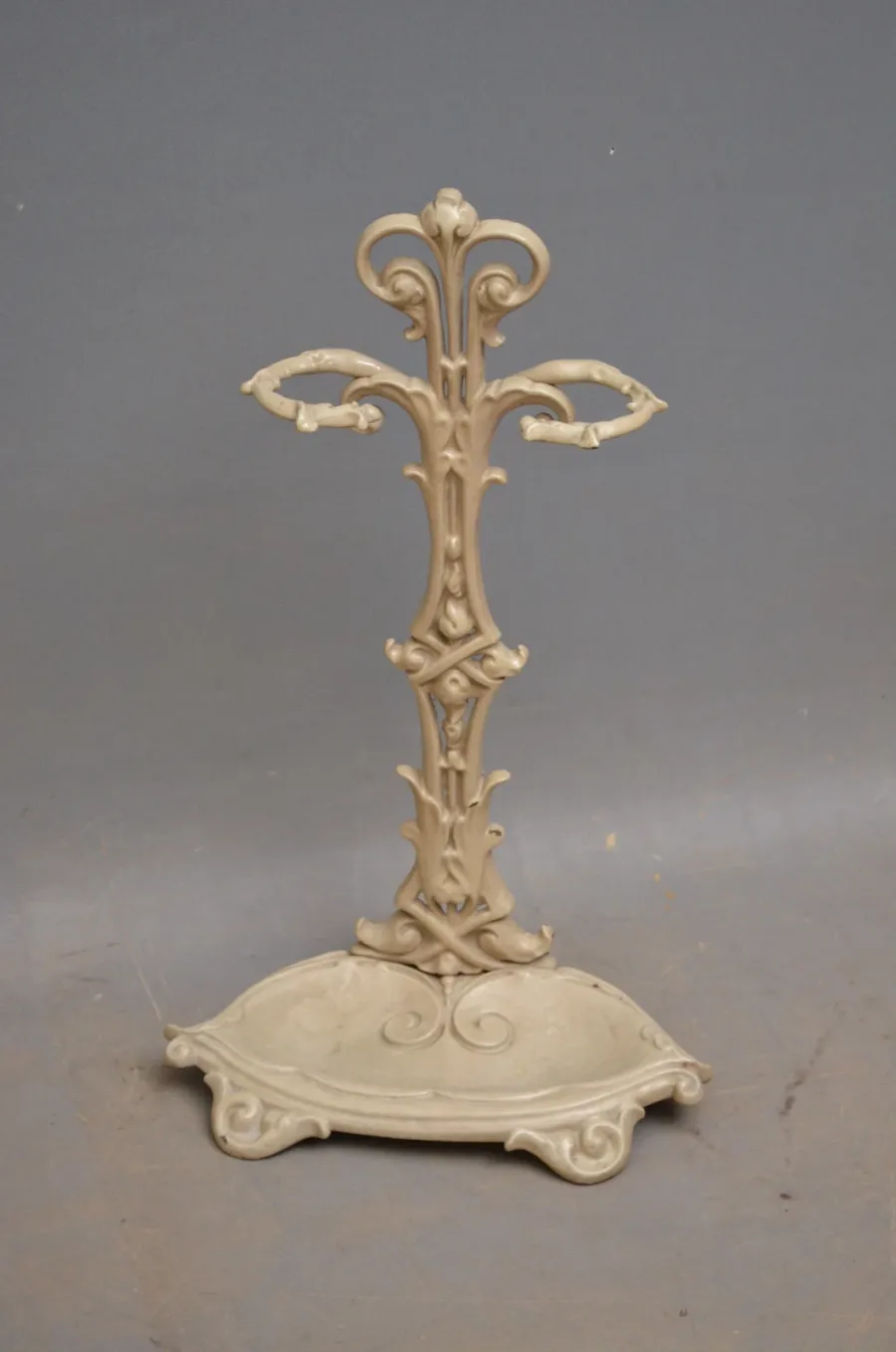
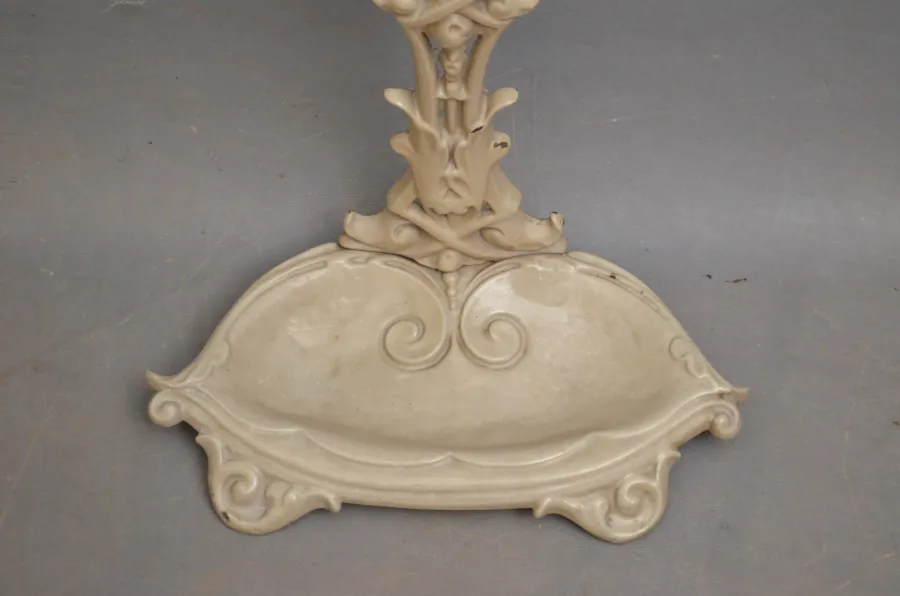
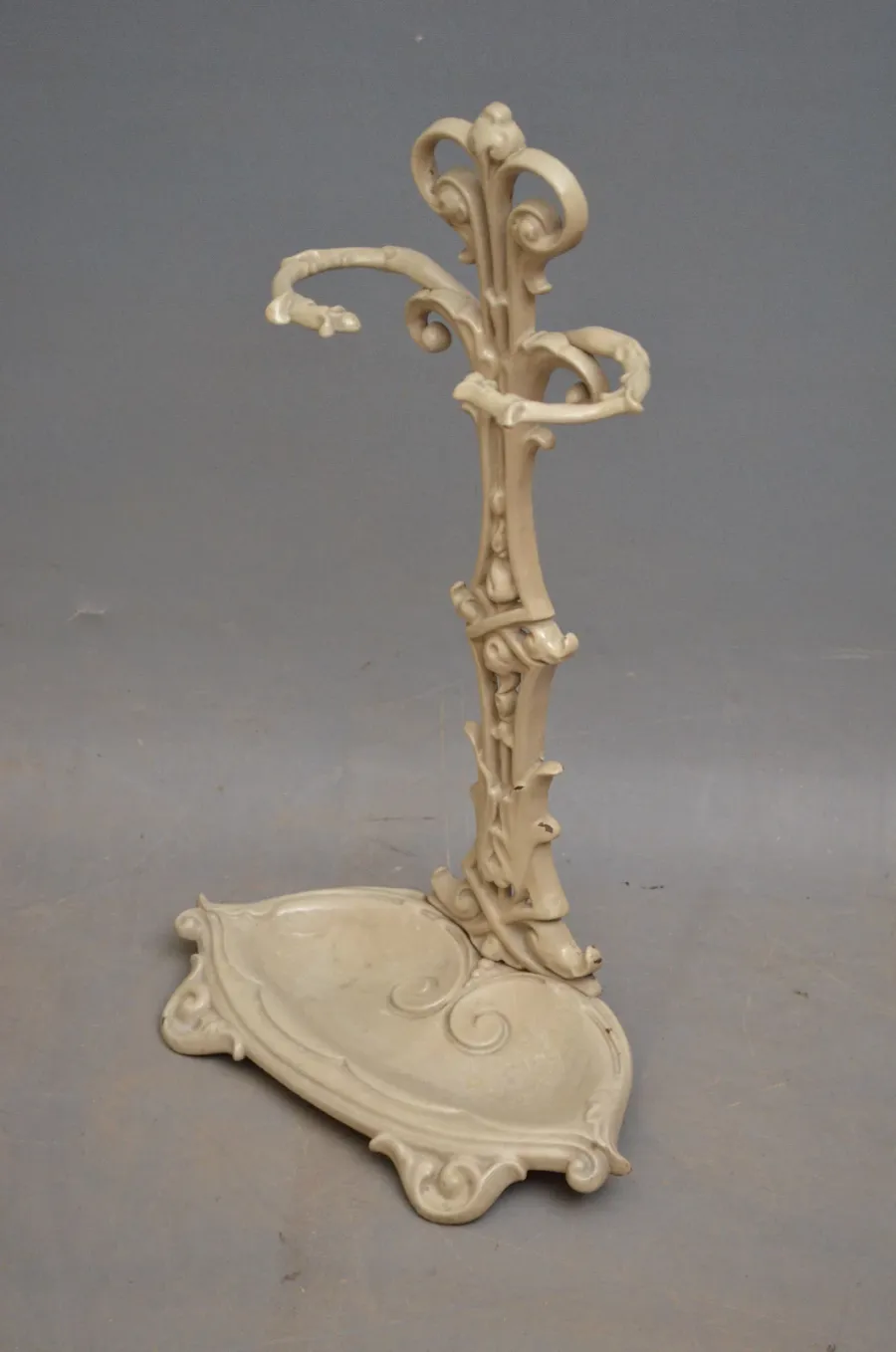
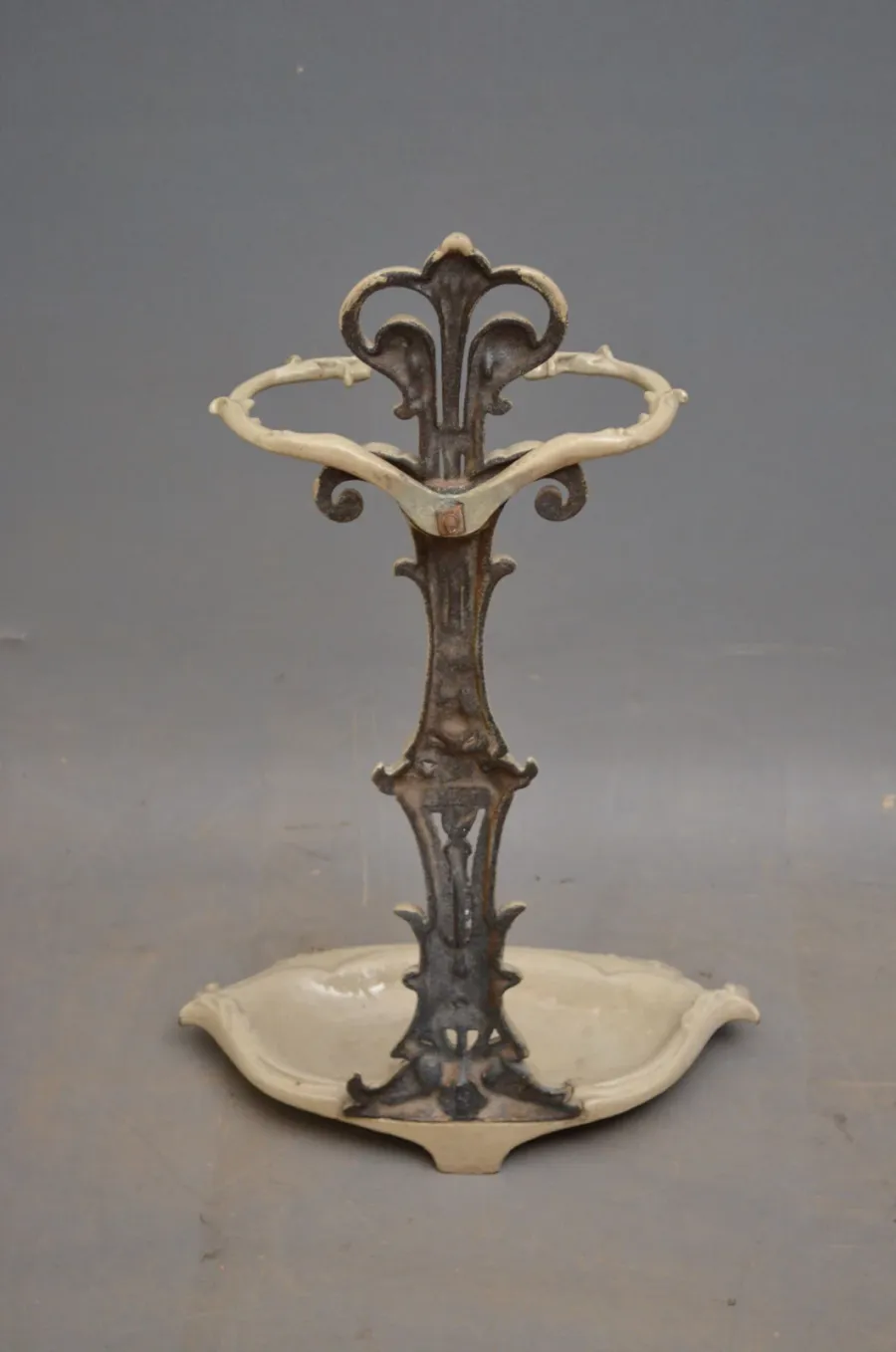
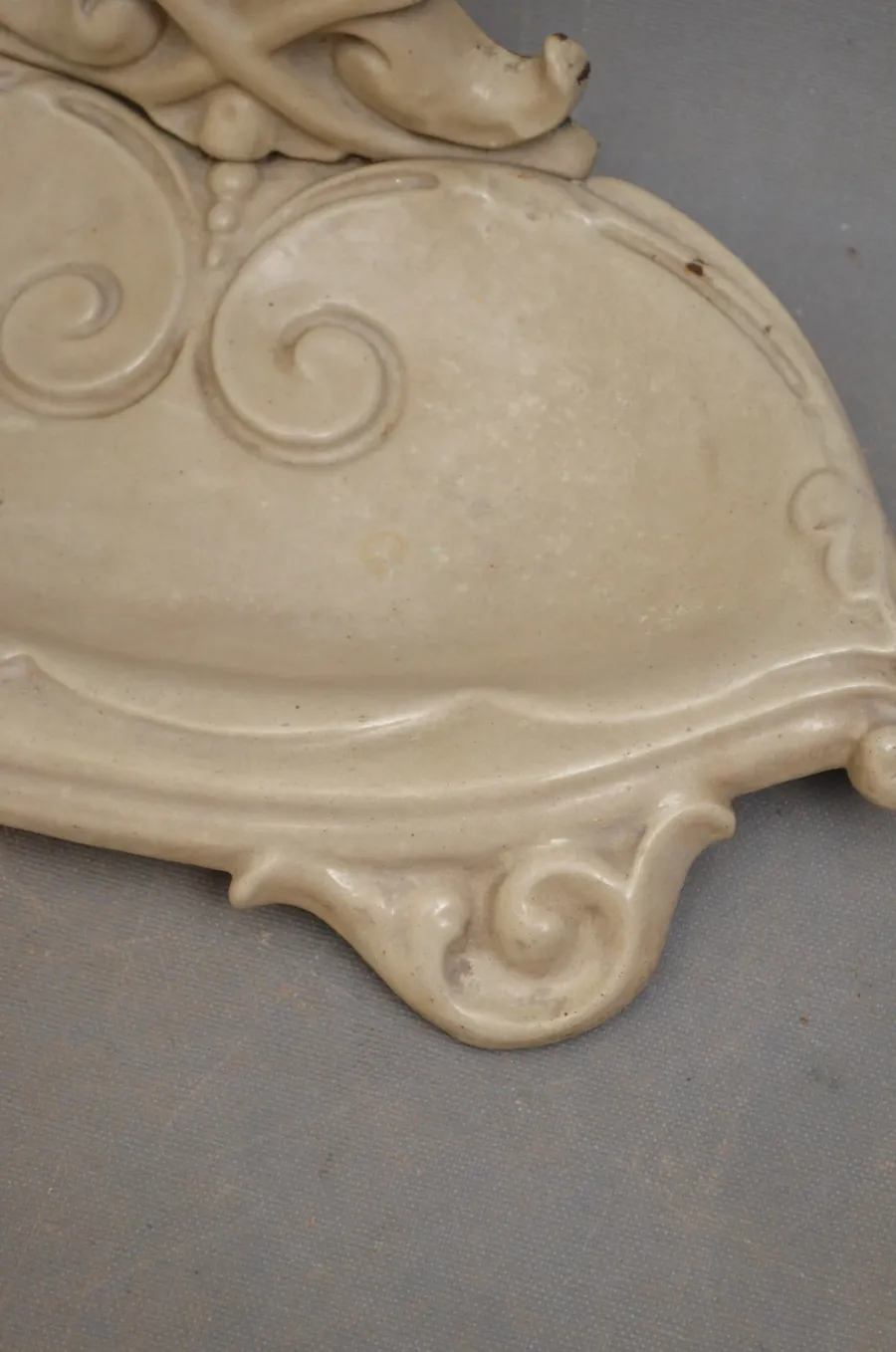
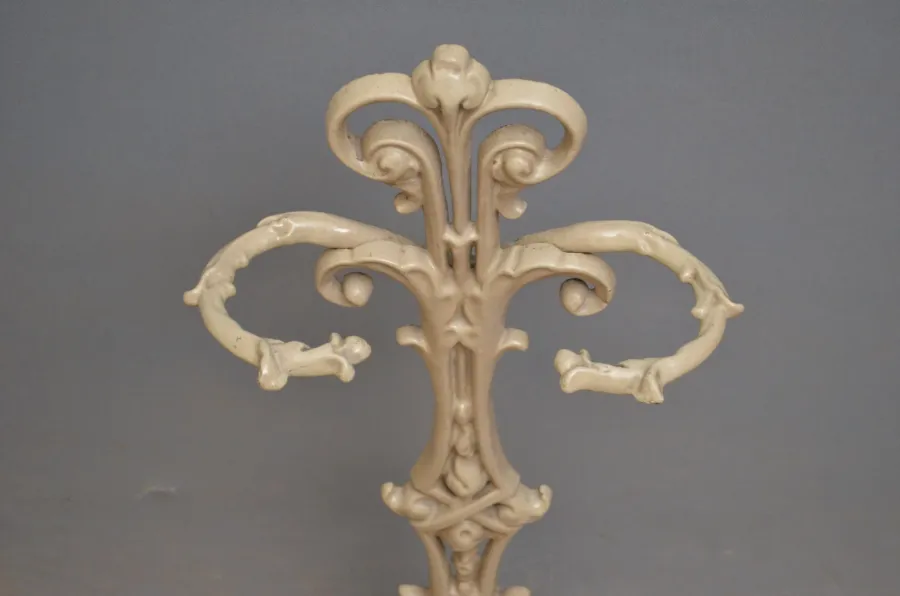
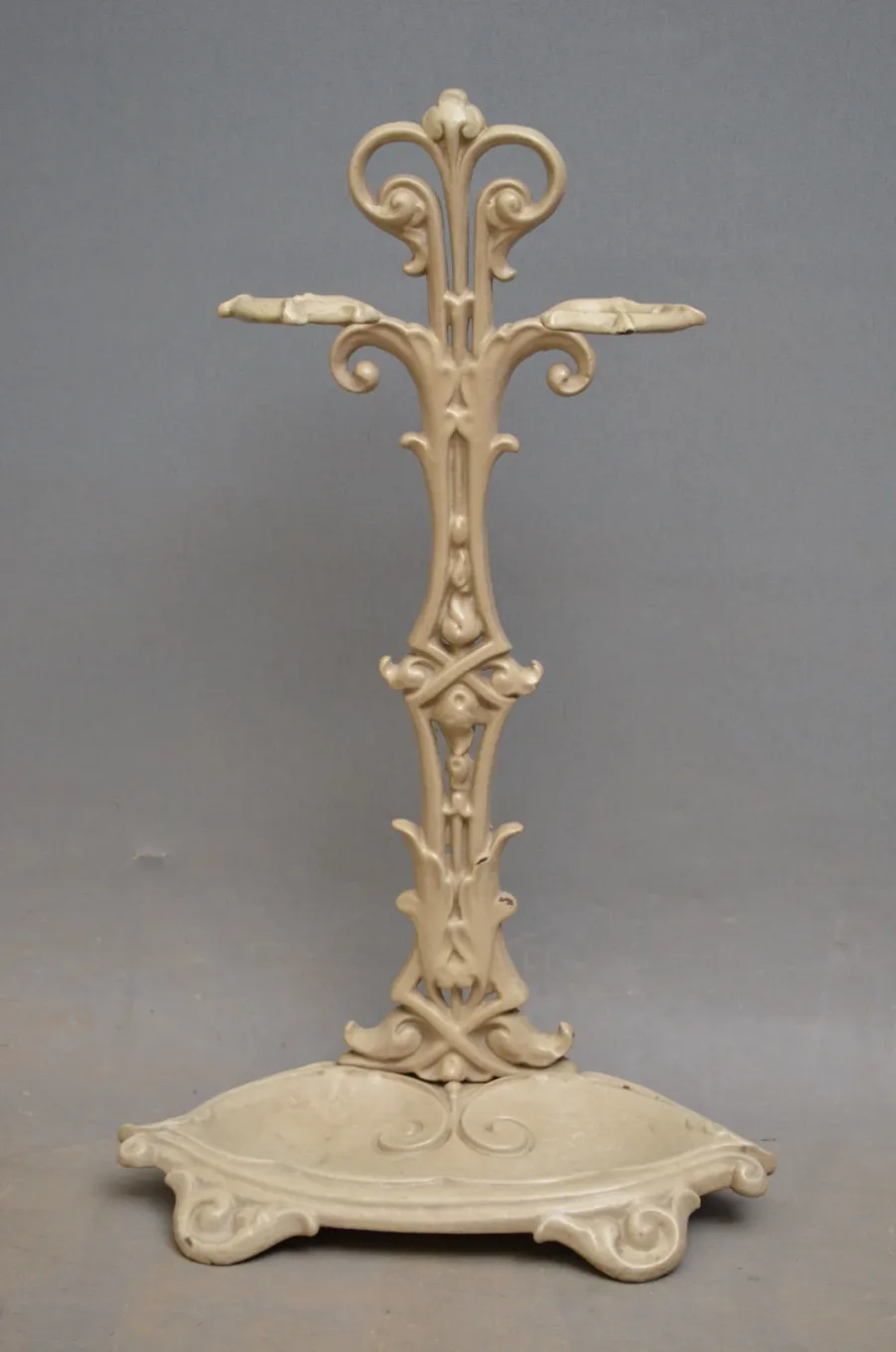
French umbrella stand in the Art Nouveau style with a fluid, organic form
Stylish antique furniture and accessories.
SKU: NIMQUES-K0293
See other products from category Antique clothes hangers and umbrellas or from manufacturer Nimbus Antiques
Related products by category
Clothes hanger with light points. Wall-mounted hanger from the 1950s, consisting of a bundle of eight shaped iron pipes. The six innermost vertical elements are hammer-finished at the top, where cloth
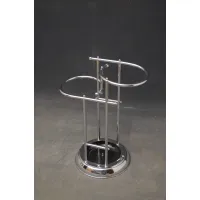
Stylish umbrella / cane stand in Art Deco style with an oval shape. Everything in excellent condition with a removable drip tray. Wonderful antique furniture and accessories can be an excellent i
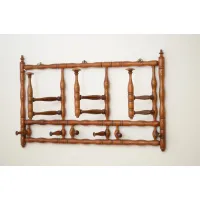
Stylish French coat and hat hooks in perfect condition.Exquisite antique furniture and accessories can be an excellent idea for decorating our interiors. Currently, there is a growing number of
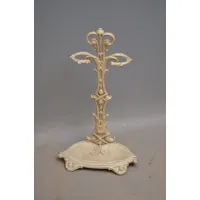
French parasol in Art Nouveau style with a flowing, organic form. This antique hall stand retains its original mushroom-colored enamel (a few small chips), all in wonderful condition, ready to be plac
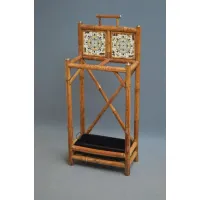
An attractive bamboo umbrella stand in late Victorian style – a stick holder with brass decoration, magnificent tails, and an original drip tray, all in excellent condition. Wonderful antique f
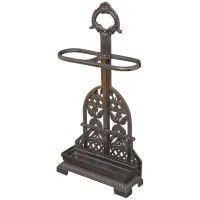
Stylish aesthetic movement Coalbrookdale cast iron hall stand with fantastic stitched finish. Reference: Coalbrook Dale Castings, Sec 11, 229. Prestigious antique furniture and accessories can be
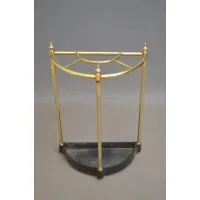
Victorian brass umbrella stand / cane stand, with 5 sections for umbrellas and walking sticks with end caps and a drip tray, all in fantastic condition, ready to be placed in your home.Unique antique
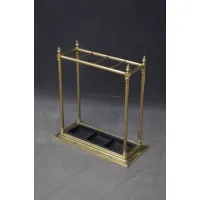
Victorian umbrella stand made of brass with 4 compartments on the sides, an original drip tray, and a brass base. All in excellent domestic condition. Luxurious antique furniture and accessories
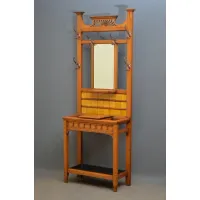
Stylish oak Arts and Crafts coat rack with a soft and gentle color, featuring carved sun decorations at the top, 6 original double copper hooks, and an original beveled edge mirror, complemented by st
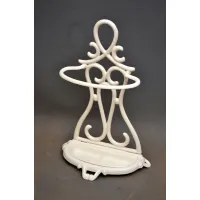
Stylish French umbrella in Art Nouveau style with an organic design, featuring an original drip tray and entirely white enamel finish, all in excellent condition – ready to be placed in your home.Pr
Description
French parasol in Art Nouveau style with a flowing, organic form. This antique hall stand retains its original mushroom-colored enamel (a few small chips), all in wonderful condition, ready to be placed in your home.
Luxurious antique furniture and accessories can be an excellent idea for decorating our interiors. Currently, there is a growing number of enthusiasts for high-quality vintage items that possess a distinct character and soul. This is a nod to history, craftsmanship, and the design of classic and timeless furniture. There are many different styles in antique furniture, each with its own distinctive features.
Many styles characterize antique furniture, but we can highlight a few of the most important. Eclectic furniture refers to the 19th century, during which the beloved Biedermeier style prevailed. Its early 20th-century variants include neo-Gothic, Gothic, Rococo, Louis-Philippe style, and finally the English Victorian style. Toward the end of the century, these styles evolved into pseudo-classicism, Renaissance, and Baroque styles.
Empire-style furniture and accessories date from the period between the late 18th and early 19th centuries. Everything was influenced by Napoleon’s reign, which imposed significant similarities and references to Roman and Greek ornamentation.
Neoclassical furniture reflects the Louis XVI style, which also strongly references ancient architecture. Interesting and noteworthy are antique products in Rococo style and Louis XV. Next is Baroque, whose name derives from the Portuguese 'barocco'—meaning an irregularly developed pearl. These were highly decorative pieces designed to radiate splendor and play a significant role in luxury. Unique materials were selectively used to emphasize the grandeur of these items.
Today, we can observe how much the Baroque style influenced modern classical furniture, which is designed with a strong resemblance to the historical period. An important style is also Renaissance, which flourished in the 15th and 16th centuries and left a significant mark on furniture craftsmanship. Renaissance furniture was quite heavy and massive, using brown stains, cornices, sturdy bases, and reliefs. These products were quite distinctive but also opened new possibilities, such as the construction of credenzas and broadly speaking, chest furniture. Mythology and ancient times also inspired this style, with supports and legs often taking animal forms.
Lion paws, eagle heads—these are common features in Renaissance-style furniture. Currently, many global brands reproduce such furniture, drawing inspiration from Italian and French artisans. This reflects admiration and respect for the history of the most beautiful Renaissance antiques. It is important to remember that furniture production was perceived differently in each country, so each style had its own character. This is especially important when searching for elegant antique pieces suitable for your interior.
The key aspect of elite antique furniture is originality. This is ultimately crucial for buyers, as many counterfeits circulate on the market. Luxury Products provides documentation confirming the product’s authenticity and compliance with the description and photos. We also have appraisers, art experts, historians, and specialists from around the world at your disposal.
Attributes / Details
| SKU | NIMQUES-K0293 |
| Manufacturer | Nimbus Antiques |
| Model | K0293 |
| Size | H62cm W38cm D20cm |
| Age | 19th century |
| Year | 1890 |
| Condition | After renovation |
| Destiny | To hall |
See catalog
Reviews
No reviews for this product.