

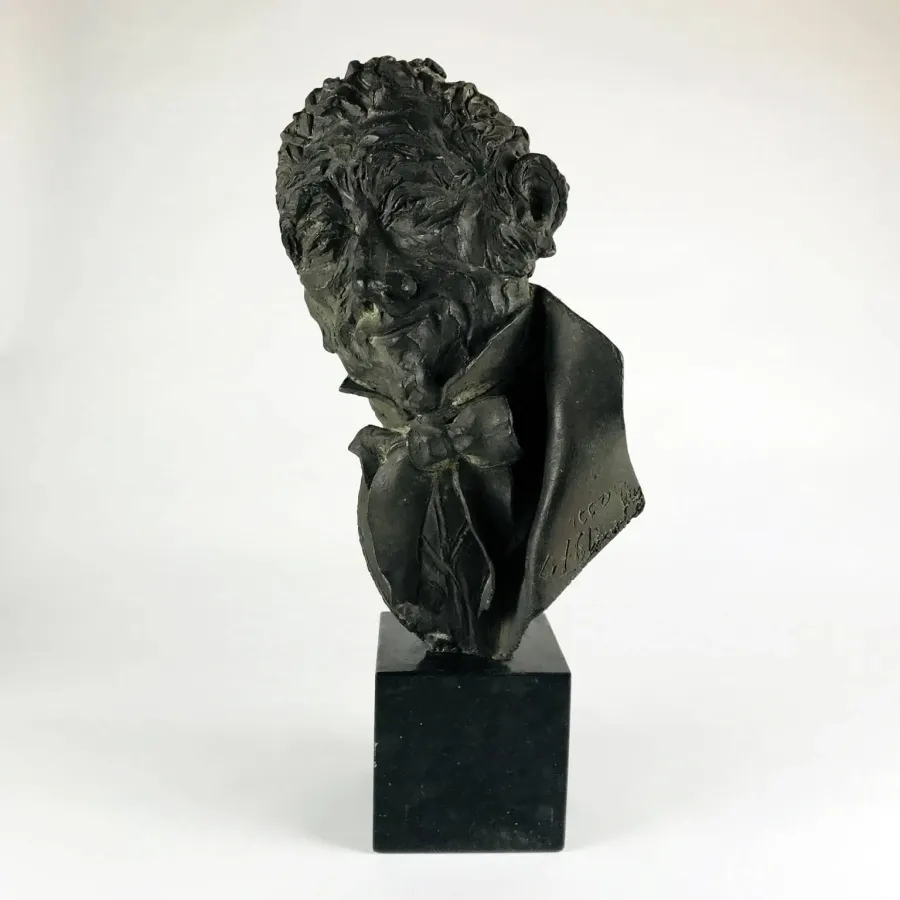
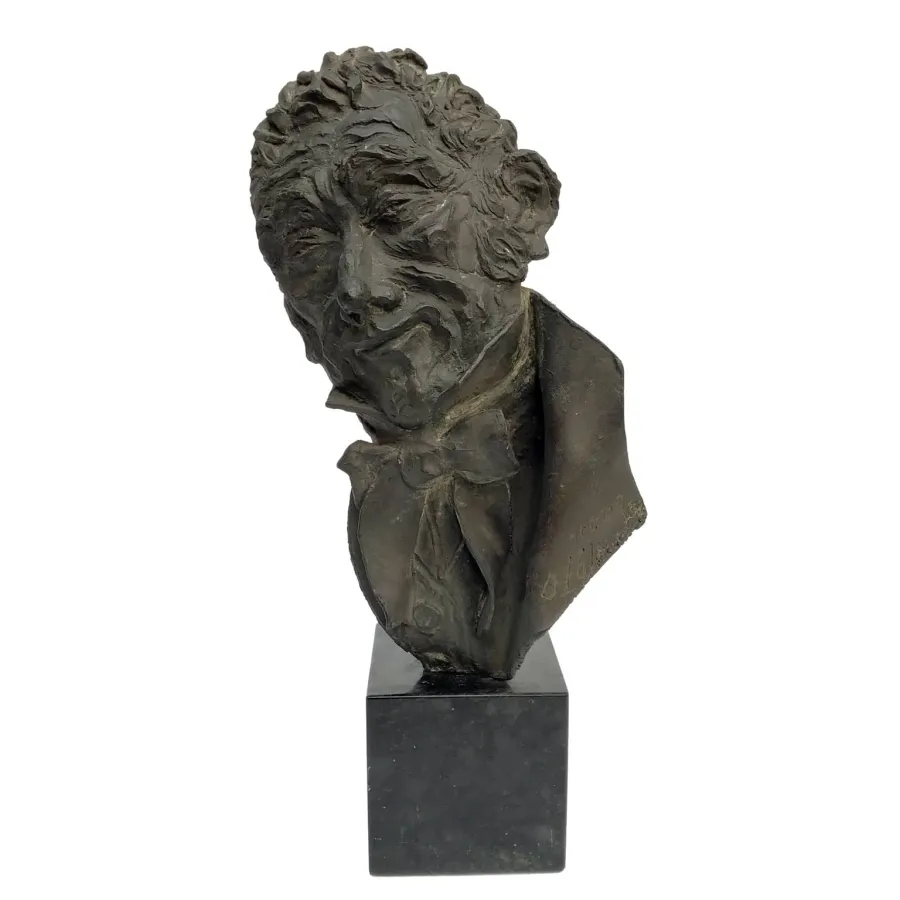
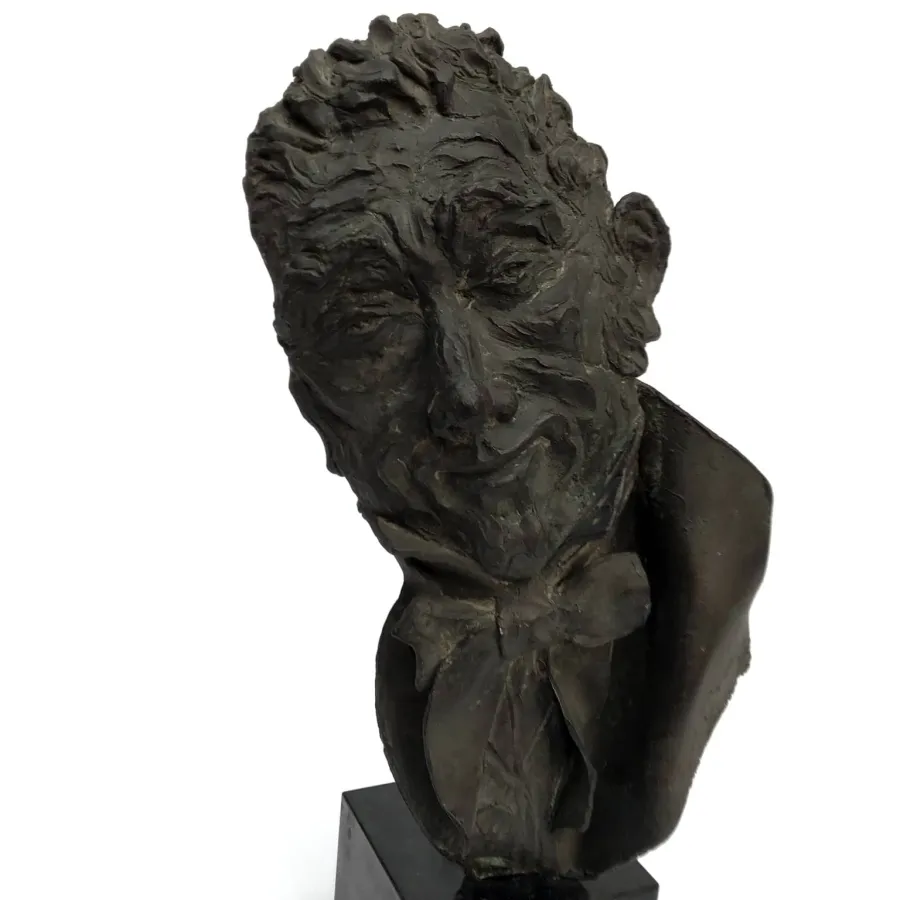
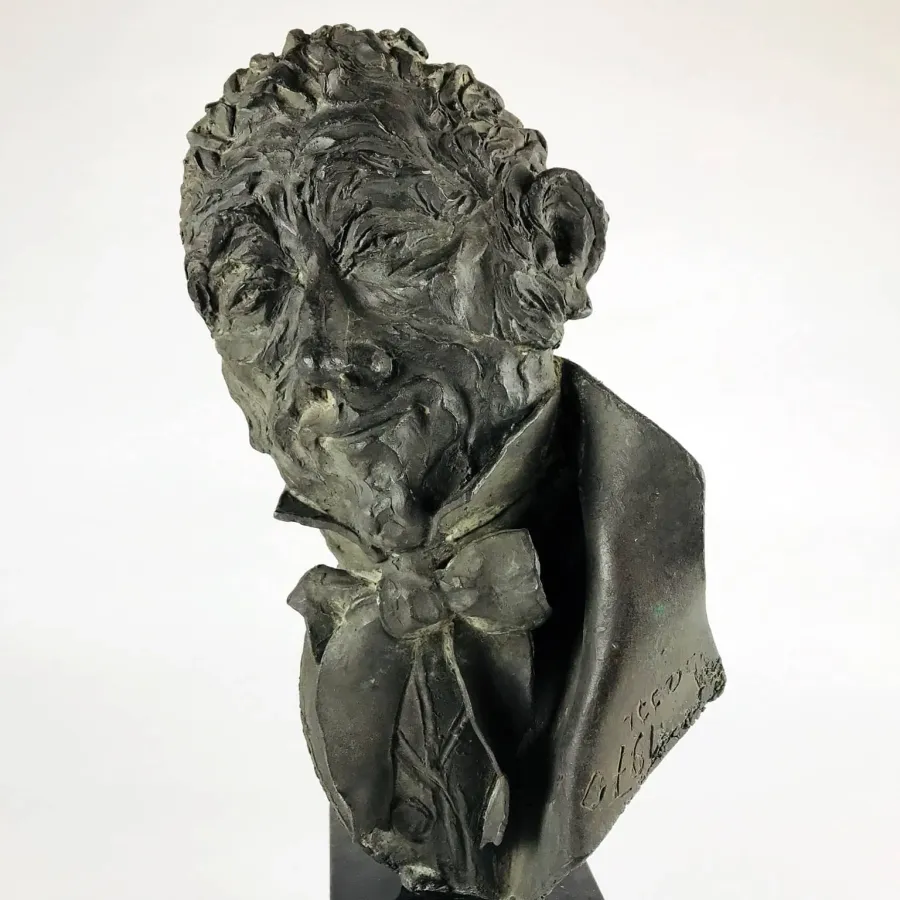
Bronze bust of Dora Bassi 1970 by Alessandro Manzoni
Elite antique furniture and accessories
SKU: ANT-A326
See other products from category Sculptures of human figures or from manufacturer Antyki with shipping within 24 hours
Related products by category
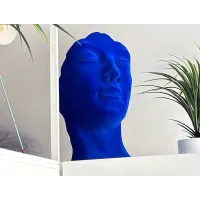
Gorillas Popart is a unique approach to designing and creating luxury sculptures and functional art pieces. Upon request, the manufacturer will customize the product by selecting the appropriate

Manufaktura Gorillas Popart offers a unique approach to designing and creating luxury sculptures and functional art pieces. Upon request, the manufacturer will customize the product by selecting
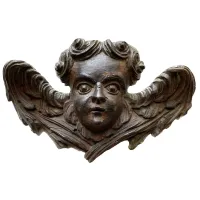
The sculpture “Winged Cherub” from 1700. The angel's face carved in wood from liturgical furnishings, to which it was attached with two nails; the holes left by them are visible in the lower part
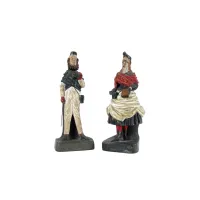
Set of pen holders featuring caricatures of Scottish tourists. Ancient, handcrafted and painted terracotta figures depicting a pair of Scottish tourists in traditional costumes. There is a compartment
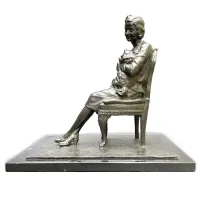
Leonardo Secchi Sitting woman with dog, 1942, cast from dark patina, depicts a woman sitting on a chair on an oriental rug, tenderly hugging and cuddling her dog. The cast is placed on a base made of
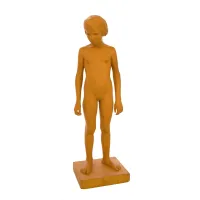
Original antique furniture and accessories can be an excellent idea for decorating our interiors. Today, there is an increasing number of enthusiasts of high-quality vintage products that possess a di
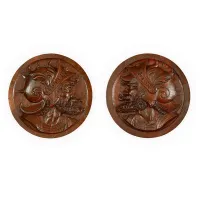
Para rzeźbionych drewnianych medalionów przedstawiających sylwetki rycerzy w hełmach z pióropuszami, szpicami i podniesionym daszkiem. Obie płaskorzeźby z XIX w. mają kształt okrągły i są
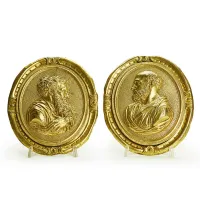
Pair of gilded bronze plaques featuring saint profiles, a pair of 18th-century gilded bas-reliefs with an oval shape, composed of two overlapping elements; cast profile and stamped frame made of sheet
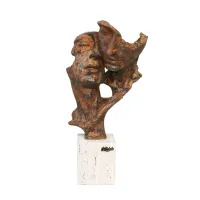
We would like to introduce you to an exclusive brand in the field of sculptural art - Anglada. This manufactory's name derives from its creator - Ángeles Anglada - a tal

Manufaktura Luxury Gifts - More love for youOur customers' satisfaction and that of the recipients of our gifts is our top priority. We make every effort to create unique and high-quality gift art pi
Description
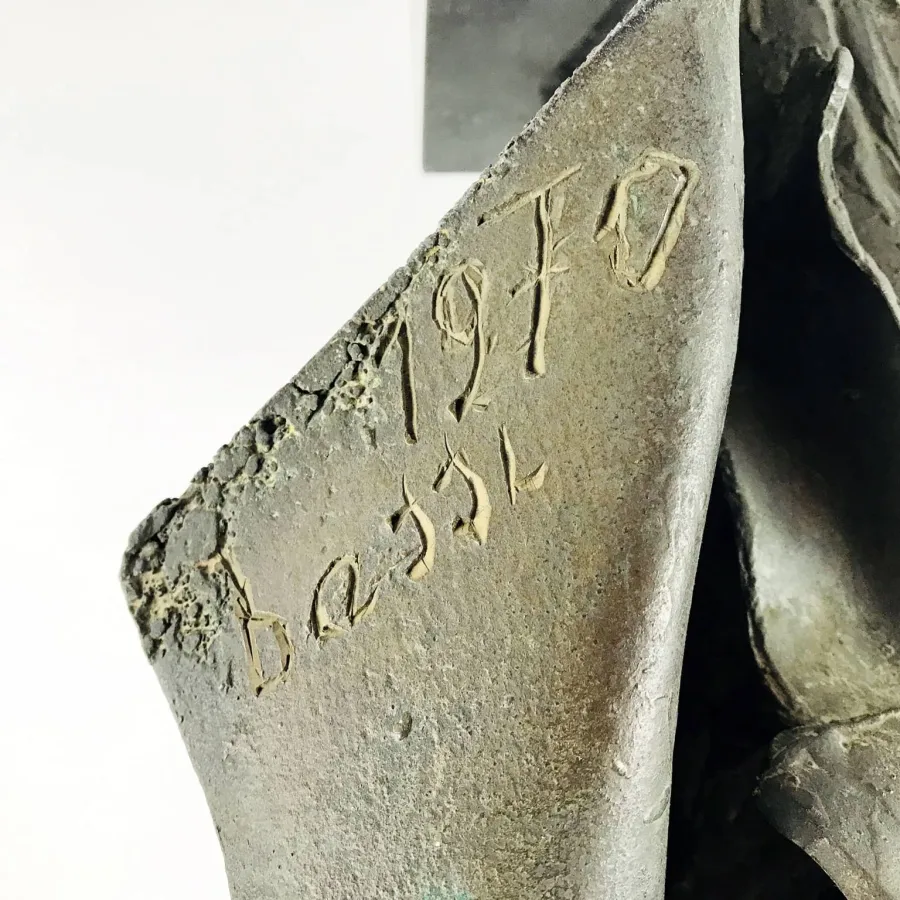
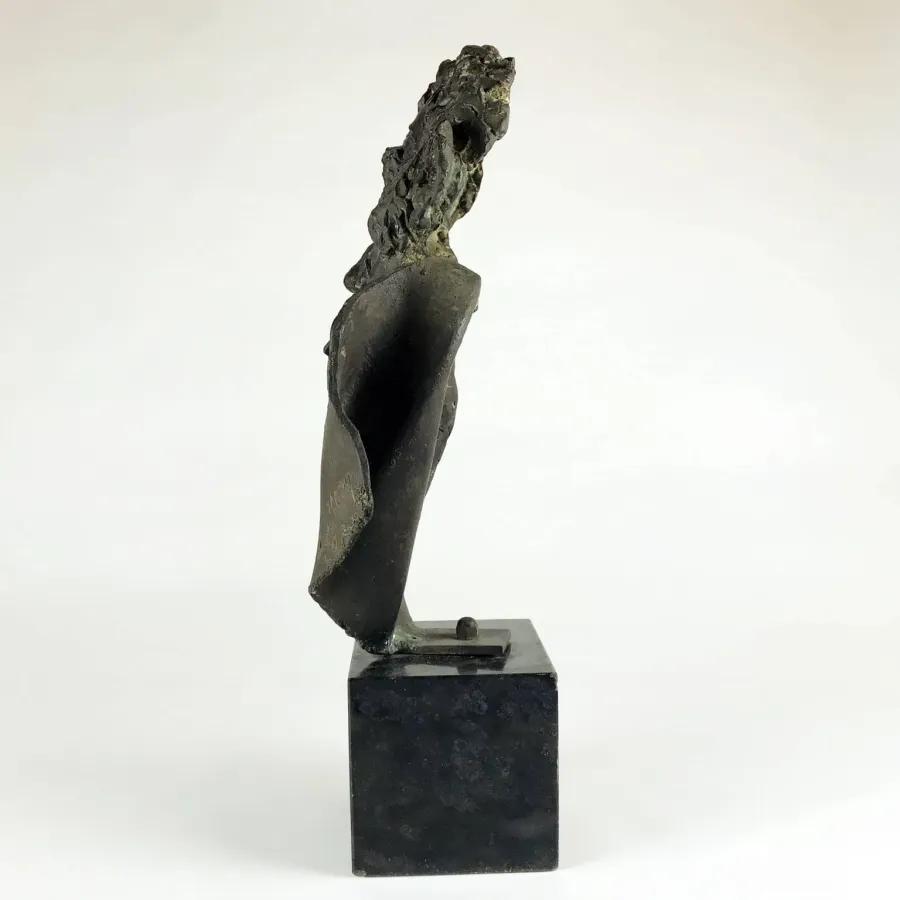
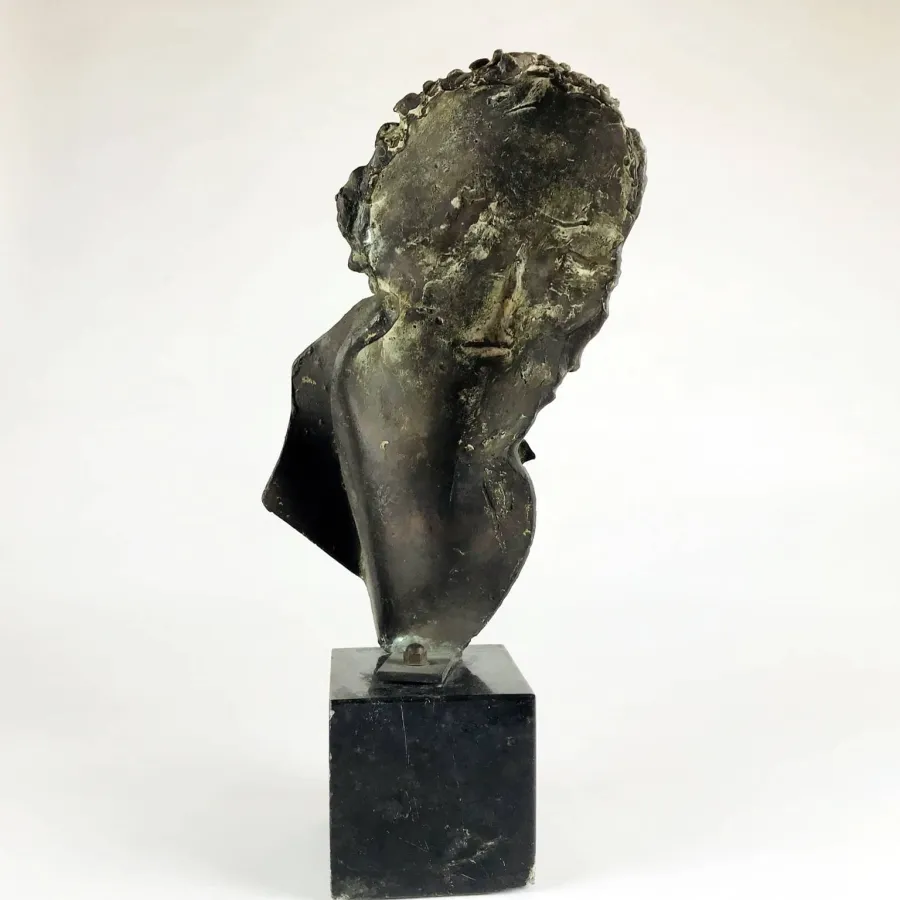
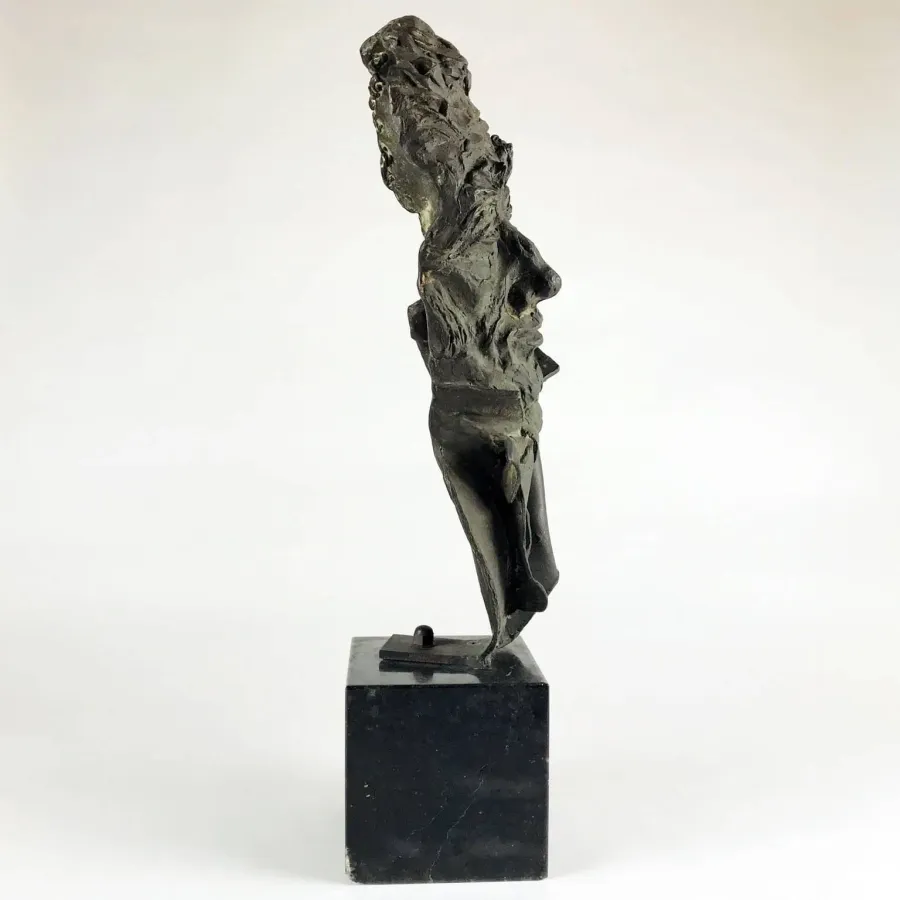
Brown bust of Dora Bassi 1970 by Alessandro Manzoni, half-length portrait with a moustache and a pleased expression. The bronze cast has a beautiful dark patina and is mounted on a black marble base, signed on the right corner of the Bassi coat collar, 1970. In perfect condition.
The work of artist DORA BASSI (1921-2007), a Friulian sculptor and painter, was the subject and witness of major artistic movements of the post-war period. She enrolled at the Academy of Fine Arts in Florence (1939) and Venice (1941-1944), studying under Felice Carena and Giuseppe Cesetti, learning about 20th-century Italian art and the plasto-constructive function of color. Immediately after the war, she joined neorealism, emerging from the roots of the fading New Front of Art, and later became part of the Florentine group “Numero,” which gathered leading figures of abstract art. In the 1960s, she opened a studio-laboratory in Udine to create sculptures and bas-reliefs from terracotta, later working with bronze, iron, and steel for various public and private clients.
Professor of sculpture at the Academy of Brera (1971-1991), she participated in experimental educational renewal programs. Besides her ongoing artistic production and exhibitions in Italy and abroad, Dora Bassi also engaged in intensive research and studies on contemporary art. She writes for magazines and catalogs, dedicating herself to promoting lesser-known artists in Italy such as Charlotte Salomon, Leonor Fini, Leonora Carrington, Remedios Varo, Georgia O’Keeffe, Jenny Holzer. Until 1991, she led the DARS group (Woman Art Research and Experimentation). Since the 1980s, her stylistic code has influenced her painting and sculpture, ultimately leading to works of great technical refinement. She passed away in Udine in 2007.
Luxury antique furniture and accessories can be an excellent idea for decorating our interiors. There is a growing number of enthusiasts for high-quality vintage items that possess a specific character and soul. This is a nod to history, craftsmanship, and the design of classic and timeless furniture. There are many different styles in antique furniture, each with its distinctive features.
Many styles characterize antique furniture, but a few are particularly prominent. Eclectic furniture refers to the 19th century, especially the Biedermeier style. Its early 20th-century variants include neo-Gothic, Gothic, Rococo, Louis-Philippe style, and finally the English Victorian style. By the end of the century, these styles evolved into pseudo-styles of Classicism, Renaissance, and Baroque.
Empire-style furniture dates from the late 18th to early 19th century. It originated during Napoleon’s reign, characterized by significant similarities and references to Roman and Greek ornamentation.
Neoclassical furniture reflects the Louis XVI style, which also draws heavily from ancient architecture. Notable and interesting are antique products in Rococo and Louis XV styles. Next is Baroque, a term derived from the Portuguese “barocco,” meaning an irregularly developed pearl. These were highly decorative pieces designed to radiate splendor and serve a role in luxury. They used exclusive materials selectively to emphasize the grandeur of these works.
Today, we can see how much the Baroque style influenced modern classical furniture, which is often designed with a strong resemblance to the historical period. An important style is Renaissance, which flourished in the 15th and 16th centuries and also left a significant mark on furniture design. Renaissance furniture was quite heavy and robust, often finished with brown stains, featuring cornices, strong bases, and reliefs. These products were quite distinctive but also introduced new possibilities, such as the construction of cupboards and broadly speaking, chest-type furniture. Here, too, there was an interest in mythology and ancient times, so supports and legs often took animal forms.
Claw of a lion, eagle's head – these are common motifs especially in Renaissance style. Currently, many global brands reproduce furniture crafted in this manner, drawing inspiration from Italian and French creators. This reflects admiration and respect for the history of the most beautiful Renaissance antiques. It is important to remember that each country perceived furniture making differently, so each style had its own distinct character. This is especially important when searching for a luxurious antique that suits your interior.The most important aspect of elite antique furniture is originality. This is ultimately crucial for the buyer, as the market is flooded with many forgeries. Luxury Products provides a certificate confirming the product's compliance with its actual description and photos. We have appraisers, art experts, historians, and specialists from around the world at your disposal.
Attributes / Details
| SKU | ANT-A326 |
| Manufacturer | Antyki |
| Model | A326 |
| Material | brown |
| Size | Height: 54 cm Width: 28 cm Depth: 16 cm |
| Age | XX |
| Year | 1970 |
| Destiny | To living room |
See catalog
Reviews
No reviews for this product.