

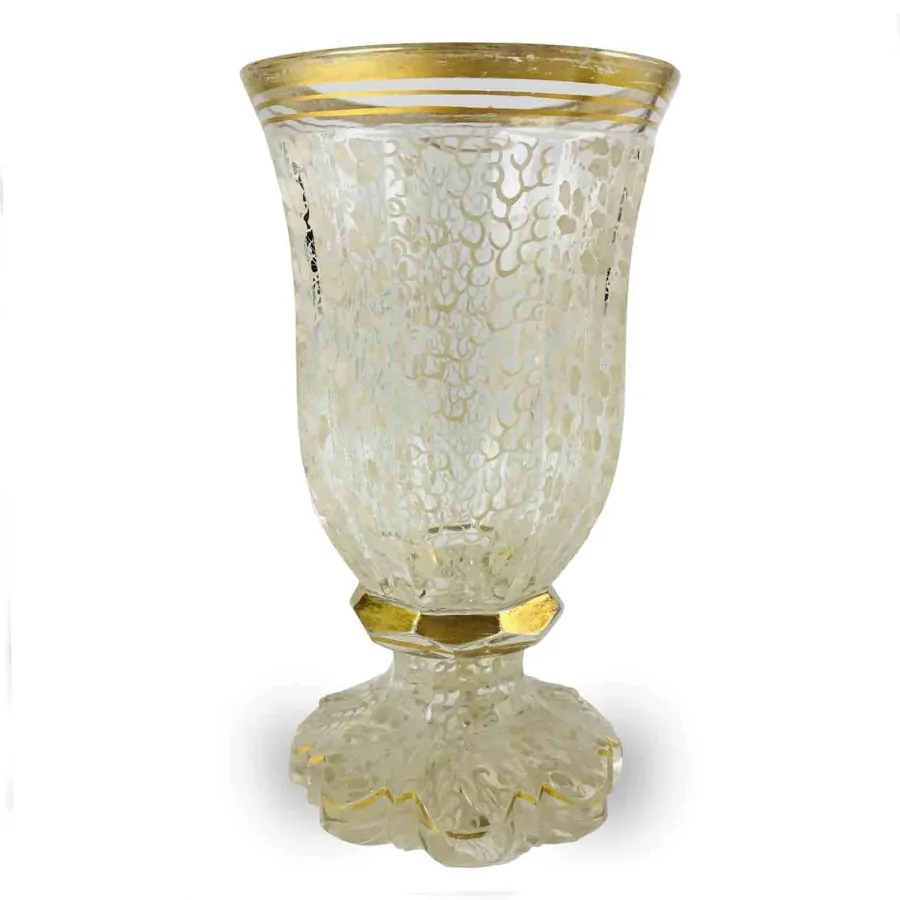
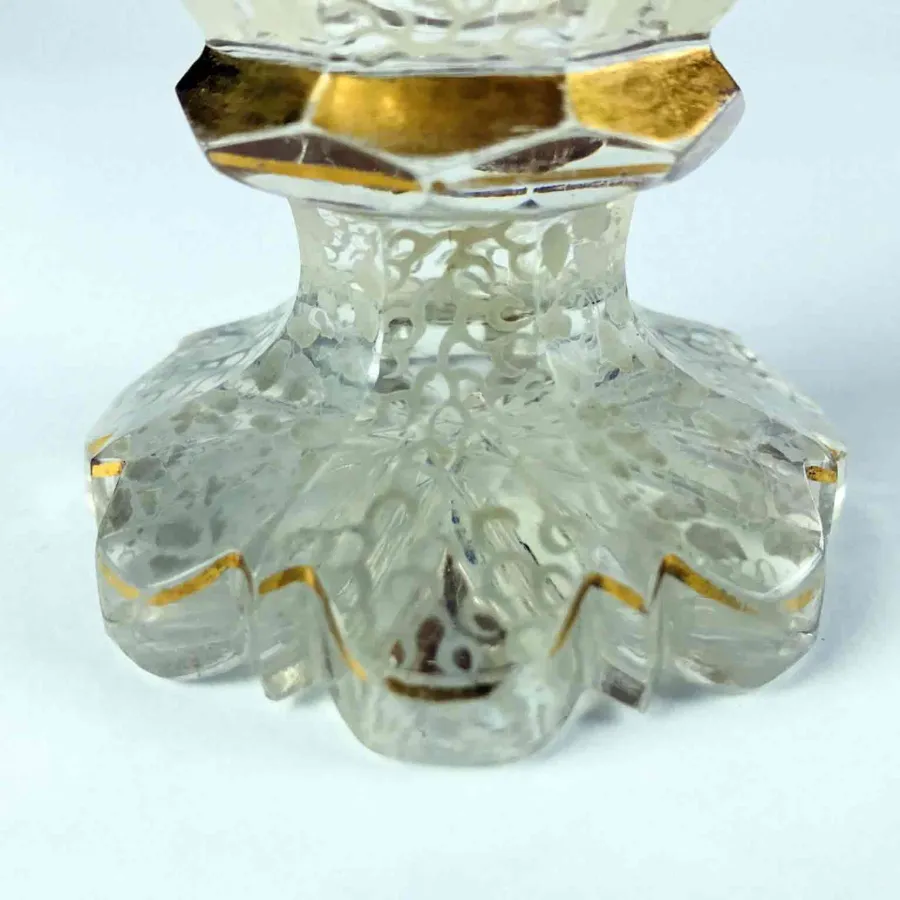
Antique crystal glass from the late 19th century
Elite antique furniture and accessories
SKU: ANT-A341
See other products from category Glasses for liqueur, drinks, etc or from manufacturer Antyki
Related products by category
Artisans from Italy have always been highly regarded among connoisseurs of refined taste and elegant decorations. That is why combining classic design with modern manufacturing methods results in uniq
Decorative glass for the table. Italian artisans are renowned for their exquisite craftsmanship in producing beautiful glass and crystal items.Elegant apartments have been decorated for many years w
to498.00
The presented collection by the German manufacturer Arnstadt Kristall is made from crystal that interacts with 24% lead oxide, giving it an impeccable shine and exceptional beauty.Arnstadt Kristall -
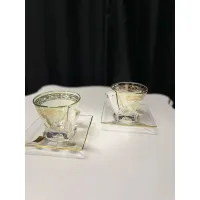
Italian tableware.Italian artisans are renowned for their exquisite craftsmanship in producing beautiful glass and crystal items.Elegant apartments have been decorated for many years with jewelry an
to120.00
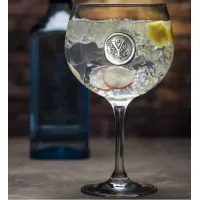
Elegant pewter products combined with the highest quality finishings showcase the English Pewter Company. This is a true nod to handcrafted items that impress with their unique elegance and luxury.Eng
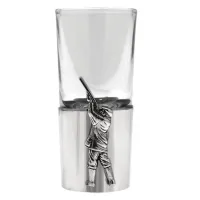
Prestigious pewter products combined with the highest quality craftsmanship present the English Pewter Company brand. It’s a true nod to handcrafted items that impress with their unique elegance and
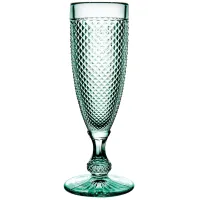
The Vista Alegre Factory was the first industrial unit dedicated to porcelain manufacturing in Portugal. The determination of its founder, José Ferreira Pinto Basto, contributed to the brand's enormo
Manufactory Vista Alegre was the first industrial unit engaged in porcelain production in Portugal. The determination of its founder José Ferreira Pinto Basto contributed to the tremendous success of
The Due Ancore brand specializes in the production of professional stainless steel cutlery for the food sector. All products are marked with the historic trademark DUE ANCORE, first registered in 1912

The Vista Alegre factory was the first industrial unit engaged in porcelain manufacturing in Portugal. The determination of its founder, José Ferreira Pinto Basto, contributed to the tremendous succe
Description
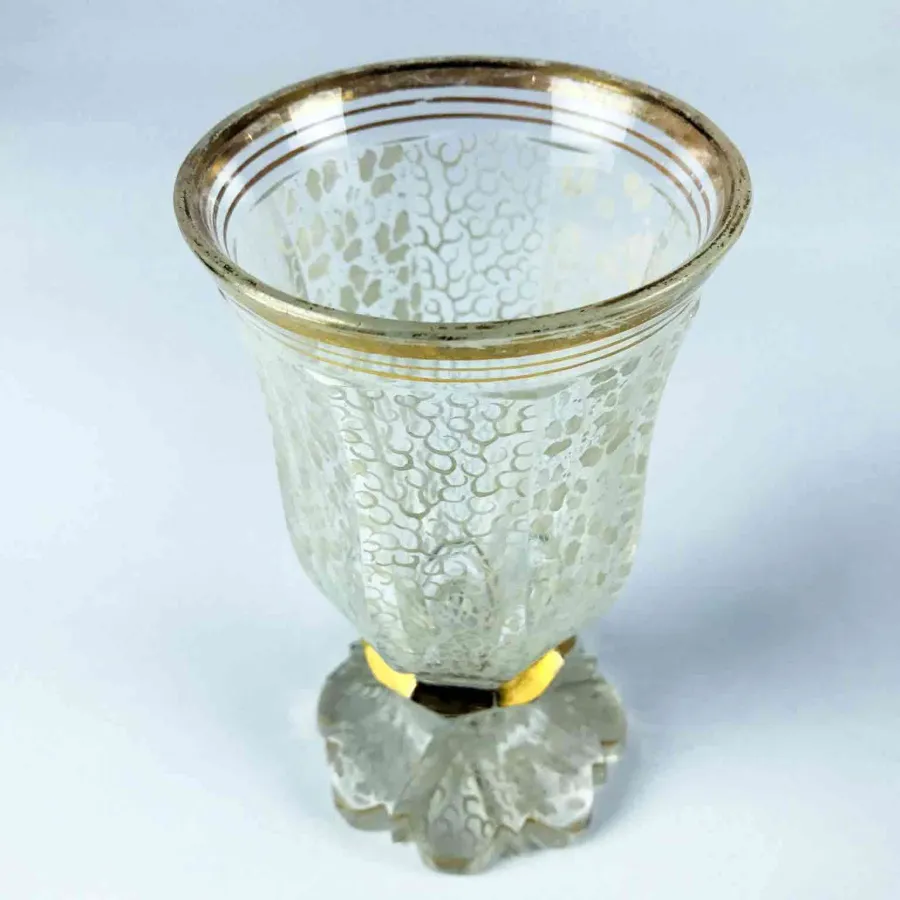
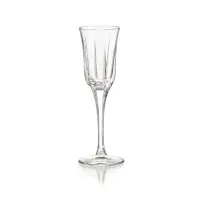
Ancient crystal glass from the late 19th century, decorated in white and gold, originating from Austria-Hungary.
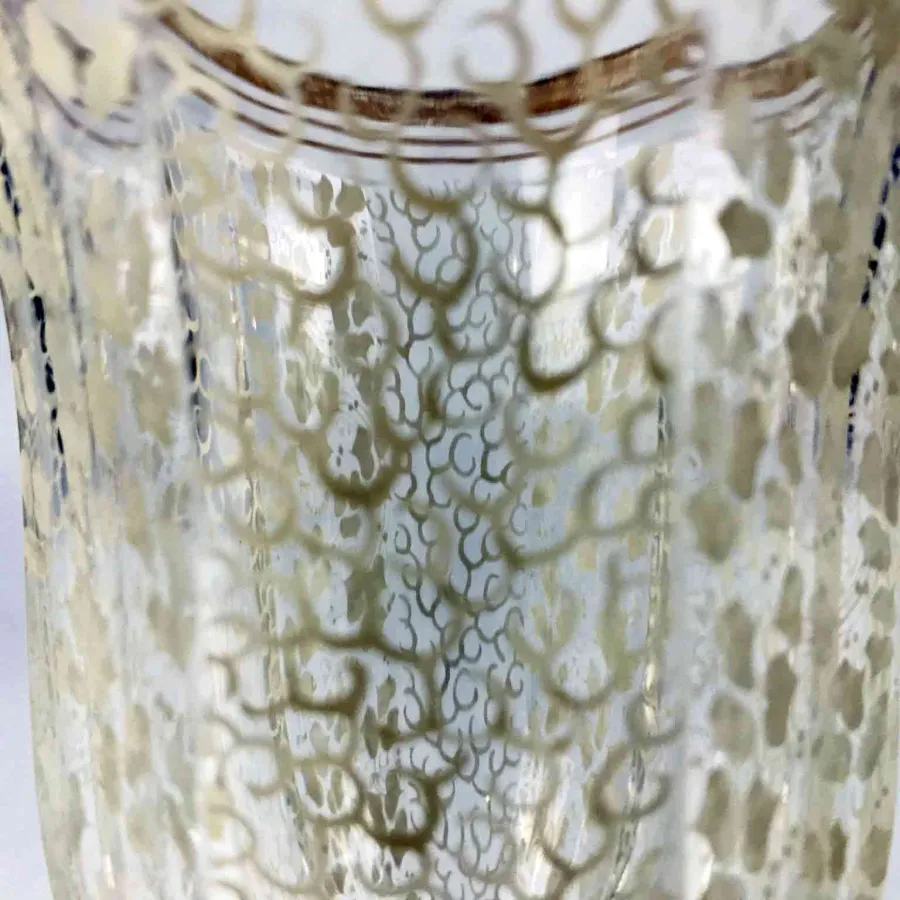
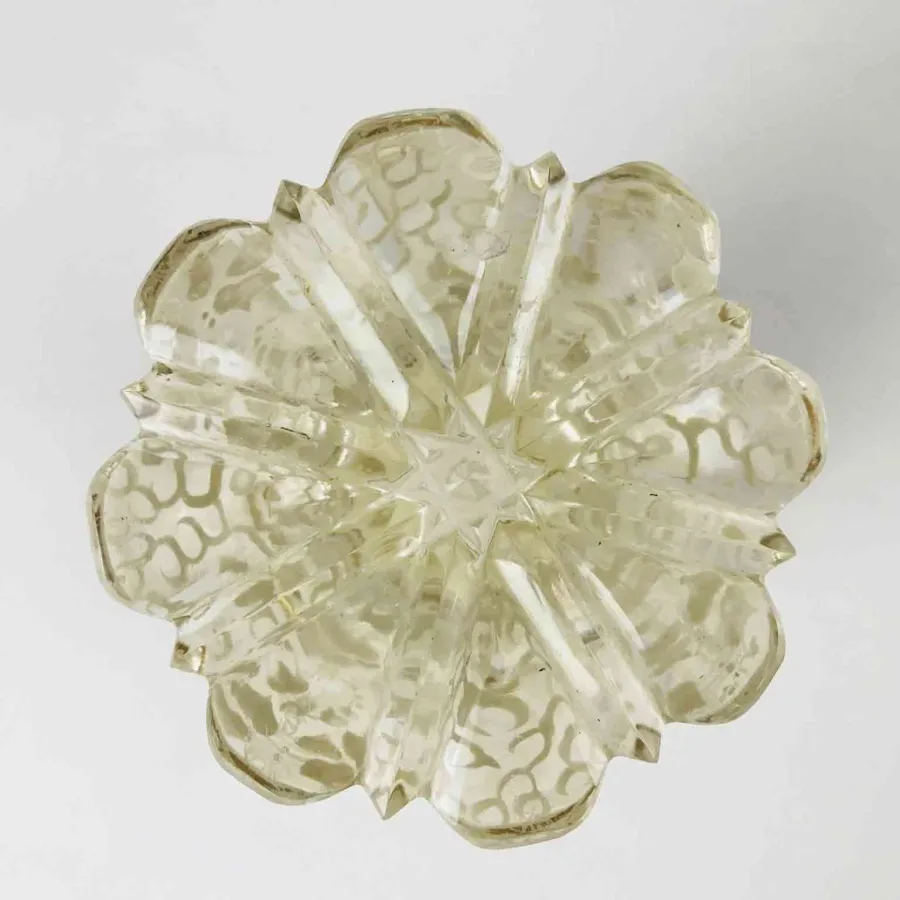
This transparent crystal goblet, from the Czech Republic, features a round foot with a mixed-line edge, shaped and divided into eight panels, topped with a gold ring and a round body divided into eight sections. The delicate and thick white enamel decoration with botanical motifs, spirals, and fantasy, along with a modern line decorating the entire glass, makes it particularly elegant. It is in good condition and dates from the late 19th century.
In excellent condition, this antique collectible crystal goblet is well-preserved, with minimal signs of wear on the gilded edges, consistent with 19th-century dating.
Exclusive antique furniture and accessories can be an excellent idea for interior design. There is currently a growing appreciation for high-quality vintage items that possess a specific character and soul. This is a nod to history, craftsmanship, and the creation of classic and timeless furniture. There are many different styles in antique furniture, each with its distinctive features.
Many styles characterize antique furniture, but a few are particularly notable. Eclectic furniture from the 19th century, including the beloved Biedermeier style, is prominent. Early 19th-century variations include neo-Gothic, Gothic, Rococo, Louis Philippe style, and the English Victorian style. Toward the end of the century, these styles evolved into pseudo-classicism, Renaissance, and Baroque styles.
Empire-style furniture and accessories date from the late 18th to early 19th century, inspired by Napoleon’s reign, with significant influences from Roman and Greek ornamentation.
Neoclassical furniture, associated with Louis XVI, also draws heavily from ancient architecture. Noteworthy are antique products in Rococo and Louis XV styles. Baroque, derived from the Portuguese word 'barocco'—meaning an irregularly developed pearl—was characterized by highly ornate furniture meant to shine with splendor and play a significant role in luxury. Materials were selectively chosen to emphasize the grandeur of these pieces.
Today, we can observe how much the Baroque style influenced modern classical furniture, which often closely resembles the historical period. The Renaissance style, flourishing in the 15th and 16th centuries, also left a significant mark on furniture design. Renaissance furniture was quite heavy and massive, using brown stains, moldings, sturdy bases, and reliefs. These products were quite distinctive but also introduced new possibilities, such as the construction of cupboards and broadly defined chest furniture. Mythology and ancient times inspired these designs, with supports and legs often taking animal forms.
Lion paws and eagle heads are common features in Renaissance-style furniture. Many global brands now reproduce such furniture, inspired by Italian and French creators, as a tribute to the beauty and history of Renaissance antiques. It’s important to remember that furniture styles varied by country, each with its unique character, which is especially important when selecting elegant antiques for your interior.
The key to prestigious antique furniture is originality. This is ultimately crucial for buyers, as the market is flooded with fakes. Luxury Products provides documentation confirming the authenticity of each item, matching the description and photos. We also have appraisers, art experts, and historians from around the world at your disposal.
Attributes / Details
| SKU | ANT-A341 |
| Manufacturer | Antyki |
| Model | A341 |
| Material | glass |
| Size | Height: 14 cm Diameter: 8 cm |
| Age | 19th century |
| Year | 1801 |
| Destiny | Universal |
See catalog
Reviews
No reviews for this product.