

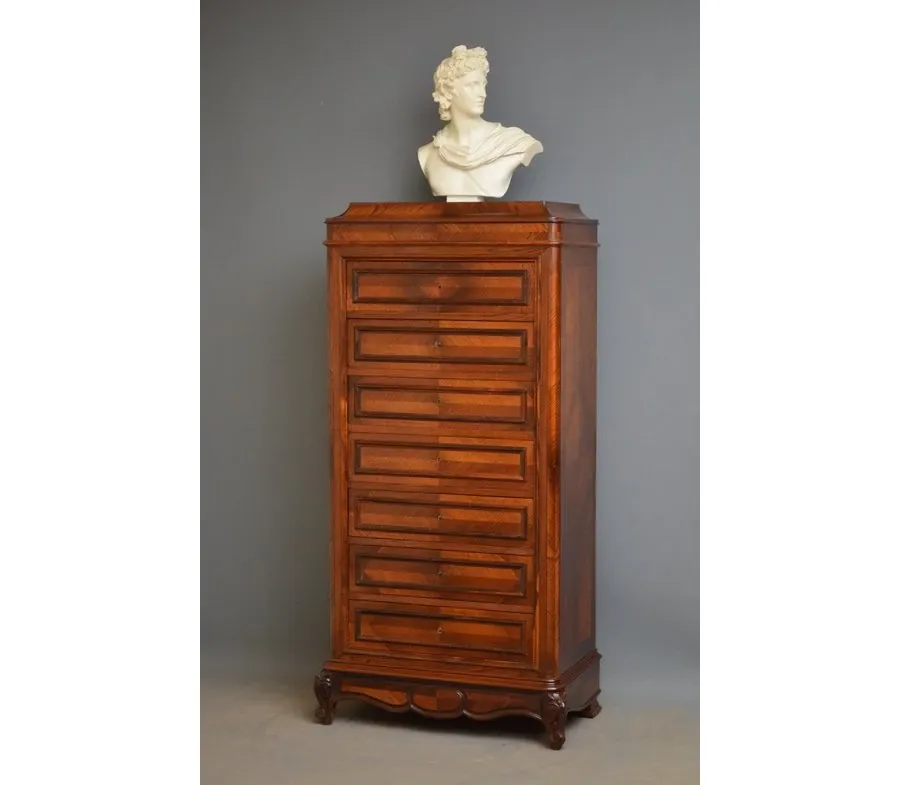
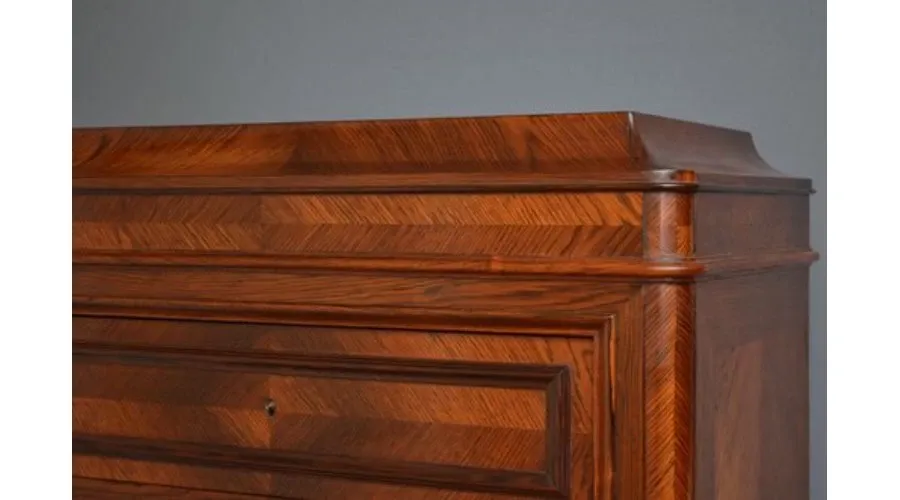


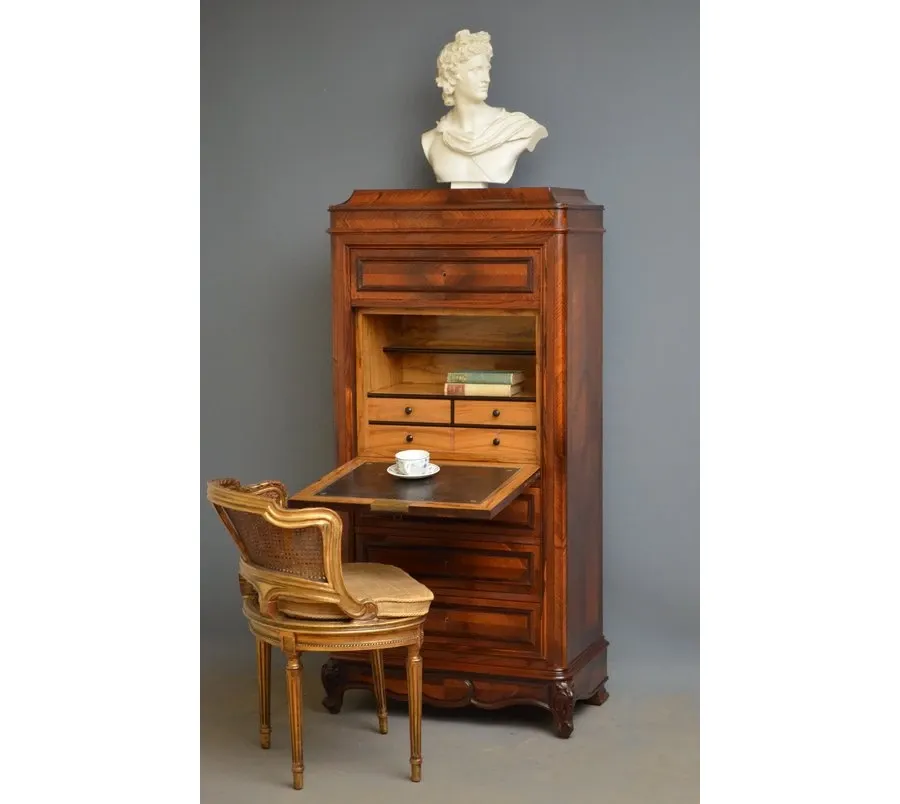
Antique chest of drawers with a rosewood secretary
Stylish antique furniture and accessories.
SKU: NIMQUES-Sn3793
See other products from category Antique chests of drawers or from manufacturer Nimbus Antiques
Related products by category
Luigi XV Ligure Half 1700 Cabinet, fully veneered and fluted on a wavy front, with two large drawers and two rounded drawers side by side, designed with reduced dimensions for a calatoia. The extraord
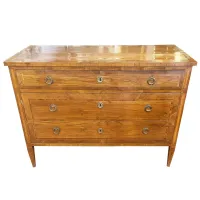
Louis XVI dresser with three drawers and tapered legs in the shape of a truncated pyramid, veneered with various types of wood featuring square embellishments. The combination of walnut, boxwood, and
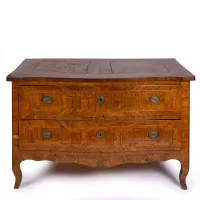
Emilian dresser from 1700, with two drawers, slightly curved, entirely veneered with walnuts, and decorated with inlays of fruitwood, ebony, and boxwood. This masterpiece of Emilian craftsmans
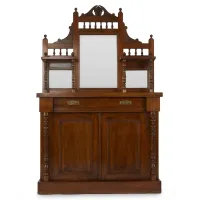
Teak wardrobe with mirror, early 20th century, two-door piece of furniture with one drawer, originating from England, in Victorian style, made at the turn of the 19th and 20th centuries. The stand is
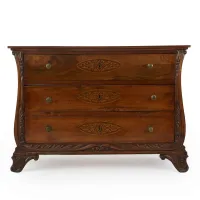
Lyre-shaped box with three drawers, walnut, 1800s, originating from Piedmont, in excellent condition, restored approximately twenty years ago. The support legs are decorated with a front carved motif
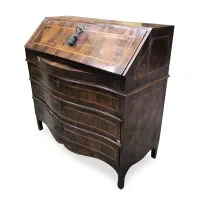
Fully veneered walnut and walnut, featuring a wavy front with three drawers separated by a frame made of cut wood and a profiled apron. The simple hatch conceals two compartments, two drawers, and cen
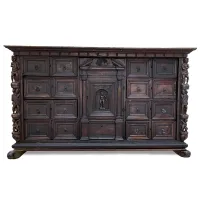
Magnificent, carved in the Genoese style, a coin cabinet made of walnut wood with twenty-one drawers, created for storing secrets from the 17th century. This Italian Louis XIV coin cabinet features an
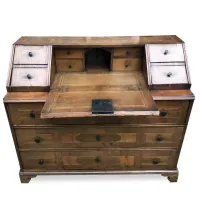
Antica Trentina Lastronata corner cabinet made of walnut wood, decorated with geometric threads of maple and cherry. The front of this XVIII-century folding commode features three large drawer
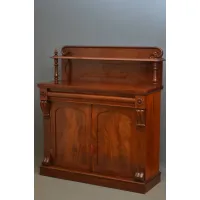
A beautiful early-pink Victorian mahogany chiffonier, with a raised, shaped, and carved back featuring a single shelf on turned columns, above a figural mahogany top, with a cushion and a drawer, flan
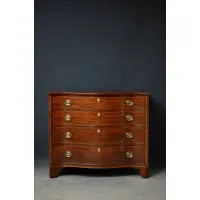
Elegant and sturdy Regency mahogany sideboard with serpentine outline, featuring a figural mahogany top above four stepped and profiled drawers (top with 3 compartments), all inlaid with rosewood stri
Description
Excellent rosewood abattant, featuring a caddy top over 7 dachem-lined drawers, 3 of which form a secretary section and close the interior made of satin-finished wood with drawers and a black leather writing surface, all equipped with original locks and keys, standing on carved legs united in a apron shape. This is top quality, everything in excellent condition - ready to be placed in your home.
Exceptional antique furniture and accessories can be a perfect idea for decorating our interiors. Currently, there is a growing number of enthusiasts of high-quality vintage items that possess a distinct character and soul. It’s a nod to history, craftsmanship, and the design of classic and timeless furniture. There are many different styles in antique furniture, each with its own distinctive features.
There are many styles characteristic of antique furniture, but we can highlight a few of the most important. Eclectic furniture dates back to the 19th century, during the reign of the Biedermeier style. Its early variations include neo-Gothic, Gothic, Rococo, Louis-Philippe style, and finally the English Victorian style. By the end of the century, these styles evolved into pseudo-classicism, Renaissance, and Baroque styles.
Empire-style furniture and accessories originate from the period between the late 18th and early 19th centuries. Everything was influenced by Napoleon’s reign, which imposed significant similarities and references to Roman and Greek ornamentation.
Neoclassical furniture is associated with Louis XVI style, which also strongly references ancient architecture. Interesting and noteworthy are antique products in Rococo style and Louis XV. Next is Baroque, whose name derives from the Portuguese word *barocco* – meaning an irregularly developed pearl. These were highly decorative pieces designed to radiate splendor and play a significant role in luxury. Unique materials were selectively used to emphasize the grandeur of these items.
Today, we can observe how much influence the Baroque style has had on modern classic furniture, which is designed with a strong resemblance to the historical period. An important style is also Renaissance, which flourished in the 15th and 16th centuries and left a significant mark on furniture design. Renaissance style was quite heavy and bulky. Brown stains, cornices, sturdy bases, and bas-reliefs were used. These products were quite distinctive but opened up new possibilities, such as the construction of credenzas and broadly speaking, chest furniture. Mythology and ancient times also inspired these designs, with supports and legs often taking animal forms.
Lion paws, eagle heads – these are common motifs in Renaissance style. Currently, many global brands reproduce such furniture, drawing inspiration from Italian and French creators. This reflects admiration and respect for the history of the most beautiful Renaissance antiques. It’s important to remember that each country perceived furniture production differently, so each style had its own unique character in each nation. This is especially important when searching for an elegant antique that suits your interior.
The key to stylish antique furniture is originality. Ultimately, this is crucial from the buyer’s perspective, as many counterfeits circulate on the market. Luxury Products provides documentation confirming the product’s compliance with the actual description and photos. We also have appraisers, art experts, historians, and specialists from around the world at your disposal.
Attributes / Details
| SKU | NIMQUES-Sn3793 |
| Manufacturer | Nimbus Antiques |
| Model | Sn3793 |
| Material | rosewood |
| Size | W151cm W77cm -max D41cm |
| Age | 19th century |
| Year | 1880 |
| Condition | After renovation |
| Destiny | To home |
See catalog
Reviews
No reviews for this product.