

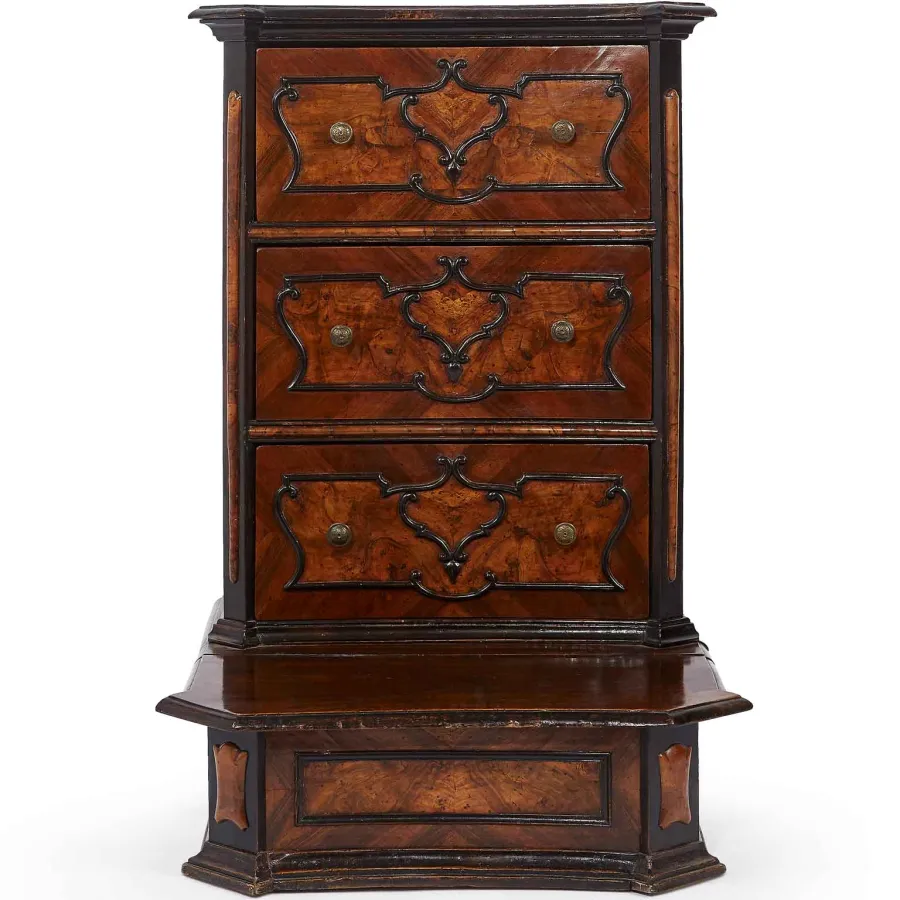
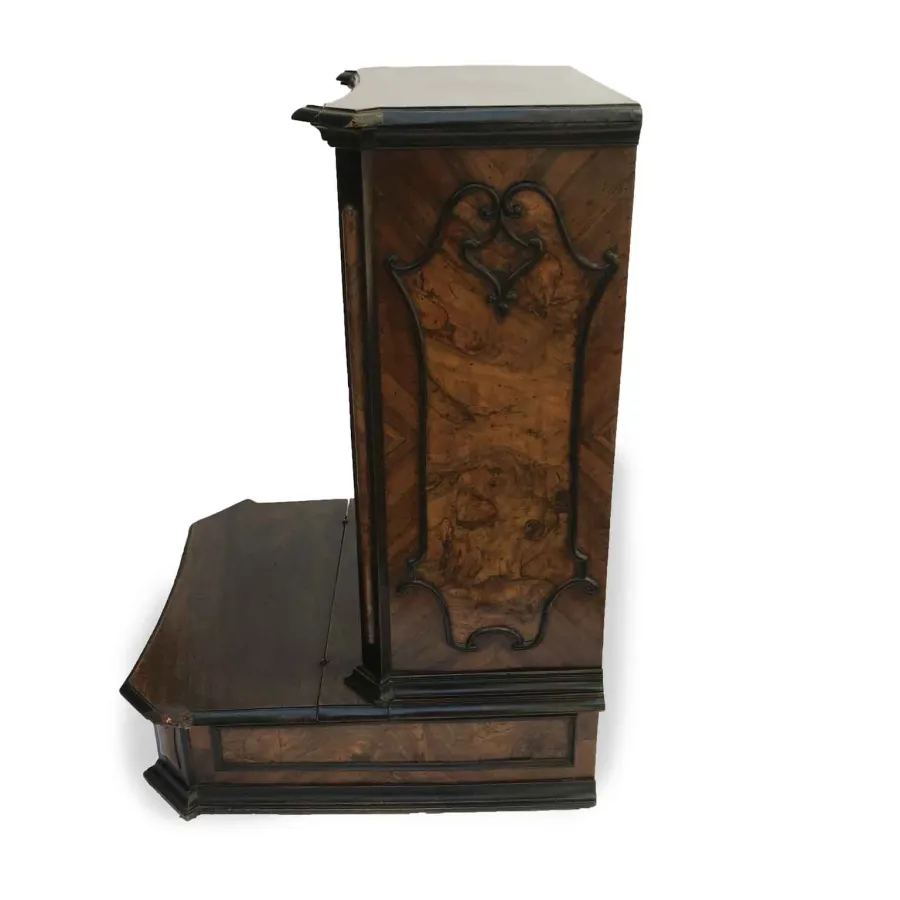
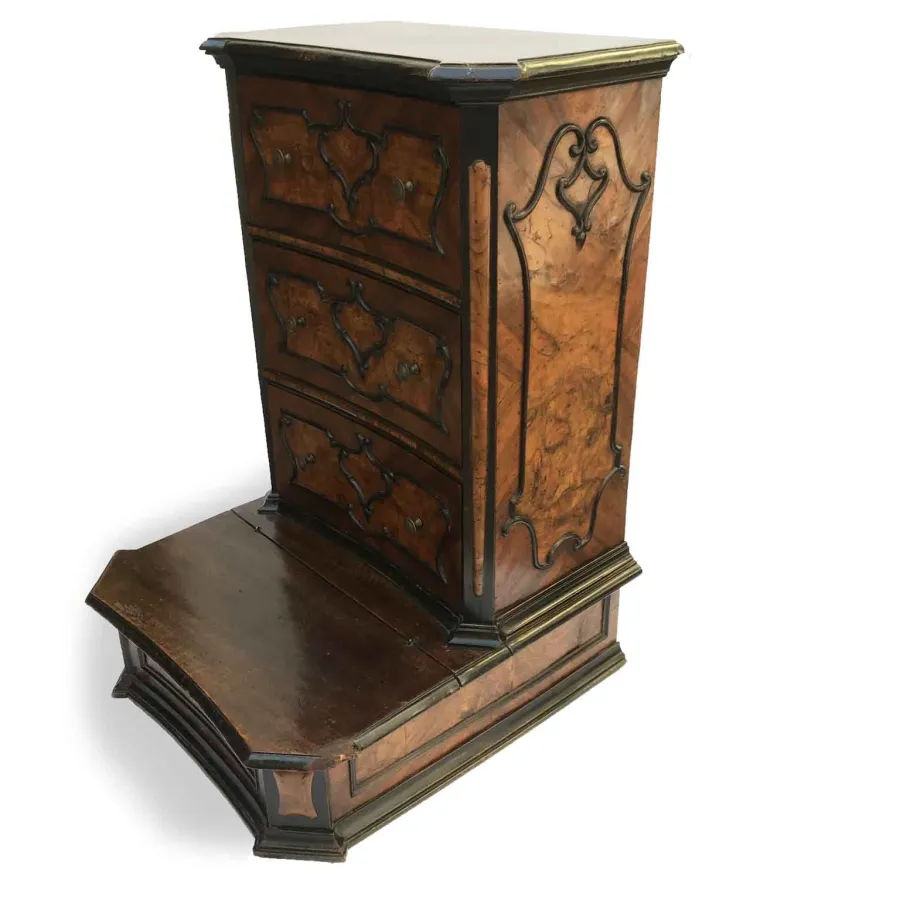
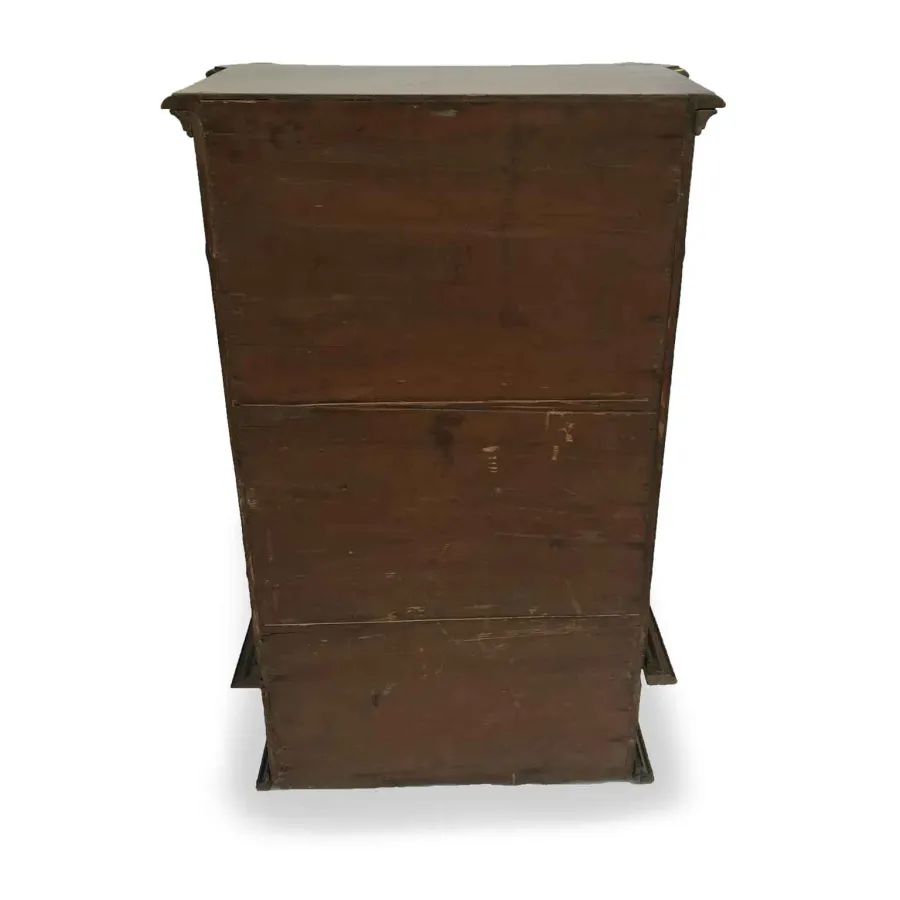
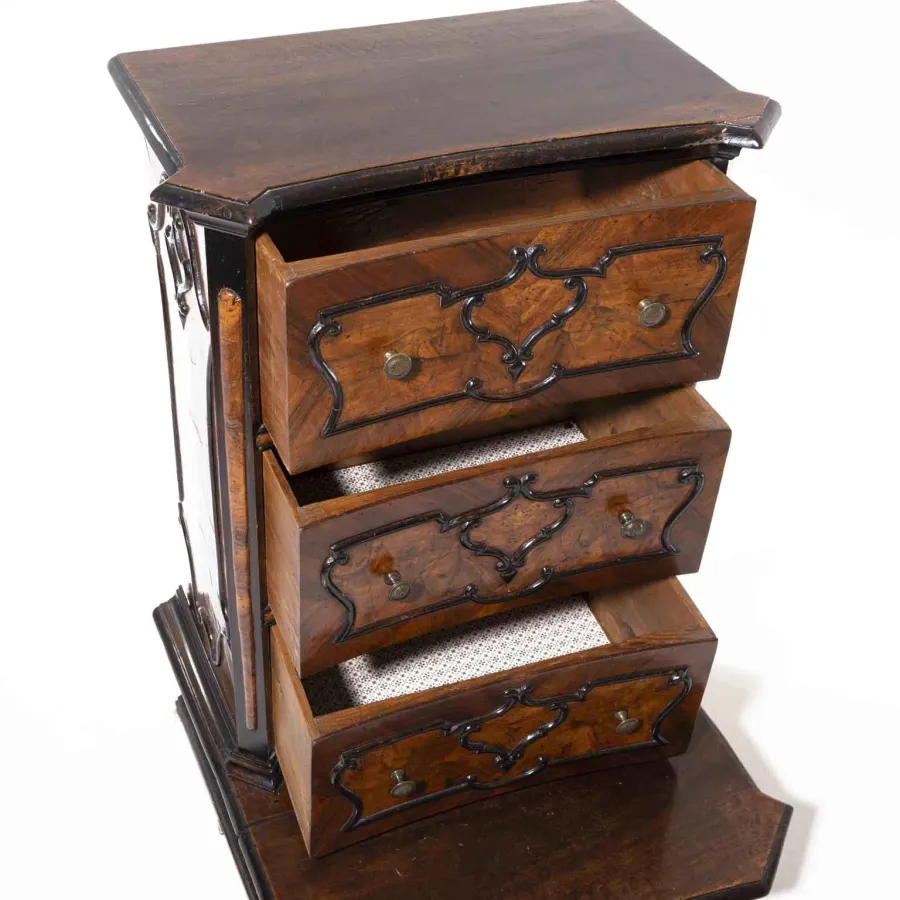
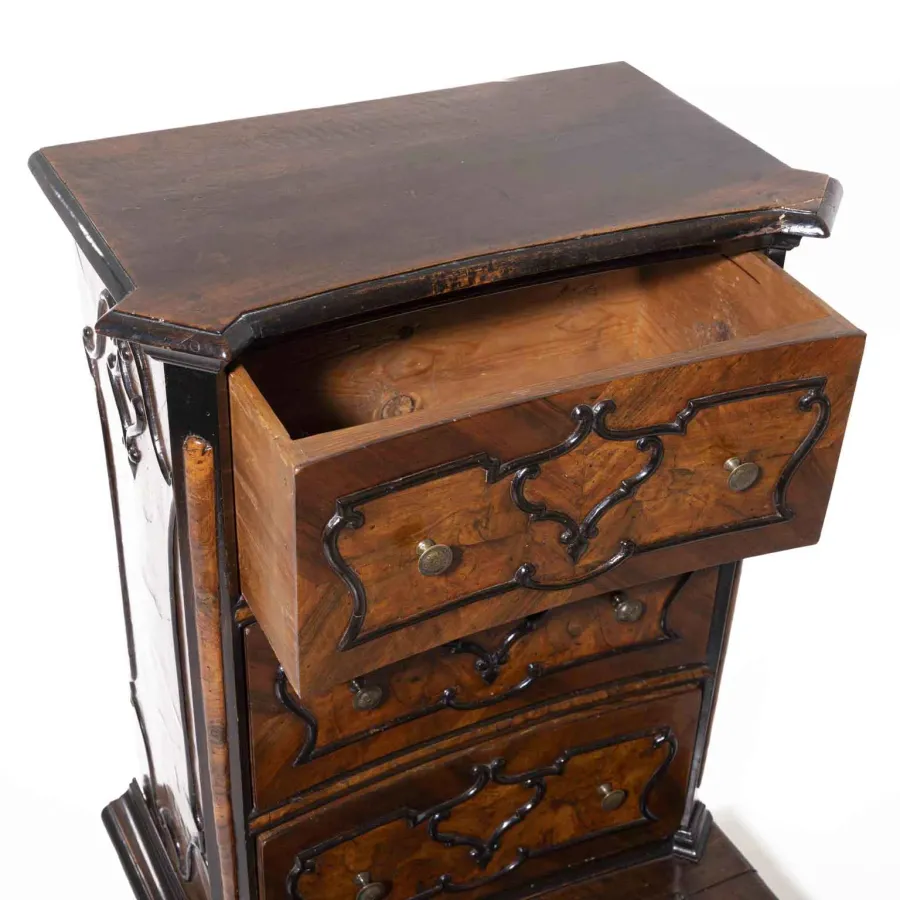
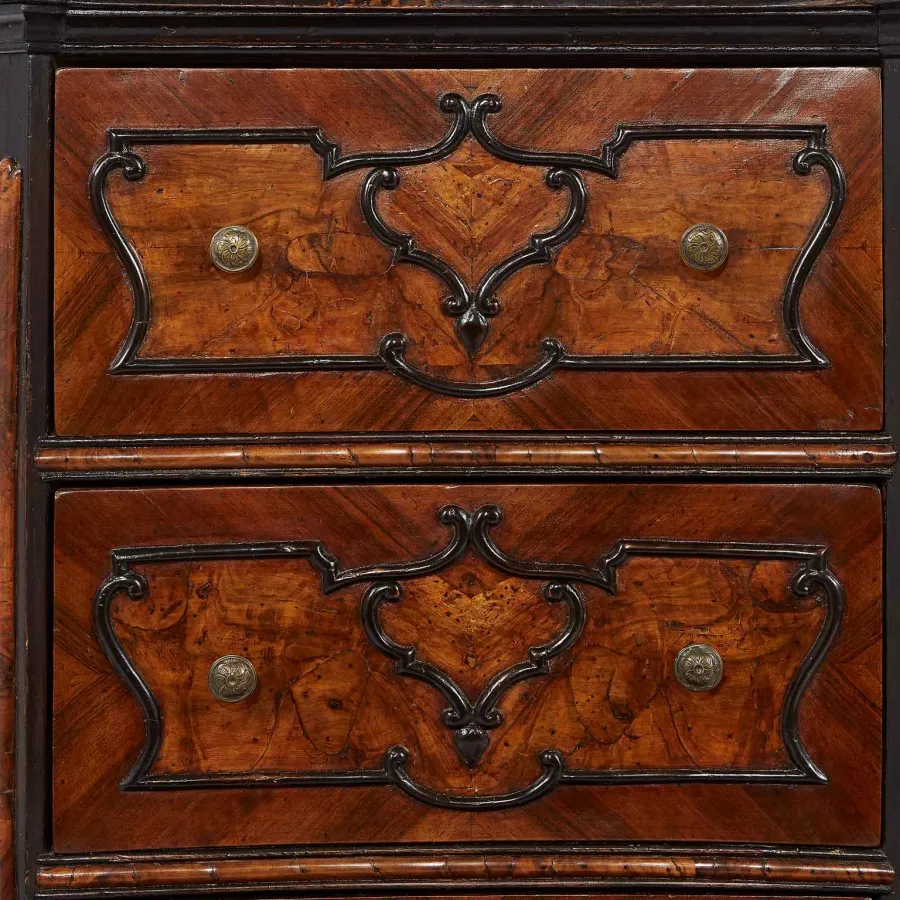
An 18th-century Italian pawn kneeler
Fantastic antique furniture and accessories
SKU: ANT-A863
See other products from category Antique benches or from manufacturer Antyki
Related products by category
Very unique Victorian pine front bench with a high arched and profiled back panel and scrolling arms, all in fantastic original condition throughout.Exquisite antique furniture and accessories can be
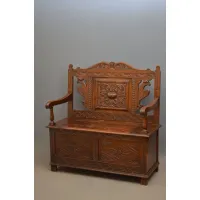
Victorian oak seat with a box - set into a box, with a swan neck, a small standing card at the back, a floral carved backrest with panels featuring eagles, above the seat on hinged flanged arms on tur
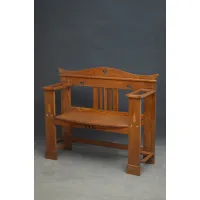
Stylish Arts and Crafts, solid oak hall bench with a contoured top rail and a generous seat flanked by armrests, standing on sturdy supports with carved decoration at the front and connected by formed
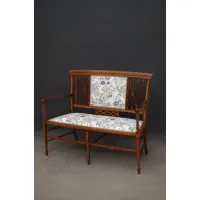
Excellent quality and very attractive mahogany Edwardian-style sofa, with an inlaid top rail above the upholstered panel with inlaid strips above the seat in a flanked shape, featuring open-back
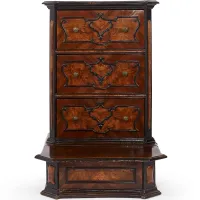
Originating from Italy, Lombardy, this rare prayer faldistorium made of walnut wood, an Italian Ludwik XV prayer bench with three drawers and protruding frames crafted from ebonized wood, dates back t
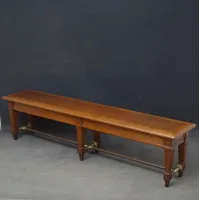
A superb Victorian oak hall bench featuring a generous solid oak seat above a molded frieze, standing on six tapered, narrowing legs connected by brass stretchers. This antique hall seating has
Description
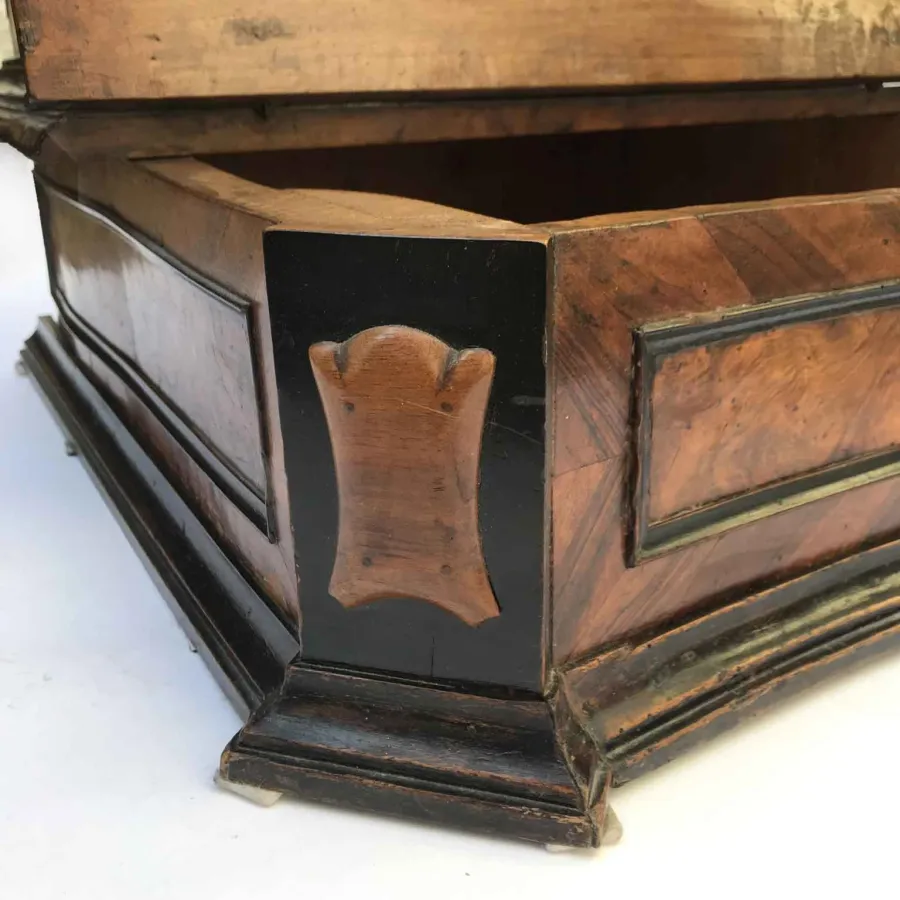
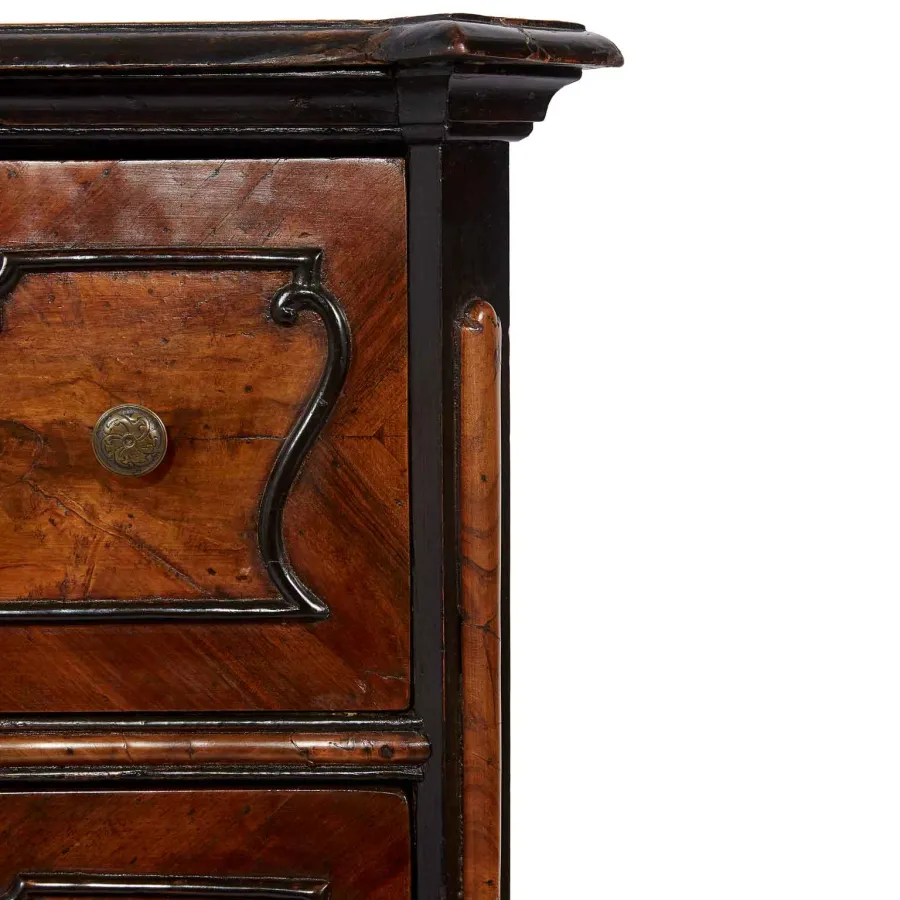
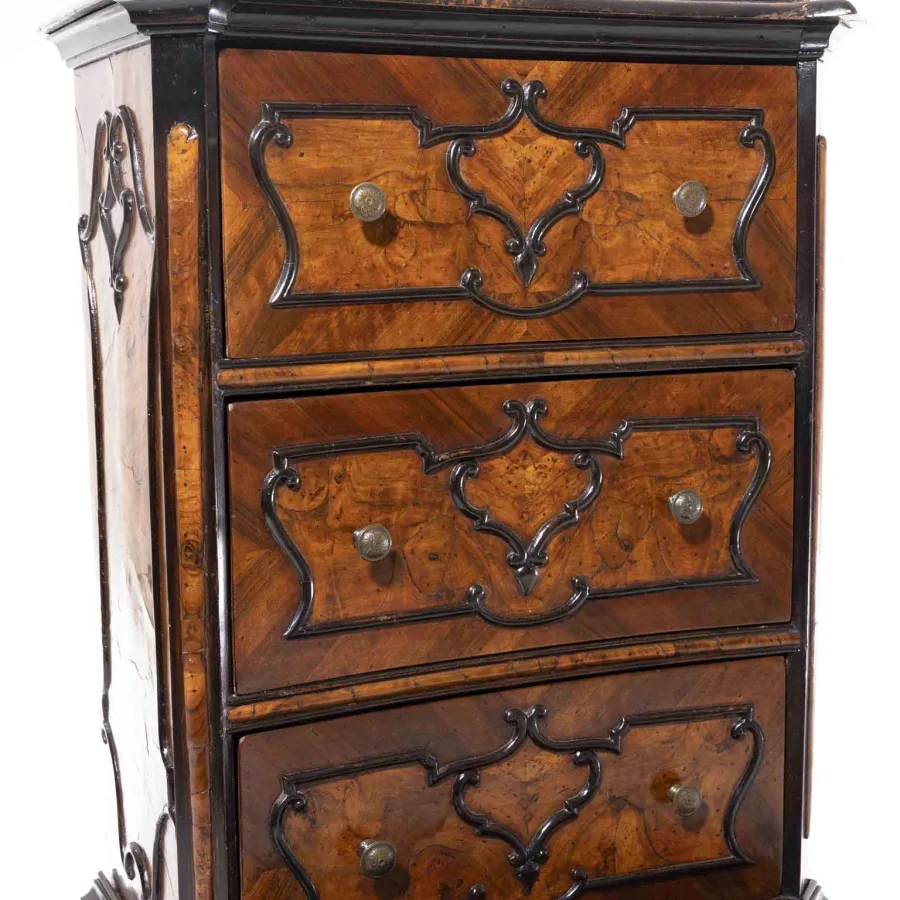
Originating from Italy, Lombardy, this rare prayer faldistorium made of walnut wood, an Italian Ludwik XV prayer bench with three drawers and protruding frames crafted from ebonized wood, dates back to the early 1700s.
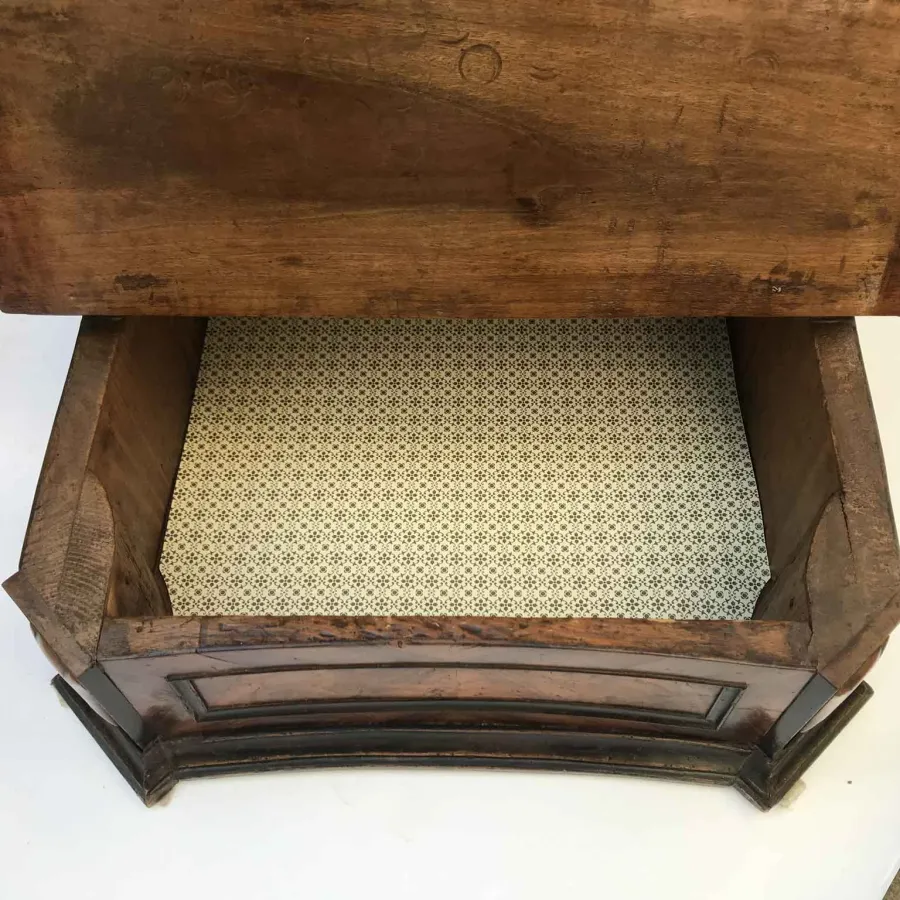
A fantastic example of Lombard furniture craftsmanship, this antique Italian prie-dieu is in good condition considering its age. Old restorations are consistent with its age and use. Thanks to its minimal size, this antique walnut inlay kneeler can be placed in a bedroom or living room.
Walnut veneer on the sides and front, with solid walnut on the top and frame, this unique piece comes from a private apartment in Milan. Charming patina, interior lined with paper, restored edge—see the detailed close-up.
Exclusive antique furniture and accessories can be an excellent idea for interior decoration. Today, there is a growing number of enthusiasts of high-quality vintage items that possess distinct character and soul. It’s a nod to history, craftsmanship, and the creation of classic and timeless furniture. There are many different styles in antique furniture, each with its own distinctive features.
Several main styles characterize antique furniture, though a few stand out. Eclectic furniture is from the 19th century, marked by the prevailing Biedermeier style. Its early 20th-century variants include neo-Gothic, Gothic, Rococo, Louis Philippe style, and the Victorian English style. Toward the end of the century, these styles evolved into pseudo-classicism, Renaissance, and Baroque.
Empire-style furniture dates from the late 18th to early 19th century, inspired by Napoleon’s reign. It features significant similarities and references to Roman and Greek ornamentation.
Neoclassical furniture, associated with Louis XVI, also strongly references ancient architecture. Notable and interesting are antique pieces in Rococo and Louis XV styles. Next is Baroque, derived from the Portuguese word 'barocco'—meaning an irregularly developed pearl. These were highly decorative pieces meant to radiate splendor and play a prominent role in luxury. Materials were selectively chosen to emphasize the grandeur of these works.
Today, we can see how much influence the Baroque style has on modern classical furniture, which is designed with a strong resemblance to the past era. An important style is also Renaissance, which flourished in the 15th and 16th centuries and left a significant mark on furniture design. Renaissance furniture was quite heavy and massive, often using brown stains, moldings, strong bases, and relief carvings. These products were quite distinctive but also opened new possibilities, such as the construction of cupboards and broadly speaking, chest furniture. They also drew inspiration from mythology and antiquity, with supports and legs often taking animal forms.
Lion’s paws, eagle heads—these are common motifs in Renaissance style. Currently, many global companies reproduce such furniture, inspired by Italian and French creators. This reflects admiration and respect for the history of the most beautiful Renaissance antiques. It’s important to remember that furniture production was perceived differently in each country, giving each style its unique character. This is especially important when searching for an exclusive antique that suits your interior.
The most important aspect of original antique furniture is authenticity. Ultimately, this is crucial for buyers, as the market is flooded with many forgeries. Luxury Products provides documentation confirming the product’s authenticity and compliance with the description and photos. We also have access to art appraisers, historians, and experts from around the world.
Attributes / Details
| SKU | ANT-A863 |
| Manufacturer | Antyki |
| Model | A863 |
| Material | wood |
| Size | Height: 82.5 cm. Width: 55 cm. Depth: 56 cm |
| Age | XVIII |
| Year | 1700 |
See catalog
Reviews
No reviews for this product.