

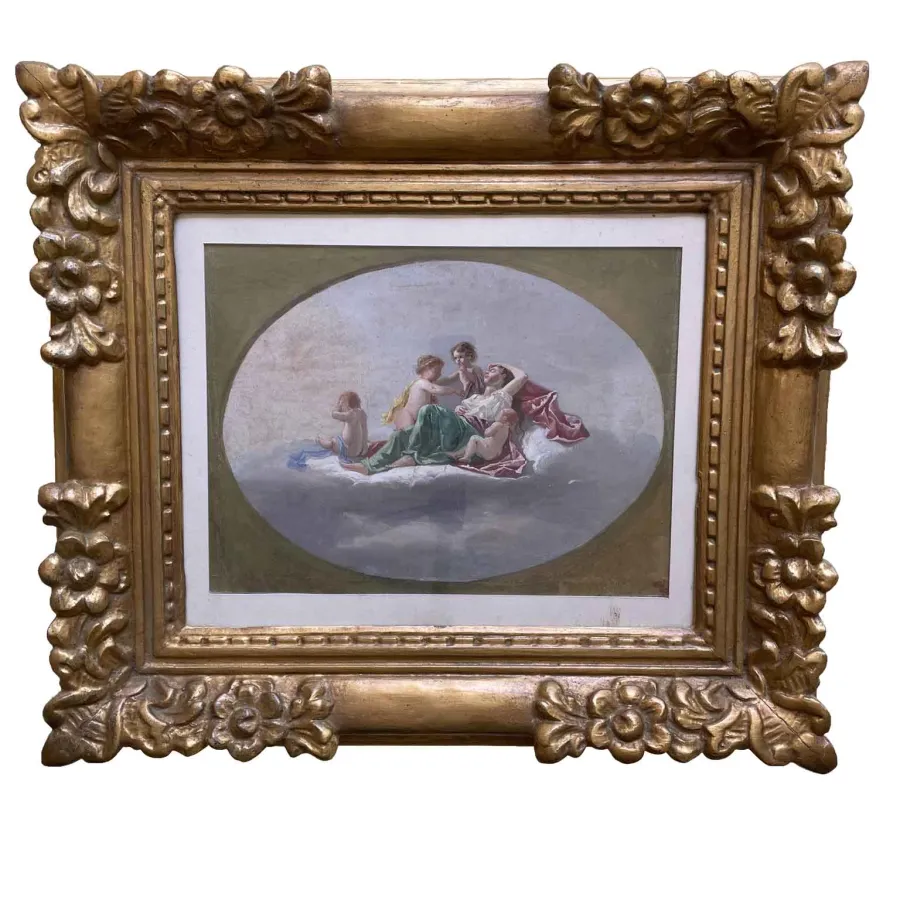
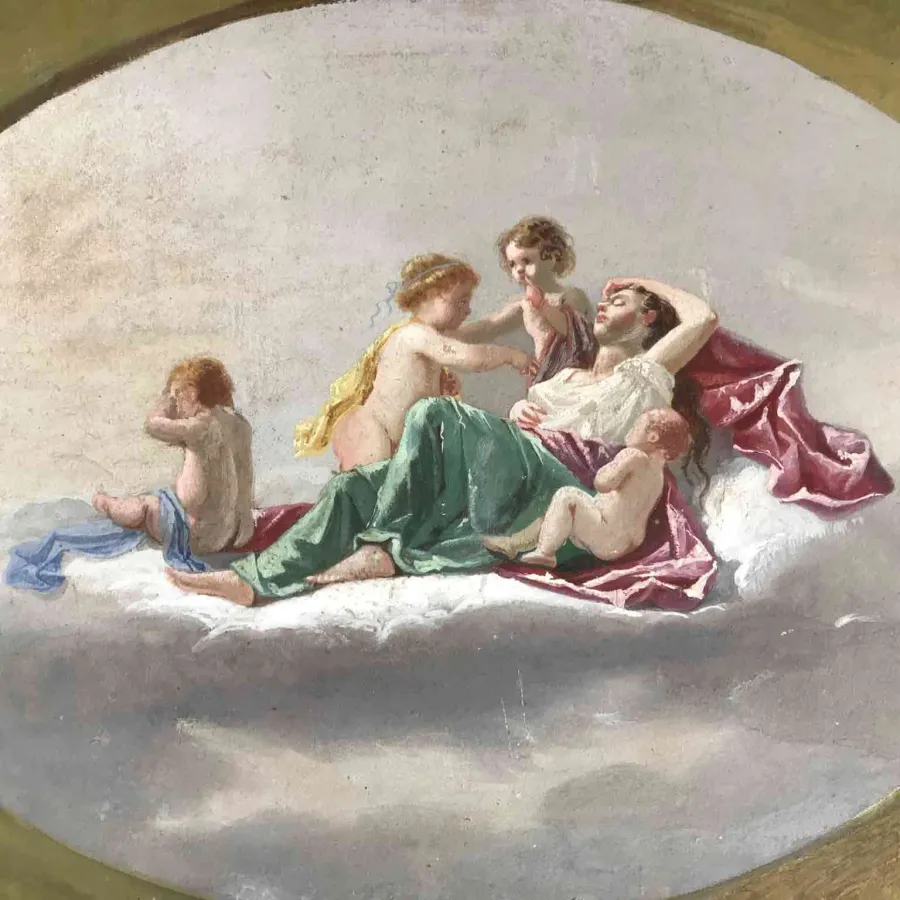
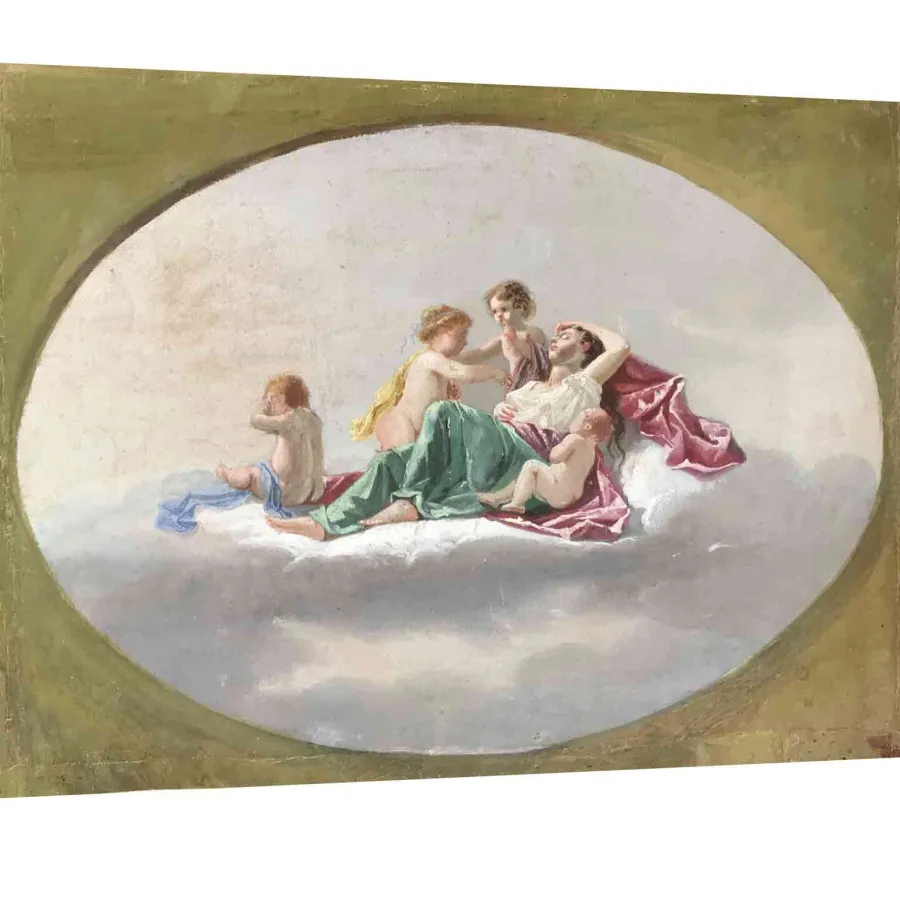
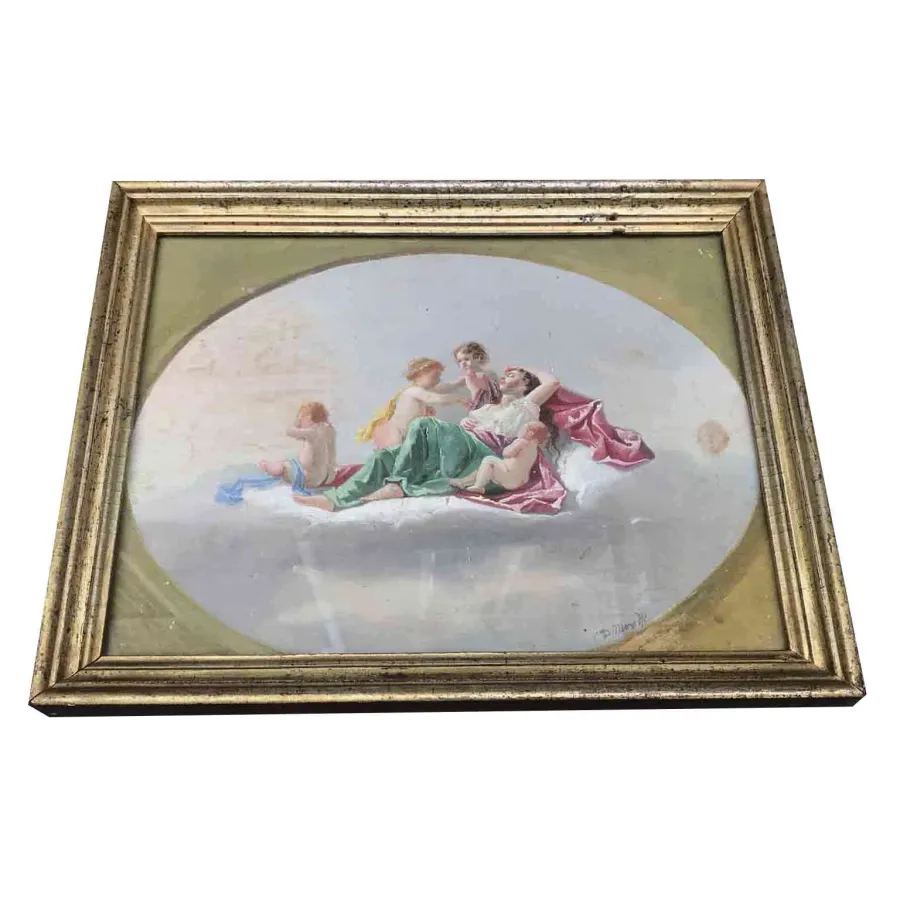
Allegory of Ecstasy with Cherubim, 19th-century Italian tempera and watercolor painting
Fantastic antique furniture and accessories
SKU: ANT-A587
See other products from category Antique paintings or from manufacturer Antyki with shipping within 24 hours
Related products by category
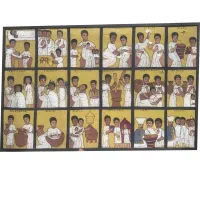
Ancient Ethiopian painting brought to Italy by a diplomat during the Italian occupation of Ethiopia in the late 1930s. This genre scene is divided into eighteen squares surrounded by a black frame and
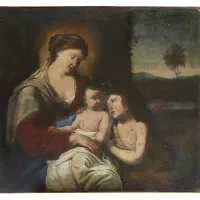
The Madonna with Child and Little Saint John, 1600s. The composition is well balanced and harmonious, with the Child wrapped in a white garment at the center, painted with adult facial features and ga
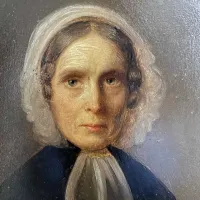
Portrait of a lady from the Flemish school painted with oil paints on a rectangular cardboard with an oval, gilded layer of cardboard. It depicts a mature woman dressed in a black dress, a lace cap, a
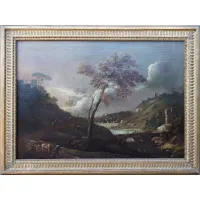
Unique antique furniture and accessories can be an excellent idea for decorating our interiors. Today, there is an increasing number of enthusiasts of high-quality vintage products that possess a dist
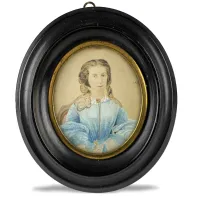
Oval lady portrait, watercolor on high-quality paper, 1800s, in good condition. Depicted in a semi-portrait pose, sitting in an armchair, the woman is wearing a beautiful, flowing gown with a lace col
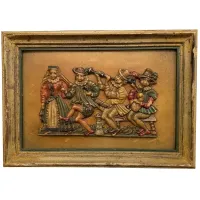
19th-century wax model from Northern Europe, a polychrome wax composition depicting four figures in 17th-century costumes in a festive setting, dancing, with two of them playing wind instruments. In t
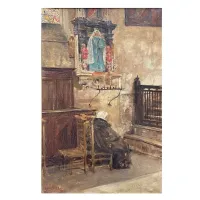
Emile Vloors Woman praying, oil painting on canvas from 1894 depicting the interior of a church with an elderly woman sitting in prayer next to a hanging icon of the Virgin Mary. The painting is in go
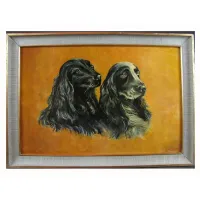
A portrait of a pair of Cocker Spaniels painted in oil on masonite. Only the heads of the two specimens are depicted, featuring characteristic sweet eyes, a sleepy gaze, and hanging ears. The orange b
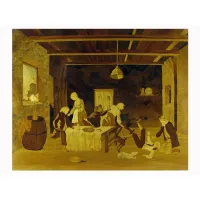
Picture-inlaid panel with an interior scene. An inlaid wooden panel that, thanks to tonal contrasts of various used essences, from walnut to fruitwood, recreates a comic-style domestic scene within in
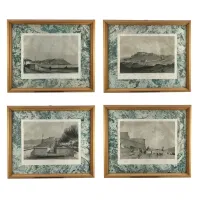
A set of four original lithographs, depicting Portoferraio, Elba Island, Italy, by André Durand from 1862, framed.Author: André Durand del. Eug. Cyceri lit. published in Paris by Lemercier and inclu
Description
Alegory of Ecstasy with Cherubs, 19th-century Italian tempera and watercolor painting, oval composition in a rectangular greenish frame.
The painting depicts a dream, an ecstasy of a woman lying on a cloud, surrounded and guarded by four cupids. The figures are connected by soft drapery in shades of green, blue, red, and yellow.
The artwork comes from a private collection in Milan, mounted on canvas, with the apocryphal signature of Domenico Morelli hidden beneath the painting in the lower right corner.
Frame in a beautiful, modern design made of carved and gilded wood, with glass. The only measurement of the artwork is: Height: 28.6 cm – Width: 38 cm
Prestigious antique furniture and accessories can be an excellent idea for decorating our interiors. Today, there is a growing number of enthusiasts of high-quality vintage items that possess a distinct character and soul. This is a nod to history, craftsmanship, and the creation of classic and timeless furniture. There are many different styles in antique furniture, each with its own distinctive features.
Many styles characterize antique furniture, but a few are particularly prominent. Eclectic furniture refers to the 19th century, marked by the prevalent Biedermeier style. Its early variations include neo-Gothic, Gothic, Rococo, Louis Philippe style, and finally the Victorian English style. By the end of the century, these styles evolved into pseudo-classicism, Renaissance, and Baroque styles.
Empire-style furniture dates from the late 18th to early 19th century. It originated during Napoleon’s reign, characterized by strong similarities and references to Roman and Greek ornamentation.
Neoclassical furniture reflects the Louis XVI style, which also draws heavily from ancient architecture. Notable and interesting are antique pieces in Rococo and Louis XV styles. Next is Baroque, derived from the Portuguese word 'barocco'—meaning an irregularly developed pearl. These were highly decorative pieces meant to shine with splendor and play a significant role in luxury. Materials were chosen selectively and used to emphasize the grandeur of these items.
Today, we can observe how much influence the Baroque style has had on modern classic furniture, which is designed with a strong resemblance to the historical period. An important style is also Renaissance, which flourished in the 15th and 16th centuries and left a significant mark on furniture design. Renaissance furniture was quite heavy and massive, often using brown stains, moldings, sturdy bases, and relief decorations. These products were quite distinctive but also opened new possibilities, such as the construction of credenzas and broadly defined chest furniture. During this period, mythology and antiquity were also of interest, so supports and legs often took animal forms.
Lion paws, eagle heads—these are common motifs in Renaissance style. Currently, many global brands reproduce furniture inspired by Italian and French creators, demonstrating admiration and respect for the history of the most beautiful Renaissance antiques. It’s important to remember that each country perceived furniture production differently, so each style had its own character in each nation. This is especially important when searching for an exclusive antique that suits your interior.
The key aspect of stylish antique furniture is originality. Ultimately, this is crucial from the buyer’s perspective, as many forgeries circulate on the market. Luxury Products provides documentation confirming the product’s authenticity and compliance with the description and photos. We also offer access to art appraisers, historians, and experts from around the world.
Attributes / Details
| SKU | ANT-A587 |
| Manufacturer | Antyki |
| Model | A587 |
| Size | height: 28.6/52 cm, width: 38 / 60 cm, depth: 5 cm |
| Age | 19th century |
See catalog
Reviews
No reviews for this product.