

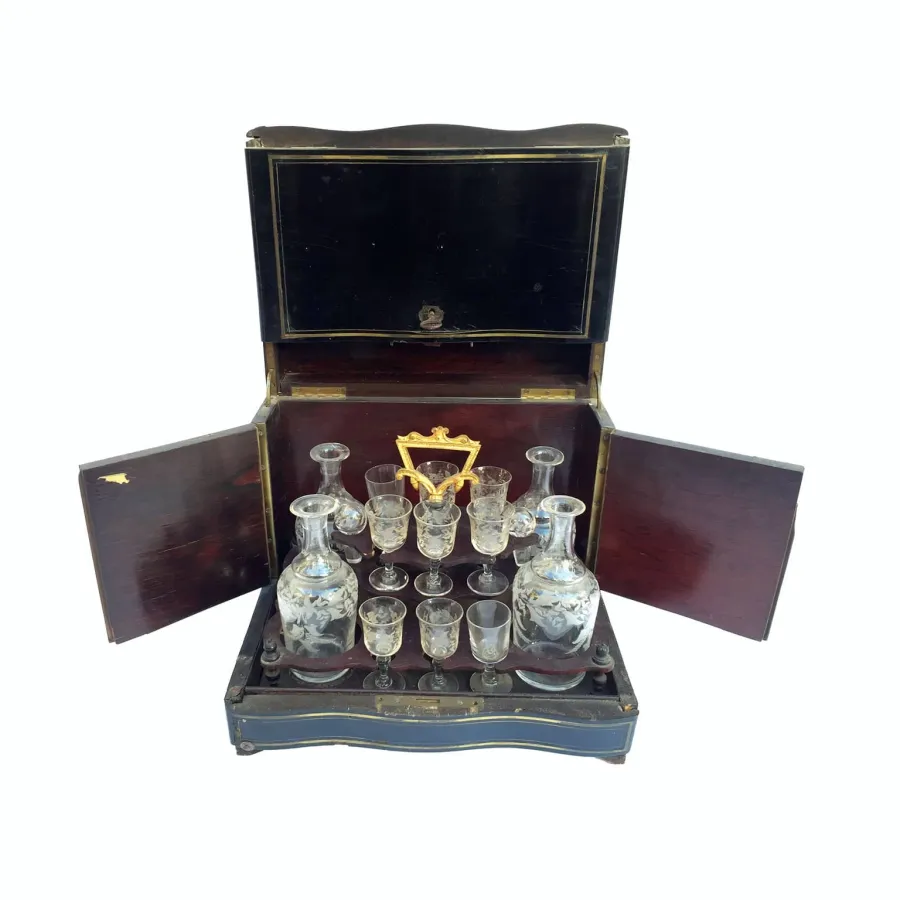
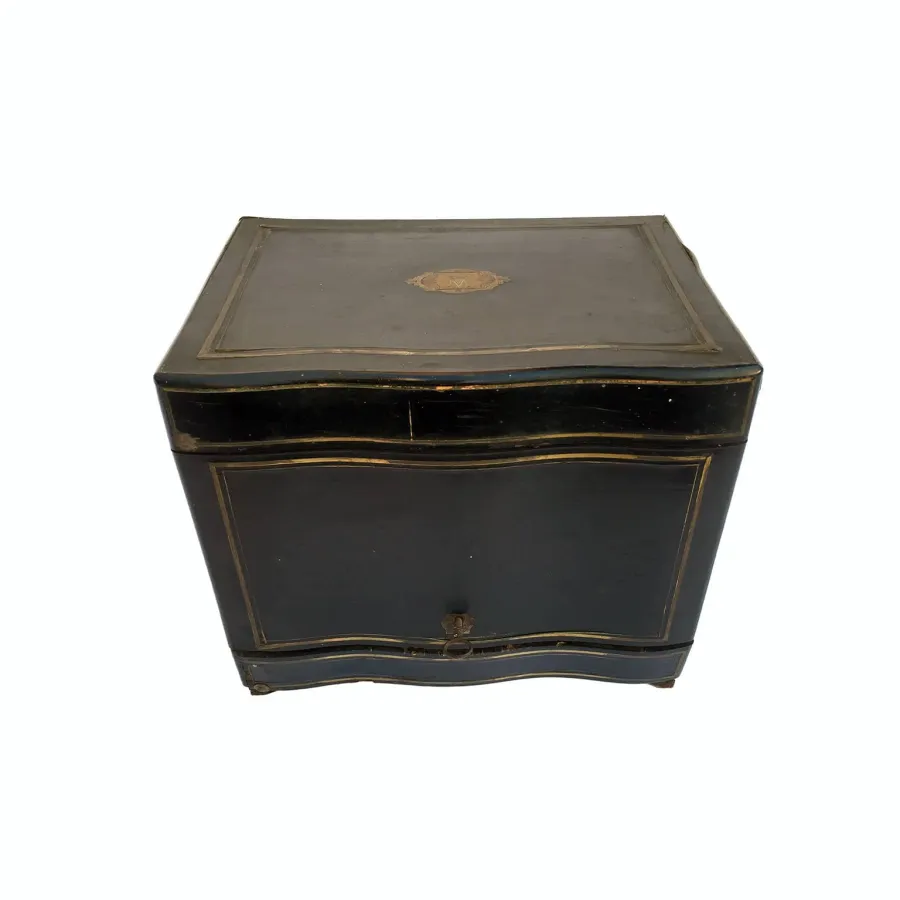
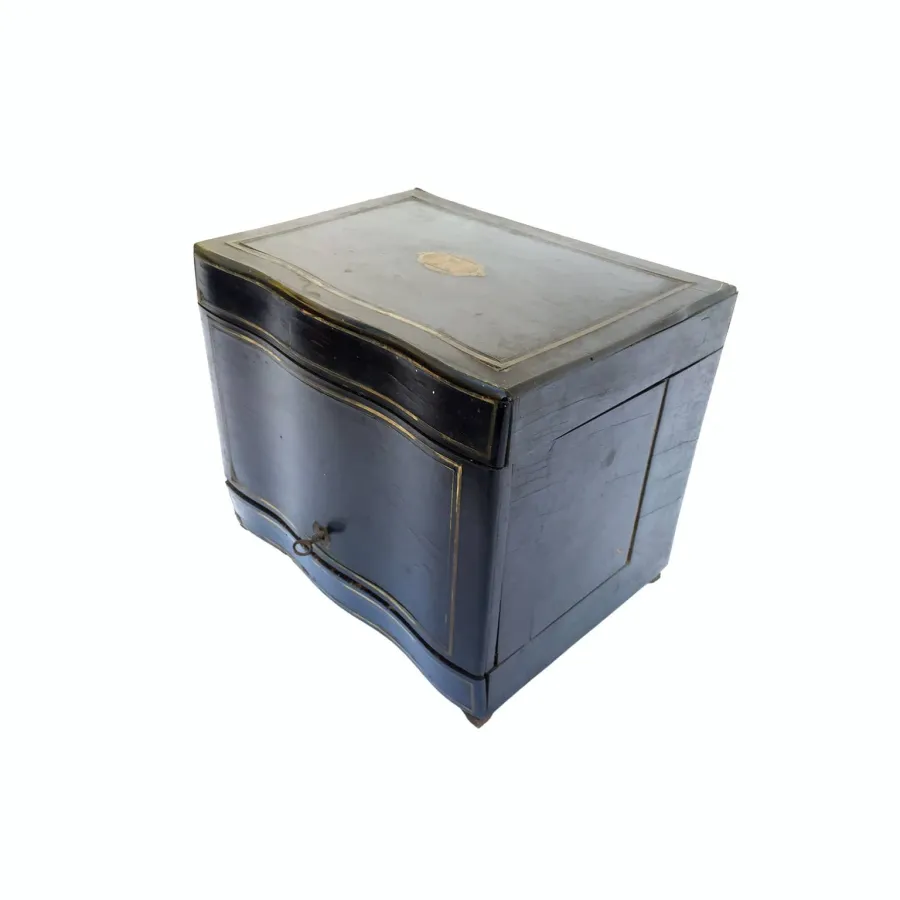
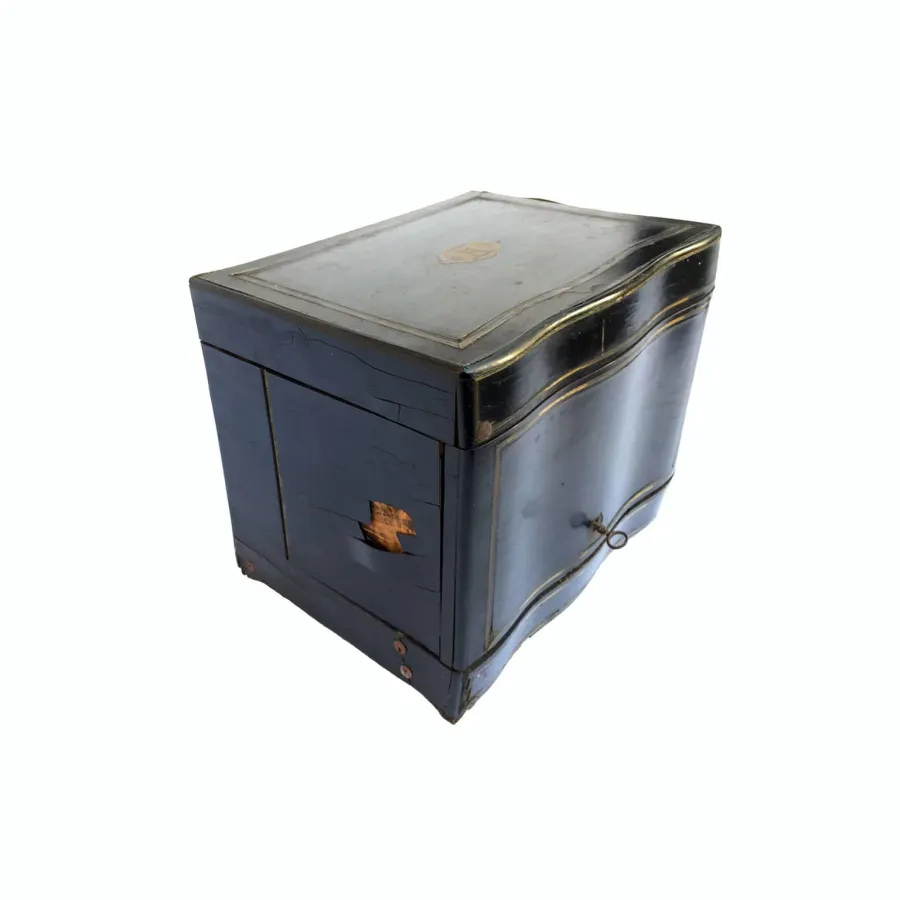
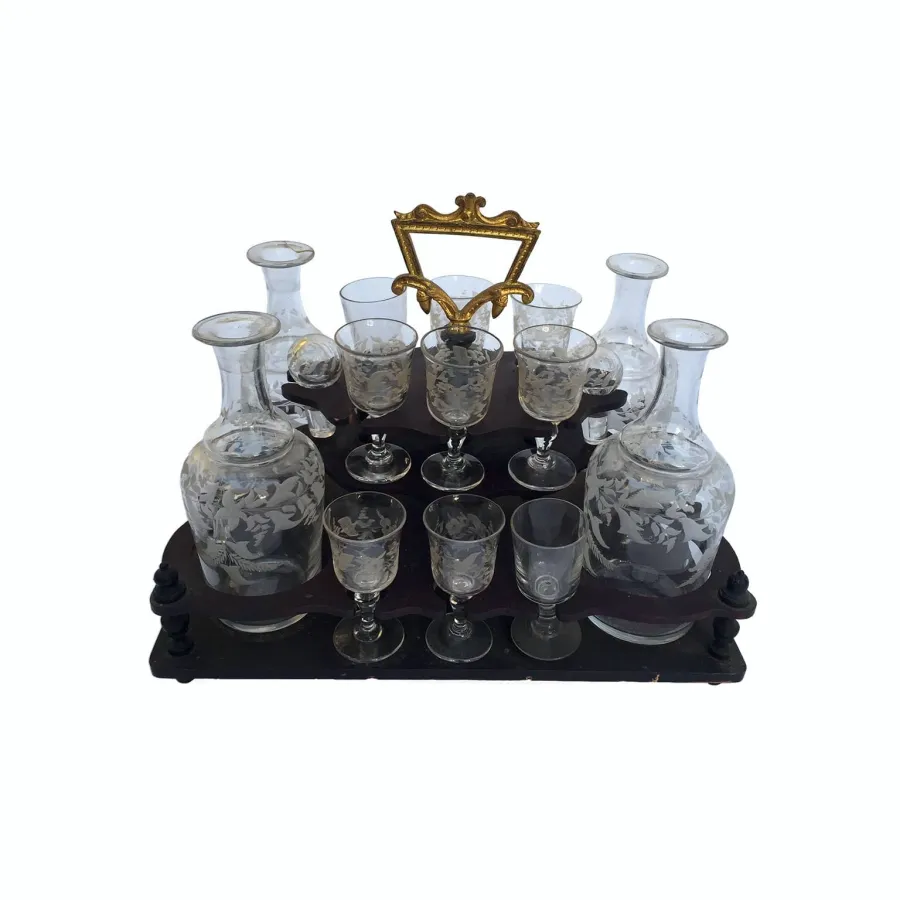
Alcohol service in an ebonized wooden box, France, Napoleon III
Prestigious antique furniture and accessories
SKU: ANT-A122
See other products from category Alcohol accessories or from manufacturer Antyki
Related products by category
L’Atelier du Vin is a family-owned company founded in France in 1926, specializing in equipment for wine production, bottling, and serving.The French company collaborates with skilled designers, car
L’Atelier du Vin is a family-owned brand founded in France in 1926, specializing in equipment for wine production, bottling, and serving.The French company collaborates with skilled designers, carpe
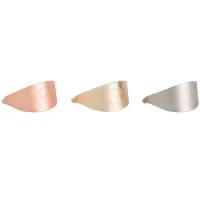
L’Atelier du Vin is a family-owned brand founded in France in 1926, specializing in equipment for wine production, bottling, and serving.The French company collaborates with skilled designers, carpe
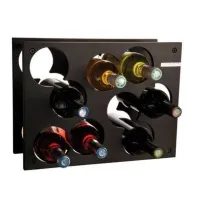
L’Atelier du Vin is a family-owned company founded in France in 1926, specializing in equipment for wine production, bottling, and serving.The French company collaborates with skilled designers, car
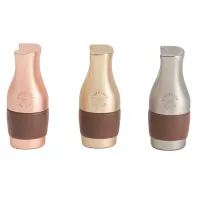
L’Atelier du Vin is a family-owned company founded in France in 1926, specializing in equipment for wine production, bottling, and serving.The French company collaborates with skilled designers, car

L’Atelier du Vin is a family-owned brand founded in France in 1926, specializing in equipment for the production, bottling, and serving of wine.The French company collaborates with skilled designers
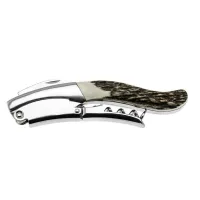
Italian manufacturer Legnoart has been producing a variety of cooking accessories and wine tasting tools since 1946. The primary materials used to create these unique items are wood, glass, and stainl
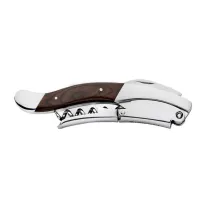
Italian manufacturer Legnoart has been producing a variety of cooking accessories and wine tasting tools since 1946. The primary materials used to create these unique items are wood, glass, and stainl
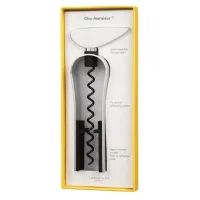
L’Atelier du Vin is a family-owned brand founded in France in 1926, specializing in equipment for wine production, bottling, and serving.The French company collaborates with skilled designers, carpe
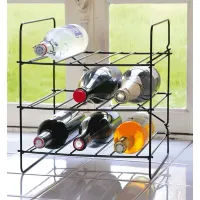
L’Atelier du Vin is a family-owned brand founded in France in 1926, specializing in equipment for the production, bottling, and serving of wine.The French company collaborates with skilled designers
Description
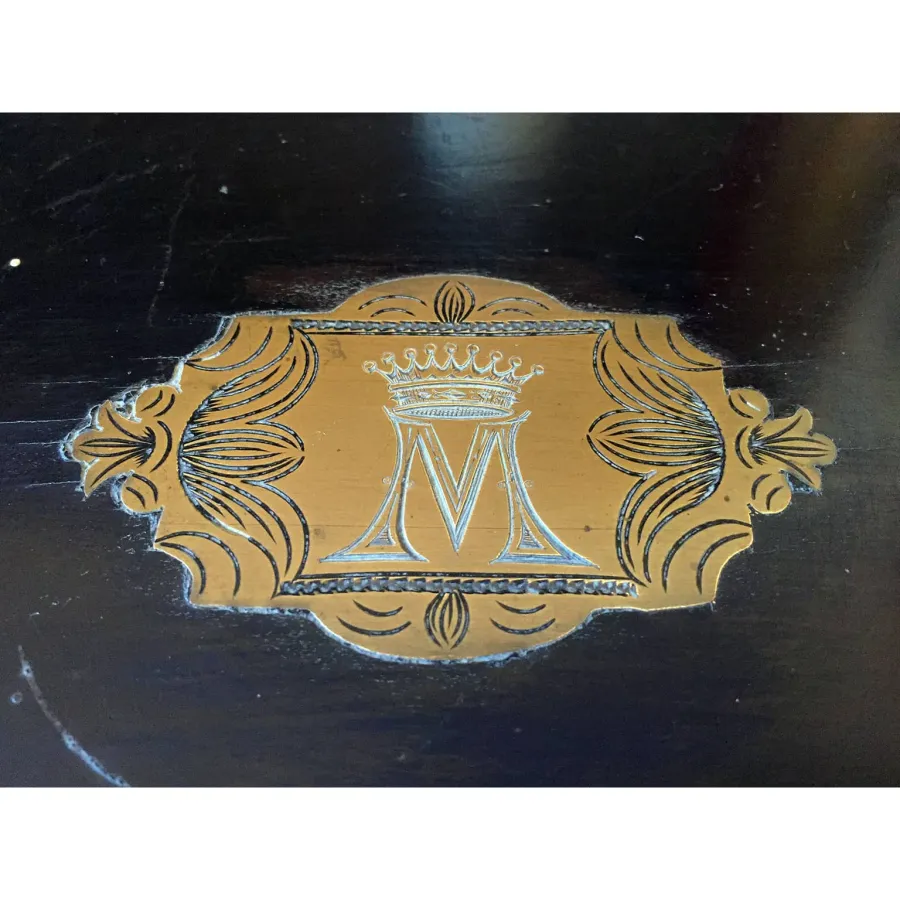
Alcohol service in an ebonized wooden box, France, Napoleon III period. An elegant rosolio box made of ebonized wood, with a wavy front, topped with a lid centered by a finely engraved letter M on a shaped brass stand. Inside, a refined liqueur service consisting of four bottles and glass tumblers. The box dates from the 19th century, around 1870, of French origin, and has been beautifully restored. It comes from a private collection in Milan.
Vintage antique furniture and accessories can be an excellent idea for decorating our interiors. Currently, there is a growing number of enthusiasts for high-quality old products that possess a distinct character and soul. This is a nod to history, craftsmanship, and the design of classic and timeless furniture. There are many different styles in antique furniture, each with its own distinctive features.
Many styles characterize antique furniture, but we can highlight a few of the most important. Eclectic furniture refers to the 19th century, during which the prevailing Biedermeier style was popular. Its early variations include neo-Gothic, Gothic, Rococo, Louis Philippe style, and finally the Victorian style. By the end of the century, these styles evolved into pseudo-classicism, Renaissance, and Baroque styles.
Empire-style furniture and accessories date from the late 18th to early 19th century. Everything was influenced by Napoleon’s reign, which imposed a significant resemblance to Roman and Greek decorative motifs.
Neoclassical furniture reflects the Louis XVI style, which also strongly references ancient architecture. Notable and worth mentioning are antique products in Rococo style and Louis XV. Next is Baroque, a term derived from the Portuguese 'barocco'—meaning an irregularly developed pearl. These were highly decorative pieces designed to radiate splendor and play a significant role in luxury. Materials were selectively chosen to emphasize the grandeur of these items.
Today, we can observe how much the Baroque style influenced modern classic furniture, which is designed with a strong resemblance to the historical period. An important style is also Renaissance, which flourished in the 15th and 16th centuries and left a significant mark on furniture design. Renaissance furniture was quite heavy and massive, often using brown stains, moldings, sturdy bases, and relief decorations. These were quite distinctive products, offering new possibilities in construction, such as credenzas and broadly defined chest furniture. Mythology and ancient times also inspired these designs, with supports and legs often taking animal forms.
Lion’s paws, eagle heads—these are common features in Renaissance-style furniture. Many global brands now recreate such furniture, drawing inspiration from Italian and French artisans. This reflects admiration and respect for the history of the most beautiful Renaissance antiques. It’s important to remember that furniture production was perceived differently in each country, giving each style a unique character. This is especially important when searching for elegant antiques suitable for your interior.
The most important aspect of stylish antique furniture is originality. Ultimately, this is crucial from the buyer’s perspective, as many counterfeits circulate on the market. Luxury Products provides documentation confirming the product’s authenticity and compliance with the description and photos. We also have access to art appraisers, historians, and experts from around the world.
Attributes / Details
| SKU | ANT-A122 |
| Manufacturer | Antyki |
| Model | A122 |
| Material | wood, glass |
| Size | Height: 27.5 cm Width: 32.5 cm Depth: 24.5 cm |
| Age | 19th century |
| Year | 1870 |
| Condition | After renovation |
| Destiny | Universal |
See catalog
Reviews
No reviews for this product.