

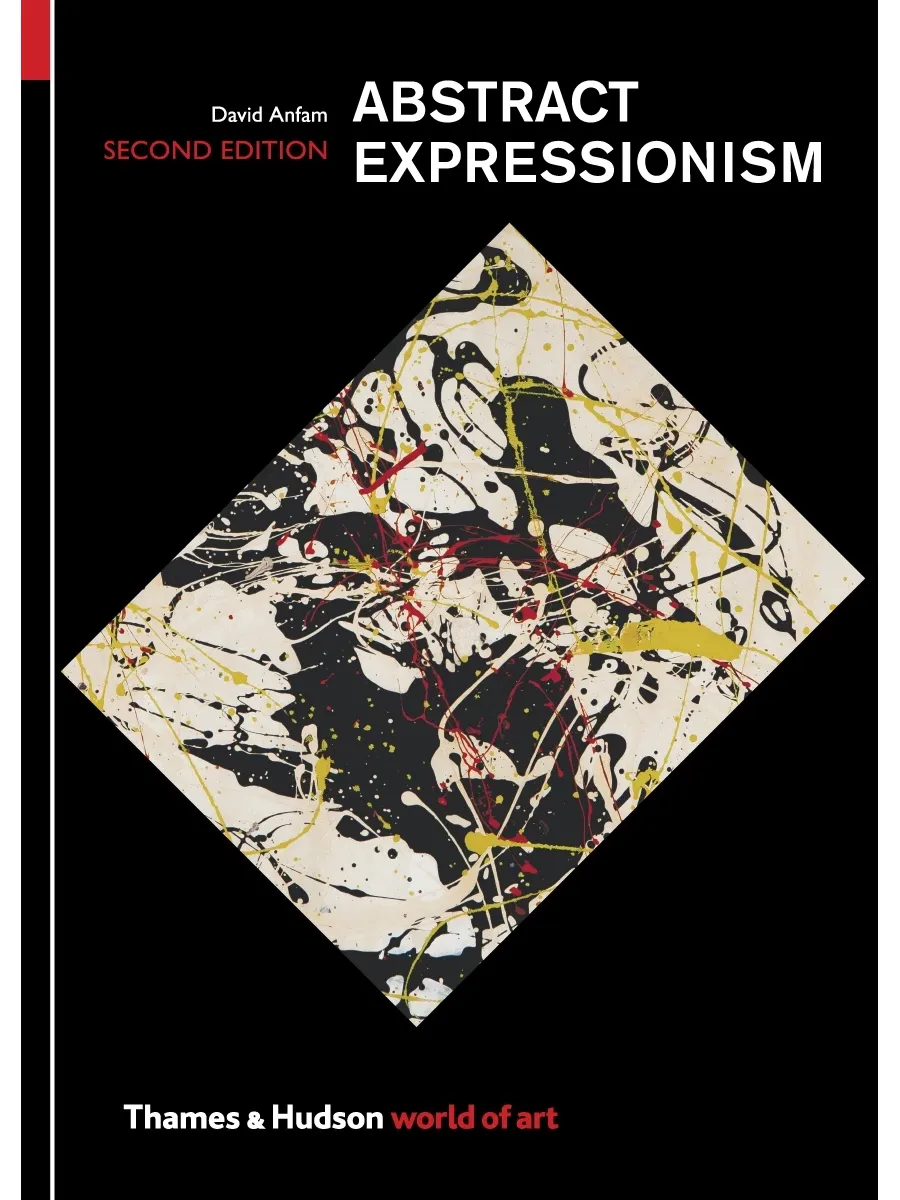
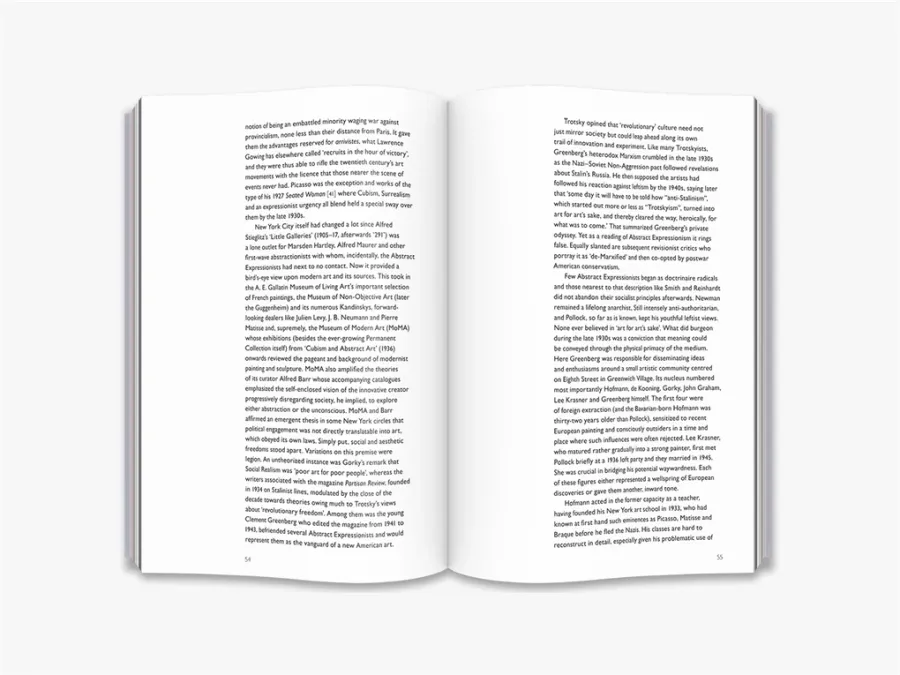
Abstract Expressionism (Art World) book - Thames & Hudson
Fascinating editions of books
SKU: THANDSON- 9780500204276
See other products from category Collectible books and albums about art or from manufacturer Thames and Hudson
Related products by category

Hand-drawn Andy Warhol books from the 1950s, created before his rise to fame, are highly sought-after gems in the pop art master’s crown. This portfolio includes meticulous reproductions of all seve

Antony Gormley holds a remarkable position as a highly popular sculptor — best known for his Angel of the North (1998), a national symbol in the United Kingdom — which is also widely regarded as o
Leonardo da Vinci may be best known to us as the artist behind masterpieces such as the Mona Lisa and The Virgin on the Rocks.However, Leonardo was infinitely curious about the physical world. His inc

David Hockney contemplates life and art, experiencing lockdown in rural NormandyHistory of Thames & HudsonWalter Neurath was born in Vienna in 1903. In 1938, he left his hometown — where he ran

Luxury Products LibraryAll books in our store come from official European distribution.Language of publication: English.ISBN: 9781387496143
Luxury Products LibraryAll books in our store come from official European distribution.Language of publication: English.TITLE: A World of ArtAuthor: Helena HuntISBN: 978-1-4063-9389-7
The uniqueness of Japanese culture lies in the fact that throughout its history, Japan has continuously adopted, adapted, and transformed various influences—whether from Korea, China, Southeast Asia
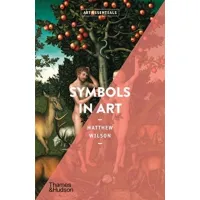
Iconography, the study of symbols – whether animals, artifacts, plants, shapes, or gestures – is an essential element of art history.This guide reveals over fifty of the most popular and intriguin

What is the Venus flytrap?How strong is the giant water lily?The latest addition to the bestselling Yuval Zommer series answers these questions and more, as it introduces young children to all kinds o

Abandoned unfinished and left to decay on the Grand Canal in Venice, “il palazzo non finito” was once an unloved guest among the aristocrats of Venetian architecture. However, in the 20th century,
Description
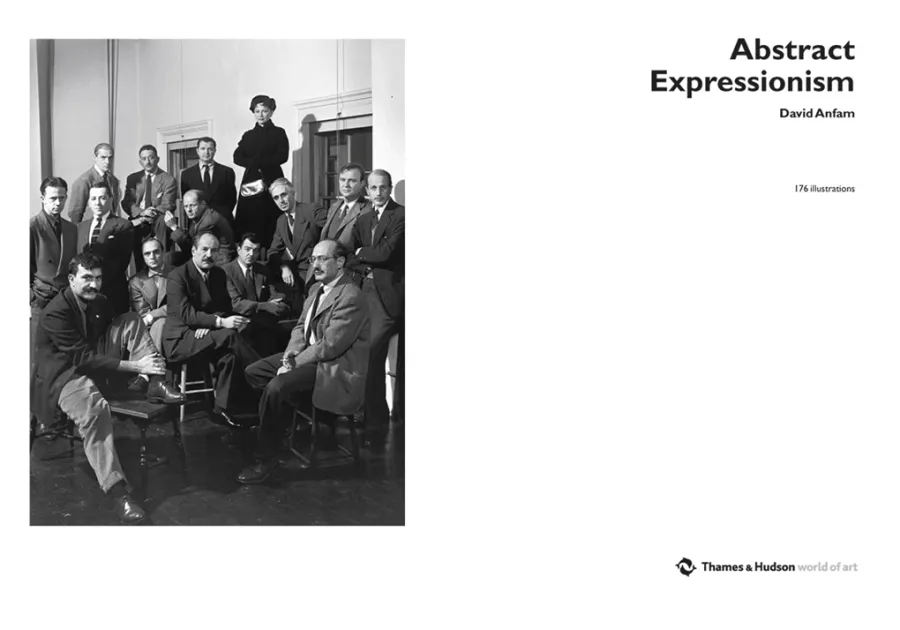
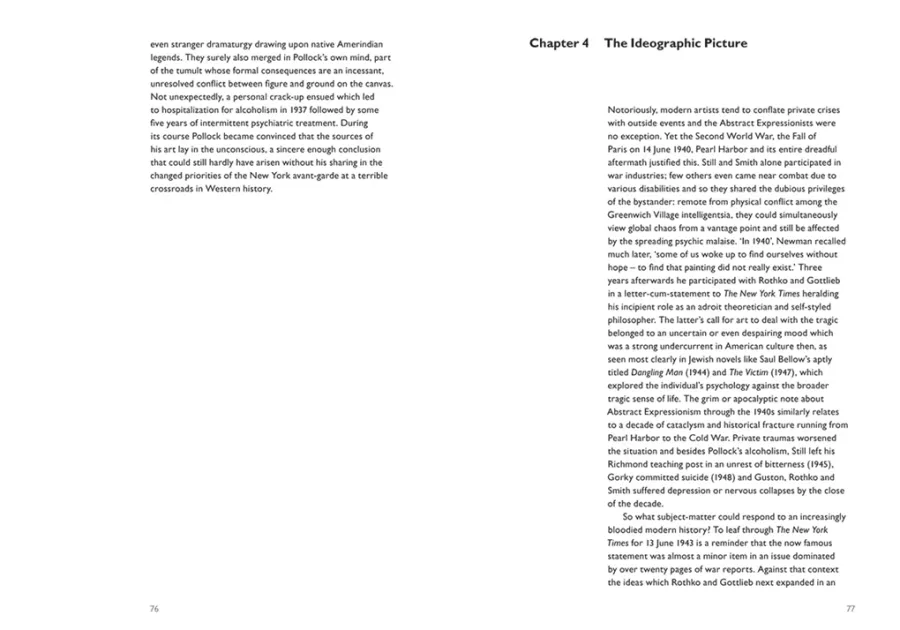
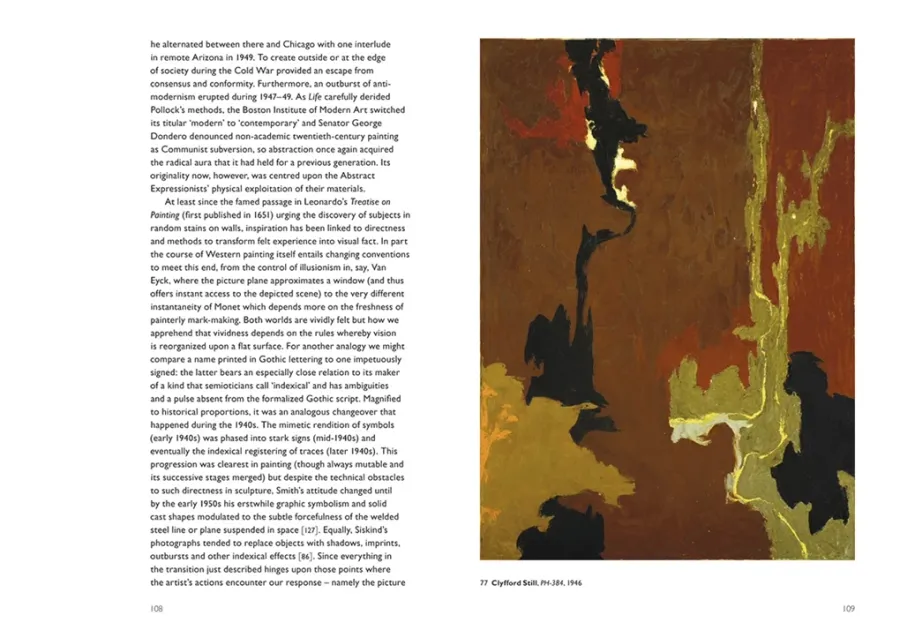
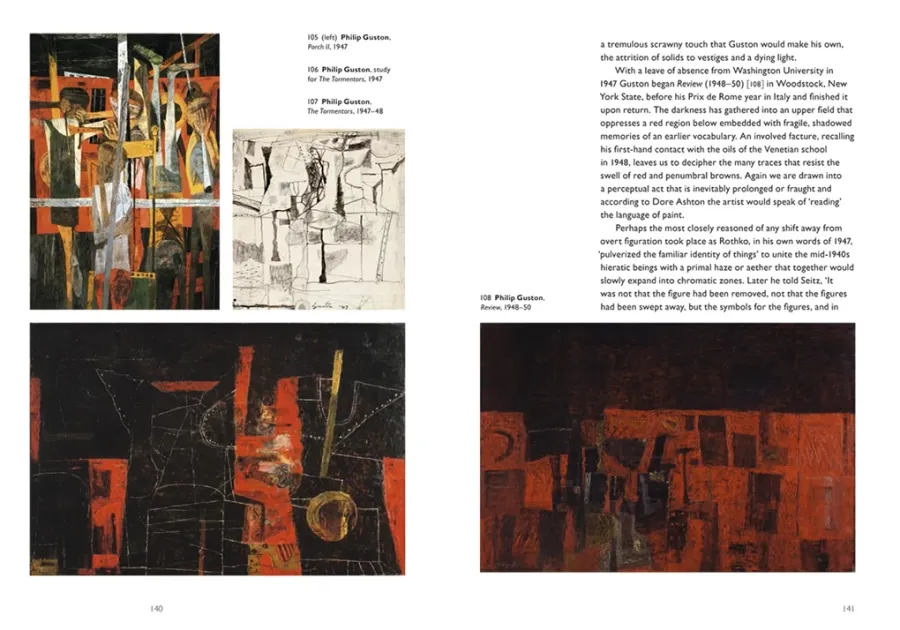
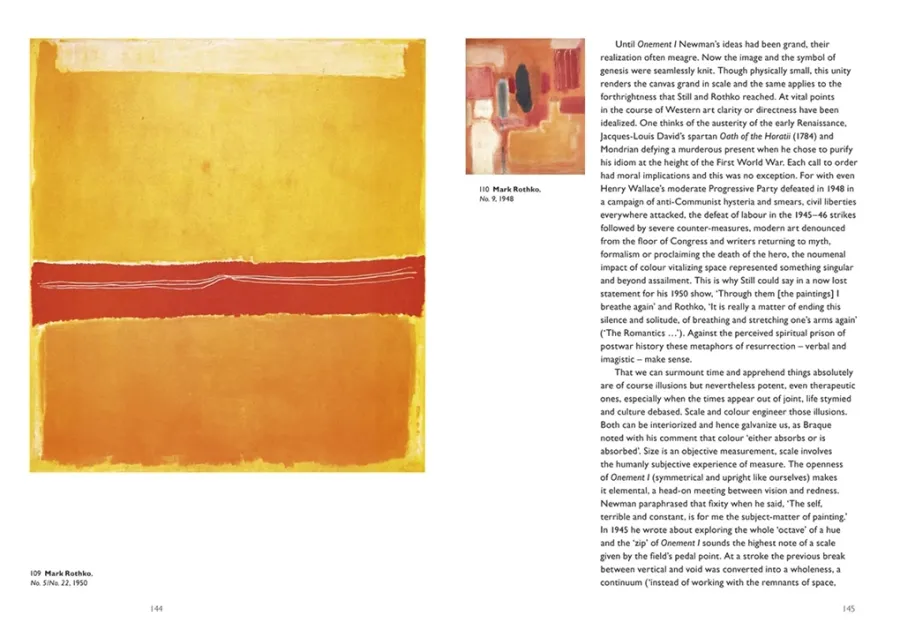
Abstract expressionism is the most significant artistic movement since World War II. Although it is often regarded as a revolution in painting itself — because works created by leading figures such as Jackson Pollock, Clyfford Still, Willem de Kooning, and Mark Rothko remain entirely extraordinary — its radical spirit spread further, encompassing the sculpture of David Smith and Aaron Siskind’s photography. Along with other key artists like Barnett Newman and Franz Kline, these artists formed a core united not only by the tensions of American society since the 1930s but also by the aim of creating diverse new visual languages.
David Anfam, a renowned authority in this field, examines the movement in terms of its political implications and rich cultural contexts, bringing fresh perspectives to the works themselves. Considering the wealth of scholarships, this new edition also features nearly one hundred color-reproduced works.
The Thames & Hudson brand was founded in 1949 by Walter and Eva Neurath. Their greatest passion and mission was to create a “museum without walls” and to make the world of art and leading scientific research accessible to a broad audience. To reflect international perspectives, the company’s name combined the rivers flowing through London and New York, represented in its logo by two dolphins symbolizing friendship and intelligence, one facing east and the other west, suggesting a connection between the Old World and the New.
Today, still an independent family company, Thames & Hudson is one of the world’s leading publishers of illustrated books, with over 2,000 titles printed. It publishes high-quality books across all areas of visual creativity: arts (fine arts, applied arts, decorative arts, performing arts), architecture, design, photography, fashion, film, and music, as well as archaeology, history, and popular culture. The company is also expanding its list of children’s books. Headquartered in London with a sister company in New York and branches in Melbourne, Singapore, and Hong Kong. In Paris, another subsidiary, Interart, distributes English-language books in France.
History of Thames & Hudson
Walter Neurath was born in Vienna in 1903. In 1938, he left his hometown — where he ran an art gallery and published illustrated books — for London. Initially, he worked as a production director at Adprint, a company founded by Viennese émigré Wolfgang Foges. Neurath and Foges developed a pioneering concept of what is now called book packaging (or co-publishing), where ideas for books are developed, ordered, produced, and sold to publishers operating in different markets and languages, to create large editions and thus reduce unit production costs. Neurath’s concept was the first of many innovations introduced to the publishing world through Thames & Hudson.
Eager to continue book packaging in its second edition and recognizing the need to amortize the high costs of producing illustrated books, Neurath founded his own publishing house, with offices in London and New York, in autumn 1949. Eva Neurath, who arrived in London from Berlin in 1939, was a co-founder.
Of the ten titles published on Thames & Hudson’s first list in 1950, *English Cathedrals*, with photographs by Martin Hürlimann, was the first and most successful. A testament to the company’s strong belief from the very beginning in the longevity of books, it remained in print until 1971. Also in the first year of publication was *Out of My Later Years* by Albert Einstein, an early indicator of the program’s breadth. As the list gradually expanded from ten titles in 1950 to 144 in 1955, the company moved its offices from High Holborn and, in 1956, relocated to a Georgian townhouse at Bloomsbury Street 30, near Bedford Square, which became the epicenter of book publishing in London. The manufacturing remained at this address, eventually expanding to five houses by 1999, when it returned to High Holborn.
Other important series that added depth and prestige to the list include *Ancient People and Places*, edited by Glyn Daniel, who since the 1950s has contributed to pioneering interest in archaeology, both in book form and on television. Over 34 titles have been published in the series over 34 years. The large-format *Great Civilizations* series, published in 1961, featured contributions from esteemed scholars such as Alan Bullock, Asa Briggs, Hugh Trevor-Roper, A. J. P. Taylor, and John Julius Norwich.
After building one of the most important publishing houses in Europe in less than two decades, Walter Neurath died in 1967 at the age of 63. Sculptor Henry Moore wrote that “his death was a loss to our cultural life.” Sir Herbert Read noted that Neurath “more than anyone else was responsible for the revolution in art publishing” and was “one of those rare entrepreneurs who successfully combine business acumen with idealism.” Eva Neurath became chairwoman. Walter’s son, Thomas, who joined the company in 1961 along with his sister Constance, became managing director; Constance later served as artistic director for several decades. Both Thomas and Constance remain on the Thames & Hudson board, as do Thomas’s daughters, Johanna and Susanna.
From producing the first commercial edition of *The Book of Kells* to the triumphant publication of the six-volume *Vincent van Gogh - Letters*, from technical innovations like “French folds” to the controversial documentation of graffiti art in *Subway Art*, Thames and Hudson has always been at the forefront, both culturally and in production techniques.
The year 2016 marked an extraordinary new chapter for the company, announcing a publishing partnership with two of the world’s most important museums: the British Museum and the Victoria and Albert Museum.
The world of art and scholarship remains at the heart of Thames & Hudson’s publishing program, which remains true to its fundamental principle: providing a “museum without walls.”
Today, Thames & Hudson is a recognizable international brand, a symbol of British publishing. Its extensive catalog includes thousands of original book titles. Many of these are elite collector’s editions.
Attributes / Details
| SKU | THANDSON- 9780500204276 |
| Manufacturer | Thames and Hudson |
| Model | 9780500204276 |
| Author | David Anfam |
| Number of pages | 224 |
| Tongue | English |
| Binding | Soft |
| Year of release | August 10, 2015 |
| Additional information | second edition |
| Size | 21.0 x 15.0 cm |
See catalog
Reviews
No reviews for this product.