

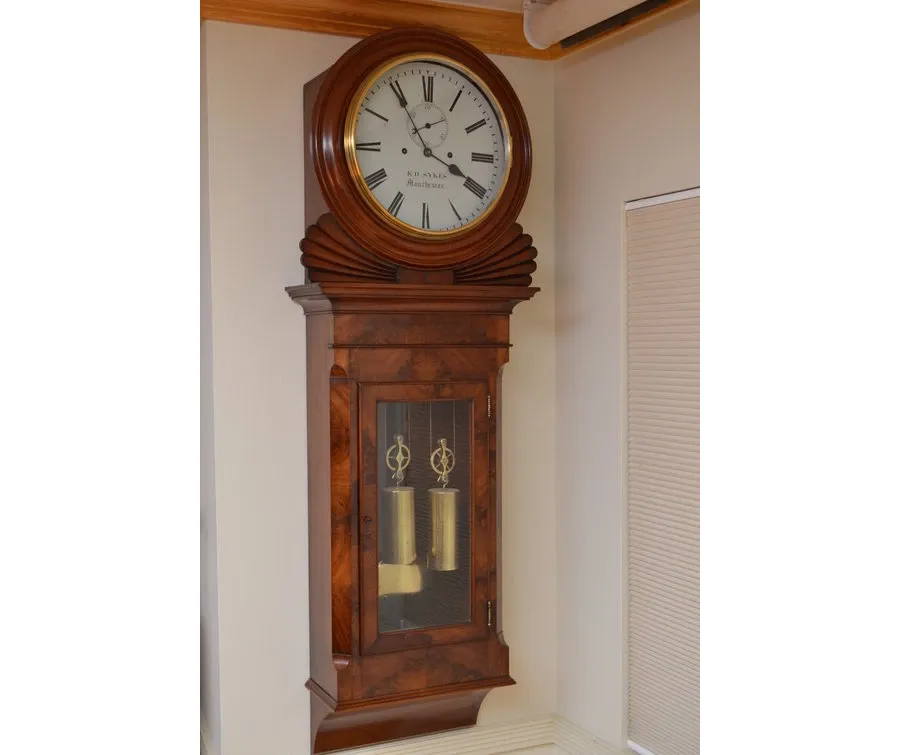
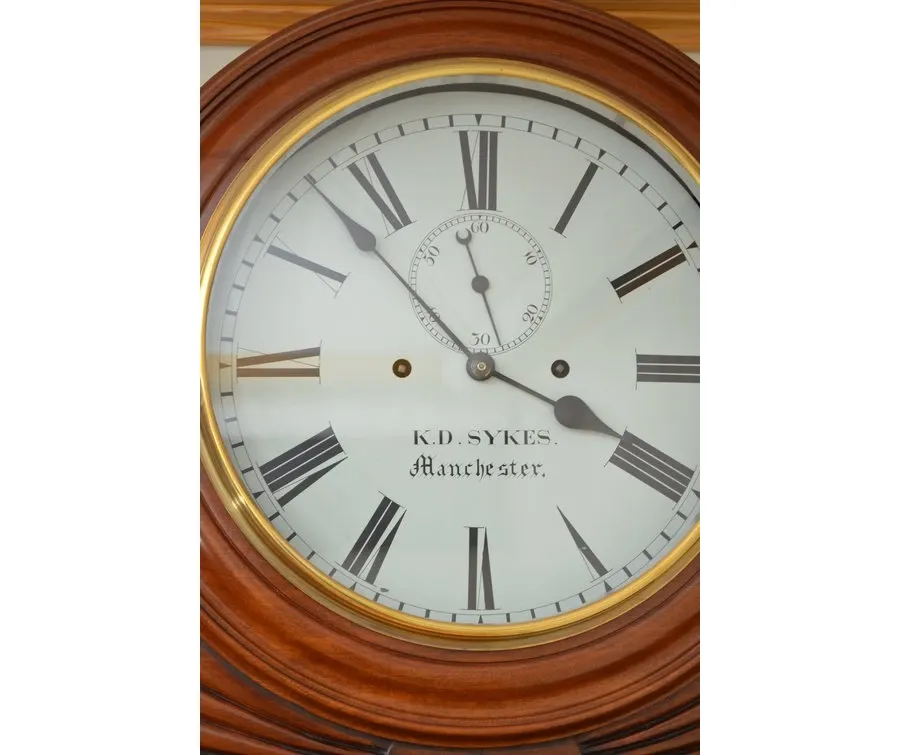
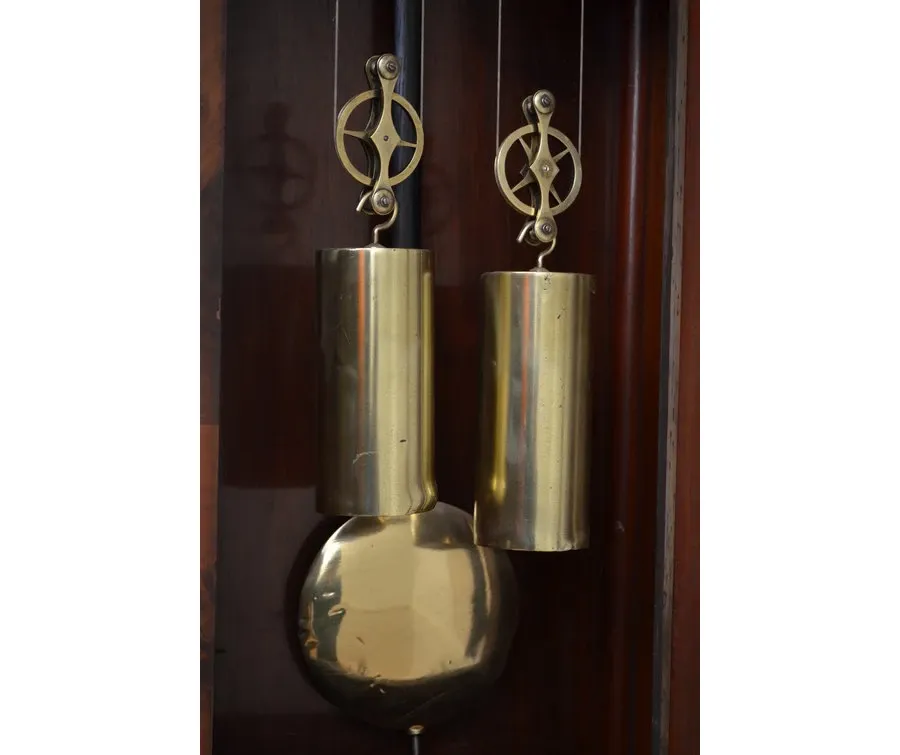
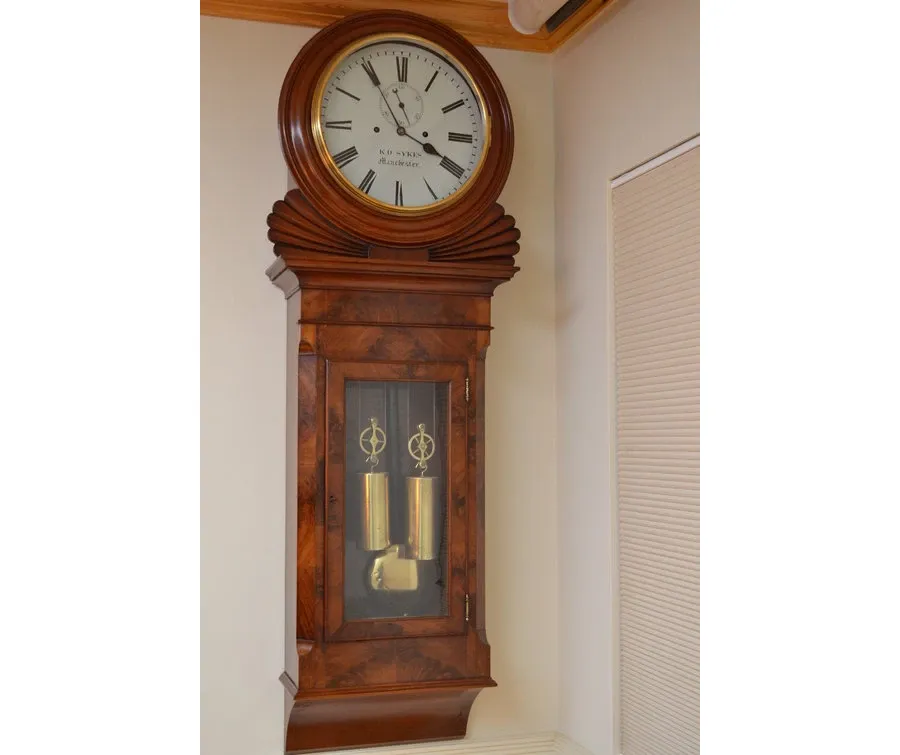
A unique wall clock with a painted dial with Roman numerals and a brass pendulum
Prestigious antique furniture and accessories.
SKU: NIMQUES-Sn3359
See other products from category Exclusive wall clocks or from manufacturer Nimbus Antiques
Related products by category
Pirondini Italia has been producing wooden objects and interior accessories for over 40 years. Production is entirely carried out in Italy, using both traditional hand tools and the most modern equipm
Artina is an Austrian manufacturer that has been producing glass and pewter tableware, products, and interior decoration accessories since 1974. Traditional craftsmanship combined with modern technolo
Unique hunting products made from antler combined with the highest quality craftsmanship showcase the essence of Antlabo. It is a true nod to handcrafted items that impress with their unparalleled ele
Prestigious hunting products made from antler combined with the highest quality craftsmanship showcase the essence of Antlabo. It is a true nod to handcrafted items that impress with their unique eleg
Unique hunting products made from antler combined with the highest quality craftsmanship give us a picture of the Antlabo company. It is a true nod to handcrafted products that impress with their unpa
Prestigious hunting products made from antler, combined with the highest quality finish, give us a glimpse of the Antlabo company. It is a true nod to handcrafted products that impress with their uniq
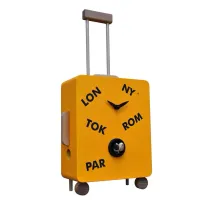
The Pirondini Italia brand has been producing wooden items and interior accessories for over 40 years. Production is entirely carried out in an Italian company, using both traditional hand tools and t
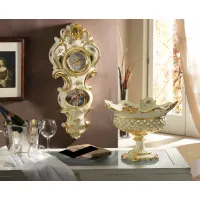
Enormous creativity in ceramic design and a luxurious approach to handcrafted finishing of every product are the hallmarks of the Italian brand Ceramiche Bruno Costenaro. Each item bearing the “B.C.
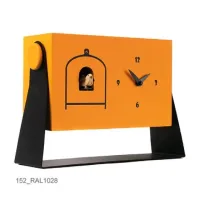
The Pirondini Italia brand has been producing wooden items and interior accessories for over 40 years. Production is entirely carried out in an Italian company, using both traditional hand tools and t
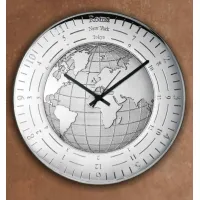
Giemme has been producing albums and frames since 1993!All its luxury collections are crafted in Italy and are the result of research and development by leading designers. The products are distinguis
Description
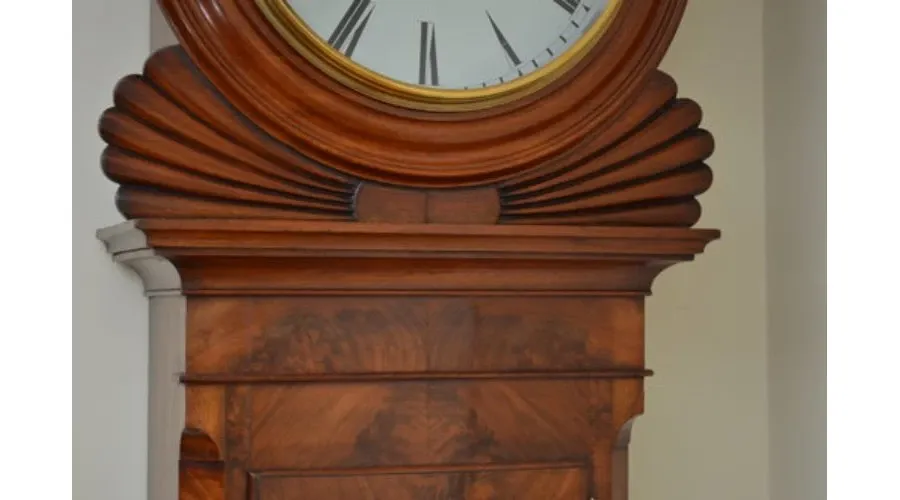
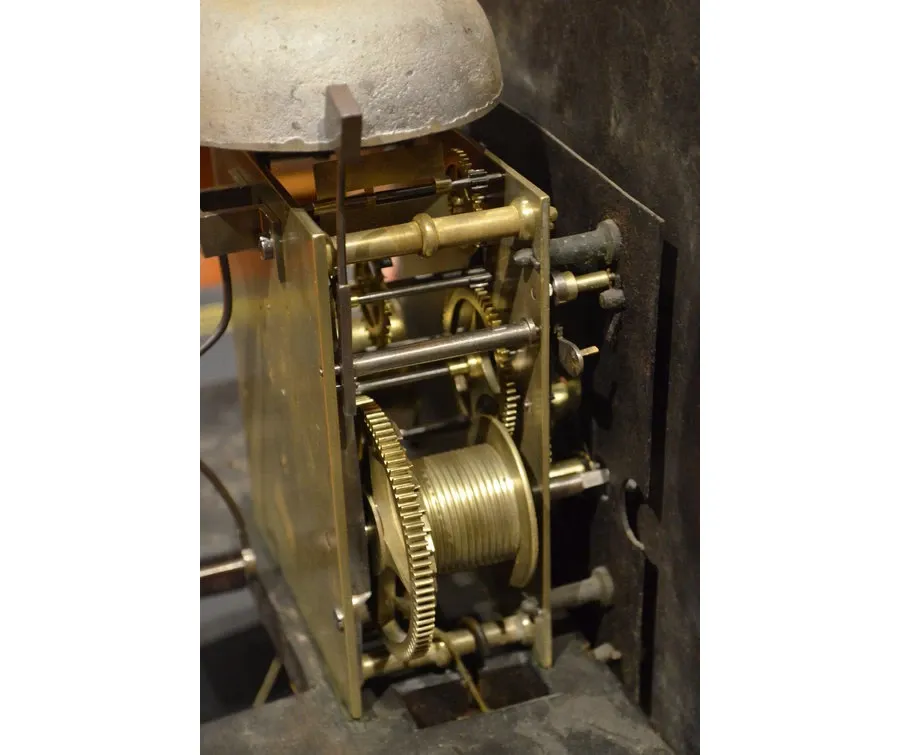
The exceptional Regency wall clock features a 13" painted dial with Roman numerals, a secondary auxiliary dial, and original hands, with the inscription KD Sykes, Manchester. It has an 8-day striking movement that chimes on a bell, housed in a shaped top drum with carved “ears” and a flame mahogany finish, and a glazed case containing the original brass pendulum, weights, and pulley wheels. c1820
The movement has been cleaned and serviced by a horologist and comes with a 12-month warranty (UK mainland).
Stylish antique furniture and accessories can be an excellent idea for decorating our interiors. Currently, there is a growing appreciation for high-quality vintage items that possess a distinct character and soul. It’s a nod to history, craftsmanship, and the design of classic and timeless furniture. There are many different styles in antique furniture, each with its own distinctive features.
Many styles characterize antique furniture, but a few are particularly prominent. Eclectic furniture refers to the 19th century, especially the beloved Biedermeier style. Its early 20th-century variants include neo-Gothic, Gothic, Rococo, Louis Philippe style, and the English Victorian style. By the end of the century, these styles evolved into pseudo-classicism, Renaissance, and Baroque influences.
Empire-style furniture and accessories date from the late 18th to early 19th century, inspired by Napoleon’s reign. This period emphasized grandeur and drew heavily on Roman and Greek decorative motifs.
Neoclassical furniture, associated with Louis XVI, also strongly references ancient architecture. Noteworthy are antique pieces in Rococo and Louis XV styles. Baroque, derived from the Portuguese word barocco—meaning an irregularly developed pearl—was characterized by highly ornate furniture designed to exude splendor and luxury. Materials were selectively chosen to emphasize the opulence of these pieces.
Today, we can see how the Baroque style has significantly influenced modern classical furniture, which often mirrors the grandeur of the past. The Renaissance style, flourishing in the 15th and 16th centuries, also left a lasting mark on furniture design. Renaissance furniture was quite heavy and robust, using brown stains, cornices, sturdy bases, and relief decorations. These pieces often featured mythological and ancient motifs, with supports and legs shaped like animals—such as lion paws or eagle heads—common in Renaissance design. Many leading brands recreate such furniture, inspired by Italian and French artisans, as a tribute to the beauty of Renaissance antiques.
It’s important to remember that furniture styles varied by country, each with its own character. This is especially relevant when seeking elegant antique pieces suited to your interior design.
The key aspect of elite antique furniture is originality. This is crucial for buyers, as the market is flooded with counterfeits. Luxury Products provides documentation confirming that each item matches its description and photographs. We also have access to art appraisers, historians, and experts from around the world.
Attributes / Details
| SKU | NIMQUES-Sn3359 |
| Manufacturer | Nimbus Antiques |
| Model | Sn3359 |
| Material | mahogany, brass |
| Size | L60″ |
| Age | 19th century |
| Year | 1820 |
| Condition | After renovation |
| Destiny | To home |
See catalog
Reviews
No reviews for this product.