

A tasteful ancient mountain stick from the 20th century
Luxury antiques
SKU: ANT-A930
See other products from category Decorative walking sticks or from manufacturer Antyki with shipping within 24 hours
Related products by category
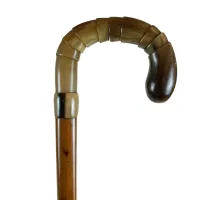
50s style cane with a bakelite handle, made from repeating series of plastic cylinders nested into each other, with a knob at the end and a ring connecting the handle to the wooden Malacca cane. The o
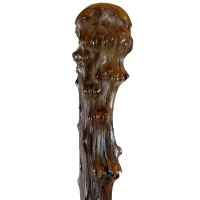
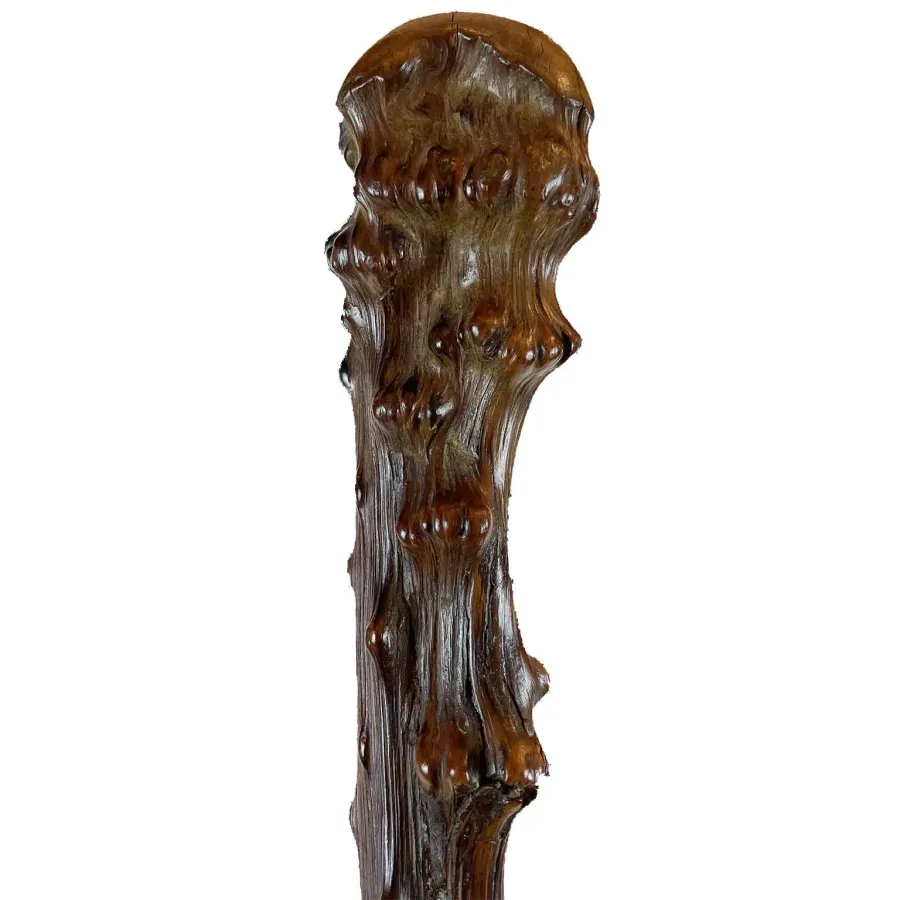
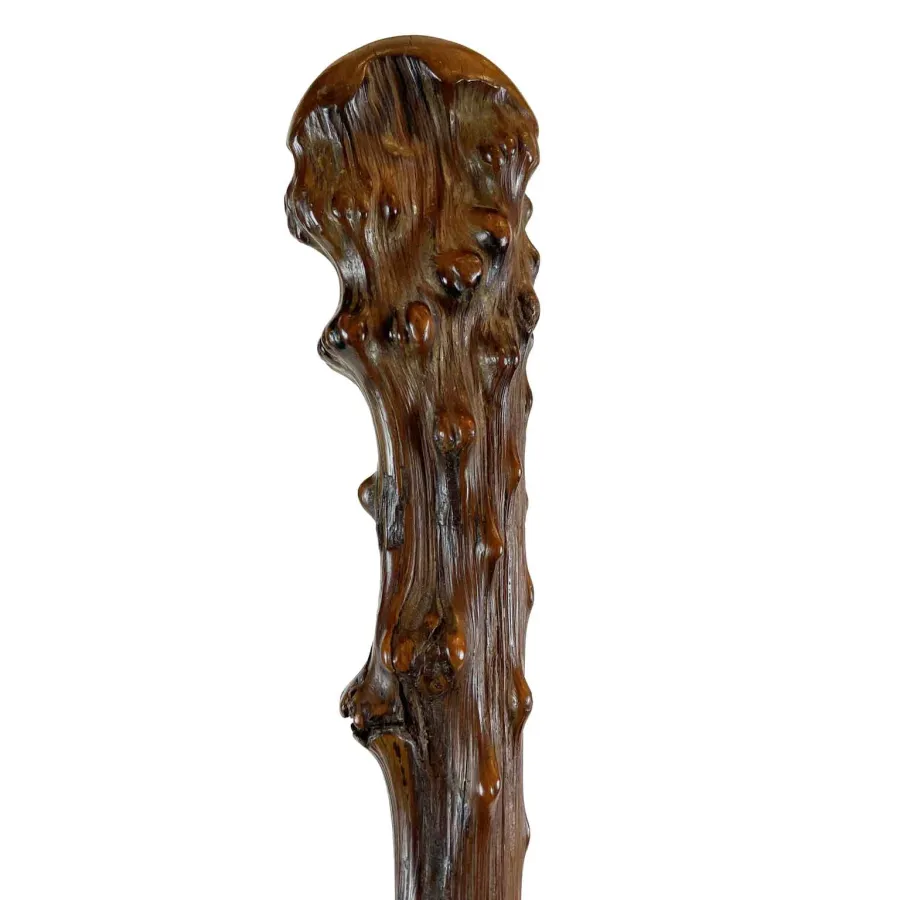
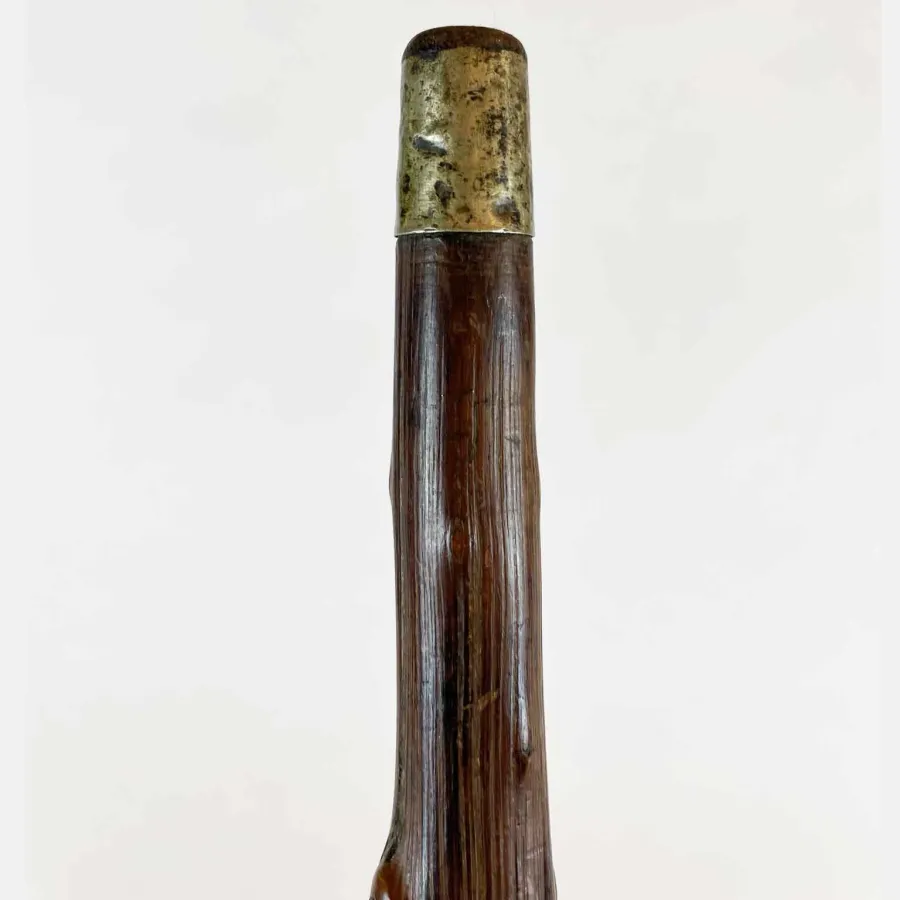
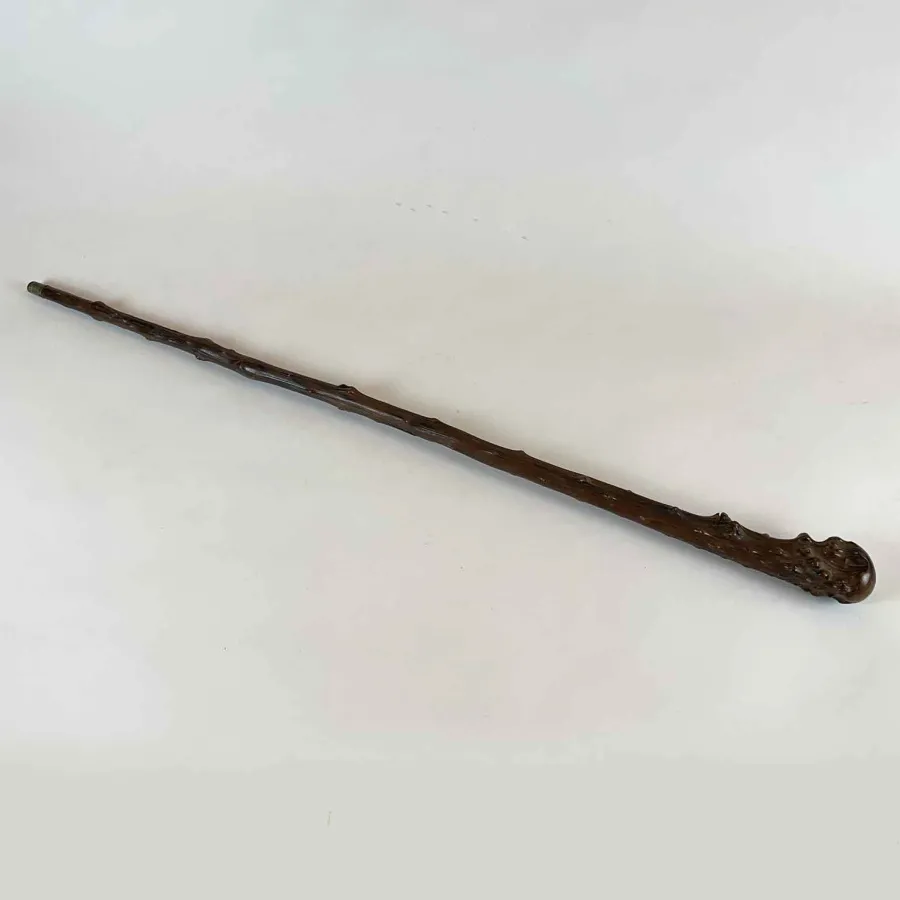
An ancient mountain staff made from the trunk of a branch of an unknown species, characterized by a long and dense fiber with a spiny surface. The handle is formed by the lower part of the shaft, whic
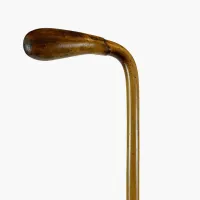
Walking stick from the early 20th century, made of bamboo and equipped with a handle crafted from essence root. No tip, in good condition. Particularly flexible.Beautiful antique furniture and accesso
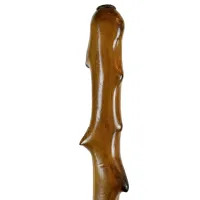
Tourist cane for women made from the trunk of an unknown thorny branch, with a light and dense fiber. It features an original tip and a brass attachment on the handle. In excellent condition, dating f
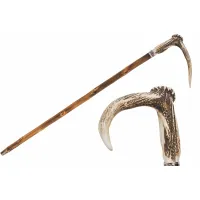
Stylish design combined with the highest quality raw materials gives us the image of the Italian company Pasotti.The manufactory mainly focuses on designing and creating umbrellas with an extensive c
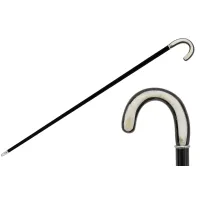
Stylish design combined with the highest quality materials gives us the synonym of the Italian brand Pasotti.The manufactory mainly focuses on designing and creating umbrellas with a vast collection
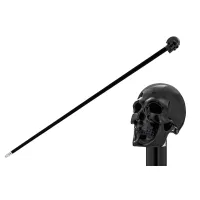
Stylish design combined with the highest quality raw materials gives us the synonym of the Italian company Pasotti.The manufactory mainly focuses on designing and creating umbrellas with an extensive
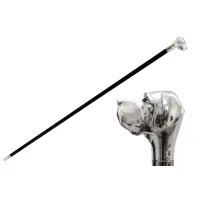
Exceptional design combined with the highest quality materials gives us the image of the Italian company Pasotti.The manufactory mainly focuses on designing and creating umbrellas with an extensive c
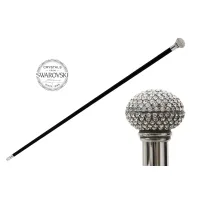
Prestigious design combined with the highest quality raw materials gives us the image of the Italian company Pasotti.The manufactory mainly focuses on designing and creating umbrellas with an extensi
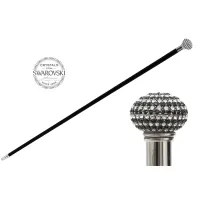
Exceptional design combined with the highest quality materials gives us the synonym of the Italian brand Pasotti.The manufactory mainly focuses on designing and creating umbrellas with an extensive c
Description
An ancient mountain staff made from the trunk of a branch of an unknown species, characterized by a long and dense fiber with a spiny surface. The handle is formed by the lower part of the shaft, which corresponds to the maximum width and depth measurements. The tip is original and appears to be made of silver-plated brass. The staff dates from the first half of the 20th century, from northeastern Italy, and is in good condition.
Original antique furniture and accessories can be an excellent idea for decorating our interiors. Today, there is an increasing number of enthusiasts of high-quality vintage products that possess a specific character and soul. It’s a nod to history, craftsmanship, and the design of traditional and timeless furniture. There are many different styles in antique furniture, each with its distinctive features.
Many styles characterize antique furniture, but a few key ones stand out. Eclectic furniture refers to the 19th century, during which the prevailing Biedermeier style was popular. Its early variations include neo-Gothic, Gothic, Rococo, Louis-Philippe style, and finally the English Victorian style. Toward the end of the century, these styles evolved into pseudo-classicism, Renaissance, and Baroque styles.
Original Empire-style furniture dates from the late 18th to early 19th century. It was influenced by Napoleon’s reign, which imposed a significant resemblance to Roman and Greek decorative motifs.
Neoclassical furniture reflects the Louis XVI style, which also strongly references ancient architecture. Noteworthy are antique products in Rococo and Louis XV styles. The next style is Baroque, whose name derives from the Portuguese 'barocco'—meaning an irregularly developed pearl. These were highly decorative pieces designed to exude splendor and play a significant role in luxury. Materials were selectively chosen to emphasize the grandeur of these items.
Today, we can observe how much the Baroque style influenced modern classic furniture, which is designed with a strong resemblance to the historical period. An important style is also Renaissance, which flourished in the 15th and 16th centuries and left a significant mark on furniture craftsmanship. Renaissance furniture was quite heavy and massive, often using brown stains, cornices, sturdy bases, and relief decorations. These products were quite distinctive but also introduced new possibilities, such as the construction of credenzas and broadly speaking, chest-type furniture. Mythology and ancient times also inspired these designs, with supports and legs often taking animal forms.
Lion paws, eagle heads—these are common features in Renaissance style furniture. Currently, many global brands reproduce such furniture, drawing inspiration from Italian and French artisans. This reflects admiration and respect for the history of the most beautiful Renaissance antiques. It’s important to remember that furniture production was perceived differently in each country, so each style had its unique character. This is especially important when searching for a luxurious antique that suits your interior.
The most important aspect of stylish antique furniture is originality. Ultimately, this is crucial from the customer’s perspective, as the market is flooded with counterfeits. Luxury Products provides a certificate confirming the product’s authenticity and compliance with the description and photos. We have appraisers, art experts, historians, and specialists from around the world at your disposal.
Attributes / Details
| SKU | ANT-A930 |
| Manufacturer | Antyki |
| Model | A930 |
| Material | branch |
| Size | Height: 90.5 cm Width: 5 cm Depth: 4 cm |
| Age | XX |
| Year | 1900 |
| Destiny | Universal |
See catalog
Reviews
No reviews for this product.