

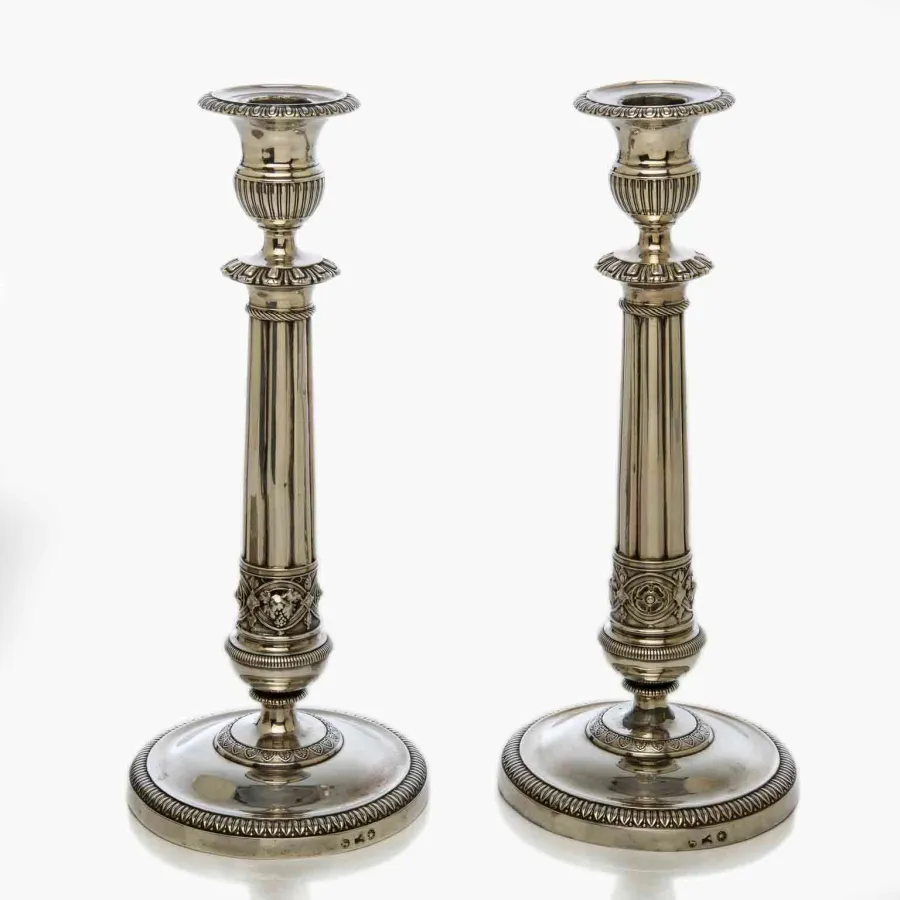
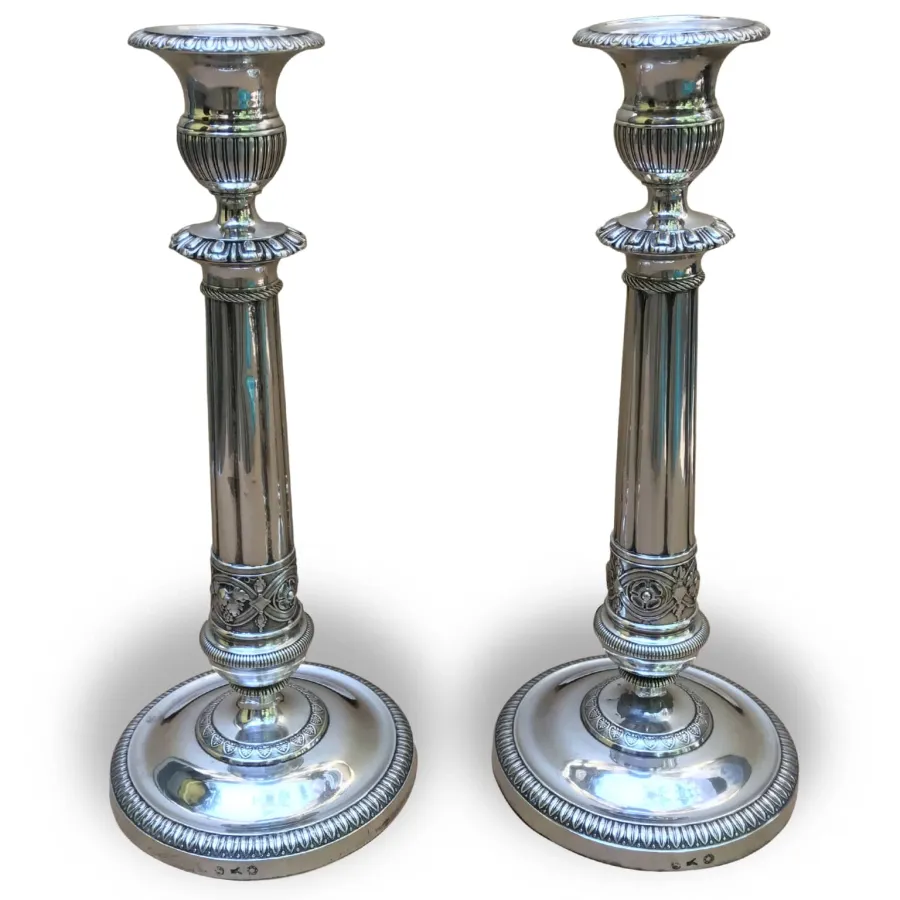
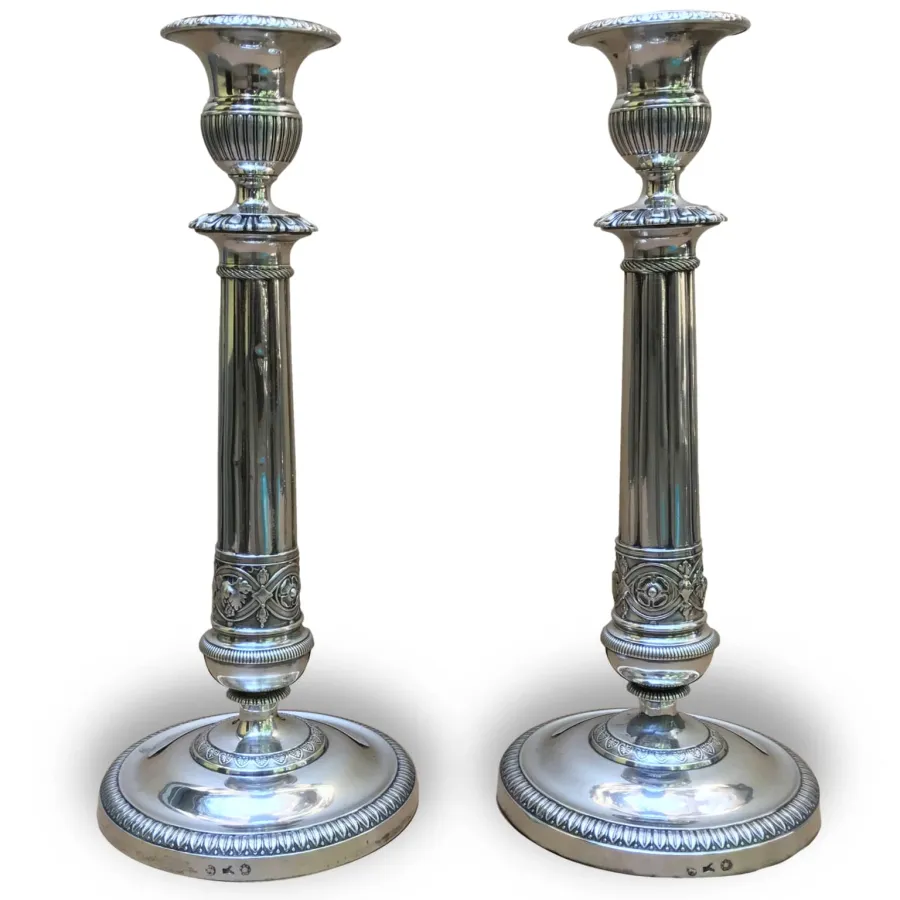

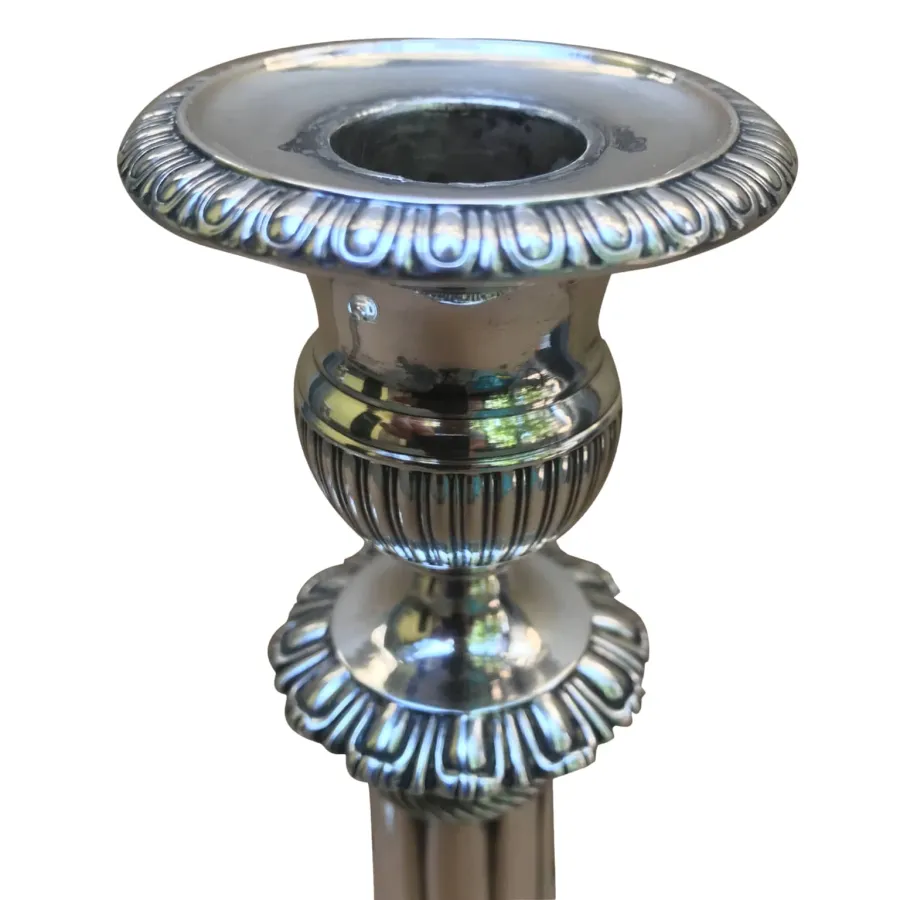
A pair of neoclassical silver candlesticks from the 19th century
Luxury antique furniture and accessories
SKU: ANT-A223
See other products from category Exclusive candlesticks or from manufacturer Antyki
Related products by category
Eric Stepniewski's fascinating journey with bronze began in 1973 in his hometown of Paris, where he started working as an antique dealer. After many years managing his Gallery, he took over the renown
Eric Stepniewski's fascinating journey with bronze began in 1973 in his family home of Paris, where he started working as an antique dealer. After many years managing his Gallery, he took over the ren
Eric Stepniewski's incredible journey with bronze began in 1973 in his hometown of Paris, where he started working as an antique dealer. After many years managing his Gallery, he took over the renowne
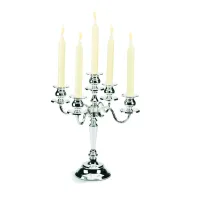
Small, elegant details for big moments – tableware, table decorations, photo frames, candlesticks, silver decorative bowls – all can be found among the unique collections of the Italian brand Chin
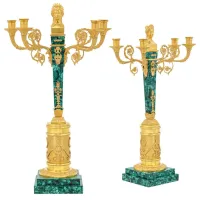
Eric Stepniewski's incredible bronze adventure began in 1973 in his family’s hometown of Paris, where he started working as an antique dealer. After many years managing his Gallery, he took over the
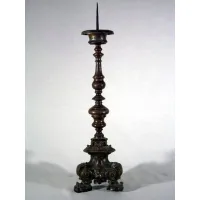
Central bronze candlestick holders in the shape of a spool, Lombardy, early 17th centuryPrestigious antique furniture and accessories can be an excellent idea for decorating our interiors. Today, ther
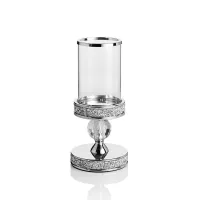
Shared qualities such as inspiration, mastery, and passion have allowed Ottaviani to become a Made in Italy hero worldwide over decades of the company's history.Today, the company's creative activitie
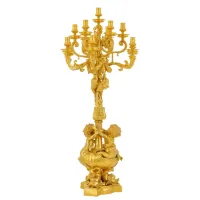
Eric Stepniewski's fascinating journey with bronze began in 1973 in his hometown of Paris, where he started working as an antique dealer. After many years managing his Gallery, he took over the renown
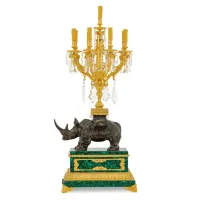
Eric Stepniewski's fascinating journey with bronze began in 1973 in his hometown of Paris, where he started working as an antique dealer. After many years managing his Gallery, he took over the renown
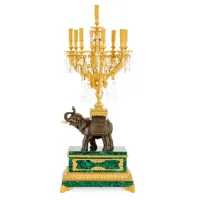
The incredible journey of Eric Stepniewski with bronze began in 1973 in his hometown Paris, where he started working as an antique dealer. After many years managing his Gallery, he took over the renow
Description
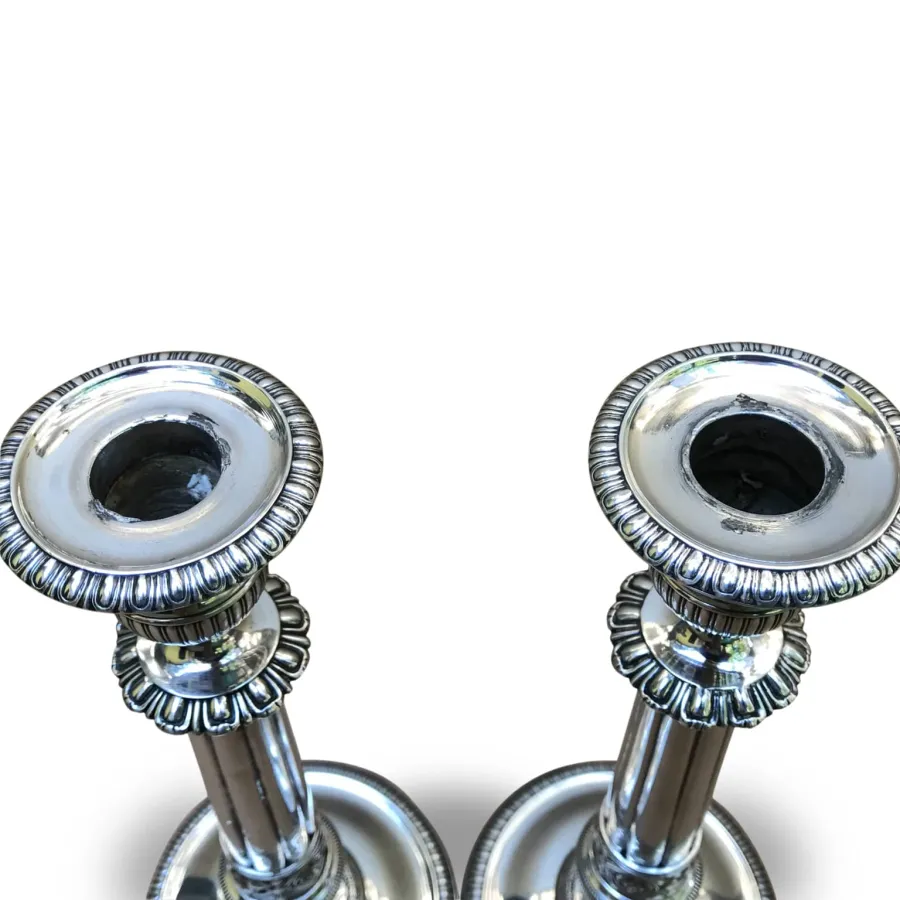
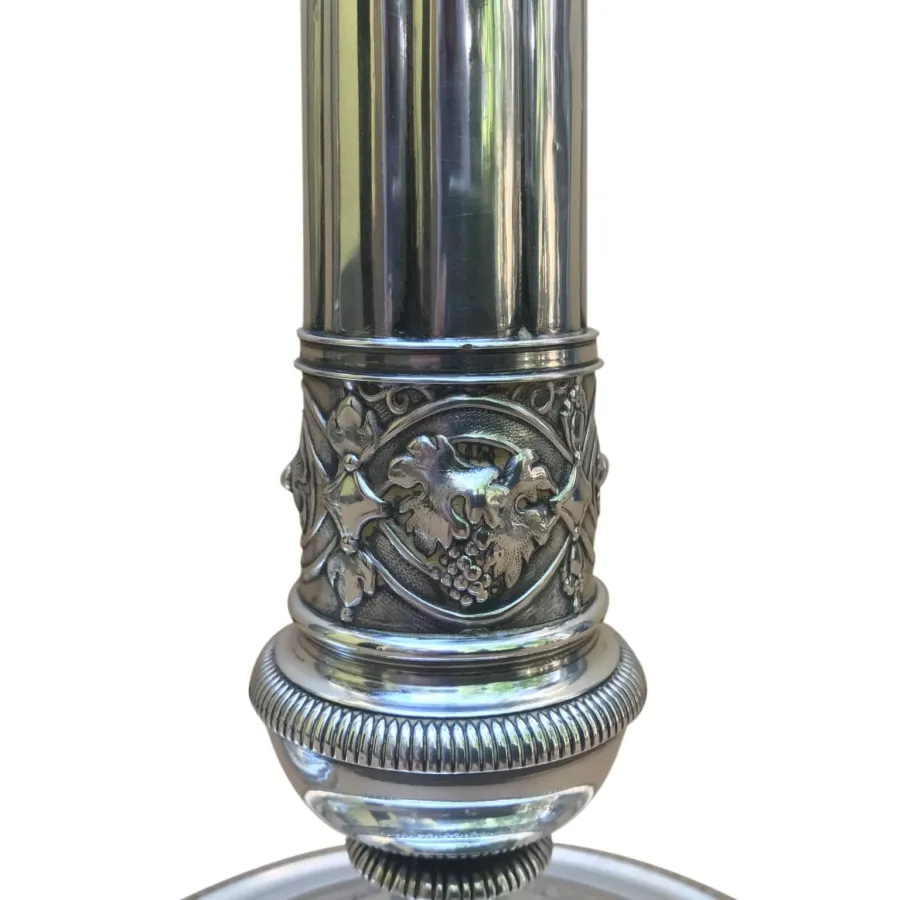
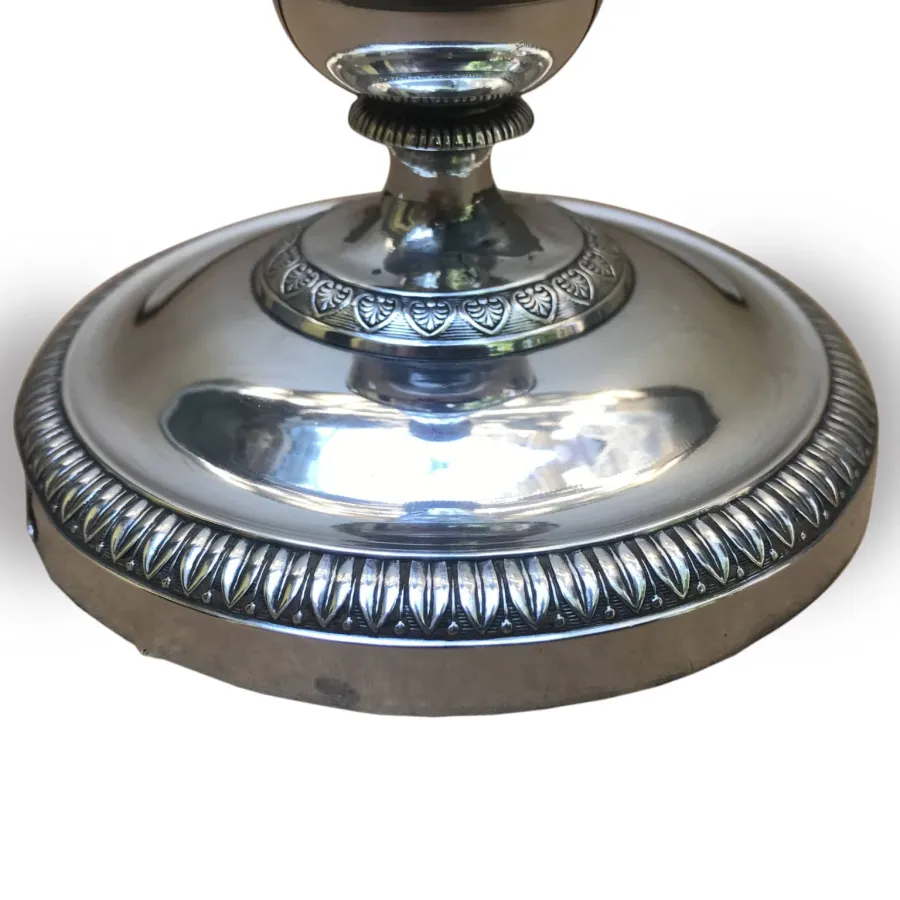
Pair of neoclassical candlesticks in silver color with embossed foil, featuring a round base and fluted stem decorated with leafy and geometric borders. Milanese pierced candlesticks, silversmith Francesco Liverti, 1820.
Minimal wear near the candle and on the base, consistent with 19th-century dating.
The two antique candlesticks originate from a Lombard villa by Lake Como, where they were mounted as lamps, which explains the small hole on the edge of the base.
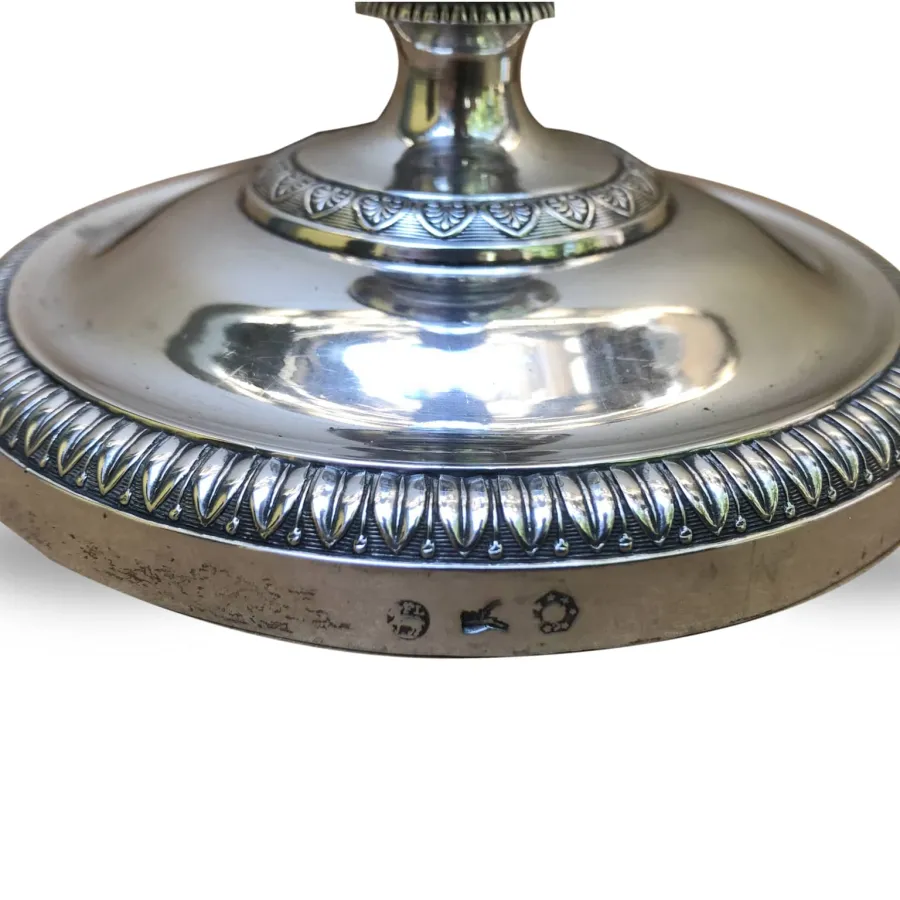
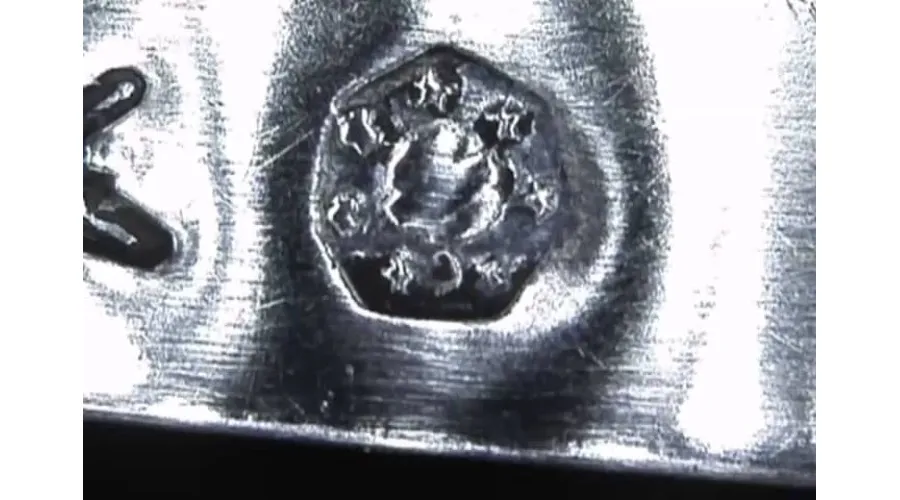
On the bases, there are marks of plows referring to the second silver standard (800/000), a symbol with seven triones referring to the Milan Gild Office between 1812-1872, and the F.L. silver mark referring to silversmith Francesco Liverti under the Cow mark on a round field, documented until 1820 in Milan.
The candlesticks weigh approximately 276 grams and 291 grams respectively.
The 1812-1872 mark clearly reproduces the cow symbol and is attributed to silversmith Francesco Liverti. However, no documentation has been found to confirm this, and the mark does not appear among deposits or registrations of Milanese marks. Nevertheless, it is very likely, as Liverti, born August 14, 1765, to Ambrogio and Laura Reina, ran a shop from his home in the Bocchetto district at 2534. Francesco Liverti died in 1820, and his business was continued by his widow until 1828. Thanks to this mark, numerous neoclassical cutlery pieces have been identified, all elegant and well-made… G. Sambonet, Milan 1987, p. 303.
Exceptional antique furniture and accessories can be a perfect idea for decorating our interiors. Today, there is a growing number of enthusiasts of high-quality vintage items that have a distinct character and soul. It’s a nod to history, craftsmanship, and the design of classic and timeless furniture. There are many different styles in antique furniture, each with its own distinctive features.
Many styles characterize antique furniture, but a few are particularly prominent. Eclectic furniture refers to the 19th century, especially the Biedermeier style. Its early variations include neo-Gothic, Gothic, Rococo, Louis Philippe style, and finally the English Victorian style. By the end of the century, these styles transitioned into pseudo-classicism, Renaissance, and Baroque styles.
Empire-style furniture and accessories date from the late 18th to early 19th century, originating from Napoleon’s reign. This period is marked by significant influence from Roman and Greek decorative motifs.
Neoclassical furniture, associated with Louis XVI, also draws heavily from ancient architecture. Notable and interesting are antique pieces in Rococo style and Louis XV. The next style is Baroque, derived from the Portuguese word 'barocco'—meaning an irregularly developed pearl. These were highly ornate, statement pieces designed to radiate splendor and luxury. Materials were selectively chosen to emphasize the grandeur of these items.
Today, we can see how much the Baroque style influenced modern classical furniture, which often resembles the historical period. The Renaissance style, flourishing in the 15th and 16th centuries, also left a significant mark on furniture design. Renaissance furniture was quite heavy and robust, often using brown stains, moldings, sturdy bases, and reliefs. These products were quite distinctive but also opened new possibilities, especially in the construction of cabinets and chest-type furniture. Mythology and classical themes were popular, with supports and legs often taking animal forms.
Lion’s paws, eagle heads—these are common motifs in Renaissance-style furniture. Many global brands now reproduce furniture inspired by Italian and French creators, demonstrating admiration and respect for the history of the most beautiful Renaissance antiques. It’s important to remember that each country had its own approach to furniture making, giving each style a unique character. This is especially crucial when searching for a luxurious antique piece that suits your interior.
The most important aspect of prestigious antique furniture is originality. This is ultimately crucial from the buyer's perspective, as many counterfeits circulate on the market. Luxury Products provides a certificate confirming the product's compliance with the actual description and photograph. We have at your disposal art appraisers, historians, and experts from around the world.Attributes / Details
| SKU | ANT-A223 |
| Manufacturer | Antyki |
| Model | A223 |
| Size | Height: 26.5 cm Diameter: 11.3 cm |
| Age | 19th century |
| Year | 1801 |
| Destiny | Universal |
See catalog
Reviews
No reviews for this product.