

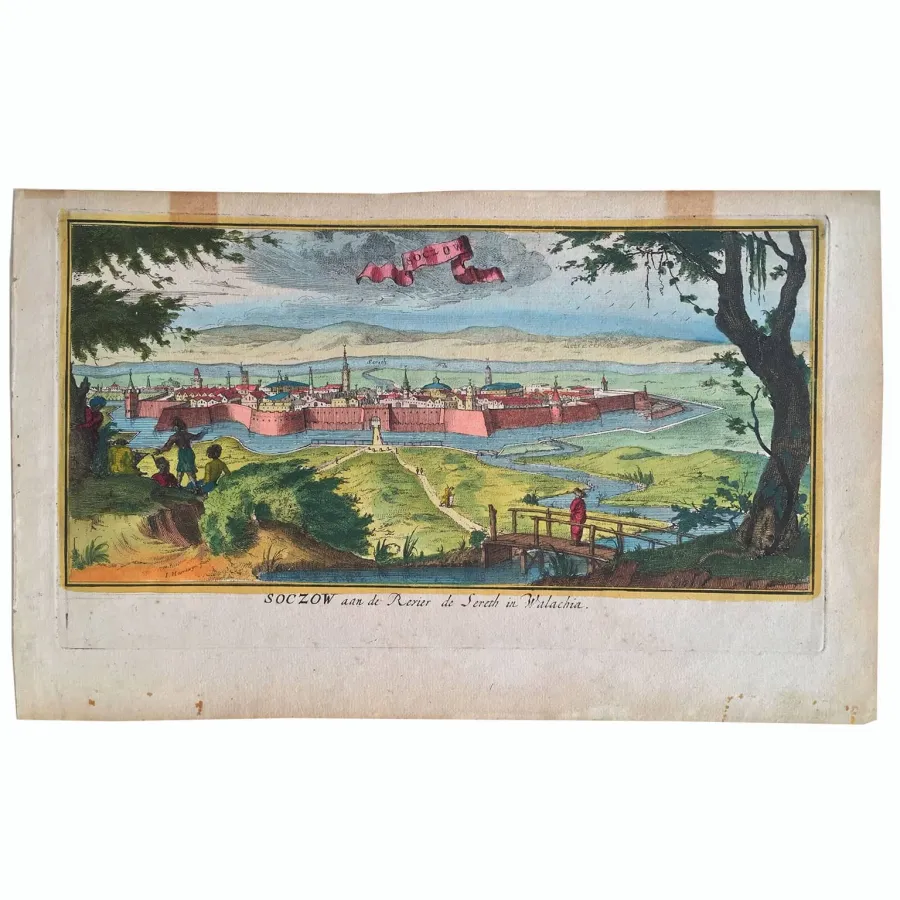
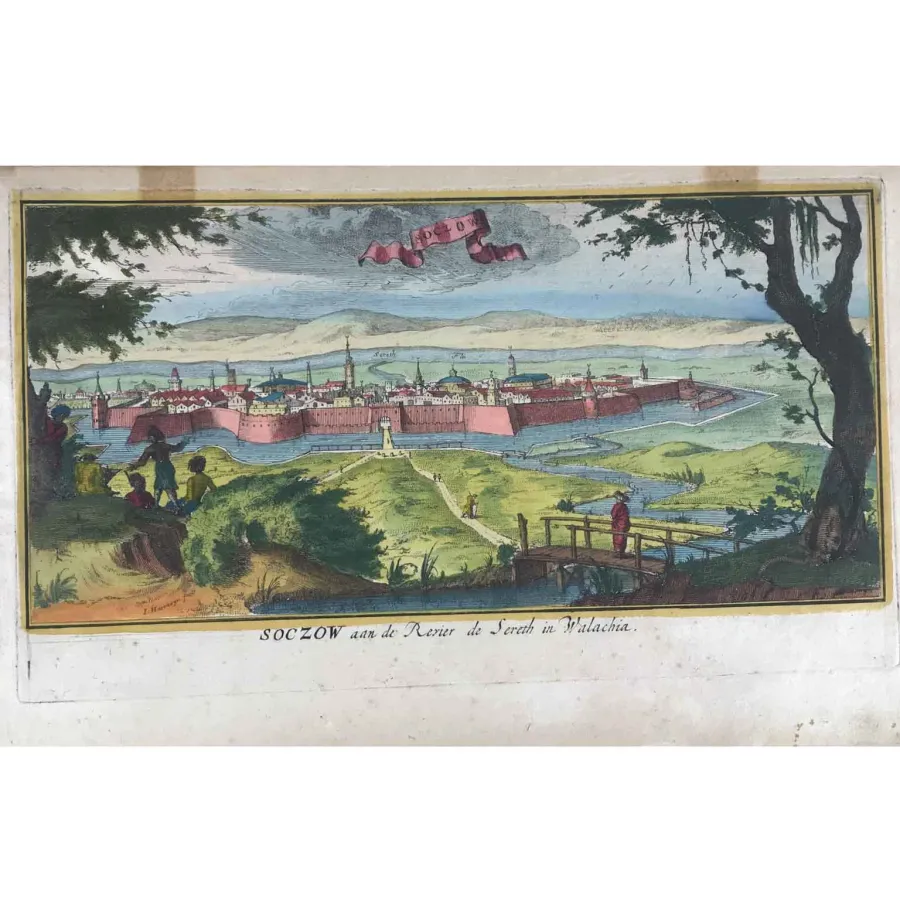
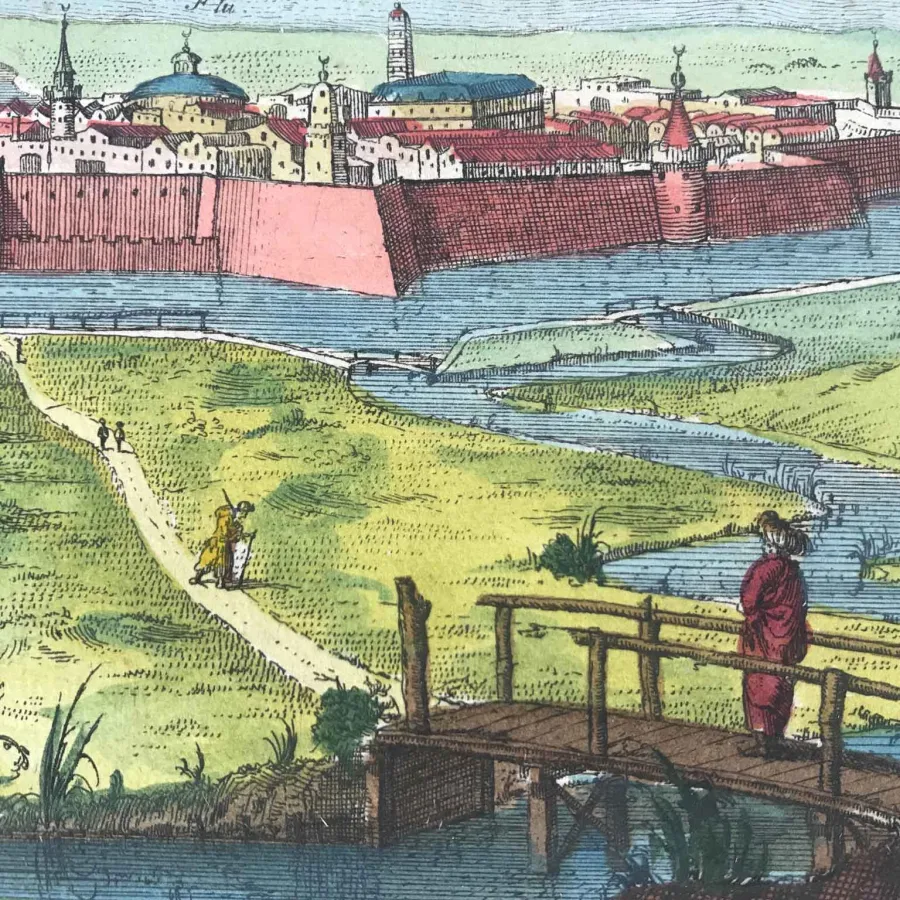
View of Soczów, old Dutch engraving from 1600.
Beautiful antique furniture and accessories
SKU: ANT-A193
See other products from category Antique prints or from manufacturer Antyki
Related products by category
Jacob De Gheyn Soldier in armor, helmet, sword, and pike, engraving from 1607 depicting a soldier in military uniform. It is an important example of late Mannerist printmaking art. De Gheyn, one of th
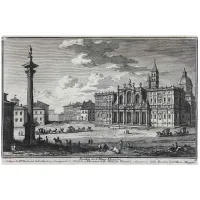
Giovan Battista Piranesi Pyramid of Gaius Cestius, circa 1756. A large-format copperplate engraving depicting the pyramid built between 18–12 BC as the tomb of Gaius Cestius Epulone. This neoclassic
De Vegni View of Pompeii. A beautiful engraving made by L. de Vegni, depicting the soldier district in Pompeii.In good condition with original colors. At the bottom left, an oval embossed mark within
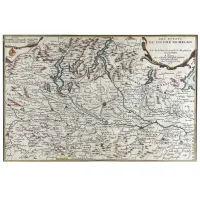
Nicolas De Fer The States of the Duchy of Milan 1705, a beautiful geographical map of the Duchy of Milan published in Paris in 1705 by Nicolas de Fer in the Atlas Curieux ou le Monde Réprésenté dan
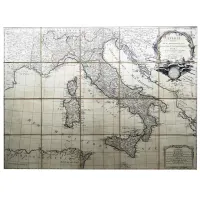
Robert Janvier Italy divided into different states Venice 1776 printed by Francesco Santini in via San Giustina in Venice. The sheet is based on the previous Janvier article and is divided into 20 squ
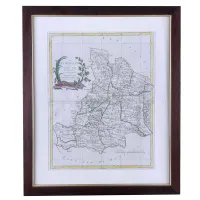
Antonio Zatta's map of Padua by Giovanni Valle Giustinopolitano, Venice 1784. An exquisite and detailed geographical map of the territory of Padua, derived from the monumental work Atlante Novissimo,
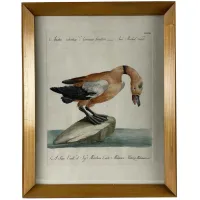
Saverio Manetti, wild duck, circa 1770, from the work Ornitologia methodica digesta atque icomibus atque iconibus aeneis ad vivum illuminatis ornata… Historia naturalna ptaków traktowana metodą i
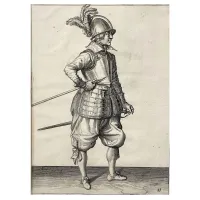
Jacob De Gheyn, 16th century, Soldier with weapon and armor, an engraving depicting a soldier in military uniform. It is an important example of late Mannerist printmaking art. De Gheyn, one of the mo
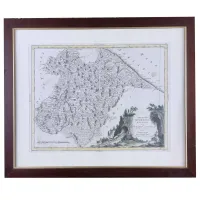
Antonio Zatta Embassy Urbino and the government of Città di Castello Venice 1783 Geographical map taken from the work of publisher Antonio Zatta, Atlante novissimo, illustrated and supplemented with
Description
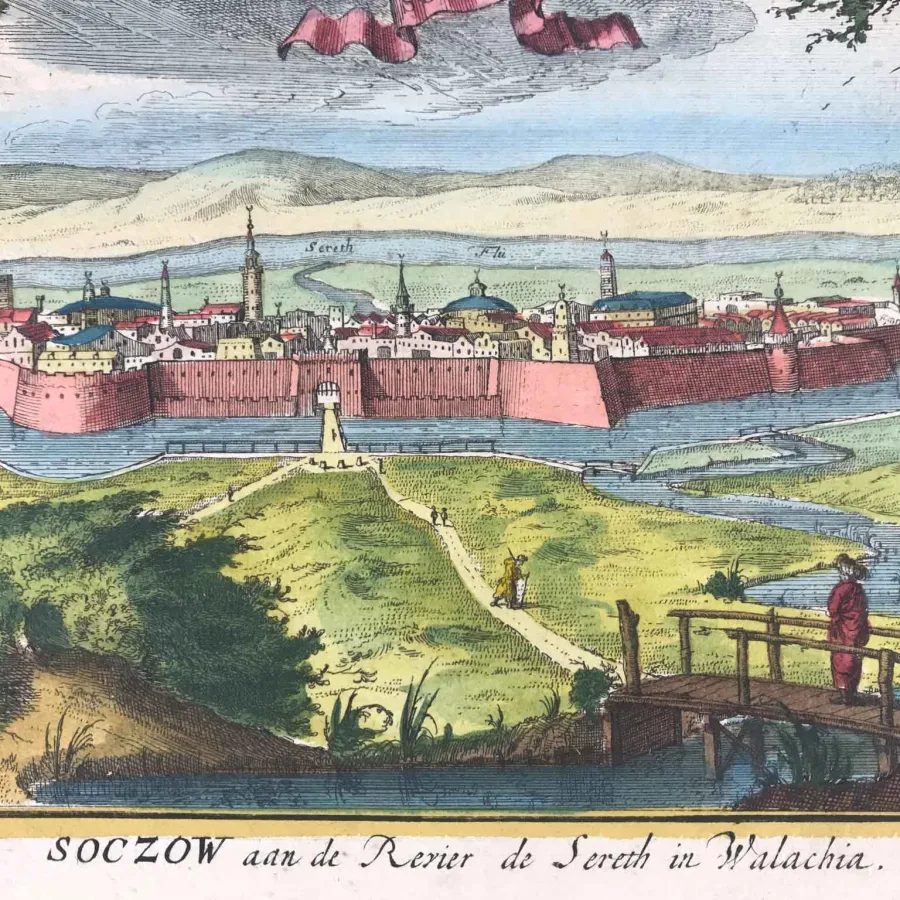
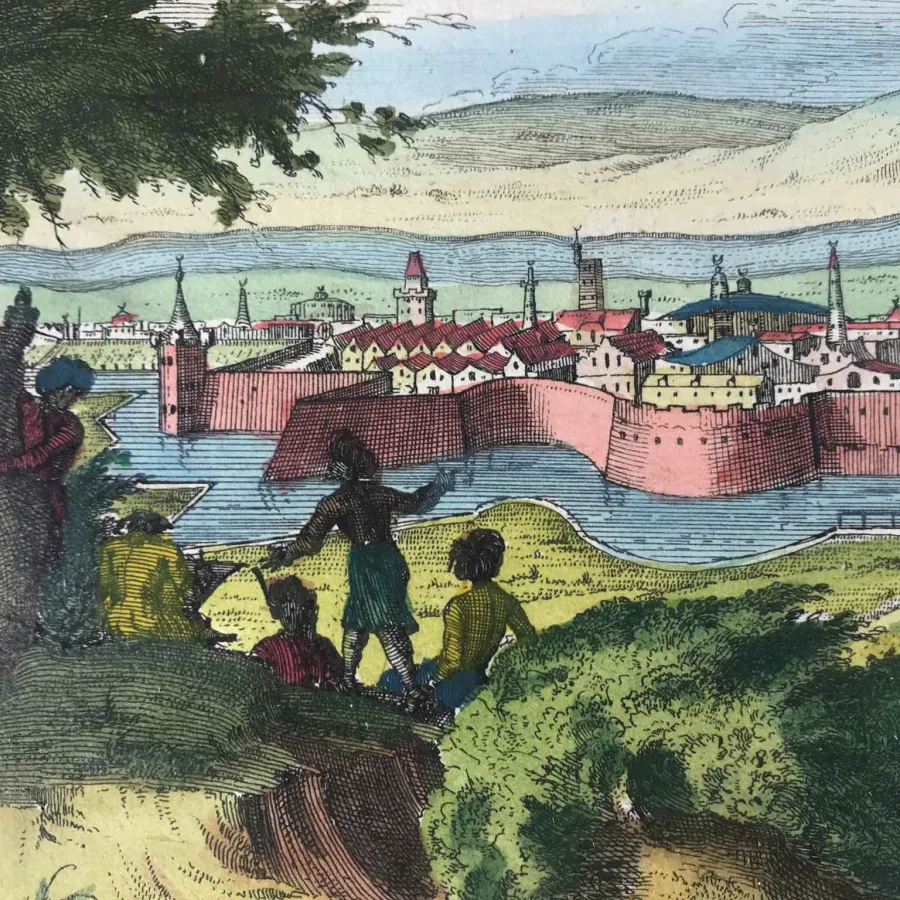
View of Soczowa, an old Dutch engraving from 1600. Depicting a Polish fortified town by I. Harrewyona? as marked on the print in the lower left corner. Below “SOCZOW aan de Revier de Sereth in Walachia”. With wide margins, it has uneven coloring and is in good condition.
Luxurious antique furniture and accessories can be an excellent idea for decorating our interiors. Currently, there is a growing number of enthusiasts of high-quality vintage products that possess a specific character and soul. This is a nod to history, creating and designing classic and timeless furniture. There are many different styles in antique furniture, each with its distinctive features.
Many styles characterize antique furniture, but we can highlight a few of the most important. Eclectic furniture belongs to the 19th century, during which the prevailing Biedermeier style was popular. Its early 20th-century variants include neo-Gothic, Gothic, Rococo, Louis Philippe style, and finally the English Victorian style. Toward the end of the century, these styles evolved into pseudo-classicism, Renaissance, and Baroque styles.
Empire-style furniture dates from the late 18th to early 19th century. It originated during Napoleon’s reign, which imposed a strong resemblance and references to Roman and Greek ornamentation.
Neoclassical furniture reflects the Louis XVI style, which also strongly references ancient architecture. Interesting and noteworthy are antique products in Rococo style and Louis XV. Next is Baroque, a name derived from the Portuguese word barocco – which translates to irregularly developed pearl. These were highly decorative pieces designed to exude splendor and play a significant role in luxury. Unique, selectively used materials were employed to emphasize the grandeur of these items.
Today, we can observe how much influence the Baroque style has had on modern classic furniture, which is designed with a strong resemblance to the historical period. An important style is also Renaissance, which flourished in the 15th and 16th centuries and left a significant mark on furniture-making art. Renaissance style was quite heavy and massive, using brown stains, moldings, sturdy bases, and bas-reliefs. These were quite distinctive products, but they also opened up many new possibilities, such as the construction of cabinets or broadly understood chest furniture. Here, too, there was an interest in mythology and ancient times, so supports or legs often took animal forms.
Lion paws, eagle heads – these are common features in Renaissance style.Currently, many global brands reproduce such furniture, taking inspiration from Italian and French creators. This demonstrates admiration and care for the history of the most beautiful Renaissance antiques. It’s important to remember that furniture production was perceived differently in each country, so each style had its unique character. This is especially important when searching for an exclusive antique suitable for your interior.
The most important aspect of prestigious antique furniture is originality. And this is ultimately crucial from the buyer’s perspective, as many counterfeits circulate on the market. Luxury Products brand provides a certificate confirming the product’s authenticity and compliance with the description and photos. We have appraisers, art experts, historians, and specialists from around the world at your disposal.
Attributes / Details
| SKU | ANT-A193 |
| Manufacturer | Antyki |
| Model | A193 |
| Size | Height: 17.5 cm Width: 28.5 cm |
| Age | XVII |
| Year | 1601 |
| Destiny | To living room |
See catalog
Reviews
No reviews for this product.