

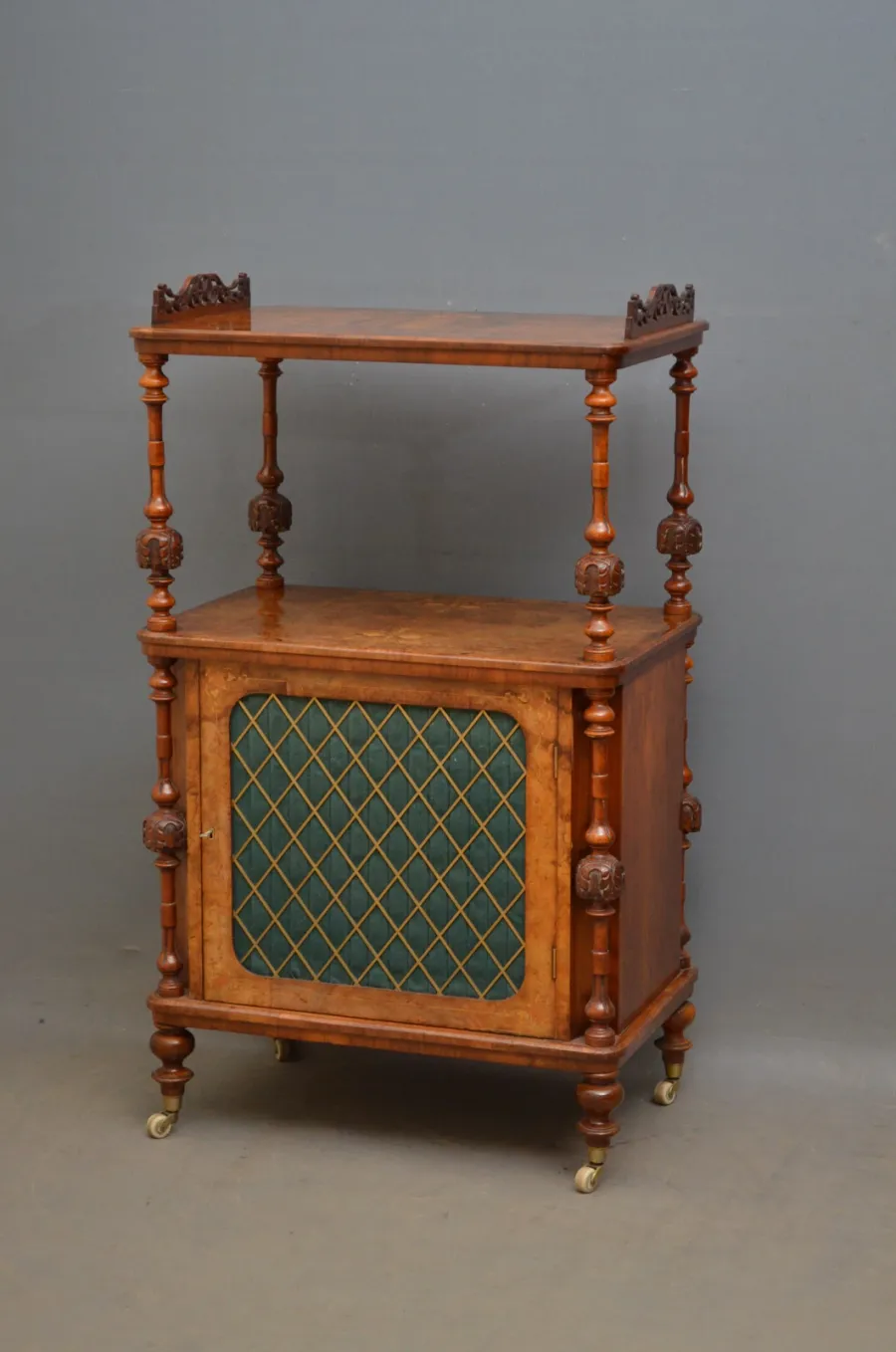

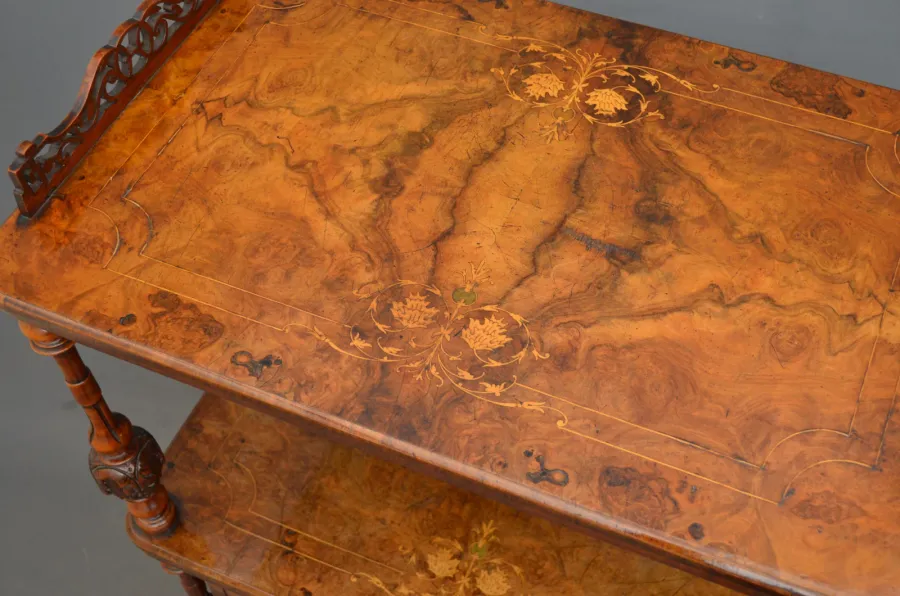
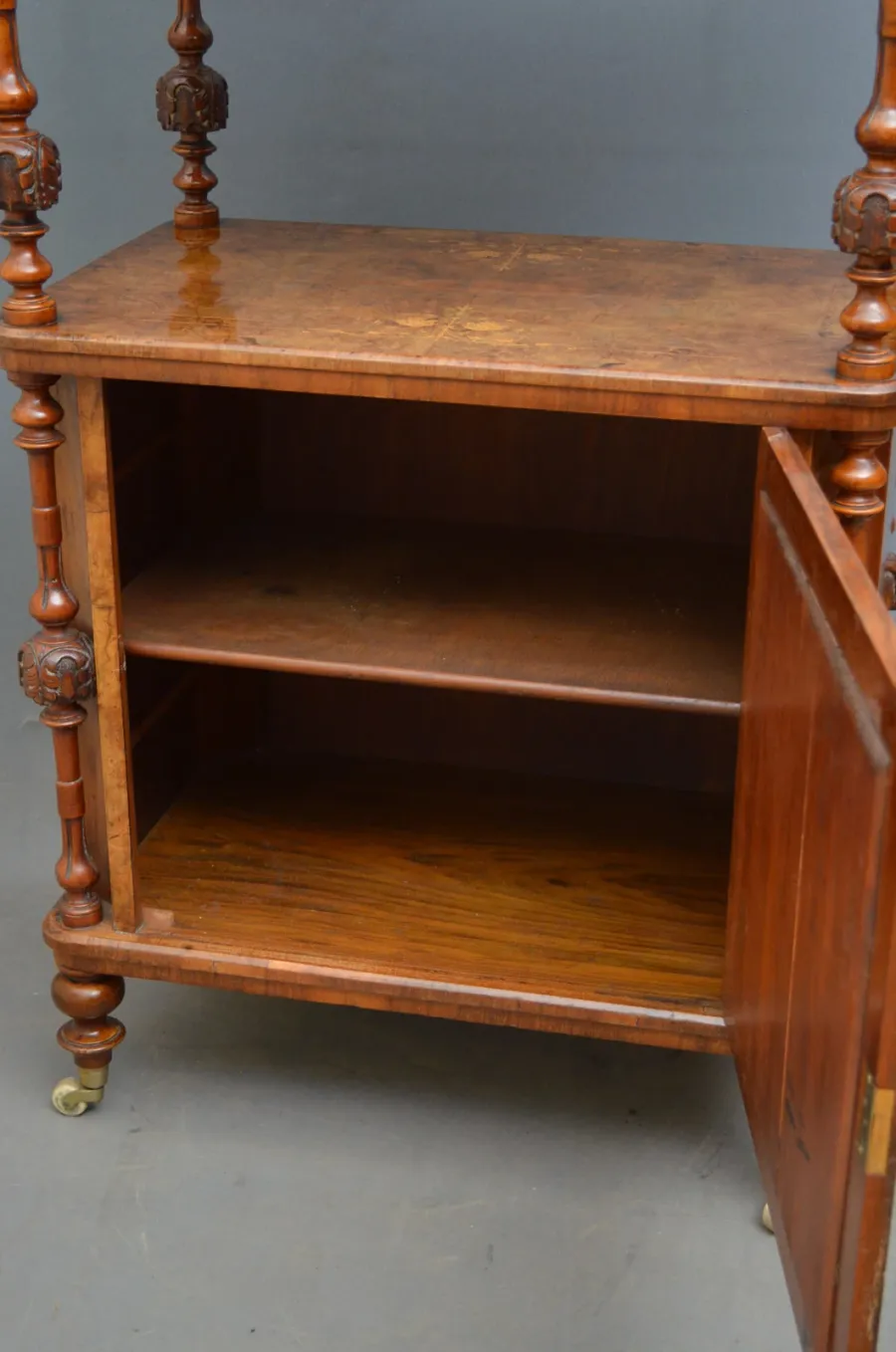
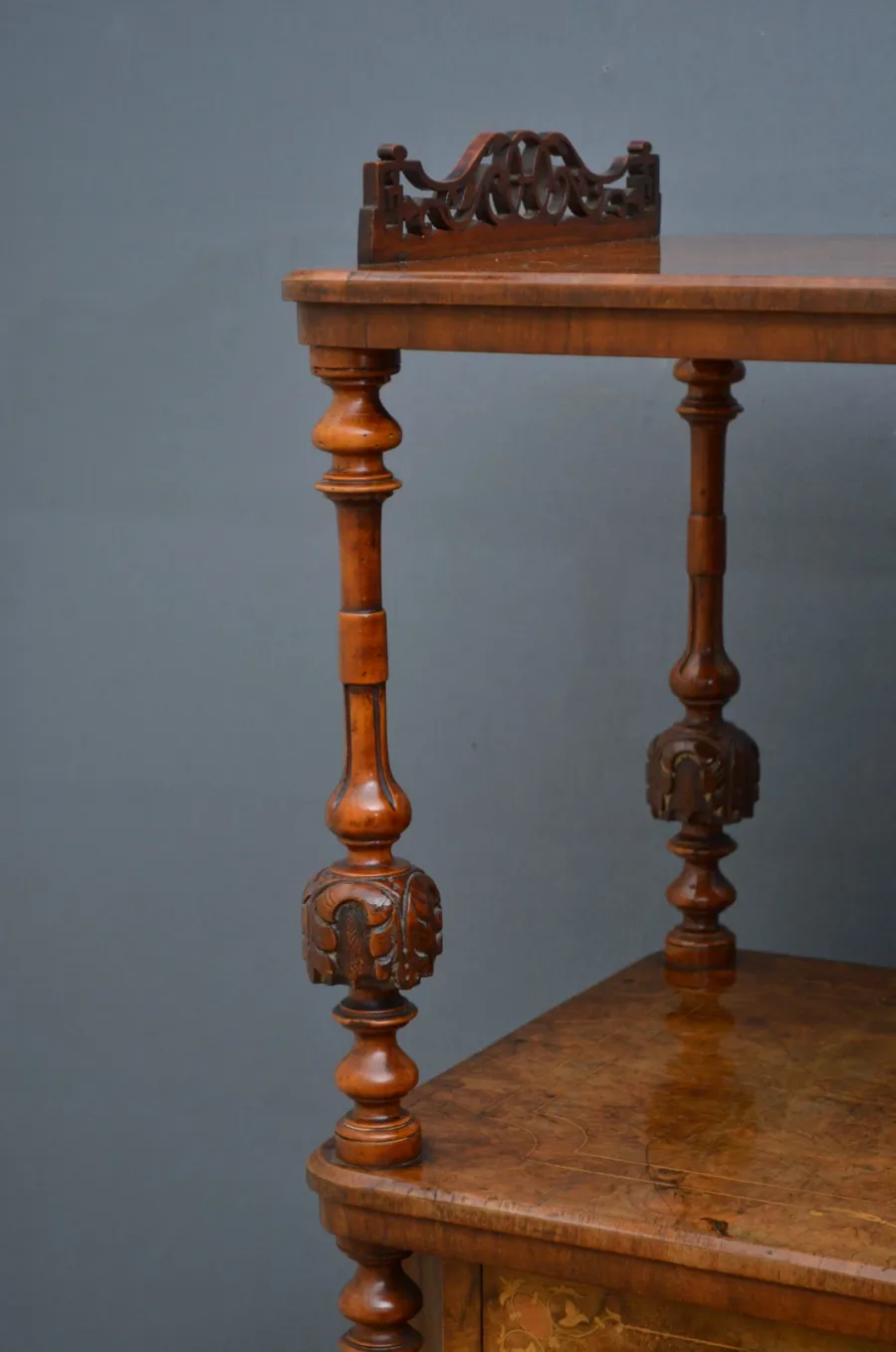
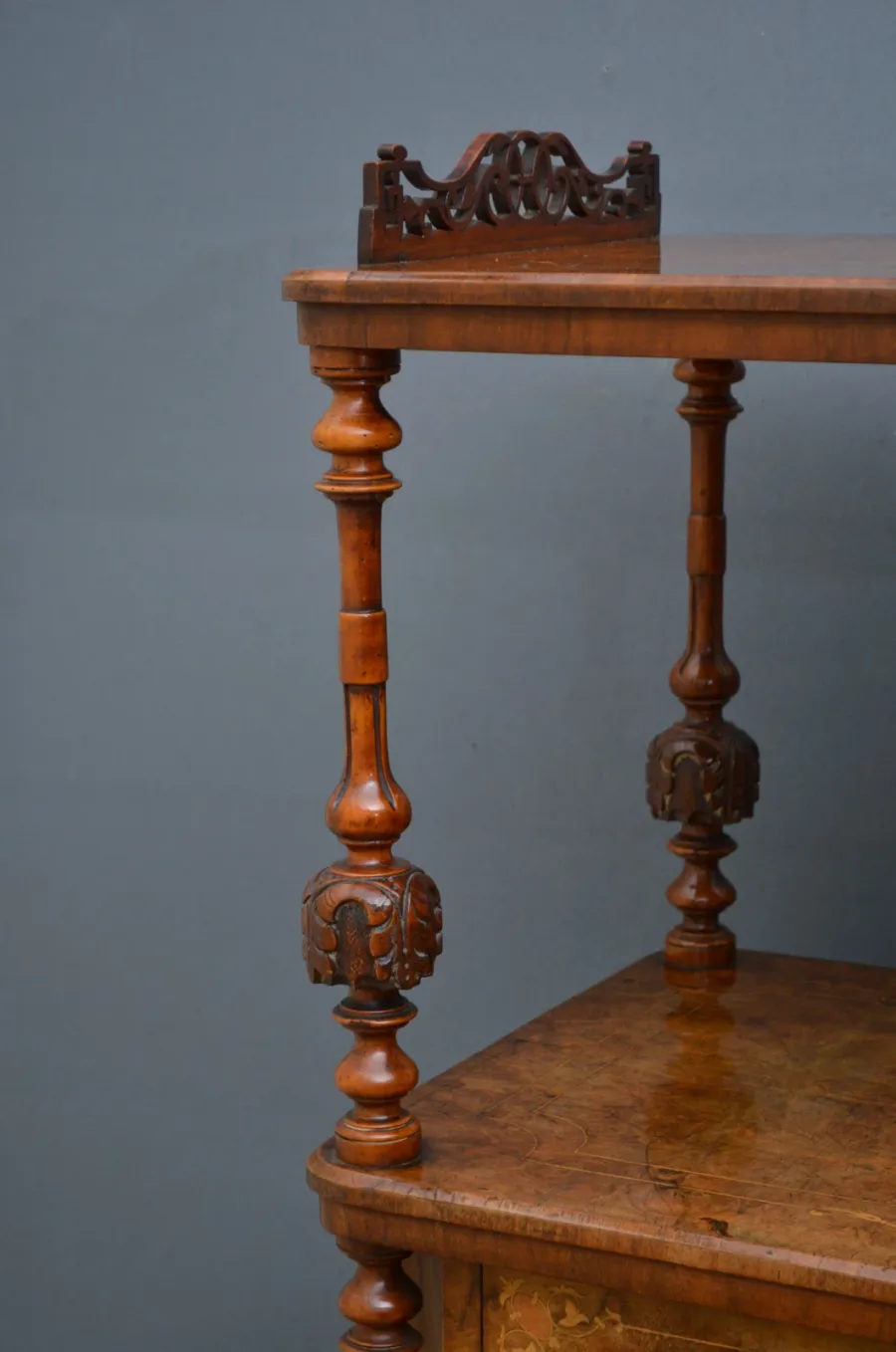
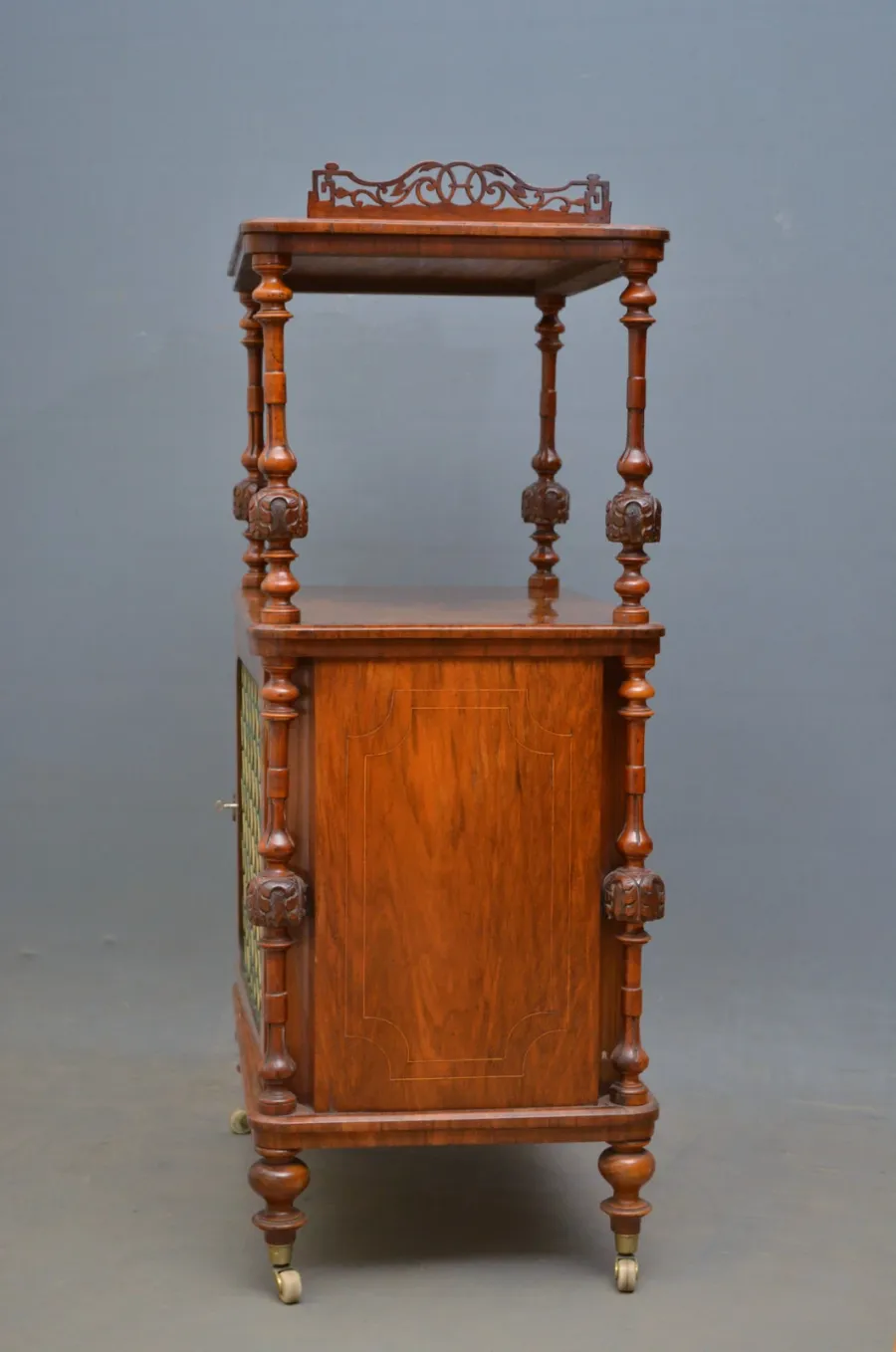
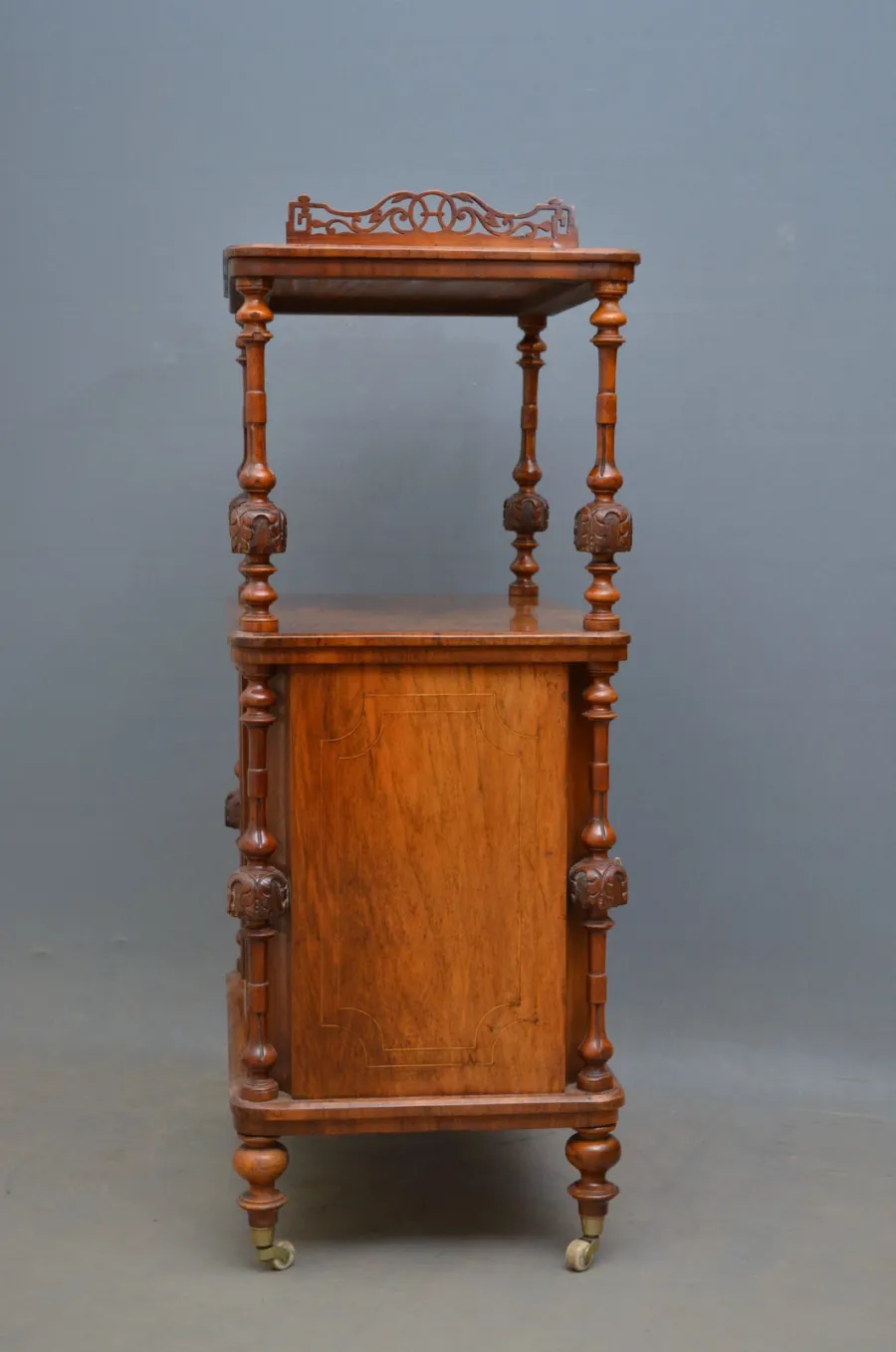
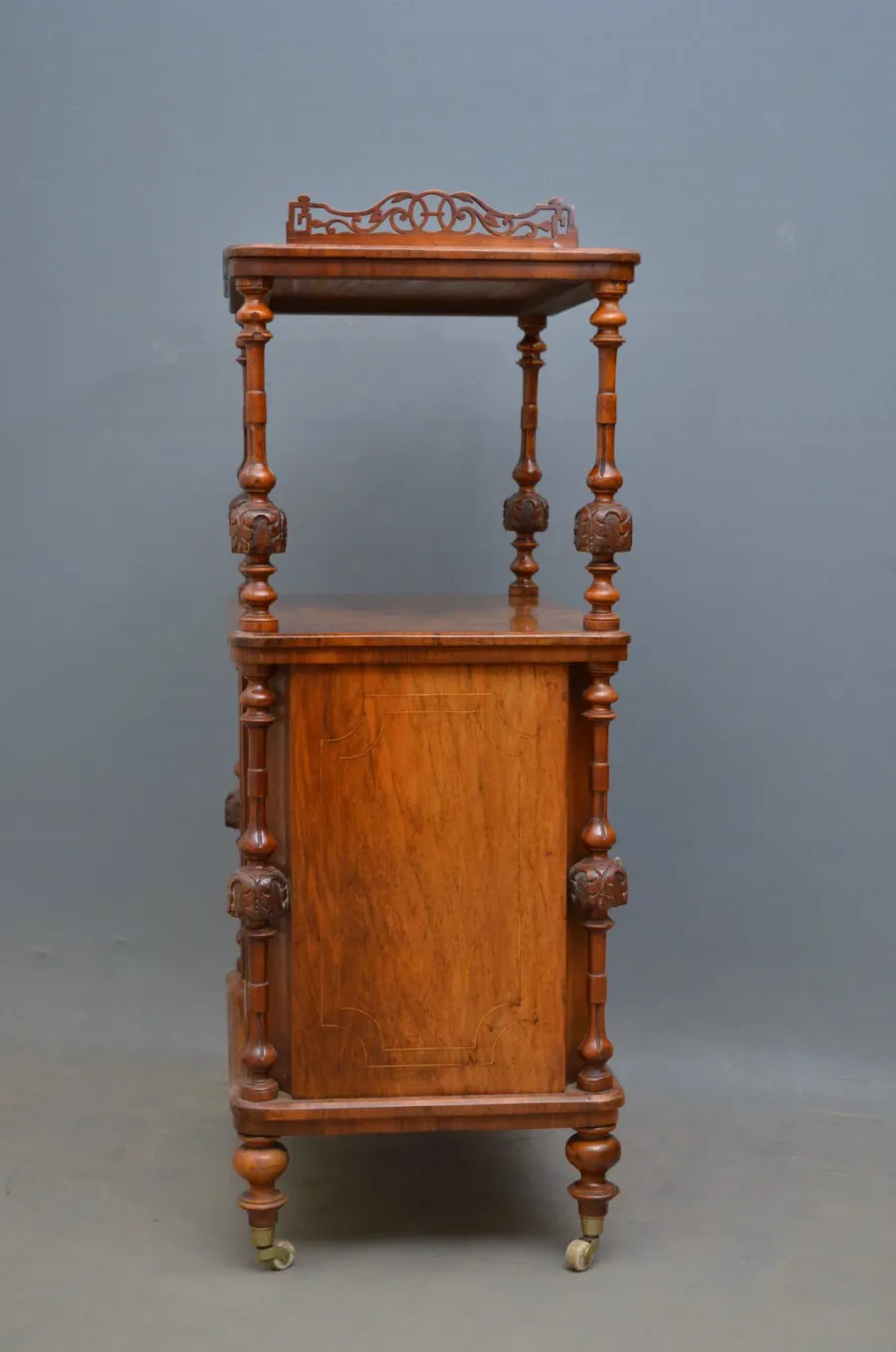
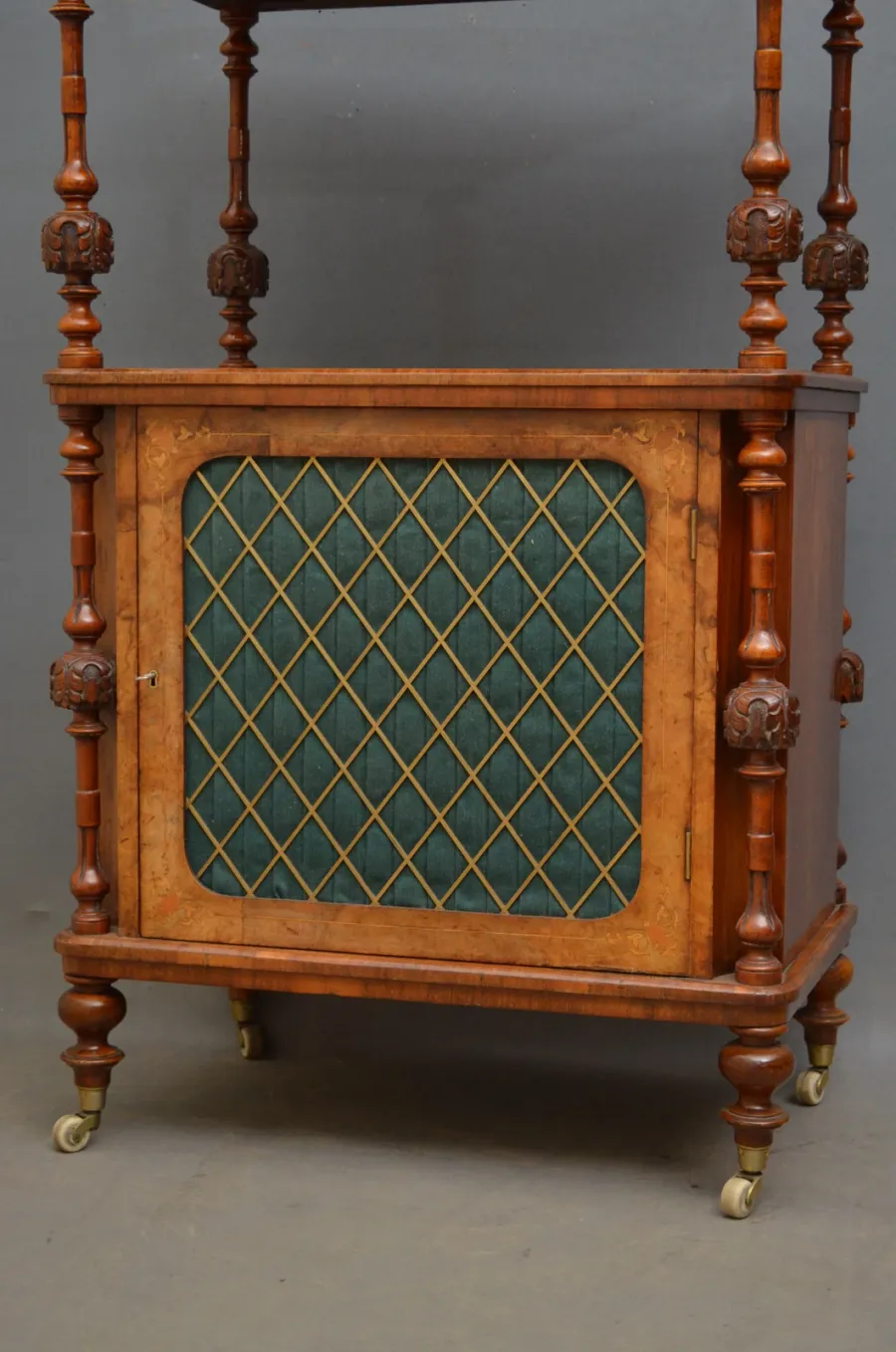

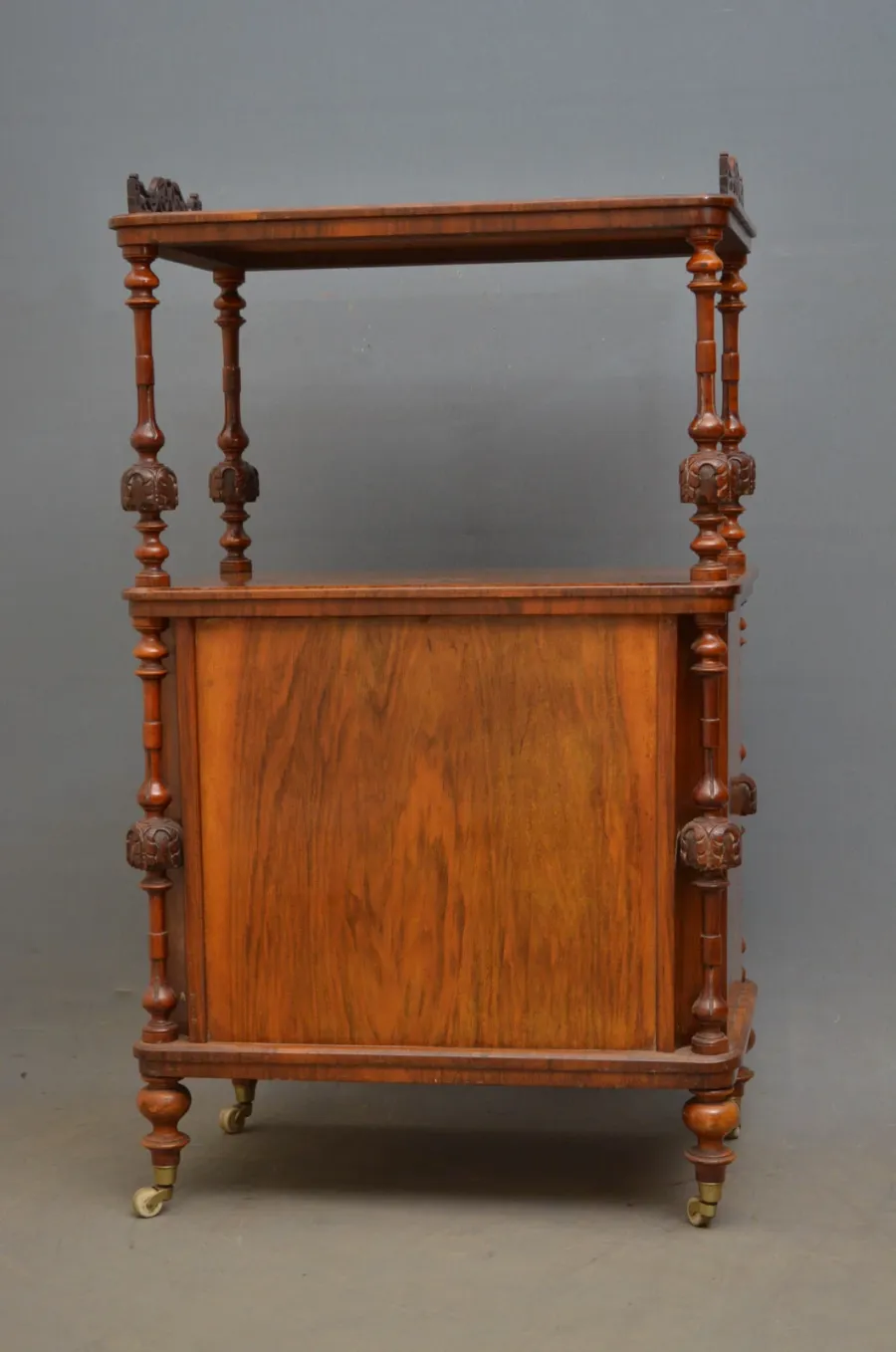
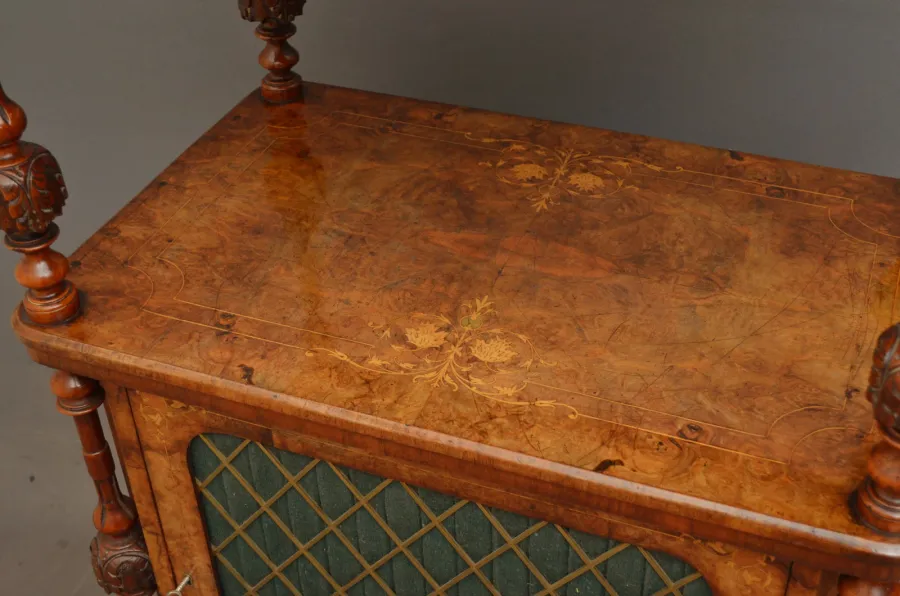

Victorian walnut stand - music cabinet from 1870
Elite antique furniture and accessories.
SKU: NIMQUES-Sn308
See other products from category Cabinets or from manufacturer Nimbus Antiques
Related products by category
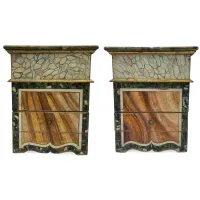
Para lacquered nightstands from the Marche region, early 20th century, featuring an unusual typology, with a central drawer and a fold-out top. The boxy shape is softened by contours near the supports
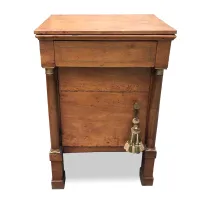
Ancient bedside table in Walnut Empire color with a threaded brass drawer and doors. The top has a crack, and the doors were previously restored due to warping. The columns are three-quarters with bra
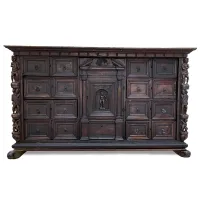
Magnificent, carved in the Genoese style, a coin cabinet made of walnut wood with twenty-one drawers, created for storing secrets from the 17th century. This Italian Louis XIV coin cabinet features an
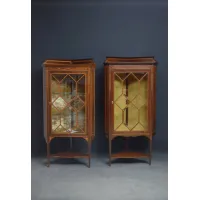
Fitted pair of high-quality corner cabinets in mahogany in Edwardian style, each with a profiled and inlaid stand above neoclassical marquetry for the cornice and glazed doors with beveled glass panel
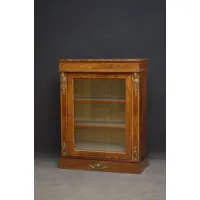
Stunning Victorian, walnut, pier-style hall cabinet with a carved walnut top, a tulipwood frieze with crossing cords above a satin cord, inlaid doors, closing 2 shelves surrounded by high-quality ormo
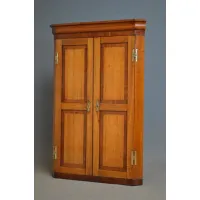
An attractive corner cabinet in Victorian oak and mahogany tones with a soft, warm color, featuring a profiled cornice above double-paneled doors with decorative shelves, all equipped with original H
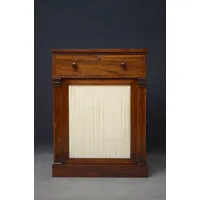
High-quality William IV chiffon secretary, featuring a longitudinal top and a secretary section with dove-shaped openings, small drawers, and a leather writing surface above the wardrobe door with a p
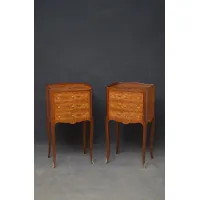
Pair of tulipwood bedside cabinets, gallery-shaped with an inlaid crest above 3 drawers decorated with floral marquetry, fitted with original brass handles and inlaid sides, standing on legs with bras
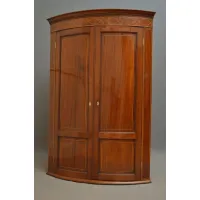
Good quality and a very attractive mahogany corner cabinet Regency with an elegant silhouette, featuring a dentil cornice above an inlaid satinwood stringing, with double mahogany door panels adorned
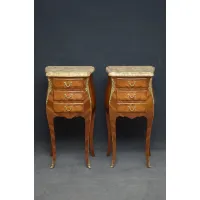
Set of nightstands made from French tulipwood, featuring serpentine marble tops above three drawers fitted with original brass handles and flanked by ormolu decoration, all standing on brass sabot fee
Description
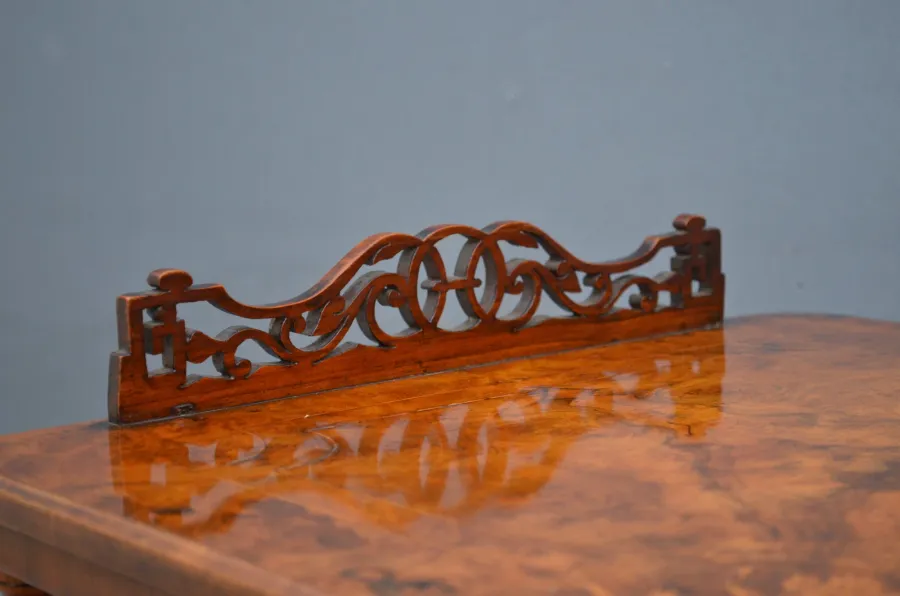
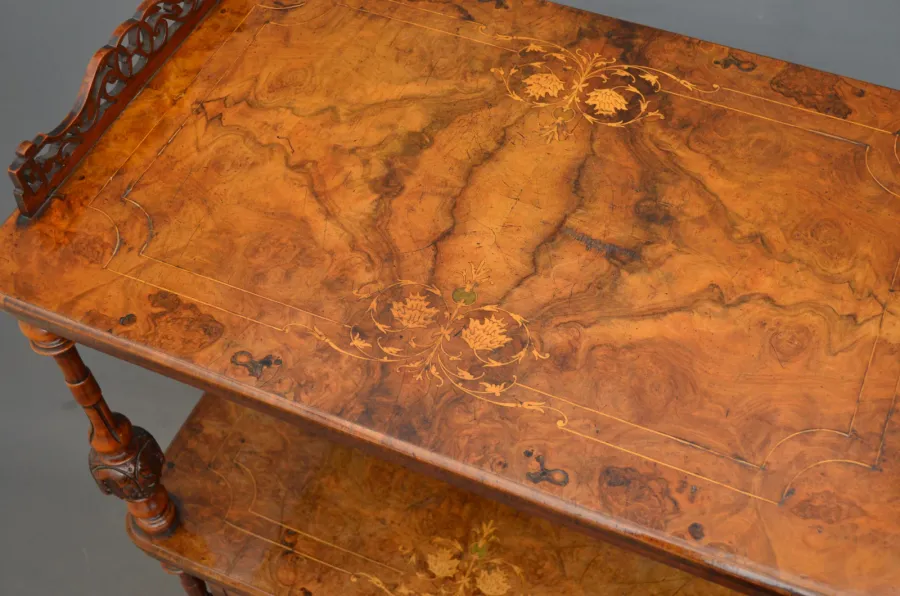
Victorian, spiky nut, and after elevating to a rectangular top supported by 4 turned and carved stands below, the central level is a single cabinet with a brass ribbed panel lined with fabric and a single shelf, standing on original brass castor wheels. This Victorian cabinet is in a wonderful original condition, ready to be placed in your home.
Exceptional antique furniture and accessories can be an excellent idea for decorating our interiors. Today, there is an increasing number of enthusiasts of high-quality vintage items that possess a distinct character and soul. It’s a nod to history, craftsmanship, and the design of classic and timeless furniture. There are many different styles in antique furniture, each with its own distinctive features.
Many styles characterize antique furniture, but we can highlight a few of the most important. Eclectic furniture refers to the 19th century, during which the beloved Biedermeier style prevailed. Its early variations include neo-Gothic, Gothic, Rococo, Louis Philippe style, and finally the English Victorian style. By the end of the century, these styles transitioned into pseudo-classicism, Renaissance, and Baroque styles.
Empire-style furniture dates from the late 18th to early 19th century. Everything originated from Napoleon’s reign, which imposed a significant resemblance and references to Roman and Greek ornamentation.
Neoclassical furniture is associated with Louis XVI style, which also strongly references ancient architecture. Interesting and noteworthy are antique products in Rococo style and Louis XV. Next is Baroque, whose name derives from the Portuguese 'barocco'—meaning an irregularly developed pearl. These were highly representative pieces designed to exude glamour and play a significant role in luxury. Unique, selectively used materials were employed to emphasize the grandeur of these items.
Today, we can observe how much influence the Baroque style has had on modern classic furniture, which is designed with a strong resemblance to the historical period. An important style is also Renaissance, which flourished in the 15th and 16th centuries and left a significant mark on furniture-making art. Renaissance furniture was quite heavy and massive, using brown stains, cornices, sturdy bases, and bas-reliefs. These were quite distinctive products, but they also opened up new possibilities, such as the construction of credenzas and broadly speaking, chest furniture. During this period, interest in mythology and ancient times was also evident, with supports and legs taking animal forms.
Lion paws, eagle heads—these are common features in Renaissance style. Currently, many global brands reproduce furniture inspired by Italian and French artisans. This reflects admiration and respect for the history of the most beautiful Renaissance antiques. It’s important to remember that furniture production was perceived differently in each country, so each style had its unique character. This is especially important when searching for an elegant antique that suits your interior.
The most important aspect of elite antique furniture is originality. Ultimately, this is crucial for buyers, as many forgeries circulate on the market. Luxury Products provides documentation confirming the product’s authenticity and compliance with the description and photos. We have appraisers, art experts, historians, and specialists from around the world at your disposal.
Attributes / Details
| SKU | NIMQUES-Sn308 |
| Manufacturer | Nimbus Antiques |
| Model | Sn308 |
| Material | walnut |
| Size | W107cm W66cm D41cm |
| Age | 19th century |
| Year | 1870 |
| Style | Victorian |
| Condition | After renovation |
| Destiny | To living room |
See catalog
Reviews
No reviews for this product.