

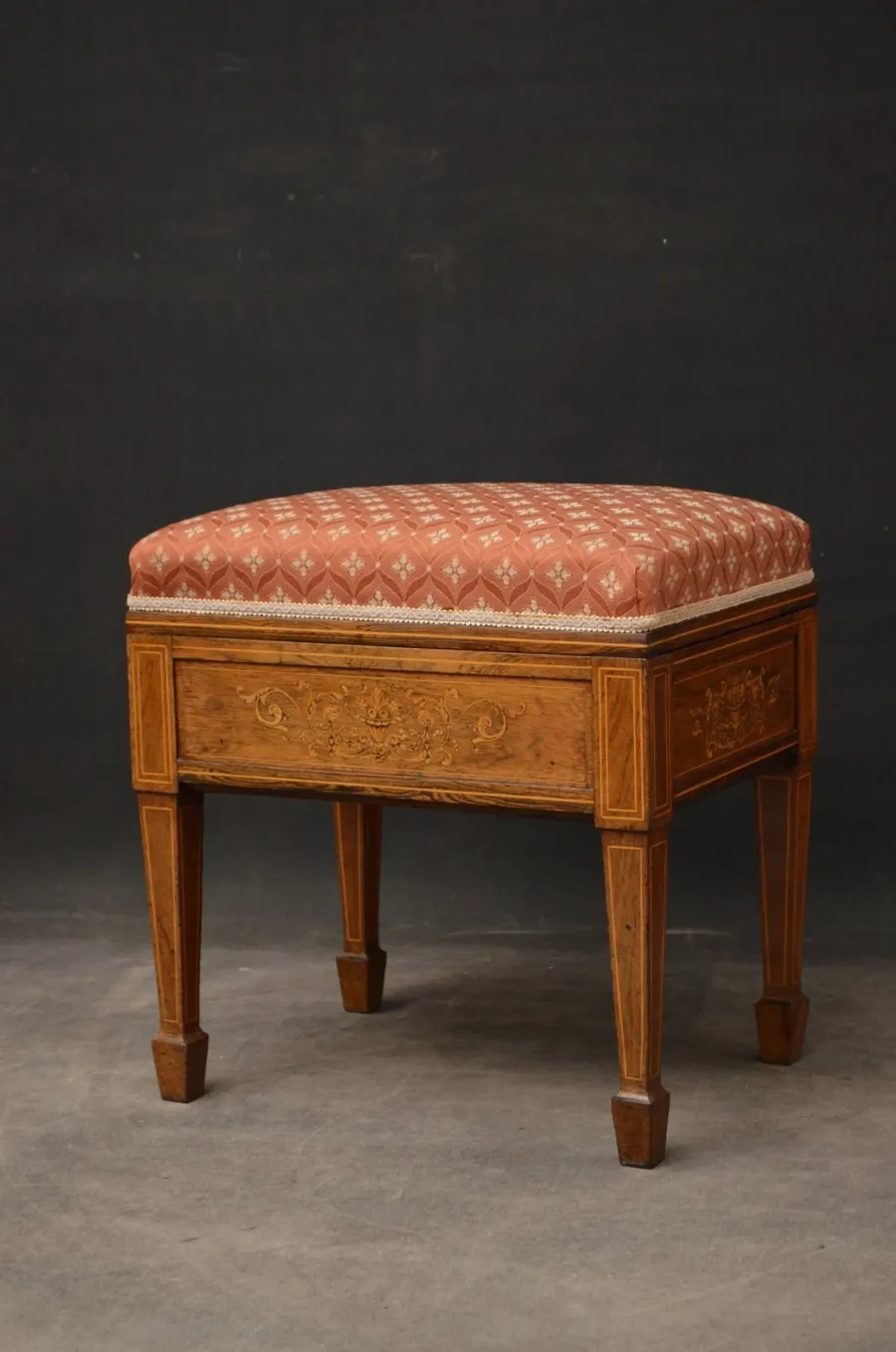
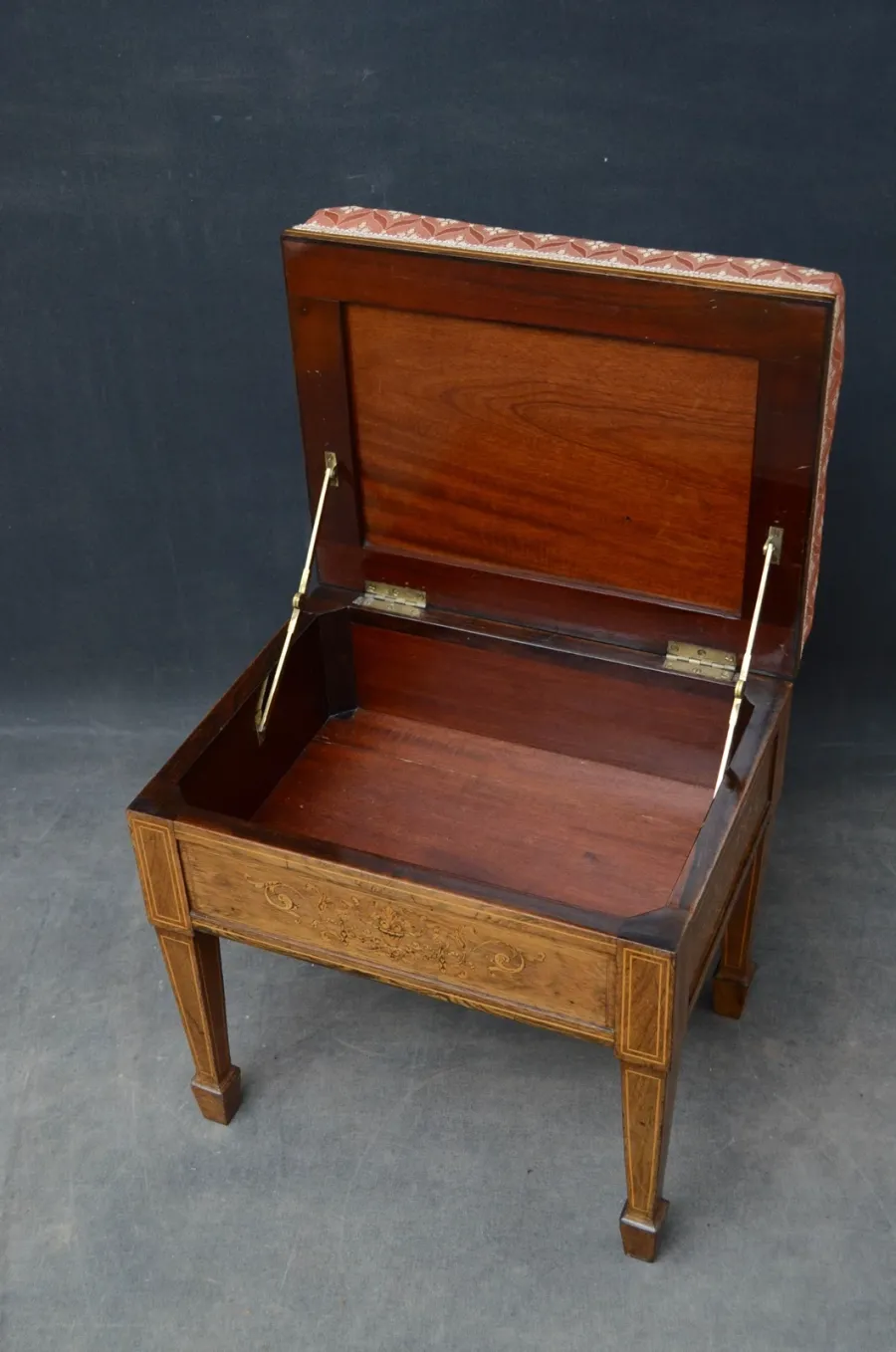
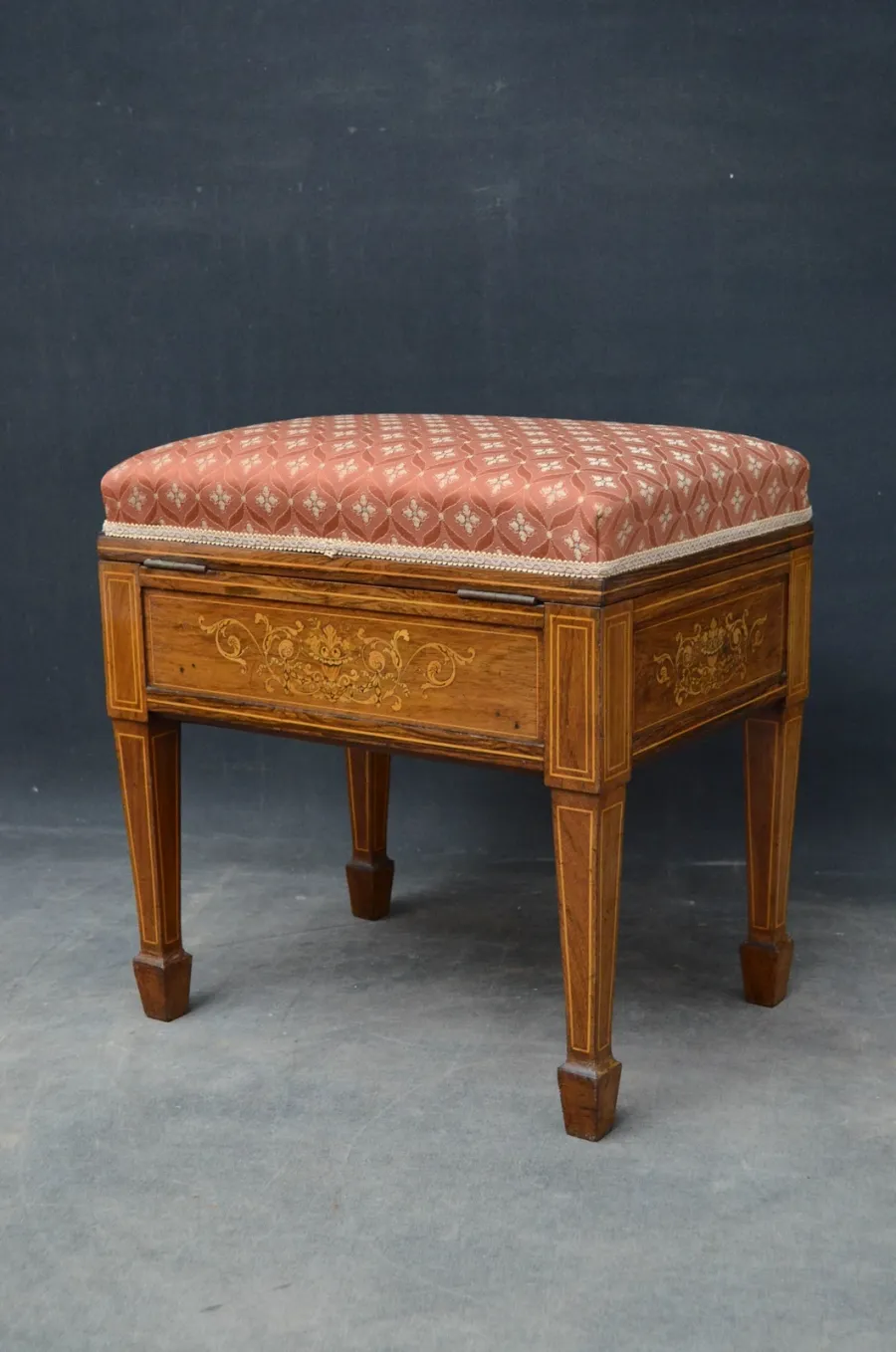
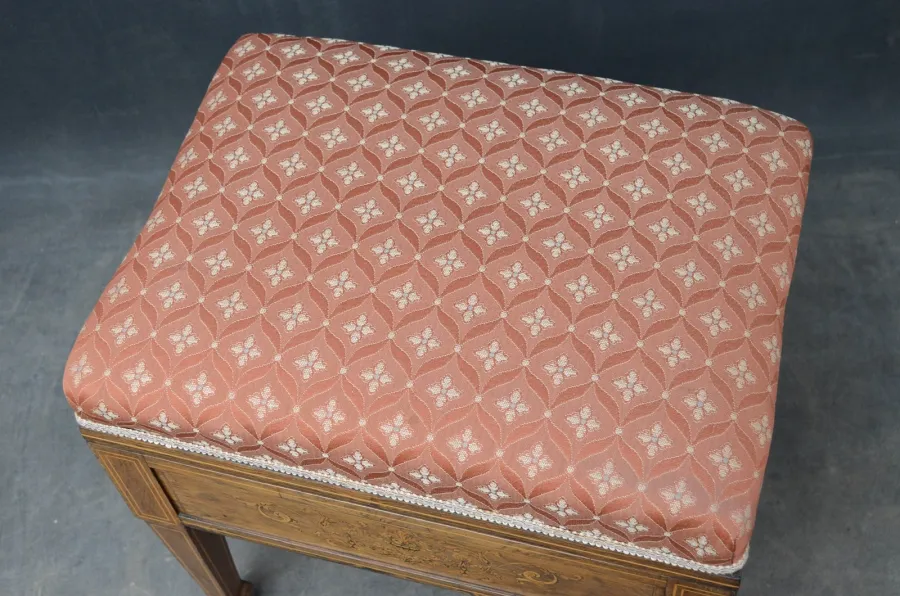
Very attractive Edwardian dressing table/piano stool - antique from 1900
Elite antique furniture and accessories.
SKU: NIMQUES-Sn4756
See other products from category Antique chairs or from manufacturer Nimbus Antiques
Related products by category
Four Empire chairs in mahogany color, upholstered on the seat and backrest and covered with gold-colored damask fabric on red silk, of French origin. The back is beautifully decorated with small appli
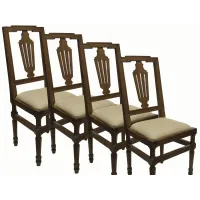
Four antique walnut chairs from the early 20th century in a blond walnut finish in excellent condition. The seat features a comfortable padding covered with ivory-colored fabric. The chairs have been
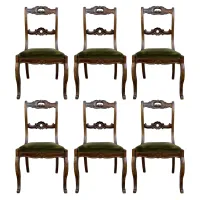
Six walnut chairs from the 19th century will be restored in good carpentry condition (they are solid and free from woodworms), requiring only polishing and reupholstering with green velvet. Lombardy,
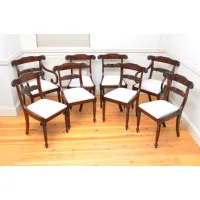
An excellent set of eight mahogany William IV dining chairs, including 2 carved chairs, each with finely carved top and middle rails, with carved open arms, all with drop-in seats and standing on turn
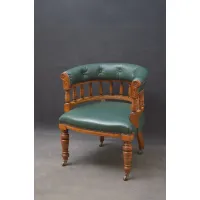
A high-quality Victorian office chair or oak chair, with a leather backrest featuring carved spindles below, carved arms, and a leather seat, standing on turned legs with casters. Everything is
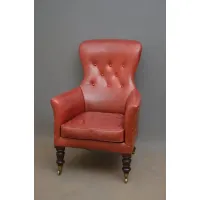
A highly attractive early Victorian armchair with a scoop, button-tufted back, protruding arms, and a generous seat, all upholstered in soft red leather, standing on carved tulip-shaped legs finished
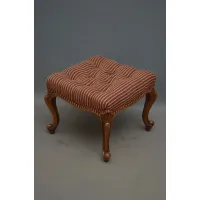
Victorian dressing table stool with a large seat and 4 cabriole legs, ready to be placed in your home. Exceptional antique furniture and accessories can be an excellent idea for decorating our in
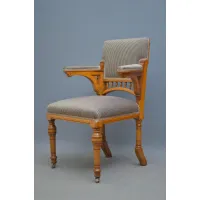
Victorian - An office chair in oak color, movable, with upholstered backrest featuring spinning wheels below, open padded arms, and a generous, springy seat, standing on turned legs with brass c
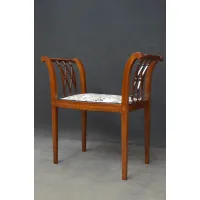
An attractive Edwardian mahogany and inlaid dressing table stool with carved and inlaid arms, serpentine seat, and tapered legs. This antique stool is ready to be placed in your home Presti
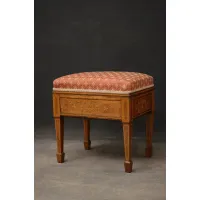
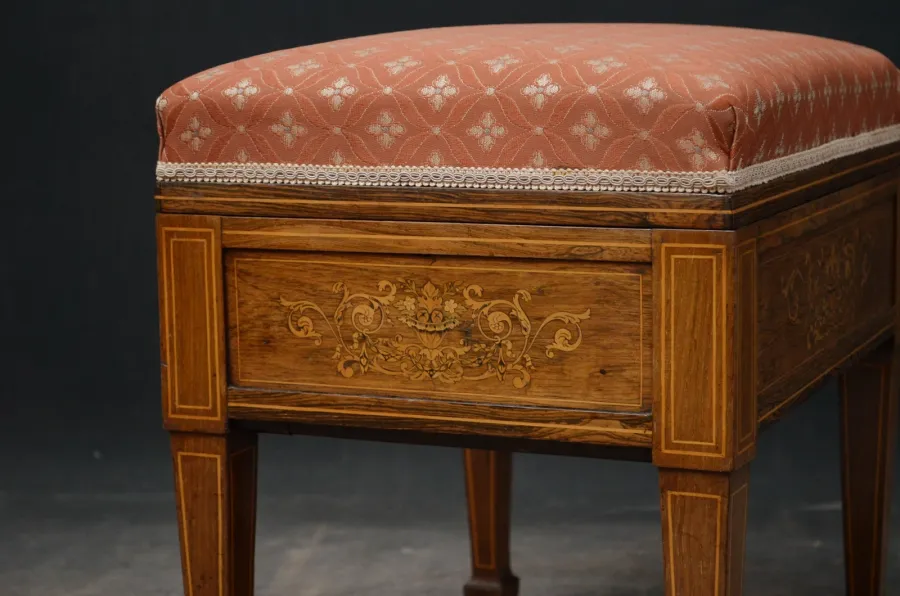
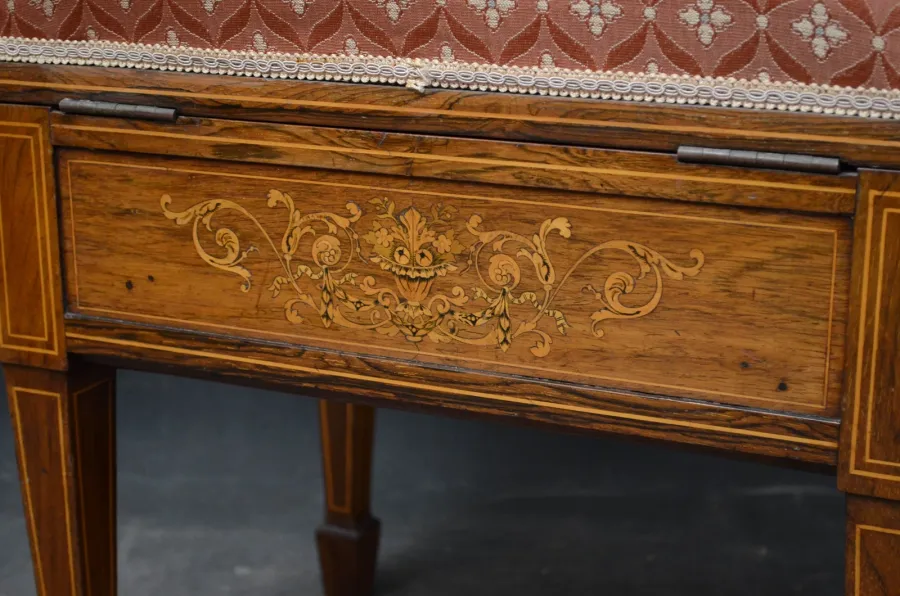
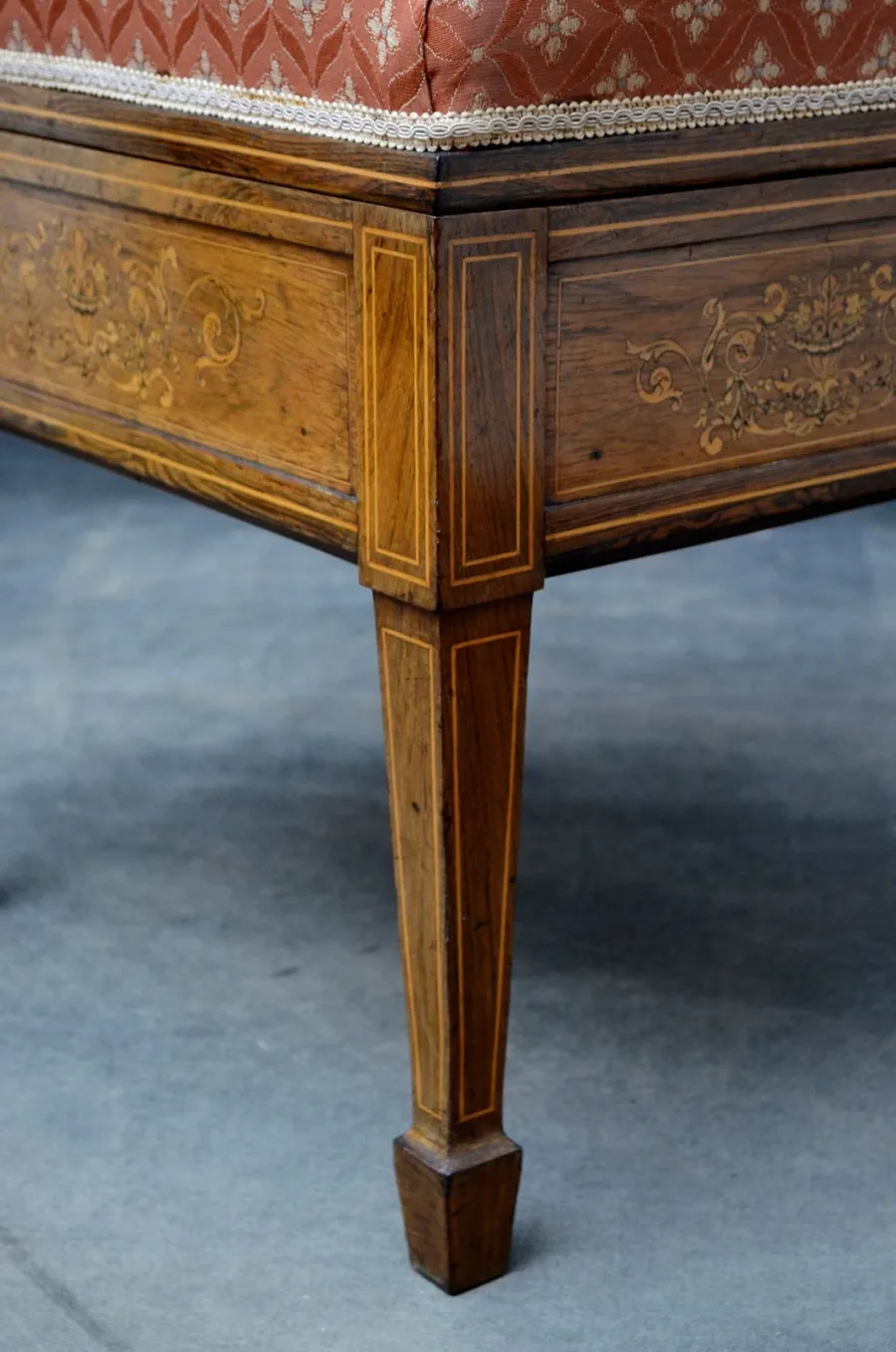
Very attractive Edwardian dressing stool / piano stool, featuring an elevated top over a classic inlaid Neo Classical base and inlaid tapered legs ending with sabots. This antique stool retains its or
Description
Very attractive Edwardian dressing stool / piano stool, featuring an elevated top over a classic inlaid Neo Classical base and inlaid tapered legs ending with sabots. This antique stool retains its original finish, color, and patina, ready to be placed in your home.
Beautiful antique furniture and accessories can be an excellent idea for decorating our interiors. Currently, there is a growing number of enthusiasts of high-quality vintage items that possess a distinct character and soul. This is a nod to history, craftsmanship, and the design of classic and timeless furniture. There are many different styles in antique furniture, each with its own distinctive features.
Many styles characterize antique furniture, but we can highlight a few of the most important. Eclectic furniture refers to the 19th century, during which the beloved Biedermeier style prevailed. Its early 20th-century variants include neo-Gothic, Gothic, Rococo, Louis Philippe style, and finally the English Victorian style. By the end of the century, these styles transitioned into pseudo-classicism, Renaissance, and Baroque styles.
Empire-style furniture dates from the period between the late 18th and early 19th centuries. It originated during Napoleon’s reign, characterized by significant similarities and references to Roman and Greek ornamentation.
Neoclassical furniture is associated with Louis XVI style, which also strongly references ancient architecture. Interesting and noteworthy are antique products in Rococo style and Louis XV style. Next is Baroque, a name derived from the Portuguese 'barocco'—meaning an irregularly developed pearl. These were highly decorative pieces meant to radiate splendor and play a significant role in luxury. Unique materials were selectively used to emphasize the grandeur of these items.
Today, we can observe how much influence the Baroque style has had on modern classical furniture, which is designed with a strong resemblance to the historical period. An important style is also Renaissance, which flourished in the 15th and 16th centuries and left a significant mark on furniture-making art. Renaissance furniture was quite heavy and massive, using brown stains, cornices, sturdy bases, and relief decorations. These products were quite distinctive but also opened new possibilities, such as the construction of cupboards and broadly speaking, chest furniture. Mythology and ancient times also inspired these designs, with supports and legs often taking animal forms.
Lion paws, eagle heads—these are common motifs in Renaissance style. Currently, many global brands recreate such furniture inspired by Italian and French artisans. This reflects admiration and respect for the history of the most beautiful Renaissance antiques. It’s important to remember that furniture production was perceived differently in each country, so each style had its own character. This is especially important when searching for a suitable exclusive antique for your interior.
The most important aspect of prestigious antique furniture is originality. Ultimately, this is crucial from the buyer’s perspective, as many forgeries circulate on the market. Luxury Products provides documentation confirming the product’s authenticity and compliance with the description and photos. We also have appraisers, art experts, and historians from around the world at your disposal.
Attributes / Details
| SKU | NIMQUES-Sn4756 |
| Manufacturer | Nimbus Antiques |
| Model | Sn4756 |
| Material | rosewood |
| Size | H49cm W48cm D36cm |
| Age | 19th century |
| Year | 1900 |
| Style | Edwardian |
| Condition | After renovation |
| Destiny | To living room |
See catalog
Reviews
No reviews for this product.