

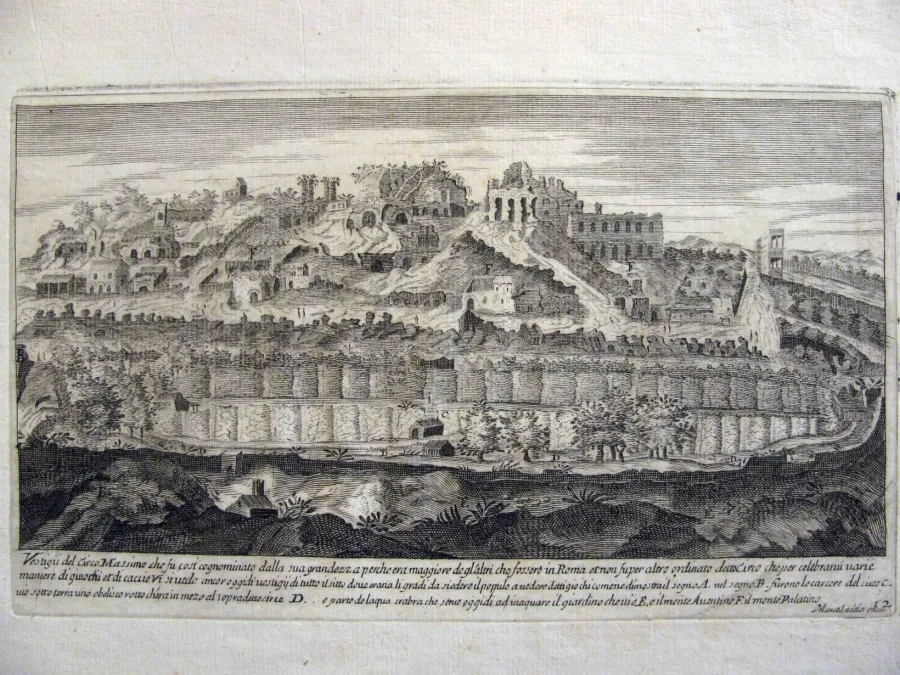
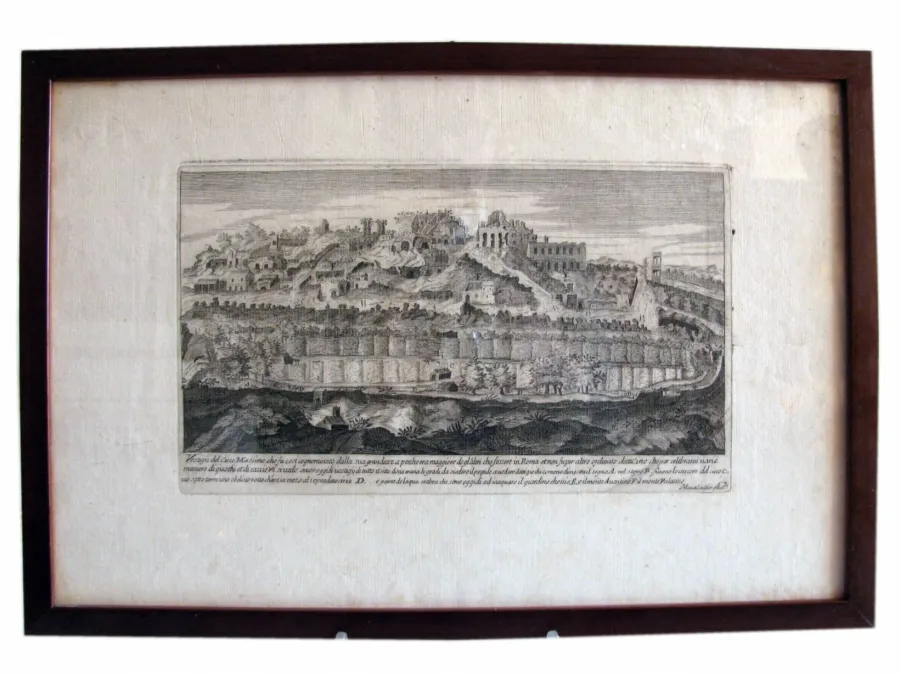
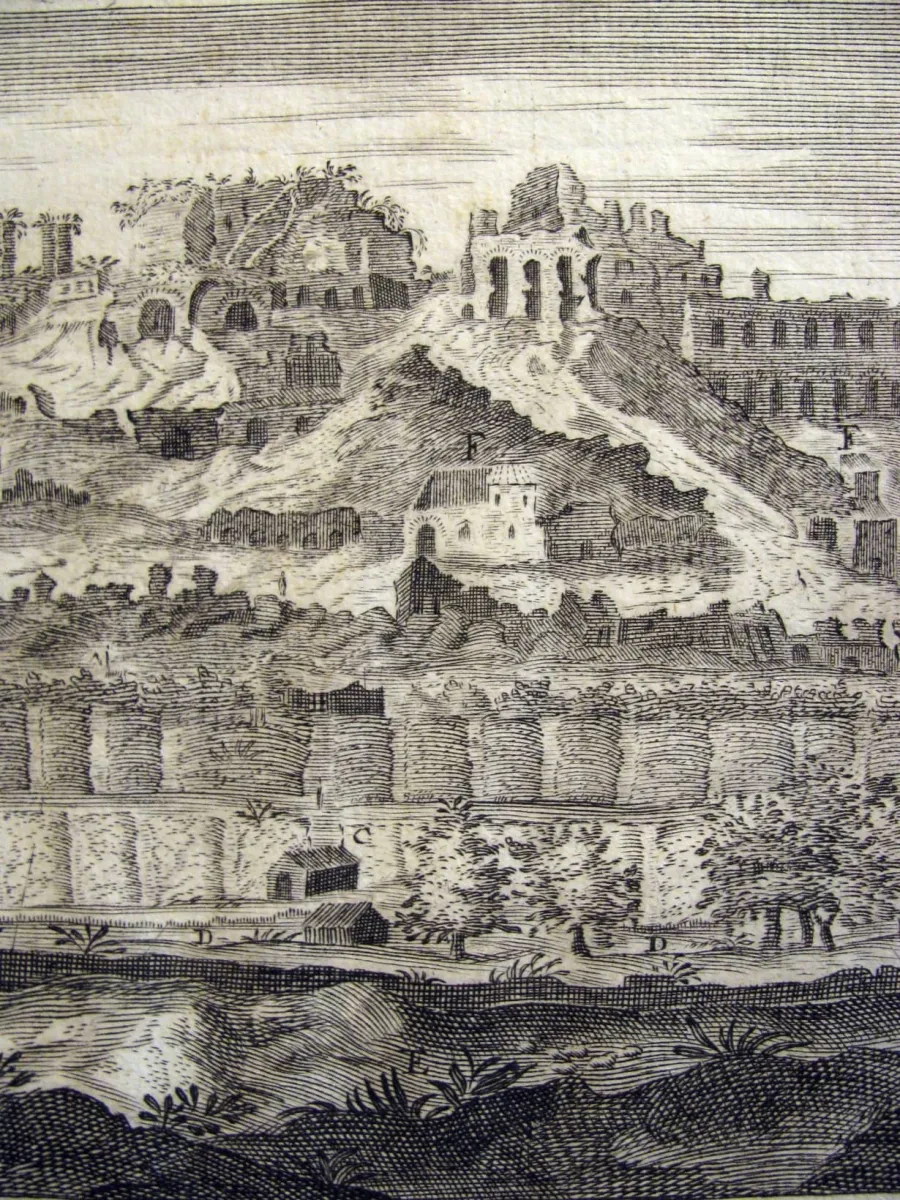
Sadeler - Circus Maximus from the 17th century
Stylish antique furniture and accessories
SKU: ANT- 3996
See other products from category Antique prints or from manufacturer Antyki
Related products by category
Jacob De Gheyn Soldier in armor, helmet, sword, and pike, engraving from 1607 depicting a soldier in military uniform. It is an important example of late Mannerist printmaking art. De Gheyn, one of th
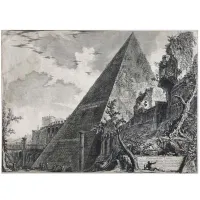
Giovan Battista Piranesi Pyramid of Gaius Cestius, circa 1756. A large-format copperplate engraving depicting the pyramid built between 18–12 BC as the tomb of Gaius Cestius Epulone. This neoclassic
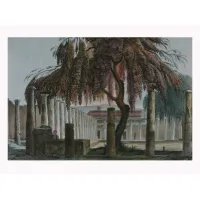
De Vegni View of Pompeii. A beautiful engraving made by L. de Vegni, depicting the soldier district in Pompeii.In good condition with original colors. At the bottom left, an oval embossed mark within
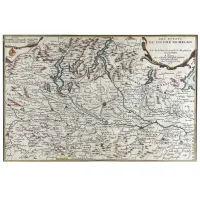
Nicolas De Fer The States of the Duchy of Milan 1705, a beautiful geographical map of the Duchy of Milan published in Paris in 1705 by Nicolas de Fer in the Atlas Curieux ou le Monde Réprésenté dan
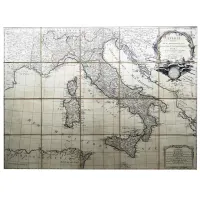
Robert Janvier Italy divided into different states Venice 1776 printed by Francesco Santini in via San Giustina in Venice. The sheet is based on the previous Janvier article and is divided into 20 squ
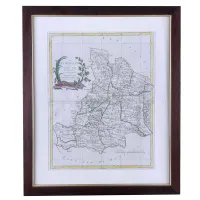
Antonio Zatta's map of Padua by Giovanni Valle Giustinopolitano, Venice 1784. An exquisite and detailed geographical map of the territory of Padua, derived from the monumental work Atlante Novissimo,
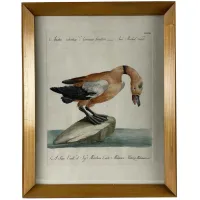
Saverio Manetti, wild duck, circa 1770, from the work Ornitologia methodica digesta atque icomibus atque iconibus aeneis ad vivum illuminatis ornata… Historia naturalna ptaków traktowana metodą i
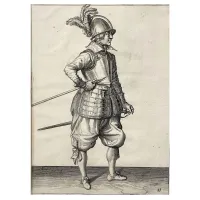
Jacob De Gheyn, 16th century, Soldier with weapon and armor, an engraving depicting a soldier in military uniform. It is an important example of late Mannerist printmaking art. De Gheyn, one of the mo
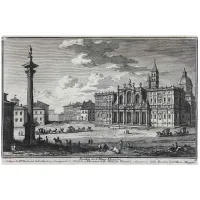
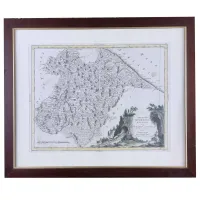
Antonio Zatta Embassy Urbino and the government of Città di Castello Venice 1783 Geographical map taken from the work of publisher Antonio Zatta, Atlante novissimo, illustrated and supplemented with
Description
"Traces of Circus Maximus, which was so named because of its size, as it was larger than other circuses in Rome, and the aforementioned Circus was built solely to celebrate various forms of games and hunts. People could sit to watch these games, as shown by the sign A in sign B, there was a prison of sign C beneath the ground, a broken obelisk located in the center of the mentioned circus D, and part of the laqua crabra, which today serves as a garden entrance leading to E and Mount Aventino F on Mount Palatine." This view is taken from the series "Traces of Ancient Rome Tivoli Pozzuoli and other places," engraved by Sadeler, based on the series by French artist Stefano Du Pérac, using etching and grotto techniques, in a reduced format on evenly laid paper. The work consists of 50 plates published by Marco Sadeler in 1606 in Prague, a very active cultural center, under the same title "Traces of Ancient Rome" with the same descriptions by Du Pérac in Italian, not mentioning the inventor. Sadeler, court engraver of Rudolf II, traveled to Germany and Italy, staying in Rome in 1593. His works also include views "... Tivoli, Pozzuoli and other places," which are absent from these thirteen new plates, emphasizing the naturalistic aspect. In perfect condition, with wide margins, in a walnut wood frame.
This is one of the most important iconographic collections for avid travelers during the Grand Tour.
Elegant antique furniture and accessories can be an excellent idea for decorating our interiors. Today, there is an increasing number of enthusiasts for high-quality vintage items that have a defined character and soul. It’s a nod to history, craftsmanship, and the design of classic and timeless furniture. There are many different styles in antique furniture, each with its distinctive features.
Many styles characterize antique furniture, but a few are particularly notable. Eclectic furniture from the 19th century, which coincides with the beloved Biedermeier style. Its early 20th-century variants include neo-Gothic, Gothic, Rococo, Louis Philippe style, and finally the English Victorian style. Toward the end of the century, these styles transition into pseudo-classicism, Renaissance, and Baroque styles.
Empire-style furniture dates from the late 18th to early 19th century. It originated during Napoleon’s reign, characterized by significant similarities and references to Roman and Greek ornamentation.
Neoclassical furniture reflects the Louis XVI style, which also strongly references ancient architecture. Notable and interesting are antique products in Rococo style and Louis XV. Next is Baroque, a term derived from Portuguese 'barocco'—meaning an irregularly developed pearl. These were highly decorative pieces meant to shine with splendor and play a significant role in luxury. Unique, selectively used materials were employed to further emphasize the grandeur of these items.
Today, we can observe how much influence the Baroque style has had on modern classic furniture, which is designed with a strong resemblance to the past era. An important style is also Renaissance, which flourished in the 15th and 16th centuries and left a significant mark on furniture design. Renaissance furniture was quite heavy and massive, using brown stains, moldings, sturdy bases, and bas-reliefs. These were quite distinctive products, but they also opened new possibilities, such as the construction of cupboards and broadly speaking, chest furniture. There was also an interest in mythology and ancient times, so supports and legs often took animal forms.
Lion’s paws, eagle’s heads—these are common features in Renaissance style. Currently, many global brands reproduce such furniture, inspired by Italian and French creators. This reflects admiration and respect for the history of the most beautiful Renaissance antiques. It is important to remember that furniture production was perceived differently in each country, so each style had its unique character.This is especially important when searching for elegant antiques suitable for your interior.
The most important aspect of stylish antique furniture is originality. And this is ultimately crucial from the buyer's perspective because many counterfeits circulate on the market. Luxury Products provides a certificate confirming that the product matches the actual description and photograph. We have at your disposal art appraisers, historians, and experts from around the world.Attributes / Details
| SKU | ANT- 3996 |
| Manufacturer | Antyki |
| Model | 3996 |
| Size | Height: 28.5 (26.5) cm Width: 41.5 (39.5) cm |
| Age | XVII |
| Year | 1601 |
| Destiny | To living room |
See catalog
Reviews
No reviews for this product.