

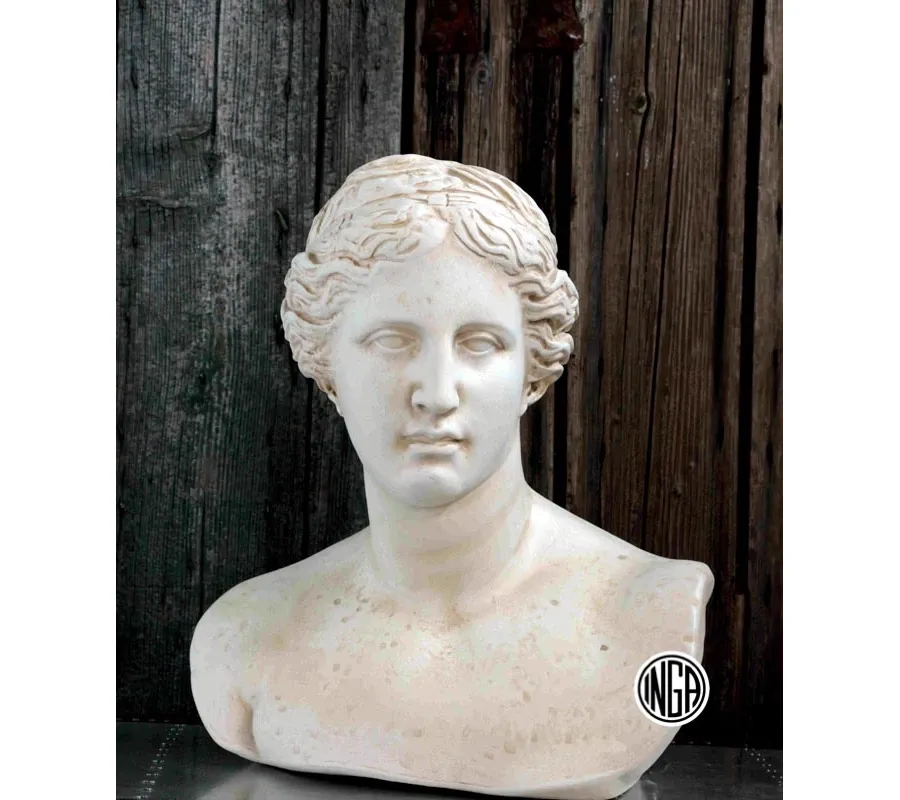
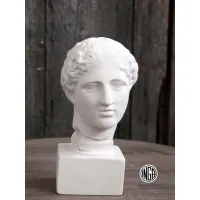
Original plaster bust of the Venus de Milo
Original plaster decorations
SKU: INGA-1302
See other products from category Plaster bust or from manufacturer Inga
Related products by category
Elegant pair of Italian figural sculptures carved from alabaster from 1834, featuring Tuscan busts depicting two figures in neoclassical style: middle-aged noblemen dressed in 19th-century attire, a f
The INGA brand is an abbreviation of “Industria Nazionale Gessi e Affini” and was founded in the early 1950s by the Sgambaro family.It was one of four Italian companies producing chalk for school
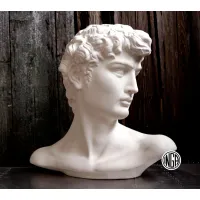
The INGA company is an abbreviation of “Industria Nazionale Gessi e Affini” and was founded in the early 1950s by the Sgambaro family.It was one of four Italian manufacturers producing chalk for s
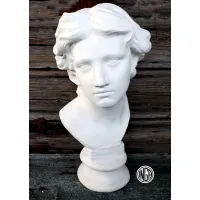
Manufactory INGA is an abbreviation of “Industria Nazionale Gessi e Affini” and was founded in the early 1950s by the Sgambaro family.It was one of four Italian companies producing chalk for schoo
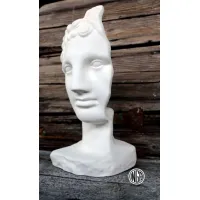
INGA is an abbreviation of “Industria Nazionale Gessi e Affini” and was founded in the early 1950s by the Sgambaro family.It was one of four Italian companies producing chalk for school blackboard
The INGA company is an abbreviation of “Industria Nazionale Gessi e Affini” and was founded in the early 1950s by the Sgambaro family.It was one of four Italian companies manufacturing chalk for s
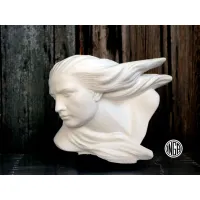
Manufactory INGA is an abbreviation of “Industria Nazionale Gessi e Affini” and was established in the early 1950s by the Sgambaro family.It was one of four Italian companies producing chalk for s
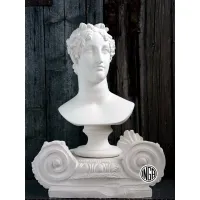
The INGA brand is an abbreviation of “Industria Nazionale Gessi e Affini” and was founded in the early 1950s by the Sgambaro family.It was one of four Italian companies producing chalk for school
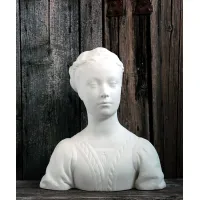
The INGA brand is an abbreviation of “Industria Nazionale Gessi e Affini” and was founded in the early 1950s by the Sgambaro family.It was one of four Italian companies manufacturing chalk for sch
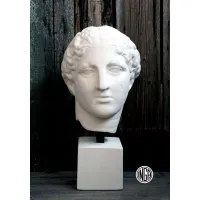
Manufactory INGA is an abbreviation of “Industria Nazionale Gessi e Affini” and was established in the early 1950s by the Sgambaro family.It was one of four Italian manufacturers producing chalk f
Description
Manufactory INGA is an abbreviation of “Industria Nazionale Gessi e Affini” and was founded in the early 1950s by the Sgambaro family.
It was one of four Italian manufacturers producing chalk for school blackboards, an essential aid in education and entertainment for thousands of children and young people at the time. In addition to chalk for blackboards, INGA produced “affini,” or other chalk products such as stuccoes, which are packaged and sold in powder or paste form. In the 1960s and 1970s, INGA also added interior decorative elements to its chalk production. This way, the INGA brand became one of the main producers of original decorative stuccoes, such as rosettes, frames, and wall and ceiling cornices. These were very fashionable at the time, ordered and installed in all homes as decorative elements.
Over the years, INGA gradually moved away from mass production to focus solely on creating artistic objects that reflect a passion for beauty, culture, and elegance. INGA transformed into a true art laboratory, where unique, refined, and personalized plasterworks are created for clients worldwide.
Attributes / Details
| SKU | INGA-1302 |
| Manufacturer | Inga |
| Material | gypsum |
| Style of interior design | Classic style |
| Destiny | To home |
| Size | 45 X 51H cm |
| Guarantee | 24 months |
| Additional information | Greek art. Known as the Venus de Milo or Aphrodite of Milo, it is one of the most famous Greek statues that have survived to this day. The marble statue from which this bust comes dates from 130 BC. and is believed to have been created by Alexander of Antioch. The Venus de Milo is so called because it was found in 1820 on the island of Milo in Greece and later purchased by the French. King Louis XVIII placed it in the Louvre in Paris, where it remains to this day. |
See catalog
Reviews
No reviews for this product.