

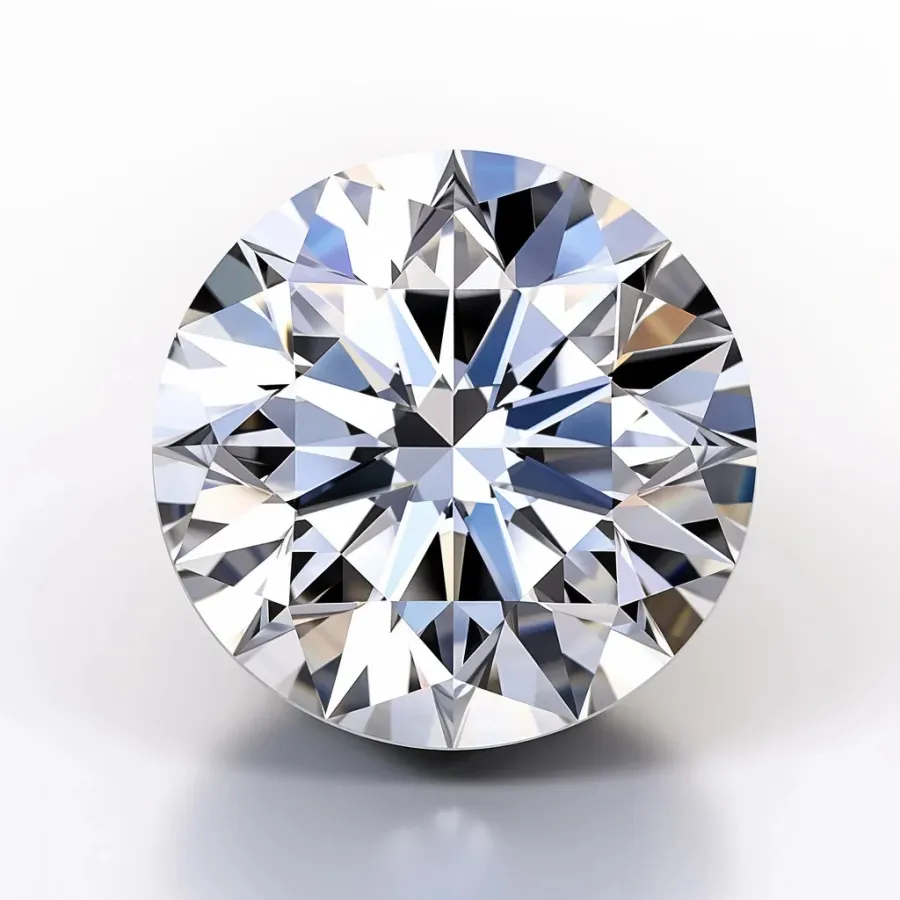
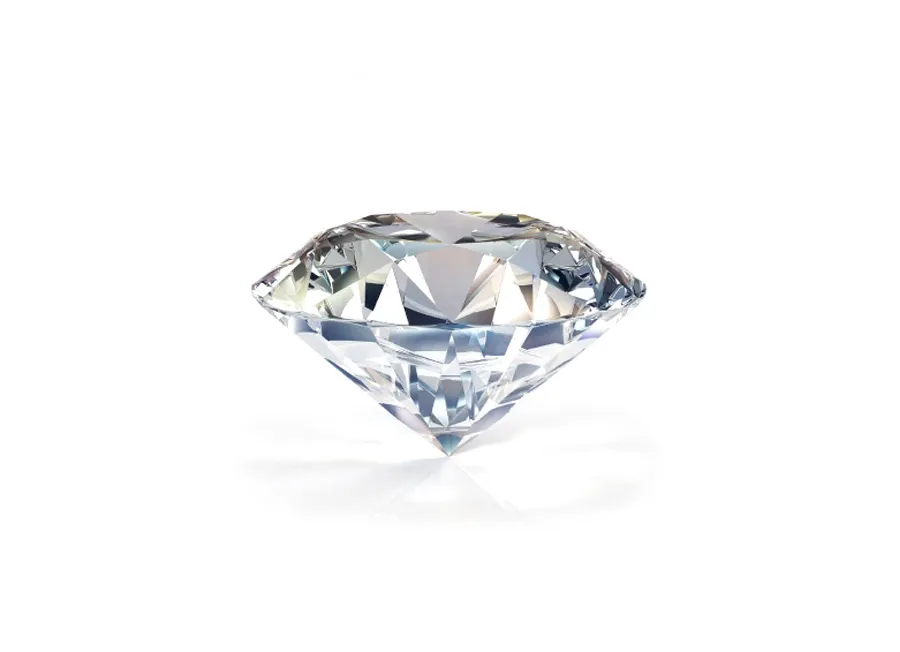
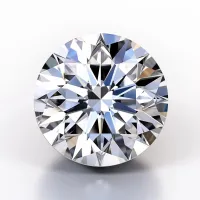
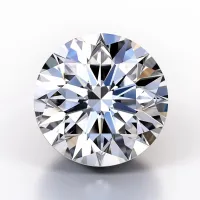
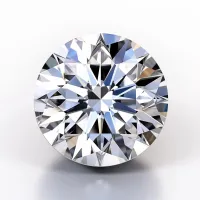
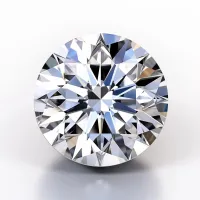
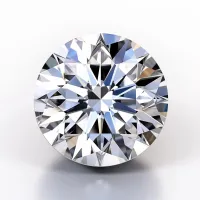
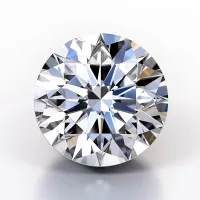
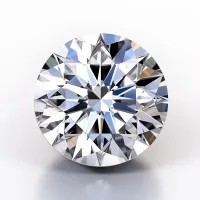
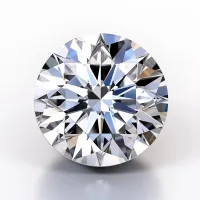
Investment diamond weighing 2.07 carats - IF
SKU: LUXIN-007
See other products from category Investment diamonds or from manufacturer Luxury Investing with shipping within 24 hours
Related products by category
Description
Investment diamonds are high-quality diamonds purchased with the intention of protecting or increasing capital – similar to gold, real estate, or stocks. These are certified stones meeting specific investment criteria.
Therefore, we believe that in changing market conditions, the safest investment choice is diamonds with the highest quality parameters – so-called investment-grade stones. The highest quality is always a good form of investment. They are distinguished by excellent features according to the 4Cs criteria, confirmed by certificates.
Features of investment diamonds:
For a diamond to be considered an investment diamond, it must meet strict standards, mainly regarding the so-called 4Cs, which are:
1. Carat (weight) – the larger, the rarer and more expensive. Investment diamonds usually weigh from 0.5 to several carats.
2. Color – the best have a D color (most colorless). The less color, the higher the value.
3. Clarity – the highest valued stones are those with IF (Internally Flawless) or VVS1/VVS2 clarity.
4. Cut – an perfectly executed cut enhances brilliance and increases the diamond's value.
1. Carat (weight)
- Determines the weight of the diamond
- 1 carat (ct) = 0.2 grams
- The larger the diamond, the higher its price, but the price increases exponentially – e.g., a 2-carat stone may be worth more than twice as much as a 1-carat stone.
2. Cut
- Refers to proportions, symmetry, and quality of the cut, not the shape of the stone.
- The best is an ideal cut (Excellent) – maximizes brilliance.
- A poor cut (Poor, Fair) reduces value even with high carat or color.
3. Color
- The GIA scale ranges from D (colorless) to Z (noticeably yellow/brown).
- Diamonds in the D-F range are the most expensive.
- Colored diamonds are assessed on a separate scale.
4. Clarity
- Indicates the presence of inclusions (internal) and blemishes (external).
- Scale from FL (Flawless) – perfectly clean, to I3 (Included) – with numerous visible flaws.
- The most common in investment trading are grades from IF (Internally Flawless) to VS1/VS2 (Very Slightly Included).
Additionally:
- The diamond should be certified by a recognized gemological institute, e.g., GIA (Gemological Institute of America), IGI (International Gemological Institute), HRD (Hoge Raad voor Diamant, Antwerp), or AGS (American Gem Society).
- Preferably, diamonds without fluorescence (fluorescence can negatively affect value).
- They must have an appropriate shape – most often, investment-grade diamonds are round brilliant cut, as they are the most liquid on the market.
Why do people invest in diamonds?
• Capital protection – resistant to inflation and financial instability.
• Privacy – investments are not registered, ensuring confidentiality.
• High mobility – small size allows easy transport and storage.
• Long-term appreciation – especially rare diamonds (e.g., pink, blue) can significantly increase in value.
Why are diamonds considered a good investment?
1. Protection against inflation and crises
Diamonds, like gold, are tangible assets – their value does not rely on the financial system. During economic instability and inflation, they can serve as a so-called “safe haven”.
2. High concentration of value
A small stone, e.g., 1–2 carats, can be worth tens or hundreds of thousands of złoty. This makes diamonds a very convenient means of storing large value discreetly.
3. Privacy and confidentiality
Purchasing diamonds is not registered like bank accounts or stocks. This allows capital to be stored in complete discretion, valued by some investors.
4. Rarity and limited supply
Natural diamonds, especially high-quality ones, are a finite resource. Mining is decreasing, and some mines are closing. This may lead to an increase in value over the long term.5. Growing demand (especially in Asia)
In countries like China and India, the middle class is expanding, along with the demand for luxury and durable goods, including diamonds – both jewelry and investment-grade.
6. Long-term value growth
Particularly coloured diamonds (e.g., pink, blue) achieve spectacular results at auctions. Record-breaking stones increase in value by several percent annually.
How much does an investment diamond cost?
Prices can be surprising – both in scale and volatility. Everything depends on the quality of the stone. That’s why the 4Cs rule is so important. For a 1-carat diamond with the highest parameters (color D, clarity IF, Cut Excellent), certified by GIA, you need to pay from $10,000 to $25,000. But this is just the beginning – stones with rare colours (so-called fancy diamonds) can cost hundreds of thousands or even millions of dollars per carat. The value of a diamond also depends on its origin, polishing quality, and symmetry, as well as the situation on the global market.
Summary
Investment diamonds are an ideal form of alternative investment, requiring knowledge, patience, and access to reliable sources. They can be part of a diversified portfolio, but due to limited liquidity and high entry costs, they are not suitable for every investor.
Call or write – Our team of specialists will help you choose the right size and quality of diamond!
Attributes / Details
| SKU | LUXIN-007 |
| Manufacturer | Luxury Investing |
| Model | 007 |
| Form | round |
| Mass | 2.07 carats |
| Color | H |
| Cleanliness | IF |
| Cut | Very good |
| Polishing | Excellent |
| Symmetry | Very good |
| Fluorescence | SL |
| Certificate | IGI |
| Certificate number | 687582912 |
| Country | Belgium |
| Additional information | The product is imported from Antwerp on special order, within 7 working days, original certificates available for inspection. |
See catalog
Reviews
No reviews for this product.