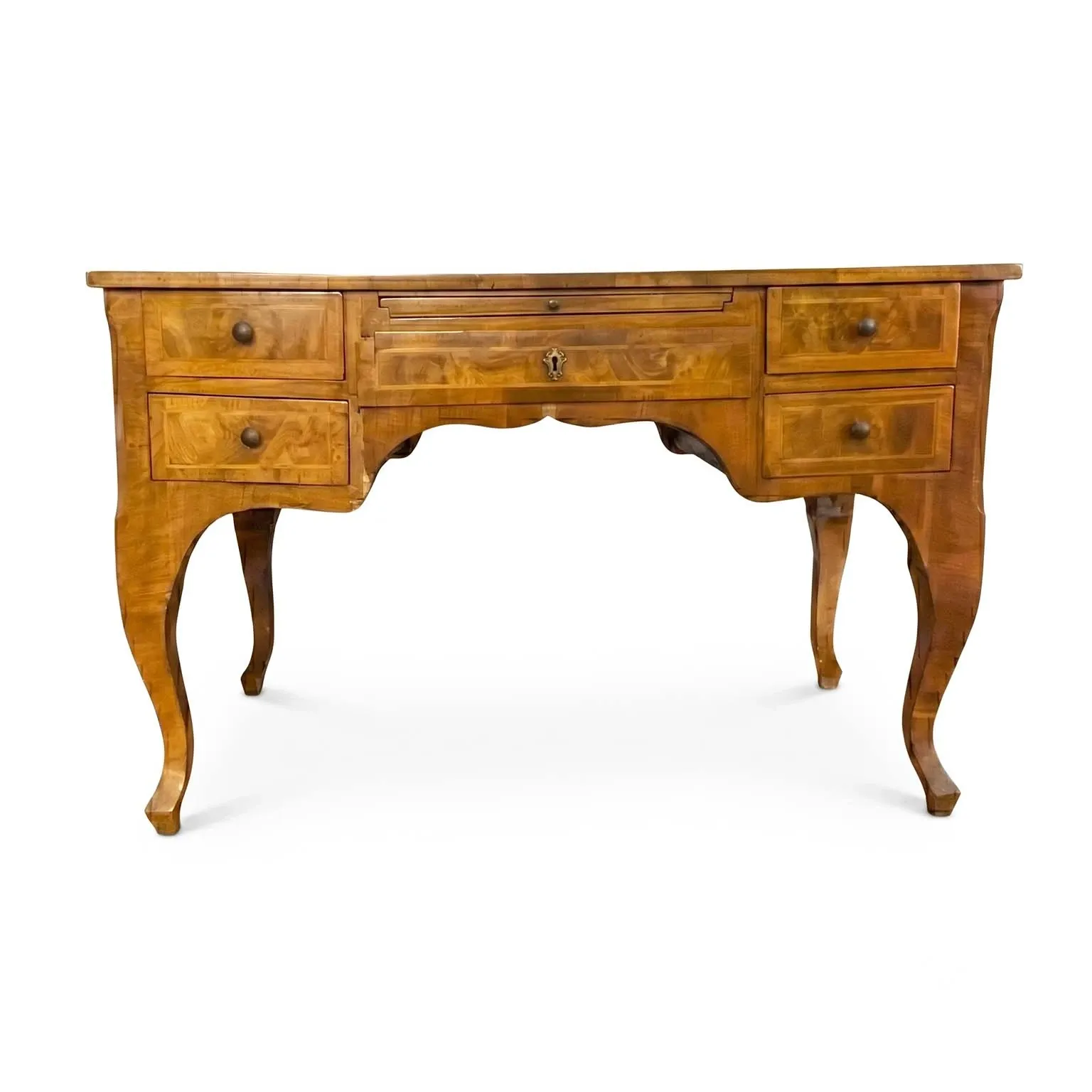

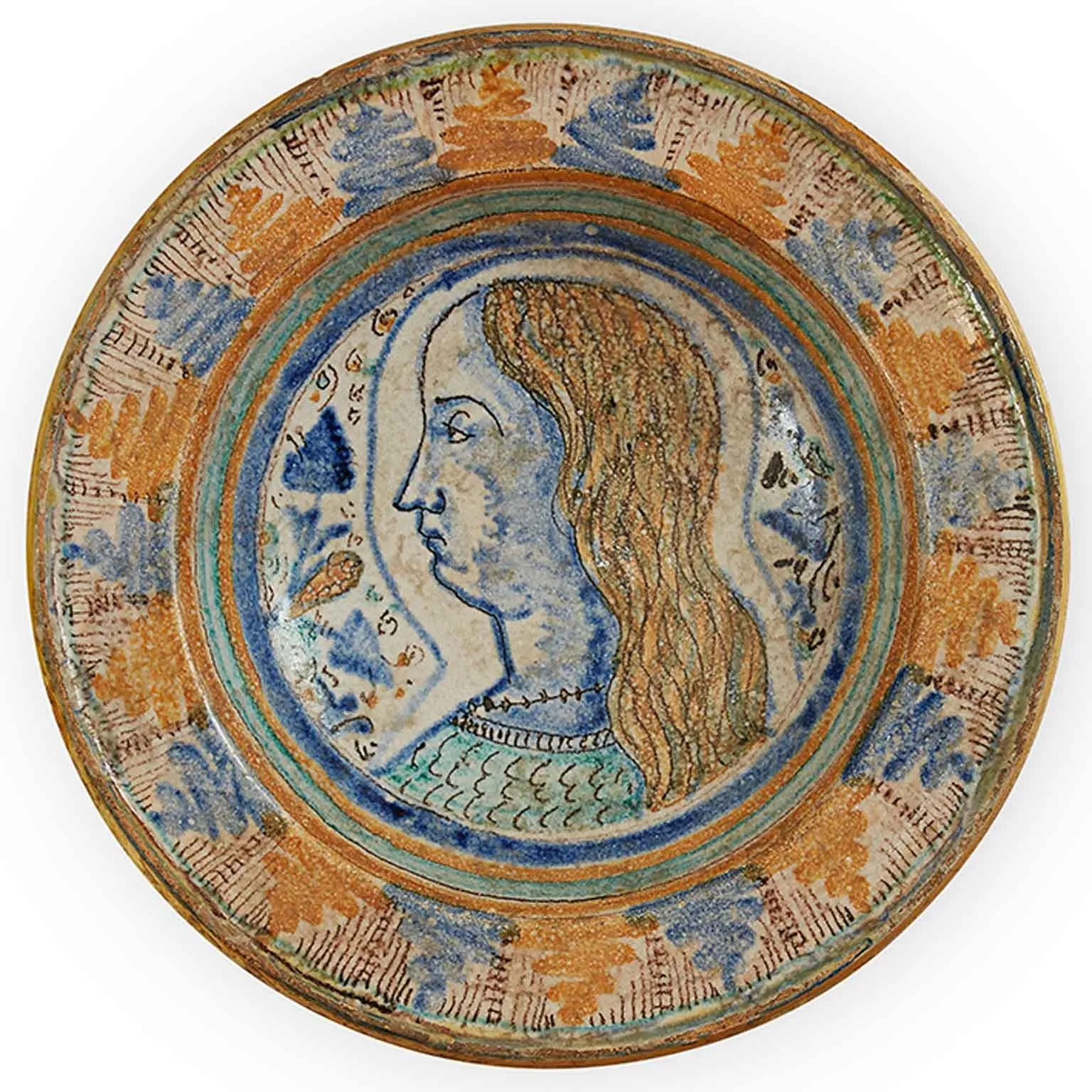
Ceramics accompany us in daily life almost every step of the way – whether in the form of functional dishes and containers or as stunning decorative components used to give a unique appearance to a room.
In order for it to reach store shelves in any form and then find its way into our homes or offices, it had to undergo a long journey. As with every invention known to humanity, a gradual transformation was necessary—often taking hundreds of years—from simple, sometimes even primitive manufacturing methods to fully automated and computerized production, which we see today.
Let's go back a bit in time and explore where the art of ceramics originated from and how it evolved over the years—this is the topic we will cover in today's post, which we warmly invite you to read!
The history of ceramic production - how did early humans make pots…
Although it may seem almost impossible, as extensive archaeological research conducted around the world shows, the first humans inhabiting the Earth quickly acquired the skill of firing pots, containers, and ceramic vessels—this ability was gained during the Paleolithic period. According to experts, early humans learned this craft shortly after mastering basic body painting techniques.
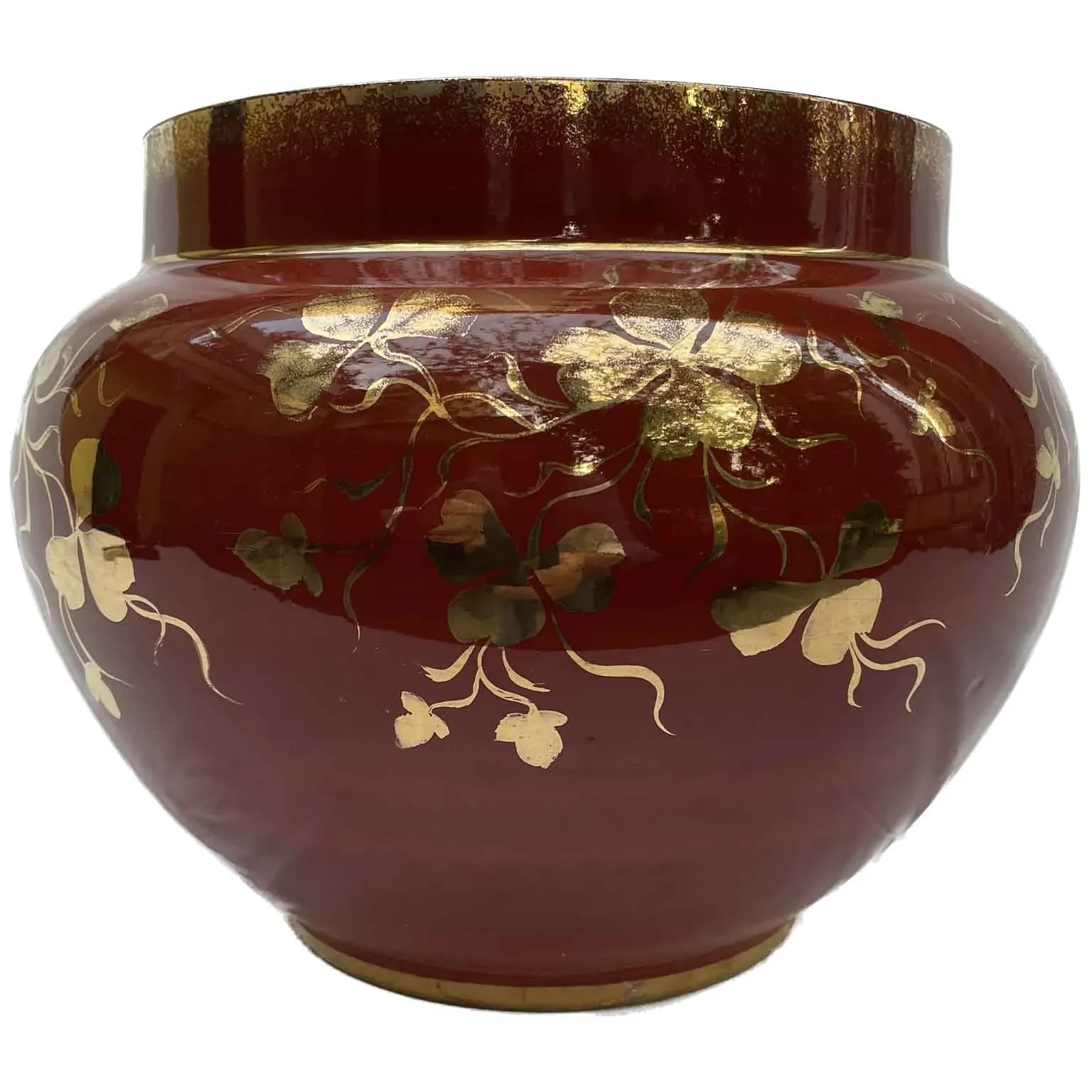
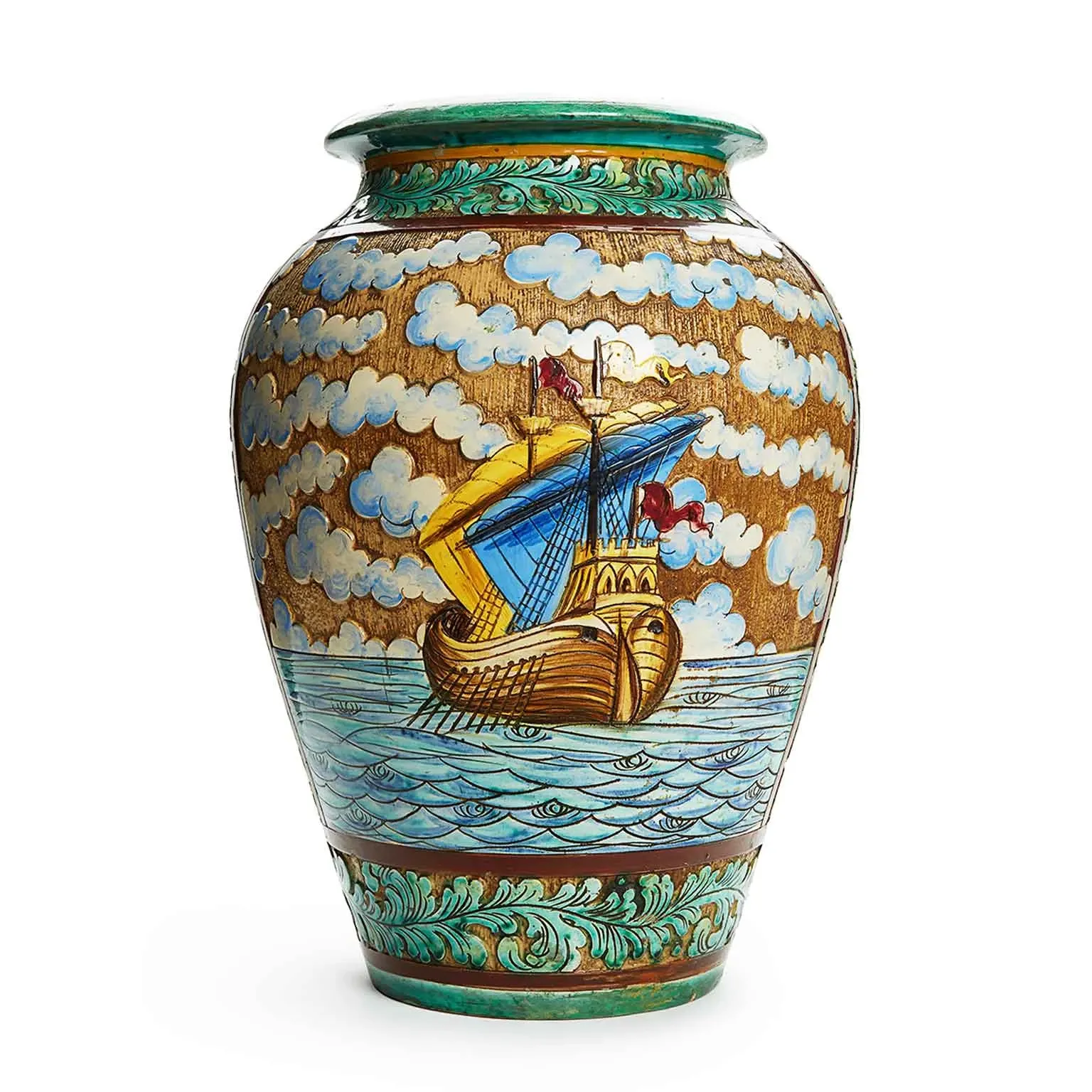
Acquiring and then “refining” this knowledge was driven by the harsh conditions they had to live in daily, as even primitive and fragile vessels could be used for preparing food, gathering resources, and storing them in a way that protected against contamination or spoilage.
The beginnings of true craftsmanship
Remains of objects that can be classified as genuine ceramics have been discovered by archaeologists in East Asia. These are dated to at least tens of thousands of years before our era. This invention quickly spread across the continent, thanks to the relatively low temperatures prevailing in that region, which necessitated thermal processing of stored or hunted food to heat it and eliminate potential bacteria and microorganisms that could threaten health.

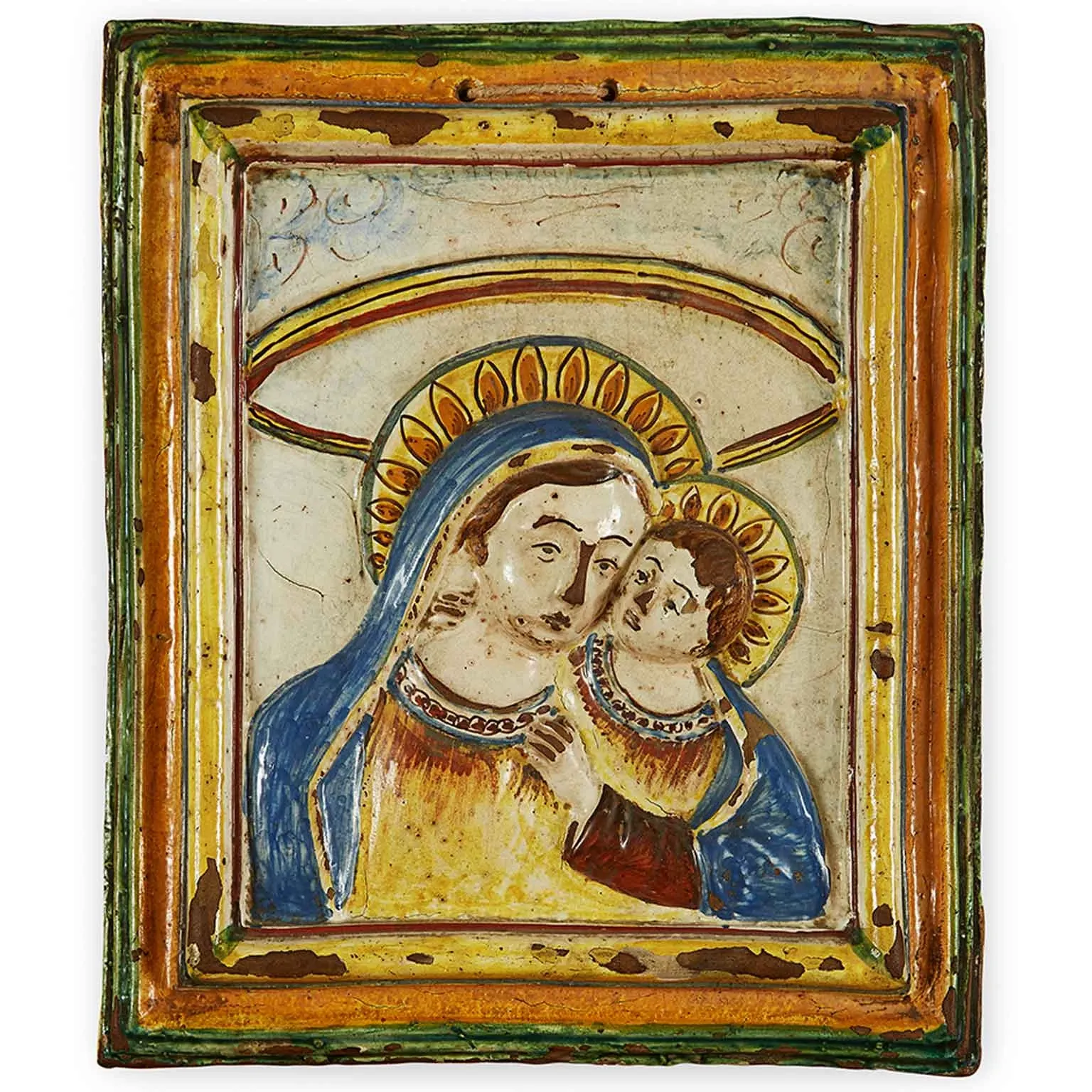
Many centuries later, traces of ceramic in various forms have been found in regions that are now part of ancient Japan, Africa, and the Middle East. It is worth noting that in their early days, these vessels were produced individually and entirely by hand, as the potter's wheel was not yet known. To give the finished products an elegant appearance and ensure they were sufficiently durable, various raw materials were added to the clay during firing, including, among others, mica, lead, previously obtained fibers, crushed nutshells, and hard vegetables and fruits.
Stopover – Europe
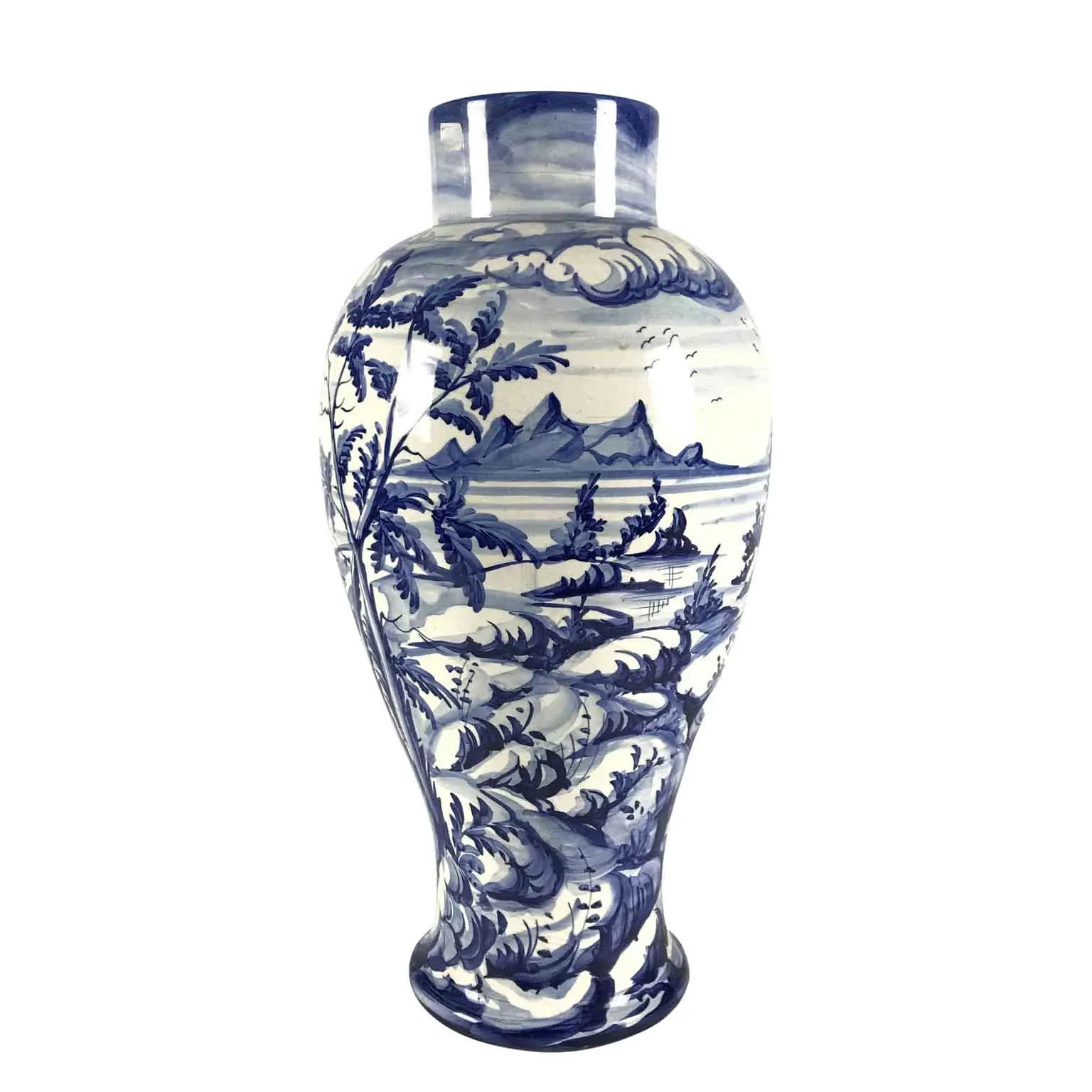
At that time, making vessels itself was no longer such a problem, but the advanced knowledge of Europeans then allowed not only for giving them exceptional shapes and increasing their durability but also – which is extremely important from a historical perspective – for providing unprecedented decoration possibilities to give each piece a unique character. It was on various types of amphorae and jugs that entire genre scenes were painted, helping us to better understand what life might have looked like for the inhabitants of Greece and its surroundings.
And today?
The greatest breakthrough in ceramics was the invention of the potter’s wheel, which enabled much more efficient and faster production of all kinds of clayware. This process was also facilitated by increasingly improved and modernized kilns over time. Currently, producing ceramic vessels and containers ceramic in mass quantities is not even the slightest problem, ensuring high efficiency and affordable prices.
Of course, if we explore the assortment of high-end stores offering their products both in physical locations and online, we can find exquisite works of ceramic art made from exceptional materials and using highly specific techniques, which makes them much more expensive… however, they are perfectly suited as elements of elegant home decor or office, as well as – as a gift for a loved one who is a close member of our circle!