

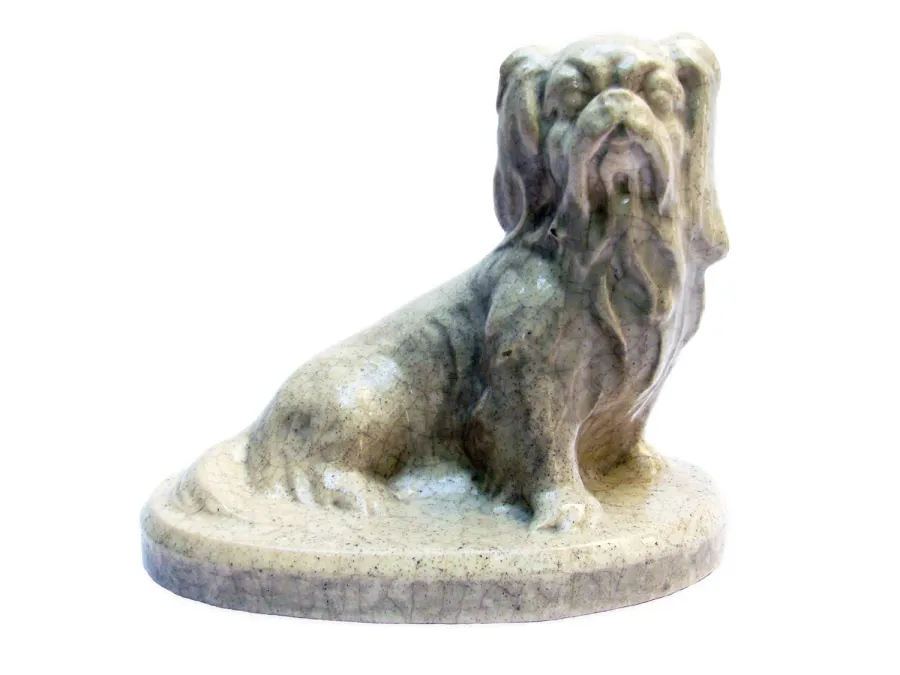
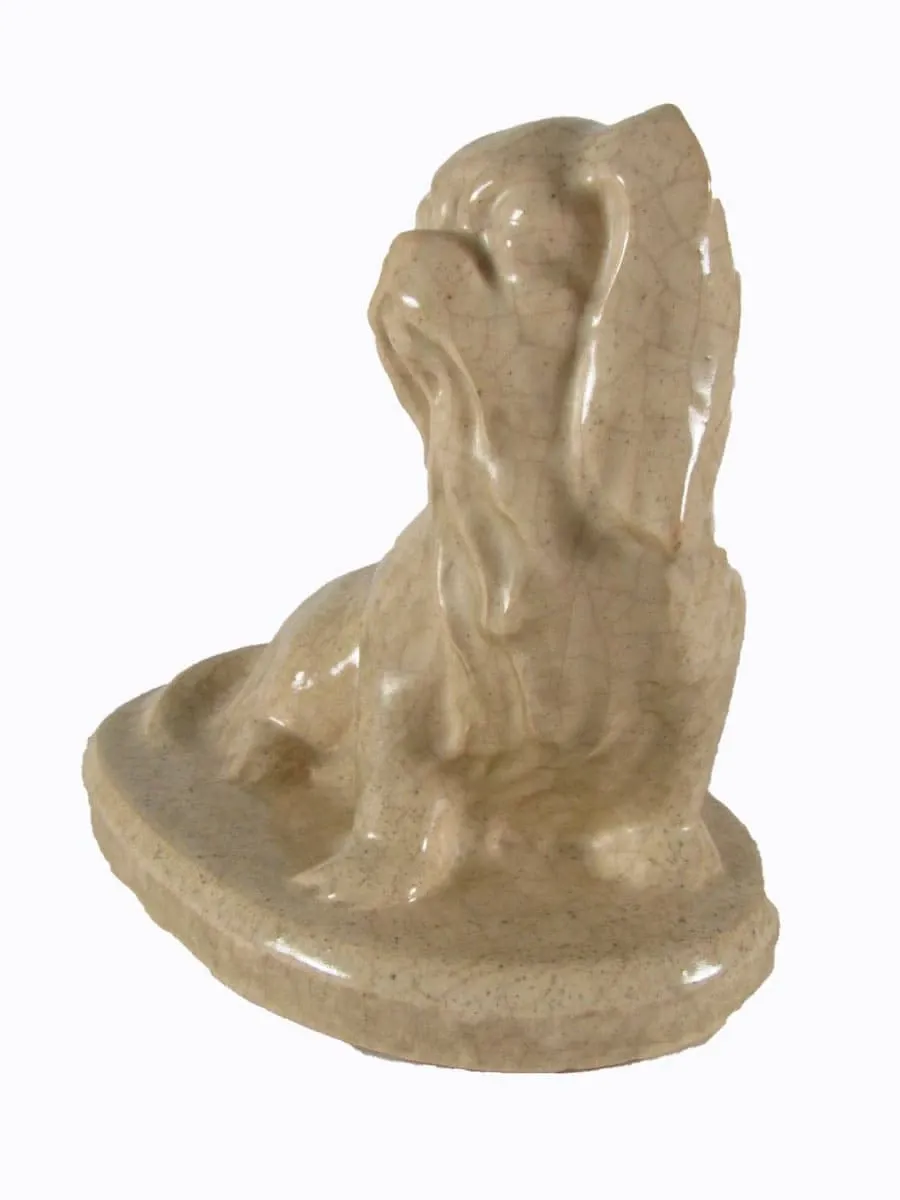
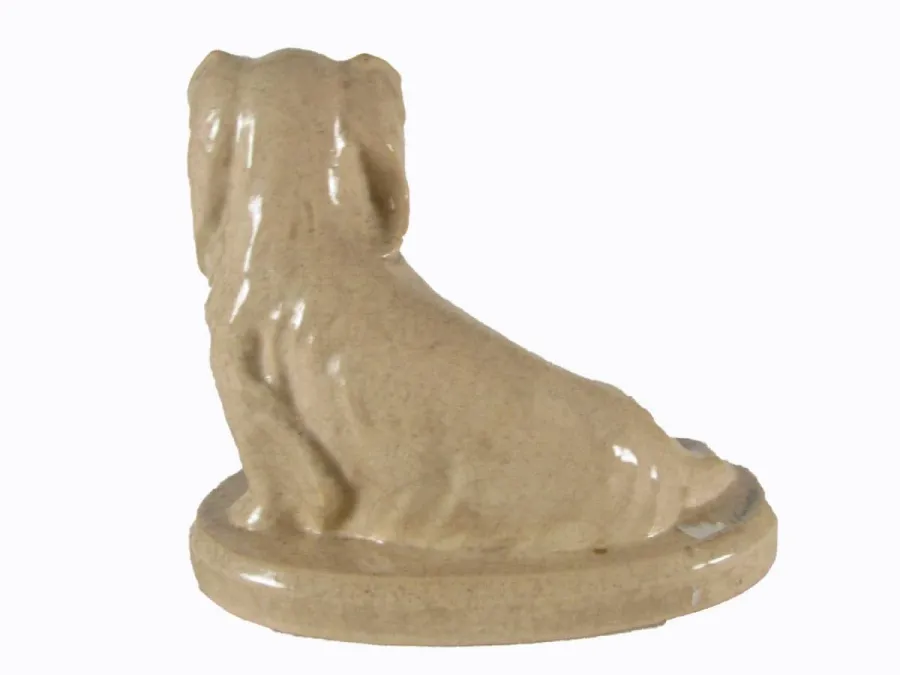
Fontinelle Louis - Pekingese in ceramics
Luxury antique furniture and accessories
SKU: ANT-3457
See other products from category Vintage porcelain and ceramics or from manufacturer Antyki with shipping within 24 hours
Related products by category
Ceramic vase for a table lamp. The lamp base made of ceramic decorated with geometric motifs in shades of green, ochre, and brown, with side inserts. 1970.Elegant antique furniture and accessories c
Robbia Gualdo Tadino Vase. A round ceramic flower vase from the mid-20th century with handcrafted niches decorated on a brown background with ivory embellishments; the brand in blue on the bottom from
Marie Luise Seltmann Weiden soup bowl in ivory and gold, round shape with molded edges, made of ivory-colored ceramic decorated with gold, featuring profiles and geometric motifs near the socket. In g
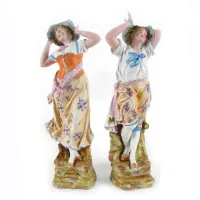
Ancient porcelain biscuit figurines depicting two women in flowing garments, seemingly about to hold a hat. Southern Italy. Excellent condition. Originates from the first half of 1900. No brand. Bea
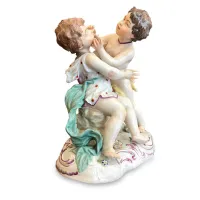
Group with German porcelain Putti, early 1900s. A hand-painted polychrome porcelain group in perfect condition, of German origin, Passau manufactory, consisting of two cherub figures in loving and pla
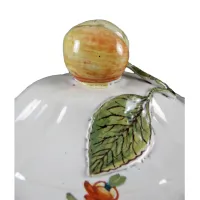
White majolica lid for a vase with an oval shape, featuring ribs and a profiled edge. Painted with polychrome floral, botanical, and zoomorphic motifs. Knob with an apple. Losses and restorations. Ve
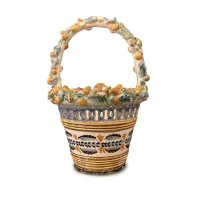
Decorative and perforated ceramic basket, created from a vase with geometric embellishments on the body and a decoration on the edge formed by adding numerous shells and fish, as well as on the handle
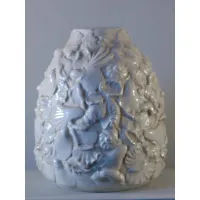
Base lamp made of ceramic with embossed shells.Elegant antique furniture and accessories can be an excellent idea for decorating our interiors. Currently, there is a growing number of enthusiasts of h
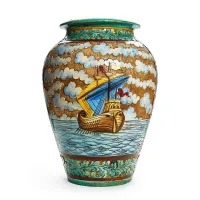
Ceramic umbrella-shaped vase with relief and decorated in navy blue, circa 1950, crafted with exceptional skill: the vase features two floral bands in turquoise shades, one upper and one lower, with e
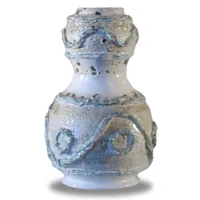
Ceramic lamp base. 1950s ceramic vase with a round base, with a top section pierced to be transformed into a lamp. The spiral decoration is embossed and has a turquoise color. It is in good condition.
Description
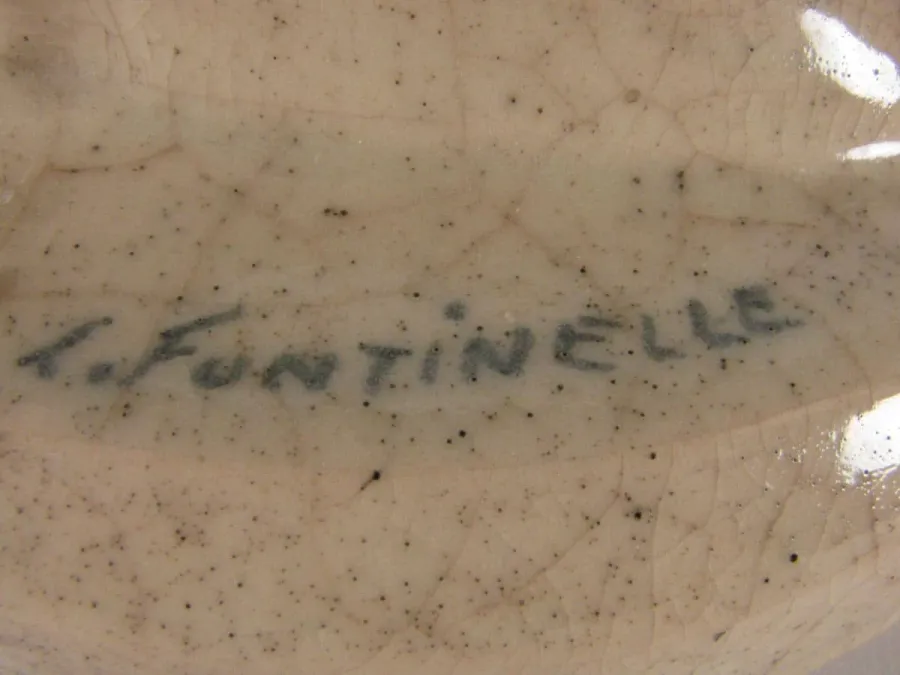
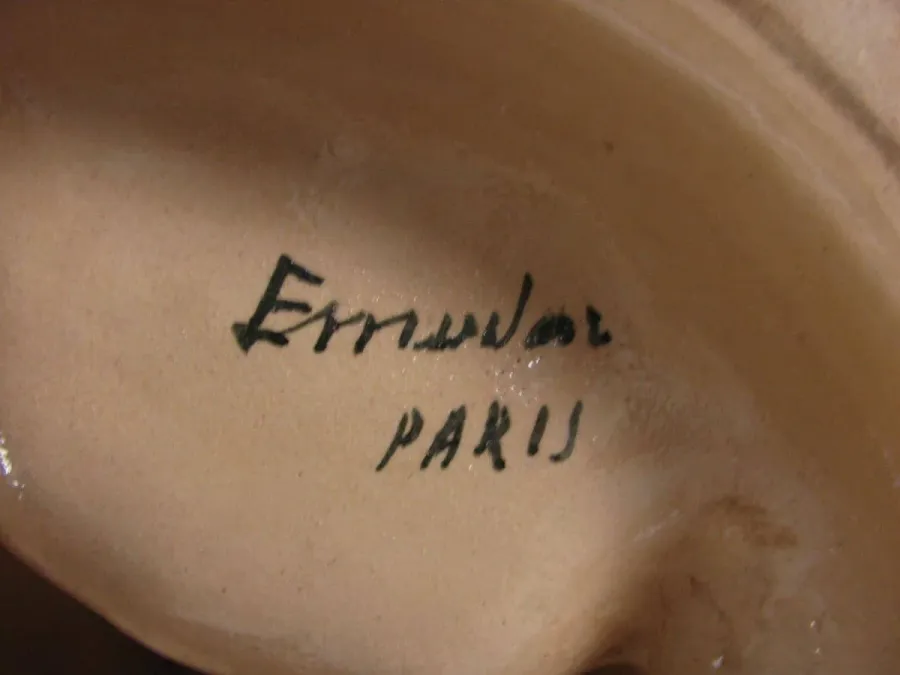
Fontinelle Louis 1886-1964 Pekingese in ceramics. Pekingese dog figure with monochromatic ceramic signed on the back L. FONTINELLE, masterfully designed by Parisian artist Louis Fontinelle (1886-1964). This French Art Deco sculpture dates from 1925, is in excellent condition, with ivory-colored patina and the inscription inside the figure: EMUNAR PARIS.
The considered work depicts an elegant Pekingese sitting idly on an oval plinth; physical features, the characteristic flattened face, and very dense long hair outline the inseparable traits of these little emperors: loyal, obedient, affectionate, sociable, with a clear tendency towards a sedentary lifestyle (the Pekingese was already a salon dog in Chinese royal courts over 2000 years ago)!
The origins of this breed are very old; it was originally a dog from the imperial family of Beijing, later brought to Europe by English and French soldiers in 1860. Until now, the “Pekingese” was distinguished by curved limbs to prevent separation from the imperial residence. The breed standard, developed by Empress Dowager Cixi (Tzu-Hsi), stipulated that this dog must be picky about food, have a furry collar that gives it dignity, hairy feet to avoid noise while walking, and a coat in any color to match the dog’s outfit. The legs had to be arched to prevent slipping.
After export, it gained particular popularity and fame throughout Great Britain, which is why the general recognition of the breed is attributed to the Anglo-Saxon island along with China.
Wonderful antique furniture and accessories can be an excellent idea for decorating our interiors. Currently, there is a growing number of enthusiasts for high-quality vintage items that have a distinct character and soul. This is a nod to history, craftsmanship, and the design of classic and timeless furniture. There are many different styles in antique furniture, each with its own distinctive features.
Many styles characterize antique furniture, but a few are particularly prominent. Eclectic furniture from the 19th century, during the reign of the Biedermeier style, is notable. Early in the century, antique styles included neo-Gothic, Gothic, Rococo, Louis-Philippe style, and finally the English Victorian style. By the end of the century, these styles evolved into pseudo-classicism, Renaissance, and Baroque styles.
Empire-style furniture dates from the period between the late 18th and early 19th centuries. It originated during Napoleon’s reign, heavily inspired by Roman and Greek decorative motifs.
Neoclassical furniture reflects the Louis XVI style, which also draws heavily from ancient architecture. Noteworthy are antique products in Rococo and Louis XV styles. Next is Baroque, derived from the Portuguese word barocco—meaning an irregularly developed pearl. These were highly decorative pieces meant to shine with splendor and play a significant role in luxury. Materials were selectively chosen to emphasize the grandeur of these items.
Today, we can see how much influence the Baroque style has had on modern classical furniture, which is designed with a strong resemblance to the historical period. An important style is also Renaissance, which flourished in the 15th and 16th centuries and left a significant mark on furniture design. Renaissance furniture was quite heavy and solid, often using brown stains, with cornices, strong bases, and reliefs. These products were quite distinctive but also opened new possibilities, such as the construction of credenzas and broadly speaking, chest furniture. They also drew inspiration from mythology and ancient times, with supports and legs taking animal forms.
Lion paws, eagle heads—these are common motifs in Renaissance style.Currently, many global brands reproduce furniture inspired by Italian and French artisans. This reflects admiration and respect for the history of the most beautiful Renaissance antiques. It’s important to remember that furniture production was perceived differently in each country, so each style had its own character. This is especially important when searching for a luxurious antique that suits your interior.
The most important aspect of elite antique furniture is originality. And this is ultimately crucial from the buyer's perspective, as many counterfeits circulate on the market. Luxury Products provides a certificate confirming the product's compliance with its actual description and photograph. We have at your disposal art appraisers, historians, and experts from around the world.Attributes / Details
| SKU | ANT-3457 |
| Manufacturer | Antyki |
| Model | 3457 |
| Material | ceramics |
| Size | Height: 28 cm Width: 32 cm Depth: 21 cm |
| Age | XX |
| Year | 1901 |
| Destiny | To living room |
See catalog
Reviews
No reviews for this product.