

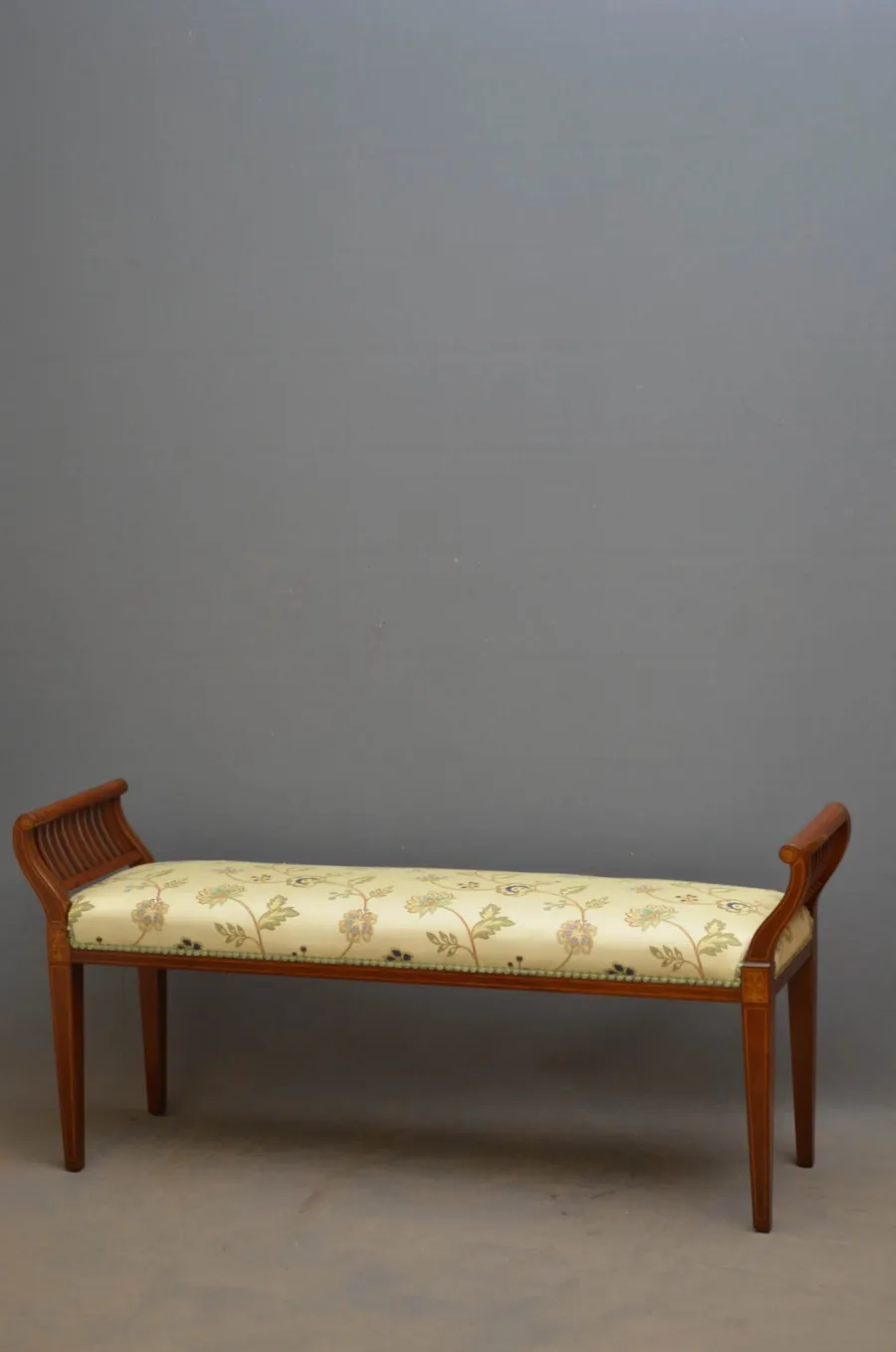
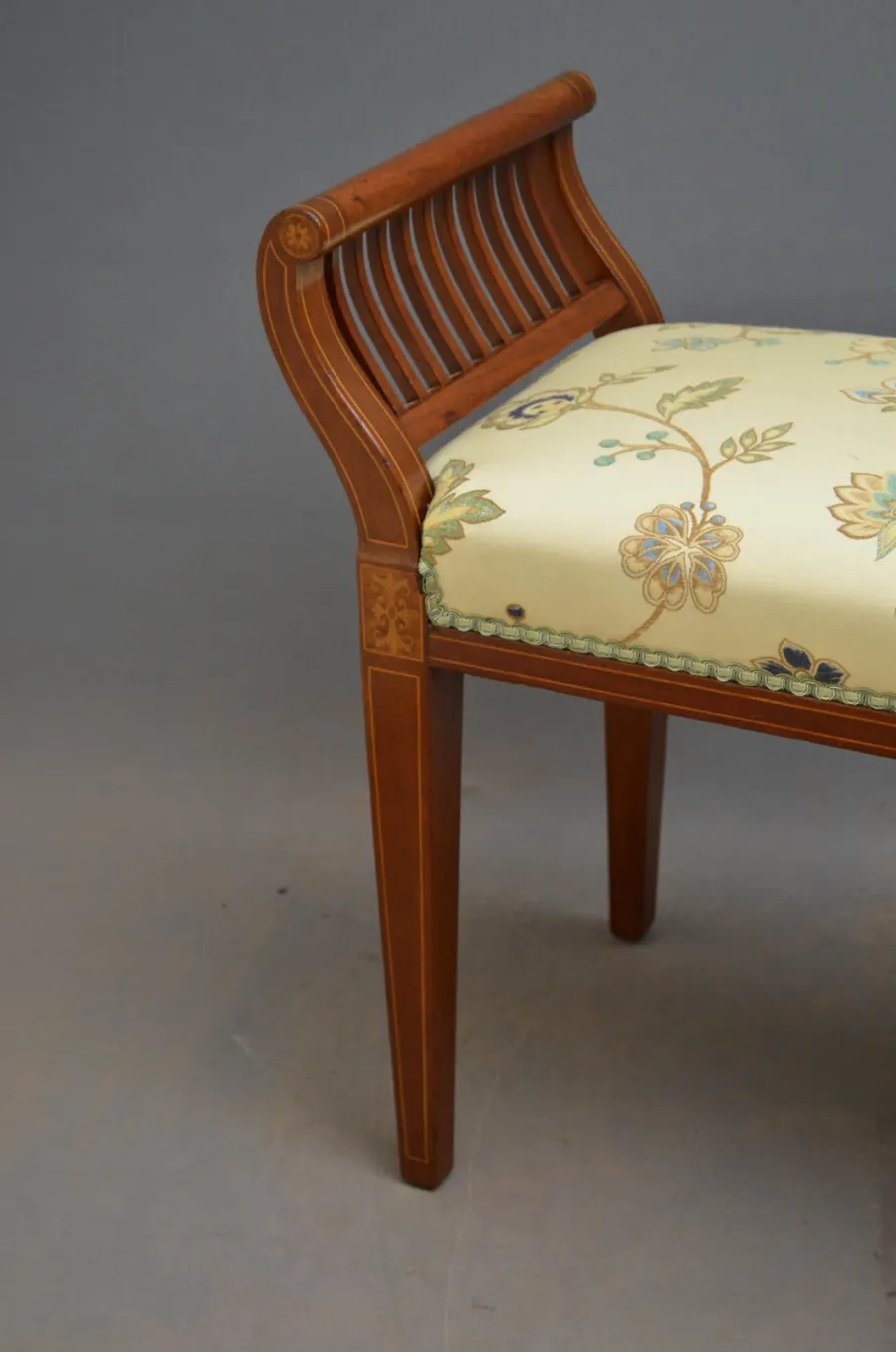
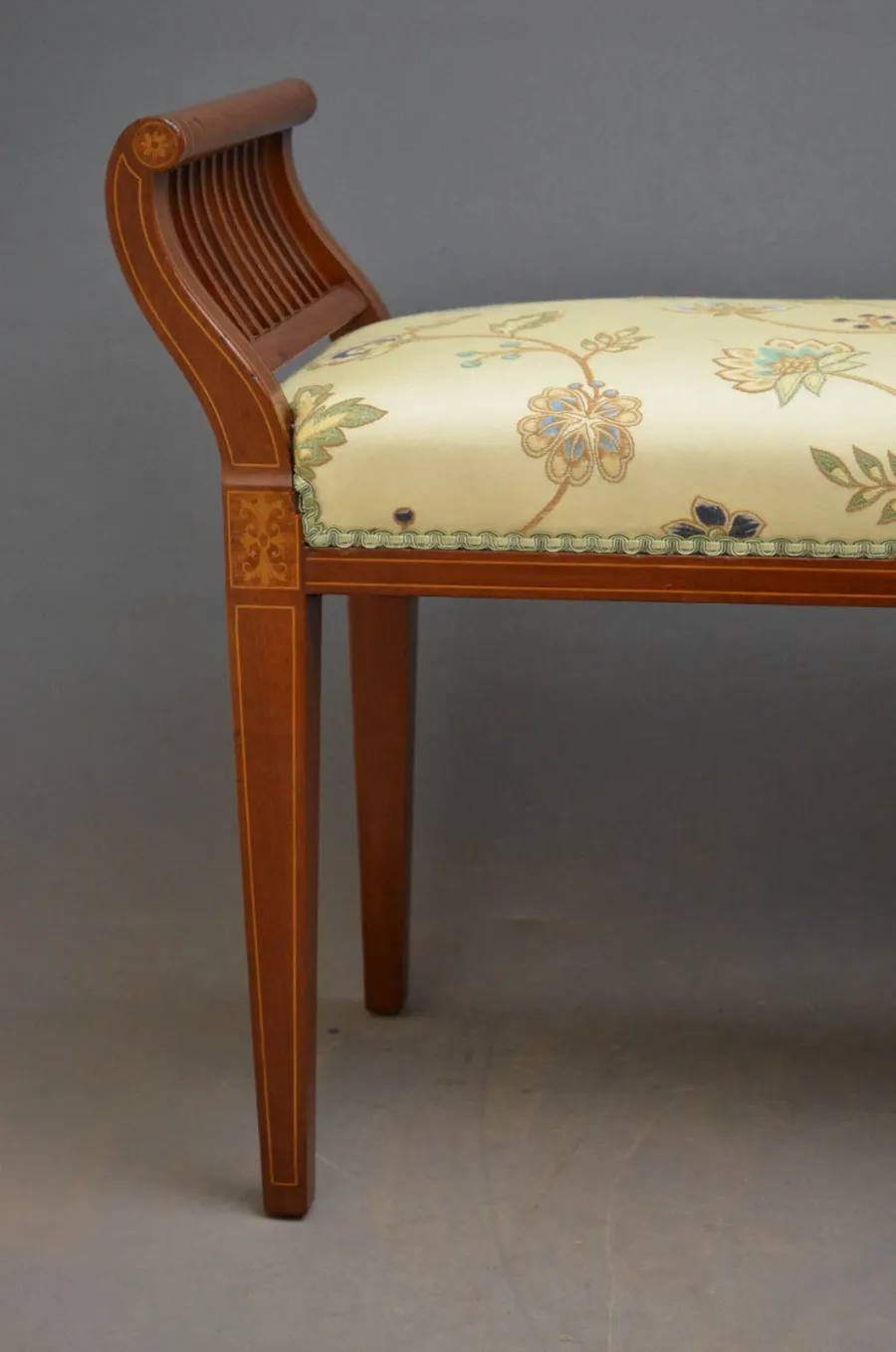
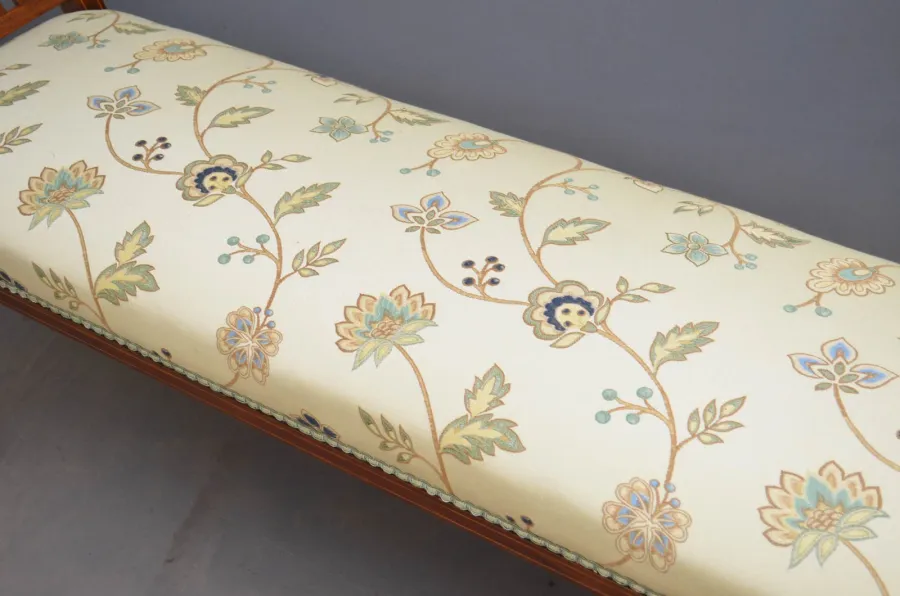
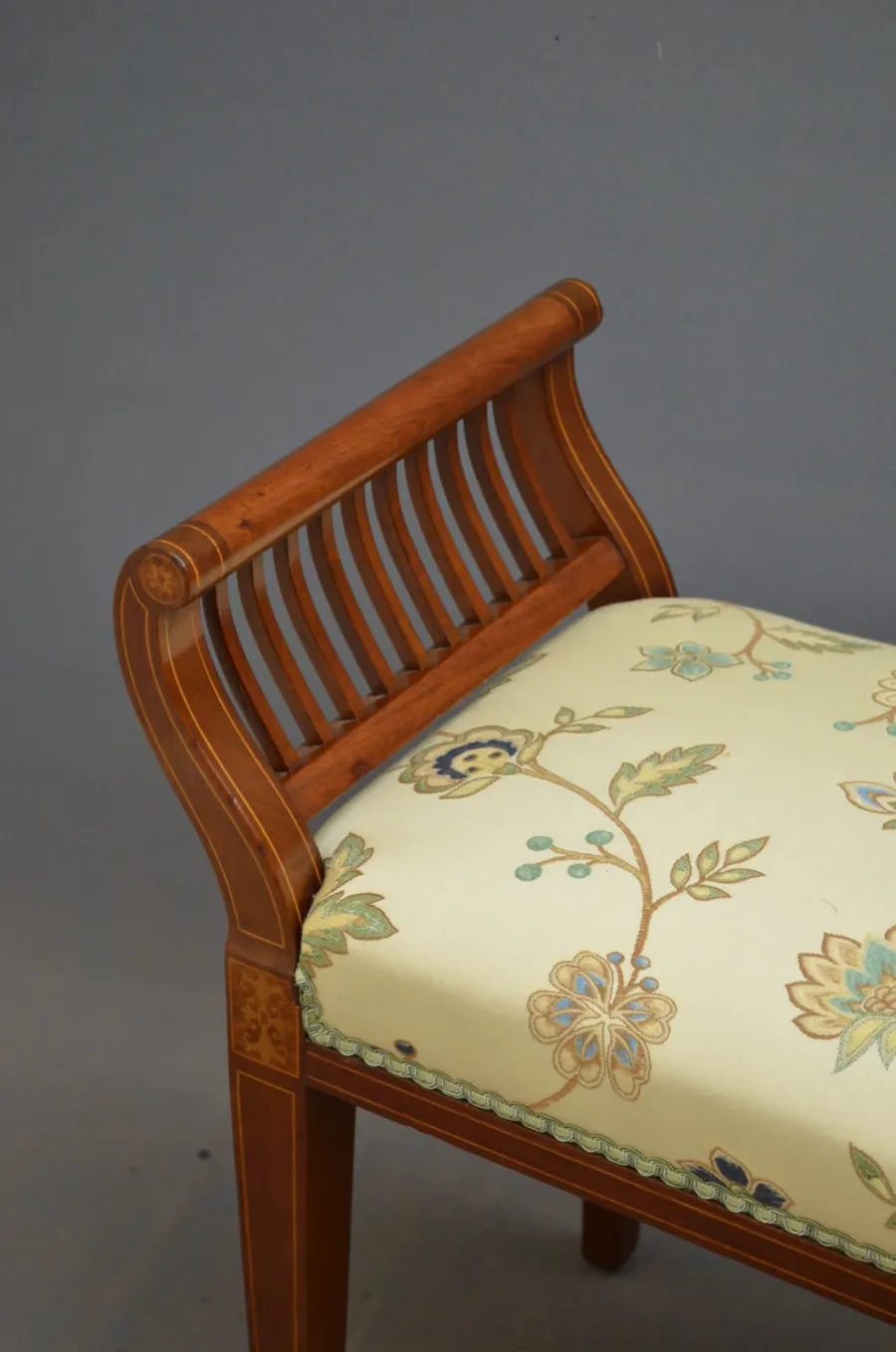
Edwardian mahogany double stool in mahogany and yellowwood - antique
Stylish antique furniture and accessories.
SKU: NIMQUES- Sn4127
See other products from category Antique chairs or from manufacturer Nimbus Antiques
Related products by category
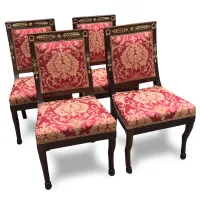
Four Empire chairs in mahogany color, upholstered on the seat and backrest and covered with gold-colored damask fabric on red silk, of French origin. The back is beautifully decorated with small appli
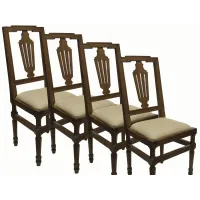
Four antique walnut chairs from the early 20th century in a blond walnut finish in excellent condition. The seat features a comfortable padding covered with ivory-colored fabric. The chairs have been
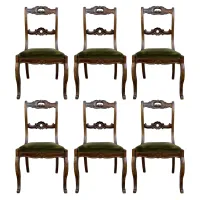
Six walnut chairs from the 19th century will be restored in good carpentry condition (they are solid and free from woodworms), requiring only polishing and reupholstering with green velvet. Lombardy,
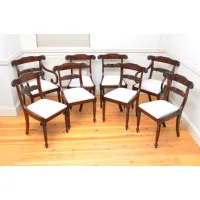
An excellent set of eight mahogany William IV dining chairs, including 2 carved chairs, each with finely carved top and middle rails, with carved open arms, all with drop-in seats and standing on turn
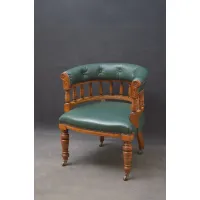
A high-quality Victorian office chair or oak chair, with a leather backrest featuring carved spindles below, carved arms, and a leather seat, standing on turned legs with casters. Everything is
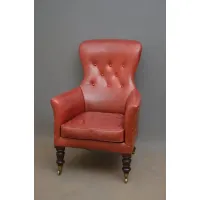
A highly attractive early Victorian armchair with a scoop, button-tufted back, protruding arms, and a generous seat, all upholstered in soft red leather, standing on carved tulip-shaped legs finished
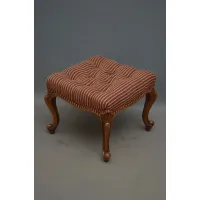
Victorian dressing table stool with a large seat and 4 cabriole legs, ready to be placed in your home. Exceptional antique furniture and accessories can be an excellent idea for decorating our in
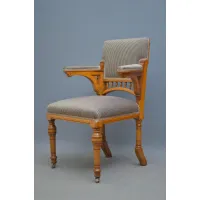
Victorian - An office chair in oak color, movable, with upholstered backrest featuring spinning wheels below, open padded arms, and a generous, springy seat, standing on turned legs with brass c
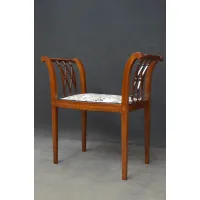
An attractive Edwardian mahogany and inlaid dressing table stool with carved and inlaid arms, serpentine seat, and tapered legs. This antique stool is ready to be placed in your home Presti
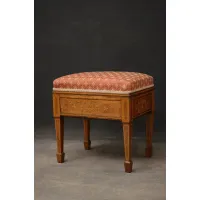
Very attractive Edwardian dressing stool / piano stool, featuring an elevated top over a classic inlaid Neo Classical base and inlaid tapered legs ending with sabots. This antique stool retains its or
Description
Attributes / Details
| SKU | NIMQUES- Sn4127 |
| Manufacturer | Nimbus Antiques |
| Model | Sn4127 |
| Material | mahogany, yellowwood |
| Size | H47cm H62cm W133cm D37cm |
| Age | 19th century |
| Year | 1900 |
| Style | Edwardian |
| Condition | After renovation |
| Destiny | To living room |
See catalog
Reviews
No reviews for this product.