

Ancient Ivory Masterpieces of the Assyrian Empire book - Thames & Hudson
Fascinating editions of books
SKU: THANDSON-9780500051917
See other products from category Style, food and travel - collector's books or from manufacturer Thames and Hudson
Related products by category

Open the door to 100 of the most beautiful and pioneering houses of the last two decades. Featuring architects including Daniel Libeskind, Herzog & de Meuron, and Zaha Hadid, this is a reliable global

Luxury Products LibraryAll books in our store come from official European distribution.Language of publication: English.TITLE: That Wild Country: An Epic Journey through the Past, Present, and Future

An essential book for enthusiasts of treehouse projects worldwide. This quirky collection showcases 50 of the best treehouses around the globe. Whether it's an inspiring look back at childhood adventu
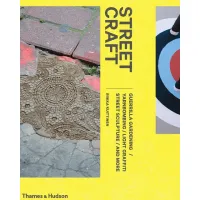
Surprising, controversial, and often simply beautiful street craftsmanship is another chapter in the history of street art – an explosion of creativity that reclaims and transforms urban space aroun
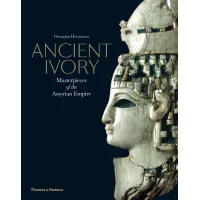
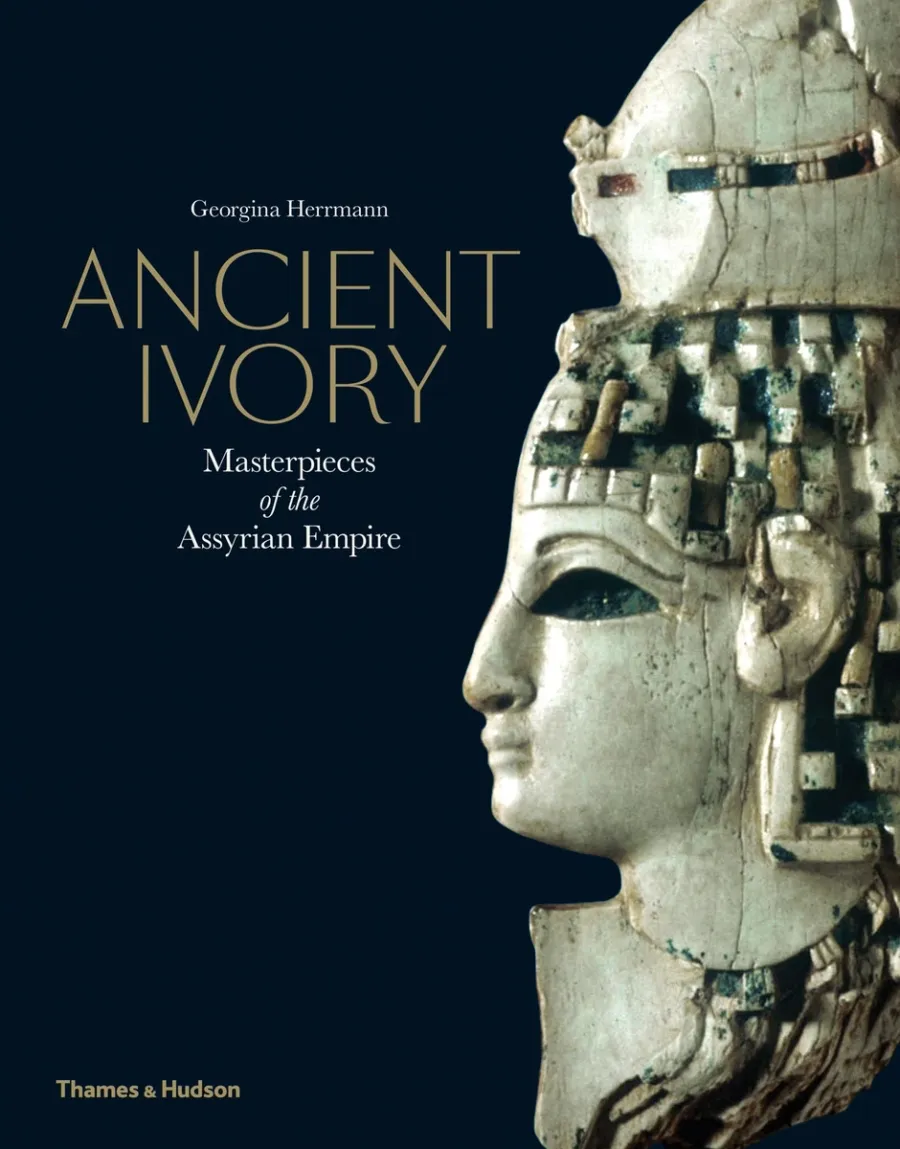
Ivory is a wonderful material: tactile, beautiful, versatile in many different forms, and the strongest in the animal kingdom. Unfortunately for the elephant, due to its rarity and difficulty of acqui

Every year, guests arrive in this decadent, elegant country to enjoy the pleasures of “la dolce vita”. Italy has attracted travelers seeking culture and romance for centuries. From the snowy peaks

Novels at the flea market or a studio apartment from the cosmic era, minimalist or neo-baroque; regardless of style, you will find a set of fresh, provocative interior design inspirations in this comp
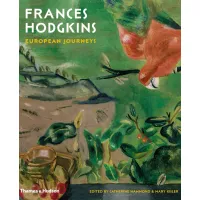
Born in New Zealand, Frances Hodgkins (1869–1947) arrived in London in 1901 and by the 1920s became a leading British modernist, often exhibiting alongside avant-garde artists such as Ben Nicholson,

Whether you choose a journey without wandering through the cobbled streets of Lisbon or an eye-opening bike tour through different districts of Tokyo, pack your bags and share your discoveries with Th
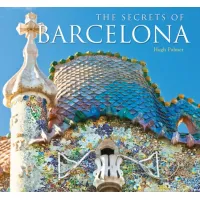
Le Corbusier undoubtedly echoed the sentiments of many when he said: “Let me say how I love Barcelona, a city worthy of admiration, pulsating with life, an intense city,” and now even more people
Description
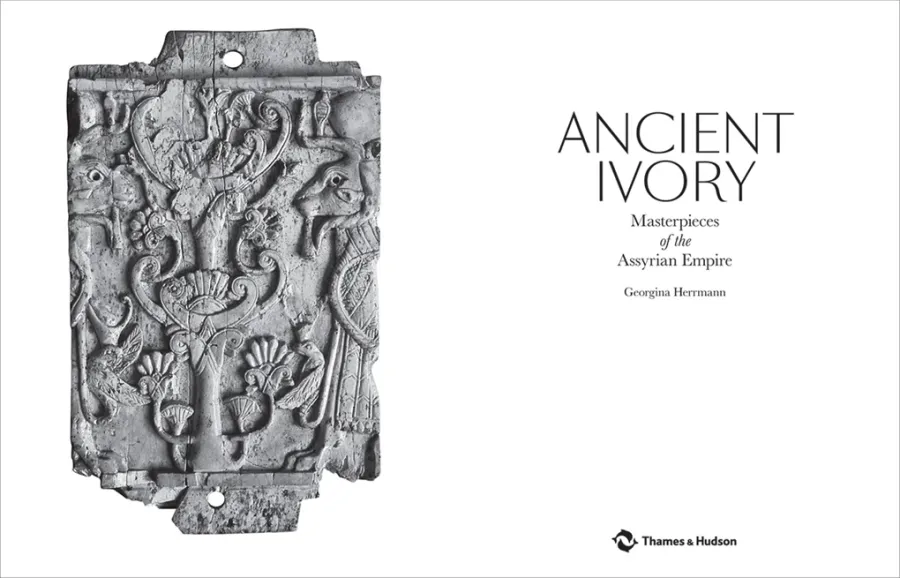
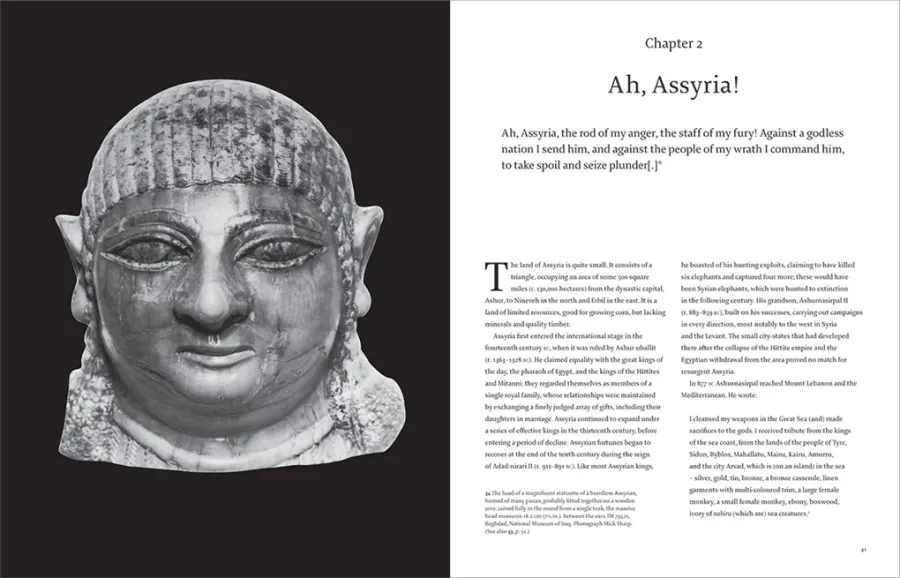
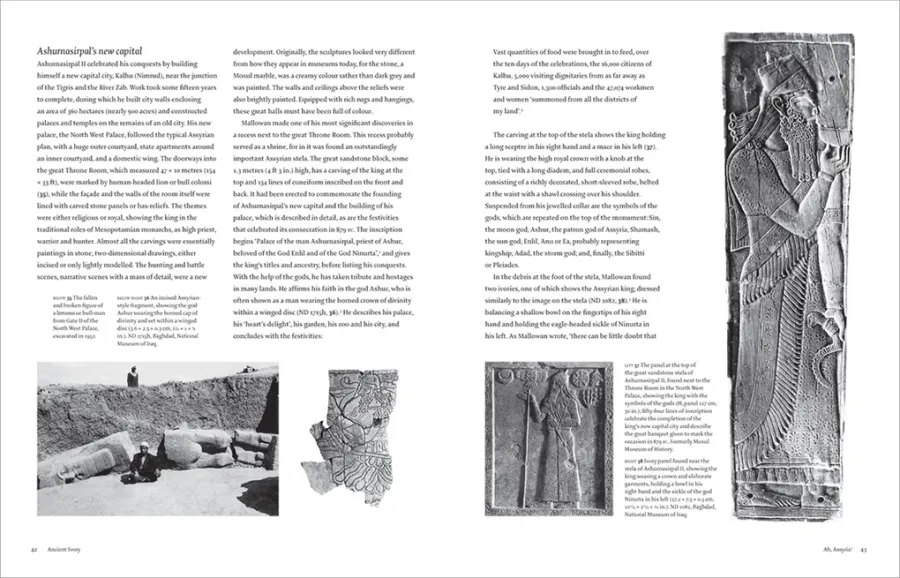
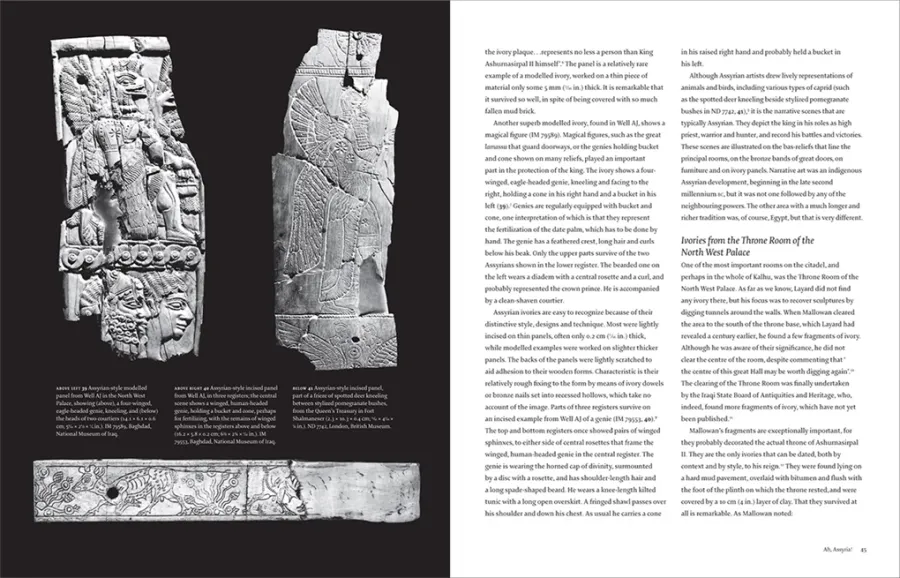
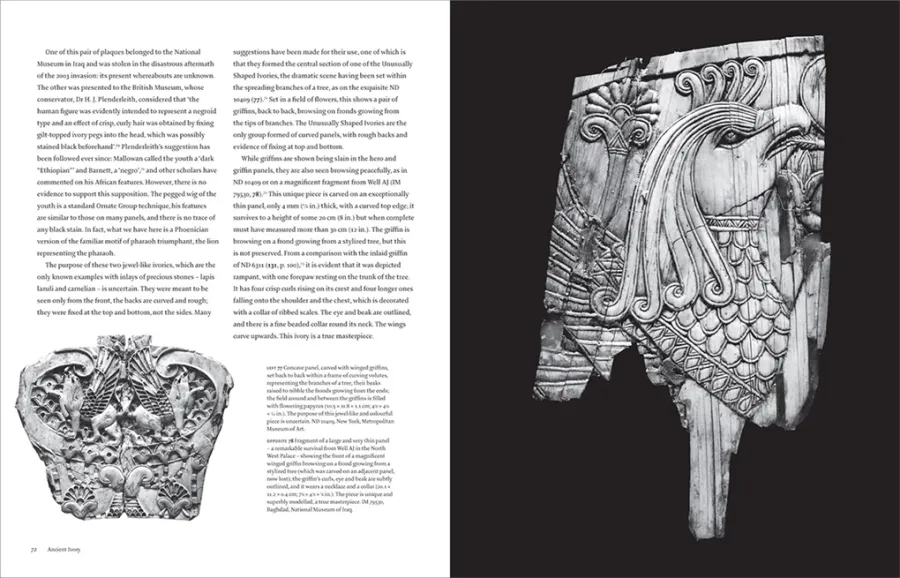
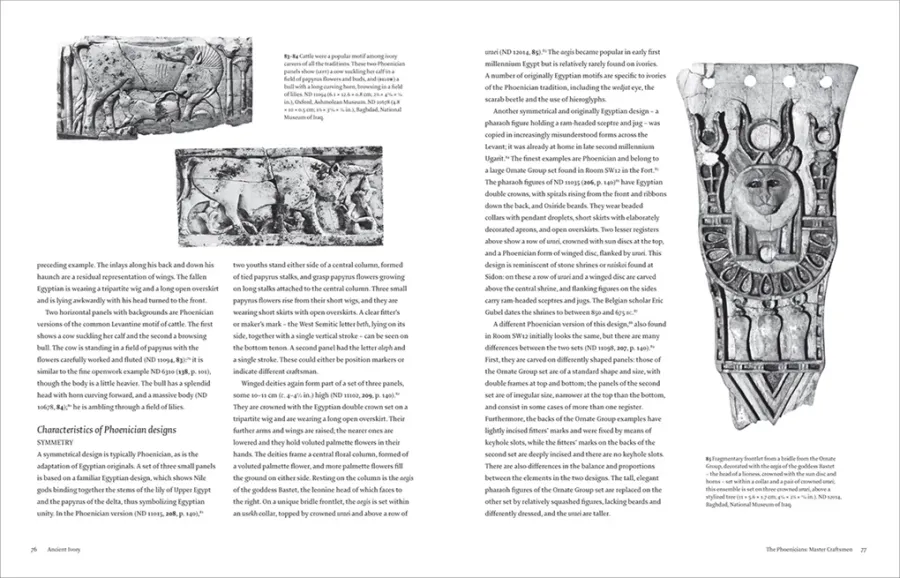
Ivory is a wonderful material: tactile, beautiful, versatile in many different forms, and the strongest in the animal kingdom. Unfortunately for the elephant, due to its rarity and difficulty of acquisition, it has been highly valued from the Paleolithic era to the present day — in fact, the Syrian elephant was hunted to extinction. However, it was at the beginning of the first millennium BC — the “age of ivory” — that literally thousands of carved ivory pieces arrived in the Assyrian capital of Kalhu or modern Nimrud in northern Iraq. Most of these were not produced in the heart of ancient Assyria but arrived as gifts, tributes, or plunder collected by the Assyrian kings from small neighboring states of the ancient Near East, and the ivory itself probably came from the African elephant.
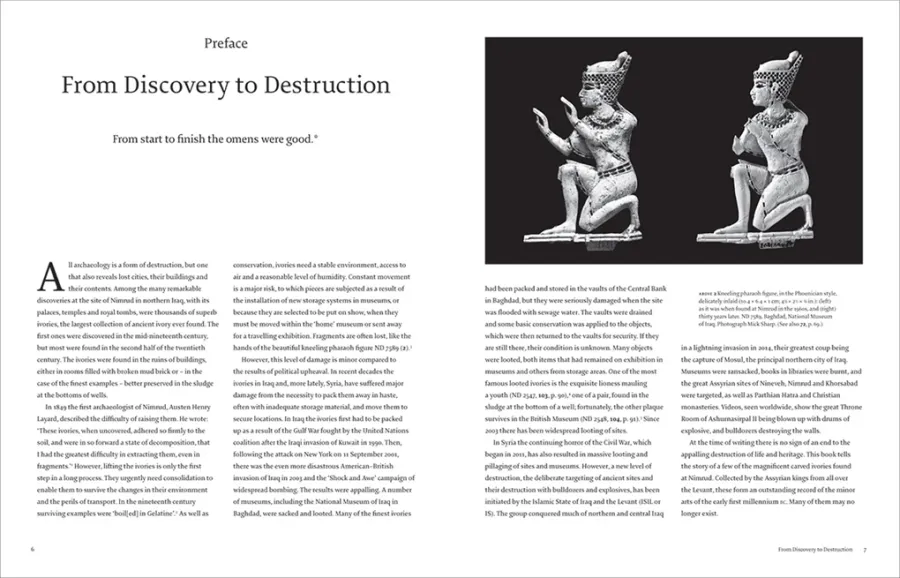
Ivory was first discovered in the mid-19th century by the renowned Victorian traveler and adventurer Austen Henry Layard, but it was not until the mid-20th century that the treasure was realized by Max Mallowan, husband of Agatha Christie. Since then, thousands of extraordinary ivory pieces have been uncovered from the ruins of extravagant palaces, temples, and fortresses of ancient cities. However, in recent years, much has been destroyed or threatened following the invasion of Iraq and the looting of the Iraq Museum, as well as ongoing conflict and the destruction of cultural heritage in the region. As a result, the ivory preserved on these sites represents a unique and unparalleled record of the lost art of the Near East.
The Thames & Hudson manufactory was founded in 1949 by Walter and Eva Neurath. Their greatest passion and mission was to create a “museum without walls” and to make the world of art and leading scientific research accessible to a broad audience. To reflect international perspectives, the company’s name combined the rivers flowing through London and New York, represented in its logo by two dolphins symbolizing friendship and intelligence, one facing east and the other west, suggesting a connection between the Old World and the New.
Today, still an independent, family-owned manufactory, Thames & Hudson is one of the world’s leading publishers of illustrated books with over 2,000 titles in print. It publishes high-quality collectible books across all areas of visual creativity: fine arts, applied arts, decorative arts, performing arts, architecture, design, photography, fashion, film, and music, as well as archaeology, history, and popular culture. The list of children’s books is also expanding. Headquartered in London with a sister company in New York and branches in Melbourne, Singapore, and Hong Kong. In Paris, another subsidiary, Interart, distributes English-language books in France.
History of the Thames & Hudson brand
Walter Neurath was born in Vienna in 1903. In 1938, he left his hometown — where he ran an art gallery and published illustrated books — for London. Initially, he worked as a production director at Adprint, a brand founded by Viennese émigré Wolfgang Foges. Neurath and Foges developed an innovative concept of what is now called book packaging (or co-publishing), where book ideas are developed, ordered, produced, and sold by publishers operating across different markets and languages to create large editions and thus reduce unit production costs. Neurath’s concept was the first of many innovations introduced into the publishing world through Thames & Hudson.
Seeking to continue the packaging of collectible books in a second edition and recognizing the need to amortize the high costs of producing illustrated books, Neurath established his own publishing house, with offices in London and New York, in the fall of 1949. Eva Neurath, who arrived in London from Berlin in 1939, was a co-founder.
In 1958, Thames & Hudson launched one of its most renowned series, *World of Art*, which became the foundation of a highly diverse list. Characterized by pocket-sized editions and black spines, the series expanded in just seven years to include 49 titles. Nearly 60 years later, the series boasts over 300 titles, which, according to Christopher Frayling, are “splattered with paint copies” in every art school across the country.
Other significant series that added depth and prestige to the list include *Ancient People and Places*, edited by Glyn Daniel, who from the 1950s contributed to pioneering interest in archaeology, both in book form and television. Over 34 titles have been published in this series over 34 years. The large-format *Great Civilizations* series, launched in 1961, featured contributions from esteemed scholars such as Alan Bullock, Asa Briggs, Hugh Trevor-Roper, A. J. P. Taylor, and John Julius Norwich.
After building one of the most important publishing houses in Europe in less than two decades, Walter Neurath died in 1967 at the age of 63. Sculptor Henry Moore wrote that “his death was a loss to our cultural life.” Sir Herbert Read noted that Neurath “more than anyone else was responsible for the revolution in art publishing” and was “one of those rare entrepreneurs who successfully combine business acumen with idealism.” Eva Neurath became chairwoman. Walter’s son, Thomas, who joined the company in 1961 along with his sister Constance, became managing director; Constance later served as artistic director for several decades. Both Thomas and Constance remain on the Thames & Hudson board, as do Thomas’s daughters, Johanna and Susanna.
From producing the first commercial edition of *The Book of Kells* to the triumphant publication of the six-volume *Vincent van Gogh - Letters*, from technical innovations like “French folds” to the controversial documentation of graffiti art in *Subway Art*, Thames & Hudson has always been at the forefront, both culturally and in production techniques.
2016 marked an extraordinary new chapter for the company, announcing publishing partnerships with two of the world’s most important museums: the British Museum and the Victoria and Albert Museum.
The world of art and scholarship remains at the heart of Thames & Hudson’s publishing program, which remains true to its core principle: providing a “museum without walls.”
Today, Thames & Hudson is a recognizable international brand, a symbol of British publishing. Its catalog includes thousands of engaging titles, many of which are exclusive collector’s editions.
Attributes / Details
| SKU | THANDSON-9780500051917 |
| Manufacturer | Thames and Hudson |
| Model | 9780500051917 |
| Author | Georgina Herrmann |
| Number of pages | 208 |
| Tongue | English |
| Binding | Tough |
| Year of release | July 20, 2017 |
| Size | 28.0 x 21.8 cm |
See catalog
Reviews
No reviews for this product.