

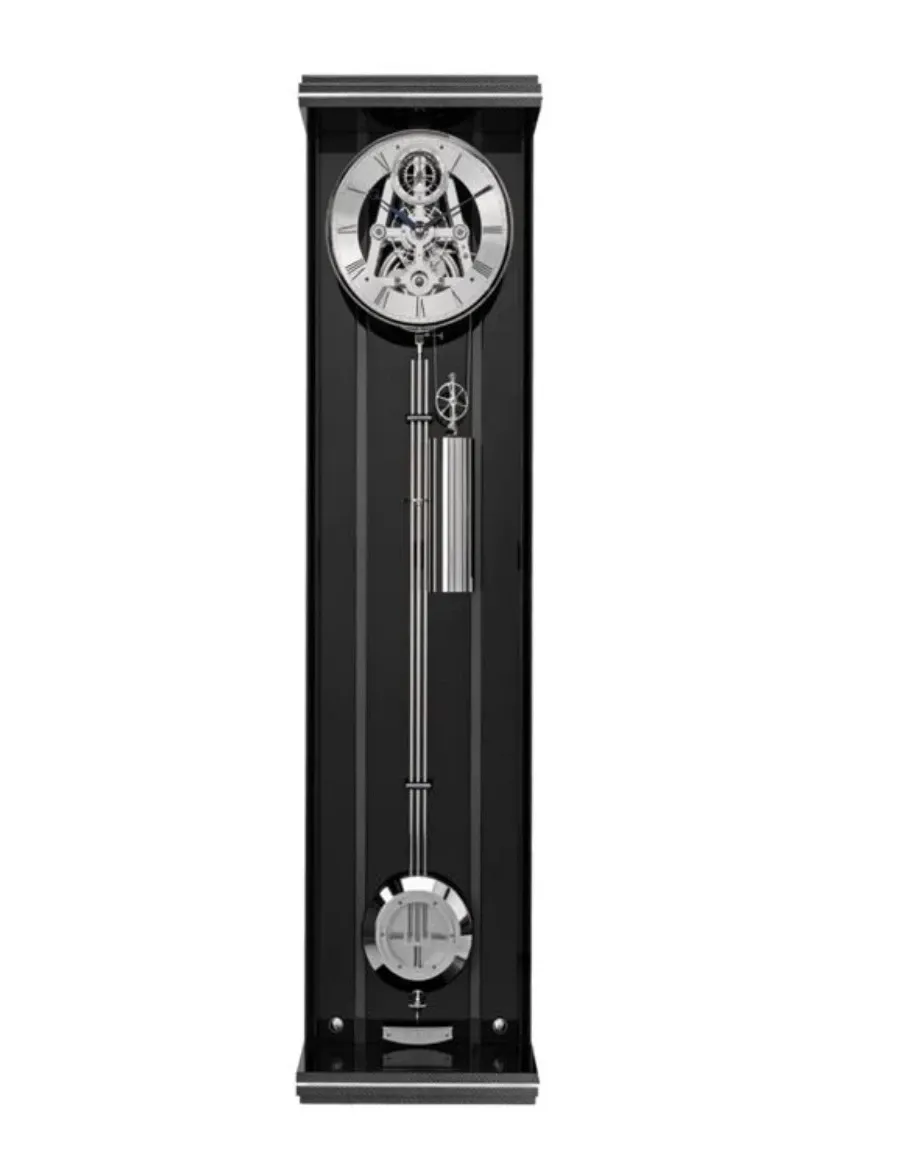
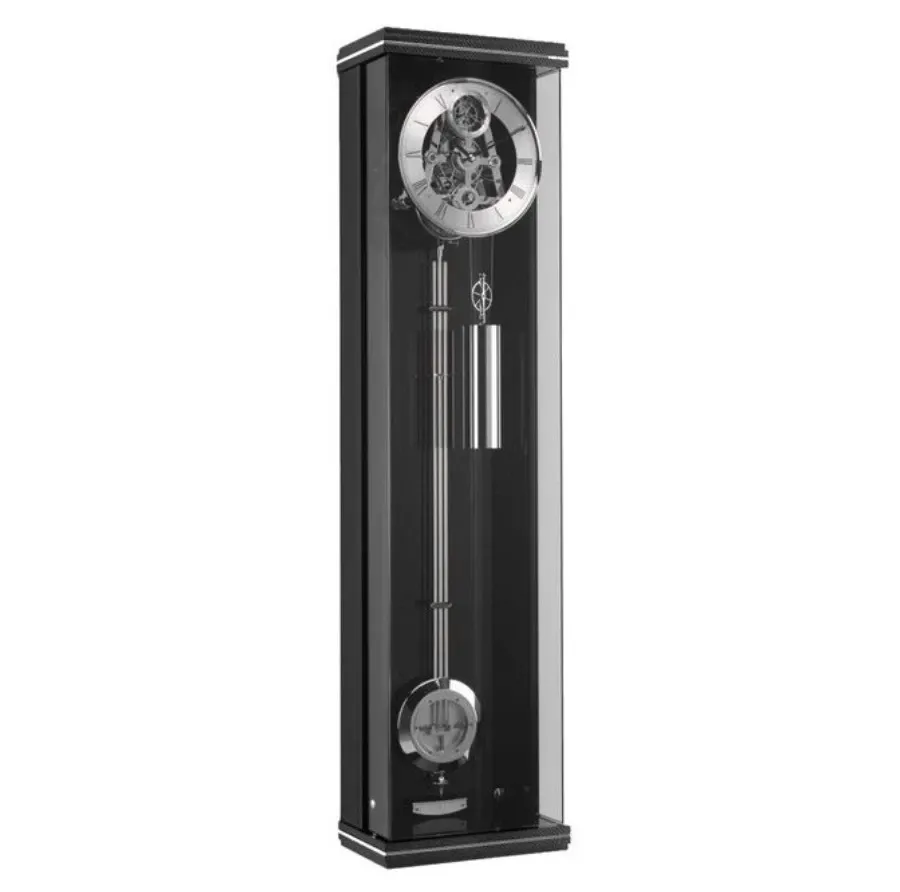
An excellent decorative Greenwich clock for the living room or office
English original clocks for beautiful offices and salons
SKU: COMLDON-S3603S
See other products from category Decorative clocks for the living room or from manufacturer Comitti London
Related products by category
Anframa is a longstanding company operating since 1970, bringing together the finest artisans from the Toledo region.They have a particular fondness for creating damascene-style products, referencing
Art in gold has over a thousand years of history. Since humans invented metal, gold has played a leading role — because of its beauty and charm.Timeless Italian clocks, with beautiful and velvety s
Eric Stepniewski's incredible journey with bronze began in 1973 in his hometown of Paris, where he started working as an antique dealer. After many years managing his Gallery, he took over the renowne
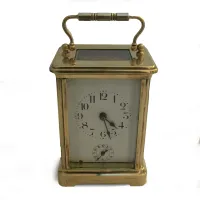
The official travel clock with casing, also known as cappuccino, is a desk alarm clock with a double dial and a bell at the bottom, housed in a brass case with all-around cut glass to showcase the mec
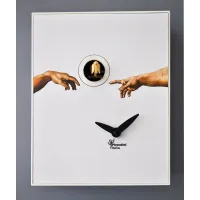
Pirondini Italia has been producing wooden objects and interior accessories for over 40 years. Production is entirely carried out in Italy, using both traditional hand tools and the most modern equipm
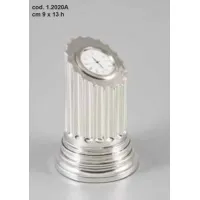
Unique figurine models combined with high-quality materials embody the ArtBe craftsmanship. They are a true tribute to premium decorative products and 100% I

We are pleased to present to you a renowned brand in the art of sculpture. Since 1988, the well-growing Spanish company Anglada specializes in handcrafted production of exceptionally exclusive
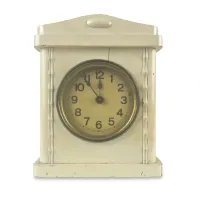
Old Junghans desk clock with a white-painted case; features a round dial with Arabic numerals, surrounded by a brass frame. The case has two carved vertical friezes and a small crack at the front. Its
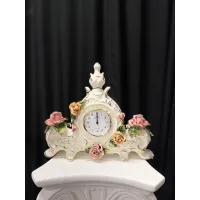
Ceramics for home and interior design - Luxury Products Boutique The Italian manufacturer Sonda Ceramica was founded in 1974 by Domenico Sonda. Since then, it has gained widespread popularity worldwi
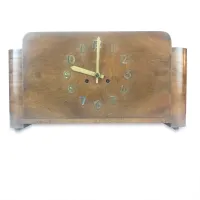
Haller desk clock from the 1940s with a rectangular walnut veneer case, without a dial; The hands and Arabic numerals are made of brass with subtle chrome finishes, applied directly onto the case, whi
Description
Prestigious design from England combined with the highest quality materials creates the Comitti manufactory.
A sip of wonderful history
In 1845, Italian precision instrument maker Onorato Comitti traveled to England seeking a new future in a country enjoying unprecedented prosperity from the Industrial Revolution. In 1850, he opened his workshops alongside other specialists in Clerkenwell, London. Dedicated to the pursuit of perfection and innovation, he quickly gained an unmatched reputation for his recording instruments, including high-quality mercury and aneroid barometers. During the late Victorian period, the company became renowned as one of the best clockmakers in England, receiving an Honorary Diploma for craftsmanship in 1888. Over 150 years later, Comitti remains a family-owned brand, run by the fifth generation, faithful to Onorato Comitti’s principles, and continuing to uphold its international reputation in the field of luxury clocks in the finest English horological tradition.
Original Comitti barometers and clocks from those early days are now sought-after and valuable antiques. Interestingly, some styles created by Comitti at the end of the 19th century are still produced today, using many of the same techniques and attracting the same wonder as always. This heritage allows the company to offer bespoke maintenance and restoration services for all antique clocks and barometers. It was the architecture of the 18th and 19th centuries that inspired the greatest English furniture designers, Thomas Sheraton, George Hepplewhite, and Thomas Chippendale. The fashion for the highest quality cabinetry created by these craftsmen influenced watchmakers as well.
Georgia-style craftsmanship and skills of master artisans, such as veneer cutters and inlay makers, have been employed using exotic woods sourced worldwide to create and decorate the visible areas of the finest clock cabinets. The long case clocks produced by Comitti today reflect all the skills and traditions of the bygone era. The highest quality seasoned solid hardwoods and exquisite veneers have been selected for their natural beauty. Veneers are cut, joined, inlaid with inlay work, and assembled by hand, making each piece unique.
Manual French polishing processes are used to enhance the natural beauty of the cabinets. The pores of the wooden surfaces are filled and sanded with fine papers to create a smooth base before applying lacquers. Finally, the surface is polished and waxed with beeswax to achieve a rich natural patina. The long clock produced by Comitti is a work of art, a heritage piece that will be treasured by future generations.
Products made using inlay techniques
Inlay is an art form traceable back to early Egyptian and Assyrian craftsmen and is essentially decoration created by forming patterns or images from veneers of wood or other materials. The zenith of inlay art occurred between the late 17th and early 18th centuries, when craftsmanship reached high art status thanks to royal patronage in France.
The arrival of William of Orange with his wife Mary and their court in 1689 sparked the fashion for this highly decorative craft in England. It had a direct influence on furniture designers, especially on longcase clocks. For the first time, home furnishings became aspirational, driven by fashion and the highest standards of design inspired by technical education and classical architecture. Comitti artisans continue to produce inlays according to these high standards, using traditional techniques and noble, rare woods. The time required to create these intricate panels is measured in days, and each piece is unique.
What does navigation invention have to do with Comitti clocks?
At the beginning of the 18th century, the biggest problem faced by navigators was calculating longitude, and thus determining their true position in the vastness of the oceans. Countless lives were lost as ships were wrecked in unknown waters, which is why the British Parliament offered a reward of £20,000 for a solution equivalent to £2,770,000 in today's currency. There were two schools of thought on solving this problem: astronomers, who believed that true longitude could be calculated using stars, and horologists, who understood that an extremely accurate clock would enable the calculation of true east-west position or longitude.
For many years, John Harrison, a self-taught English clockmaker, invented the marine chronometer, the most accurate timekeeping device ever created, which, importantly, would keep precise time on board a ship in extreme temperatures, humidity, and conditions. The Comitti Navigator is a tribute to the skill, ingenuity, and perseverance of one man who changed the course of history.
Attributes / Details
| SKU | COMLDON-S3603S |
| Manufacturer | Comitti London |
| Model | S3603S |
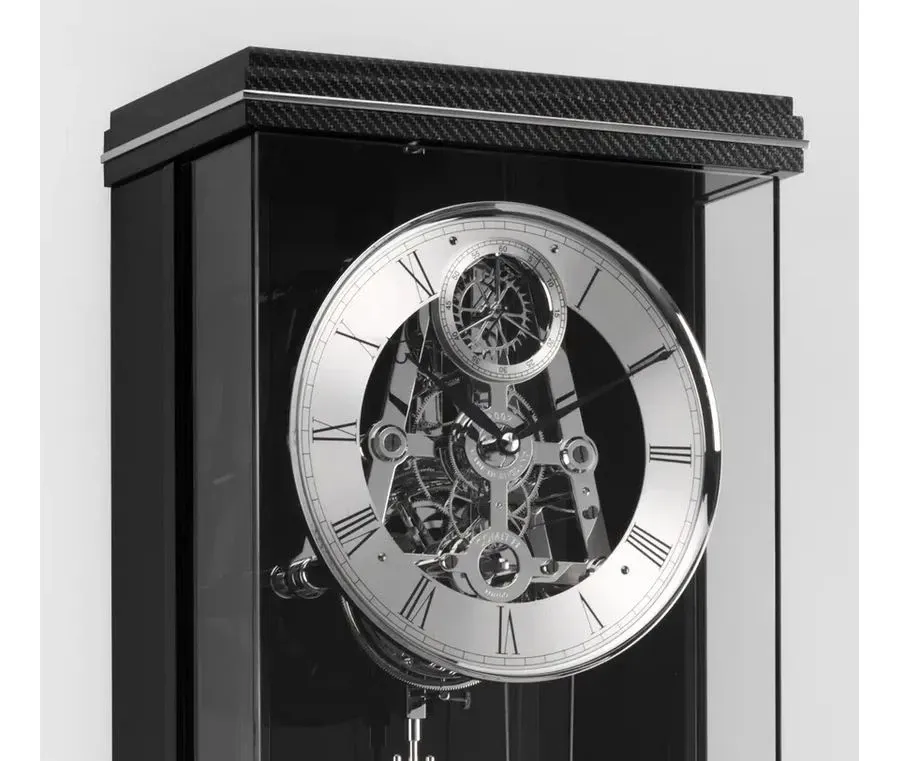
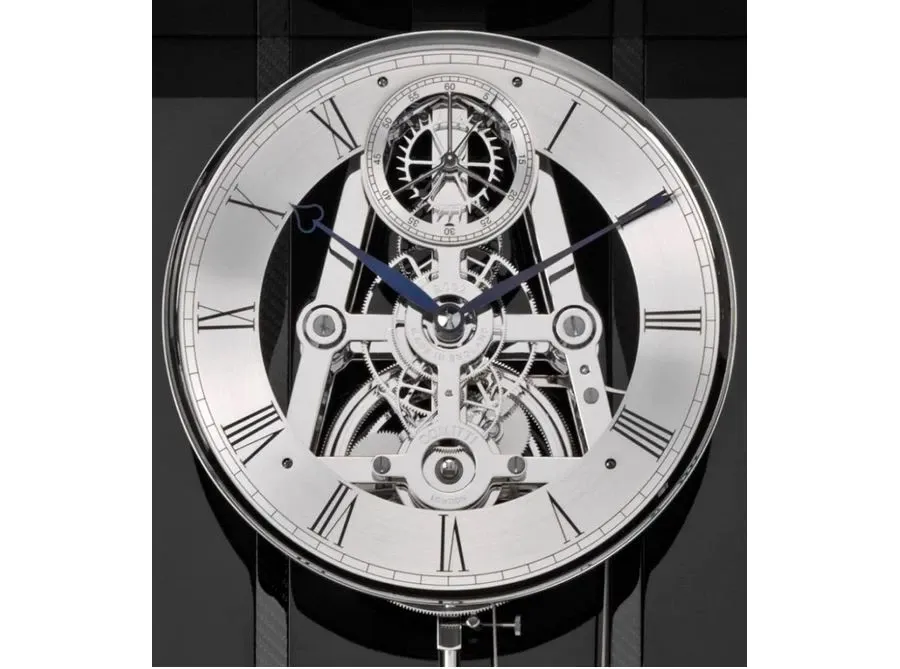
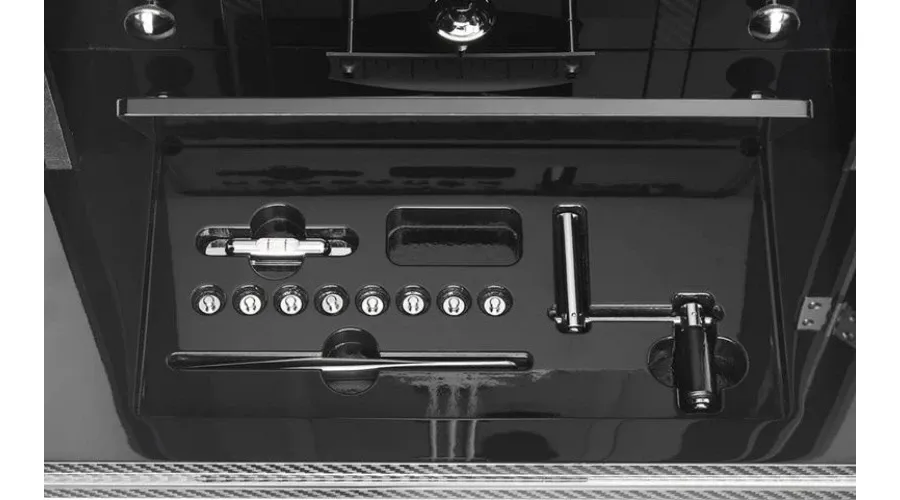
| Material | Hand-made, rhodium-plated mechanism with dead beat escapement and tungsten carbide pallets. Monthly power reserve of 30 days. Precise pendulum with temperature compensation. A large number of gears, including 18 friction-reducing ball races. Silver-plated dial with small, blue-lacquered hands. Handcrafted housing with high-gloss black lacquer and carbon fiber caps. Storage compartment for keys, tools and timing weights. Three-sided, crystal clear glass doors for full visibility of traffic. Custom finish combinations available upon request. Mechanism with serial number and certificate of authenticity |
| Size | Height 132 cm, Width 33.5 cm, Depth 20 cm |
| Weight | 21.5 kg |
| Guarantee | 24 months |
| Additional information | Greenwich is an outstanding example of the craftsmanship of the British watchmaker. The mechanism is equipped with a Vulliamy-style deadbeat escapement. A temperature-compensated pendulum, based on John Ellicott's elegant 1752 design, increases accuracy. Power maintenance, developed by John Arnold (1736-1799), ensures precision is maintained when winding the mechanism. The elegant design of the epicyclic gears allows the mechanism to run for a month before it needs to be wound. A special, limited version was created by Comitti in 2012 on the occasion of the Diamond Jubilee of Queen Elizabeth II. The original watch is currently in Buckingham Palace. |
See catalog
Reviews
No reviews for this product.